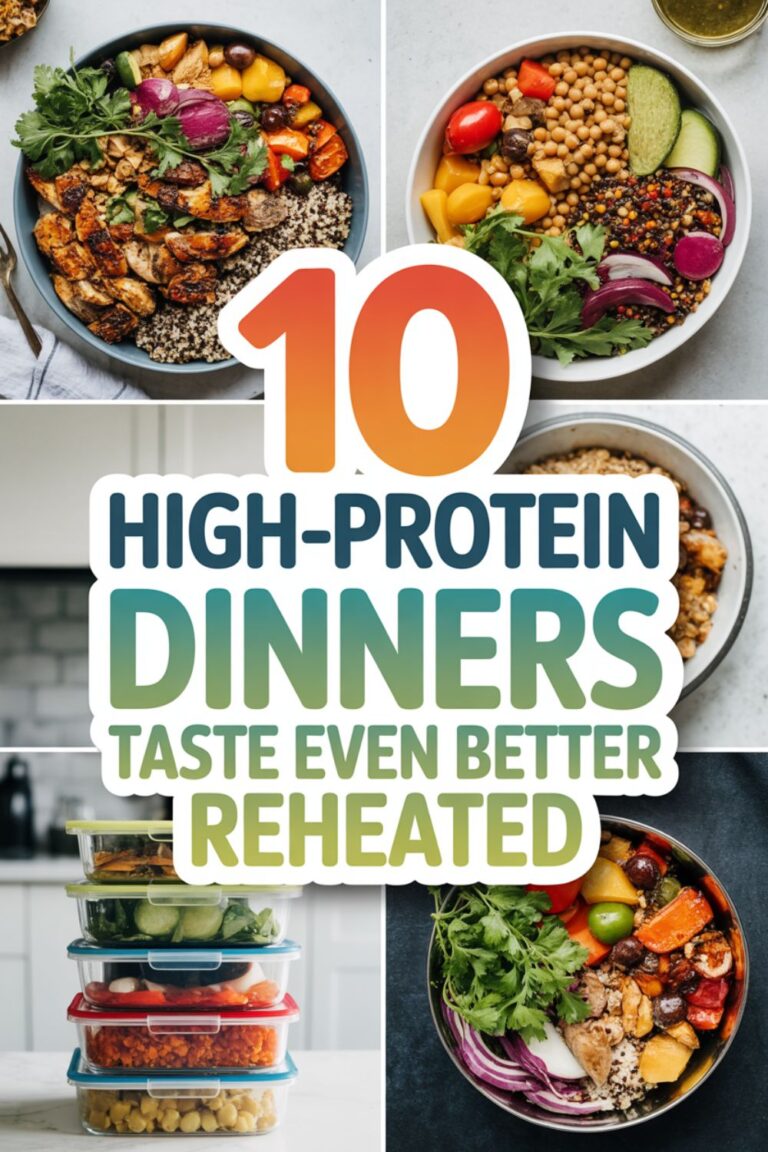
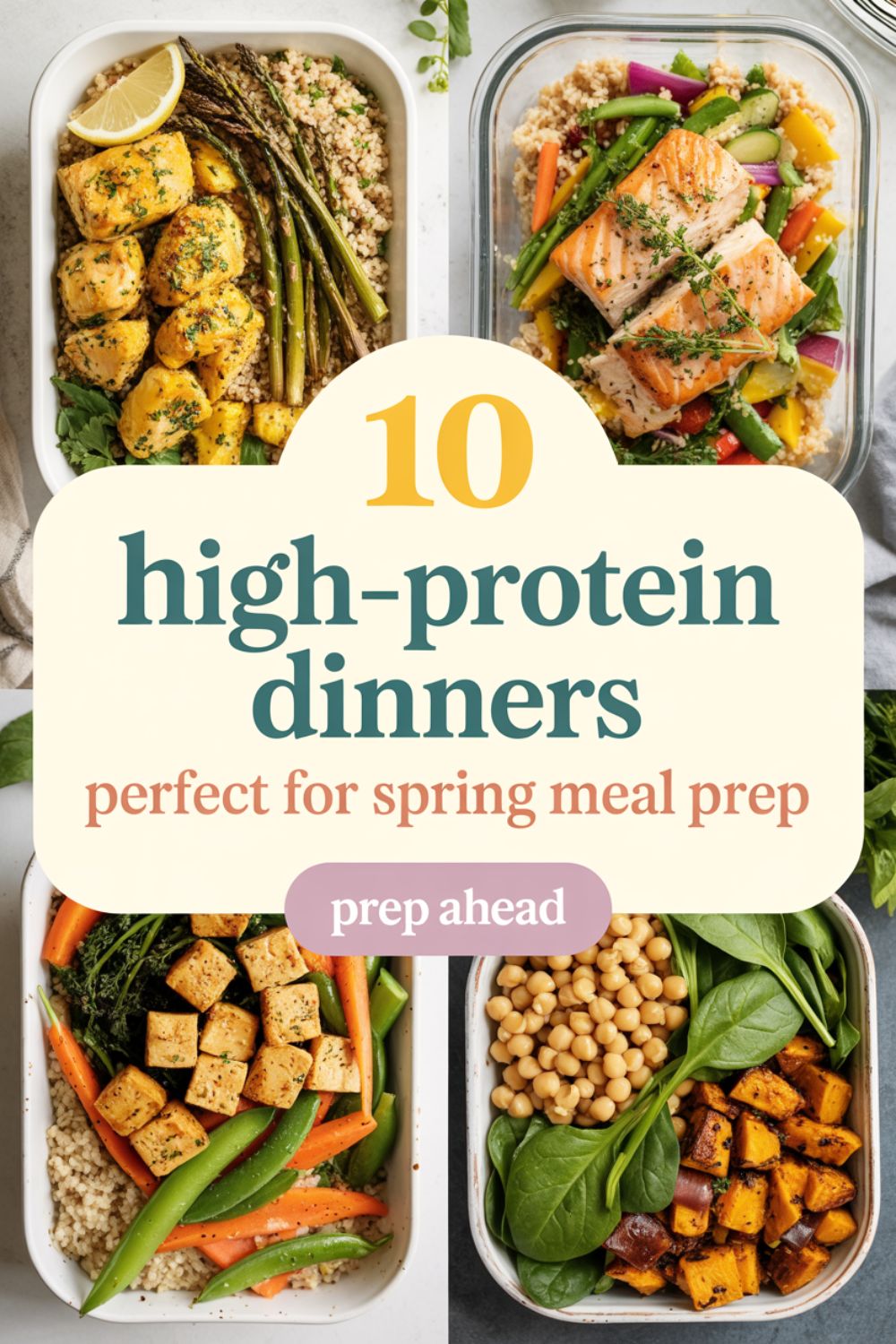
10 High-Protein Dinners Perfect for Spring Meal Prep
Look, I get it. You’re tired of eating the same bland chicken and broccoli for the fourth day in a row, wondering why you even bothered with meal prep in the first place. Spring rolled around, you got all motivated to eat healthier, bought a bunch of glass meal prep containers, and then… reality hit. Your “healthy” dinners taste like cardboard, and you’re back to ordering takeout by Wednesday.
Here’s the thing about high-protein meal prep that nobody tells you: it doesn’t have to suck. In fact, with spring’s bounty of fresh ingredients—think asparagus, snap peas, strawberries, and all those crisp greens—you can actually make dinners that get better as the week goes on. Yeah, you read that right. Better.
I’ve spent the last few months testing these recipes, tweaking them until they actually reheated well (because what’s the point otherwise?), and making sure each one packs at least 25-30 grams of protein per serving. No wimpy portions here. These are real dinners that’ll keep you full, support your fitness goals, and—most importantly—taste good enough that you’ll actually eat them instead of letting them die a slow death in the back of your fridge.
Why Spring Is Actually the Best Time for High-Protein Meal Prep
Spring brings lighter, fresher ingredients that pair beautifully with lean proteins. After months of heavy stews and comfort food, your body’s probably craving something different anyway. The seasonal produce—asparagus, peas, radishes, spring onions, and tender greens—adds natural flavor and crunch without requiring a ton of heavy sauces or cheese to make things interesting.
Plus, let’s talk about the practical side. Spring weather is unpredictable. One day it’s 75 and sunny, the next it’s 50 and drizzling. Having dinners prepped means you’re not scrambling to figure out what to eat when the weather throws you a curveball and you definitely don’t feel like cooking.
According to research from Mayo Clinic, distributing protein evenly throughout your meals can help control appetite and maintain muscle mass—which is exactly what we’re going for here. The key is making it work with your actual life, not some fantasy version where you have unlimited time and energy.
The 10 Best High-Protein Spring Dinners for Meal Prep
1. Lemon Herb Chicken with Asparagus and Quinoa
This is probably the most foolproof recipe in the bunch. Marinate chicken breasts in lemon juice, olive oil, garlic, and fresh herbs (I use a combo of thyme and rosemary), then roast everything on sheet pans at 400°F. The asparagus gets perfectly tender-crisp, the quinoa soaks up all those lemony juices, and you’ve got yourself a legit 32 grams of protein per serving.
The real magic happens when you reheat it. Unlike sad, dried-out chicken, this stays moist because of the marinade. Add a squeeze of fresh lemon before eating, and honestly, it’s better on day three than day one. Get Full Recipe
2. Teriyaki Salmon Bowls with Edamame and Sugar Snap Peas
I was skeptical about salmon meal prep for the longest time. Doesn’t it get fishy? Doesn’t it smell weird? Turns out, if you cook it right (medium rather than well-done), it reheats beautifully. This bowl gives you about 28 grams of protein from the salmon and edamame combined.
Make your own teriyaki sauce—store-bought is usually loaded with sugar—and toss it with brown rice, blanched sugar snap peas, and edamame. The crunch from the snap peas stays surprisingly good through the week. I keep mine in divided containers to prevent everything from getting soggy. Get Full Recipe
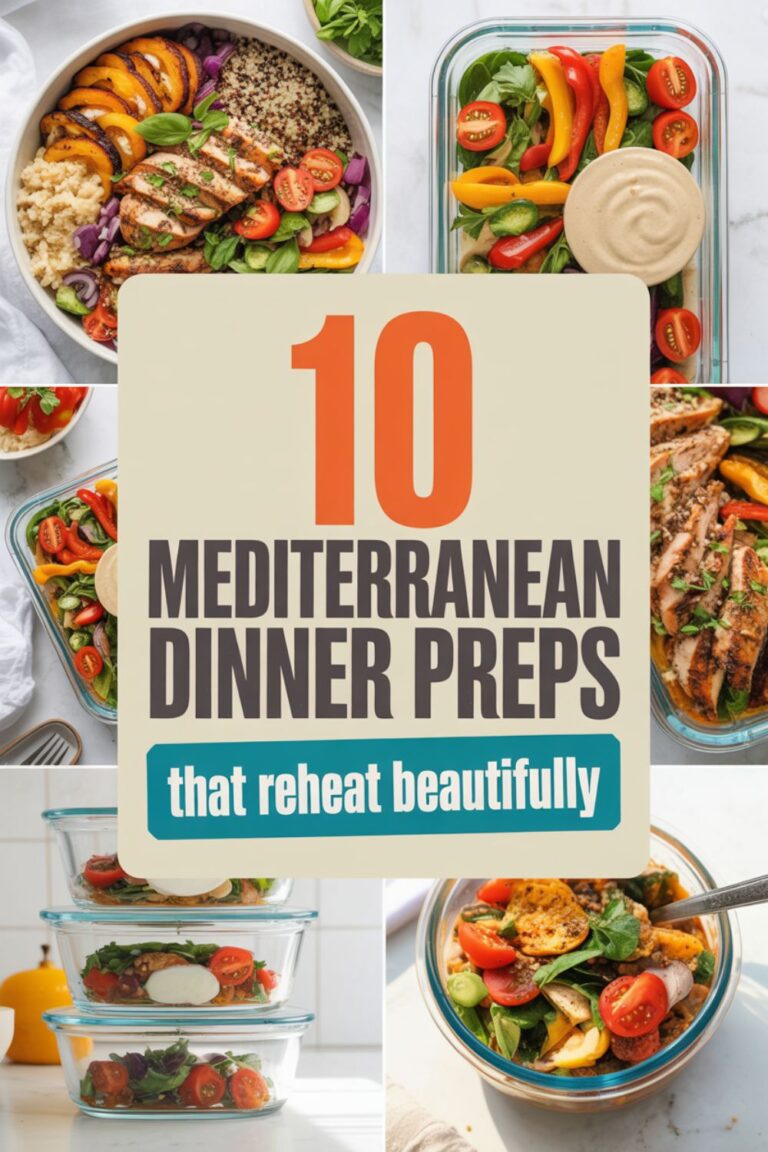
If you’re looking for more ways to incorporate seafood into your weekly rotation, these Mediterranean meal prep ideas have some killer fish-based options that reheat just as well.
3. Ground Turkey Lettuce Wraps with Ginger-Lime Slaw
Here’s where meal prep gets fun. You make the seasoned ground turkey filling in bulk—about 25 grams of protein per serving—and store it separately from the lettuce and slaw. When you’re ready to eat, you just assemble. Takes literally two minutes.
The turkey filling is ridiculously versatile. I season mine with ginger, garlic, soy sauce, and a tiny bit of honey. Use it in lettuce wraps, toss it with rice, stuff it in a pita, whatever. The ginger-lime slaw (shredded cabbage, carrots, cilantro) stays crispy for days and adds that perfect fresh crunch.
4. Greek Chicken Bowls with Chickpeas and Tzatziki
This is my go-to when I want something that feels indulgent but is actually healthy. Marinated chicken thighs (yes, thighs—they stay way juicier than breasts), roasted chickpeas for extra protein and crunch, cucumber-tomato salad, and homemade tzatziki.
Total protein? Around 35 grams per bowl. The chickpeas are a game-changer here. Toss them with olive oil, paprika, and garlic powder, roast until crispy, and they add this addictive crunch that doesn’t go away when you meal prep them. Store the tzatziki separately and add it right before eating. Get Full Recipe
For more Mediterranean-inspired options that make meal prep actually exciting, check out these Mediterranean bowls you can prep in advance.
5. Pesto Shrimp and Zucchini Noodles
Yeah, zoodles for meal prep. I know what you’re thinking—won’t they get watery and gross? Not if you salt them first and let them drain. This step is non-negotiable. Salt your spiralized zucchini, let it sit for 20 minutes in a colander, squeeze out the excess water, and boom—zoodles that stay firm all week.
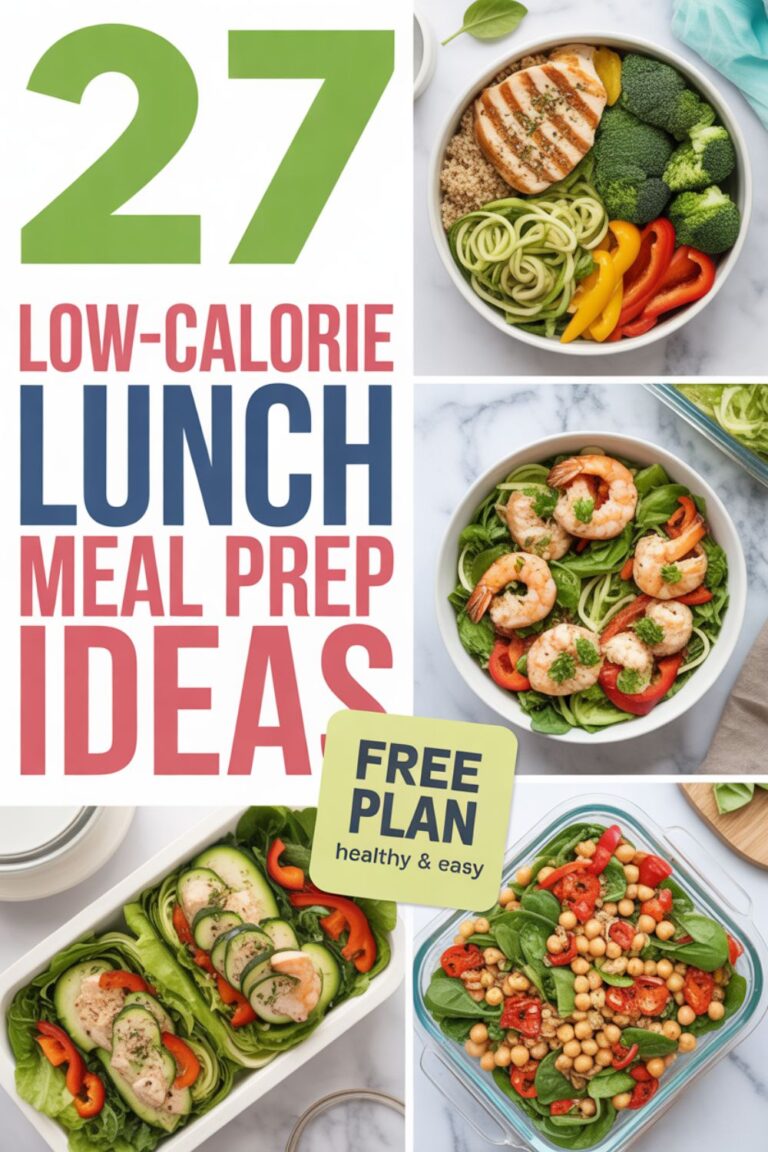
The shrimp cook in about four minutes, the pesto (make your own or buy a good quality one) ties everything together, and you’ve got a light, fresh dinner with 27 grams of protein that doesn’t feel heavy. Store everything separately and combine when you’re ready to eat.
6. Beef and Broccoli Stir-Fry with Cauliflower Rice
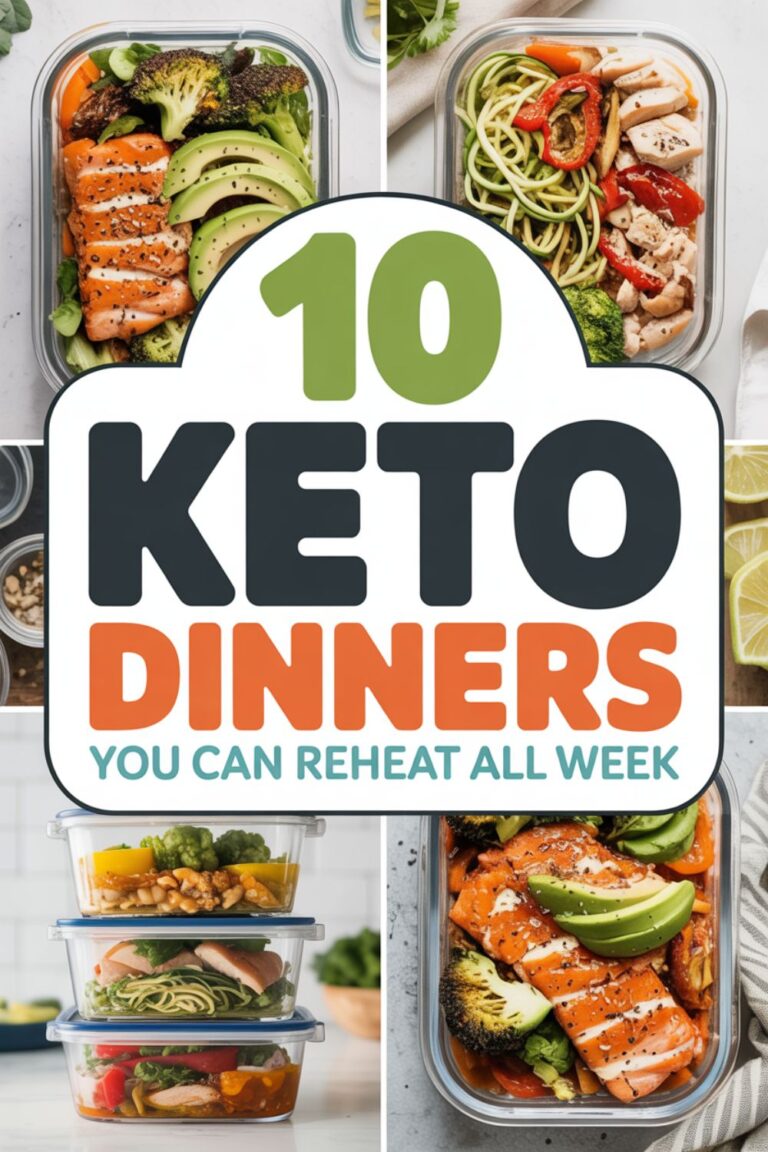
This is what I make when I’m craving takeout but don’t want to blow my macros or my budget. Flank steak, tons of broccoli, a savory sauce made with soy sauce and garlic, served over cauliflower rice. About 30 grams of protein per serving, and it reheats like a dream.
The trick with the beef is to slice it thin against the grain and cook it quickly over high heat. Don’t overcook it on Sunday, because it’ll cook a bit more when you reheat. I use my wok for this, but a large skillet works just fine. Get Full Recipe
7. Lemon Garlic Cod with Spring Vegetables
Cod is criminally underrated for meal prep. It’s mild, it’s affordable, and it doesn’t get that fishy smell that some seafood develops. This recipe pairs it with whatever spring vegetables look good at the market—asparagus, snap peas, baby carrots, radishes.
Everything roasts together on one pan (cleanup win), and the lemon-garlic situation keeps things from getting boring. About 28 grams of protein per serving. Add some wild rice or quinoa if you want extra carbs. The fish stays flaky and tender through multiple reheats if you don’t overcook it initially. Get Full Recipe
Speaking of fish-forward meal prep, these Mediterranean dinner preps have amazing seafood options that hold up ridiculously well in the fridge.
8. Chicken Sausage and Pepper Sheet Pan Dinner
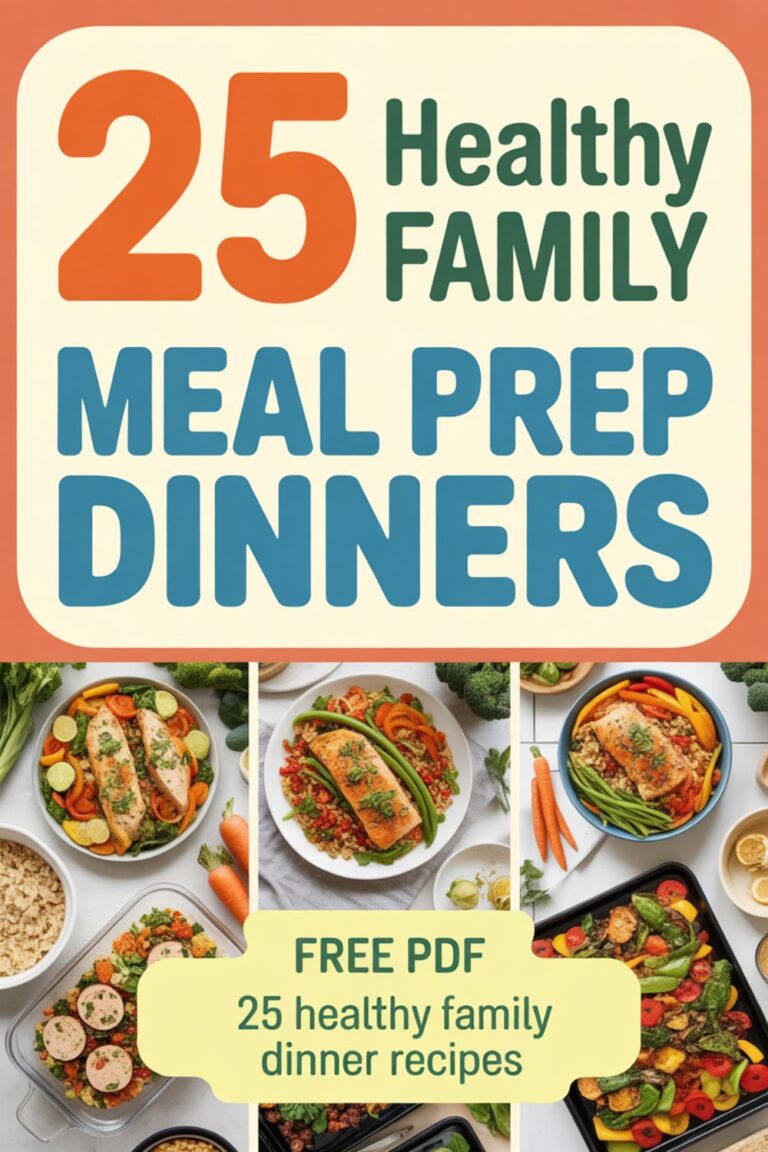
This is peak lazy-but-effective meal prep. Chicken sausage, bell peppers (all the colors, because why not), red onions, maybe some baby potatoes. Toss with olive oil and Italian seasoning, roast, done. Around 26 grams of protein, depending on your sausage choice.
The beauty of this one is the sausage is already seasoned, so you’re not starting from scratch with spices. I grab the pre-cooked chicken sausage from the store, which makes this even faster. Reheats perfectly, tastes great hot or cold.
9. Tofu Scramble Bowls with Roasted Sweet Potatoes
For my plant-based people, this one’s for you. Crumbled tofu seasoned with turmeric, nutritional yeast, and black salt (for that eggy flavor), served with roasted sweet potato chunks, sautéed greens, and avocado. About 22 grams of protein per bowl, which is solid for a vegan option.
The tofu scramble actually gets better as it sits—the flavors meld together in a really nice way. Store the avocado separately and add it right before eating so it doesn’t brown. This is breakfast-for-dinner energy, but in the best way possible.
10. Spicy Grilled Chicken Thighs with Mango Salsa
This is what I make when I want meal prep to feel less like meal prep and more like I’m eating at a trendy restaurant. Chicken thighs marinated in lime juice, chili powder, cumin, and garlic, grilled until they have those beautiful char marks, topped with fresh mango salsa.
The salsa—mango, red onion, jalapeño, cilantro, lime—stays fresh for about four days, which is perfect for a work week. Serve with cilantro-lime rice or just eat it with more veggies. About 31 grams of protein per serving, and it’s so good you’ll forget you’re eating healthy. Get Full Recipe
Meal Prep Essentials That Actually Make This Easier
Listen, I’m not about to tell you to buy a bunch of stuff you don’t need. But there are a few things that genuinely make the difference between meal prep that works and meal prep that ends up being more trouble than it’s worth.
Physical Products Worth Having:
- Glass meal prep containers with compartments – Yeah, they’re pricier than plastic, but they don’t stain, don’t absorb smells, and you can reheat in them. Worth every penny.
- Good quality sheet pans – Half the recipes here happen on sheet pans. Get ones that don’t warp in the oven and clean up easily. Your future self will thank you.
- Kitchen scale – If you’re serious about hitting protein goals, eyeballing portions only gets you so far. A cheap digital scale takes the guesswork out.
Digital Resources That Help:
- MyFitnessPal or Cronometer – Track your macros if that’s your thing. Helps you see if you’re actually hitting those protein targets or just guessing.
- Meal prep apps with grocery lists – Some have built-in lists that pull from your chosen recipes. Saves you from wandering the grocery store trying to remember what you needed.
- Pinterest boards for recipe rotation – Keep your favorites saved somewhere you can actually find them again. I have separate boards for different protein sources.
How to Make These Dinners Actually Work in Real Life
Here’s where most meal prep advice falls apart: it assumes you have unlimited time, energy, and motivation. You don’t. Neither do I. So let’s talk about how to make this sustainable.
First, you don’t have to prep all ten of these recipes in one weekend. That’s psychotic. Pick two or three to start. Make enough for 3-4 days. See how it goes. If you love them, make them again. If not, try different ones next week.
Second, not everything needs to be fully assembled. Sometimes I just cook the protein and prep the veggies, then throw them together throughout the week with different grains or greens. Keeps things from getting monotonous without requiring you to cook every single night.
Third, reheat smart. Most of these are fine in the microwave, but some (like the salmon) are better in a toaster oven or quickly pan-reheated. Texture matters, and mushy food is depressing food.
Studies show that adequate protein intake—especially when distributed throughout the day rather than loaded at dinner—supports muscle maintenance and satiety. Research published in PMC’s systematic review found that protein timing and distribution can significantly impact muscle protein synthesis, which is particularly important if you’re active or trying to build strength.
Common Mistakes That’ll Ruin Your Meal Prep (And How to Avoid Them)
Let’s be real about what goes wrong, because I’ve made every single one of these mistakes.
Overcooking your protein. It’s going to cook a bit more when you reheat it. So that chicken needs to come out of the oven when it’s just barely done, not when it’s been in there for an extra ten minutes “just to be safe.” Get yourself an instant-read thermometer and actually use it.
Not storing sauces separately. Wet sauces make everything soggy. I learned this the hard way with a batch of otherwise perfect teriyaki bowls that turned into mush by day three. Keep sauces and dressings in little 2-oz containers and add them when you’re ready to eat.
Choosing recipes that don’t actually reheat well. FYI, not everything is meal prep-friendly, no matter what some recipe blog tells you. Crispy things get soggy. Delicate greens wilt. Anything with a lot of dairy can get weird. Stick with proteins and vegetables that improve or stay consistent when reheated.
Making recipes you don’t actually like. I don’t care how healthy or protein-packed something is—if you don’t enjoy eating it, you’re not going to eat it. Be honest with yourself about your preferences and work with them, not against them.
Research from Harvard Health suggests that many people, especially older adults, don’t consume adequate protein for optimal health. But the quality and consistency of that protein intake matters more than hitting some arbitrary daily number one day and then eating pasta for the next three.
Making It Seasonal: Why Spring Ingredients Hit Different
Spring produce isn’t just pretty—it’s genuinely better for meal prep than winter vegetables. Asparagus holds its texture beautifully when reheated. Snap peas stay crisp. Radishes keep their bite. Even tender greens like spinach and arugula fare better than their winter counterparts when properly stored.
Plus, spring vegetables tend to have higher water content, which means they’re naturally lower in calories while being more filling. That’s a win when you’re trying to hit protein goals without feeling stuffed. The fresh, bright flavors also mean you need less oil, cheese, or heavy sauces to make things taste good.
This is also prime time for sales on chicken and fish as grocery stores gear up for grilling season. Stock up when prices are good, portion it out, and freeze what you won’t use within a few days. I use my vacuum sealer for this, but even just well-wrapped freezer bags work fine.
For more spring-specific meal prep inspiration that takes advantage of seasonal ingredients, these clean girl meal prep ideas nail the fresh, light vibe we’re going for here.
Frequently Asked Questions
How long do these high-protein dinners actually last in the fridge?
Most of these will keep well for 4-5 days when stored properly in airtight containers. The key is making sure your protein is cooked to the right temperature and cooled quickly before refrigerating. If you’re meal prepping on Sunday, you’re good through Thursday without any quality issues. Anything beyond that, I’d recommend freezing.
Can I freeze these meals for longer storage?
Absolutely. Most of these freeze beautifully—just avoid freezing anything with high water content vegetables like cucumbers or lettuce-based components. The salmon, chicken, turkey, and beef recipes all freeze well for up to 3 months. Let them thaw in the fridge overnight before reheating. IMO, the texture holds up better than I expected, especially with the marinaded proteins.
What if I don’t eat meat? Can I make these plant-based?
For sure. You can swap in tofu, tempeh, or legumes for most of the animal proteins here. The tofu scramble bowl is already plant-based, and the Greek bowl works great with chickpeas instead of chicken. Just keep in mind that plant-based proteins typically have slightly lower protein per serving, so you might need to add extra beans or use a plant-based protein powder in a smoothie to hit your daily targets.
How much protein do I actually need per day?
It varies based on your goals, activity level, and body weight, but most active adults benefit from 0.8-1.2 grams per pound of body weight. If you’re trying to build muscle or maintain it while losing fat, aim for the higher end. These dinners provide 25-35 grams each, which should cover about a third of your daily needs if you’re around 150 pounds and moderately active.
What’s the best way to reheat these meals without drying them out?
Add a tablespoon of water or broth before microwaving and cover the container with a damp paper towel. This creates steam that keeps everything moist. For fish and chicken, I prefer reheating in a toaster oven or regular oven at 350°F for about 10 minutes. Takes longer but the texture is way better than microwave reheating.
The Bottom Line on High-Protein Spring Meal Prep
Here’s what it comes down to: meal prep works when it fits your life, not when you’re trying to force yourself into some Instagram-perfect routine that requires three hours of Sunday cooking and a level of organization you just don’t have.
These ten dinners are designed to be realistic. They use spring ingredients that actually hold up well in the fridge. They pack enough protein to keep you satisfied. They reheat without turning into a sad, soggy mess. And—most importantly—they taste good enough that you’ll actually want to eat them on Thursday, not just Monday.
Start with one or two recipes that sound appealing. Make enough for a few days. See how it goes. Adjust based on what works for your schedule and your taste buds. There’s no one-size-fits-all approach here, and anyone who tells you there is probably hasn’t done their own meal prep in a while.
The goal isn’t perfection. It’s making healthy eating sustainable and—dare I say it—enjoyable. Because protein goals are important, but so is not hating every meal you eat.