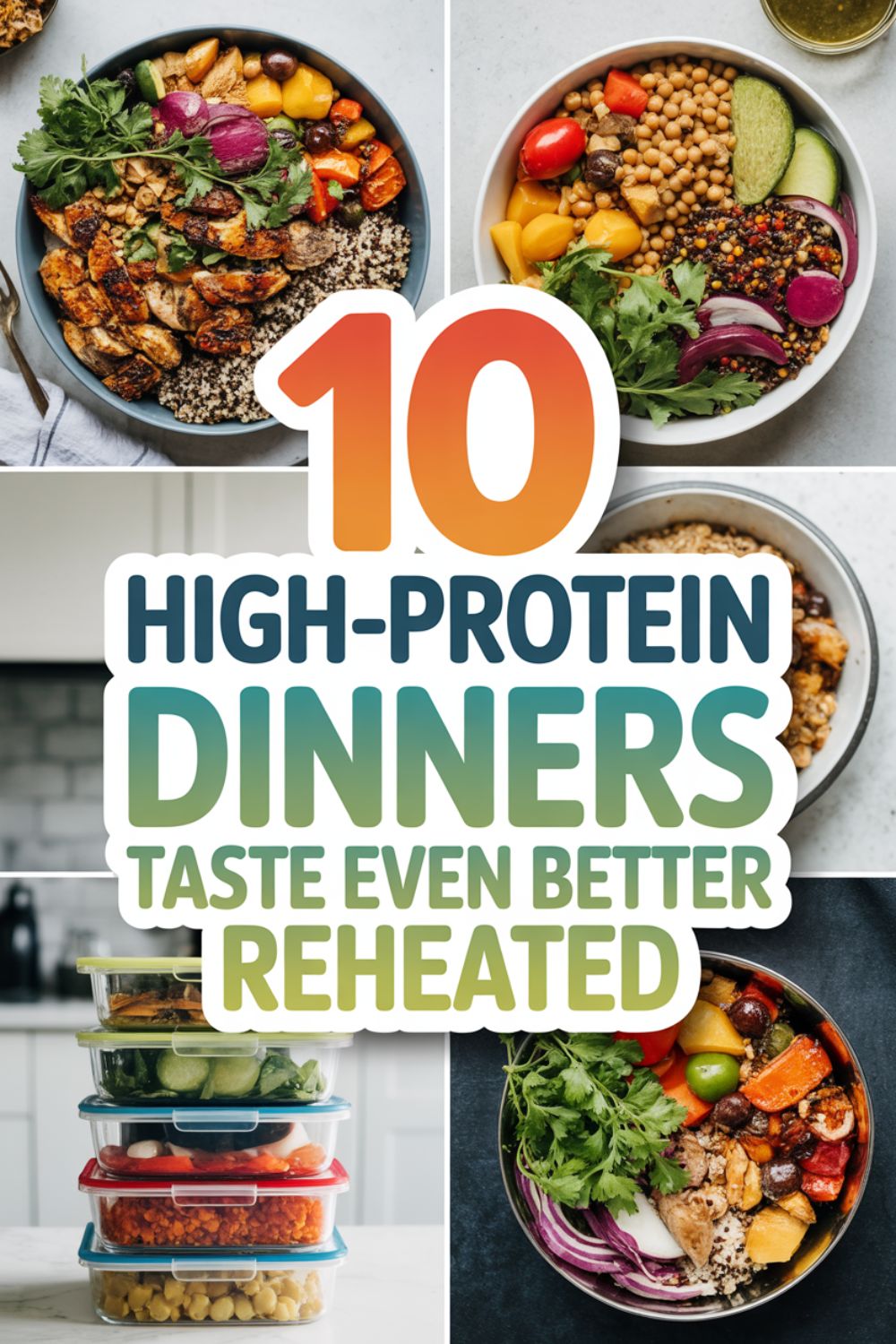
10 High-Protein Dinners That Taste Even Better Reheated
Let’s talk about the meal prep game-changer nobody warned you about: some dinners actually get better after they’ve been sitting in your fridge for a day or two. I know it sounds counterintuitive, but hear me out. While most of us are chasing that fresh-off-the-stove flavor, there’s a whole category of high-protein meals that basically improve with time, like a fine wine or your favorite pair of jeans.
The thing is, reheating doesn’t have to mean sacrificing flavor or texture. In fact, when you pick the right dishes, those flavors have time to meld together, proteins break down into even more tender bites, and you end up with something that’s arguably better than what you made on Sunday. Plus, you’re getting that protein boost without the daily cooking marathon.
Why Some Proteins Actually Improve When Reheated
Here’s what’s happening on a molecular level that makes certain proteins shine after reheating. When you cook something like a braise or stew, those tough protein fibers start breaking down. But here’s the kicker: that process doesn’t just stop when you turn off the heat. As the food sits in the fridge, those fibers continue to soften, and the flavors keep mingling.
Research on protein supplementation and muscle recovery shows that consuming adequate protein throughout the day supports muscle repair and growth. This is why having pre-prepped high-protein meals ready to go isn’t just convenient—it’s strategic for anyone trying to maintain or build muscle mass.
Pro Tip: Slightly undercook vegetables in your meal prep by about 2 minutes. They’ll finish cooking when you reheat, staying crisp instead of turning to mush.
The key is understanding which cooking methods and protein sources actually benefit from a little time in the fridge. Slow-cooked meats? Absolute winners. Pan-seared chicken breast? Maybe not so much. We’re looking for dishes where moisture, flavor penetration, and texture development work in our favor over time.
The Science Behind Meal Prep and Food Safety
Before we jump into the recipes, let’s talk safety because nobody wants to spend their week with food poisoning. According to Healthline’s meal prep guidelines, you need to cool your proteins properly and store them at the right temperature to avoid bacterial growth.
The magic number is 165°F when reheating—that’s your insurance policy against harmful bacteria. I always keep a digital meat thermometer on hand because guessing temperatures is how you end up with either rubber chicken or a stomach ache. This little gadget has saved me more times than I can count.
Store your prepped meals in the fridge for 3-4 days max, or freeze them if you’re planning further ahead. Use airtight glass containers rather than plastic when possible—they don’t absorb odors, they’re microwave-safe, and you can actually see what’s inside without playing fridge roulette.
1. Beef and Bean Chili
Chili is the poster child for meals that taste better reheated, and there’s actual chemistry behind it. As the chili sits, the starches from the beans break down and create a thicker, more cohesive texture. The spices penetrate deeper into the meat, and those acidic tomatoes work their tenderizing magic on the beef.
A single serving packs around 30-35g of protein, thanks to the combination of ground beef and beans. I like using 90% lean beef to keep it healthier without sacrificing that rich, meaty flavor. Throw in some black beans and kidney beans for variety, plus you’re getting extra fiber that helps with digestion and keeps you fuller longer.
Quick Win: Make chili on Sunday, freeze half in individual portions. You’ve got ready-to-go lunches for two weeks without eating the same thing daily.
2. Mediterranean Chicken and Chickpea Bowls
These bowls are what I call “set it and forget it” meal prep perfection. The chicken thighs (yes, thighs, not breasts) stay incredibly moist when reheated because of their higher fat content. Mix them with chickpeas, cherry tomatoes, cucumber, and a lemon-herb dressing, and you’ve got a protein powerhouse.
Each bowl delivers about 35g of protein, and the flavors actually intensify overnight. The lemon juice in the dressing acts as a marinade, making everything taste even more vibrant on day three than it did on day one. Plus, chickpeas are basically little protein bombs that also bring complex carbs to the table.
For meal prep inspiration that pairs perfectly with these flavors, check out these high-protein meal prep bowls for the week that follow similar Mediterranean principles.
3. Slow Cooker Pulled Pork
I’m convinced that pulled pork reaches its peak flavor somewhere around day two in the fridge. The low-and-slow cooking method breaks down all that connective tissue, and the meat literally falls apart when you touch it with a fork. But here’s where it gets interesting: as it sits in its own juices overnight, it reabsorbs even more flavor.
You’re looking at about 25-30g of protein per serving, depending on how generous you are with portions. I use a 6-quart slow cooker to make a massive batch, then portion it out into containers with different sauce options. Some days I want BBQ, other days I’m feeling Asian-inspired with ginger and soy.
The beauty of pulled pork is its versatility. Reheat it with a splash of broth to keep it moist, and you can use it in tacos, bowls, sandwiches, or just eat it straight with some roasted veggies. Zero chance of getting bored.
4. Turkey and Spinach Lasagna
Lasagna is basically engineered to be reheated. All those layers need time to settle and compact, which is why your first slice usually falls apart but the leftovers stay perfectly intact. Using ground turkey instead of beef keeps it lean while still delivering around 28g of protein per serving.
Here’s my trick: I add ricotta mixed with an extra egg to the cheese layer, which helps it set up nicely and stay creamy when reheated. Spinach adds nutrients without making it taste like diet food, and the whole thing freezes beautifully if you want to make two and save one for later.
Use a deep baking dish to really pack in those layers. The deeper the dish, the more satisfying those corner pieces with the crispy edges become. Trust me on this one.
If you’re looking for more ways to keep your meal prep from feeling repetitive, these colorful meal prep bowls offer visual variety that genuinely makes you want to eat well all week.
5. Teriyaki Salmon with Broccoli
People get weird about reheating fish, but salmon is actually one of the most forgiving proteins if you do it right. The key is not overcooking it in the first place—you want it just barely cooked through, maybe even slightly pink in the center. When you reheat it gently, it finishes cooking to perfection.
Salmon brings about 25g of protein per fillet, plus all those omega-3 fatty acids your body loves. The teriyaki sauce keeps everything moist during reheating, and the broccoli actually benefits from a quick second heating because it stays tender-crisp rather than turning into green mush.
I reheat this in the microwave at 50% power for about 90 seconds, checking frequently. If you’re at work and have access to a toaster oven, even better—that gentle, even heat is perfect for fish.
Pro Tip: Keep sauce separate until reheating. Salmon skin gets soggy when it sits in liquid, but stays perfectly crispy when stored dry.
6. Beef and Vegetable Stir-Fry
Stir-fry is one of those meals that sounds like it wouldn’t reheat well, but it’s actually fantastic when done right. The secret is cooking your vegetables to about 80% done, knowing they’ll finish up when you reheat. Beef strips marinated in soy sauce, ginger, and garlic develop even deeper flavor after marinating overnight in the fridge.
Each serving packs around 30g of protein, and you can easily swap proteins based on what’s on sale. I’ve done this with chicken, shrimp, and even tofu when I’m feeling plant-based. The vegetables—bell peppers, snap peas, carrots—add crunch and color without weighing down the protein content.
For meal prep success, store the stir-fry separate from rice or noodles. Reheat the protein and veggies in a microwave-safe container, add fresh rice or noodles, and boom—restaurant-quality dinner in four minutes.
7. Greek-Style Meatballs in Tomato Sauce
Meatballs in sauce are basically designed to get better with time. The sauce penetrates the meat, keeping it incredibly moist, while the herbs and spices bloom and intensify. I make these with a mix of ground lamb and beef for that authentic Greek flavor, though all-beef works fine if lamb isn’t your thing.
You’re getting about 32g of protein per serving, plus the tomato sauce counts toward your daily vegetable intake (yes, I’m counting it). Mix in some feta cheese, oregano, and a touch of cinnamon for that Mediterranean vibe that hits different after it’s had time to mingle.
These freeze phenomenally well, too. I double the batch, freeze half, and pull them out whenever I need a quick dinner. Pair them with zucchini noodles or regular pasta, depending on your carb mood.
Speaking of Greek-inspired meals, if you’re trying to lose weight without feeling deprived, check out these weight loss meal prep bowls that prove healthy eating doesn’t have to be boring.
8. White Chicken Chili
This is the lighter, brighter cousin of traditional chili, and it reheats like an absolute dream. Using shredded chicken breast and white beans creates a creamy, satisfying meal that clocks in around 28g of protein per bowl. The cumin, green chiles, and lime juice create this flavor profile that somehow gets more complex after a day in the fridge.
I add Greek yogurt as a topping when serving, which bumps the protein up even more and adds a tangy creamness that cuts through the spice. Top with cilantro, avocado, and a squeeze of fresh lime, and you’ve got something that tastes like you spent way more than 20 minutes reheating it.
Make a huge pot on Sunday using a Dutch oven—the heavy bottom distributes heat evenly and prevents burning. You’ll have lunches and dinners sorted for half the week.
9. Pork Carnitas Bowl
Carnitas are proof that pork shoulder is wildly underrated. This cut is fatty enough to stay moist through multiple reheating sessions, and the slow-cooking process breaks down all that collagen into gelatin, which gives the meat this silky, rich texture.
Each serving delivers around 27g of protein, and you can crisp up the edges in a hot pan after reheating for that perfect textural contrast—tender inside, crispy outside. Pair it with black beans, rice, and whatever toppings you’re feeling that day.
The beauty of carnitas is that they’re essentially a blank canvas. Mexican spices today, Asian flavors tomorrow—the pork doesn’t care and tastes great either way.
For more bowl inspiration that keeps things interesting all week, these dump and build meal prep bowls make assembly stupidly simple when you’re too tired to think about dinner.
10. Moroccan-Spiced Lamb Stew
Stew is the ultimate “tastes better tomorrow” meal, and this Moroccan version is no exception. Lamb shoulder becomes impossibly tender after braising, and those warm spices—cinnamon, cumin, paprika, ginger—penetrate deeper with every hour that passes.
You’re looking at about 26g of protein per serving, plus the addition of chickpeas bumps it up while adding fiber and complex carbs. The apricots and tomatoes create this sweet-savory balance that’s absolutely addictive, and it reheats perfectly either in the microwave or on the stovetop.
This is one of those meals that fills your kitchen with the most incredible smell when you reheat it. Serve it over couscous or with crusty bread for soaking up that amazing sauce.
Kitchen Tools That Make Meal Prep Actually Enjoyable
Listen, having the right equipment isn’t just about being fancy—it’s about making your life easier and your food taste better. Here’s what I genuinely use every single week:
Physical Products
Glass Meal Prep Containers (Set of 10) – These don’t stain, don’t smell, and you can see exactly what’s inside without opening 47 containers. The snap lids actually stay snapped, which is rarer than you’d think.
Instant-Read Digital Thermometer – Stop guessing whether your chicken is cooked. This takes two seconds and prevents both food poisoning and overcooked, dry protein.
6-Quart Slow Cooker – The workhorse of my kitchen. Toss everything in before work, come home to dinner that’s been cooking itself all day. Makes enough for meal prep without being ridiculously huge.
Digital Resources
Meal Prep Recipe Subscription – Weekly meal plans with grocery lists already made. Saves me at least 2 hours of planning time every week, which I spend doing literally anything else.
Macro Tracking App Premium – If you’re serious about hitting protein goals, tracking makes a massive difference. The barcode scanner alone is worth the subscription price.
Online Cooking Masterclass – Learned proper knife skills and meal prep techniques that actually stick. Way more useful than randomly watching YouTube videos and hoping for the best.
Making Reheated Meals Taste Restaurant-Quality
The difference between sad desk lunch and something you’d actually pay for comes down to a few simple tricks. First, always add a splash of liquid before reheating—whether that’s broth, water, or even just a drizzle of olive oil. This prevents that dried-out, nuked-to-death texture that gives meal prep a bad name.
Second, reheat at a lower power for longer rather than blasting it at full power. I know you’re hungry, but patience here pays off. 60-70% power for 3 minutes beats 100% power for 90 seconds every single time. The heat distributes more evenly, and you don’t end up with lava-hot edges and a frozen center.
If you’re trying to hit specific protein targets for muscle building or fat loss, these 30g protein meal prep bowls take the guesswork out of portioning.
Third, freshen up your meal with something new right before eating. A squeeze of lemon, some fresh herbs, a dollop of Greek yogurt, or even just some cracked black pepper transforms the whole experience. You’re basically tricking your brain into thinking this is a completely different meal than what you ate three days ago.
The Protein Timing Factor Nobody Talks About
Here’s something interesting: having high-protein meals readily available actually helps you eat more consistently throughout the day. Studies on protein supplementation and performance recovery show that distributing protein intake evenly across meals supports better muscle protein synthesis than loading it all into one sitting.
When you’ve got these dinners prepped and ready, you’re way less likely to skip meals or resort to whatever’s quickest (usually not protein-rich). You’re essentially setting up your future self for success, which is what meal prep is really about.
IMO, the hardest part of eating enough protein isn’t knowing what to eat—it’s actually having it available when you’re hungry. These reheatable dinners solve that problem completely.
Pro Tip: Label containers with the date AND reheating instructions. Your exhausted future self will thank you when you’re not googling “how long to reheat chili” at 6pm on a Wednesday.
Looking for meals that travel well to the office? These meal prep bowls for work are specifically designed to survive the commute and taste great at room temp if needed.
Avoiding the Meal Prep Burnout
The biggest mistake people make with meal prep is going too hard too fast. You don’t need to prep 21 meals on Sunday and eat the same chicken and broccoli for a week straight. That’s a recipe for ordering pizza by Wednesday and giving up entirely.
Start with 2-3 dinners for the week. That’s it. You’re not trying to eliminate all spontaneous eating or never buy lunch again—you’re just making life easier for a few meals. These high-protein options are forgiving enough that you can prep them on Sunday and still be excited to eat them on Thursday.
Rotate your proteins and flavor profiles. If you do Mediterranean chicken one week, try Asian-inspired beef the next. Your taste buds need variety, and meal prep doesn’t have to mean eating like a robot.
For some serious visual inspiration that’ll make you actually want to meal prep, check out these aesthetic meal prep ideas. Pretty food tastes better—it’s science (probably).
Frequently Asked Questions
Can I really reheat chicken multiple times?
Technically you can, but you shouldn’t. Reheat once and eat it all—repeatedly reheating and cooling creates opportunities for bacterial growth. If you’ve got a huge batch, portion it out and freeze what you won’t eat within 3-4 days. Each portion gets reheated once from frozen to plate, and you’re golden.
How do I keep vegetables from getting mushy in meal prep?
Undercook them initially by about 2 minutes less than you normally would. They’ll finish cooking when you reheat, staying tender-crisp instead of sad and soggy. Also, store vegetables separate from saucy components when possible—moisture is what turns them mushy.
What’s the best container material for reheating?
Glass wins hands-down. It doesn’t absorb odors, doesn’t stain, heats evenly in the microwave, and you can go straight from fridge to microwave to dishwasher. Plastic works fine but degrades over time and can leave weird smells. Avoid reheating anything in the same container you stored it unless it’s specifically marked microwave-safe.
How long can I safely keep meal-prepped proteins in the fridge?
3-4 days max for cooked proteins in the fridge, according to food safety guidelines. After that, you’re playing bacterial roulette. Freeze anything you won’t eat within that window—most of these meals freeze beautifully for up to 3 months. Write the date on your containers because you absolutely will not remember when you made it.
Why does my reheated chicken always come out dry?
You’re probably overcooking it initially and then nuking it into oblivion. Cook chicken to just done (165°F), then reheat at lower power with added moisture. Cover your container to trap steam, and consider using fattier cuts like thighs instead of breasts—they’re much more forgiving and stay juicy through reheating.
The Bottom Line on High-Protein Meal Prep
Meal prep doesn’t have to be complicated, and it definitely doesn’t have to taste like cardboard. These ten high-protein dinners prove that reheated food can be just as good—sometimes better—than what you’d make fresh every night. The key is choosing recipes that actually benefit from time, understanding how to reheat properly, and setting yourself up with the right tools.
Start small, find a couple recipes you genuinely enjoy, and build from there. Your future self (and your wallet, and your muscles) will thank you for having real, protein-rich food ready to go when you’re too tired to think about cooking.
And honestly? Once you nail a few of these recipes, you’ll wonder why you ever stressed about cooking dinner every single night. That’s time you can spend doing literally anything else—working out, hanging with friends, binging that show everyone’s talking about, or just sitting on your couch doing absolutely nothing. All equally valid options.