10 Mediterranean Dinner Preps That Taste Bright and Fresh
I’ll be honest: I used to think meal prep meant sad containers of the same boring thing five days straight. Then I discovered Mediterranean dinner preps, and suddenly Sunday afternoons in the kitchen became my favorite ritual instead of a chore I’d procrastinate until Monday morning.
Here’s the thing about Mediterranean cuisine—it’s built on ingredients that actually get better as they sit. We’re talking marinated vegetables, herb-packed proteins, and grains that soak up all those gorgeous flavors overnight. Your Wednesday dinner literally tastes better than your Monday one. Try finding that magic in your average meal prep recipe.
The Mayo Clinic notes that this eating pattern emphasizes healthy fats, whole grains, and plenty of vegetables—which explains why it doesn’t feel restrictive or boring. Research from Harvard’s Nutrition Source has consistently shown the Mediterranean diet reduces cardiovascular disease risk and supports longevity, making these dinner preps not just delicious but genuinely good for you.
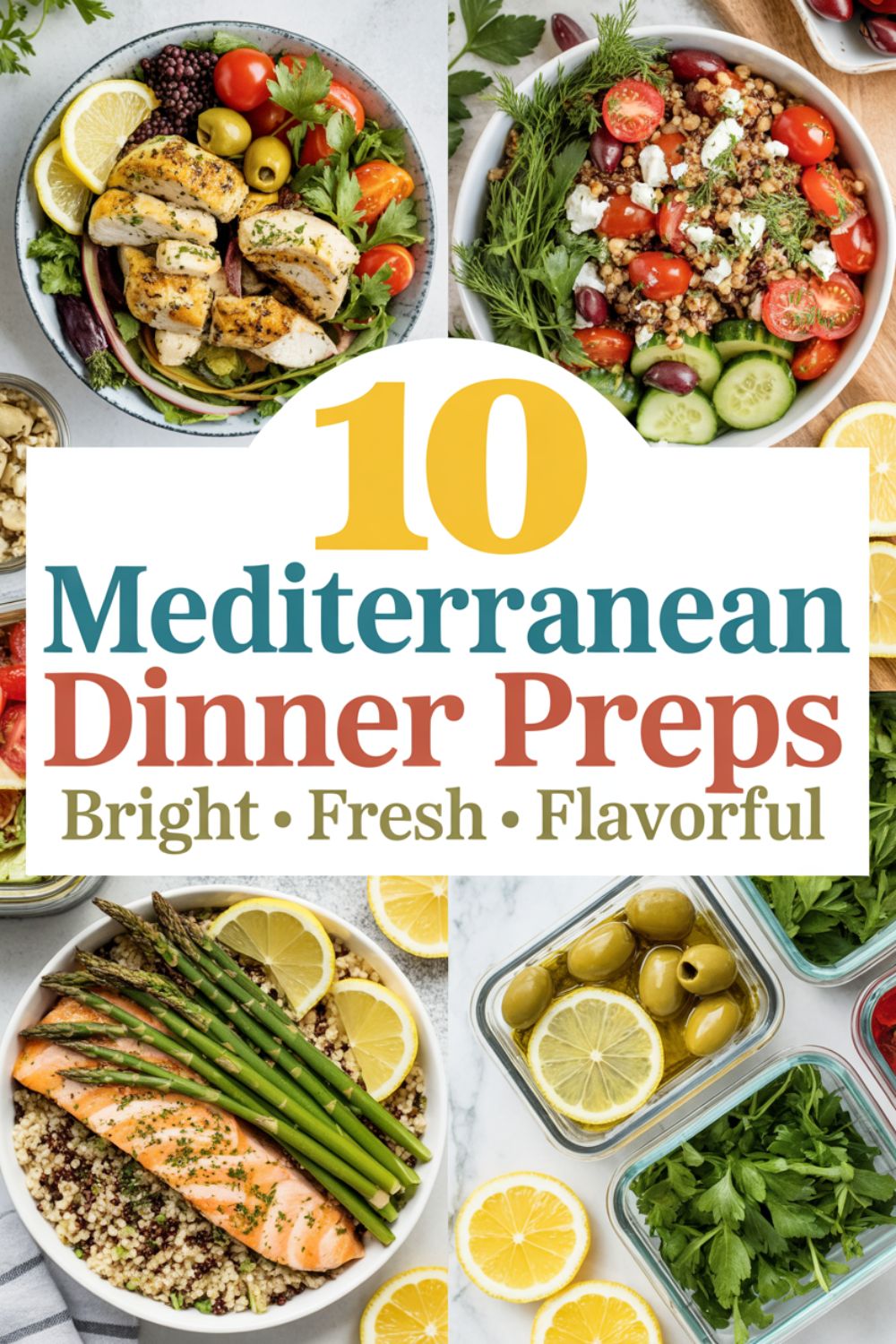
Why Mediterranean Dinner Preps Actually Work
Let’s talk about why this approach beats pretty much every other meal prep strategy I’ve tried. Mediterranean cooking relies heavily on olive oil, lemon, herbs, and vegetables that maintain their texture throughout the week. You’re not dealing with soggy lettuce or rubbery meat—these dishes were practically designed to sit in your fridge and develop more complex flavors.
The fat content from olive oil and nuts keeps everything moist and prevents that dried-out refrigerator taste. Plus, most Mediterranean proteins—think grilled fish, roasted chickpeas, or herb-marinated chicken—taste incredible cold or at room temperature. You can eat straight from the container without reheating if you’re in a rush.
Another game-changer? The base ingredients are incredibly versatile. Cook once, mix and match all week. Roasted vegetables work in grain bowls, as side dishes, or stuffed into pita pockets. For more inspiration on creating balanced, repeatable meals, check out these make-ahead bowls that carry you through the week.
The Ten Mediterranean Dinners That Changed My Meal Prep Game
1. Greek Chicken Bowls with Tzatziki
This one’s a crowd-pleaser every single time. I marinate chicken thighs—not breasts, they get too dry—in lemon juice, garlic, oregano, and olive oil overnight. Come Sunday, I grill them in my cast iron grill pan and slice them up for the week.
The bowls get quinoa or brown rice as a base, topped with cucumber-tomato salad, Kalamata olives, crumbled feta, and homemade tzatziki. The sauce stays fresh for at least five days if you keep it separate. I portion everything into glass meal prep containers with divided sections so the tzatziki doesn’t make everything soggy.
Best part? You can eat this cold, which means zero microwave time at work. Get Full Recipe
2. Sheet Pan Lemon Herb Salmon with Roasted Vegetables
FYI, salmon is one of those proteins that actually tastes better the next day when the flavors have mellowed out. I learned this from a chef friend and haven’t looked back since.
Everything goes on one sheet pan: salmon fillets, cherry tomatoes, zucchini, bell peppers, and red onion. Drizzle with olive oil, sprinkle with fresh dill and oregano, squeeze lemon juice over everything, season with salt and pepper. Roast at 400°F for about 20 minutes.
The vegetables get slightly caramelized, the salmon stays moist thanks to all that olive oil, and you’ve got zero dishes to clean except the sheet pan. I use a rimmed baking sheet lined with parchment paper—makes cleanup even easier.
If you’re looking for more seafood-forward Mediterranean options, these quick Mediterranean meal prep ideas include several fish-based recipes that store beautifully.
3. Mediterranean Chickpea Power Bowls
This is my go-to when I’m trying to eat more plant-based meals without feeling like I’m missing out on anything. Roasted chickpeas get crispy in the oven with cumin, paprika, and garlic powder—they’re basically Mediterranean popcorn but way more filling.
Layer them over couscous or farro with roasted red peppers, artichoke hearts, sun-dried tomatoes, and a lemon-tahini dressing. The chickpeas stay crunchy for about three days if you store them separately and add them just before eating.
Honestly, you could eat this every day and not get bored. The texture combination is that good. For more protein-packed vegetarian options, check out these high-protein meal prep bowls.
4. Turkish-Inspired Lamb Kofta with Tabbouleh
Okay, hear me out on this one. Ground lamb might sound fancy, but it’s usually the same price as ground beef at most grocery stores. Mix it with minced garlic, cumin, coriander, fresh parsley, and a pinch of cinnamon. Form into oblong patties and either grill or pan-fry them.
Serve alongside tabbouleh—that bright, herbaceous salad made with bulgur wheat, tons of fresh parsley, tomatoes, and lemon juice. The kofta reheat beautifully in a toaster oven, maintaining their texture way better than a microwave would.
The combination hits all the right notes: savory, fresh, tangy, and satisfying. Get Full Recipe
Looking for more Mediterranean lunch ideas that pair well with these dinners? These easy Mediterranean lunch boxes use similar ingredients and prep techniques.
5. Spanish-Style Shrimp with Romesco Sauce
I know what you’re thinking—shrimp for meal prep? Trust me on this. When properly cooked (just until pink, never overdone) and stored in a good sauce, shrimp stays tender all week.
The romesco sauce is the star here: roasted red peppers, almonds, garlic, smoked paprika, and olive oil blended until smooth. It’s like if marinara sauce went to Spain and came back way more interesting. Sauté the shrimp in olive oil with garlic for literally two minutes, then toss in the romesco.
Serve over cauliflower rice if you’re going low-carb, or regular rice if you’re normal and like actual carbs. Add some roasted asparagus on the side. The whole thing takes 20 minutes start to finish, and you’ve got four dinners ready to go.
6. Moroccan Vegetable Tagine
This is basically a fancy stew, but it sounds way more impressive when you call it a tagine. You don’t even need the actual tagine pot—a regular Dutch oven or heavy-bottomed pot with a lid works perfectly.
Load it up with sweet potatoes, carrots, chickpeas, tomatoes, and dried apricots. Season with cumin, coriander, cinnamon, and turmeric. Let it simmer for about 45 minutes until everything’s tender and the flavors have married (as my grandmother would say).
The crazy thing about this dish? It literally tastes better on day four than day one. Something magical happens as it sits. Serve over couscous and top with fresh cilantro and toasted almonds. IMO, this is the best vegetarian meal prep in existence.
For those following specific meal plans, these recipes integrate beautifully with this 7-day Mediterranean meal prep plan that includes shopping lists and prep schedules.
Kitchen Tools That Make Mediterranean Cooking Actually Easy
Look, you don’t need fancy equipment, but a few key tools make the whole process so much smoother. Here’s what I actually use every single week:
Physical Products
Glass meal prep containers with dividers – These keep sauces separate and prevent soggy disasters. Microwave and dishwasher safe.
Large rimmed sheet pans – Half your Mediterranean prep happens on sheet pans. Get two so you can cook multiple things at once.
Quality chef’s knife – Chopping all those vegetables goes way faster with a sharp knife. Worth every penny.
Digital Resources
Mediterranean meal prep e-book – Includes 50+ recipes with nutritional info and shopping lists.
Prep day playlist – Sounds silly, but having good music makes Sunday prep feel less like work.
Weekly meal planning template – Printable PDF that helps you organize ingredients and prep tasks.
7. Italian White Bean Soup with Kale
This one’s for those nights when you want something comforting but still healthy. Start by sautéing onions, carrots, and celery (the holy trinity of soup-making) in olive oil. Add garlic, canned tomatoes, white beans, vegetable broth, and a parmesan rind if you’ve got one lying around.
Simmer for 30 minutes, then stir in chopped kale until it wilts. The kale adds a slight bitterness that balances the creamy beans perfectly. Season with rosemary, thyme, and red pepper flakes.
This soup actually gets better as it sits because the flavors deepen. Store it in wide-mouth mason jars or regular containers. Reheat on the stove or in the microwave—it’s forgiving either way. Serve with crusty bread for dipping (because what’s life without bread?).
8. Baked Falafel with Mediterranean Slaw
Traditional fried falafel is delicious but not exactly meal-prep-friendly. Baked falafel though? Game-changer. Process chickpeas (drained and patted very dry), fresh herbs, onion, garlic, and spices in a food processor. Form into patties and bake at 375°F for about 25 minutes, flipping halfway through.
They get crispy on the outside and stay tender inside. Pair them with a crunchy slaw made from shredded cabbage, carrots, fresh mint, and a lemon-olive oil dressing. Add some hummus on the side and warm pita bread.
The falafel holds up incredibly well in the fridge—honestly better than most meat-based preps because they don’t dry out. Get Full Recipe
If you’re building a complete Mediterranean grocery list, this guide on building the perfect Mediterranean grocery list covers all the pantry staples you’ll need.
9. Herb-Crusted Pork Tenderloin with Roasted Fennel
Pork tenderloin is criminally underrated for meal prep. It’s lean, cooks fast, and slices beautifully for portioning. Coat the tenderloin in a paste made from fresh rosemary, thyme, garlic, Dijon mustard, and olive oil. Roast at 425°F for about 20-25 minutes until it reaches 145°F internal temperature.
Let it rest (this is crucial—don’t skip the resting), then slice against the grain. Pair with roasted fennel, which caramelizes beautifully and adds a subtle anise flavor that complements the pork perfectly. Add some roasted potatoes if you want more substance.
The pork stays juicy all week if you store it properly. Keep the slices in an airtight container with a little bit of olive oil to prevent drying.
10. Greek-Style Stuffed Peppers
Last but definitely not least—these colorful beauties make meal prep feel less like meal prep and more like you’ve got your life together. Halve bell peppers lengthwise and remove the seeds. Fill them with a mixture of cooked ground turkey or beef, rice, diced tomatoes, feta cheese, oregano, and fresh parsley.
Bake covered at 375°F for about 35 minutes, then uncover and bake another 10 minutes to get some color on top. The peppers soften but hold their shape, creating perfect individual portions.
These reheat beautifully in the microwave—just cover with a damp paper towel to keep them moist. They also freeze well if you want to prep multiple weeks at once. Get Full Recipe
For more dinner ideas that reheat perfectly, check out these Mediterranean dinners that reheat beautifully—they’re designed specifically for the best texture after storage.
Making Mediterranean Meal Prep Actually Stick
Here’s the truth nobody talks about: the best meal prep plan is the one you’ll actually follow. I’ve tried the super complicated multi-component meals that require fourteen different containers and half a grocery store. They work for about two weeks before you burn out and order takeout for a month straight.
Mediterranean cooking works long-term because it’s simple. The ingredient lists are short. The techniques are straightforward. You’re not making complicated sauces or using specialized equipment. It’s real food that happens to be healthy, not health food that you’re forcing yourself to eat.
Start with just two recipes. Make them both on Sunday. Eat them throughout the week. Once you’ve got that rhythm down, add a third recipe. Build slowly instead of trying to completely overhaul your entire eating pattern overnight.
Another tip? Don’t be a hero about making everything from scratch. Use canned chickpeas. Buy pre-cut vegetables if your budget allows. Get store-bought hummus. The goal is consistency, not perfection. Save your energy for the things that actually matter—like properly seasoning your food and not burning the chicken.
The Johns Hopkins Medicine research shows that adherence to a Mediterranean eating pattern reduces heart disease risk by 30% and early death risk by up to 80%. Those benefits come from consistently eating this way, not from one perfect week of meal prep followed by three weeks of chaos.
Speaking of staying consistent with healthy eating, these Mediterranean bowls you can prep in advance offer even more variety to keep things interesting week after week.
Storage and Reheating Without Screwing Everything Up
Let’s get practical for a second. You can make the best Mediterranean dinner in the world, but if you store it wrong, you’re eating sad, dried-out leftovers by Wednesday.
First rule: let everything cool completely before sealing containers. Hot food creates condensation, which leads to soggy vegetables and potential bacterial growth. Not fun. I usually spread things out on my counter for 20-30 minutes while I clean up the kitchen.
Second: invest in actual good containers. Those flimsy takeout containers don’t seal properly. You need airtight containers that prevent air exposure and keep odors from permeating everything in your fridge. I swear by glass containers with snap lids—they last forever and don’t stain like plastic.
For reheating, most Mediterranean dishes do well in the microwave with a damp paper towel over top to prevent drying. But honestly? Many of these dishes taste great at room temperature. The Greeks and Italians have been eating room-temp food for centuries. It’s not weird; it’s traditional.
Grains and proteins can be reheated together. Delicate vegetables and fresh herbs should be added after reheating. Sauces and dressings always go on just before eating unless you enjoy mushy, soggy sadness.
Frequently Asked Questions
How long do Mediterranean meal preps actually stay fresh?
Most properly stored Mediterranean dinners last 4-5 days in the fridge. The high olive oil content acts as a natural preservative, and many ingredients like marinated vegetables actually improve over time. Fish-based dishes are best eaten within 3 days, while grain and vegetable-heavy meals can push to 5 days safely.
Can I freeze Mediterranean meal preps?
Absolutely, but with some caveats. Cooked grains, beans, proteins, and most vegetables freeze beautifully for up to 3 months. Avoid freezing dishes with fresh cucumbers, tomatoes, or lettuce—they turn to mush. Also skip freezing dairy-heavy sauces like tzatziki; make those fresh instead.
Do I need special ingredients I can’t find at a regular grocery store?
Not really. Most Mediterranean cooking uses accessible ingredients: olive oil, lemon, garlic, herbs, tomatoes, chickpeas, and basic spices. You might need to hit up the international aisle for things like tahini or harissa, but even those are becoming mainstream. Start with what you can find easily and branch out gradually.
Is Mediterranean meal prep expensive compared to regular meal prep?
It can be more affordable than you’d think. You’re using seasonal vegetables, beans and grains as protein sources, and olive oil that lasts forever. The initial pantry stock-up might feel pricey, but once you have the staples, weekly shopping is reasonable. Buying in-season produce and shopping sales makes a huge difference.
What if I’m the only one in my household who eats Mediterranean food?
Make the components separately and let everyone customize. Prep proteins, grains, and vegetables individually, then let family members build their own bowls. Kids who refuse “fancy” food often eat the same ingredients when they feel in control. Plus, having meal-prep components ready makes it easier to cook separate meals without starting from scratch each night.
Your Sunday Afternoon Just Got More Interesting
Here’s what I wish someone had told me when I first started meal prepping Mediterranean dinners: it gets easier every single week. The first time, you’ll feel overwhelmed and probably take three hours. By week four, you’ll be flying through it in 90 minutes while listening to podcasts and actually enjoying the process.
You’ll stop relying on takeout when you’re too tired to cook because your fridge is full of food that tastes good and requires zero effort. You’ll save money without feeling deprived. You’ll eat more vegetables without forcing yourself to choke down sad salads.
The Mediterranean approach to food isn’t about restriction or punishment. It’s about eating real food that happens to make you feel good. Bright flavors. Fresh ingredients. Simple preparation. Food that tastes like you actually tried, even though you made it days ago.
Start with one or two recipes from this list. See how they fit into your routine. Build from there. Before you know it, you’ll have your own rotation of go-to Mediterranean dinners that make weeknight eating something to look forward to instead of another daily chore to survive.
And honestly? Once you nail this whole Mediterranean dinner prep thing, you’ll wonder why you ever thought meal prep had to be boring. Because when your Tuesday night dinner tastes like a vacation in Greece, you’ve officially won at adulting.