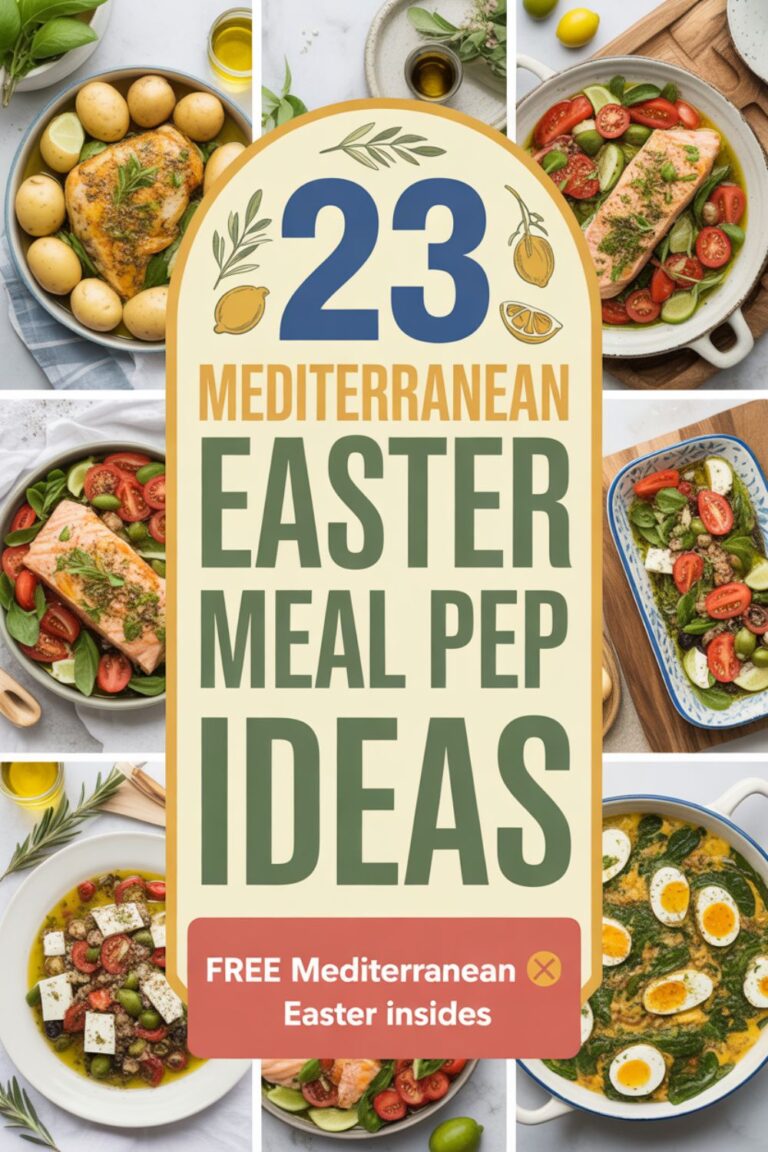
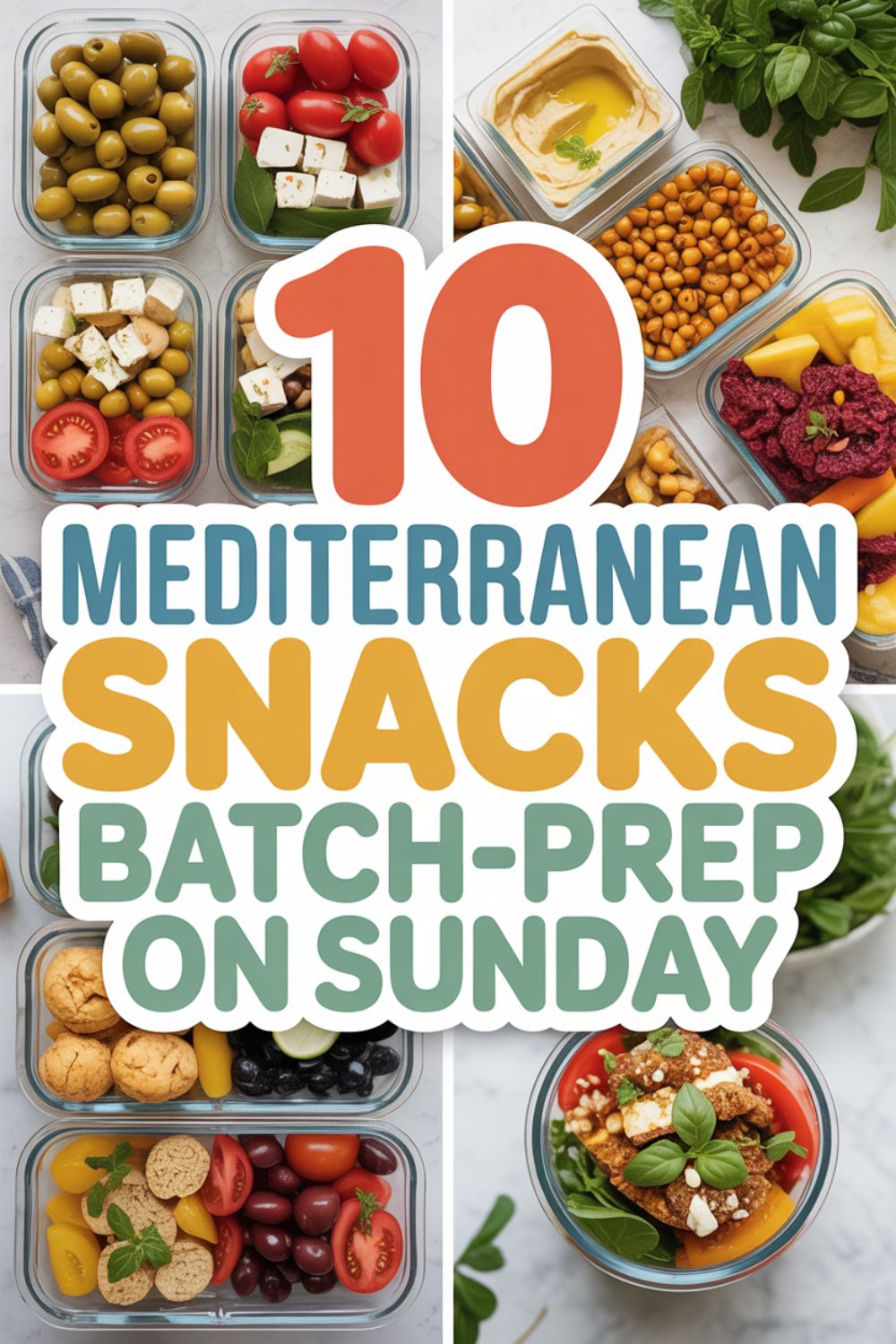
10 Mediterranean Snacks You Can Batch-Prep on Sunday
Because scrolling through meal prep ideas at 9 PM on a Tuesday when you’re already starving is not the vibe.
Look, I get it. You want to eat well, feel good, and not spend every single evening chopping vegetables like you’re training for some kind of culinary Olympics. Mediterranean snacks are where it’s at—fresh, flavorful, and honestly way easier to prep than you think.
The whole Mediterranean diet thing isn’t just trendy food blogger nonsense. It’s backed by actual research from Mayo Clinic showing it can improve heart health, support weight management, and even boost brain function. But let’s be real—you’re probably here because you’re tired of sad desk lunches and want snacks that don’t taste like cardboard.
Sunday batch-prepping is the secret weapon. Spend a couple of hours this weekend, and you’ll have grab-and-go options that actually taste good all week long. No more 3 PM vending machine runs or pretending that a handful of stale crackers counts as a snack.
Why Mediterranean Snacks Are Actually Perfect for Meal Prep
Here’s the thing about Mediterranean food—it’s designed to last. We’re talking olive oil, lemon, garlic, herbs. These ingredients are natural preservatives, which means your snacks won’t turn into science experiments by Wednesday.
Plus, Mediterranean snacks tend to be nutrient-dense without being heavy. You get healthy fats from nuts and olive oil, protein from chickpeas and cheese, and fiber from all those vegetables. It’s the kind of eating that keeps you satisfied without that post-snack crash.
And can we talk about variety? You’re not stuck eating the same thing five days straight. Mix and match these snacks throughout the week, and you’ll actually look forward to opening your fridge. Revolutionary concept, I know.
1. Roasted Red Pepper Hummus Cups
Store-bought hummus is fine, but homemade hits different. Roasted red peppers add this sweet, smoky flavor that makes regular hummus seem boring by comparison. I make a big batch every Sunday and portion it into small containers with cut veggies.
The trick is roasting your own peppers. Yeah, you can buy them jarred, but roasting them yourself takes like 20 minutes and the flavor is incomparable. Toss them under the broiler until they’re charred, steam them in a covered bowl for 10 minutes, then peel off the skins. Blend with chickpeas, tahini, lemon juice, garlic, and olive oil.
I use this food processor for everything from hummus to pesto—game changer for meal prep. Pair your hummus with carrot sticks, bell pepper strips, cucumber rounds, and cherry tomatoes. Get Full Recipe for the exact measurements and technique.
Pro move: drizzle a little extra olive oil on top before sealing the containers. Keeps the hummus from drying out and adds extra flavor.
2. Marinated Feta and Olive Skewers
These are stupidly easy and look way fancier than the effort required. Thread cubed feta, olives, cherry tomatoes, and fresh basil onto small skewers. Drizzle with olive oil, add some dried oregano, red pepper flakes, and lemon zest.
The feta soaks up all those Mediterranean flavors as it sits in the fridge. By day three, these are even better than day one. I keep bamboo skewers like these on hand because they’re cheap and you can prep a ton at once.
You can mix up the ingredients too—add sun-dried tomatoes, artichoke hearts, or pepperoncini. Whatever you’ve got works. The key is the marinade: good olive oil, fresh lemon juice, minced garlic, and herbs.
If you’re loving these Mediterranean vibes, you might also want to check out some high-protein meal prep bowls that incorporate similar ingredients, or these aesthetic lunch ideas that travel well.
3. Greek-Style Stuffed Mini Peppers
Mini sweet peppers are like nature’s edible containers. Halve them, remove the seeds, and stuff with a mixture of herbed cream cheese, crumbled feta, chopped sun-dried tomatoes, and fresh dill.
I usually prep about 20-24 pepper halves on Sunday. They stay crisp all week if you store them in an airtight container with a piece of paper towel to absorb excess moisture. The filling gets more flavorful as it sits, which is exactly what you want.
According to Healthline’s research on bell peppers, these colorful veggies are loaded with vitamin C and antioxidants. But honestly, I just eat them because they’re delicious and require zero cooking.
For the filling, I blend cream cheese with feta in this hand mixer—makes it super creamy and easy to pipe into the peppers. You can also use a spoon if you’re not trying to win any beauty contests.
4. Za’atar Spiced Chickpeas
Roasted chickpeas are the ultimate crunchy snack, and za’atar seasoning makes them actually interesting. Drain and dry canned chickpeas thoroughly (this is key for crispiness), toss with olive oil and za’atar, then roast at 400°F for about 30-40 minutes.
Shake the pan every 10 minutes so they crisp up evenly. You want them golden and crunchy, not burned. Once they’re cool, store them in a jar or container—but don’t seal it completely. Leave it slightly open so they stay crispy instead of getting soggy.
Za’atar is this Middle Eastern spice blend with thyme, sesame seeds, and sumac. You can find it at most grocery stores now, or order this za’atar blend that I’ve been using for years. It’s also amazing on roasted vegetables, avocado toast, or literally anything that needs flavor.
5. Tzatziki with Veggie Sticks
Tzatziki is basically Greek yogurt’s cooler, more interesting cousin. Grate a cucumber, squeeze out the excess water (seriously, squeeze it—watery tzatziki is sad), then mix with Greek yogurt, minced garlic, fresh dill, lemon juice, and a drizzle of olive oil.
This stuff lasts about 5 days in the fridge and gets better as the flavors meld. I portion it into small containers with cucumber rounds, celery sticks, and radish slices. The crunch factor is unmatched.
I use this garlic press instead of mincing by hand because I’m not a masochist. Fresh garlic makes a huge difference here—the jarred stuff just doesn’t hit the same.
For meal prep purposes, consider exploring low-calorie meal prep bowls that can incorporate tzatziki as a protein-rich dressing.
6. Mediterranean Pinwheels
These are basically adult pizza rolls, but make it fancy. Spread a tortilla with hummus or herb cream cheese, layer with spinach, roasted red peppers, feta, and sun-dried tomatoes. Roll it up tight, slice into rounds, and secure with toothpicks.
I prep these on Sunday and they last until Thursday easily. The key is wrapping them well in plastic wrap before refrigerating. Otherwise the tortillas dry out and get sad.
You can customize these endlessly. Try different spreads, swap spinach for arugula, add artichoke hearts or olives. I’ve even done a version with pesto, mozzarella, and tomatoes that was borderline life-changing.
7. Baked Falafel Bites
Falafel gets a bad rap for being complicated, but baked falafel is actually dead simple. Pulse chickpeas, fresh herbs, onion, garlic, and spices in a food processor. Form into small balls and bake on a silicone baking mat at 375°F for about 25 minutes, flipping halfway.
These freeze beautifully, by the way. Make a huge batch, freeze half, and you’ve got grab-and-go protein for weeks. Just reheat in the oven or air fryer when you need them.
Serve with tzatziki or tahini sauce for dipping. The combination of crispy outside and soft, herby inside is chef’s kiss. Get Full Recipe for the full ingredient list and baking instructions.
If you’re into high-protein prep, these pair perfectly with the concepts in 30g protein meal prep bowls.
8. Marinated Artichoke and Sun-Dried Tomato Salad
This is one of those “throw it in a jar and forget about it” situations. Combine quartered artichoke hearts, sun-dried tomatoes, kalamata olives, diced cucumber, red onion, and crumbled feta. Dress with olive oil, red wine vinegar, oregano, and garlic.
The longer this sits, the better it tastes. I make it Sunday night and by Tuesday it’s reached peak flavor development. Eat it straight from the jar with a fork or scoop it onto crackers.
I store mine in these glass jars with airtight lids because they’re microwave-safe and don’t absorb smells. Plus you can see exactly what’s in there, which is weirdly motivating when you open the fridge.
Speaking of jar salads and easy prep, take a look at these lazy girl meal prep bowls or these minimalist meal prep ideas for more low-effort, high-reward options.
9. Lemon Herb White Bean Dip with Pita Chips
White bean dip is like hummus’s sophisticated older sister. Blend cannellini beans with lemon zest, lemon juice, fresh rosemary, garlic, and olive oil until smooth and creamy. Season with salt and pepper to taste.
The texture is lighter than hummus but just as satisfying. I portion it into containers and serve with homemade pita chips (cut pita into triangles, brush with olive oil, sprinkle with sea salt, bake at 375°F until crispy).
You can also use this dip as a spread on sandwiches or wraps. It’s protein-packed thanks to the beans and the lemon gives it this bright, fresh flavor that doesn’t get old.
For more inspiration on incorporating legumes into your prep routine, check out these clean eating meal prep ideas.
10. Mediterranean Trail Mix
Okay, this one is almost too easy to count as a recipe, but whatever. Mix roasted almonds, pistachios, dried figs, dried apricots, dark chocolate chips, and a sprinkle of sea salt. Portion into small bags or containers.
The combo of salty, sweet, and savory is addictive. Plus you get healthy fats from the nuts, fiber from the dried fruit, and just enough chocolate to feel like you’re treating yourself.
I toast the nuts myself in a dry pan for extra flavor—takes 5 minutes and makes a noticeable difference. Store the mix in these portion control containers so you don’t accidentally eat the entire batch in one sitting. Not that I would know anything about that.
This trail mix is perfect for throwing in your bag for busy days. If you need more portable options, the ideas in meal prep that travels well might be helpful too.
Meal Prep Essentials Used in This Plan
These are the tools and resources that make Mediterranean meal prep actually doable. I’ve tested all of these and they’re worth the investment.
Glass Meal Prep Containers (Set of 10)
Microwave-safe, leak-proof, and they don’t stain or smell weird after a week of garlic-heavy food. The lids actually stay on, which is more than I can say for most containers.
Food Processor (7-Cup)
Essential for hummus, falafel, and literally any dip situation. This one has a mini bowl attachment that’s perfect for small batches of pesto or chopping garlic.
Silicone Baking Mats (Set of 3)
No more parchment paper waste. These are nonstick, reusable, and make cleanup so much easier. I use them for roasting chickpeas, baking falafel, everything.
Mediterranean Meal Prep eBook Bundle
50+ recipes specifically designed for batch cooking. Includes shopping lists, storage tips, and meal planning templates. Takes the guesswork out of Sunday prep.
Weekly Meal Planner Template (Digital Download)
Printable PDF that helps you plan your snacks, meals, and grocery list in one place. I print a fresh one every Sunday and it keeps me organized all week.
Macro-Friendly Mediterranean Cookbook (Digital)
If you’re tracking nutrition, this breaks down every recipe with full macros. Great for figuring out portion sizes and hitting your protein goals.
Putting It All Together: Your Sunday Prep Game Plan
Let’s be honest—the idea of prepping all 10 snacks in one afternoon sounds exhausting. Don’t do that. Pick 4-5 snacks for the week based on what you’re craving and what ingredients you already have.
I usually start with whatever requires oven time first. Pop the chickpeas or falafel in to roast while you’re chopping vegetables or blending hummus. Multitask like your life depends on it, because your future weeknight sanity actually does depend on it.
Label everything with the date you made it. I know it seems excessive, but you will forget when you made that tzatziki, and eating questionable dairy products is not the vibe. These label stickers stick to any container and peel off easily.
Also, keep your storage containers organized. I dedicate one shelf in my fridge just for prepped snacks so I can see everything at a glance. Out of sight, out of mind is real, and you don’t want to forget about those marinated olives hiding in the back.
Storage Tips That Actually Matter
Not all meal prep containers are created equal. Glass is superior for anything with oil or acidic ingredients because plastic can absorb flavors and stains. Trust me, your hummus container will permanently smell like garlic if you use cheap plastic.
For items like roasted chickpeas or trail mix, avoid completely airtight storage. A little air circulation keeps them crispy instead of soggy. I learned this the hard way after making a batch of perfectly crispy chickpeas that turned into sad, soft beans overnight.
Layer your veggie sticks with damp paper towels to keep them crisp. Sounds weird, but it works. The moisture prevents them from drying out and getting bendy.
If you’re batch-prepping for the whole week, consider when you’ll actually eat each snack. Front-load the more perishable items (anything with fresh herbs or dairy) and save shelf-stable options like trail mix for later in the week.
For more meal prep organization and planning strategies, these Pinterest-inspired layouts and colorful meal prep bowls offer great visual systems.
Common Mistakes and How to Avoid Them
The biggest mistake people make is prepping too much variety at once. You get overwhelmed, nothing gets finished, and you end up ordering takeout anyway. Start small. Three or four snack options is plenty for a week.
Another issue: not tasting as you go. Season your hummus before you portion it out. Adjust the lemon in your tzatziki while you’re making it. Once everything’s packed away, it’s too late to fix underseasoned food.
Don’t skip the quality ingredients where they matter. Cheap olive oil tastes like nothing. Bad feta is grainy and sad. You don’t need to go broke, but invest in decent olive oil, fresh herbs, and good quality olives and cheese. The flavor difference is substantial.
And please, for the love of everything, wash your herbs and vegetables before storing them, not right before eating. It saves time during the week and ensures everything’s ready to grab and go.
Making It Work With Your Schedule
Sunday doesn’t work for everyone. If your schedule is chaotic, pick literally any day that consistently has a couple free hours. The “Sunday” thing is just a framework—what matters is consistency.
You can also split the prep. Do half on Sunday, half on Wednesday. This keeps things fresher and prevents that “I’m so tired of meal prep” feeling that hits around Thursday.
If you’re really crunched for time, some weeks you might only prep one or two items. That’s still better than nothing. A jar of marinated artichokes and some roasted chickpeas beats mindlessly eating chips at 4 PM.
The goal isn’t perfection. The goal is having better options available when you’re hungry and your decision-making skills are compromised. Because let’s be real, 3 PM hunger is when the worst food choices happen.
Frequently Asked Questions
How long do these Mediterranean snacks actually last in the fridge?
Most of these snacks will last 4-5 days when stored properly in airtight containers. Items with dairy like tzatziki or feta-based snacks should be consumed within 5 days max. Roasted chickpeas and trail mix can last up to a week or longer if kept in containers that allow slight air circulation to maintain crispiness. When in doubt, smell test—if something smells off or looks weird, toss it.
Can I freeze any of these Mediterranean snacks?
Absolutely. Baked falafel freezes beautifully—just reheat in the oven or air fryer when you’re ready to eat. Hummus can also be frozen in portions, though the texture might be slightly different after thawing (just stir it well). The pinwheels freeze okay too, but the tortillas can get a bit soft. I wouldn’t recommend freezing anything with fresh vegetables or dairy-based items like tzatziki.
What if I don’t like olives—can I still do Mediterranean meal prep?
For sure. Olives are traditional but totally optional. You can swap them for sun-dried tomatoes, roasted red peppers, or just leave them out entirely. The Mediterranean diet is more about the overall pattern—olive oil, vegetables, legumes, herbs, and moderate amounts of cheese and fish. Skip what you don’t like and focus on the flavors and ingredients that actually appeal to you.
Are these snacks kid-friendly?
Most of them, yeah. The pinwheels, hummus cups, and stuffed peppers tend to be hits with kids. You might need to adjust the seasonings—less garlic, skip the spicy stuff—but the basic concepts work. Kids also love the falafel bites, especially if you serve them with a mild dipping sauce. The trail mix is usually a winner too, though you can customize it with their favorite dried fruits and skip anything they won’t eat.
Do I need special equipment to make these snacks?
Not really. A food processor makes things like hummus and falafel easier, but you could use a blender or even mash things by hand if needed. A good knife, cutting board, and basic kitchen tools will get you through most of these recipes. The only thing I’d strongly recommend is proper storage containers—glass ones with good seals make a huge difference in how long your prepped food stays fresh and tasty.
Final Thoughts
Mediterranean snack prep doesn’t have to be complicated or time-consuming. Pick a few recipes that sound good, block out a couple hours one day a week, and you’re set. The hardest part is actually getting started—once you have a system, it becomes automatic.
You’ll save money by not buying overpriced pre-packaged snacks. You’ll eat better because healthy options are literally right there in your fridge. And honestly, you’ll feel more in control of your eating, which is weirdly empowering.
Start with two or three snacks this week. See how it goes. Adjust based on what you actually ate versus what sat in your fridge untouched. Next week, try a different combination. Eventually, you’ll figure out your rotation of favorites and the whole process gets even easier.
The Mediterranean approach to food is about enjoying what you eat while nourishing your body. These snacks check both boxes. Give them a shot—worst case scenario, you’ve got some tasty food in your fridge. Best case, you’ve just upgraded your entire week.