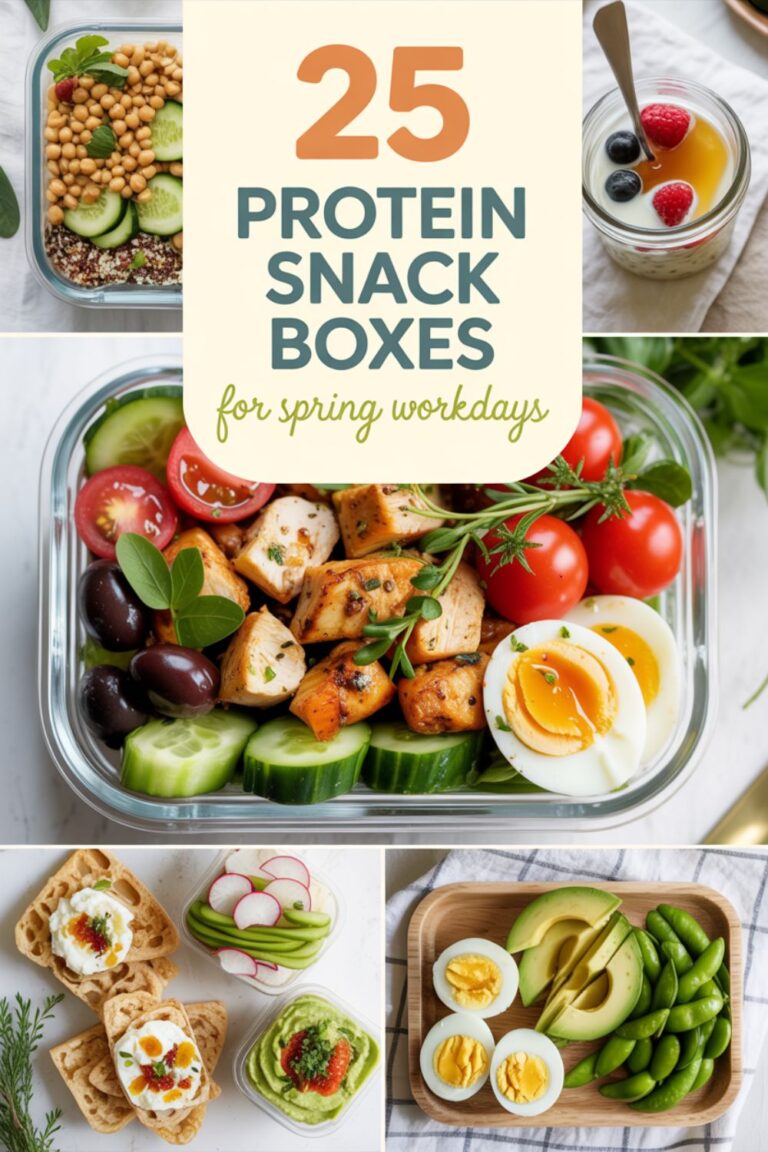
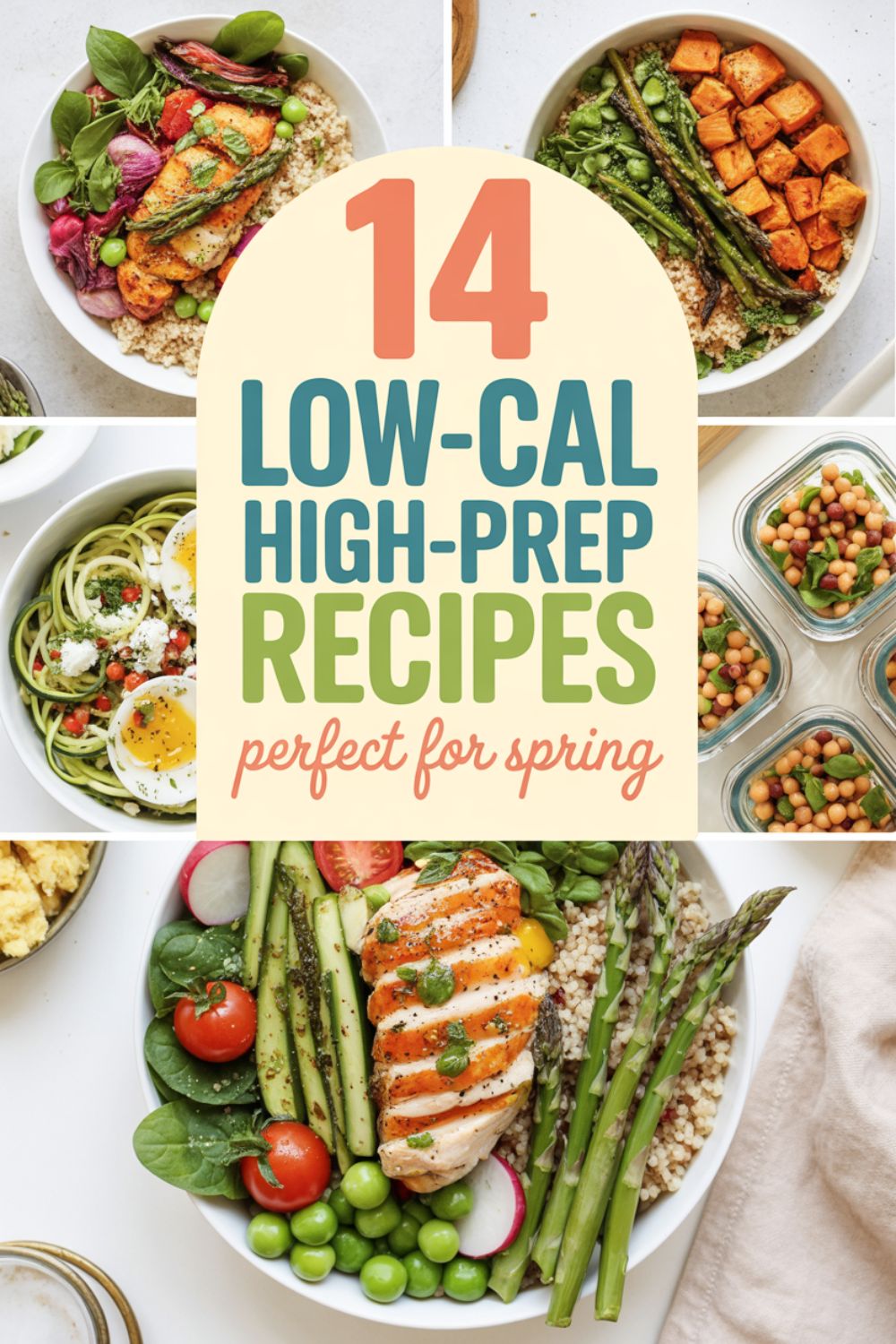
14 Low-Calorie High-Protein Meal Prep Recipes for Spring
Spring is finally here, and if you’re anything like me, you’re craving lighter meals that don’t leave you starving two hours later. These 14 low-calorie high-protein recipes are exactly what you need—no sad salads, no cardboard chicken, just real food that keeps you full.
Let’s be honest—meal prepping can feel like a chore until you find recipes that actually taste good reheated. I’ve tested these combinations more times than I’d like to admit, and they all pass the Thursday-lunch test. You know, that moment when you open your container and actually want to eat what’s inside instead of ordering takeout.
The magic number here is protein. When you’re trying to keep calories low but hunger at bay, protein is your best friend. We’re talking 25-35 grams per meal, which is enough to keep your energy steady without that afternoon crash. And before you ask—no, you don’t need to eat plain grilled chicken every day.
Spring brings all these fresh ingredients that make meal prep feel less like a science experiment and more like cooking food you’d actually order at a restaurant. Asparagus, peas, fresh herbs, strawberries—these aren’t just Pinterest props, they’re genuinely delicious and packed with nutrients that your body craves after winter.

Why Low-Calorie Doesn’t Mean Low-Satisfaction
Here’s something nobody tells you about low-calorie meals—they can be incredibly satisfying if you build them right. The trick isn’t restriction, it’s construction. You want volume, fiber, and enough fat to make your brain happy. Ever notice how a giant bowl of vegetables with protein and a drizzle of good olive oil feels more satisfying than a tiny portion of pasta?
I learned this the hard way after years of eating “diet food” that left me raiding the pantry at 9 PM. The research on protein intake backs this up—higher protein meals increase satiety and help preserve muscle mass when you’re in a calorie deficit.
These recipes hover between 300-450 calories per serving, which leaves plenty of room in your day for snacks, coffee with cream, or that piece of dark chocolate you definitely deserve. You’re not living on 1200 calories a day like some Instagram influencer from 2015. This is sustainable eating that fits into actual life.
Spring Ingredients That Make Everything Better
Spring vegetables are criminally underrated in the meal prep world. Everyone’s obsessed with kale and sweet potatoes year-round, but have you tried roasted snap peas with a touch of sesame oil? Or asparagus that’s been grilled until it gets those charred edges? Game changers.
Fresh herbs are another secret weapon. I keep a herb keeper container in my fridge—it’s one of those things that seems extra until you realize your cilantro is still perky on day five. Basil, mint, dill, parsley—they transform boring into interesting with zero calories and maximum flavor.
Strawberries and spring greens make breakfast meal prep actually exciting. There’s something about sweet berries with tangy Greek yogurt that feels indulgent even though you’re technically eating health food. Speaking of breakfast, if you’re looking for more morning inspiration, these breakfast meal prep recipes have some seriously good options.
The Protein Sources You’ll Actually Enjoy
Let’s talk protein options that don’t make you want to cry into your meal prep containers. Chicken breast is fine, but it’s not the only player in the game. Ground turkey seasoned properly (keyword: properly) is fantastic in bowls. Shrimp cooks in minutes and adds that restaurant-quality vibe to your lunch.
Salmon gets a bad rap for meal prep because people overcook it, then wonder why it’s dry. Cook it to medium—it’ll finish cooking when you reheat it. Trust me on this one. And if you’re into plant-based options, tempeh that’s been marinated and crisped up in a cast iron skillet is genuinely delicious.
Greek yogurt, cottage cheese, and eggs are breakfast protein MVPs. A simple egg scramble with vegetables has more protein than most protein bars and actually tastes like food. For more protein-focused ideas, check out these high-protein meal prep recipes that really deliver on the satiety front.
The 14 Recipes That Actually Work
1. Lemon Herb Grilled Chicken with Quinoa and Asparagus
This is the meal prep equivalent of a little black dress—classic, reliable, never disappointing. The lemon keeps the chicken moist, and the asparagus doesn’t turn to mush like broccoli sometimes does. Quinoa adds that nutty flavor and bumps up the protein even more. Around 380 calories with 32g protein.
The key is marinating the chicken in lemon juice, garlic, and herbs for at least two hours. I use a glass meal prep marinade container because it doesn’t absorb smells like plastic does. Get Full Recipe
2. Shrimp Spring Roll Bowls
Think deconstructed spring rolls but way easier to eat during a Zoom meeting. Rice noodles, loads of fresh herbs, cucumber ribbons, shredded carrots, and perfectly cooked shrimp with a peanut-lime dressing on the side. The dressing separation is crucial—nobody wants soggy noodles on day three.
This one clocks in at about 340 calories with 28g protein. I meal prep the shrimp using my countertop grill pan which gives you those beautiful char marks without heating up the whole kitchen. Get Full Recipe
3. Turkey and Spinach Egg Muffins
Breakfast meal prep that you can literally grab and microwave for 30 seconds. Ground turkey, spinach, bell peppers, and eggs baked in a muffin tin. Each muffin is about 85 calories with 9g protein, so three of them with some fruit is a solid 300-calorie breakfast.
I bake these in a silicone muffin pan because they pop out perfectly every time without any spray or butter. Total game changer for cleanup. Get Full Recipe
“I started meal prepping these recipes in February and honestly, I’ve lost 12 pounds without feeling like I’m dieting. The shrimp bowls are my absolute favorite—my coworkers always ask what smells so good when I heat them up.”
4. Mediterranean Chickpea and Tuna Salad
Canned tuna gets a glow-up with this recipe. Mix it with chickpeas, cherry tomatoes, cucumbers, red onion, Kalamata olives, and a simple lemon-oregano dressing. The chickpeas add fiber and make it more filling than regular tuna salad while keeping calories around 365 per serving.
Protein sits at about 30g per serving, and it actually tastes better after sitting in the fridge overnight. The flavors meld together in that magical way that makes day-two lunches superior to day-one. For more Mediterranean inspiration, these Mediterranean bowls are absolutely worth exploring. Get Full Recipe
5. Teriyaki Salmon with Edamame Rice
Salmon that doesn’t dry out is all about the cook time and temperature. This recipe uses a simple teriyaki glaze (homemade, because the bottled stuff has way too much sugar) and pairs it with cauliflower rice mixed with edamame for extra protein and that satisfying bite.
You’re looking at 395 calories with 34g protein. The omega-3 fatty acids in salmon are an added bonus for brain health and inflammation reduction. Get Full Recipe
6. Greek Yogurt Chicken Salad Lettuce Wraps
Chicken salad made with Greek yogurt instead of mayo is a total protein boost without the calorie bomb. Add diced apples, grapes, celery, and walnuts for texture, then serve in butter lettuce cups. Each serving is around 285 calories with 28g protein.
I prep this in glass storage jars and bring the lettuce separately so it stays crisp. The crunch factor is non-negotiable for this recipe. Get Full Recipe
Buy pre-cooked rotisserie chicken for recipes like this. It’s not cheating—it’s being smart with your time. Strip the meat Sunday night and you’ve got protein for three different recipes.
7. Spicy Turkey and Black Bean Burrito Bowls
All the burrito flavors without the tortilla calories. Ground turkey seasoned with cumin, chili powder, and smoked paprika, black beans, corn, tomatoes, and a dollop of Greek yogurt instead of sour cream. Cilantro-lime cauliflower rice keeps it light.
This bowl sits at 410 calories with 35g protein. The spice level is customizable—I go heavy on the heat, but you can dial it back. If you’re into bowl meal prep, these quick meal prep bowls are all finishable in 30 minutes or less. Get Full Recipe
8. Strawberry Spinach Protein Smoothie Jars
Prep these in mason jars and just add liquid in the morning. Fresh strawberries, spinach, protein powder, chia seeds, and Greek yogurt. The chia seeds add omega-3s and help keep you full. Each jar makes a 320-calorie smoothie with 26g protein.
I use a high-speed blender because it actually pulverizes the spinach instead of leaving you with green chunks. Nobody needs that visual at 7 AM. Get Full Recipe
9. Lemon Pepper Cod with Roasted Vegetables
Cod is criminally underrated. It’s mild, high in protein, low in calories, and cooks faster than most proteins. Roasted with lemon and black pepper alongside spring vegetables like radishes, snap peas, and baby carrots creates this light but satisfying meal.
Coming in at 325 calories with 31g protein, this is perfect for those nights when you want something that feels restaurant-quality but requires minimal effort. Get Full Recipe
10. Cottage Cheese Protein Pancakes with Berries
Cottage cheese in pancakes sounds weird until you try it. These are fluffy, protein-packed, and actually keep you full unlike regular pancakes that spike your blood sugar then leave you crashed by 10 AM. Top with fresh strawberries and a tiny drizzle of maple syrup.
Three pancakes with berries is 340 calories and 27g protein. I make a batch on Sunday and reheat them throughout the week in my toaster oven—they crisp up beautifully. For more creative breakfast ideas, check out these high-protein breakfast preps that start your day right. Get Full Recipe
11. Asian-Inspired Lettuce Wraps with Ground Turkey
Ground turkey gets an upgrade with ginger, garlic, soy sauce, and a touch of hoisin. Served in crisp lettuce cups with shredded carrots, water chestnuts for crunch, and green onions. It’s like PF Chang’s but actually fits your macros.
Each serving is about 295 calories with 29g protein. The water chestnuts add that satisfying crunch that makes this feel like a treat meal instead of diet food. Get Full Recipe
12. Pesto Shrimp and Zucchini Noodles
Zucchini noodles have gotten a bad rap because people overcook them into mush. The secret? Don’t cook them at all. Toss raw zoodles with cooked shrimp and pesto, store them separately, then combine when you’re ready to eat. Heat the shrimp and pesto, add to cold zoodles.
This method keeps everything fresh and prevents soggy pasta syndrome. Around 355 calories with 32g protein per serving. I use a spiralizer that attaches to my counter—way easier than those handheld ones that give you carpal tunnel. Get Full Recipe
13. BBQ Chicken Stuffed Sweet Potatoes
Sweet potatoes are perfect meal prep vessels. Bake a bunch on Sunday, then stuff them with shredded BBQ chicken (made with a low-sugar BBQ sauce), black beans, corn, and a sprinkle of cheese. Top with Greek yogurt and green onions when serving.
This comes in around 425 calories with 33g protein. The sweet potato carbs are complex and keep you energized, plus the fiber content is impressive. Get Full Recipe
14. Vanilla Protein Chia Pudding with Mango
Dessert for breakfast? Sort of. Chia pudding made with unsweetened almond milk, vanilla protein powder, and topped with fresh mango chunks is sweet enough to feel indulgent but balanced enough to start your day right. The chia seeds expand overnight creating that tapioca-like texture.
Each jar is 310 calories with 25g protein, plus all those omega-3s and fiber from the chia seeds. Meal prep five jars on Sunday and you’ve got breakfast handled. Get Full Recipe
“The chia pudding recipe changed my mornings completely. I used to skip breakfast because I couldn’t face another protein shake, but this actually tastes like dessert. I’ve made it every Sunday for the past two months.”
Meal Prep Essentials I Actually Use Every Week
Real talk—you don’t need a ton of fancy equipment to meal prep, but a few key items make everything exponentially easier. These are the things I reach for constantly, not the stuff that sits in the back of my cabinet collecting dust.
These don’t stain, don’t hold smells, and go from fridge to microwave seamlessly. The locking lids actually stay locked in your bag.
Game changer for portion control without obsessing. Tare function means you can measure everything in one bowl. Highly recommend.
Keeps everything cold until lunch without needing ice packs. The one I have fits two containers plus snacks and a water bottle.
Digital planner that helps you map out your week and grocery list. Saves me at least an hour every Sunday of standing in the kitchen wondering what to make.
Takes the guesswork out of balancing your macros. Has swappable ingredient lists so you can customize recipes based on what you already have.
Step-by-step video lessons that teach you how to batch cook efficiently. The time-saving hacks alone are worth it IMO.
How to Actually Make Meal Prep Sustainable
The biggest mistake people make with meal prep is going too hard on Sunday and burning out by Tuesday. You don’t need to cook 21 meals in one afternoon. Start with prepping just lunch or just breakfast for the week. Master that, then add more.
Another thing—repetition isn’t boring if the food tastes good. I eat some version of the shrimp spring roll bowl at least twice a week and I’m not tired of it because the flavors are on point. The key is finding recipes you genuinely enjoy, not just ones that fit your macros.
Invest in good storage. I know I sound like a broken record about the glass containers, but cheap plastic ones that leak or stain will make you hate meal prep faster than anything else. When your lunch bag smells like last Tuesday’s curry, you’re not reaching for that prepped meal.
Prep your carbs and proteins separately from wet ingredients. Store dressings, sauces, and anything liquid in small containers or even cleaned-out baby food jars. Assembly takes 30 seconds and everything stays fresh.
Dealing with Flavor Fatigue
Let’s address the elephant in the meal prep container—eating the same thing four days in a row can get old. The fix isn’t making 14 different meals every week (please don’t do that to yourself). The fix is building flavor variety into your rotation.
Make your base proteins neutral—plain grilled chicken, simple baked salmon, basic seasoned turkey. Then rotate your sauces and sides. Monday’s chicken goes with teriyaki sauce and Asian vegetables. Wednesday’s chicken gets pesto and Italian herbs. Friday’s chicken becomes Mexican with salsa and cilantro-lime rice.
Fresh herbs are your secret weapon here. Cilantro, basil, parsley, dill—they completely transform a dish and cost basically nothing. I keep them in that herb keeper I mentioned earlier and they last way longer than just sitting in the crisper drawer. If you’re looking for more ideas on keeping meal prep interesting, these colorful meal prep bowls prove that visual variety matters too.
The Sauce Strategy
Having 3-4 different sauces prepped in your fridge is a total game changer. I make a big batch of peanut sauce, a lemon-tahini dressing, a chimichurri, and usually some kind of Asian-inspired sauce with ginger and soy. These keep for at least a week and completely change the vibe of your meal.
A boring bowl of chicken and vegetables becomes interesting when you can drizzle different sauces on it throughout the week. This strategy works for literally any protein and vegetable combination. The actual meal stays the same but your taste buds think they’re getting variety.
Store sauces in small glass condiment containers with tight lids. Mason jars work too but they take up more fridge space. Those little 4-ounce containers are perfect for a week’s worth of dressing or sauce.
Macro Balancing Without Losing Your Mind
FYI, you don’t need to hit your macros perfectly every single meal. The goal is to average out over the day or even the week. Some meals will be higher protein, some higher carb, and that’s completely fine. Your body doesn’t reset at midnight.
That said, when you’re trying to keep calories low while maintaining high protein, the math matters a bit more. Protein and carbs are both 4 calories per gram, while fat is 9 calories per gram. This doesn’t mean fat is bad—you need it for hormone production and satiety—but it does mean you need to be more intentional about where it comes from.
Instead of cooking everything in a ton of oil, I focus on getting fats from whole food sources like avocado, nuts, seeds, and fatty fish. Then I use minimal oil for actual cooking—just enough to prevent sticking. A good cooking oil mister helps you control portions without measuring every time.
The Protein Math That Actually Matters
Everyone’s protein needs are different, but a general guideline is 0.8-1 gram per pound of body weight if you’re active. For someone who weighs 150 pounds, that’s 120-150 grams per day. Spread across four meals, you’re looking at 30-37 grams per meal.
These recipes are designed to hit that range per serving. Breakfast is usually slightly lower (25-28g) because it’s paired with fruit and possibly some carbs. Lunch and dinner are higher (30-35g) to keep you satisfied during longer stretches between meals.
If you’re training hard or trying to build muscle, you might need more. If you’re smaller or less active, you might need less. The numbers aren’t dogma, they’re guidelines. Listen to your actual hunger and energy levels. For more detailed guidance on high-protein eating, check out how to build high-protein meals on a budget.
Storage and Reheating Tips That Actually Matter
Let’s talk about the unglamorous but crucial part of meal prep—making sure your food doesn’t turn into a science experiment by Wednesday. Storage containers matter, but so does how you actually pack your meals.
Proteins and grains can sit together, but anything with moisture (tomatoes, cucumbers, dressing) needs to stay separate until you’re ready to eat. This is why those containers with divided sections are genius. You can keep your grilled chicken and quinoa in one section, your tomatoes and cucumbers in another, and your dressing in the tiny section on top.
For leafy greens, the paper towel trick is real. Line your container with a paper towel before adding the greens—it absorbs excess moisture and keeps everything crisp. I learned this from a random YouTube video and it’s legitimately changed my salad game.
Reheating Without Ruining Everything
Microwave reheating is an art. Most people nuke their food on high for three minutes and wonder why it’s rubber. Low power for longer time is the move. I usually do 50% power for 2-3 minutes, stirring halfway through. The extra 30 seconds is worth not having nuclear-hot edges and frozen centers.
Some things shouldn’t be microwaved at all. Crispy proteins like the Asian lettuce wrap filling or anything with a crust does better in a countertop air fryer. Three minutes at 350 degrees and it tastes freshly cooked.
Cold salads and noodle bowls don’t need reheating—just bring them to room temp while you’re doing whatever else in the morning. The flavors actually develop better when they’re not straight from the fridge anyway.
Making It Work on a Budget
High-protein meal prep doesn’t have to destroy your grocery budget. The key is buying proteins on sale and freezing them. When chicken breast goes on sale, I buy five pounds and freeze it in individual portions. Same with ground turkey, shrimp, and salmon.
Eggs are still one of the cheapest protein sources out there. A dozen eggs gives you about 75 grams of protein for maybe three dollars. Canned tuna and canned salmon are pantry staples that never go bad and work in a million different recipes.
Greek yogurt and cottage cheese are usually cheaper when you buy the bigger tubs instead of individual portions. I buy the 32-ounce containers and portion them out myself into smaller containers. Saves money and reduces plastic waste.
Buy frozen vegetables for meal prep. They’re picked and frozen at peak freshness, they’re already chopped, and they’re usually cheaper than fresh. Plus, zero waste from stuff going bad in your crisper drawer.
The Pantry Staples Worth Buying
Having a well-stocked pantry means you can meal prep without a massive grocery run every week. Quinoa, brown rice, canned beans, canned tomatoes, and various spices are the foundation. These don’t go bad quickly and they’re the base for countless combinations.
For seasonings, buy the big containers from warehouse stores or bulk sections. A tiny jar of cumin costs more than a huge bag from the bulk section, and you’ll actually use it if you’re meal prepping regularly. I keep mine in airtight spice jars with labels so I can actually see what I have.
Oils and vinegars matter more than you think. A good olive oil, toasted sesame oil, apple cider vinegar, and rice vinegar can create a dozen different dressings and marinades. You don’t need fifteen bottles—just the core four or five that work for multiple cuisines.
When Meal Prep Doesn’t Go According to Plan
Real talk—some weeks you’re not going to meal prep. You’ll get busy, you’ll be tired, or you’ll just not feel like standing in the kitchen on Sunday. That’s completely normal and doesn’t mean you failed at healthy eating.
Having backup options makes all the difference. I always keep a few things in the freezer—homemade protein muffins, pre-portioned smoothie bags, and maybe some soup or chili I batch-cooked a few weeks ago. When life happens, frozen homemade food is infinitely better than takeout or skipping meals.
You can also do “micro meal prep” on weeknights. Cook a double portion of dinner and bring the leftovers for lunch the next day. It’s not full-on meal prep, but it’s still planning ahead and saves you from the 2 PM decision of what to eat. If you’re interested in strategies that require even less time, these lazy girl meal prep bowls are designed for exactly that.
Frequently Asked Questions
How long do these meal prep recipes stay fresh in the fridge?
Most of these recipes stay fresh for 4-5 days when stored properly in airtight containers. Seafood-based meals like the shrimp bowls and salmon are best consumed within 3 days. Store any dressings or sauces separately and add them right before eating to maintain maximum freshness. If you prep on Sunday, you’ll be good through Thursday, and you can always freeze a portion or two for the following week.
Can I freeze these meals for longer storage?
Yes, most protein and grain combinations freeze beautifully. The stuffed sweet potatoes, burrito bowls, and egg muffins are all freezer-friendly. Just avoid freezing anything with raw vegetables, lettuce, or creamy dressings. Thaw overnight in the fridge and reheat as normal. I typically freeze half my batch if I’m making a double recipe, giving me ready-made meals for busier weeks.
What if I don’t like one of the ingredients in a recipe?
These recipes are super flexible. Don’t like asparagus? Swap it for green beans or snap peas. Not a fan of quinoa? Use brown rice or cauliflower rice. The protein sources are interchangeable too—use chicken instead of turkey, tofu instead of shrimp if you’re plant-based. The key is maintaining similar protein and calorie counts, so if you swap ingredients, try to keep them in the same nutritional ballpark.
Are these recipes suitable for weight loss?
These recipes are designed to be lower in calories while high in protein, which naturally supports weight loss by keeping you full and satisfied. However, weight loss depends on your total daily calorie intake and activity level. These meals range from 285-425 calories, leaving room for snacks and other meals throughout your day. Combined with consistent eating patterns and movement, they can definitely support your goals without feeling restrictive.
Do I need special equipment for these recipes?
Not really. Most of these require just basic kitchen equipment like a good knife, cutting board, sheet pans, and pots. A few recipes are easier with specific tools like a spiralizer for zucchini noodles or a blender for smoothies, but you can often find workarounds. The most valuable investment is quality storage containers with good seals—everything else is nice to have but not essential for getting started.
Final Thoughts
Meal prep doesn’t have to be complicated or boring. These 14 recipes prove you can eat light, stay full, and actually enjoy what you’re eating throughout the week. The key is finding combinations you genuinely like and building a system that works for your actual life, not some Instagram-perfect version of meal prep.
Start with two or three recipes that sound good to you. Master those, then add more to your rotation. You don’t need to prep every single meal for the entire week on your first try. Small, consistent efforts beat ambitious burnout every time.
Spring is the perfect time to refresh your eating habits without the pressure of New Year’s resolutions or summer body panic. These recipes use seasonal ingredients that are actually available right now and taste their best. Light, fresh, protein-packed meals that fuel your body properly while keeping you satisfied—that’s the goal, and these recipes deliver.