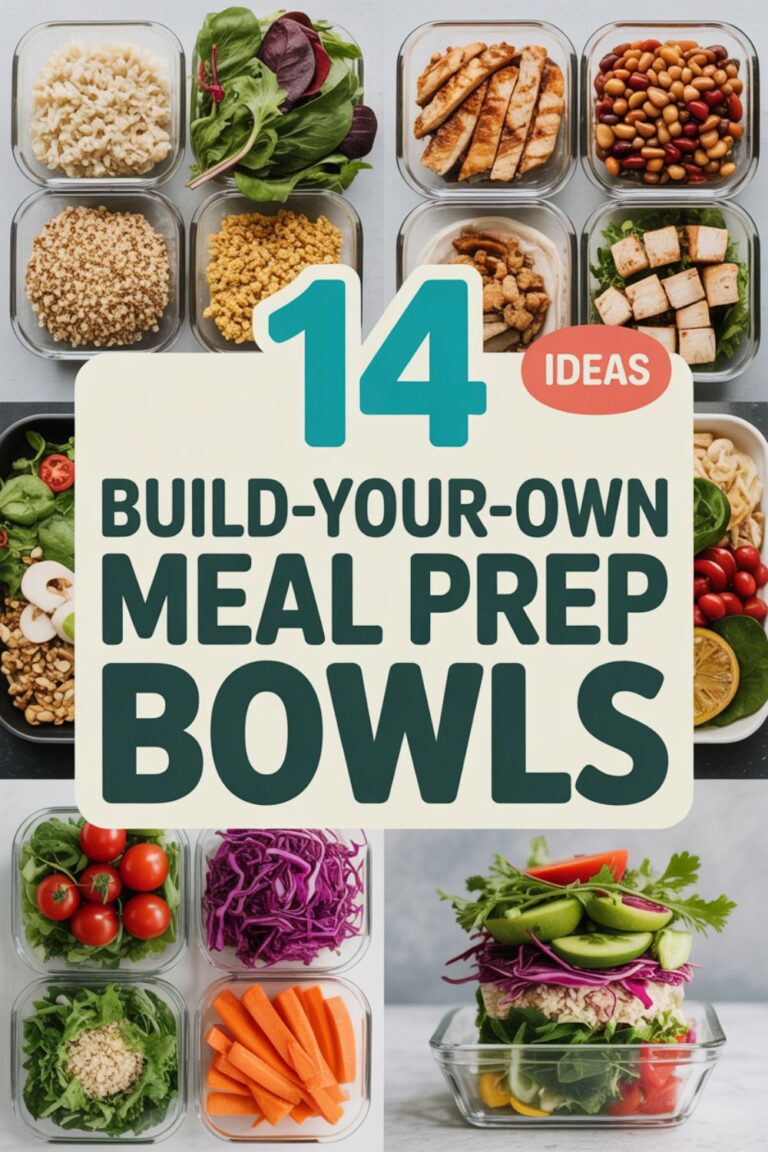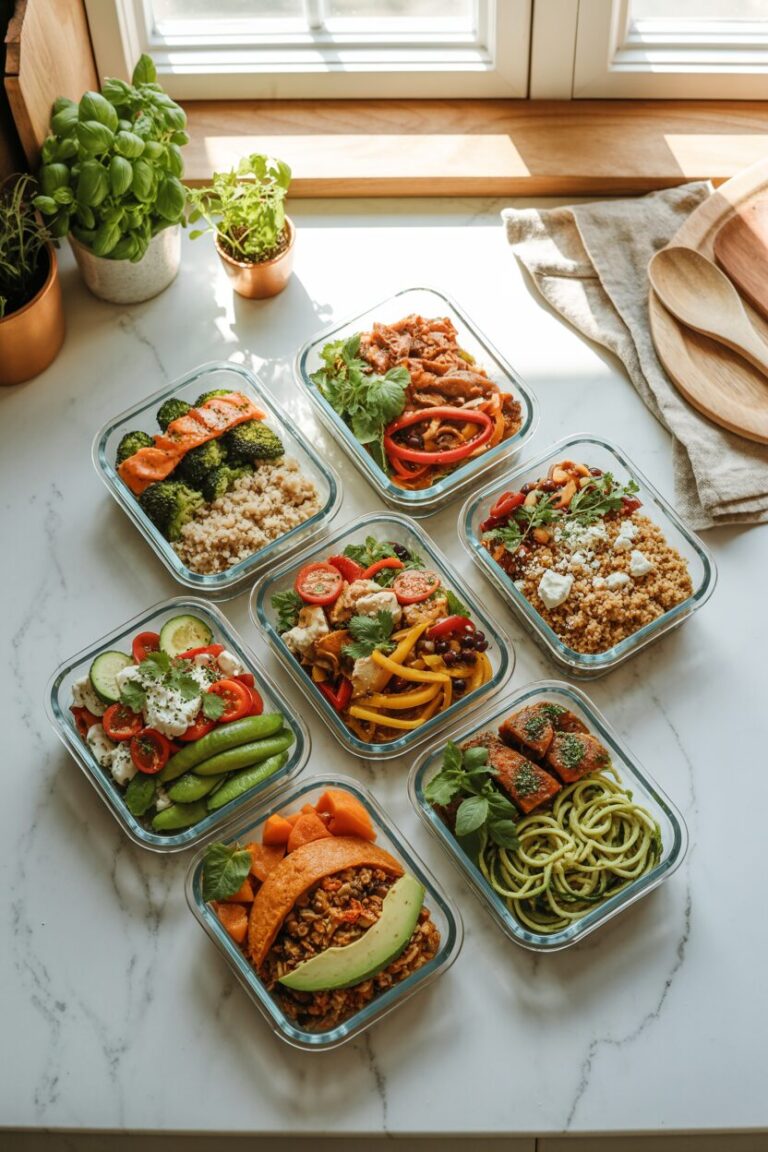
14 Meal Prep Bowls That Stay Fresh for 5 Days
Look, I’m not gonna pretend that opening your fridge on Thursday to find sad, soggy meal prep isn’t soul-crushing. We’ve all been there—excited about Sunday’s prep session, only to be met with wilted greens and rubbery chicken by midweek. But here’s the thing: meal prep bowls that actually stay fresh for five days aren’t some mythical unicorn. They’re totally doable when you know the formula.
I’m talking about bowls that taste just as good on Friday as they did on Monday. No slime. No weird smells. Just grab-and-go lunches that make you look like you’ve got your life together, even when you absolutely don’t. After years of trial and error—and yes, plenty of questionable leftovers—I’ve cracked the code on what makes meal prep last.
So if you’re tired of throwing money down the drain because your Tuesday lunch turned into a science experiment, stick around. These 14 bowls are about to change your whole meal prep game.
Why Most Meal Prep Bowls Die Before Wednesday
Ever wonder why your beautifully assembled Sunday bowls look like they belong in a dumpster by Wednesday morning? It’s not you—it’s science. And honestly, most people are making the same handful of mistakes without even realizing it.
First off, moisture is the enemy. When you mix wet ingredients with dry ones too early, you’re basically creating a breeding ground for sogginess. That dressing you lovingly drizzled over everything? It’s been sitting there for three days, turning your crisp romaine into wilted sadness. According to the USDA, the way you cool and store food can make or break its freshness.
Temperature matters more than you think. Throwing hot food straight into containers and sealing them creates condensation. That condensation? It’s basically giving bacteria a welcome party. The USDA recommends cooling food to below 40°F as quickly as possible, which means dividing hot food into shallow containers and letting it cool before you seal and refrigerate.
Pro Tip:
Let your cooked ingredients cool completely on a sheet pan before packing them up. It takes an extra 20 minutes, but your Thursday self will thank you.
Then there’s the container situation. Not all containers are created equal, and using whatever random Tupperware you found in the back of your cabinet isn’t gonna cut it. You need airtight glass containers that actually seal properly. I personally love these meal prep containers with divided compartments—they keep ingredients separated until you’re ready to eat.
The Golden Rules for 5-Day Fresh Bowls
Alright, so you want bowls that last? Here’s what you need to know. These aren’t optional suggestions—they’re the difference between fresh food and Friday fridge smell.
Keep Wet and Dry Separate
I cannot stress this enough: dressings, sauces, and anything liquid goes in a separate container. Always. I use these tiny 2-ounce sauce containers and just pop them in the main container. Game changer.
Same goes for anything that gets soggy easily. Cucumbers, tomatoes, and fresh herbs? They go in last, right before eating. Your Monday self might think mixing everything together is efficient, but your Wednesday self will hate you for it.
Layer Like You Mean It
The order you layer ingredients isn’t just for aesthetics—it’s functional. Start with grains or hearty bases at the bottom, add proteins, then pile on your sturdy vegetables. Delicate greens and toppings stay on top or separate entirely.
Think of it like building a foundation. You wouldn’t put whipped cream at the bottom of a parfait, right? Same logic here. Dense, moisture-resistant ingredients create a barrier between the container and your fragile stuff.
Quick Win:
Prep veggies Sunday night, store them in produce saver containers, and thank yourself all week when everything’s still crisp.
Master the Cool-Down
This is where most people screw up. You finish cooking, you’re excited, and you want to pack everything up immediately. Don’t. Just don’t. Hot food in a sealed container equals condensation, which equals gross, mushy food.
Spread your proteins and roasted veggies on a cooling rack or sheet pan. Let them hit room temp—usually about 30 minutes. Then pack them up. I know it feels like extra work, but it’s literally the difference between meal prep that lasts and meal prep that fails.
Speaking of keeping things fresh, if you’re already spending Sunday prepping, you might also love these clean girl meal prep ideas or check out minimalist meal prep ideas Pinterest is obsessed with for more inspiration that actually looks good all week long.
14 Bowls That Actually Make It to Friday
Now for the good stuff. These aren’t just random bowl combinations I threw together. Every single one has been tested for the full five days. No wilting. No weird textures. Just solid, dependable meals that’ll have you looking forward to lunch instead of dreading it.
1. Mediterranean Quinoa Bowl
This bowl is basically foolproof. Quinoa holds up like a champ, cucumbers stay crunchy when stored separately, and the lemon-herb dressing actually gets better over time. I’m talking fluffy quinoa, cherry tomatoes, cucumbers, red onion, chickpeas, and crumbled feta.
The secret? Keep the cucumbers and feta in a separate compartment until you’re ready to eat. Everything else can hang out together. Get Full Recipe
2. Teriyaki Chicken and Broccoli
Classic combo, zero drama. The key here is slightly undercooking your broccoli so it doesn’t turn into mush when you reheat it. Brown rice on the bottom, grilled chicken breast, and broccoli florets that still have a bite.
I make the teriyaki sauce fresh each week using this mini whisk and store it separately. Drizzle it on right before eating, and it tastes like you just made it. Get Full Recipe
3. Southwest Sweet Potato Bowl
Sweet potatoes are meal prep royalty. They reheat beautifully, stay moist, and get even better after a day or two. Roasted sweet potato cubes, black beans, corn, bell peppers, and a lime-cilantro dressing that stays in its own container.
Pro move: Add the avocado fresh each morning. Trying to prep avocado for five days is just asking for brown, sad guac vibes. Keep it on the side and slice it up when you’re ready to eat. Get Full Recipe
4. Asian Sesame Noodle Bowl
Cold noodles for the win. Rice noodles or soba noodles, shredded cabbage, carrots, edamame, and a sesame-ginger dressing. The noodles actually benefit from sitting in the sauce overnight—they soak up all that flavor.
Just make sure you rinse your noodles in cold water after cooking them. Stops the cooking process and keeps them from turning into a sticky blob. Top with toasted sesame seeds right before eating for that extra crunch. Get Full Recipe
5. Greek Chicken Bowl with Tzatziki
IMO, this is one of the best bowls for meal prep because literally every component gets better with time. Marinated chicken thighs, cucumber-tomato salad, kalamata olives, red onion, and fluffy rice.
The tzatziki sauce is stored separately—obviously—and stays fresh for the full week. I use a garlic press to make the sauce because chopping garlic is tedious and I’m lazy. Get Full Recipe
For more Mediterranean inspiration that reheats like a dream, try these Mediterranean bowls you can prep in advance or these quick Mediterranean meal prep ideas for busy weeks.
6. Burrito Bowl with Cilantro Lime Rice
You know those burrito bowls from Chipotle? This is that, but it lasts all week and doesn’t cost $15 every time you eat it. Brown or white rice, seasoned ground turkey or beef, pinto beans, roasted peppers and onions, and all the toppings.
Keep your sour cream, guac, and salsa in separate containers. Cheese can go in the main bowl—it holds up fine. I like adding pickled jalapeños for a tang that cuts through the richness. Get Full Recipe
7. Thai Peanut Tofu Bowl
Crispy tofu, rainbow vegetables, brown rice, and a peanut sauce that’ll make you forget you’re eating healthy. The trick with tofu is getting it actually crispy—press it well, toss it in cornstarch, and roast it until it’s golden.
I use this tofu press because manually pressing tofu for 30 minutes is not how I want to spend my Sunday. The peanut sauce stays good for over a week, so make a double batch. Get Full Recipe
Meal Prep Essentials Used in These Bowls
Physical Products:
Glass Meal Prep Containers (5-pack) – Seriously, invest in quality containers. The cheap ones leak and crack, and then you’re just buying new ones anyway. These have saved me so much money in not-thrown-away food.
Portion Control Containers – I use these for sauces and dressings. They’re tiny, they stack, and they don’t take up half your fridge like those giant containers do.
Kitchen Scale – Not to be annoying, but eyeballing portions is how you end up with bowls that are 800 calories when you thought they were 400. This one’s cheap and does the job.
Digital Products:
Meal Prep Template Pack – Printable grocery lists and meal planning templates that actually make sense. Saves me from wandering aimlessly around Trader Joe’s every Sunday.
Macros Calculator Spreadsheet – If you’re tracking protein or calories, this makes it stupid easy. Plug in your ingredients, it does the math. Life changing for anyone who’s bad at numbers.
Meal Prep Cookbook (PDF) – Over 100 recipes designed specifically for batch cooking. Every recipe includes storage notes and reheating instructions, which is clutch.
8. Cajun Shrimp and Cauliflower Rice
Low-carb but doesn’t taste like punishment. Cajun-spiced shrimp, cauliflower rice, bell peppers, and a creamy sauce that’s mayo-based so it stays good all week. The shrimp actually holds up better than you’d think.
Cook the shrimp just until they’re done—overcooking makes them rubbery when you reheat. I use a cast iron skillet because it gets screaming hot and gives you that nice sear without overcooking the inside. Get Full Recipe
9. Korean Beef Bulgogi Bowl
Sweet, savory, and stays fresh like a boss. Thinly sliced beef marinated in soy sauce, sesame oil, and brown sugar, served over rice with sautéed vegetables and kimchi on the side.
The kimchi is non-negotiable. It’s fermented, so it basically lasts forever, and it adds this punch of flavor that makes every bite interesting. Store it in a separate container unless you want everything to taste like kimchi. Get Full Recipe
10. Italian Chicken Sausage and Peppers
This is comfort food that travels well. Pre-cooked chicken sausage, roasted bell peppers and onions, marinara sauce, and either pasta or zucchini noodles depending on your vibe.
If you’re going the zoodle route, spiralize them fresh but don’t cook them. Just store them raw and add them cold to your reheated bowl. Cooked zoodles turn into sad, watery noodles by day three. Nobody wants that. Get Full Recipe
Pro Tip:
Use a spiralizer to make veggie noodles in under 2 minutes. Way faster than chopping, and it makes you feel like you’re on a cooking show.
11. Honey Mustard Salmon Bowl
Fish for meal prep? Yes, if you do it right. Salmon holds up surprisingly well when it’s not overcooked. Bake it just until it flakes, then let it cool completely before storing. Pair it with roasted Brussels sprouts, quinoa, and a honey mustard dressing.
The Brussels sprouts get crispy edges when you roast them on a sheet pan at high heat. They reheat well and don’t get mushy. Pro move: toss them with a little balsamic before roasting. Get Full Recipe
If you’re all about that protein life, check out these high-protein meal prep bowls or these high-protein recipes to stay full all day.
12. Fajita Bowl with Steak
All the flavors of fajitas without the soggy tortilla drama. Marinated flank steak, sautéed peppers and onions, black beans, corn, and cilantro lime rice. The steak stays tender because you’re slicing it against the grain.
I use a sharp chef’s knife because cutting steak with a dull knife is a special kind of torture. Slice it thin after it rests, and it’ll be perfect all week. Get Full Recipe
13. Moroccan Chickpea Bowl
Warm spices, roasted vegetables, and chickpeas that get better every day. Seriously, the flavors meld together and by Wednesday this bowl is at peak deliciousness. Roasted chickpeas, sweet potato, cauliflower, and a tahini dressing.
The tahini dressing thickens in the fridge, so add a little water when you’re ready to eat. Keeps it smooth and pourable. Top with fresh parsley right before eating for a pop of color and freshness. Get Full Recipe
14. BBQ Chicken and Coleslaw Bowl
Tangy, crunchy, and stupid easy to throw together. Shredded rotisserie chicken tossed in BBQ sauce, creamy coleslaw, corn, and your choice of base—rice, quinoa, or even just extra coleslaw if you’re feeling wild.
The coleslaw stays crisp for days if you keep the dressing separate and mix it right before eating. I use a mandoline slicer for perfect, thin cabbage shreds. Way faster than knife work. Get Full Recipe
How to Actually Keep Them Fresh
You’ve got your bowls assembled. Now what? Because just shoving them in the fridge and hoping for the best isn’t a strategy—it’s a recipe for disappointment.
Temperature Is Everything
Your fridge should be at 40°F or below. Not kinda cold. Actually 40°F. Most people’s fridges are warmer than they think, which is why food spoils faster. Grab a fridge thermometer and actually check.
Don’t overcrowd your containers either. Air needs to circulate around them for even cooling. Stack them neatly, leave some space, and resist the urge to cram everything in like a game of Tetris.
Label Like Your Life Depends On It
I know it seems obvious when you’re prepping on Sunday, but by Thursday you will not remember what’s in that container. Use dry erase labels or just masking tape and a marker. Date everything.
FYI, this isn’t just about organization—it’s about safety. The USDA recommends using cooked leftovers within 3 to 4 days, so knowing when you made something actually matters.
Reader Feedback:
Sarah from our community tried the Greek chicken bowl system and lost 15 pounds in 3 months just from having reliable, healthy lunches ready to go. She said the key was actually enjoying what she was eating instead of forcing down sad salads.
The Reheating Rules
Don’t just nuke everything on high for three minutes and call it a day. Most bowls reheat best at medium power for 2-3 minutes, stirred halfway through. This keeps proteins from getting rubbery and prevents hot spots.
Some bowls—like the Asian sesame noodles or the fajita bowl—are actually better cold or room temp. Don’t feel like you have to heat everything just because it’s leftovers.
Looking for even more variety? These meal prep bowls you can make in under 30 minutes are perfect for those weeks when Sunday gets away from you, and these bowls that travel well for work are clutch if you’re commuting.
What to Do When Meal Prep Goes Wrong
Let’s be real—sometimes stuff just doesn’t work out. Your greens wilted. Your chicken dried out. Your container leaked all over your work bag. It happens to literally everyone.
The Smell Test Is Real
If something smells off, don’t try to convince yourself it’s fine. It’s not. Toss it. Food poisoning is not worth the $8 you spent on ingredients. Trust your gut—literally.
Look for signs like sliminess, weird colors, or separation in sauces. These are all red flags that bacteria has set up shop. When in doubt, throw it out.
Prevention Beats Panic
The best way to handle meal prep disasters is to not have them in the first place. That means following food safety guidelines, storing things properly, and not trying to stretch ingredients past their limits.
Cook your proteins to the right temperature using a meat thermometer. Chicken should hit 165°F, and beef should be at least 145°F. This isn’t optional—it’s how you avoid making yourself sick.
Frequently Asked Questions
Can meal prep bowls really last 5 days without going bad?
Absolutely, as long as you’re following proper food safety guidelines. The key is cooling food quickly, storing it at 40°F or below, and keeping wet ingredients separate from dry ones. Most cooked proteins and vegetables will stay fresh for 3-5 days when stored correctly. Just avoid mixing ingredients that release moisture—like tomatoes or cucumbers—until you’re ready to eat.
Should I freeze meal prep bowls or keep them in the fridge?
For the 5-day plan, keep them in the fridge. Freezing changes the texture of most vegetables and makes things watery when you thaw them. That said, if you want to prep for longer than a week, freeze individual components separately and assemble bowls fresh. Grains, proteins, and roasted veggies freeze well on their own.
What’s the best way to reheat meal prep bowls at work?
Microwave at 50% power for 2-3 minutes, stirring halfway through. This prevents your chicken from turning into rubber and keeps everything evenly heated. If your workplace has a toaster oven, even better—it crisps things up nicely. Some bowls, like grain-based or noodle bowls, are actually great eaten cold, so don’t feel like you have to reheat everything.
How do I keep my greens from getting soggy in meal prep?
Store them completely separate from everything else, or add them fresh each morning. Seriously, this is the hill I’ll die on. No amount of wishful thinking will keep lettuce crisp after sitting in dressing for three days. Keep greens in a separate container with a paper towel to absorb excess moisture, or just keep a bag of spring mix at work and add it to your bowl right before eating.
Do I need expensive containers for meal prep to work?
Not expensive, but you do need quality containers that seal properly. Cheap containers leak, crack, and don’t keep air out, which means your food spoils faster. A good set of glass containers with locking lids will last you years and save you money in the long run by preventing food waste. Think of it as an investment in not throwing away $50 worth of groceries every week.
The Bottom Line
Here’s the truth: meal prep bowls that stay fresh for five days aren’t magic. They’re just the result of understanding how food works, investing in decent containers, and not cutting corners on the important stuff.
These 14 bowls aren’t just recipes—they’re a system. They’re designed to save you time, money, and the mental load of figuring out lunch every single day. And yeah, they actually taste good on Friday, which is kind of the whole point.
So stop settling for soggy, sad meal prep that makes you want to order takeout by Tuesday. Get your containers in order, follow the cooling rules, and commit to keeping wet and dry ingredients separate. Your future self—and your bank account—will be so much happier.
Now go batch cook like the organized, functional adult you’re pretending to be. You’ve got this.