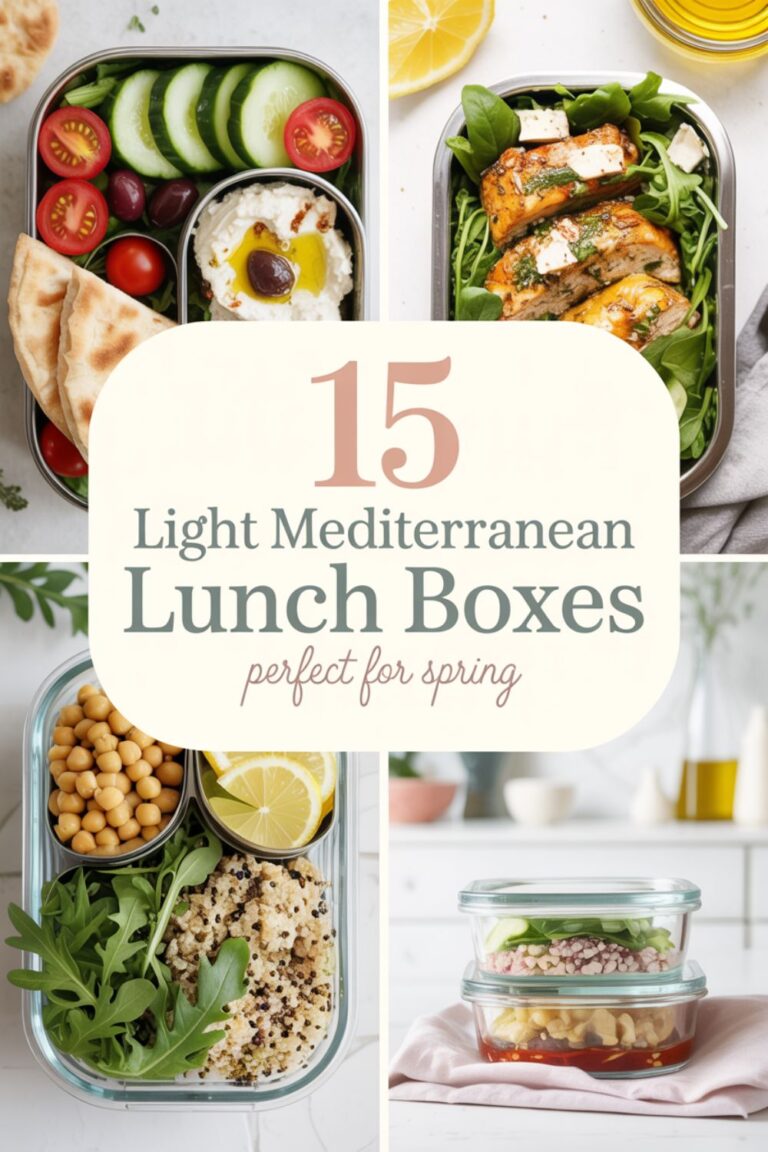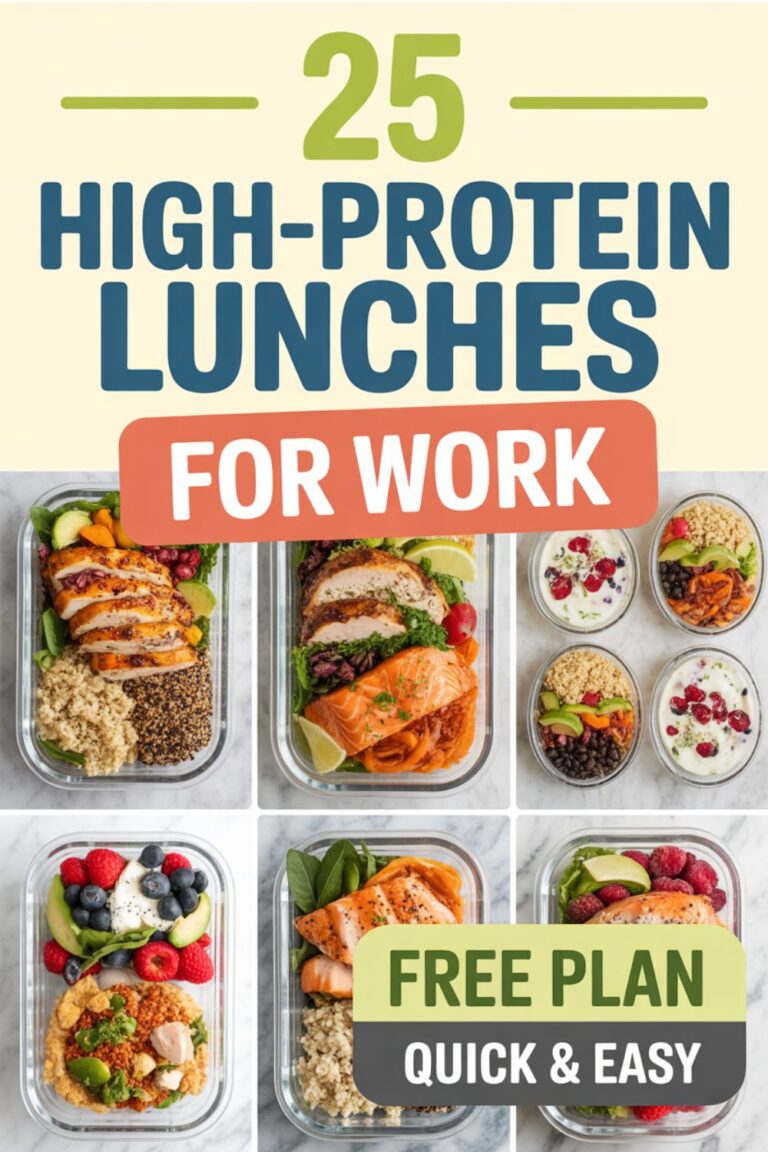
15 Easy Mediterranean Lunch Boxes for Work
Your microwave-burned sad desk lunch just met its match. Let me introduce you to Mediterranean meal prep that actually tastes good cold—and looks so good your coworkers will stop asking “is that a salad again?”
Look, I get it. You’ve tried meal prep before. Sunday rolls around, you spend three hours cooking, and by Wednesday you’re staring at the same soggy chicken wondering why you do this to yourself. But here’s the thing about Mediterranean lunch boxes—they’re built different. We’re talking meals that get better as they sit, flavors that actually marry overnight, and zero soggy disasters waiting to ruin your lunch break.
The Mediterranean diet isn’t just trendy food blogger nonsense either. Research consistently shows it reduces cardiovascular disease risk and supports healthy aging through its emphasis on whole foods, healthy fats, and anti-inflammatory ingredients. Translation? You’re not just packing lunch—you’re basically meal-prepping your way to feeling less like garbage.
I’ve been doing this Mediterranean lunch box thing for two years now, and honestly, it’s the only meal prep routine that’s stuck. No fancy equipment required, no Sunday marathon cooking sessions, and definitely no eating the same flavorless bowl five days straight. These are real lunches that work for real life—whether you’ve got a fridge at work or you’re eating in your car between meetings.

Why Mediterranean Lunch Boxes Are Actually Smart
Before we get into the recipes, let’s talk about why this works when everything else fails. Mediterranean food is basically designed for meal prep—most dishes improve with time as the flavors blend together. That sad reality of most meal prep (day one: amazing, day four: questionable) doesn’t apply here.
Plus, you’re working with ingredients that naturally preserve well. Olive oil? Natural preservative. Lemon juice? Keeps things fresh. Pickled vegetables? Already preserved. See where this is going? You’re basically working with ingredients that want to be meal-prepped.
The other genius part is how these meals work at any temperature. Cold quinoa salad? Great. Room temperature falafel? Even better. This means you’re not dependent on having a working microwave or standing in that awkward lunch rush line watching someone reheat fish for the third time this week.
The Foundation: What You Actually Need
Let me save you from buying a bunch of specialty ingredients you’ll use once. Here’s what you actually need in your pantry to make these lunch boxes happen:
Start with quality olive oil—and I mean actual extra virgin, not that bottle collecting dust since 2019. Get canned chickpeas, good tahini, dried herbs like oregano and za’atar, and a jar of kalamata olives. Grab some jarred roasted red peppers, sun-dried tomatoes, and capers while you’re at it.
For fresh stuff, keep lemons, cucumbers, tomatoes, and fresh herbs on rotation. Feta cheese is non-negotiable—get a block, not the pre-crumbled stuff that tastes like sadness. Stock up on whole grain pita, quinoa, and maybe some orzo if you’re feeling fancy.
I’m obsessed with using a quality chef’s knife for all the chopping—makes the whole prep situation way less annoying. And honestly, get yourself a good salad spinner because nobody wants watery lettuce ruining their lunch at 2 PM.
Speaking of complete meal inspiration, these high-protein meal prep bowls follow similar principles and pack serious staying power throughout your workday.
The Actual Lunch Box Ideas
1. Classic Mezze Box
This is your intro to Mediterranean lunch boxes—the gateway meal, if you will. Pack hummus, cucumber slices, cherry tomatoes, olives, and whole grain pita. Add some crumbled feta and a drizzle of olive oil. Done.
The beauty here is you can prep the hummus on Sunday (or just buy good quality stuff, I won’t judge), chop everything else in literally ten minutes, and you’ve got five lunches ready. Everything stays crisp, nothing gets soggy, and it’s somehow more satisfying than a sandwich.
Want to level this up? Add some za’atar spice blend to the hummus or throw in some pickled vegetables. I usually include a small container of olive tapenade because I’m fancy like that. Get Full Recipe.
2. Quinoa Tabbouleh with Grilled Chicken
Traditional tabbouleh uses bulgur, but quinoa brings more protein and honestly tastes just as good. Mix cooked quinoa with tons of fresh parsley, mint, diced tomatoes, cucumber, lemon juice, and olive oil. Top with sliced grilled chicken.
This is one of those meals that legitimately tastes better on day three. The quinoa soaks up all those bright, herby flavors and you end up with something that doesn’t even need reheating. I meal prep this every other week because my coworkers keep asking about it.
The key is using way more herbs than feels reasonable—like, an almost unsettling amount of parsley. Trust me on this. And if you’re looking for more protein-packed options, check out these 30g protein meal prep bowls that keep you full for hours. Get Full Recipe.
3. Mediterranean Chickpea Salad
Chickpeas are basically the MVP of Mediterranean meal prep. Drain a couple cans, toss with diced cucumber, red onion, tomatoes, bell peppers, feta, and a lemon-herb dressing. Pack with pita or just eat it straight.
This recipe laughs in the face of the four-day meal prep curse. It actually gets better as it sits, and you can eat it as a salad, stuff it in pita, or top it on greens. The chickpeas stay firm, the vegetables stay crunchy, and you feel like a functional adult who has their life together.
I always make extra dressing and keep it in a small glass jar for salads throughout the week. Total game changer. Get Full Recipe.
4. Greek-Style Pasta Salad
Yes, pasta salad can be good. Shocking, I know. Use whole grain pasta (rotini works great), toss with cherry tomatoes, cucumbers, red onion, kalamata olives, and feta. Dress with olive oil, lemon juice, oregano, and garlic.
The whole grain pasta gives you staying power without that carb crash at 3 PM. And unlike mayo-based pasta salads that turn questionable after day two, this one stays fresh all week. It’s legitimately good cold, which is the entire point of meal prep that you’ll actually eat.
Add some grilled shrimp or chicken if you want more protein, or keep it vegetarian—both versions work. For more colorful inspiration that won’t bore you to tears, these colorful meal prep bowls prove healthy food doesn’t have to look sad. Get Full Recipe.
5. Falafel Bowl with Tahini Sauce
Make or buy falafel (I won’t tell if you use frozen), and pack them with mixed greens, diced cucumber, tomatoes, pickled red onions, and tahini sauce on the side. Add pita if you want something to scoop with.
The secret is packing the sauce separately so nothing gets soggy. I use small condiment containers for all my dressings and sauces—total game changer for meal prep. Falafel stays crispy-ish for days, and honestly tastes great at room temperature.
Pro move: roast a big batch of chickpeas on the weekend for snacking and to top these bowls. Toss them in olive oil and whatever spices you’re feeling. Get Full Recipe.
6. Caprese-Style Lunch Box
This is for when you’re feeling fancy but don’t actually want to do anything complicated. Fresh mozzarella, cherry tomatoes, basil leaves, balsamic glaze, and crackers or bread. That’s it.
Pack everything separately—tomatoes in one section, cheese in another, basil wrapped in damp paper towel. Assemble when you’re ready to eat. It feels restaurant-quality but requires approximately zero cooking skills. Plus it looks impressive when people peek at your lunch, which honestly is half the battle.
Use a good balsamic glaze—not the same as balsamic vinegar, way better. Drizzle it right before eating for maximum impact. Get Full Recipe.
7. Orzo Salad with Roasted Vegetables
Orzo is that tiny pasta that looks like rice but tastes way better. Roast whatever vegetables you have—zucchini, bell peppers, eggplant, red onion—toss with cooked orzo, feta, pine nuts, and a lemon-herb vinaigrette.
The roasted vegetables add this depth of flavor that makes regular salad seem boring in comparison. Everything melds together beautifully by day two or three, and the pine nuts stay surprisingly crunchy if you pack them separately and add right before eating.
I use a sheet pan to roast everything at once—less dishes, more time for literally anything else. This is similar to the approach in these dump-and-build meal prep bowls where simplicity wins. Get Full Recipe.
8. Greek Lemon Chicken with Couscous
Marinate chicken in lemon juice, olive oil, garlic, and oregano. Grill or bake it, slice it up, and pack with fluffy couscous, cucumber-tomato salad, and tzatziki on the side.
Couscous is basically the speed demon of Mediterranean grains. Five minutes and you’re done. The chicken stays moist all week if you don’t overcook it (use a meat thermometer, I’m begging you), and tzatziki makes everything taste better. Facts.
Get yourself an instant-read thermometer if you don’t have one. Overcooked meal prep chicken is a crime against lunch boxes everywhere. Get Full Recipe.
9. White Bean and Tuna Salad
Italian-style tuna packed in olive oil (not water—trust me), white beans, cherry tomatoes, red onion, parsley, lemon juice. Mix it together, pack with crackers or bread, done.
This is basically the adult version of a tuna sandwich, except way better and you won’t get judged for eating it at your desk. The beans make it filling without being heavy, and the whole thing comes together in like ten minutes.
Look for good quality tuna—it makes a huge difference. The fancy Italian stuff in the glass jar is worth it. Trust me, your lunch deserves better than mystery tuna. Get Full Recipe.
10. Stuffed Peppers Bowl (Deconstructed)
Why stuff peppers when you can just throw everything in a bowl? Roasted red peppers, ground turkey or beef seasoned with Mediterranean spices, rice or quinoa, feta, and fresh herbs.
All the flavors of stuffed peppers without the annoying stuffing part. It reheats well if you have access to a microwave, but honestly works great cold too. The meat stays flavorful, the peppers add this slight sweetness, and the feta ties everything together.
Season the meat with cumin, coriander, paprika, and cinnamon—yes, cinnamon. It’s a Mediterranean thing and it works. For more no-fuss meal prep ideas, these lazy girl meal prep bowls keep things simple without sacrificing taste. Get Full Recipe.
11. Greek Yogurt Bowl (Savory Style)
Forget sweet yogurt parfaits. Thick Greek yogurt topped with diced cucumber, tomatoes, olives, a drizzle of olive oil, za’atar, and torn pita for dipping.
This is breakfast or lunch—honestly works for both. The yogurt stays thick and creamy, the vegetables stay crisp, and it’s somehow both light and filling. Plus, research from Johns Hopkins highlights how incorporating healthy fats with lean proteins supports better blood sugar control and sustained energy.
Make sure you’re using full-fat Greek yogurt—the fat-free stuff is basically protein-flavored water and nobody has time for that. Get Full Recipe.
12. Mediterranean Grain Bowl
Pick your grain (farro, quinoa, bulgur), add roasted vegetables, chickpeas, feta, and a tahini-lemon dressing. Top with whatever protein you want or keep it plant-based.
This is my “I literally have no idea what I want but need lunch” bowl. Everything works together, nothing clashes, and you can switch up the components based on what’s in your fridge. It’s basically the little black dress of meal prep.
Farro is criminally underused—it has this great chewy texture and stays perfect all week. If you haven’t tried it, grab a bag and prepare for your new favorite grain. Similar to these 30-minute meal prep bowls that prove speed and quality aren’t mutually exclusive. Get Full Recipe.
13. Shrimp and Avocado Salad
Cooked shrimp (buy it pre-cooked to save time), avocado, cherry tomatoes, cucumber, red onion, lemon juice, olive oil, and fresh dill. Pack greens separately if you want, or just eat the salad on its own.
The key is adding the avocado the morning you pack your lunch, not Sunday night. Otherwise it turns brown and sad. Everything else holds up perfectly though. Shrimp stays good for three days in the fridge, so maybe only make half the week’s worth at once.
Get really good pre-cooked shrimp from the seafood counter—it’s worth the extra dollar or two. The frozen cocktail shrimp taste like rubber erasers. Get Full Recipe.
14. Baked Salmon with Couscous
Lemon-herb baked salmon with Israeli couscous, roasted asparagus, and cherry tomatoes. Drizzle with olive oil and lemon.
Salmon holds up way better than you’d think for meal prep. The trick is slightly undercooking it (it’ll keep cooking as it sits), and always storing it with a little extra olive oil to keep it moist. The couscous soaks up all the good flavors, and asparagus somehow stays crisp without getting weird.
Use parchment paper to bake the salmon—it makes cleanup approximately 1000% easier and prevents sticking. If you’re focused on nutrient-dense options that won’t derail your goals, these fat loss meal prep bowls prove healthy doesn’t mean bland. Get Full Recipe.
15. Turkish-Style Eggplant Bowl
Roasted eggplant, bulgur or quinoa, yogurt-tahini sauce, pomegranate seeds, and fresh mint. This one’s a show-stopper.
Eggplant is one of those vegetables that either you love or haven’t tried it prepared correctly yet. Roasted with olive oil and Middle Eastern spices, it becomes creamy and almost addictive. The pomegranate seeds add this little burst of sweetness that makes the whole thing interesting.
Prep the eggplant in bigger batches—it takes the longest but honestly makes the whole lunch box. Store the yogurt sauce separately in tiny leak-proof containers and add it right before eating. Get Full Recipe.
Meal Prep Essentials That Actually Matter
Look, you don’t need a Pinterest-perfect kitchen to make this work. But after two years of Mediterranean lunch boxes, here’s the stuff I actually use every single week:
Glass Meal Prep Containers
Get ones with separate compartments—keeps your pita from getting soggy in hummus. The tempered glass 3-compartment containers are basically indestructible and go from fridge to microwave without drama.
Quality Chef’s Knife
Half your prep time is chopping vegetables. A sharp 8-inch chef’s knife makes this way less annoying. You don’t need a $200 knife—just something that’s actually sharp.
Sheet Pans
For roasting everything at once. Get heavy-duty rimmed sheet pans—the cheap ones warp in the oven and vegetables roll everywhere. Not cute.
Mediterranean Cookbook (Digital)
Having a solid Mediterranean meal prep recipe collection means you’re never stuck for ideas on Sunday morning when your brain isn’t working yet.
Meal Planning Template
A simple weekly meal planner printable saves you from that 7 PM “what am I prepping tomorrow” panic. Write it down, stick it on the fridge, stop overthinking it.
Nutrition Guide
If you’re actually trying to hit specific macros, a Mediterranean diet nutrition breakdown guide helps you understand what you’re eating beyond just “healthy.”
Making This Actually Work in Real Life
Here’s the thing nobody tells you about meal prep: the system matters more than the recipes. You can have the best lunch box ideas in the world, but if your Sunday prep takes four hours and leaves your kitchen looking like a disaster zone, you’ll quit by week three.
I do all my Mediterranean prep in about 90 minutes now. First 30 minutes is grains and proteins—get your quinoa, couscous, whatever cooking. While that’s happening, chop all your vegetables. Cucumbers, tomatoes, peppers, onions—everything gets chopped and stored in glass storage containers to stay fresh.
Next 30 minutes is cooking proteins if you’re doing that—chicken, shrimp, whatever. The final 30 minutes is assembly. This is where those compartment containers become your best friend. Pack everything strategically: wet ingredients separated from dry, dressings in small containers, nuts and seeds on the side if you want them crunchy.
The beauty of Mediterranean food is that most of it doesn’t require precision. Measurements are more like suggestions. Taste as you go, adjust the lemon, add more herbs, throw in extra olives. You’re not baking—nothing’s going to explode if you eyeball the olive oil.
For those weeks when you want even more variety without the extra work, check out these meal prep bowls that travel well—perfect for commuters or anyone eating lunch in less-than-ideal situations.
The Stuff Nobody Tells You
Real talk: you’re going to get bored eventually. It’s inevitable. This is why I rotate between two or three different lunch boxes each week instead of making five days of the same thing. Monday and Tuesday might be quinoa tabbouleh, Wednesday and Thursday are chickpea salad, Friday’s a treat yourself situation with the falafel bowl.
Also, don’t be afraid to do partial meal prep. You don’t have to prepare every component of every meal on Sunday. Sometimes I just cook proteins and grains, then chop fresh vegetables each morning. Takes five minutes, keeps things fresher, way less overwhelming.
Invest in ingredients that do double duty. That tahini you bought for the falafel bowl? It’s also your salad dressing base, your grain bowl drizzle, and your midnight snack with vegetables (don’t judge). Roasted chickpeas top everything and work as a snack. Feta belongs in every bowl, no exceptions.
And here’s something wild: you might actually start looking forward to lunch. Crazy, right? But when you know you’ve got something legitimately good waiting instead of another sad desk salad, the whole workday feels different. Plus your coworkers will stop giving you those pitying looks when you pull out your lunch.
If you’re still building your meal prep game and want more structured ideas, these clean girl meal prep ideas offer that organized, put-together vibe we’re all pretending to have.
Budget-Friendly Mediterranean Reality Check
Let’s address the elephant in the room: some Mediterranean ingredients feel expensive. Pine nuts cost more than my coffee habit. Good olive oil isn’t cheap. Feta adds up when you’re buying it every week.
But here’s the thing—you’re comparing it to buying lunch out, which is highway robbery these days. A $12 sad salad from the place near your office versus five homemade lunch boxes that cost maybe $20 total for ingredients? The math checks out.
Buy certain things in bulk: dried herbs, grains, canned chickpeas, olive oil. Hit up Costco or Trader Joe’s for feta, olives, and nuts. The per-serving cost drops dramatically. And honestly, you’ll waste less food because Mediterranean ingredients are pretty stable and last a while.
Skip the expensive pre-prepped stuff. Pre-spiralized vegetables? Overpriced. Pre-cooked quinoa cups? A scam. Buy whole vegetables, whole grains, cook them yourself. The time investment is minimal and your wallet will thank you.
According to nutrition experts at Healthline, investing in quality storage containers upfront actually saves money long-term by preventing food waste and keeping meals fresh longer.
What to Do When It All Falls Apart
Some weeks, meal prep doesn’t happen. Your Sunday gets hijacked by life, or you’re just too tired to function. This is fine. This is normal. You are not a failure.
Keep some emergency Mediterranean ingredients on hand: canned chickpeas, jarred roasted red peppers, good crackers, hummus, olives. You can throw together a decent mezze-style lunch in ten minutes the morning-of if needed. Add some pre-cooked chicken from the grocery store if you want protein.
Or embrace the grain-and-can situation: cook some couscous (five minutes), drain a can of chickpeas, chop whatever vegetables exist in your fridge, throw on some feta, add olive oil and lemon. Boom. You just meal-prepped in the time it takes to scroll Instagram.
The goal isn’t perfection—it’s having a system that actually works when life happens. Some weeks you’ll nail it with five perfect lunch boxes. Other weeks you’ll slap together a Mediterranean-adjacent situation that’s still way better than fast food. Both count.
Looking for more low-key approaches that don’t require perfectionism? These minimalist meal prep ideas strip things down to the essentials without the stress.
Frequently Asked Questions
How long do Mediterranean lunch boxes actually last in the fridge?
Most of these hold up for 4-5 days, which is perfect for the work week. The key is keeping wet and dry ingredients separated until you’re ready to eat. Proteins like chicken and shrimp should be consumed within 3 days, while grain-based salads and mezze-style boxes can easily go the full five days. If something smells off or looks questionable, trust your gut and skip it.
Can I freeze any of these Mediterranean lunch boxes?
Some yes, some absolutely not. Grain bowls with cooked proteins freeze well—just skip adding fresh vegetables until you thaw them. Don’t freeze anything with cucumbers, tomatoes, or lettuce unless you enjoy sad, mushy vegetables. Cooked grains, roasted vegetables, and proteins freeze great separately, then you can assemble fresh lunch boxes as needed.
What if I don’t have access to a microwave at work?
Then you’re actually in luck—Mediterranean food is designed to taste good at room temperature or cold. That’s the entire point of this cuisine historically. Skip meals that need reheating like some grain bowls, and focus on salads, mezze-style boxes, and cold grain bowls. Everything still tastes great, and you avoid that awkward lunch room microwave line.
Are these lunch boxes actually filling enough for a full workday?
If you’re including proteins and using whole grains, absolutely. The combination of fiber from vegetables and grains plus protein from chicken, chickpeas, or feta keeps you satisfied for hours. If you find yourself getting hungry mid-afternoon, pack extra snacks like roasted chickpeas or nuts. Or slightly increase your portion sizes—these aren’t diet recipes, they’re real food for real people.
How do I keep my ingredients from getting soggy by mid-week?
Compartment containers are your savior here. Keep dressings and sauces completely separate in small containers until you’re ready to eat. Store any crispy elements like pita chips or nuts in separate compartments. Pat vegetables dry after washing—extra moisture is the enemy. And honestly, some Mediterranean foods like tabbouleh and orzo salad are supposed to be moist, so don’t stress too much about it.
Final Thoughts
Here’s what I wish someone had told me when I started: Mediterranean lunch boxes aren’t about being perfect or Instagram-worthy or following some complicated meal prep schedule. They’re about having food you actually want to eat waiting for you at lunch instead of spending $15 on something mediocre or skipping lunch entirely because nothing sounds good.
Start with one or two recipes that sound appealing. Don’t try to prep five different lunch boxes your first week—that’s how people burn out. Get comfortable with the basic techniques, figure out which containers work for you, and build from there. Some weeks you’ll be a meal prep goddess with perfectly arranged lunch boxes. Other weeks you’ll throw some hummus and vegetables in a container and call it a day. Both versions are valid.
The Mediterranean approach to eating isn’t about restriction or rules—it’s about enjoying good food that happens to also be good for you. Keep that in mind when you’re prepping. If you hate olives, skip them. If you’d rather use brown rice than quinoa, go for it. The goal is creating a lunch situation that makes you feel good and doesn’t cause Sunday evening dread.
Your coworkers might ask what you’re eating. You might actually look forward to lunch breaks. And honestly? You’ll probably save a bunch of money without feeling like you’re sacrificing anything. Not a bad trade-off for 90 minutes on Sunday, right?