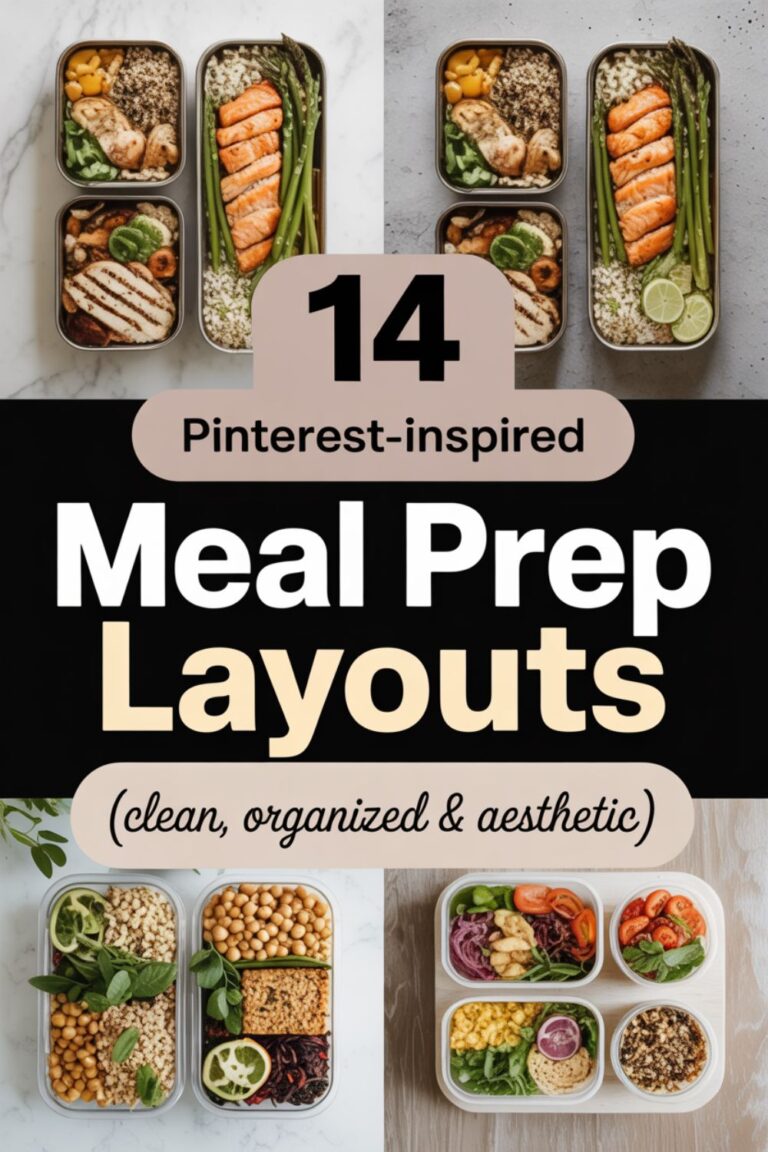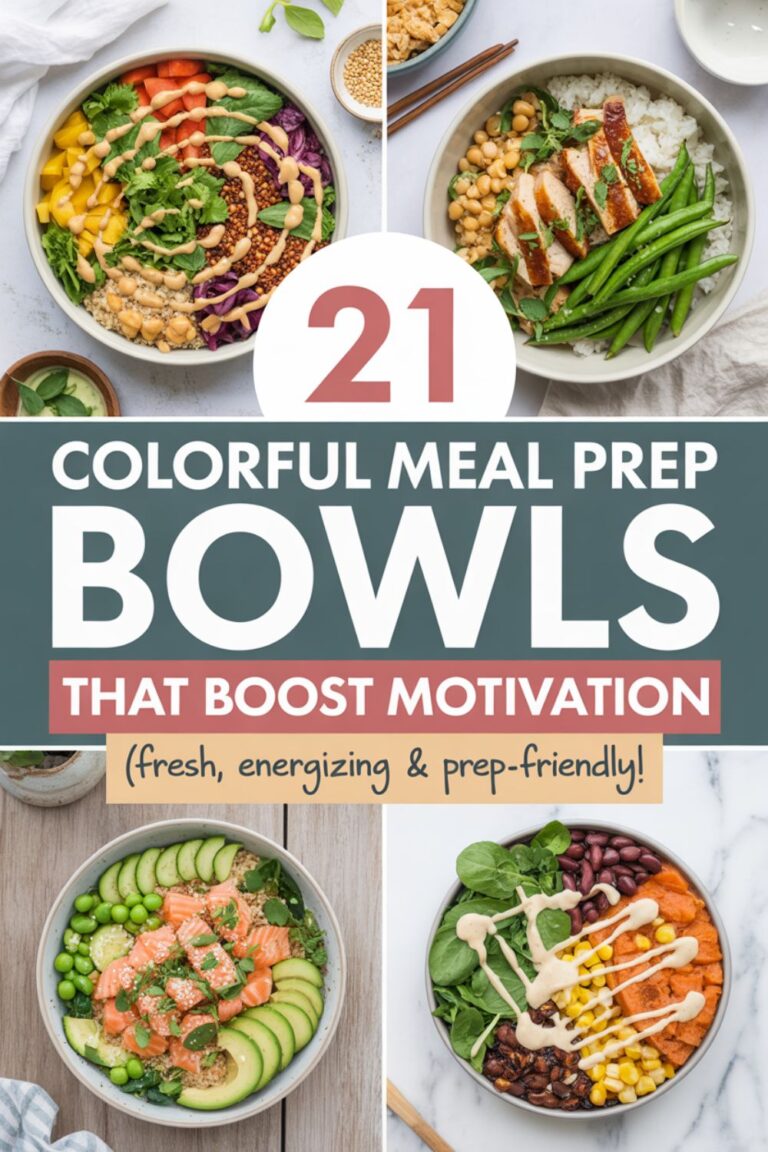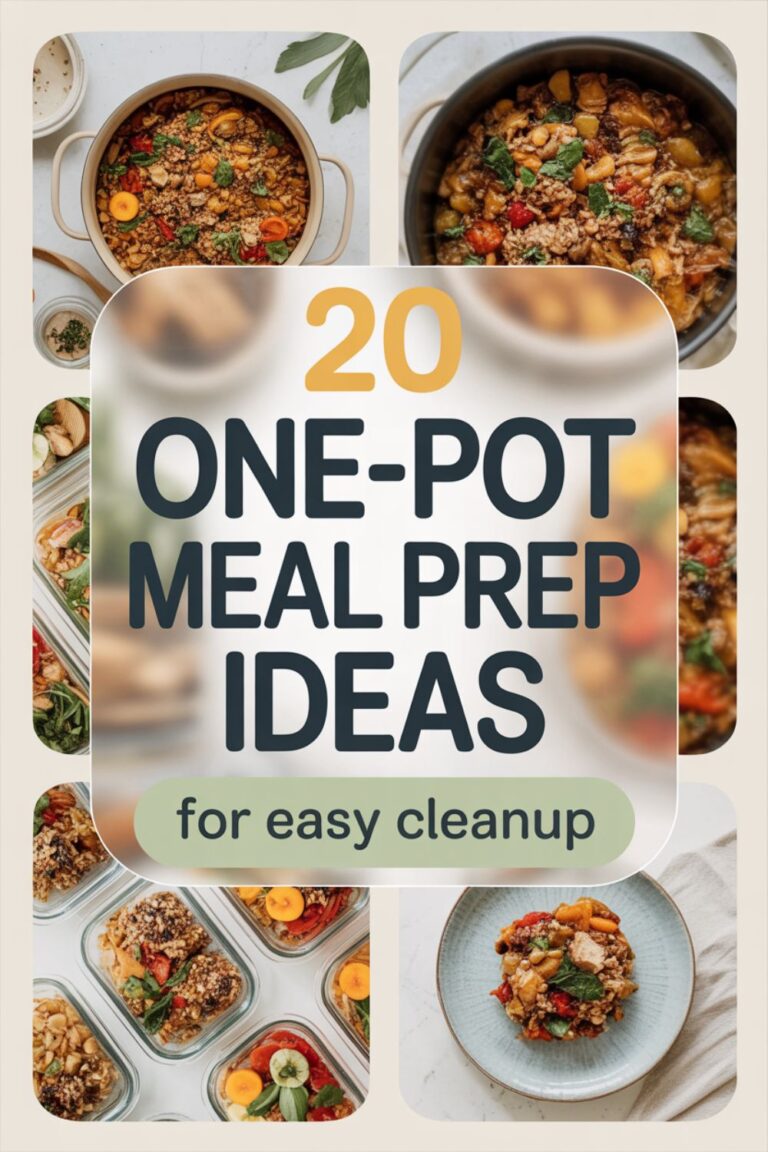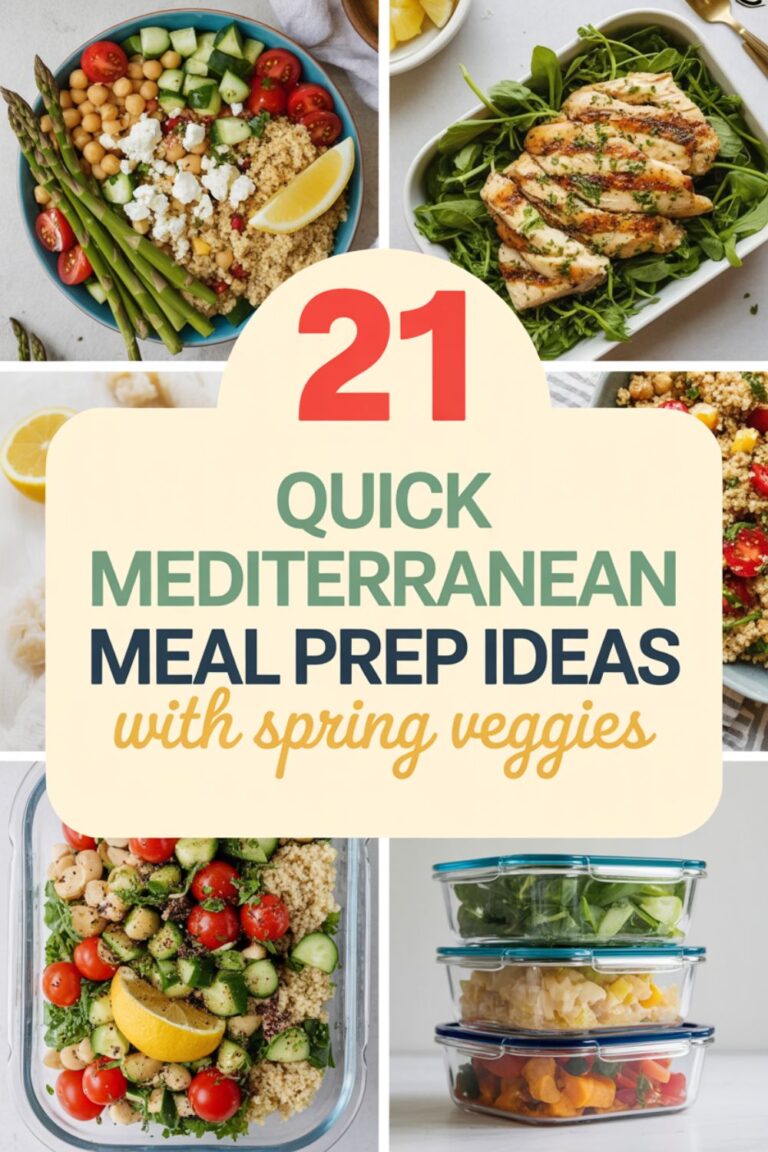
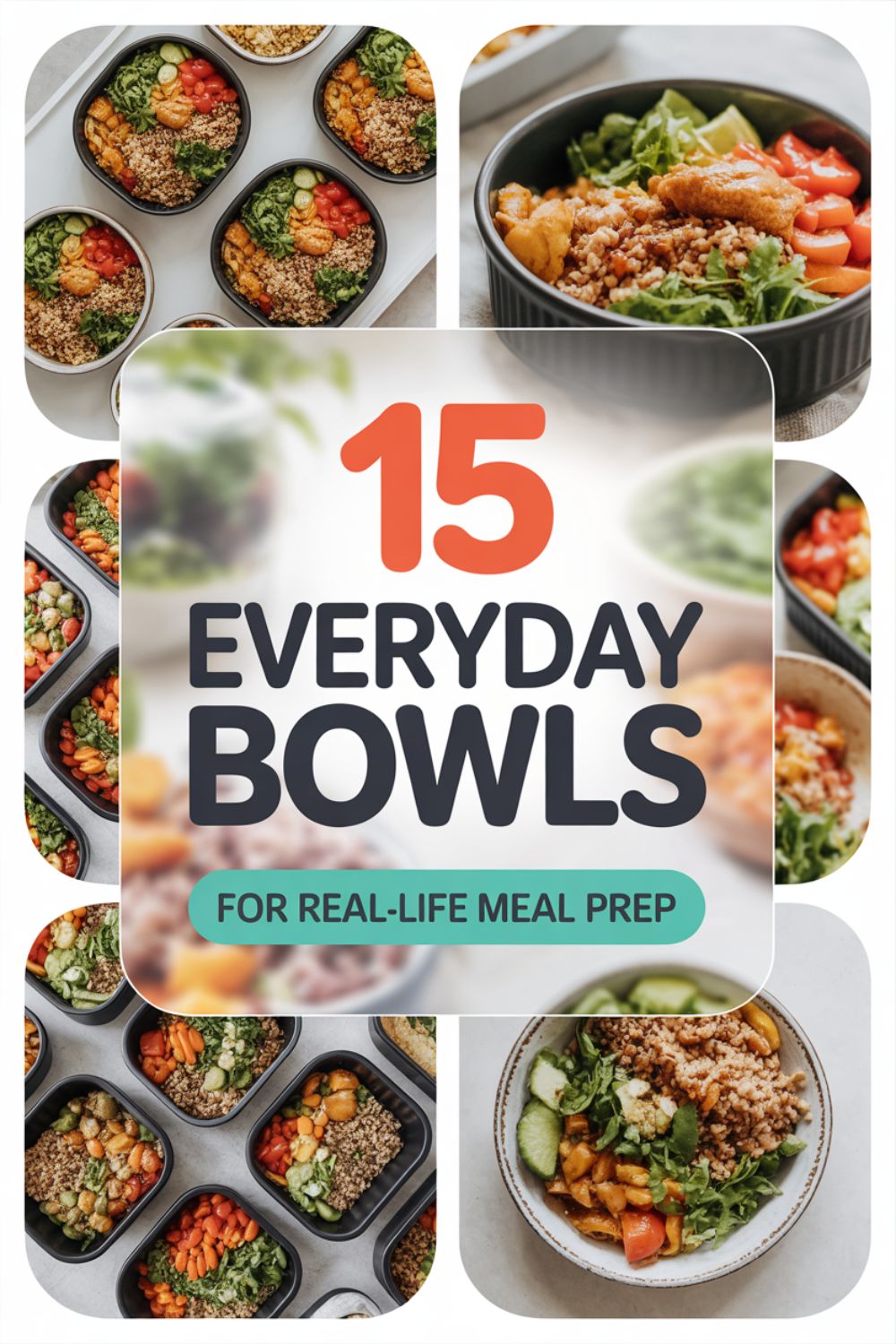
15 Everyday Bowls for Real-Life Meal Prep
Look, I’m not going to sell you some fantasy where you suddenly wake up at 5 AM on Sunday, perfectly organized with matching glass containers and a color-coded grocery list. Real meal prep happens between laundry loads, after work on Tuesday, or sometimes at 10 PM when you realize tomorrow’s lunch situation is dire.
These 15 bowls are for actual humans with messy kitchens, limited counter space, and maybe questionable knife skills. They’re the ones I actually make on repeat because they survive my chaotic fridge, taste good on day four, and don’t require me to pretend I’m running a restaurant.
Some weeks you’ll nail five bowls. Other weeks you’ll make one and call it a win. Both are fine. The goal here isn’t perfection—it’s having something decent to eat that didn’t cost you your sanity or your entire paycheck.
Why These Bowls Actually Work for Normal People
I’ve tried the elaborate meal prep routines. The ones with seventeen different components, specialty ingredients from three different stores, and techniques that require culinary school attendance. They lasted exactly one Sunday before I rage-quit and ordered pizza.
The bowls that stick around in my rotation have a few things in common. They use ingredients you can find at any regular grocery store. They don’t punish you for not having perfect timing or temperature control. And most importantly, they actually taste good after sitting in your fridge for a few days.
According to nutrition research from the Mayo Clinic, meal planning that emphasizes balanced food groups while keeping calories in check leads to better adherence and more sustainable results. But here’s what they don’t tell you: those perfectly balanced meals mean nothing if you hate eating them by Wednesday.
The secret isn’t finding the perfect recipe. It’s finding the ones that match your actual cooking ability, your real refrigerator situation, and your honest-to-god willingness to eat the same lunch more than once. For more inspiration on building a solid weekly rotation, check out these clean girl meal prep ideas that actually feel productive.
The Foundation: What Makes a Meal Prep Bowl Last
Not all ingredients survive the fridge with their dignity intact. I learned this the hard way after watching a week’s worth of spinach turn into primordial soup by Tuesday afternoon.
Sturdy greens win every time. Kale, cabbage, romaine—these don’t wilt into sadness the moment you look at them wrong. Baby spinach and arugula? Save those for date night salads, not meal prep reality.
Your protein needs to handle reheating without becoming rubber. Chicken thighs beat chicken breast. Ground turkey works better than you’d think. And listen, if you want to use rotisserie chicken, nobody’s judging. I use one from the grocery store at least twice a month and I sleep fine at night.
Grains and starches are your insurance policy against hunger. Quinoa, brown rice, farro, sweet potatoes—they soak up dressings, stay filling, and don’t develop weird textures. I always make extra because future you will thank current you when Thursday rolls around and motivation is at zero.
Speaking of food safety, proper storage isn’t optional. The guidelines from Healthline on food storage make it clear: your fridge should be at 40°F or below, and most prepped meals with protein are good for 3-4 days max. After that, you’re playing bacterial roulette.
The Container Situation
You don’t need to spend a fortune on matching glass containers. But you do need something that seals properly and won’t leak marinara all over your laptop bag. I use these stackable meal prep containers with dividers—they’re cheap, dishwasher-safe, and I don’t cry when I lose a lid.
For dressings and sauces, these 2-ounce containers with screw-top lids are legitimately perfect. No leaks, easy to pack, and you can batch-make dressing once and portion it out for the week. Revolutionary, I know.
15 Bowls That Actually Survive Real Life
1. The Classic Burrito Bowl That Doesn’t Get Soggy
This is my baseline. Brown rice, black beans, chicken or ground turkey, salsa, a handful of cheese, and some sour cream on the side. The trick is keeping wet ingredients separate until you’re ready to eat.
I prep the rice and beans together, store the protein separately, and pack the toppings in those little containers. Assembly takes 30 seconds in the morning, and by lunch it tastes freshly made instead of like cafeteria food from 1997.
2. Mediterranean Chickpea Power Bowl
Roasted chickpeas, cucumber, tomatoes, red onion, feta, and a lemon-tahini dressing over quinoa. This one’s vegetarian and surprisingly filling. The chickpeas crisp up if you roast them right—this mini sheet pan is clutch for small-batch roasting without heating your entire oven.
The protein from chickpeas and quinoa combined makes this a complete meal, which is why it shows up in so many plant-based meal plans. If you’re curious about more Mediterranean-style options, these Mediterranean bowls you can prep in advance are all solid choices.
3. Teriyaki Salmon and Broccoli
Baked salmon with a quick teriyaki glaze, roasted broccoli, and jasmine rice. The salmon reheats better than you’d think if you don’t overcook it initially. Aim for just barely done, and it’ll be perfect after a quick microwave session.
I make the teriyaki sauce in a small mason jar and just shake it up. Soy sauce, honey, ginger, garlic. Done. No need to buy the bottled stuff loaded with corn syrup.
4. Taco Tuesday (But Make It Thursday)
Ground beef or turkey seasoned with taco spices, Spanish rice, corn, black beans, shredded lettuce, and all the fixings. Pack the lettuce separately so it doesn’t become wilted sadness.
This bowl is basically Get Full Recipe for taco filling, but eaten with a fork instead of in a tortilla. Less messy, equally satisfying, and you can still pretend it’s Taco Tuesday even when it’s definitely not.
5. Thai Peanut Chicken Crunch Bowl
Shredded chicken, red cabbage, carrots, edamame, and a peanut sauce that’s halfway between dressing and life purpose. The cabbage stays crunchy all week, which is the entire point.
For the peanut sauce, I blend peanut butter, soy sauce, lime juice, honey, and a bit of sriracha. If you’re worried about nut allergies or just prefer something different, sunflower seed butter works as a solid alternative with a slightly different but still delicious flavor profile. Store it separately and this bowl stays fresh for days. I use this small immersion blender because full-size blenders are overkill for sauce-making and a pain to clean.
6. Breakfast Burrito Bowl (Game-Changing)
Scrambled eggs, breakfast sausage, roasted sweet potato chunks, black beans, salsa, and avocado. This is for people who discovered that breakfast for lunch is objectively superior to regular lunch.
The sweet potato adds natural sweetness that balances the savory elements perfectly. I cube them, toss with olive oil and paprika, then roast on this silicone baking mat—zero sticking, zero scrubbing, maximum efficiency.
Looking for more morning meal prep options? These breakfast meal prep recipes might give you some fresh ideas beyond the standard oatmeal situation.
7. Korean BBQ Beef Bowl
Ground beef with gochujang and soy sauce, kimchi, pickled carrots, steamed rice, and a fried egg on top if you’re feeling fancy. The kimchi does double duty as both vegetable and flavor bomb.
This bowl has major umami depth from the fermented kimchi and the soy-based marinade. If you’ve never tried cooking with gochujang, it’s a Korean chili paste that adds heat and sweetness without being overwhelming. Start with a tablespoon and adjust to your preference.
8. Cajun Shrimp and Sausage
Spicy andouille sausage, seasoned shrimp, bell peppers, onions, and cauliflower rice for the carb-conscious crowd. Or regular rice if you’re not trying to impress anyone.
The key is getting your cast iron skillet really hot before adding the proteins. That char is where all the flavor lives. This bowl is basically dinner theater in a container.
If you’re specifically working on reducing carbs, check out these low-carb lunch boxes for more ideas that don’t involve sad lettuce cups.
9. Greek Goddess Bowl
Grilled chicken, orzo pasta, cucumber, tomato, kalamata olives, feta, and tzatziki. This is what happens when you take a Greek salad seriously as a meal instead of a side dish.
Make the tzatziki yourself—it’s just Greek yogurt, cucumber, garlic, lemon, and dill. Way better than store-bought and it lasts all week. I grate the cucumber and squeeze out the water using a nut milk bag, which sounds fancy but is just a cheap mesh bag that prevents watery tzatziki.
10. Honey Sriracha Tofu Crunch
Crispy baked tofu with honey sriracha glaze, edamame, snap peas, carrots, and brown rice. The tofu actually crisps up if you press it properly and bake it at high heat.
Press your tofu with this tofu press for 20 minutes, cut it into cubes, toss with cornstarch, and bake at 425°F. The cornstarch is the secret to actual crispiness instead of sad sponge texture. This is one of those plant-based bowls that even tofu skeptics tend to enjoy.
11. Steak Fajita Bowl
Sliced flank steak, sautéed peppers and onions, cilantro lime rice, guacamole, and pico de gallo. This is the fancy bowl you make when you want to feel like you’re treating yourself but still staying on plan.
Cook the steak to medium-rare, then slice it thin against the grain. It’ll finish cooking slightly when you reheat it, so underdoing it initially is strategic, not accidental.
12. Buddha Bowl (But Make It Taste Good)
Roasted sweet potato, chickpeas, kale, quinoa, avocado, and tahini dressing. This is the bowl that convinced me vegetables don’t have to be punishment.
The tahini dressing is just tahini, lemon juice, maple syrup, and water until it’s pourable. Seriously that simple. Drizzle it over everything and suddenly your meal prep looks like it belongs on a wellness blog instead of in a sad desk drawer.
For more bowls in this style, these high-protein meal prep bowls offer similar vibes with extra protein for staying power.
13. Italian Sausage and Peppers
Italian sausage links (sliced), roasted bell peppers, marinara sauce, and either pasta or zucchini noodles depending on your carb feelings that week. Simple, hearty, reheats like a dream.
I brown the sausage in a large skillet, then use the same pan for the peppers. Less cleanup, more flavor. The rendered sausage fat gives the peppers actual taste instead of just being colorful filler.
14. Lemon Herb Chicken with Roasted Vegetables
Basic? Yes. Delicious? Also yes. Chicken breast marinated in lemon, garlic, and herbs, with roasted zucchini, cherry tomatoes, and Brussels sprouts over couscous.
The vegetables caramelize at high heat and the tomatoes burst and create their own little sauce situation. It’s almost embarrassingly easy for how good it turns out. This is the bowl I make when I want to meal prep but my brain is too fried for complicated recipes.
Similar straightforward approaches can be found in these meal prep bowls you can make in under 30 minutes.
15. Coconut Curry Chickpea Bowl
Chickpeas simmered in coconut curry sauce, served over basmati rice with spinach and naan bread on the side. This one’s vegetarian, warming, and tastes even better on day three after the flavors have gotten friendly with each other.
Make the curry sauce with coconut milk, curry powder, ginger, and garlic. If you want it creamier, add more coconut milk. If you want it spicier, add more curry powder or throw in some cayenne. It’s very forgiving and hard to mess up, which is exactly what weeknight cooking should be.
Meal Prep Essentials That Actually Earn Their Counter Space
I’m not going to tell you to buy seventeen different gadgets. Most kitchen tools are marketing scams. But these few things genuinely make meal prep less annoying.
Physical Products That Justify Their Existence
The ones with actual sealing ability. Microwave-safe, dishwasher-safe, and they don’t turn orange after one marinara incident.
Stop guessing if your chicken is done. This takes two seconds and prevents both food poisoning and cardboard-dry protein.
Restaurant-quality pans that distribute heat evenly. Your vegetables will actually roast instead of steam into sadness.
Digital Resources That Save Time
Printable PDFs that help you organize grocery lists and prep schedules. Analog planning in a digital world, surprisingly effective.
If you’re tracking nutrition, this spreadsheet template does the math for you. Enter ingredients, get totals. No subscription required.
Digital stickers you can print on regular paper. Helps you remember what’s in that mystery container from three weeks ago.
The Real Talk About Meal Prep Sustainability
Here’s what nobody tells you: you’re going to get sick of your meal prep bowls. It’s not a personal failing. It’s human nature. Even your favorite restaurant meal would get old if you ate it five days straight.
The solution isn’t finding the perfect rotation. It’s accepting that some weeks you’ll meal prep like a champion, and other weeks you’ll buy lunch four times and that’s fine. The goal is reducing decision fatigue and saving money most of the time, not achieving Pinterest-perfect consistency every single week.
I rotate between these 15 bowls, but I’m not rigid about it. Sometimes I make three bowls and freeze the rest. Sometimes I make one bowl and supplement with random leftovers. Sometimes I skip meal prep entirely and just batch-cook a protein to throw on salads all week.
The people who sustain meal prep long-term aren’t the ones with the most elaborate systems. They’re the ones who give themselves permission to be flexible, to adapt when life gets chaotic, and to start fresh next week without guilt-tripping themselves.
If you’re looking to expand beyond bowls, these minimalist meal prep ideas take the same practical approach with different formats. Sometimes variety isn’t about the ingredients—it’s about the vessel.
Making It Work With Your Actual Schedule
Sunday meal prep is a myth for most people. Between errands, social obligations, and general Sunday Scaries, blocking off four hours for cooking is unrealistic.
I split mine across the week. Monday night I cook proteins. Tuesday I prep vegetables. Wednesday I assemble a few bowls. It’s less efficient than batch-cooking everything at once, but it’s way more sustainable than burning out after two weeks of intense Sunday sessions.
Some people swear by the two-hour Sunday marathon. If that works for you, great. But if it doesn’t, there’s nothing wrong with spreading tasks across several days. The end result—having food ready to grab—is the same either way.
According to Mayo Clinic’s guidance on healthy meal planning, consistency matters more than perfection. Building sustainable habits beats intensive but short-lived efforts every single time.
When Meal Prep Goes Sideways
You’re going to have weeks where meal prep fails spectacularly. The chicken turns out dry. The sauce separates. The vegetables taste like sadness. You forget to actually eat the food you made and it goes bad in the fridge.
This is normal. This is not evidence that you’re bad at meal prep or that the system doesn’t work. It just means you’re human and life happened.
The difference between people who stick with meal prep and people who quit after three weeks? The ones who stick with it don’t catastrophize a bad week. They dump the failed batch, order takeout without shame, and try again next week with adjusted expectations.
I’ve made countless inedible meal prep disasters. Overcooked salmon that tasted like rubber. Dressing that separated into an oil slick. Bowls that somehow became lukewarm bacterial science experiments. Every single failure taught me something useful about timing, storage, or my own limitations.
If you’re working toward specific goals like fat loss, these meal prep bowls for fat loss use similar ingredients and techniques but with different macro targets. Sometimes adjusting your goals means just tweaking proportions, not reinventing your entire system.
The Batch Cooking Cheat Codes
Here’s what separates efficient meal preppers from people who spend eight hours in the kitchen every Sunday: strategic batching.
Cook multiple proteins at once using different methods. Chicken in the oven, ground turkey on the stovetop, hard-boiled eggs on another burner. Everything finishes around the same time if you sequence it right.
Roast all your vegetables on sheet pans at the same temperature. Different vegetables need different times, but they all work at 425°F. Just pull each pan when its contents are done. I usually do this with two half-sheet pans and rotate them halfway through for even cooking.
Make big batches of versatile components instead of complete meals. A giant pot of rice, a pound of seasoned ground beef, a container of roasted vegetables. Then mix and match throughout the week instead of eating identical meals five days straight.
The dump-and-build approach takes this concept even further—you literally just combine pre-made components into different configurations. It’s meal prep for people who get bored easily.
Adjusting for Different Dietary Goals
These bowls are templates, not commandments. Swap proteins, adjust portions, modify vegetables based on what you’re actually trying to accomplish.
Want more protein? Double the meat, add an extra egg, throw in some Greek yogurt as a sauce base. These 30g protein meal prep bowls show you exactly how to hit higher protein targets without eating chicken breast for every meal.
Need lower calories? Increase the vegetables, reduce the grains, use lighter dressings. You can make almost any of these bowls work under 400 calories with strategic adjustments. Check out these meal prep bowls under 400 calories for specific portion guidance.
Going plant-based? Sub tofu or tempeh for meat, use nutritional yeast instead of cheese, load up on legumes for protein. The bowl structure stays the same, ingredients change. These vegan meal prep ideas prove you don’t need animal products for satisfying, filling meals.
The point is flexibility. The reason meal prep works long-term isn’t rigid adherence to recipes. It’s understanding the formula—protein, carb, vegetable, fat, sauce—and customizing it to match whatever phase of life or health journey you’re in right now.
Frequently Asked Questions
How long do these meal prep bowls actually last in the fridge?
Most of these bowls stay safe to eat for 3-4 days when stored properly at 40°F or below. Bowls with fish should be eaten within 2-3 days. If something smells off or looks questionable, trust your gut and toss it. According to USDA food safety guidelines, cooked meat and poultry should be refrigerated within two hours and consumed within 3-4 days for safety.
Can I freeze these bowls or do they have to stay refrigerated?
Most of these bowls freeze well for 2-3 months, with a few exceptions. Skip freezing anything with raw vegetables like lettuce or cucumber—they turn to mush when thawed. Bowls with cooked proteins, grains, and roasted vegetables freeze great. Let them cool completely before freezing, and reheat from frozen by microwaving with a damp paper towel on top to prevent drying out.
Do I really need to keep dressings separate or is that just extra work?
For bowls you’ll eat within 24 hours, dressing on top is fine. For anything beyond that, separate storage is worth it. Soggy vegetables and wilted greens ruin texture and honestly make meal prep feel like punishment instead of convenience. Those tiny 2-ounce containers take five seconds to pack and make a huge difference in whether you’ll actually enjoy eating your prep on day four.
What if I don’t have time for a full Sunday meal prep session?
You don’t need to do everything at once. Cook proteins one night, prep vegetables another night, assemble bowls when you have time. Even making just two bowls for the week is better than zero. The all-or-nothing approach is why most people quit meal prep entirely. Do what fits your schedule and build from there.
How do I prevent my meal prep from getting boring after a few weeks?
Rotate between different sauce and seasoning profiles. The same chicken and rice base tastes completely different with teriyaki versus buffalo versus lemon herb. Change up one component each week instead of your entire rotation. And honestly, taking a week off from meal prep occasionally isn’t failure—it’s preventing burnout. You’ll come back to it with more enthusiasm if you don’t force it when you’re not feeling it.
Final Thoughts: Permission to Be Imperfect
These 15 bowls aren’t going to transform you into a meal prep machine overnight. Some you’ll love, some you’ll make once and never again, and that’s completely normal.
The real win here isn’t mastering all fifteen recipes. It’s finding two or three that work for your life, your taste preferences, and your realistic cooking abilities. Those become your foundation. Everything else is just experimentation and variety to keep things interesting.
Meal prep isn’t about perfection. It’s about having a plan when you’re too tired to think, too busy to cook, and too broke to order delivery for the fifth time this week. It’s about giving future you a small gift of convenience that present you had to work slightly harder to provide.
Some weeks you’ll nail it. Other weeks you’ll improvise or give up entirely. Both are part of the process. The only way to fail at meal prep is to quit trying altogether and convince yourself it doesn’t work when really you just needed to adjust your expectations.
Start small. Pick one bowl from this list. Make it this week. See how it goes. Build from there. And remember that even professional meal prep accounts on Instagram have weeks where everything goes wrong and they end up eating cereal for dinner. You’re doing fine.