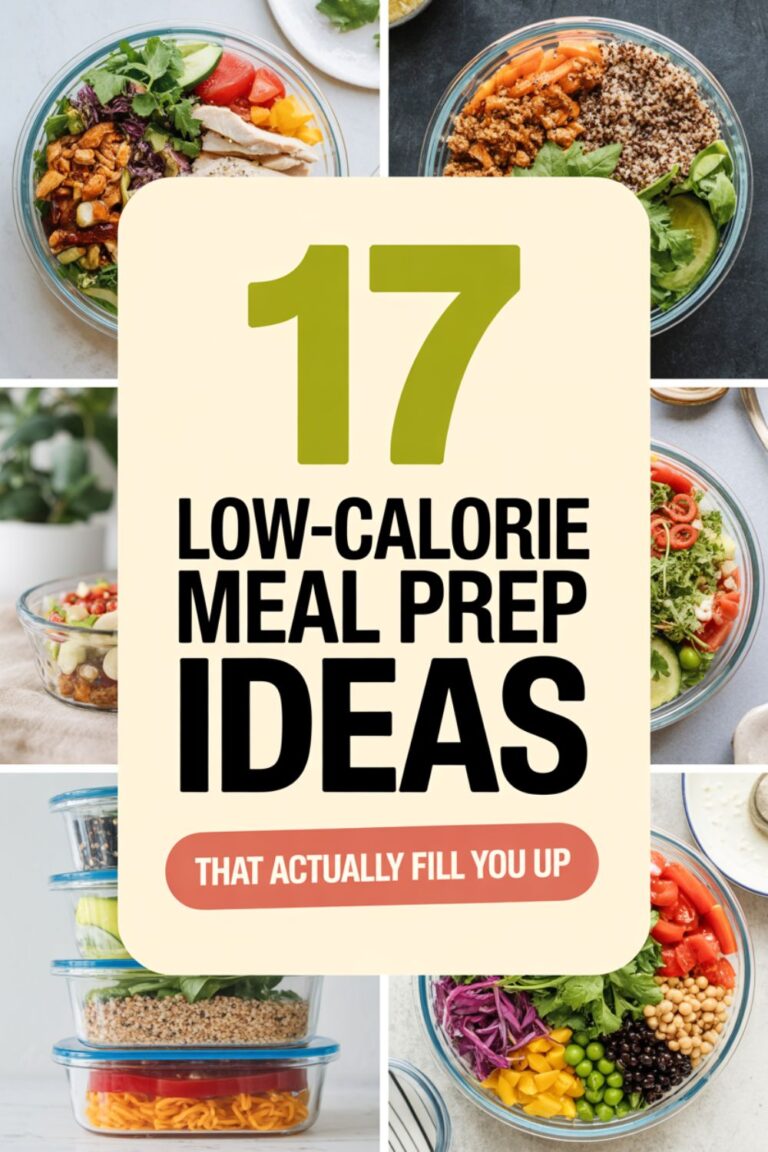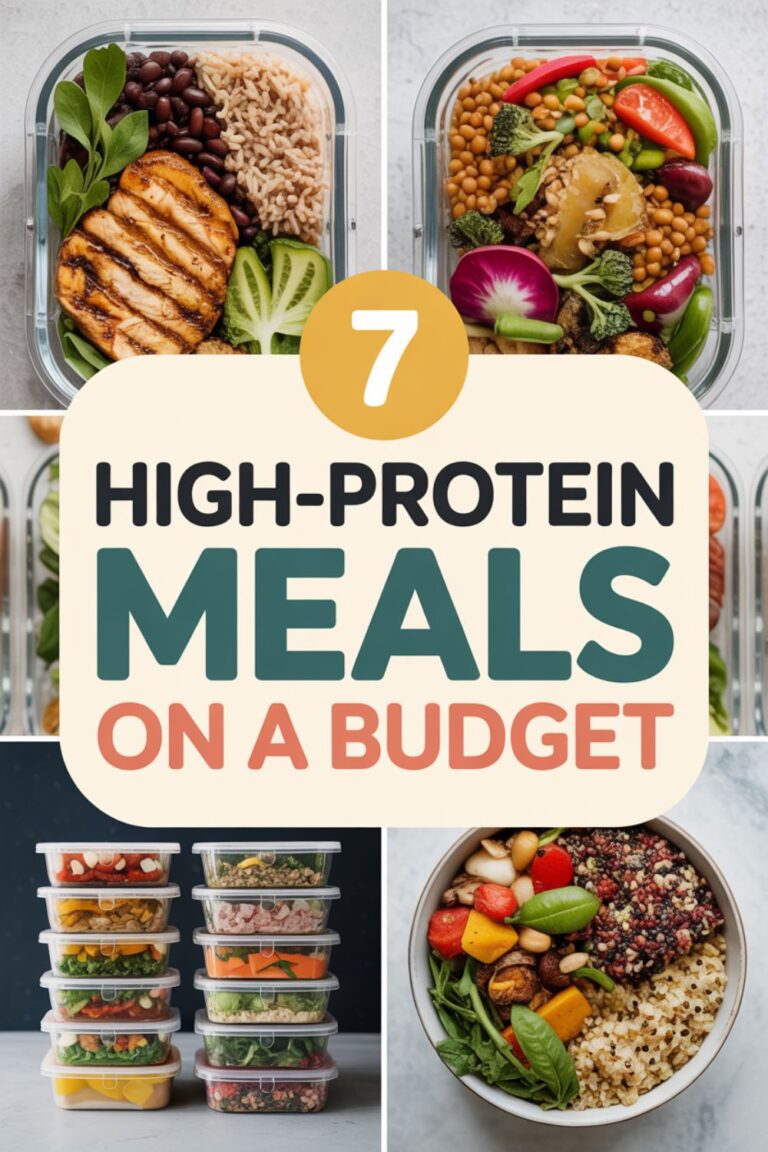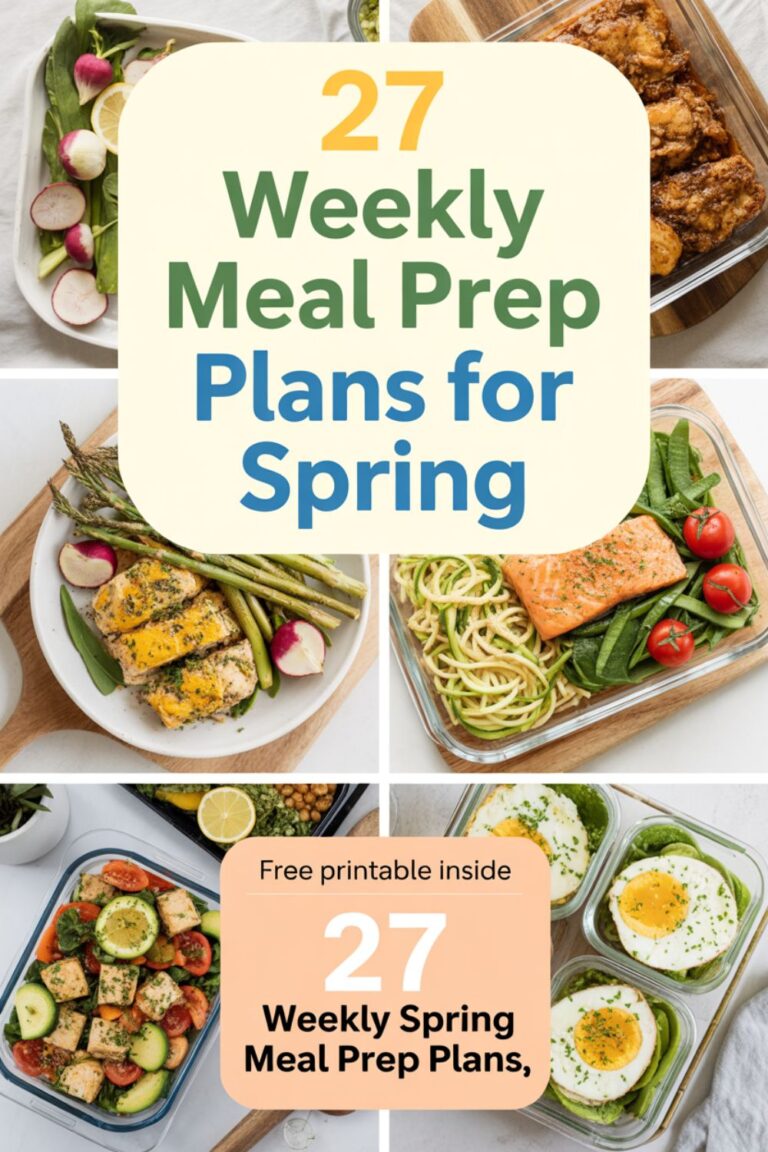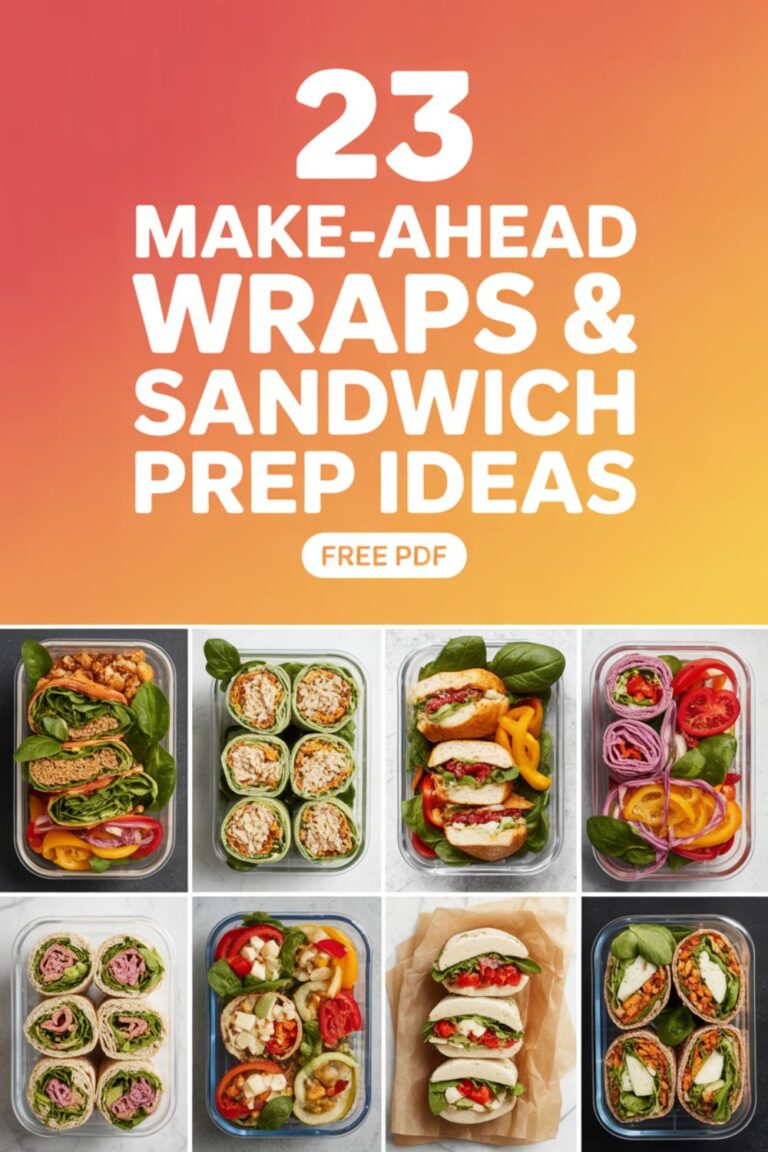
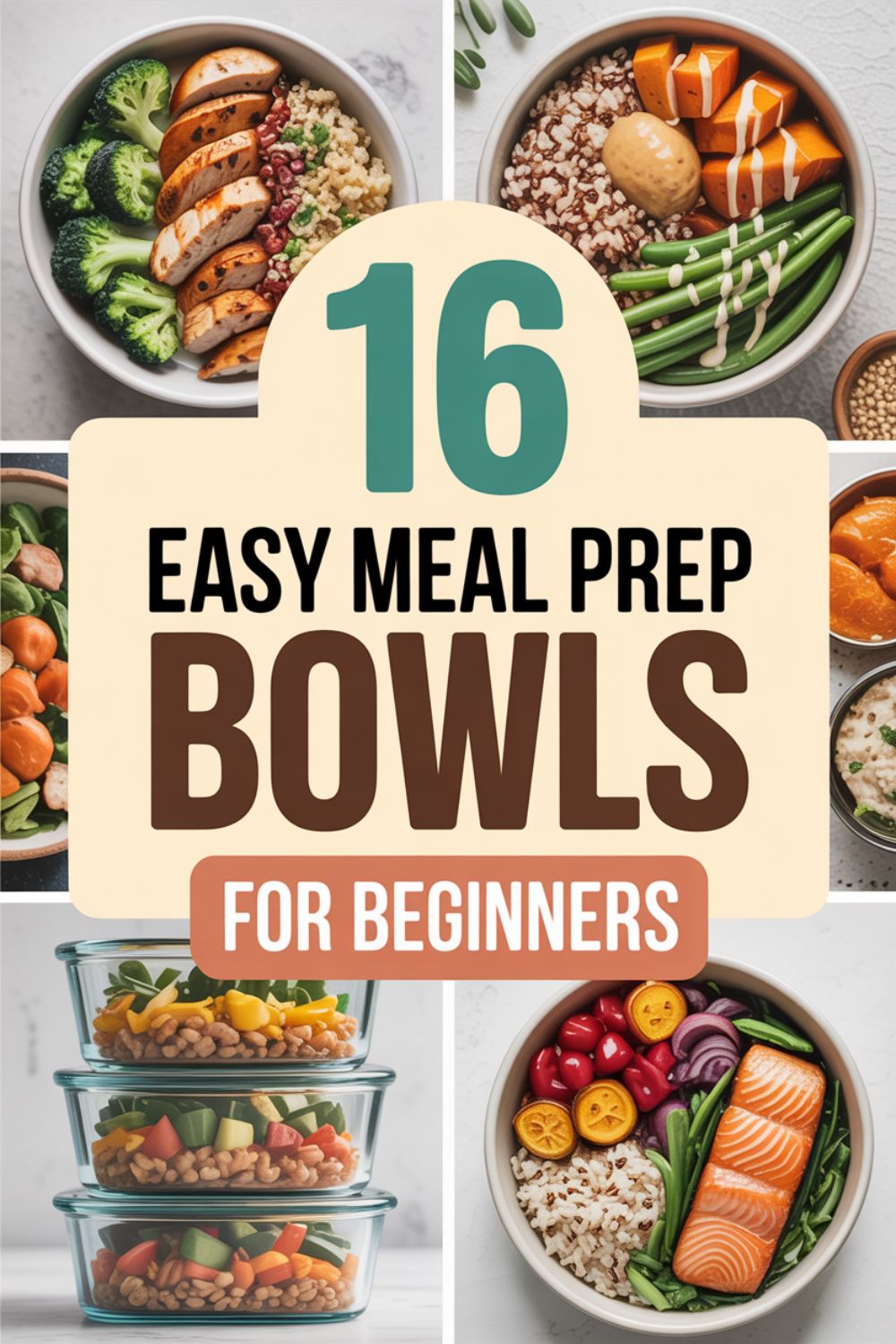
16 Easy Meal Prep Bowls for Beginners
Look, meal prep doesn’t have to be complicated. You don’t need fancy gadgets or a culinary degree to throw together bowls that actually taste good and keep you satisfied all week. If you’re staring at your empty fridge on Sunday night wondering where to start, this guide is for you.
I get it. The thought of cooking five days’ worth of meals sounds exhausting. But here’s the thing—meal prep bowls are basically the lazy person’s secret weapon. You cook once, eat multiple times, and avoid that 3 PM vending machine spiral. Whether you’re trying to save money, eat healthier, or just stop ordering takeout every single day, these 16 bowls will get you through the week without losing your mind.
The beauty of meal prep bowls? They’re incredibly forgiving. Forgot an ingredient? Swap it. Hate cilantro? Leave it out. These aren’t strict recipes carved in stone—they’re templates you can tweak based on what’s actually in your pantry. And trust me, once you nail down a few favorites, you’ll wonder why you didn’t start this sooner.
Why Meal Prep Bowls Work for Beginners
Here’s why bowls are the MVP of meal prep: they’re basically foolproof. You pick a protein, add some carbs, throw in vegetables, and boom—you’ve got a balanced meal. No complicated techniques, no precise measurements, no stress. Just real food that keeps you full.
The nutritional benefits of balanced meals can’t be overstated. When you’re building your own bowls, you control exactly what goes in. That means more vegetables, quality proteins, and way less sodium than whatever you’d grab from a drive-thru. Plus, eating protein-rich meals throughout the day helps maintain steady energy levels and supports muscle building—something that experts at Mayo Clinic emphasize in their approach to sustainable meal planning.
Another reason bowls work? They travel well. Seriously, I’ve never had a bowl leak all over my bag (unlike that sad sandwich incident we’re not going to talk about). Stack your ingredients in the right order, and everything stays fresh until you’re ready to eat.
Pro Tip: Prep your veggies Sunday night, thank yourself all week. Chop everything at once and store in airtight containers—you’ll cut your daily cooking time to literally five minutes.
Meal Prep for Beginners: The Complete Starter Guide
If you’re serious about making meal prep a habit, this beginner-friendly meal prep ebook breaks down everything step-by-step. It includes 50+ bowl recipes organized by dietary preference, weekly shopping lists already done for you, and a foolproof system for prepping in under 2 hours. No more guessing what to make or whether ingredients work together—it’s all mapped out.
Perfect for anyone who wants the strategy without the overwhelm.
The Foundation: Building Your Perfect Bowl
Every great meal prep bowl follows the same basic formula. Think of it like building blocks—once you understand the structure, you can mix and match forever. Here’s the breakdown:
Start With Your Base
Your base is what fills you up without weighing you down. Brown rice, quinoa, cauliflower rice, or even spiralized zucchini work great. I usually make a huge batch of rice in my rice cooker on Sunday and portion it throughout the week. Takes literally zero effort and you’re set for days.
Pro move: Season your grains while they’re cooking. Add a splash of low-sodium chicken broth instead of water, or toss in some garlic powder and herbs. Makes a massive difference in flavor without any extra work.
Pick Your Protein
This is where you build the muscle-supporting, energy-providing core of your bowl. Chicken breast, ground turkey, tofu, chickpeas, salmon—pick whatever you actually like eating. I can’t stress this enough: if you hate something, don’t force yourself to eat it just because it’s “healthy.” You’ll end up ordering pizza by Wednesday.
Sheet pan cooking is your friend here. Toss your protein with some olive oil and seasonings, spread it on a parchment-lined baking sheet, and let the oven do the work. I use this method for everything from chicken thighs to tofu cubes.
Glass Meal Prep Containers – 10 Pack Set
Listen, I’ve tried every container type out there—cheap plastic that stains after one marinara incident, flimsy ones with lids that never seal right, containers that crack after three uses. These premium glass meal prep containers are the real deal.
- Leak-proof snap lids that actually stay shut in your bag
- Microwave, dishwasher, and freezer safe – use them for everything
- BPA-free and stain-resistant – no orange tint after tomato sauce
- Stackable design – saves massive fridge space
- Portion control compartments – keeps ingredients separate until you’re ready
Worth the investment. Mine are going strong after 2 years of weekly use.
Load Up on Vegetables
This is where you add volume, nutrients, and color. Roasted broccoli, sautéed peppers, raw spinach, cherry tomatoes—whatever’s on sale at the grocery store. Honestly, the more variety, the better. It keeps your bowls interesting and ensures you’re getting different vitamins and minerals.
Speaking of quick wins, if you’re looking for more inspiration on building balanced meals that don’t feel like a chore, check out these clean girl meal prep ideas that focus on simplicity and aesthetic appeal.
Add Healthy Fats
Don’t skip the fat—it’s what makes your meal satisfying and helps your body absorb nutrients. Avocado, nuts, seeds, olive oil, or a drizzle of tahini all work. Just a small amount goes a long way in making your bowl actually taste good.
16 Easy Meal Prep Bowl Ideas to Get You Started
Alright, let’s get into the actual bowls. These are all beginner-friendly, use simple ingredients, and store well for 4-5 days in the fridge. No weird techniques or hard-to-find items required.
1. Classic Chicken & Rice Bowl
Sometimes the basics are basic for a reason. Grilled chicken, brown rice, steamed broccoli, and a drizzle of teriyaki sauce. It’s the bowl equivalent of a white t-shirt—always works, never disappoints. Get Full Recipe.
The key here is not overcooking the chicken. Use a meat thermometer and pull it off the heat at 165°F. Nobody wants rubbery chicken all week.
2. Mexican-Inspired Burrito Bowl
Black beans, cilantro-lime rice, corn, salsa, and grilled chicken or seasoned ground beef. Top it with a little cheese and sour cream (or Greek yogurt if you’re feeling virtuous). This bowl has serious flavor without being overly complicated.
I make the cilantro-lime rice by tossing hot rice with fresh lime juice, chopped cilantro, and a pinch of salt. Ridiculously simple, tastes like you tried way harder than you did.
3. Mediterranean Quinoa Bowl
Quinoa, grilled chicken or chickpeas, cucumber, cherry tomatoes, red onion, feta cheese, and a lemon-herb dressing. This one’s perfect if you’re tired of the usual suspects. The fresh vegetables keep it light, and the feta adds just enough saltiness to make it interesting.
Pro tip: Make your own dressing by whisking together olive oil, lemon juice, minced garlic, and dried oregano. Store it in a small mason jar and shake it up before using.
4. Asian-Style Teriyaki Bowl
Brown rice, teriyaki-glazed salmon or chicken, edamame, shredded carrots, and steamed broccoli. Drizzle with extra teriyaki sauce and maybe sprinkle some sesame seeds on top if you’re feeling fancy.
The edamame adds extra protein while keeping things interesting texture-wise. Plus, it’s one of those ingredients that makes your bowl look way more gourmet than the effort required.
5. Greek-Inspired Bowl
Tzatziki sauce, grilled chicken, quinoa or rice, cucumber, tomatoes, red onion, and kalamata olives. This bowl is basically a deconstructed gyro, and honestly? It might be better than the real thing because you can adjust everything to your taste.
Make your own tzatziki by mixing Greek yogurt with grated cucumber (squeeze out the excess water first), minced garlic, lemon juice, and dill. It’ll last all week and transforms boring chicken into something you’ll actually look forward to eating.
Quick Win: Batch cook your proteins at the beginning of the week. Two pounds of chicken feeds you for days and takes 25 minutes in the oven. Game changer.
Weekly Meal Prep Planner & Macro Tracker
I used to scribble my meal prep plans on random scraps of paper and lose them by Tuesday. This printable meal prep planner and tracker changed everything. It’s got weekly layouts where you can plan all your bowls, track which containers have what, and even log your macros if you’re into that. The shopping list section auto-organizes by grocery store section, which saves a ridiculous amount of time.
Comes in both digital and printable formats—use whatever works for your style.
6. Southwestern Sweet Potato Bowl
Roasted sweet potato cubes, black beans, corn, avocado, and a lime-cilantro dressing. Add grilled chicken if you want more protein, or keep it vegetarian—it works both ways. The sweet potato adds a natural sweetness that balances the savory black beans perfectly.
Roast your sweet potatoes with a little cumin and chili powder. Total game changer. You want them crispy on the outside, soft on the inside—that contrast in texture makes all the difference.
For more variations on this theme, these meal prep bowls under 400 calories offer lighter options while still keeping you satisfied.
7. Sesame Ginger Tofu Bowl
Crispy baked tofu, brown rice, snap peas, bell peppers, and a sesame-ginger sauce. Even if you think you don’t like tofu, try this one. The key is getting the tofu crispy by baking it at a high temperature (425°F) after pressing out the excess water.
Press your tofu between clean kitchen towels with something heavy on top for at least 15 minutes. This removes moisture and lets it actually get crispy instead of staying soggy.
8. Italian Pasta Bowl
Whole wheat pasta, marinara sauce, Italian chicken sausage, roasted zucchini, and a sprinkle of parmesan. This feels like comfort food but won’t leave you in a carb coma by 2 PM.
Use a quality marinara sauce or make your own if you’re feeling ambitious. The right sauce makes or breaks this bowl, so don’t cheap out on the jarred stuff that tastes like ketchup.
9. Thai Peanut Chicken Bowl
Shredded chicken, rice noodles or cauliflower rice, shredded cabbage, carrots, and a peanut sauce. The peanut sauce is where the magic happens—mix peanut butter, soy sauce, lime juice, a touch of honey, and some sriracha for heat.
This bowl comes together in minutes if you use rotisserie chicken. Sometimes convenience wins, and that’s okay. I keep a jar of natural peanut butter specifically for making this sauce because it’s that good.
10. Breakfast Burrito Bowl
Yes, meal prep works for breakfast too. Scrambled eggs, black beans, roasted sweet potatoes, salsa, and avocado. Reheat everything except the avocado (add that fresh), and you’ve got a protein-packed breakfast that beats cereal any day.
Scramble your eggs with a splash of milk for extra fluffiness, and don’t overcook them—they’ll firm up when you reheat. If you’re looking for more morning options, these high-protein meal prep bowls work great for starting your day right.
11. BBQ Chicken Bowl
Shredded BBQ chicken, roasted corn, coleslaw mix, black beans, and brown rice. This one tastes like summer even in January. The coleslaw adds a crunchy freshness that cuts through the richness of the BBQ sauce.
Make your coleslaw ahead but keep the dressing separate until you’re ready to eat. Nobody wants soggy slaw on Monday when you prepped on Sunday.
12. Fajita Bowl
Seasoned chicken or steak strips, sautéed peppers and onions, rice, black beans, and all the toppings—cheese, sour cream, guacamole. It’s basically fajitas without the tortilla, which means more room for the good stuff.
Season your meat with a mix of cumin, chili powder, garlic powder, and paprika. You can buy pre-made fajita seasoning, but making your own lets you control the sodium and adjust the spice level.
13. Tuna Poke-Inspired Bowl
Sushi-grade tuna (or canned tuna if that’s more your speed), sushi rice, edamame, cucumber, avocado, and a soy-sesame dressing. Sprinkle with sesame seeds and seaweed strips if you want to get fancy.
If you’re using fresh tuna, don’t prep this more than 2 days in advance. But canned tuna works great for the whole week and gives you similar flavors with way less stress. For more seafood-friendly options, check out these minimalist meal prep ideas.
14. Moroccan-Spiced Bowl
Couscous, chickpeas, roasted cauliflower, dried cranberries, and a tahini-lemon dressing. The combination of warm spices (cinnamon, cumin, paprika) with the sweet cranberries creates this incredible flavor profile that doesn’t taste like typical meal prep.
Toast your spices in a dry pan for 30 seconds before adding them to your chickpeas and cauliflower. This blooms the flavors and makes everything taste more complex.
15. Korean Beef Bowl
Ground beef cooked in a sweet-savory Korean-inspired sauce, rice, kimchi, cucumber, and a fried egg on top (add this fresh when you eat). The kimchi adds probiotics and a tangy kick that elevates the whole bowl.
The sauce is just soy sauce, brown sugar, sesame oil, garlic, and ginger. Simmer everything together until it thickens slightly, and you’ve got restaurant-quality flavor from your home kitchen.
16. Power Protein Bowl
Quinoa, grilled chicken, hard-boiled eggs, chickpeas, spinach, and a mustard-tahini dressing. This bowl is for days when you need serious fuel—it’s packed with protein from multiple sources and will keep you satisfied for hours. Get Full Recipe.
The combination of complete and incomplete proteins gives you all the amino acids your body needs. Plus, it’s flexible—swap the chicken for another protein if that’s what you have on hand. These 30g protein meal prep bowls follow a similar high-protein philosophy if you’re serious about hitting your macros.
Reader Favorite: Sarah from our community started with just three bowl variations and meal prepped every Sunday for two months. She saved over $300 on takeout and lost 12 pounds without feeling like she was dieting. Sometimes consistency beats perfection.
MealPrepPro App: Your Meal Prep Assistant
For those who prefer digital organization, the MealPrepPro app is honestly impressive. It generates customized meal prep plans based on your goals (weight loss, muscle gain, general health), creates shopping lists that sync to your phone, and sends you prep reminders so you don’t forget. The recipe database has thousands of options including all the bowl variations you could want, with filters for dietary restrictions.
Free version includes basic features; premium unlocks macro tracking and unlimited custom recipes.
Meal Prep Tips That Actually Matter
Alright, you’ve got the bowl ideas. Now let’s talk about the practical stuff that makes or breaks your meal prep success. These aren’t revolutionary—they’re just the things that work.
Invest in Decent Containers
You don’t need anything fancy, but get containers that actually seal properly. I use glass meal prep containers with snap-on lids—they’re microwave-safe, don’t stain, and last forever. Plastic works too if that’s what you’ve got, just make sure they’re BPA-free.
Pro tip: Get containers that are all the same size. They stack better in your fridge and you won’t waste time hunting for matching lids.
Instant Pot Duo 8-Quart Multi-Cooker
Real talk: this Instant Pot changed my meal prep game completely. You can cook rice, steam vegetables, and prepare proteins all at once without babysitting three different pots on the stove.
- 7-in-1 functionality – pressure cooker, slow cooker, rice cooker, steamer, sauté pan, yogurt maker, and warmer
- Hands-off cooking – set it and forget it while you prep other ingredients
- Cooks chicken from frozen – perfect for those “I forgot to thaw” moments
- 8-quart capacity – big enough to meal prep for the entire week in one batch
- Dishwasher-safe parts – cleanup is ridiculously easy
Makes tender chicken, perfect rice, and fall-apart beans in a fraction of the time. Seriously cuts Sunday prep from 3 hours to under 90 minutes.
Don’t Overcomplicate It
This is huge. Your first week, pick two or three bowls max. Get comfortable with those before you try to prep seven different meals. Variety is great, but not if it means you’re overwhelmed and give up by Tuesday.
I usually do two savory bowls and one breakfast option. That’s it. Keeps my Sunday prep under two hours and I don’t get bored eating the same thing twice.
Keep Some Ingredients Separate
Certain things don’t meal prep well. Avocado browns, lettuce gets soggy, crunchy toppings get soft. Keep these in separate small containers and add them when you’re ready to eat. Takes an extra 30 seconds but makes a huge difference in quality.
Label Everything
Grab a pack of masking tape and a marker. Label your containers with what’s inside and the date you made it. Sounds basic, but it helps you rotate through meals properly and know what needs eating first.
Cook Once, Use Twice
When you’re grilling chicken for your bowls, throw extra on there. Use it for a quick dinner later in the week or toss it in a salad. Same with roasted vegetables—make a big batch and use them in multiple bowls. Work smarter, not harder.
The concept of batch cooking saves hours. Cook your proteins and grains for the week in one session, then assembly becomes quick and easy. It’s the difference between spending all Sunday in the kitchen versus spending one focused chunk of time getting everything done.
How to Store and Reheat Your Bowls
Storage seems obvious until you end up with soggy rice and dried-out chicken. Let’s avoid that, shall we?
Cool Before Storing
Don’t put hot food directly in your fridge. It raises the temperature inside, which isn’t great for food safety. Let everything cool to room temperature first (but don’t leave it out for more than 2 hours). I usually prep in the morning so everything has time to cool before lunch.
Layer Strategically
Put your sturdiest ingredients on the bottom—rice, quinoa, heartier vegetables. More delicate items go on top. This prevents everything from getting mushy and ensures better texture when you reheat.
Reheating Without Drying Out
Microwave with the lid slightly cracked to let steam escape. Add a splash of water or broth if things look dry—works especially well for rice and grains. Reheat on 70% power for longer rather than full blast for a short time. This heats everything evenly and prevents those scary hot spots.
Some bowls taste better cold or at room temperature. The Mediterranean quinoa bowl? Delicious straight from the fridge. The Asian-inspired bowls? Usually better reheated. You’ll figure out your preferences as you go.
Common Meal Prep Mistakes to Avoid
Let me save you from the mistakes I made when I started. Learn from my mediocre meal prep disasters so you don’t have to suffer through them yourself.
Prepping Food You Don’t Actually Like
I cannot emphasize this enough. Don’t force yourself to eat quinoa if you hate quinoa. Don’t meal prep salmon if fish grosses you out. Make food you’ll genuinely enjoy eating, or you’ll abandon the whole thing by Wednesday and order pizza.
Making Everything Too Bland
Season your food. Use herbs, spices, sauces, marinades—whatever makes things taste good. Meal prep shouldn’t mean eating boring, flavorless food for days. A well-seasoned chicken breast beats a sad, plain one every single time.
Keep a variety of spice blends on hand. Italian seasoning, taco seasoning, curry powder, everything bagel seasoning—these transform basic ingredients into something you actually want to eat.
Prepping Too Much Food
Start small. Don’t prep for seven days if you’re not sure you’ll stick with it. Make food for 3-4 days, see how it goes, and adjust from there. Nothing feels worse than throwing away a week’s worth of uneaten meals because you got sick of them.
Forgetting About Variety
Eating the exact same meal five days straight gets old fast. Even just switching up your sauce or adding different toppings makes a difference. The 16 bowls I’ve listed give you plenty of options to rotate through so you’re not eating chicken and rice every single day for eternity.
If you need more variety to keep things interesting, these aesthetic meal prep ideas offer visual inspiration that might spark new combinations.
Making Meal Prep a Sustainable Habit
Here’s the thing about meal prep—it only works if you actually do it consistently. One week of perfect meal prep followed by three months of takeout doesn’t help anyone. Let’s talk about making this sustainable.
Pick a Regular Day and Time
For most people, Sunday works. But if your Sunday is chaotic, pick another day. The key is consistency. Block out 2-3 hours on your calendar and treat it like an appointment you can’t miss.
I prep Sunday afternoons while listening to podcasts. Makes the time go faster and I actually look forward to it. Find your routine and stick with it.
Keep a Running List
Throughout the week, jot down what worked and what didn’t. Did that teriyaki bowl get boring by day four? Note it. Did you wish you had more vegetables? Write it down. Use this feedback to improve your next prep session.
I keep a note in my phone with my favorite combinations, cooking times, and which containers work best for what. Sounds nerdy, but it means I’m not reinventing the wheel every Sunday.
Allow for Flexibility
Don’t stress if you miss a week or eat out occasionally. The goal isn’t perfection—it’s having healthy food available more often than not. Life happens. Just get back to it next week.
Some weeks I only prep three meals. Other weeks I’m on fire and make six different bowls. Both are fine. This isn’t an all-or-nothing situation.
Budget-Friendly Meal Prep Tips
Meal prep should save you money, not drain your wallet. Here’s how to keep costs down without sacrificing quality or taste.
Buy in Bulk
Rice, quinoa, dried beans, and spices are way cheaper when you buy larger quantities. Store them in airtight containers and they’ll last for months. The upfront cost is higher, but the per-meal expense drops significantly.
OXO Good Grips Airtight Food Storage Container Set
If you’re buying rice, quinoa, and grains in bulk, you need proper storage. These OXO airtight containers keep everything fresh for months and make your pantry look surprisingly organized.
- True airtight seal – keeps moisture, bugs, and staleness out
- Clear sides with measurement marks – see exactly what you have and how much
- Stackable and space-efficient – maximizes pantry or cabinet space
- Pop-up button creates seal – push once for airtight, pop to open
- BPA-free and dishwasher safe – easy to clean and refill
My bulk quinoa stayed fresh for 6+ months in these. No more buying tiny expensive packages at the grocery store every week.
Shop Sales and Seasonal Produce
Build your bowls around what’s on sale that week. Chicken thighs on special? Make those your protein. Bell peppers marked down? Load up and use them in multiple bowls. Being flexible with your ingredients based on what’s affordable makes a huge difference.
Seasonal vegetables taste better and cost less. In summer, load up on zucchini and tomatoes. In fall, butternut squash and brussels sprouts are your friends. Work with the seasons, not against them.
Use Frozen Vegetables
Frozen vegetables are nutritionally comparable to fresh and often cheaper. Keep bags of broccoli, mixed vegetables, and edamame in your freezer. They’re already prepped, last forever, and you can use exactly what you need without waste.
Don’t let food snobs tell you frozen vegetables are inferior. They’re flash-frozen at peak ripeness, which means they sometimes have more nutrients than “fresh” produce that’s been sitting in a truck for days.
Stretch Expensive Proteins
Mix ground turkey with black beans to stretch your protein further. Use one chicken breast per two bowls instead of one per bowl and load up on chickpeas or lentils to compensate. You’re still getting plenty of protein without spending a fortune.
Eggs are ridiculously cheap protein. Add a hard-boiled egg to any bowl and you’ve instantly increased the protein content for pennies. I buy a carton of 18 eggs every week and hard-boil half of them for easy meal additions.
Money Saver: One reader calculated she was spending $15 per day on lunch before meal prepping. Now she spends about $30 for an entire week of lunches. That’s over $200 saved monthly—enough for a weekend trip or tackling those credit card bills.
Meal Prep for Different Dietary Needs
The great thing about bowls is how easily they adapt to different eating styles. Whether you’re vegetarian, vegan, keto, or just trying to eat more plants, these frameworks work for everyone.
Plant-Based Bowls
Swap animal proteins for tofu, tempeh, chickpeas, or lentils. The formula stays the same—base, protein, vegetables, healthy fats. A good tahini or peanut sauce makes everything taste amazing and adds extra calories if you need them.
Nutritional yeast is your secret weapon for plant-based bowls. It adds a cheesy, umami flavor without dairy. Sprinkle it on literally everything. You can find it at most grocery stores now, usually in the natural foods section.
Low-Carb Options
Replace rice and quinoa with cauliflower rice or spiralized vegetables. Load up on non-starchy vegetables and increase your healthy fats to stay satisfied. These meal prep bowls for fat loss focus on lower-carb combinations that still taste incredible.
Zucchini noodles work great as a base—just don’t cook them ahead of time. Keep them raw in your container and they’ll soften when you reheat the other ingredients. Saves you from soggy, overcooked vegetable noodles.
High-Protein Focus
Double up on protein sources. Greek yogurt-based dressings, cottage cheese, extra chicken, hard-boiled eggs—layer them in. Aim for at least 30 grams of protein per bowl if that’s your goal. It’s easier than you think when you’re intentional about it.
Troubleshooting Common Meal Prep Problems
Even with the best intentions, things can go wrong. Here’s how to fix the most common issues.
Everything Tastes the Same by Day Three
This means you need more variety in your seasonings or sauces. Make different sauces for each bowl, or keep a few different options in squeeze bottles so you can change up the flavor each day. Hot sauce, sriracha mayo, pesto, chimichurri—variety is your friend.
Food Gets Soggy or Dry
Store wet and dry ingredients separately when possible. Keep dressings in small containers and add them when you eat. For grains that dry out, add a tablespoon of water or broth before reheating and cover with a damp paper towel.
You’re Sick of Eating the Same Thing
Mix up your bases. One day eat your bowl over rice, the next day use it to fill a whole wheat pita, the third day toss it with salad greens. Same ingredients, different experience. You can also explore these 30-minute meal prep bowls when you need quick variety.
Meal Prep Takes Too Long
You’re probably trying to do too much. Scale back to two or three bowls max. Use shortcuts like rotisserie chicken, pre-cut vegetables, or canned beans. There’s no award for doing everything from scratch if it means you burn out and quit.
Advanced Tips Once You’ve Got the Basics Down
Once you’re comfortable with basic meal prep, these tips will level up your game without adding tons of extra work.
Theme Your Bowls
Pick a cuisine and run with it for the week. Mexican Monday through Friday, Asian the next week, Mediterranean after that. This simplifies your shopping list because you’re buying the same base ingredients and just varying the proteins and vegetables.
Prep Ingredients, Not Complete Meals
Some people prefer prepping components separately—a container of cooked rice, one of grilled chicken, one of roasted vegetables. Then you assemble bowls throughout the week based on what sounds good. More flexible, slightly more work daily, but you get more variety.
Master One or Two Signature Sauces
A killer sauce elevates everything. I keep a jar of tahini-lemon dressing and a container of peanut sauce in my fridge at all times. They work on almost any bowl and transform basic ingredients into something legitimately delicious.
Make double batches of sauce and freeze half in ice cube trays. Pop out a cube when you need it, and you’ve always got homemade sauce ready to go without the weekly prep work.
Coordinate with Your Household
If you’re prepping for family or roommates, assign different tasks. One person chops vegetables while another cooks proteins. Assembly-line style production makes everything faster and honestly more fun. Put on music, have some wine, make it social instead of a chore.
Looking for more coordinated meal planning options? These travel-friendly meal prep bowls are perfect when multiple people need portable lunches.
Frequently Asked Questions
How long do meal prep bowls last in the fridge?
Most meal prep bowls stay fresh for 4-5 days when stored properly in airtight containers. Seafood-based bowls should be eaten within 2-3 days for best quality and safety. If something smells off or looks questionable, toss it—better safe than sorry. Always cool your food completely before refrigerating and keep your fridge at 40°F or below.
Can I freeze meal prep bowls?
Yes, but not all ingredients freeze well. Rice, quinoa, cooked proteins, beans, and most cooked vegetables freeze great for up to 3 months. Avoid freezing raw vegetables, avocado, dairy-based sauces, and anything with high water content like cucumber or lettuce—they turn mushy when thawed. Freeze bowls in individual portions and thaw overnight in the fridge before reheating.
Do I need to reheat meal prep bowls or can I eat them cold?
Totally depends on the bowl and your preference. Mediterranean, Greek, and most salad-style bowls taste great cold or at room temperature. Asian-inspired bowls, anything with rice, and Mexican bowls usually taste better reheated. Some people alternate—eat one cold when they’re rushed, reheat another when they have time. There’s no wrong answer here.
How do I prevent my meal prep bowls from getting boring?
Switch up your sauces and toppings throughout the week. Even the same base ingredients taste different with teriyaki sauce versus pesto versus tahini dressing. Keep a variety of hot sauces, herbs, and crunchy toppings on hand. Also, don’t make seven days of the exact same bowl—prep 2-3 different varieties so you have options. Variety in texture and flavor profiles keeps things interesting.
What’s the best way to reheat meal prep bowls at work?
Microwave on 70% power for 2-3 minutes with the lid slightly cracked to let steam escape. Stir halfway through for even heating. If your bowl seems dry, add a tablespoon of water or broth before reheating. For work situations without microwaves, room temperature bowls work fine—just choose ingredients that taste good cold like grain salads, Mediterranean bowls, or anything with a vinaigrette dressing.
Final Thoughts
Here’s the truth about meal prep—it’s not about being perfect or having Instagram-worthy containers lined up in your fridge. It’s about making your life easier and having healthy food ready when you’re too tired to cook or too tempted to order expensive takeout.
Start with just one or two bowls this week. Pick recipes that genuinely sound good to you, not what you think you should be eating. Use shortcuts when you need them. Buy the rotisserie chicken, use frozen vegetables, keep it simple. The goal is consistency, not perfection.
These 16 bowls give you a solid foundation, but don’t be afraid to experiment once you’ve got the basics down. Swap ingredients, adjust seasonings, make it your own. Meal prep should work for your life, your budget, and your taste preferences—not some idealized version of what healthy eating is supposed to look like.
The Sunday afternoon you spend prepping will save you hours of decision fatigue during the week. You’ll eat better, save money, and actually have time for other things besides figuring out what’s for lunch. That’s worth a couple hours of chopping vegetables, IMO.
Now grab some containers, pick your bowls, and get prepping. Your future self will thank you when Wednesday rolls around and lunch is already handled.