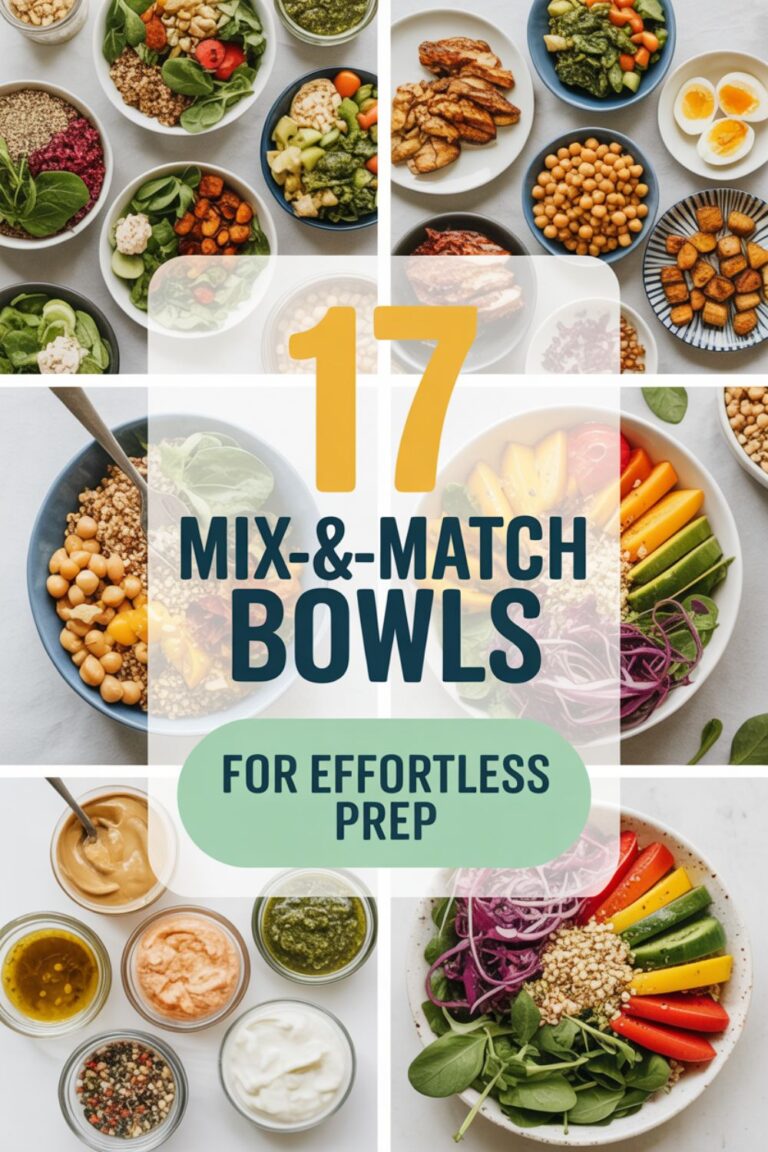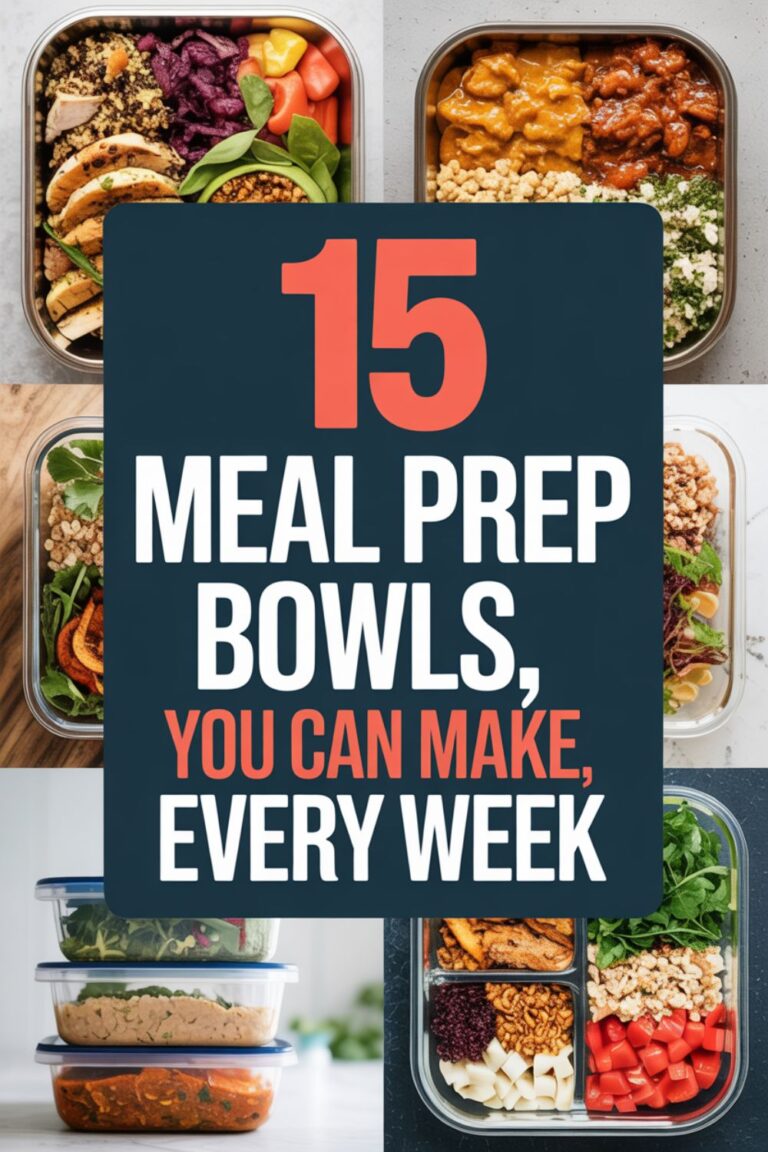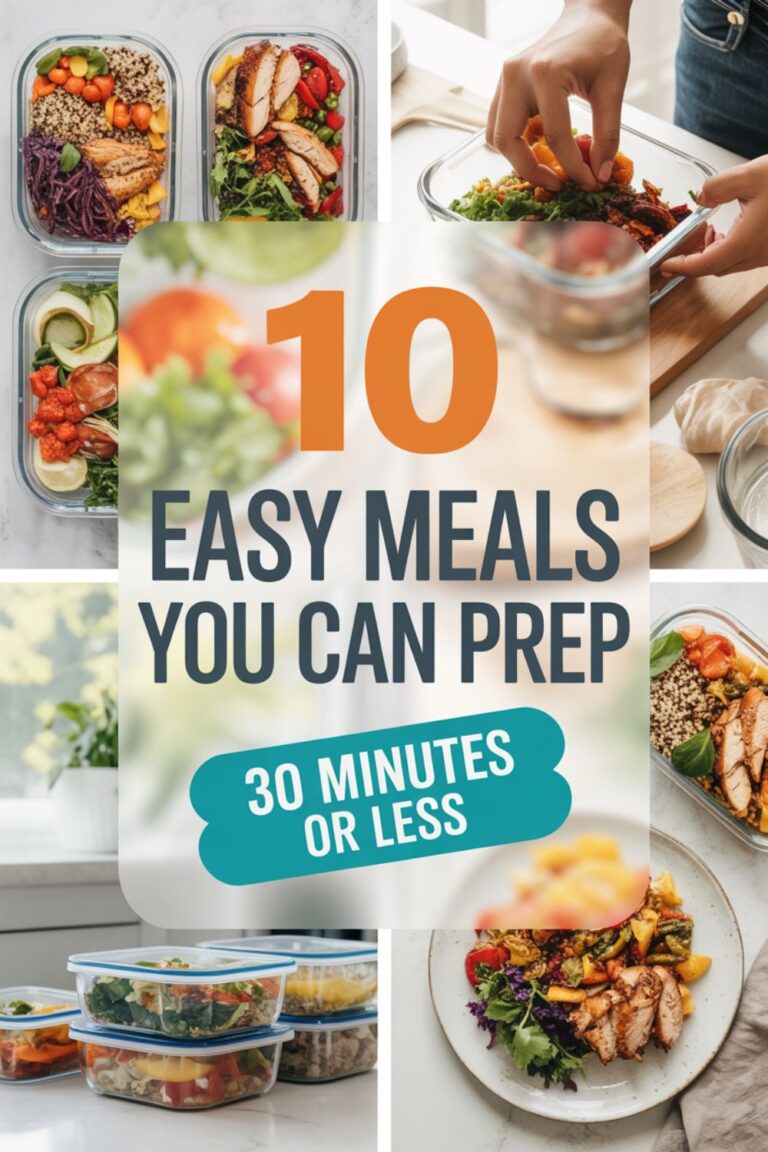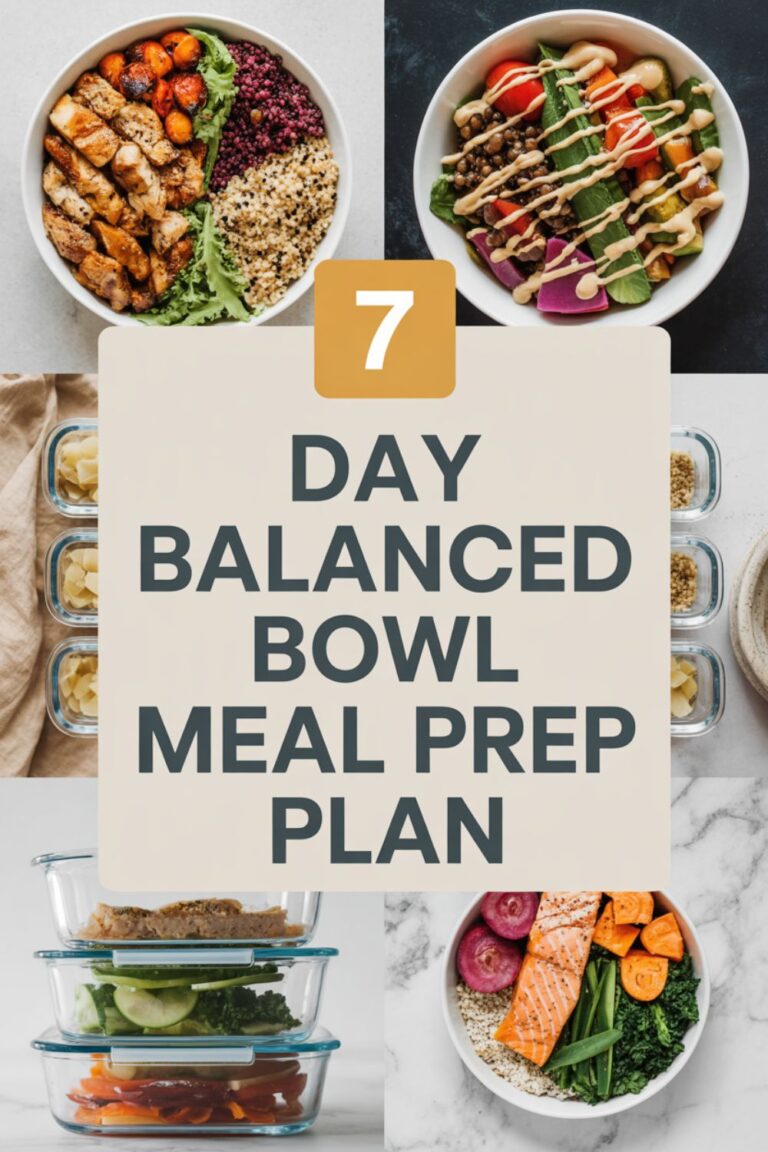
17 High-Protein Meal Prep Ideas Under 400 Calories
Because eating well on a busy schedule actually is possible—you just need the right recipes in your corner.
Let me be real with you for a second. Most “meal prep” content out there assumes you either have three free hours on a Sunday or a culinary degree hiding in your back pocket. Neither of which most of us have. What we actually want is food that keeps us full, hits our protein goals, and—here is the wildly ambitious part—tastes good enough that we don’t abandon the whole plan by Wednesday.
That is exactly what this list is. These 17 high-protein meal prep ideas all come in under 400 calories, and every single one is the kind of meal you can realistically make, store, and eat throughout the week without hating your life. Some are five ingredients, some are a little more involved, but none of them require a restaurant kitchen or a therapist to get through.
Whether you are chasing a body composition goal, trying to stay full between meetings, or just plain tired of expensive sad desk lunches, this is your starting point. Let’s get into it.
Why the Protein-Plus-Calorie Combo Actually Works
Before you scroll past this section (I see you), hear me out for sixty seconds because this context will make the rest of the list make more sense. Protein is the one macronutrient that genuinely earns its keep: it slows digestion, keeps blood sugar stable, and signals satiety hormones in a way that carbs and fat just do not do as efficiently. That means when you build meals around protein, you are less likely to be rummaging through the pantry an hour after dinner.
According to research published by nutrition experts at Healthline, meals under 400 calories that are rich in protein and fiber are one of the most effective strategies for managing caloric intake without the miserable hunger that derails most diets. The goal for each meal in this list is roughly 25 to 35 grams of protein per serving, which hits that sweet spot for muscle maintenance and satiety without going overboard.
And no, you do not need to give up flavor to stay under 400 calories. The secret is choosing ingredients that pull double duty—high protein, high volume, low calorie density. Think chicken breast, Greek yogurt, eggs, cottage cheese, lentils, and white fish. These are the building blocks you will see over and over in this list.
Prep your protein sources in bulk on Sunday—bake a full tray of chicken breasts and hard-boil a dozen eggs at the same time—then build every meal from that foundation all week long. One oven session, five days of options.
Greek Yogurt Chicken Salad Jars
This one is a sleeper hit. Swap the mayo for full-fat Greek yogurt, and suddenly chicken salad goes from a calorie bomb to something that fits your macros and still tastes rich and satisfying. Each jar runs around 310 calories and delivers 34 grams of protein. Layer it over butter lettuce in a mason jar, toss in celery, dill, lemon zest, and a handful of grapes for sweetness, and you have four lunches ready to go in about twenty minutes.
Greek yogurt does something peanut butter and almond butter cannot do here—it adds creaminess without the calorie density of mayo while boosting protein at the same time. If you are dairy-free, a thick coconut yogurt works as a swap, though the protein count will drop a few grams. This is the kind of recipe the clean girl meal prep crowd builds entire weeks around, and honestly? They are onto something.
Get Full RecipeTurkey and Zucchini Meatball Bowls
Ground turkey mixed with grated zucchini is one of those kitchen tricks that feels almost too clever. The zucchini adds moisture (so the meatballs do not dry out into sad little hockey pucks) and bumps up the veggie volume without adding meaningful calories. Serve over cauliflower rice with a light marinara and you are looking at roughly 350 calories and 33 grams of protein.
IMO, this is one of the best batch-cook proteins on the list because the meatballs freeze beautifully. Make a double batch, freeze half, and you have a week-three dinner without any extra Sunday effort. Pair it with a side of roasted cherry tomatoes or pack it into the kinds of 30-minute prep bowls that have become a weekday staple.
Get Full RecipeBaked Salmon with Roasted Asparagus and Lemon Quinoa
Salmon gets a reputation for being a little fussy, but sheet-pan salmon is genuinely one of the easiest proteins to prep in bulk. Season four fillets, roast them at 400°F for twelve minutes, and done. Combined with a half cup of quinoa and a handful of roasted asparagus, this bowl lands right around 390 calories and packs in 36 grams of protein.
Salmon also brings omega-3 fatty acids to the table, which support inflammation reduction and muscle recovery—particularly useful if you are pairing this meal prep routine with a workout schedule. If salmon is out of your budget this week, swapping in cod or tilapia cuts the cost significantly while keeping the protein profile nearly identical. This is the kind of recipe that works perfectly alongside the 25 meal prep bowls under 400 calories collection for more variety throughout the week.
Get Full RecipeEgg White and Spinach Frittata Slices
Here is the most underrated meal prep breakfast on this entire list. A big frittata baked in a 9×13 inch pan cuts into eight servings, costs almost nothing to make, and stores in the fridge for five days. Load it with spinach, roasted red peppers, feta, and a mix of whole eggs plus egg whites to keep the calories honest. Two generous slices clock in around 220 calories and 28 grams of protein.
The egg white and whole egg combination is worth understanding. Whole eggs bring fat-soluble vitamins and the richness that makes frittata actually taste good. Egg whites bring volume protein without the extra calories. Use a ratio of about three egg whites to every two whole eggs and you hit that balance well. Pair slices with a piece of fruit and you have a complete breakfast for under 300 calories total.
Get Full RecipeShredded Chicken and Black Bean Burrito Bowls
Burrito bowls are a meal prep classic for a reason: they are endlessly flexible, hold up in the fridge for days, and feel satisfying in a way that a plain piece of chicken with steamed broccoli simply does not. This version uses shredded chicken breast, black beans, cilantro lime brown rice, pico de gallo, and a small dollop of Greek yogurt in place of sour cream for 370 calories and 35 grams of protein.
Black beans deserve more credit in high-protein meal prep conversations. They bring about 15 grams of plant protein per cup, plus substantial fiber that slows digestion and keeps you full well past the meal. Combined with the chicken, you get a dual-protein source that covers both animal and plant bases in one bowl. If you want to make this completely plant-based, doubling the beans and skipping the chicken keeps the protein reasonable while making it vegan-friendly. Check out the weight loss meal prep bowls that do not feel like diet food for more ideas in this spirit.
Get Full RecipeCottage Cheese and Berry Overnight Oat Jars
Before you scroll past the words “cottage cheese,” give me a moment. Blended cottage cheese in overnight oats is genuinely undetectable as cottage cheese. What you taste is a thick, creamy, almost cheesecake-like texture that makes the whole jar feel more like dessert than a responsible breakfast choice. One jar runs 330 calories and delivers 30 grams of protein when made with half a cup of rolled oats, half a cup of blended low-fat cottage cheese, a scoop of plain protein powder, and topped with frozen mixed berries.
These jars come together in literally five minutes the night before. You need a jar, a spoon, and something to blend the cottage cheese smooth (a small immersion blender is great for this—I use a compact personal blender like this one that lives on my counter and never gets put away because it earns its counter space every single morning). Layer everything in, refrigerate overnight, and breakfast is done before you have even opened your eyes.
Get Full RecipeI started doing overnight oat jars with cottage cheese three months ago after finding this site. I was genuinely skeptical about the cottage cheese thing, but I have not looked back. Down twelve pounds and I actually look forward to breakfast now, which has never happened to me in my adult life.
— Maya R., community memberLemon Herb White Fish with Roasted Vegetables
White fish—cod, tilapia, haddock, or pollock—is the unsung hero of high-protein meal prep under 400 calories. It is cheap, cooks fast, and takes on flavors beautifully. A 5-ounce baked cod fillet with a tray of roasted zucchini, bell peppers, and cherry tomatoes drizzled in olive oil comes in around 280 calories and 35 grams of protein. That leaves significant room for a side of whole grain rice or a small piece of sourdough if you want to round it out.
The key to making white fish actually taste good after reheating (which is, let us be honest, the real challenge with fish in meal prep) is to slightly undercook it during your prep session. A fillet that comes out of the oven at 140°F instead of 145°F will reheat to the right texture without drying out into something you need to apologize to yourself for eating.
Get Full RecipeLentil and Roasted Vegetable Power Bowls
For the plant-based crowd (or anyone who wants a break from chicken), green or black lentils are one of the most protein-dense legumes available. A bowl built on a cup of cooked lentils, roasted sweet potato, massaged kale, pickled red onion, and a tahini-lemon dressing delivers about 360 calories and 24 grams of protein—all from plants.
Lentils also cook faster than any other dried legume, needing no soaking and just 20 to 25 minutes on the stovetop. That makes them ideal for meal prep sessions where you want a variety of bases without spending the whole day in the kitchen. If you are building a full week of plant-based meals, the 25 plant-based bowls that make healthy eating easy is worth bookmarking as a companion resource.
Get Full RecipeBatch-cook a pot of lentils and a pot of quinoa every Sunday. These two bases cover breakfast, lunch, and dinner combinations all week and cook in under 25 minutes combined. Store them separately in airtight containers and assemble bowls fresh each day.
Teriyaki Chicken and Broccoli Rice Bowls
This is the recipe that converts people who think they do not like meal prep. A homemade teriyaki sauce made with low-sodium soy sauce, ginger, garlic, a touch of honey, and cornstarch takes about four minutes to put together and tastes dramatically better than anything from a bottle. Paired with 4 ounces of baked chicken thigh (bone-in removed, skin-off) over brown rice and steamed broccoli, this bowl sits at 385 calories and 34 grams of protein.
Using chicken thigh instead of breast here is a deliberate choice: the slightly higher fat content (still well within the calorie budget) means the meat stays juicier after a few days in the fridge. Chicken breast is leaner, but it dries out faster, and nobody needs a reason to skip their prepped lunch on Thursday. FYI, this is also one of the best recipes to double because it reheats exceptionally well from frozen.
Get Full RecipeHigh-Protein Tuna and White Bean Salad
Canned tuna does not get the respect it deserves. It is one of the most cost-effective protein sources available—a single can runs around a dollar and delivers 25 grams of protein. Mixed with white cannellini beans, diced cucumber, cherry tomatoes, red onion, capers, lemon juice, and a drizzle of good olive oil, it becomes something genuinely enjoyable to eat. A full serving runs about 310 calories and 36 grams of protein.
White beans and tuna together cover both animal and plant protein in one bowl, which matters for amino acid diversity if you are eating this combination regularly. This salad holds up beautifully in the fridge for four days and travels well, making it a top pick for desk lunches. Speaking of which, the aesthetic lunch meal prep ideas for work has some great presentation tips for making this look as good as it tastes.
Get Full RecipeMeal Prep Essentials Used in This Plan
A friend-to-friend rundown of what actually makes these recipes easier to pull off. Nothing fancy, just the tools that earn their spot in the kitchen.
Glass Meal Prep Containers (Set of 7)
Glass containers that go from oven to fridge without drama. I have been using a set like these snap-lock glass containers for two years and they still seal perfectly. No staining, no plastic smell after reheating fish. Worth every penny.
Kitchen Food Scale
If you are serious about hitting calorie targets, a scale is the one tool that pays for itself immediately. I swear by this slim digital kitchen scale—it fits in a drawer and makes portion accuracy effortless instead of stressful.
Half-Sheet Baking Pan Set
Two full-size sheet pans running simultaneously doubles your roasting output without any extra work. I use these heavy-gauge sheet pans for everything from salmon to meatballs to roasted vegetables. They warp less than cheaper pans, which matters when you are using them every single week.
7-Day High-Protein Meal Prep Plan
A structured free printable that maps out an entire week of high-protein meals with a grocery list attached. Find it at the 7-day high-protein challenge page. Great for anyone who wants to stop decision-making entirely and just follow a plan.
High-Protein Budget Meal Guide
Eating 150 grams of protein a day does not have to cost a fortune. This guide breaks down exactly how to build a week of high-protein meals on a budget—one of the most practical resources on the site.
Macro Tracking App (Cronometer)
Free to use and more detailed than most paid apps. Cronometer shows micronutrient breakdowns alongside macros, which matters when you are eating the same meal prep rotation for weeks. Worth downloading before your next prep session.
Turkey Stuffed Bell Peppers
Stuffed peppers look impressive and take almost no skill to make, which is a combination I fully support. Fill halved bell peppers with a mixture of lean ground turkey, diced tomatoes, onion, garlic, cumin, and a quarter cup of brown rice per pepper. Bake covered at 375°F for 35 minutes. Two stuffed pepper halves come in around 360 calories and 32 grams of protein.
These hold up in the fridge for four days and reheat beautifully in the microwave—unlike a lot of stuffed vegetable dishes that turn waterlogged and sad by day three. The pepper itself provides vitamin C, which supports iron absorption from the turkey, so there is a legitimate nutritional reason to keep the whole pepper rather than just using it as a vehicle for the filling.
Get Full RecipeEdamame, Brown Rice, and Miso Chicken Bowls
This bowl has a quiet confidence about it. Nothing flashy, but every component earns its place. Edamame adds plant protein and a satisfying chew, brown rice provides fiber and lasting energy, and a simple miso-ginger glaze on the chicken takes the whole thing somewhere interesting. The full bowl runs 375 calories and 37 grams of protein when built with 4 ounces of chicken breast, half a cup of shelled edamame, and half a cup of cooked brown rice.
Miso paste is worth keeping in your fridge year-round. A tablespoon runs about 35 calories and adds a salty, umami depth that makes lean proteins taste far more exciting than they have any right to. White miso is milder and better for marinades; red miso is more intense and better for soups. Either works here.
Get Full RecipeSmashed Chickpea and Avocado Wraps
Plant-based meals sometimes get unfairly accused of not being filling. This wrap disagrees. A can of chickpeas smashed with ripe avocado, lemon juice, cumin, and salt spread into a whole wheat tortilla with shredded purple cabbage and cucumber creates something that is simultaneously filling and fresh-tasting. One wrap comes in around 380 calories and 18 grams of protein—lower than the animal protein options but respectable for a fully plant-based option.
To boost the protein closer to the 25-gram range, add two tablespoons of hemp seeds to the smashed chickpea mixture. Hemp seeds are one of the only plant-based foods that provide all nine essential amino acids, making them a complete protein source in the way that most plant foods are not. You will barely notice them in the texture, and they bring 10 grams of protein per three tablespoons.
Get Full RecipeSheet Pan Chicken and Sweet Potato Hash
If you have thirty minutes, you can have four lunches ready to go. Dice two sweet potatoes and two chicken breasts into similar-sized cubes, toss everything with olive oil, smoked paprika, garlic powder, and a pinch of cayenne, and spread it across a sheet pan. Roast at 425°F for 25 minutes, tossing once halfway through. A generous portion delivers 350 calories and 34 grams of protein.
The hash format works particularly well for meal prep because it portions naturally and reheats without losing texture the way some grains and pastas do. Serve it straight from a container for a quick lunch or pile it into a bowl with a handful of arugula for something that feels more composed. I keep my prep session moving efficiently with a sharp chef’s knife like this one—dicing sweet potatoes with a dull knife is a battle I no longer fight.
Get Full RecipeCut all your raw proteins and vegetables on Sunday night even if you are not cooking them yet. Prepped vegetables stored in airtight containers stay fresh for three to four days, cutting your weekday assembly time to almost nothing. Prep the produce once, thank yourself all week.
Greek-Style Ground Beef and Farro Bowls
Farro is worth getting acquainted with if you have not already. It is a whole ancient grain with a pleasantly chewy texture and a nuttier flavor than brown rice, and it pairs beautifully with Mediterranean-leaning proteins and vegetables. A bowl of seasoned extra-lean ground beef (96/4) with farro, cucumber, cherry tomatoes, kalamata olives, and a tablespoon of tzatziki comes in at 390 calories and 38 grams of protein.
Extra-lean ground beef cooked with oregano, garlic, and a little cinnamon (trust the process—this is a classic Greek technique) tastes completely different from standard taco meat. If you are building a Mediterranean-themed prep week, pair this with the 7-day Mediterranean meal prep plan with free printable for a fully structured approach.
Get Full RecipeHigh-Protein Smoothie Packs (Frozen)
Smoothies get overlooked in meal prep conversations because people assume they cannot be prepped ahead, but frozen smoothie packs are one of the most efficient breakfast strategies available. Divide spinach, frozen berries, half a banana, and a tablespoon of almond butter into individual freezer bags. On prep day, add a scoop of vanilla protein powder to each bag, seal, and freeze. In the morning, dump one bag into a blender with a cup of unsweetened almond milk. That is 340 calories and 30 grams of protein in under three minutes.
The key piece of equipment that makes this seamless is a blender that can handle frozen fruit without sounding like it is about to launch itself off the counter. I rely on a mid-range personal blender like this compact model that seals tight, blends smooth, and doubles as the to-go cup. No extra dishes. For more frozen breakfast ideas like this, the 21 smoothies you can prep and freeze for the week is the most comprehensive resource I have seen on the subject.
Get Full RecipeSlow Cooker Shredded Chicken and Vegetable Soup
Ending with a slow cooker recipe feels right because it represents everything meal prep should be: almost no active work, massive yield, and food that somehow tastes better on day three than it did on day one. Add two pounds of boneless chicken breast to a slow cooker with chicken broth, white beans, diced tomatoes, garlic, onion, celery, carrots, and Italian seasoning. Cook on low for seven hours, then shred the chicken directly in the pot. A generous two-cup serving delivers 320 calories and 38 grams of protein, and the recipe makes roughly eight servings.
This soup freezes perfectly in individual portions, making it one of the best investments you can make on a Sunday afternoon. Use wide-mouth quart mason jars with plastic lids for freezer storage—they stack efficiently, do not absorb odors, and are far more satisfying to pull out of the freezer than a crumpled zip-lock bag. Leave an inch of headspace when filling to prevent cracking as the soup expands.
Get Full RecipeI never thought I was a meal prep person until I tried the slow cooker chicken soup and the teriyaki bowls together in the same week. I spent two hours on Sunday and genuinely did not think about food stress for five days. That has never happened before.
— James T., community memberFrequently Asked Questions
How many grams of protein do I need per meal for weight loss?
Most nutrition research points to a range of 25 to 40 grams of protein per meal as the effective window for satiety and muscle protein synthesis. For context, your body can only utilize roughly 30 to 40 grams of protein for muscle building purposes in a single sitting, so going dramatically above that number does not provide additional benefit. Aim for the lower end of that range if you are more sedentary and the higher end if you train regularly. The Healthline team’s guide on healthy meals under 400 calories provides helpful context on balancing protein with overall calorie goals.
How long do high-protein meal prep containers last in the fridge?
Most cooked proteins and grains stay safe and good-quality for three to five days in the refrigerator when stored in airtight containers. Fish and seafood sit at the shorter end of that range (three days maximum), while chicken, turkey, and beef extend comfortably to five days. Anything you are not eating within five days is worth portioning into the freezer on prep day itself rather than waiting to see how it goes.
Can I hit 400 calories and still get enough protein as a vegan?
Yes, though it requires more intentional ingredient stacking than an omnivore diet. Combining multiple plant proteins in a single meal—like lentils and hemp seeds, or quinoa and edamame—gets you to meaningful protein numbers without pushing the calorie count. The recipes on this list that are fully plant-based land between 18 and 26 grams of protein per serving, which is achievable and worth building around. The guide to meal prepping a balanced vegan diet covers this topic in depth if you want a structured approach.
What are the best containers for meal prepping?
Glass containers are the best long-term investment: they do not stain, do not absorb odors, and are safe to reheat in the microwave without the plastic-chemical concerns that come with cheaper containers. For soups and liquids, wide-mouth mason jars with plastic lids are excellent and freezer-safe. For portioned meals, a snap-lock glass container in the 3 to 4 cup size covers most single-serving portions comfortably. Avoid round containers for anything that has a lot of components—rectangular containers stack more efficiently and make better use of shelf space.
Is 400 calories per meal enough to build muscle?
It depends on how many meals you are eating per day. If you are eating four meals in the 350 to 400 calorie range, your total calorie intake may be on the lower end for active muscle building. For most recreational gym-goers, building muscle requires eating at or slightly above maintenance calories with adequate protein. These recipes are best used in a muscle-building context as part of a higher-volume eating plan, or they work well as the anchor meals in a slight caloric deficit for body recomposition goals. The strength-friendly meal prep ideas to fuel your gains dives deeper into this topic specifically.
The Takeaway
Seventeen recipes, all under 400 calories, all with enough protein to actually keep you full. That is the whole premise, and it works because the recipes are built around foods that are genuinely satisfying to eat—not around deprivation and willpower.
Pick three or four from this list for your first prep session. Get comfortable with the rhythm. Then rotate in new ones as the weeks go on. You do not need all seventeen running at once—you just need a handful of reliable options that fit your life and your taste preferences.
If you want to take things further, the budget guide to building a week of high-protein meals is a natural next step. Start simple, build consistency, and let the meals do the work for you.