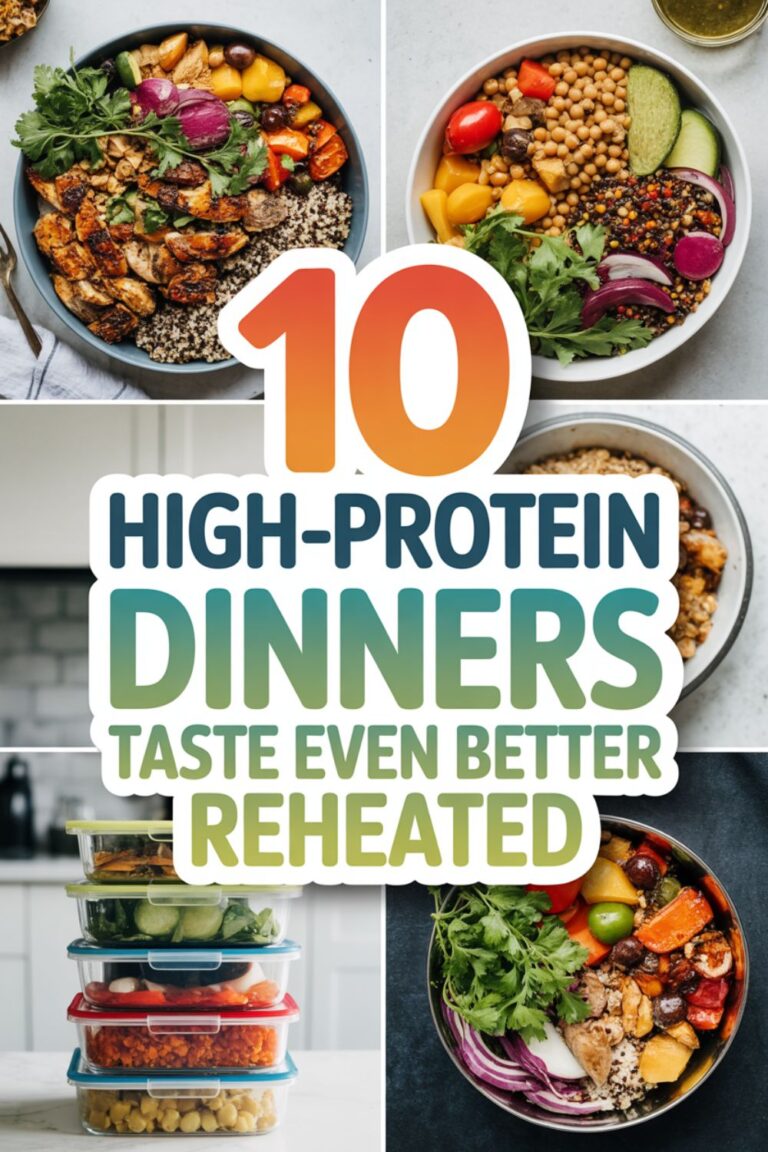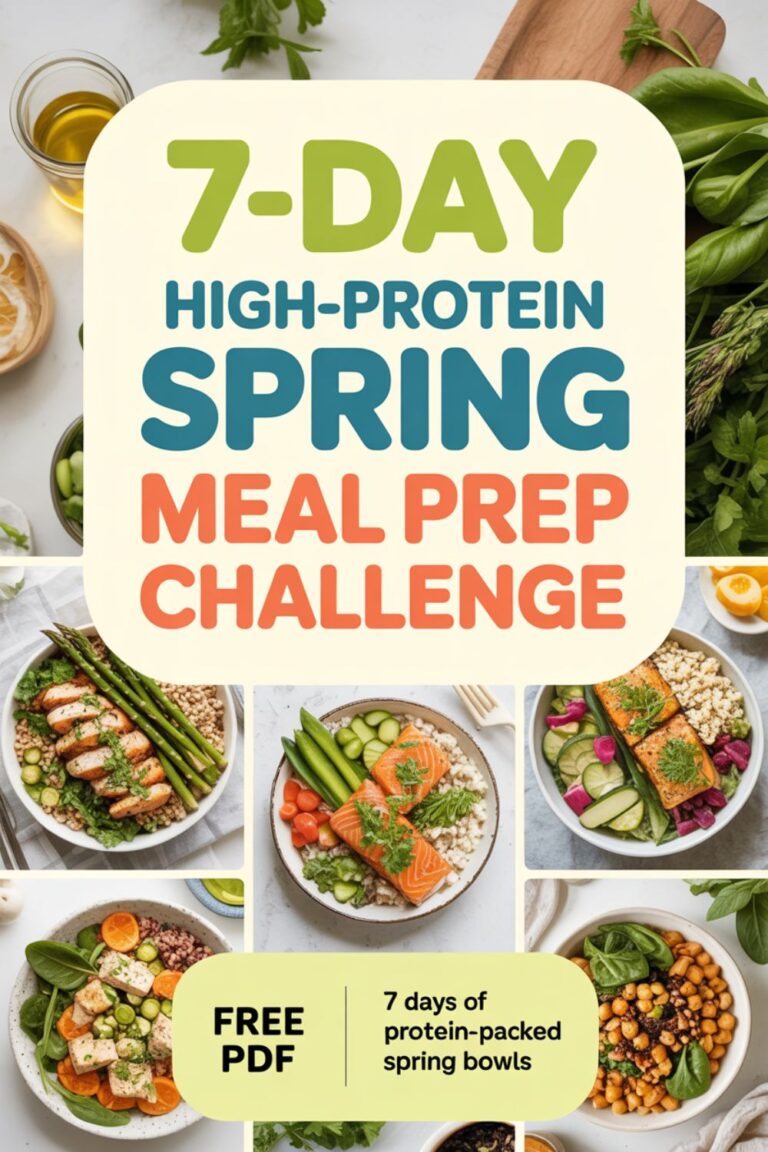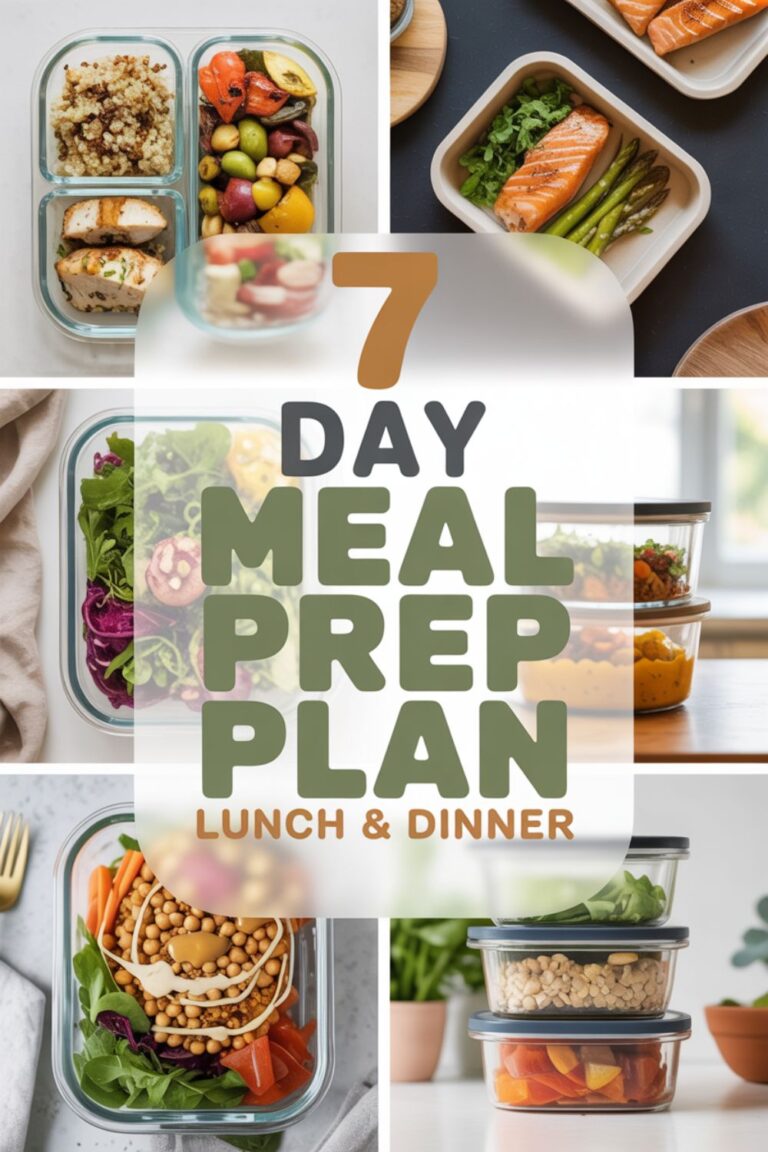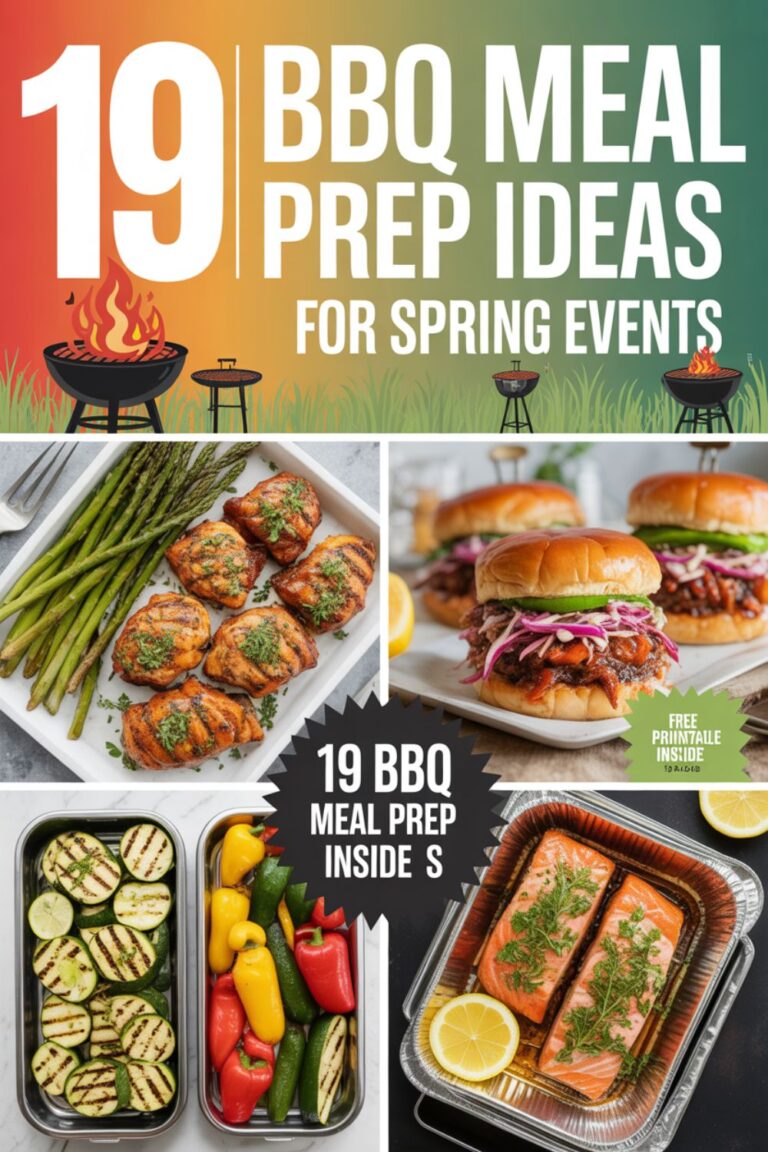
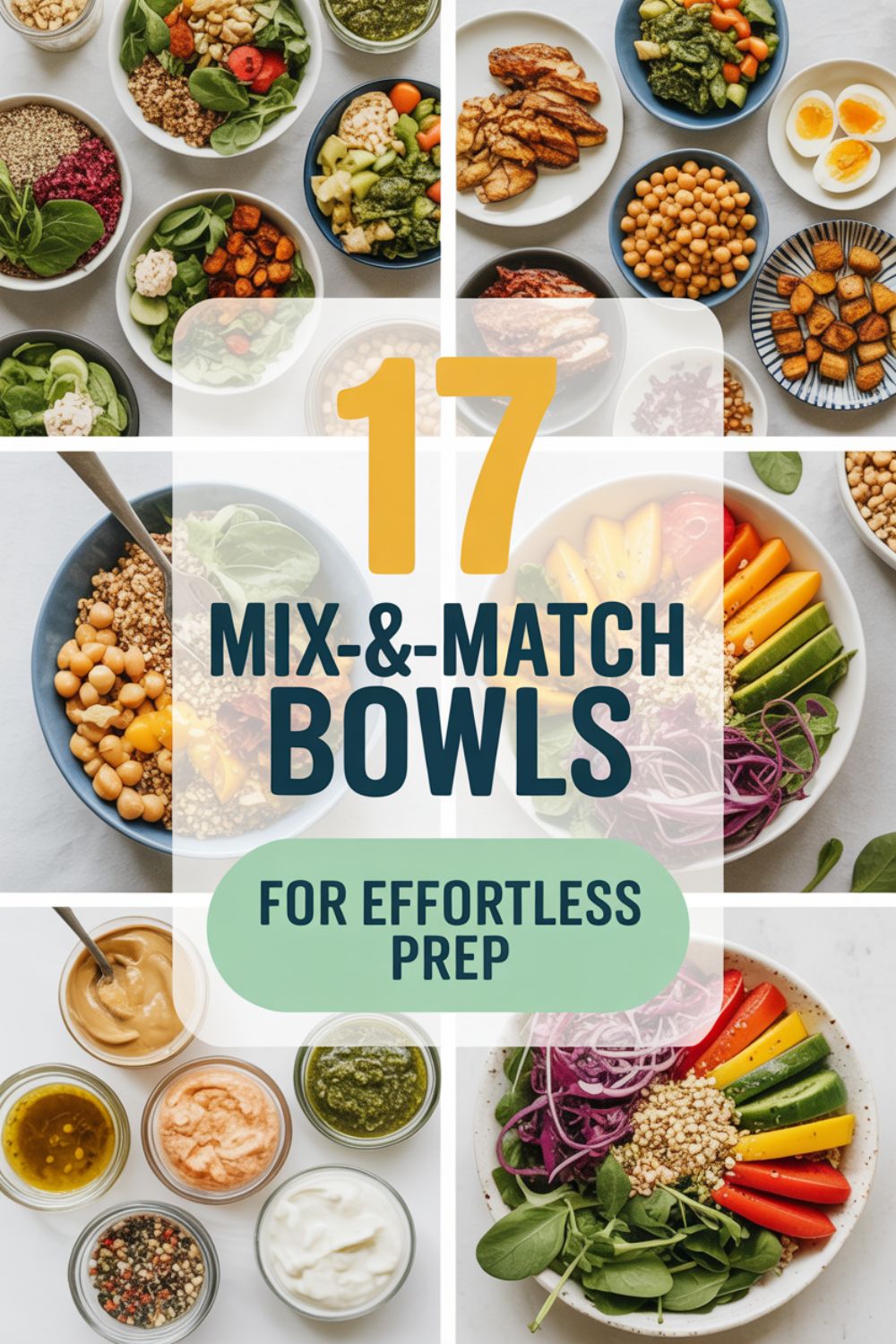
17 Mix-and-Match Bowls for Effortless Prep
Here’s the thing about bowl meals that nobody talks about enough. They’re basically the most forgiving format in the food world. Forgot to prep your protein? Toss in some canned chickpeas. Running low on veggies? Whatever’s hanging out in your crisper drawer will probably work. The beauty of a good bowl is that it gives you structure without being rigid about it.
I started building these combinations after realizing I was wasting ridiculous amounts of time trying to follow complicated meal plans. Turns out, research actually supports meal planning for better diet quality and weight management, but the key is making it sustainable. These bowls hit that sweet spot between nutritious and actually doable.
Why Bowl Meals Actually Make Sense
Bowls aren’t just trendy—they’re genuinely practical for meal prep. Think about it: everything’s already portioned, you can see exactly what you’re eating, and they reheat way better than most plated meals. Plus, you’re way less likely to get bored when you can swap components around throughout the week.
The method here is simple. Pick a base (grain or greens), add a protein, throw in some vegetables, and finish with a sauce or dressing. That’s literally it. You can prep each component separately and mix them however you want during the week, or you can assemble complete bowls if that’s more your style.
I keep my glass meal prep containers stacked in the fridge with different components, and honestly, it’s made weekday eating so much easier. No more staring into the fridge at 7 PM wondering what to make.
The 17 Bowl Combinations That Actually Work
1. Classic Chicken & Quinoa Power Bowl
This is your reliable workhorse. Grilled chicken breast, fluffy quinoa, roasted broccoli, cherry tomatoes, and a lemon-tahini dressing. It’s basically the LBD of meal prep bowls—works for any occasion, never goes out of style.
The protein-to-carb ratio here is solid, and quinoa has all nine essential amino acids, which makes it a complete protein. Pair that with chicken and you’ve got a recovery meal that athletes would approve of.
2. Mediterranean Chickpea Bowl
Chickpeas, cucumber, tomatoes, red onion, kalamata olives, feta, and a oregano vinaigrette over mixed greens. This one’s vegetarian but doesn’t feel like it’s missing anything. The feta adds enough saltiness that you barely need to season anything else.
If you’re into Mediterranean eating patterns, you’ll love these Mediterranean bowls you can prep in advance. They’re loaded with the same vibe but different flavor combinations.
3. Spicy Shrimp & Brown Rice
Cajun-seasoned shrimp, brown rice, bell peppers, corn, black beans, and a lime crema. This bowl has some kick to it, which honestly makes reheating it throughout the week way more exciting. Nobody wants bland meal prep.
I use my cast iron skillet to get a really nice sear on the shrimp. Takes like five minutes and makes the whole bowl taste restaurant-quality.
4. Teriyaki Salmon & Edamame
Baked teriyaki salmon, sushi rice, edamame, pickled ginger, cucumber ribbons, and sesame seeds. The pickled ginger is key here—it cuts through the richness of the salmon and keeps things interesting.
Salmon’s packed with omega-3s, which are great for brain health and inflammation. Plus it reheats surprisingly well if you don’t overcook it initially.
5. Taco-Inspired Beef Bowl
Seasoned ground beef, cilantro-lime rice, black beans, corn, pico de gallo, shredded cheese, and Greek yogurt instead of sour cream. All the taco vibes without the structural integrity issues of actual tacos in a lunch box.
This is one of those bowls where you can really play around with toppings. Add some sliced jalapeños if you’re feeling spicy, or throw in some crushed tortilla chips right before eating for texture.
For more protein-packed options that’ll keep you full, check out these high-protein meal prep bowls. They’re specifically designed to hit at least 30 grams per serving.
6. Thai Peanut Chicken Bowl
Shredded chicken, rice noodles, shredded cabbage, carrots, snap peas, and a creamy peanut sauce. The peanut sauce is what makes this bowl—it’s sweet, salty, and just spicy enough to be interesting.
I make the peanut sauce in my mini food processor because whisking peanut butter is actually kind of annoying. Just blend everything together and you’re done in 30 seconds.
7. Greek Lemon Chicken Bowl
Lemon-herb chicken, orzo pasta, roasted zucchini, sun-dried tomatoes, spinach, and tzatziki. The tzatziki doubles as both a sauce and a protein boost since it’s yogurt-based.
This bowl tastes even better on day three when all the flavors have melded together. Sometimes meal prep actually improves the food, which is a nice surprise.
8. Korean BBQ Tofu Bowl
Crispy baked tofu with Korean BBQ sauce, white rice, kimchi, steamed broccoli, and sesame seeds. The kimchi adds probiotics and a ton of flavor, plus it keeps well all week.
Getting tofu crispy is all about pressing out the water first. I use a tofu press to make it hands-off, but you can also wrap it in paper towels and stick a heavy pan on top.
9. Fajita Chicken Bowl
Sliced chicken breast, bell peppers, onions, cauliflower rice for a low-carb option, black beans, salsa, and guacamole. The cauliflower rice soaks up all the fajita juices without adding a ton of calories.
This is a solid option if you’re watching your calorie intake. Speaking of which, these meal prep bowls under 400 calories are surprisingly filling despite being lighter.
10. Italian Sausage & Kale Bowl
Sliced Italian sausage, farro, sautéed kale, cherry tomatoes, parmesan, and a balsamic reduction. Farro has this great chewy texture that holds up really well in meal prep—way better than pasta.
I usually buy pre-cooked chicken sausage to save time. The seasoning’s already there, so you just slice it up and you’re good to go.
11. Breakfast Power Bowl
Scrambled eggs, sweet potato hash, turkey sausage, spinach, and a drizzle of hot sauce. Yes, this is technically a breakfast bowl, but who says you can’t eat it for lunch? Food rules are made up anyway.
Sweet potatoes are loaded with beta-carotene and fiber, plus they taste way better than regular potatoes IMO. I cube them small and roast them on a sheet pan until they’re crispy.
If you’re into morning meal prep, you’ll want to see these breakfast meal prep recipes that make weekday mornings actually manageable.
12. Tex-Mex Quinoa Bowl
Quinoa, seasoned ground turkey, roasted sweet potato, black beans, corn, and a chipotle-lime dressing. The sweet potato adds a subtle sweetness that balances the spice from the chipotle.
Ground turkey is leaner than beef but can be dry if you’re not careful. I add a splash of chicken broth while it’s cooking to keep it moist.
13. Vietnamese-Inspired Pork Bowl
Lemongrass pork, vermicelli noodles, pickled carrots and daikon, cucumber, fresh herbs, and a fish sauce dressing. The pickled vegetables are what make this bowl special—they add crunch and acidity.
You can buy pre-made pickled vegetables, but making them yourself is stupid easy. Just rice vinegar, sugar, and salt. Mix and let them sit for 30 minutes.
14. Moroccan Lamb Bowl
Spiced ground lamb, couscous, roasted chickpeas, diced cucumber, tomatoes, and a yogurt-mint sauce. The warm spices in the lamb (cumin, coriander, cinnamon) make this feel way fancier than it actually is.
Couscous cooks in like five minutes, which makes it perfect for those nights when you forgot to prep and need something fast. Just pour boiling water over it and cover.
15. Buffalo Chicken Bowl
Shredded buffalo chicken, cauliflower rice, celery, carrots, blue cheese crumbles, and ranch dressing. All the wing flavors without the mess or the deep-frying.
I make the buffalo chicken in my slow cooker with just chicken breasts, buffalo sauce, and a bit of butter. Set it and forget it for six hours.
16. Sesame Ginger Beef Bowl
Thinly sliced beef, jasmine rice, snap peas, bell peppers, and a sesame-ginger sauce. The key is slicing the beef really thin so it cooks fast and stays tender.
Partially freezing the beef for 20 minutes makes it way easier to slice thin. Just trust me on this one.
17. Vegan Buddha Bowl
Baked tofu or tempeh, quinoa, roasted vegetables (whatever you have), chickpeas, and tahini dressing. This bowl is super flexible—literally use whatever vegetables need to get used up.
The tahini dressing is the hero here. Mix tahini with lemon juice, garlic, and water until it’s drizzle-able. It’s creamy without being heavy.
For more plant-based inspiration, these vegan meal prep ideas show you how to build satisfying bowls without any animal products.
Building Your Own Bowl Combinations
Once you get the hang of these seventeen bowls, you’ll start seeing patterns. It’s really just about understanding the formula and then riffing on it based on what you have and what sounds good.
Start with your base. Grains like rice, quinoa, farro, or noodles work great. Leafy greens like spinach, kale, or mixed greens are another option. Sometimes I do half greens and half grains for the best of both worlds.
Next, add your protein. Could be chicken, beef, fish, tofu, tempeh, eggs, or legumes. Aim for about 4-6 ounces per bowl. Studies show that home-prepared meals with adequate protein help with satiety and overall nutrition.
Then pile on the vegetables. Roasted, raw, pickled, steamed—whatever works. The more colors, the better, but don’t stress about it too much. Even if you just have broccoli and carrots, that’s fine.
Finish with a sauce or dressing. This is honestly the most important part because it ties everything together. Keep a few different options in your fridge and you can completely change the vibe of the same basic ingredients.
Looking for more ways to keep things interesting? These colorful meal prep bowls prove that eating healthy doesn’t have to look boring.
The Meal Prep Essentials That Actually Matter
Tools & Ingredients That Make This Easier
Look, I’m not going to pretend you need a million gadgets to make meal prep work. But there are a few things that genuinely help. Here’s what I actually use every week.
Glass Meal Prep Containers
BPA-free with snap-lock lids. Get the ones that are microwave and dishwasher safe. You’ll need at least 10-12 if you’re prepping for a full week.
Quality Chef’s Knife
Seriously, a good knife cuts your prep time in half. Doesn’t have to be expensive, just needs to be sharp and comfortable.
Sheet Pans (3-4 of them)
For roasting everything at once. Get the rimmed ones so nothing slides off. Heavy-duty aluminum works great.
Digital Meal Planner Template
Helps you organize recipes, track what worked, and plan your grocery list. Way better than random notes on your phone.
Meal Prep Recipe eBook Bundle
100+ bowl recipes with macro breakdowns and shopping lists. Good for when you need fresh ideas beyond these 17.
Portion Control Guide PDF
Visual reference for protein, carbs, and veggie portions. Print it and stick it on your fridge.
Storage and Reheating Tips That Actually Work
Alright, let’s talk about keeping your bowls fresh because nobody wants to eat sad, soggy meal prep on Thursday.
First rule: keep wet ingredients separate from dry ones until you’re ready to eat. That means dressings go in small containers on the side, and anything pickled or sauce-based should be compartmentalized.
Second, layer strategically. Grains and hardier vegetables on the bottom, delicate greens and proteins on top. When you reheat (if you’re reheating), the steam rises and can make things soggy if you’re not careful.
Most of these bowls will keep well for 4-5 days in the fridge. Fish and seafood I try to eat within 2-3 days. Anything with a lot of moisture, like tomatoes or cucumber, I add fresh each day rather than prepping in advance.
For reheating, I usually do 90 seconds on high, then stir and add another 30-60 seconds depending on how much food there is. If you’re eating something with greens, sometimes it’s better cold or room temp anyway.
These meal prep bowls that travel well are specifically designed to hold up during transport and reheating, which is clutch if you’re packing lunch for the office.
Making It Work When Life Gets Chaotic
Here’s the real talk: some weeks you’re going to nail meal prep, and other weeks you’re going to order takeout three times. That’s just how it goes. The goal isn’t perfection—it’s having a system that’s flexible enough to work most of the time.
On weeks when I’m swamped, I focus on just prepping proteins and a grain. Then I grab pre-washed greens and pre-cut vegetables from the store. Is it more expensive? Yeah. Is it still healthier and cheaper than eating out every day? Also yeah.
You can also batch cook one or two of these bowls and then buy prepared food for the other meals. There’s no rule that says you have to prep everything from scratch. Mix and match what works for your schedule and budget.
The people in our community have found that even prepping just three days of meals makes a huge difference. Sarah mentioned she lost 15 pounds in three months just by having healthy lunches ready to go instead of hitting the drive-through.
If you’re just starting out and feeling overwhelmed, these beginner-friendly meal prep ideas don’t require any special equipment or advanced cooking skills.
The Budget-Friendly Approach
Meal prep doesn’t have to be expensive. Actually, it’s one of the best ways to save money because you’re using everything you buy and not letting stuff go bad.
Buy proteins on sale and freeze them. When chicken breasts go on sale, I buy a bunch, portion them out, and freeze them flat in freezer bags. Same with ground meat. Frozen vegetables are just as nutritious as fresh and they’re way cheaper.
Shop the bulk bins for grains, nuts, and seeds. You can buy exactly how much you need, and it’s usually cheaper per pound. Plus you’re not dealing with packaging waste.
Build your bowls around what’s in season. Vegetables are cheaper when they’re in season, and they taste better too. In summer, I do a lot of bowls with zucchini and tomatoes. In winter, I lean into squash and root vegetables.
For meal prep on a tight budget, check out these cheap meal prep recipes that show you how to eat well for less than eight dollars a day.
Common Mistakes to Avoid
Let me save you some trouble by sharing the things I’ve learned the hard way.
Don’t overcomplicate it. You don’t need seventeen different recipes for one week. Pick 2-3 bowl combinations and make those. Variety is nice, but simplicity is what makes meal prep sustainable.
Don’t forget to season properly. Meal prep food gets a bad rap for being bland, but that’s usually because people forget to season. Salt, pepper, garlic, herbs—use them liberally. Your future self will thank you.
Don’t prep vegetables that don’t hold well. Avocado, fresh herbs, lettuce—these should be added fresh. Cucumbers get weird after a few days. Bell peppers and tomatoes can get watery. Learn which vegetables keep and which don’t.
Don’t pack everything too tight. Air circulation helps prevent that weird fridge smell from taking over your food. Give your containers a little breathing room.
Don’t skip the taste test before committing. Before you make five servings of a new bowl combination, make one and see if you actually like it. Nothing worse than being stuck with food you don’t want to eat.
Customizing for Different Dietary Needs
These seventeen bowls are super adaptable for different eating styles. Going keto? Swap the grains for cauliflower rice or extra vegetables. Want more protein? Double the meat and add a hard-boiled egg.
For low-carb eating, just focus on proteins, healthy fats, and non-starchy vegetables. Most of these bowls work fine with that swap. The keto meal prep ideas have specific macros if you’re tracking closely.
Vegetarian and vegan versions are easy too. Replace the animal proteins with tofu, tempeh, legumes, or extra vegetables. The structure of the bowl stays the same—you’re just swapping components.
If you’re eating dairy-free, use coconut yogurt or cashew cream in place of regular yogurt, and skip the cheese or use a nut-based alternative. Most of these dressings can be made dairy-free pretty easily.
The beauty of the bowl format is that everyone in your household can eat basically the same base and customize their own toppings. Makes feeding different dietary preferences way less annoying.
Staying Motivated Through the Week
Let’s be honest—by Thursday, even the best meal prep can start to feel repetitive. Here’s how to keep it interesting without starting from scratch.
Switch up your sauces and dressings. The same chicken and rice bowl tastes completely different with teriyaki sauce versus buffalo sauce versus peanut sauce. Keep 3-4 different dressings prepped and you basically have new meals every day.
Add fresh toppings. A handful of fresh cilantro, some sliced green onions, a squeeze of lime—these take two seconds and make your meal feel fresh instead of like leftovers.
Change your eating environment. I know this sounds weird, but eating your meal prep at a different spot or during a different part of your lunch break can make it feel less monotonous.
Make your bowls look good. Yeah, presentation matters even when you’re eating alone. These aesthetic meal prep ideas show you how to make your food actually Instagram-worthy, which somehow makes it taste better.
Frequently Asked Questions
How long do meal prep bowls actually stay fresh?
Most bowls with cooked proteins and vegetables will last 4-5 days in the fridge when stored properly. Seafood-based bowls should be eaten within 2-3 days. The key is keeping wet ingredients separated until you’re ready to eat. If you’re meal prepping for the whole week, consider freezing half of your bowls and moving them to the fridge mid-week.
Can I freeze these meal prep bowls?
Yes, but with some caveats. Bowls with cooked grains, proteins, and hardier vegetables freeze well. Avoid freezing anything with raw vegetables, creamy dressings, or ingredients with high water content like cucumbers or lettuce. Thaw frozen bowls in the fridge overnight, then reheat as normal. The texture might change slightly, but they’re still totally edible.
Do I need special containers for meal prep bowls?
Not really. Any airtight, microwave-safe container works fine. Glass containers with snap-lock lids are popular because they don’t stain or absorb odors, but plastic meal prep containers are cheaper and lighter for travel. Just make sure whatever you use is actually airtight—loose lids lead to dried-out food and fridge smells.
How do I prevent my bowls from getting boring by mid-week?
Prep multiple sauces and dressings, then switch them up throughout the week. The same chicken and rice tastes completely different with teriyaki versus buffalo sauce. Also, add fresh toppings like herbs, lime wedges, or crushed nuts right before eating. These small additions make your meals feel fresh instead of like day-old leftovers.
What’s the best way to reheat meal prep bowls?
For most bowls, microwave on high for 90 seconds, stir, then heat another 30-60 seconds until hot throughout. If your bowl has greens, either eat it cold or remove the greens before reheating and add them back after. For bowls with crispy elements, reheat in the oven or air fryer to maintain texture—microwaves make everything soggy.
Final Thoughts
The whole point of these seventeen bowls isn’t to follow them exactly like some rigid meal plan. It’s about giving you a framework that makes eating well during the week actually feasible. Mix and match the components based on what you like, what you have time for, and what’s on sale at the grocery store.
Some weeks you’ll prep all seventeen ideas because you’re feeling ambitious. Other weeks you’ll make two and call it good. Both approaches are totally valid. The best meal prep strategy is the one you’ll actually stick with.
Start with just a couple of these bowls and see how it goes. You don’t need to overhaul your entire life in one Sunday afternoon. Just pick two combinations that sound good, buy the ingredients, and prep them. That’s it. That’s the whole system.
And if nothing else, remember this: having even one or two healthy meals ready to go is better than having none. Don’t let perfect be the enemy of good enough. Your future self will appreciate whatever effort you put in, even if it’s not Pinterest-perfect.