Meal Prep for Beginners
17 Simple Meal Prep Recipes for Beginners
No culinary degree required. Just a cutting board, a few containers, and a couple of free hours on Sunday.
Let’s be real for a second. Nobody actually wakes up on a Tuesday night and thinks, “I’d love to spend 45 minutes figuring out dinner while also completely exhausted.” And yet here we are, most of us defaulting to whatever is fastest and least inspirational. That’s not a you problem — that’s a no-plan problem. Meal prep fixes it.
This list of 17 simple meal prep recipes for beginners isn’t about turning your Sunday into a part-time job. It’s about spending one focused hour or two in the kitchen so that the rest of your week basically runs itself, food-wise. These recipes are approachable, affordable, and actually worth eating. IMO, that last point matters more than people admit.
Whether you’ve never prepped a single meal in your life or you’ve tried and given up after one chaotic Sunday, this guide has you covered. We’re starting simple, staying practical, and keeping the flavor very much alive.
Overhead flat-lay shot of a clean wooden kitchen countertop with six glass meal prep containers in a row, each filled with colorful, portioned meals — grilled chicken with roasted sweet potatoes, overnight oats topped with fresh berries, grain bowls with leafy greens and sliced avocado, and vibrant veggie-packed stir-fry. Warm late-afternoon sunlight streams in from the left, casting soft golden shadows. Small terracotta bowls of spices, a linen napkin folded loosely to one side, and a few fresh herbs scattered around the edges complete the scene. Cozy, organized, rustic-modern kitchen aesthetic. Shot on a 35mm lens with a slightly shallow depth of field — Pinterest-optimized, warm earthy tones.
Why Meal Prep Actually Works (Especially When You’re a Beginner)
Here’s the thing about meal prep that nobody tells you when you first start: it’s not really about cooking. It’s about making good decisions in advance so that future-you doesn’t have to make them while tired, hungry, and staring into the refrigerator like it owes you an apology.
Research from Healthline’s comprehensive meal prep guide confirms what most meal preppers already know intuitively — having pre-prepared meals on hand reduces the likelihood of reaching for takeout and supports better nutritional choices over time. That tracks. When the healthy option is already sitting in your fridge, it wins by default.
For beginners specifically, the biggest barrier isn’t skill — it’s decision fatigue. You pick a recipe, gather ingredients, cook it, store it, and repeat. The repetition is what builds the habit. Start with four to five recipes maximum per week. That’s it. You don’t need a color-coded spreadsheet to make this work.
Prep your vegetables on Sunday night — wash, chop, and store them in airtight containers. You’ll thank yourself every single day of the week.
The good news is that most beginner-friendly prep recipes share a few things in common: they use pantry staples, they store well for three to five days, and they reheat without becoming a sad, soggy version of themselves. That’s exactly the kind of recipe this list focuses on.
What You Actually Need Before You Start
Before jumping into the recipes themselves, let’s talk about setup. You don’t need a professional kitchen or a drawer full of gadgets to start meal prepping. But a few basics make a meaningful difference between a smooth Sunday session and a frustrating one.
A good set of glass storage containers is probably the single best investment you’ll make. They keep food fresh longer than plastic, they’re microwave-safe, and — not gonna lie — meals just look better in glass. A set of airtight glass meal prep containers with snap-lock lids will carry you through the entire week without leaks or weird smells.
Beyond that, you want a sharp chef’s knife, a large cutting board, a sheet pan for roasting, and a pot or two. Everything else is optional. Seriously, don’t let a lack of equipment be the reason you skip this. The recipes below were designed with a minimal kitchen setup in mind.
The 17 Simple Meal Prep Recipes Worth Making This Week
These recipes cover every meal of the day and a couple of snacks, so you can mix and match based on what your week looks like. Each one is repeatable, beginner-friendly, and designed to hold up well in the fridge.
Breakfast Recipes
- Overnight Oats with Berries and Honey Mix rolled oats, milk, chia seeds, and honey the night before. Grab and go in the morning. Five minutes of work for five days of breakfast. Get Full Recipe
- Egg and Veggie Muffin Cups Whisk eggs with whatever vegetables you have, pour into a muffin tin, bake for 20 minutes. You get 12 portable, protein-rich bites that reheat perfectly. Get Full Recipe
- Chia Seed Pudding Jars Four ingredients: chia seeds, coconut milk, a touch of maple syrup, and vanilla. Stir and refrigerate overnight. Layer with fresh fruit in the morning or straight from the jar — both work.
- Smoothie Freezer Packs Pre-portion your smoothie ingredients — frozen banana, spinach, berries, protein powder — into zip-lock bags. Blend one straight from the freezer each morning in about 90 seconds.
- Greek Yogurt and Granola Parfait Jars Layer Greek yogurt with homemade or store-bought granola and a spoonful of nut butter. Keep the granola separate until you’re ready to eat so it doesn’t get soggy.
For more morning inspiration, check out these 25 breakfast meal prep recipes to simplify your mornings or these overnight oat recipes you’ll actually crave. If you want something creamier and a little more fun, the chia seed pudding collection is genuinely worth bookmarking.
Lunch Recipes
- Classic Grain Bowl with Roasted Chickpeas Quinoa or brown rice as the base, roasted chickpeas for crunch and protein, fresh greens, cucumber, and a lemon-tahini drizzle. This one travels well and tastes better cold. Get Full Recipe
- Turkey and Hummus Wrap Kits Prep all your wrap components separately — sliced turkey, hummus, shredded lettuce, roasted red peppers, and whole wheat tortillas. Assemble fresh at lunchtime to keep everything crisp.
- Mason Jar Salads Layer from bottom to top: dressing, hearty veggies, grains, proteins, and leafy greens on top. Shake it when you’re ready to eat. Four jars prepped on Sunday means four grab-and-go lunches.
- Lemon Herb Chicken with Roasted Vegetables Sheet pan meal. Marinate chicken thighs in lemon juice, garlic, and herbs, then roast alongside broccoli and sweet potato. Divide into containers. Done. This is the workhorse recipe of meal prep.
- Black Bean and Brown Rice Burrito Bowls Budget-friendly, filling, and about as customizable as it gets. Season your black beans well, cook a big batch of brown rice, add salsa and avocado when serving. Costs almost nothing per serving.
“I started with just the grain bowls and the egg muffins in week one. By week three I was prepping five different recipes and actually enjoying Sundays in the kitchen. The hardest part was just starting — once I had my containers and a basic plan, everything clicked.”
— Jamie R., Simply Well Eats Community MemberDinner Recipes
- One-Pot Turkey Chili Brown ground turkey, add canned tomatoes, kidney beans, bell peppers, cumin, and chili powder. Simmer for 30 minutes. Freezes beautifully and gets better on day two or three. Get Full Recipe
- Baked Salmon with Asparagus and Quinoa Season salmon fillets simply — olive oil, salt, garlic, lemon. Roast at 400°F for 15 minutes alongside asparagus. Pair with quinoa cooked in broth for extra flavor.
- Slow Cooker Pulled Chicken Chicken breasts, a jar of good salsa, a little cumin and paprika. Cook on low for six hours. Shred directly in the pot. Use it in tacos, bowls, wraps, salads — endlessly versatile.
- Veggie Stir Fry with Tofu and Brown Rice Crispy tofu — pressed and pan-fried in a good non-stick skillet with a tempered glass lid — stir-fried with broccoli, snap peas, carrots, and a simple soy-ginger sauce. Ready in 20 minutes.
Snack Recipes
- Energy Balls (Oat, Peanut Butter, Honey) Mix rolled oats, natural peanut butter, honey, a handful of chocolate chips, and chia seeds. Roll into balls. Refrigerate for 30 minutes. You get about 20 snacks in one batch that last all week. FYI, almond butter works just as well here if peanuts aren’t your thing.
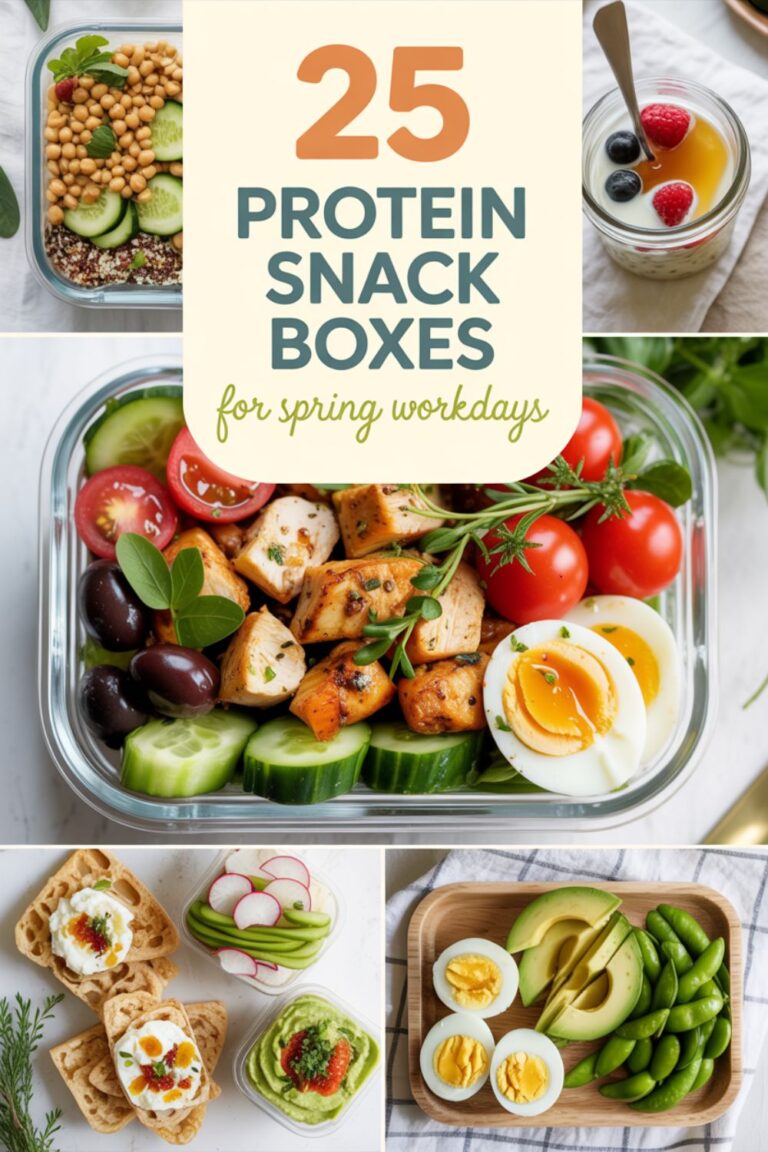
- Veggie and Hummus Snack Boxes Divide carrot sticks, cucumber slices, celery, and cherry tomatoes into individual containers with a portion of hummus. The kind of snack that makes you feel like you have your life together.
- Hard-Boiled Eggs with Everything Bagel Seasoning Boil a dozen eggs. Peel, season, store. Six grams of protein per egg, ready in two minutes flat whenever hunger strikes. A stainless steel egg cooker that does 12 at once makes this even less of a production.
Cook your grains in bulk first — one big pot of quinoa or brown rice becomes the base for three or four completely different meals throughout the week.
How to Store Everything Without Losing Your Mind
Storage is genuinely where beginners trip up. You spend Sunday cooking and prepping, then by Wednesday something smells questionable and the whole project feels like a failure. But usually the issue isn’t the cooking — it’s the containers and the method.
The general rule is that cooked proteins and grains keep well for four to five days in the refrigerator. Leafy greens and fresh toppings like avocado or fresh herbs should stay separate and be added at serving time. Soups, stews, and chilis freeze for up to three months — make a double batch and freeze half for the following week. That’s called working smarter.
For anything with a sauce or dressing, keep them separate until you’re eating. A good set of small silicone dipping sauce containers with leakproof lids solves this instantly. Your grain bowls will stay crisp and separated all week instead of turning into one sad mash by Tuesday.
According to Mayo Clinic’s guidance on healthy meal planning, filling your plate with a balance of lean protein, complex carbohydrates, and vegetables at each meal is the foundation of sustainable healthy eating. Meal prep just makes it easier to hit that balance consistently when you’re not cooking every day from scratch.
Making Meal Prep Work for Your Specific Situation
Not everyone has the same lifestyle or dietary needs, and these recipes are flexible enough to adapt. Eating plant-based? Swap any protein for legumes, tempeh, or extra chickpeas. Following a higher-protein approach? Double the salmon, add Greek yogurt to everything, and keep hard-boiled eggs stocked at all times. Watching your budget? The black bean bowls, chili, and egg-based recipes will carry you a very long way on a very short grocery bill.
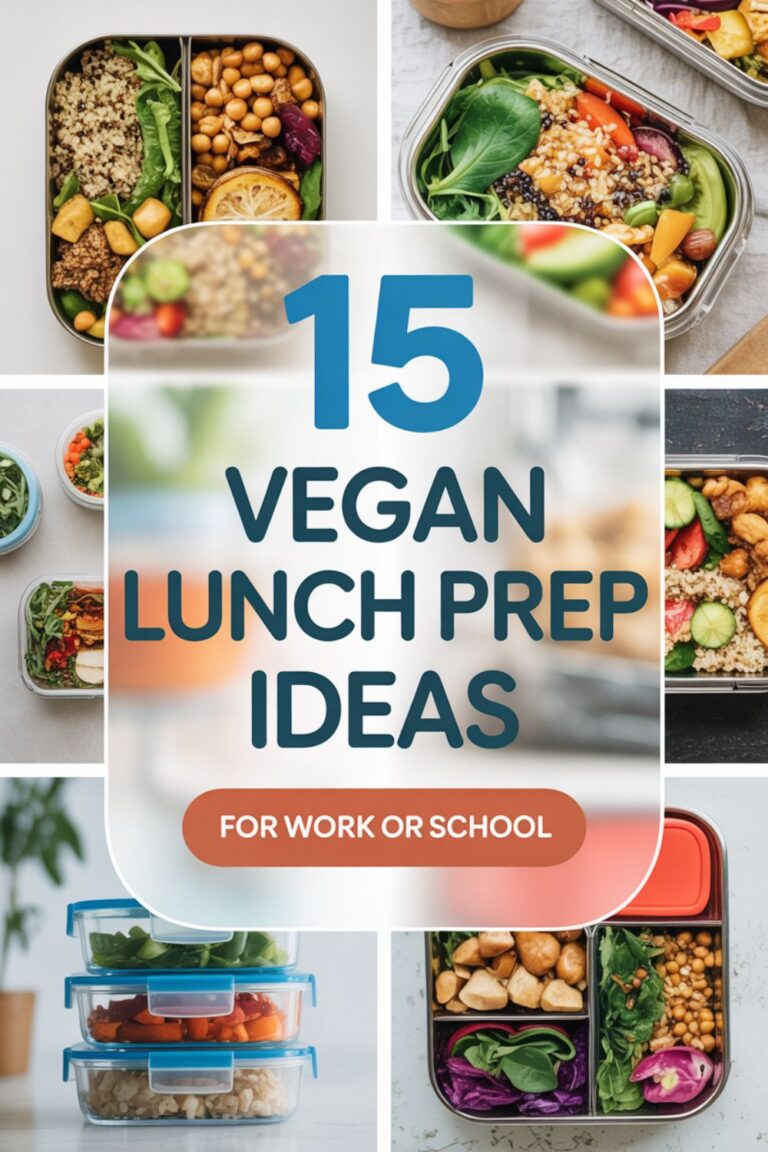
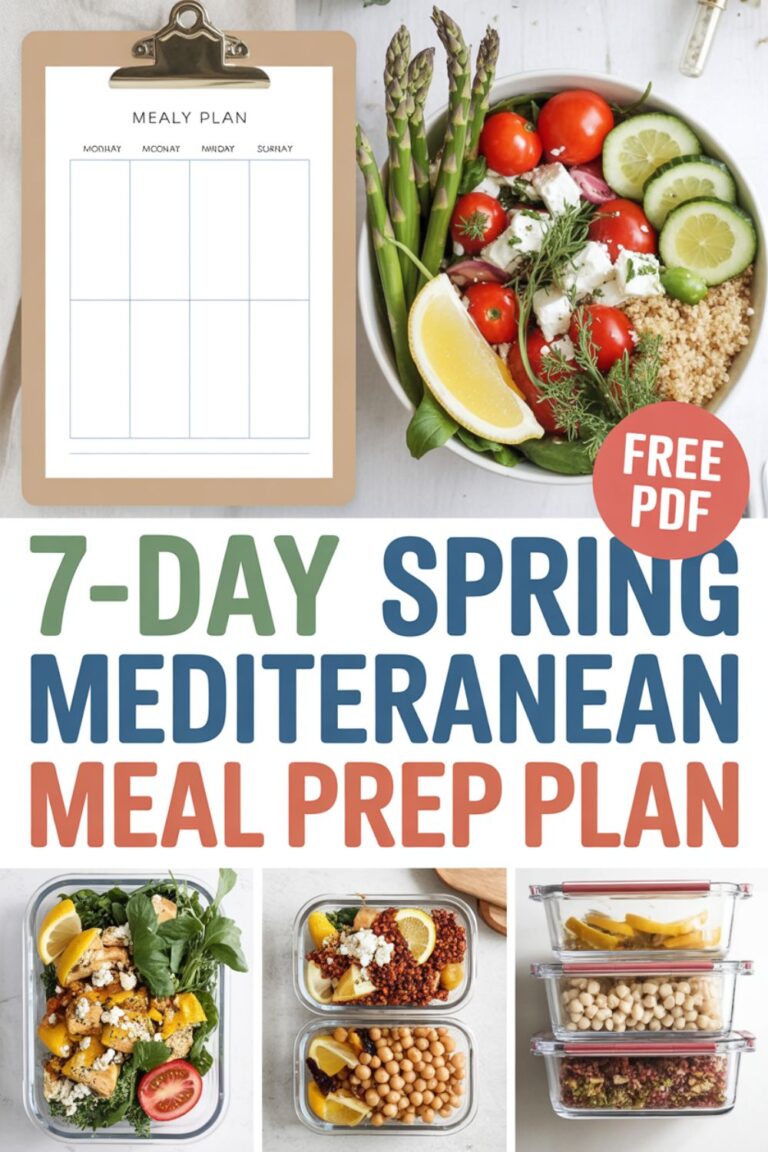
If you want a more structured approach, the 7-day beginner meal prep challenge with a free planner walks you through exactly how to set up your first full week. It removes the guesswork entirely, which honestly is the most valuable thing for anyone just starting out.
One thing worth mentioning: the peanut butter vs. almond butter debate is real in the energy ball recipe. Peanut butter has a higher protein content and is considerably cheaper, while almond butter brings a slightly milder flavor and a different fat profile — both monounsaturated and polyunsaturated. Either works. The recipe is forgiving either way.
“I was skeptical about meal prep because I always thought I’d get bored eating the same thing. But the mix-and-match approach changed everything for me. I prep components, not complete meals, and I haven’t had two identical lunches in a row.”
— Marcus T., Simply Well Eats Community MemberTime-Saving Tricks That Make Beginners Look Like Pros
A few habits separate a chaotic Sunday prep from a smooth, efficient one. First: always start with whatever takes the longest. If you’re roasting vegetables and cooking grains, get both in the oven and on the stove simultaneously. While they cook, you prep your cold items — wash greens, chop vegetables, portion snacks.
Second: use a large rimmed baking sheet with a wire rack insert for roasting anything. The wire rack lets air circulate under the food so everything gets crispy on all sides without flipping. Sheet pan meals on this setup are genuinely life-changing for weeknight cooking.
Third: batch-cook sauces. A big jar of lemon-tahini, a batch of homemade salsa, or a simple soy-ginger sauce stored in the fridge means you can transform the same basic protein or grain into something that tastes completely different each day. The 15 time-saving meal prep hacks you’ll wish you knew sooner goes deep on this approach and is worth a read before your first session.
Make one sauce or dressing per prep session and store it separately — it transforms the same ingredients into four entirely different meals throughout the week.
Meal Prep Essentials Used in This Plan
These are the tools that actually make the recipes above easier. Nothing on this list is fancy — just genuinely useful things that a lot of meal preppers rely on week after week.
Physical Tools
Airtight, microwave-safe, and way better than plastic for keeping food fresh. The kind you actually want to use.
One pan, everything roasted perfectly. The wire rack makes a bigger difference than most people expect.
Set it, forget it, have a dozen perfect hard-boiled eggs ready in 12 minutes. For high-protein meal prep, this earns its counter space.
Digital Resources
A free printable planner that maps out your entire first prep week. Great for people who want structure before jumping in.
A step-by-step beginner course that covers everything from grocery lists to container organization and batch cooking techniques.
Printable weekly planners, grocery list templates, and portion guides. Download once, use every single week.
Frequently Asked Questions
How long do meal prepped foods stay fresh in the refrigerator?
Most cooked proteins, grains, and roasted vegetables keep well for four to five days when stored in airtight containers. Soups and stews often last up to five days in the fridge or up to three months in the freezer. Raw prepped vegetables like chopped carrots and sliced cucumbers generally keep for about three to four days.
How many recipes should a beginner prep in their first week?
Start with two to three recipes maximum. Trying to prep everything at once is a fast track to overwhelm and a very messy kitchen. Pick one breakfast, one lunch, and one snack for your first session — you can build from there once the routine feels comfortable.
Can I freeze meal prepped food?
Absolutely, and you should. Soups, chilis, cooked grains, pulled chicken, and energy balls all freeze exceptionally well. The recipes that don’t freeze well are anything with fresh greens, raw cucumbers or tomatoes, avocado, or dairy-based sauces. When in doubt, freeze the protein and grains, keep the fresh components separate.
Is meal prep actually cheaper than buying food each day?
In most cases, yes — significantly cheaper. Batch cooking reduces food waste, keeps you away from impulse takeout purchases, and lets you buy ingredients in larger, more economical quantities. Recipes like the black bean burrito bowls and turkey chili cost well under $3 per serving when prepped at home.
Do I need special containers to start meal prepping?
You don’t need anything fancy to start. Even a set of regular plastic containers with tight lids will do the job initially. That said, glass containers are worth the upgrade over time — they keep food fresher, don’t absorb odors, and are microwave-safe without the question marks that come with reheating plastic. A basic 10-piece glass container set covers most beginner prep sessions completely.
The Hardest Part Is Just Starting
Meal prep doesn’t have to look like the perfectly curated grid you saw on someone’s Instagram. It doesn’t require five hours, 12 recipes, or a spotless aesthetic. It just requires a plan, a few containers, and the willingness to spend one focused hour setting your week up for success.
Start with two or three of these 17 recipes. Pick the ones that actually sound good to you — not the ones that seem the most virtuous. Cook them, store them, and notice how different Tuesday night feels when dinner is already handled. That feeling is what turns meal prep from a chore into a habit.
The beginner-friendly prep ideas on this site and the full 7-day beginner challenge are great next steps when you’re ready to level up. For now, pick one recipe from this list and make it happen this Sunday. You’ve already done the hard part — you read the whole thing.