21 Mediterranean Meal Prep Bowls for Summer
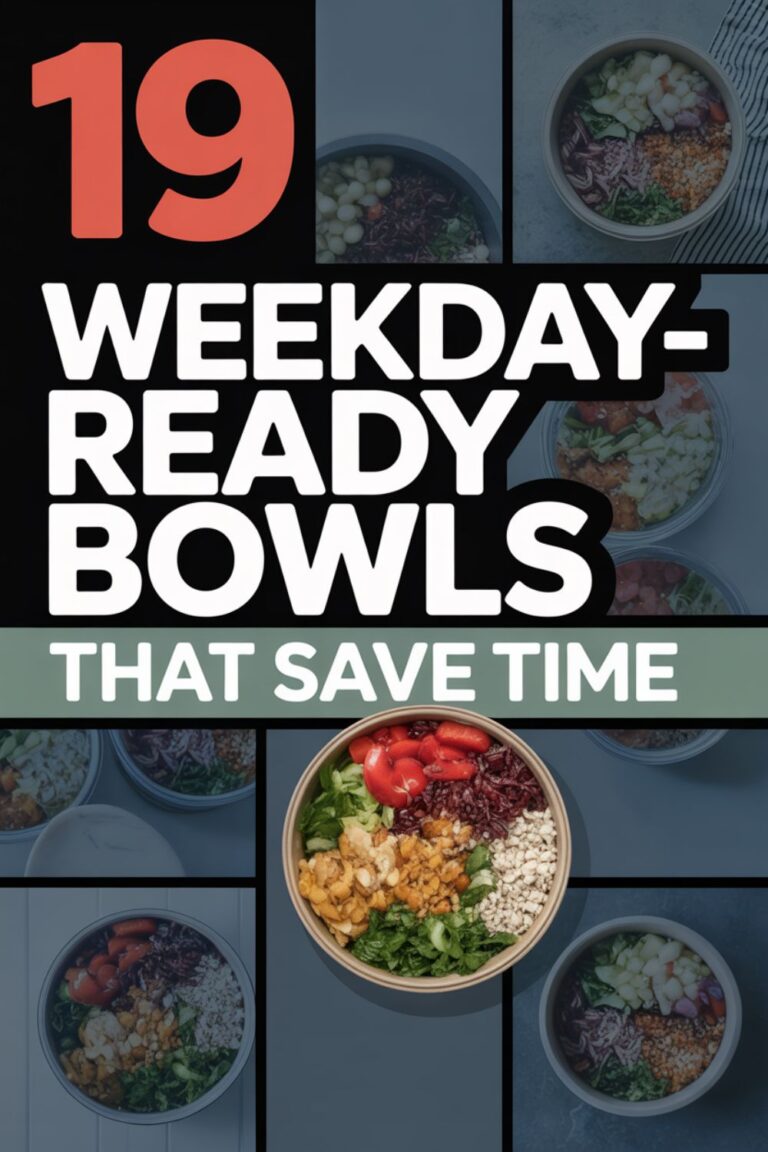
Overhead flatlay of six Mediterranean meal prep bowls arranged on a light, weathered marble surface with warm terracotta accents. Each bowl overflows with vibrant ingredients: golden falafel nestled against ruby-red cherry tomatoes, bright green tabbouleh dotted with parsley, glossy Kalamata olives, thick slices of cucumber, crumbled feta, lemon wedges, and drizzles of golden olive oil. A striped linen napkin sits casually at the lower left corner. Sprigs of fresh dill and mint are scattered naturally across the scene. The light is warm and soft, streaming in from the upper left like mid-morning Mediterranean sun. Small glass containers of hummus and tzatziki with wooden lids sit open at the edges of the frame. The mood is sun-soaked, effortless, and inviting — styled for a food blog or Pinterest recipe pin. No text overlay.
Summer is loud. It is busy, it is hot, and if you are anything like me, the last thing you want to do after a full day in the sun is stand over a stove for an hour. But you also do not want to spend every night defaulting to takeout or eating toast over the sink like some kind of feral apartment-dweller. Enter: Mediterranean meal prep bowls.
These bowls are genuinely the best thing that happened to my summer routine. Fresh herbs, lean proteins, bright citrus, roasted vegetables, grains that hold up beautifully in the fridge — everything about this cuisine is made for batch cooking and warm weather. And the flavors? They actually get better after a night in the refrigerator. The olive oil soaks in, the spices settle, and suddenly your Tuesday lunch tastes like it came from a little place with outdoor seating and string lights.
I put together 21 bowls you can make ahead this summer, along with a proper framework for building them, stocking your kitchen, and actually enjoying the process. Let us get into it.
Why Mediterranean Food Was Built for Summer Meal Prep
Honestly, if you were going to design a cuisine specifically for meal prepping during summer, you would end up with something that looks a lot like the Mediterranean diet. The ingredients are naturally shelf-stable, they do not turn mushy the moment they hit the fridge, and most of the components taste fantastic cold or at room temperature. That is rare. Ask anyone who has tried prepping curry or creamy pasta bowls for five days straight.
The core building blocks — chickpeas, lentils, quinoa, farro, grilled chicken, roasted eggplant, cucumber, tomato, herbs, olive oil — are designed to coexist peacefully in a container. According to Healthline’s research on the Mediterranean diet, this eating pattern is consistently linked to reduced inflammation, better heart health, and sustained energy levels, which explains why so many people who switch to it report feeling genuinely lighter and less sluggish throughout the week.
From a practical standpoint, think about what most Mediterranean bowls involve: you roast a pan of vegetables, cook a pot of grains, prep a simple protein, and then assemble. That is it. No complicated sauces that require sixteen steps. No sauteing things in a specific order or the whole dish falls apart. It is modular by nature, which makes it endlessly flexible and forgiving for busy weeks.
Prep your grains and roast your vegetables on Sunday, then store them separately. You can mix and match into completely different bowls every day of the week without eating the same thing twice.
If you are already a fan of quick weekday cooking, you might also love these 21 quick Mediterranean meal prep ideas for busy weeks that take the same approach and cut your active prep time down even further.
The Foundation: How to Build a Mediterranean Bowl
Before we walk through all 21 bowls, it helps to understand the formula. Every great Mediterranean meal prep bowl follows the same basic architecture, and once you internalize it, you can riff on it endlessly without a recipe in front of you.
The Five Layers
- Base (grain or greens): Quinoa, farro, bulgur wheat, brown rice, or a mix of arugula and spinach for a lighter option.
- Protein: Grilled chicken thighs, baked salmon, falafel, hard-boiled eggs, chickpeas, white beans, or lentils.
- Roasted or fresh vegetables: Zucchini, eggplant, bell peppers, cherry tomatoes, artichoke hearts, cucumbers, red onion.
- Toppings and extras: Crumbled feta, Kalamata olives, sun-dried tomatoes, fresh herbs (parsley, mint, dill), toasted pine nuts.
- Sauce or dressing: Lemon-tahini, tzatziki, harissa vinaigrette, simple olive oil and lemon, or hummus as a base layer.
The beauty of this framework is that swapping one element transforms the entire bowl. Change the grain from farro to quinoa and add salmon instead of chicken, and you have a completely different eating experience. IMO, this modular approach is what makes Mediterranean prep so sustainable long-term. You never feel like you are eating the same lunch on repeat.
Speaking of keeping things interesting, the 25 Mediterranean bowls you can prep in advance is a great companion list if you want to expand beyond these 21 and keep your rotation feeling fresh all summer.
The 21 Mediterranean Meal Prep Bowls
Here are the bowls. I organized them loosely by style — lighter summer-forward options first, then heartier builds, finishing with a few that are protein-heavy enough to count as post-workout meals. Each one stores well for up to four days in an airtight container.
-
01Classic Greek Chicken Bowl Herbed chicken thighs over farro with cucumber, tomato, red onion, Kalamata olives, feta, and a lemon-oregano dressing. Stores beautifully for four days and gets better on day two. Get Full Recipe
-
02Lemon Falafel and Tabbouleh Bowl Baked falafel served alongside classic bulgur tabbouleh, cherry tomatoes, and a generous spoonful of hummus. A legitimately satisfying plant-based option that even die-hard meat eaters request. Get Full Recipe
-
03Roasted Red Pepper and White Bean Bowl Smoky roasted red peppers paired with creamy cannellini beans, arugula, lemon zest, fresh parsley, and a drizzle of good olive oil. Simple, but do not underestimate it.
-
04Grilled Salmon and Quinoa Bowl Flaky baked salmon over quinoa with cucumber ribbons, cherry tomatoes, dill, capers, and a tahini-lemon sauce. This one makes you feel like you put actual effort in. Nobody has to know it took 25 minutes. Get Full Recipe
-
05Harissa Chickpea and Roasted Cauliflower Bowl Spiced harissa chickpeas with golden roasted cauliflower, spinach, and a cool cucumber-mint yogurt sauce. The heat-and-cool contrast is the whole point.
-
06Turkish-Inspired Lentil Bowl Red lentils cooked with cumin and smoked paprika, served over brown rice with caramelized onion, wilted spinach, and a lemon wedge. Deeply warming and unexpectedly filling.
-
07Shrimp and Orzo Mediterranean Bowl Lemon-garlic sauteed shrimp with orzo pasta tossed in olive oil, sun-dried tomatoes, artichoke hearts, and fresh basil. It reheats well, but honestly tastes great cold too.
-
08Tzatziki Chicken and Roasted Zucchini Bowl Sliced grilled chicken thighs with roasted zucchini, pepperoncini, cherry tomatoes, and a generous dollop of homemade tzatziki. Summer in a bowl.
-
09Moroccan Spiced Lamb and Couscous Bowl Ground lamb seasoned with ras el hanout served over fluffy couscous with dried apricots, toasted almonds, fresh mint, and a pomegranate drizzle. It sounds fancy. It is not.
-
10Caprese-Style Grain Bowl Farro base with fresh mozzarella, sliced heirloom tomatoes, basil, a balsamic glaze, and toasted pine nuts. This is technically Italian but Mediterranean enough for the list, and nobody is going to argue with fresh mozzarella.
-
11Stuffed Pepper Bowl (Deconstructed) All the flavors of stuffed peppers — ground beef with tomato, rice, cumin, and cinnamon — without the actual stuffing. Faster, simpler, and equally good reheated three days later.
-
12Crispy Halloumi and Roasted Vegetable Bowl Pan-fried halloumi over a bed of roasted eggplant, bell peppers, and cherry tomatoes with a drizzle of harissa oil and fresh parsley. The halloumi develops a crust that holds up remarkably well for two to three days.
-
13Greek Lemon Rice and Spinach Bowl Lemon-infused rice with wilted spinach, chickpeas, crumbled feta, and a handful of toasted walnuts. A humble bowl that consistently disappears first from the fridge.
-
14Tuna and White Bean Salad Bowl Canned tuna (use the good oil-packed kind) with white beans, roasted cherry tomatoes, red onion, capers, and a lemon-Dijon dressing. This one requires zero cooking and comes together in under ten minutes.
-
15Eggplant and Tomato Shakshuka Bowl A meal-preppable riff on shakshuka with roasted eggplant, rich tomato sauce, and a soft-boiled egg stored separately to add at eating time. Warm or cold, this bowl works.
-
16Lebanese Fattoush Grain Bowl Crispy pita chips (bake a batch separately), romaine, radishes, tomato, sumac-dusted cucumber, parsley, and mint over bulgur wheat. A textural dream. Store pita separately to keep the crunch.
-
17Spiced Turkey and Freekeh Bowl Ground turkey cooked with cumin, turmeric, and garlic over freekeh with roasted carrots, dried cranberries, and a yogurt-herb dressing. Freekeh has a naturally smoky flavor that makes everything taste more interesting.
-
18Pesto Chicken and Farro Bowl Grilled chicken tossed in a simple basil pesto with farro, sun-dried tomatoes, artichoke hearts, and fresh arugula. Light enough for summer, filling enough for a workout day.
-
19Beet, Lentil, and Goat Cheese Bowl Roasted golden and red beets with French lentils, crumbled goat cheese, toasted walnuts, and a red wine vinegar dressing. It looks stunning and photographs beautifully, which feels relevant in 2025.
-
20Grilled Sardine and Potato Bowl Hear me out. Roasted baby potatoes with olive oil-packed sardines, roasted red peppers, olives, capers, and fresh parsley. This is the bold, briny bowl for anyone who is actually serious about eating the Mediterranean diet as it is traditionally practiced.
-
21Summer Herb and Chicken Shawarma Bowl Shawarma-spiced chicken over herb-flecked rice with shredded cabbage slaw, pickled red onion, cucumber, and a tahini drizzle. This is the one your coworkers will ask about. Get Full Recipe
If this list has you in full Mediterranean mode (as it should), you will also want to check out these 15 easy Mediterranean lunch boxes for work and these 10 Mediterranean dinner preps that reheat beautifully — both are organized the same way and pair perfectly with the bowls above.
Storage Tips That Actually Make a Difference
The difference between a great meal prep week and a disappointing one usually comes down to storage. It is not glamorous, but it matters. A few things I have learned after prepping these bowls for a while:
- Keep wet and dry components separate until eating. Crispy elements (pita chips, toasted nuts, croutons) should always be stored in a separate small container or zip bag. Moisture is their enemy.
- Dress salad-based bowls at the last minute. If your bowl is grain-based, dress it fully and let it absorb overnight. If it is greens-heavy, keep the dressing in a small jar on the side.
- Invest in stackable glass containers. This is probably the single most practical upgrade you can make to your meal prep routine. Glass does not absorb smells, it heats evenly, and it keeps food fresher longer than plastic. I have been using these glass meal prep containers with bamboo lids for over a year and they still look brand new.
- Label everything. Including the date. You will not remember what day you made the lentil bowl. Nobody ever does.
FYI, most of these bowls peak at day three. The flavors have time to marry, the grains soak up the dressing, and the whole thing feels more cohesive than it did freshly assembled. Day-four bowls are usually still excellent. Day five is a judgment call based on how you feel about living on the edge.
Store lemon wedges alongside your bowls in the same container. A fresh squeeze right before eating brings the whole thing back to life, especially after a few days in the fridge.
Meal Prep Essentials for This Collection
No hard sells here — just what actually lives in my kitchen and earns its space.
Protein Strategy: Keeping These Bowls Filling
One of the most common complaints I hear about meal prep in general is that people feel hungry again an hour after eating. Nine times out of ten, the issue is not enough protein. Mediterranean cuisine has some legitimately excellent protein sources — both animal and plant-based — and strategically including them transforms these bowls from “healthy snacks” into actual meals that carry you through to dinner.
The research on this is fairly clear: according to a study published in the journal Nutrients, higher protein intake at meals is directly associated with greater satiety and reduced overall caloric intake throughout the day. Aim for roughly 25 to 35 grams of protein per bowl to hit that sweet spot of satisfaction without going overboard.
For plant-based prepping, the combination of legumes and grains is your best friend. Chickpeas paired with quinoa provide a complete amino acid profile that covers all your bases. If you want a deeper look at maximizing protein from whole foods, the 25 high-protein meal prep recipes to stay full all day is worth bookmarking alongside this one.
“I started prepping Mediterranean bowls every Sunday about eight weeks ago, using the format from this site. I genuinely look forward to lunch now, which I have not been able to say in years. I have also lost about twelve pounds without really trying, which I think is partly because I stopped impulse-eating takeout at noon.”
Best Protein Sources for Mediterranean Bowl Prep
- Chicken thighs over breasts, always. They stay moist for five days in the fridge. Breasts dry out by day two.
- Canned fish (tuna, sardines, mackerel) is criminally underrated for prep. Zero cooking, high protein, long shelf life.
- Hard-boiled eggs — the lowest-effort protein in existence. Make six at the start of the week and you have an instant topper for any bowl.
- Chickpeas and lentils for plant-based weeks. Batch-cook dried lentils on Sunday; they cost almost nothing and keep for five days.
- Halloumi and feta as finishing proteins when you just need something salty and satisfying without any cooking.
If protein is a priority for you, these 21 high-protein meal prep bowls for the week are built specifically around hitting macros. They pair well with the Mediterranean prep framework and give you even more variety to work with during busy training weeks.
Seasonal Summer Ingredients Worth Highlighting
Summer is genuinely one of the best times to cook Mediterranean food because so many of the peak-season produce items are core ingredients. Heirloom tomatoes, zucchini, fresh herbs, eggplant, corn, bell peppers — all of them are at their best between June and September. Using seasonal produce makes every bowl taste noticeably better, and it costs less than buying the same items out of season.
A few ingredients worth stocking up on specifically for summer prep:
- Cherry tomatoes: They roast faster than full tomatoes and develop a concentrated sweetness in the oven. Roast a full sheet pan every week.
- Zucchini: Slice it thick, toss it with olive oil and za’atar, and roast at high heat. It softens perfectly and holds its texture in the fridge.
- Fresh corn: Cut off the cob and add it raw or quickly charred. It adds sweetness and a summery bite to any grain bowl.
- Watermelon radish: More for aesthetics than anything else, but sliced thin across grain bowls, it is an immediate Pinterest moment.
- Stone fruit (peaches, nectarines): Grilled or raw, these work beautifully in bowls with arugula, feta, and a honey-lemon dressing. It sounds unusual. It is outstanding.
Buy fresh herbs in bulk, wash and dry them, then store loosely wrapped in a damp paper towel inside a zip bag. They last twice as long this way, and you will actually use them instead of finding them liquefied at the back of your produce drawer.
The Sunday Prep Flow That Makes This Actually Work
The reason most meal prep routines fail is not motivation — it is poor sequencing. People try to do everything at once and get overwhelmed, or they do things in the wrong order and spend four hours in the kitchen when it should have taken ninety minutes. Here is the flow I follow every Sunday for a full week of Mediterranean bowls:
- Start with the oven first. Preheat to 425F and get your vegetables and protein in as quickly as possible. These take the longest and require the least attention once they are in.
- Cook grains while the oven runs. Set a pot of quinoa or farro going on the stovetop. These take 20 to 25 minutes and are completely hands-off.
- Prep cold components while everything cooks. Chop cucumbers, halve tomatoes, slice red onion, wash herbs, pit olives. This is your active work window.
- Make sauces and dressings last. Tahini dressing, tzatziki, and harissa vinaigrette each take less than five minutes and store in small jars for the week.
- Assemble into containers once everything is cooled. Never seal hot food directly into containers — it creates condensation and makes things soggy faster.
Following this sequence, a full week of five Mediterranean meal prep bowls takes about 80 to 90 minutes from start to finish. That is a perfectly reasonable investment for five days of excellent lunches or dinners.
“The Sunday flow tip completely changed how I prep. I used to do it all in random order and always end up with a cold grain and a hot protein that I could not combine yet. Sequencing it changed everything — I was done in under two hours and actually had time left in my Sunday.”
Frequently Asked Questions
How long do Mediterranean meal prep bowls last in the fridge?
Most of these bowls last four to five days when stored properly in airtight containers. Grain-based bowls tend to hold up better than leafy green bases, which can start wilting by day three. If you are prepping a full five-day week, make the most delicate bowls (especially anything with fresh greens or soft fish) for Monday and Tuesday, and keep heartier grain or legume bowls for Thursday and Friday.
Can I freeze Mediterranean meal prep bowls?
Some components freeze well and others absolutely do not. Cooked grains, legumes, roasted vegetables, and cooked chicken or turkey all freeze beautifully for up to three months. Dairy-based toppings like feta or tzatziki, fresh herbs, and anything cucumber-based should never go in the freezer — they turn watery and unpleasant when thawed. If you are batch-cooking for the freezer, store components separately and assemble fresh after thawing.
What are the best grains to use in Mediterranean bowls?
Farro and bulgur wheat are the most traditional and hold up the best in storage. Quinoa is a strong choice if you want higher protein and a lighter texture. Brown rice works fine but can get a bit dense by day three. If you have not tried freekeh, it is worth experimenting with — it has a distinctive smoky, nutty flavor that adds real depth to otherwise simple bowls. The Mediterranean meal prep ideas for clean eating guide has a detailed grain comparison if you want to dig into the nutritional differences.
How do I keep the bowls from getting soggy?
The main culprits are wet dressings soaking into greens, watery vegetables releasing moisture over time, and hot food being sealed before it cools completely. Solve the first by keeping dressing separate until eating. For watery vegetables like cucumbers or tomatoes, either add them fresh at eating time or store them in a separate small container alongside the main bowl. Always let everything cool to room temperature before sealing containers.
Are Mediterranean meal prep bowls good for weight loss?
They genuinely are, and not in the watered-down “everything in moderation” way. Mediterranean bowls are naturally high in fiber, lean protein, and healthy fats, which together create a sustained satiety that reduces snacking and overeating throughout the day. The key is portion awareness with calorie-dense additions like olive oil, tahini, and nuts — they are healthy, but they add up quickly if you are using a heavy hand. For more structured guidance, the 21 weight loss meal prep bowls that do not feel like diet food takes a more targeted approach with calorie ranges included.
The Only Summer Lunch Situation Worth Planning For
Mediterranean meal prep bowls are not some elaborate system you need to train for. They are a practical, genuinely delicious way to eat well during the busiest, hottest months of the year. Once you understand the five-layer formula and nail the Sunday prep sequence, the whole thing becomes second nature.
Start with two or three bowls from this list — pick the ones that sound best to you right now, not the ones that look most impressive. Stock your pantry with the staples, grab a decent set of containers, and spend one Sunday afternoon setting yourself up for the week. That first day when you open the fridge at noon and have a gorgeous, ready-to-eat bowl waiting for you instead of the usual “what am I even going to eat” spiral? Worth every minute of prep.
Pick a bowl. Prep on Sunday. Thank yourself all week.