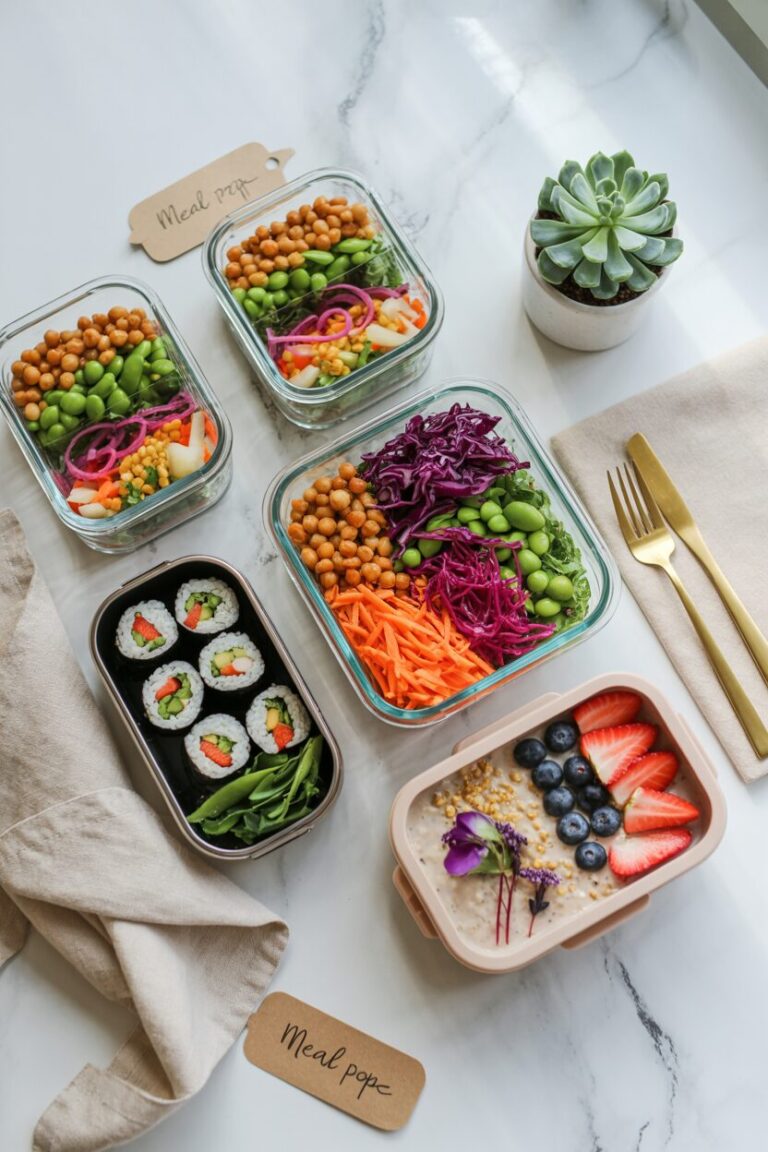
23 Mediterranean Meal Prep Ideas for Clean Eating
A week’s worth of fresh, flavorful, actually-good-for-you food, all prepped before Monday wrecks your plans.
Let me be real with you for a second. Every Sunday I’d stare into the fridge around 6pm, realize I had nothing prepped for the week, and somehow convince myself that a random scramble of leftovers and frozen stuff totally counted as “eating healthy.” Spoiler: it didn’t. That cycle changed when I discovered what Mediterranean meal prep actually looks like in practice, and I’m not talking about sad grilled chicken and plain rice. I’m talking roasted eggplant drizzled with tahini, lemon-kissed chickpeas, herby grain bowls, and fresh cucumber salads that you genuinely look forward to eating.
The Mediterranean way of eating isn’t a diet. It’s more of a lifestyle built around real, whole ingredients that have been fueling people for thousands of years. Think olive oil, legumes, fish, whole grains, and an embarrassing amount of fresh herbs. According to Mayo Clinic, this eating pattern is one of the most researched diets in the world and has been linked to reduced risk of heart disease, better cognitive function, and improved metabolic health. So yeah, it’s not just trendy, it’s genuinely backed by decades of science.
What makes it brilliant for meal prep specifically is that Mediterranean food actually gets better with time. The flavors deepen, the dressings soak in, and nothing tastes “reheated.” Below you’ll find 23 ideas that work beautifully across breakfast, lunch, dinner, and snacks, all designed to be prepped ahead and eaten throughout the week without you wanting to toss the container out the window by Wednesday.
Image Prompt: Overhead flat-lay shot of a Sunday Mediterranean meal prep spread. Six glass meal prep containers arranged on a warm linen tablecloth, each filled with distinct components: one with lemon quinoa and roasted red peppers, one with marinated chickpeas and cucumber, one with baked salmon and wilted spinach, one with golden roasted cauliflower, one with creamy hummus and crudites, and one with overnight Greek yogurt parfait. Terracotta bowls on the side hold fresh herbs, a halved lemon, and a small jug of golden olive oil. Soft, warm natural light from the left. Rustic wooden surface, fresh basil sprigs scattered loosely. Color palette: warm olive greens, terracotta, golden yellows, and creamy whites. Styled for a Pinterest food blog, cozy Mediterranean kitchen atmosphere.
Prep your grains, legumes, and roasted veggies on Sunday, keep them separate, and build your bowls fresh each day. The variety alone keeps things from getting boring mid-week.
Why Mediterranean Meal Prep Works So Well
There’s a reason people who follow a Mediterranean-style approach don’t seem to be constantly stressed about food. The ingredients are forgiving. Olive oil doesn’t go rancid in your container overnight. Roasted vegetables hold their texture. Legumes taste better once they’ve had time to absorb a garlicky dressing. Even the grains, whether you use farro, bulgur, or quinoa, improve in flavor as the week goes on.
Compare that to trying to prep something like a creamy pasta or a delicate salad with dressing already tossed in. By Tuesday, that’s a soggy, sad situation. Mediterranean prep sidesteps all of that because the food is designed around ingredients that travel well, hold well, and layer beautifully. The olive oil base actually acts as a mild preservative for roasted vegetables, keeping them from drying out in the fridge.
And then there’s the nutritional side of things. The healthy fats from extra virgin olive oil, the fiber from legumes and whole grains, the lean protein from fish and eggs — it all adds up to meals that keep you genuinely full without the afternoon energy crash that follows something processed. Healthline’s breakdown of olive oil’s benefits touches on the anti-inflammatory compounds in extra virgin olive oil, which play a real role in why you feel steadier eating this way rather than reactive and bloated.
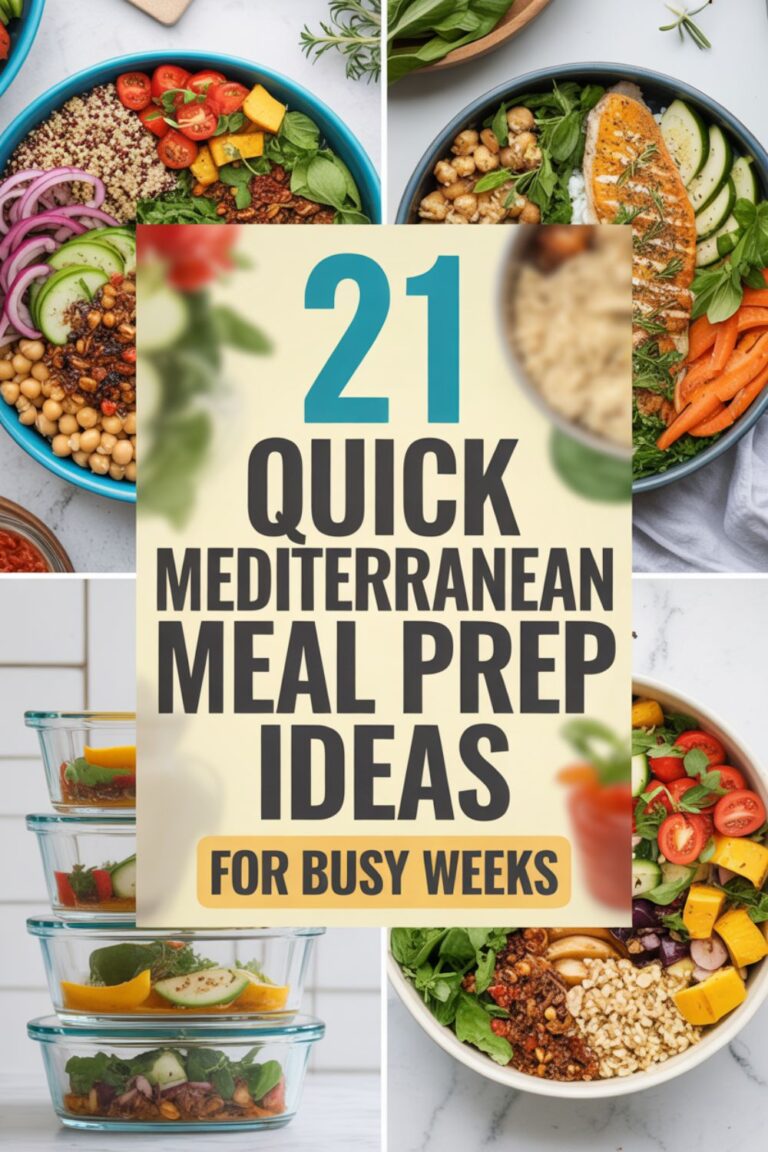
If you want the full picture before getting started, the 21 quick Mediterranean meal prep ideas for busy weeks is a great companion guide, and if you want a structured approach, check out the 7-day Mediterranean meal prep plan with a free printable to keep the whole thing organized.
The 23 Mediterranean Meal Prep Ideas
Breakfast Preps
Layer full-fat Greek yogurt with a drizzle of raw honey, crushed walnuts, and a handful of fresh or frozen blueberries. Build these in wide-mouth mason jars on Sunday and they’ll stay fresh through Thursday without a second thought. Greek yogurt brings serious protein to the morning table, and walnuts add omega-3s that most breakfast options skip entirely. Get Full Recipe
Make a big pan of shakshuka, that glorious tomato and pepper sauce with poached eggs, on Sunday evening. Portion it into containers and reheat gently during the week. The sauce actually deepens in flavor overnight, making Tuesday’s version arguably better than Sunday’s. Serve with a torn piece of whole grain pita and you’ve got a breakfast that genuinely feels like a treat. Get Full Recipe
This is the most forgiving prep in the whole list. Combine oats, milk of your choice, a spoonful of almond butter, some orange zest, a tiny pinch of cardamom, and top with crushed pistachios. Five jars made on Sunday means zero thought required on a weekday morning. The cardamom and orange zest make it taste distinctly Mediterranean rather than just generic overnight oats. Check out more overnight oat recipes you’ll actually crave for variations.
Bake individual frittatas in a silicone muffin tray loaded with roasted zucchini, cherry tomatoes, crumbled feta, and fresh parsley. These reheat beautifully in 45 seconds and eat like a proper breakfast. Stack them in a container with parchment between each layer to keep them from sticking together. Explore more ideas in the Mediterranean breakfast meal prep recipes collection.
This one sounds fancy but takes about four minutes to make. Mix chia seeds with oat milk, a few drops of rose water, and a touch of maple syrup. After a night in the fridge, top each jar with pomegranate seeds. The texture is creamy, the color is stunning, and your Monday self will feel very looked after. Get Full Recipe
Lunch Preps
Cook a big batch of quinoa with lemon zest, olive oil, and fresh parsley stirred in while it’s still warm. Pair with crispy oven-roasted chickpeas seasoned with smoked paprika and cumin. Add sliced cucumber, cherry tomatoes, and a tahini dressing poured on just before eating. This bowl travels extremely well in a compartmentalized glass meal prep container that keeps the dressing separate until you’re ready. Get Full Recipe
Batch-bake falafel on Sunday (baking rather than frying means they stay firmer in the fridge). Pair with a big bowl of tabbouleh — heavy on the parsley, light on the bulgur, as it should be — and a swipe of hummus. Wrap the falafel separately if you want to reheat them without steaming the parsley. These are the lunch boxes that make coworkers jealous. See the full lineup in the easy Mediterranean lunch boxes for work guide.
Roast a full tray of Roma tomatoes, half a head of garlic, and a shallot or two until caramelized and soft. Blend with cannellini beans, a splash of olive oil, vegetable stock, and fresh basil. This soup is thick, warming, and gets better by day two. Portion into jars and pack a small bag of seeded crackers separately for crunch. Get Full Recipe
Layer in a jar from bottom to top: olive oil and red wine vinegar dressing, cucumber, cherry tomatoes, Kalamata olives, red onion, feta, and thinly sliced grilled chicken on top. When you’re ready to eat, shake the jar and the dressing coats everything perfectly. The dressing at the bottom means nothing gets soggy before you’re ready for it. These are genuinely excellent straight from the fridge.
Fill halved bell peppers with a mix of brown rice, lemon, fresh dill, crumbled feta, and pine nuts. Bake until tender and let them cool completely before storing. They reheat in about two minutes and hold their structure better than you’d expect. The feta melts back in when warm and makes the whole thing taste a little indulgent for what is essentially very clean food.
“I started doing Mediterranean meal prep after the 7-day plan and honestly haven’t looked back. Lost almost 12 pounds in three months but more importantly I stopped dreading lunch, which was the real win.”— Priya M., Simply Well Eats community member
Dinner Preps
Salmon is one of those proteins that actually reheats well when you don’t overcook it the first time. Season fillets with olive oil, lemon zest, garlic, and capers, then bake at 375F until just opaque. Pair with a side of roasted asparagus or wilted spinach. Serve cold over greens for lunch or warm over grain bowls for dinner throughout the week. Get more inspo from the Mediterranean dinner preps that reheat beautifully list. Get Full Recipe
Marinate chicken thighs (not breasts, trust me) in olive oil, lemon juice, garlic, dried oregano, and a pinch of cinnamon overnight. Grill or bake, then slice and store. The chicken stays moist because of the olive oil marinade and the fat in the thighs. Make a double batch of tzatziki using strained yogurt, grated cucumber, garlic, and fresh dill. It keeps for five days and makes everything taste better.
Red lentils cooked with tomatoes, cumin, coriander, cinnamon, and harissa paste create a stew that is genuinely incredible by day two when the spices bloom fully. This is one of the best budget-friendly protein sources in the Mediterranean pantry, and it freezes beautifully if you make a big pot. A squeeze of lemon right before serving lifts the whole thing. Get Full Recipe
Nestle cod fillets in a baking dish with halved cherry tomatoes, Kalamata olives, capers, thinly sliced garlic, and a generous glug of olive oil. Bake at 400F for 18 minutes. The tomatoes burst and create their own sauce, the olives add brininess, and the cod holds firm. This is one of those recipes that tastes like it required way more effort than it did.
Store protein and grains separately from vegetables whenever possible. It takes up a tiny bit more container space but your meals will stay in far better condition through day 4 and 5.
Roast thick slices of eggplant and zucchini with olive oil, garlic powder, and smoked paprika on a large rimmed baking sheet. Don’t crowd the pan — give everything space so it roasts rather than steams. Drizzle with thinned tahini, a squeeze of lemon, and fresh mint when serving. This is as good cold as it is warm, which makes it a perfect grab-and-go side. Get Full Recipe
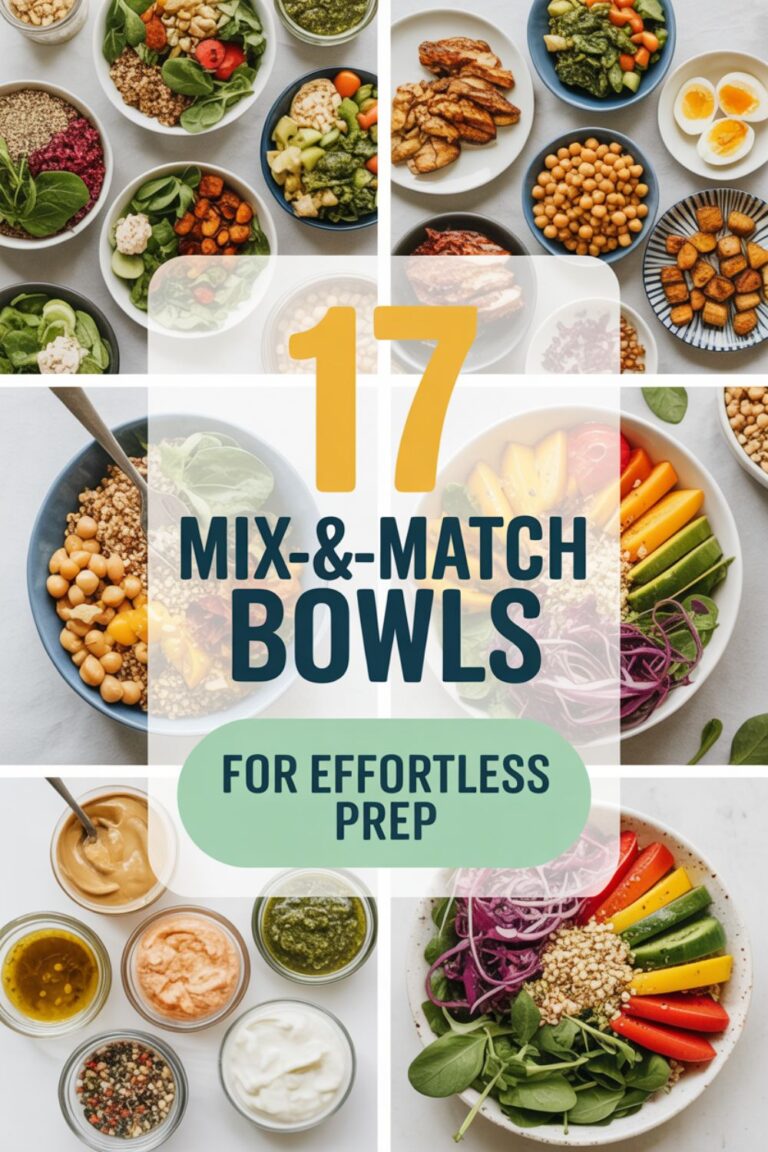
If you’re building a full weekly rotation, the 25 Mediterranean bowls you can prep in advance will give you enough variety to avoid eating the same thing two days in a row.
Snacks and Sides
IMO, homemade hummus is one of the single best investments you can make in a meal prep Sunday. Blend two cans of chickpeas with good tahini, lemon juice, a whole clove of garlic, and ice water for smoothness. The ice water is the trick for getting it genuinely silky. A high-powered blender makes it restaurant-quality at home. Store with a thin layer of olive oil on top to preserve freshness. Check out the full snack roundup in Mediterranean snacks you can batch prep on Sunday. Get Full Recipe
This is not cooking, it is assembly, and there is zero shame in that. Mix Kalamata olives and cubed feta with olive oil, lemon peel, fresh thyme, cracked pepper, and a pinch of chili flakes. Let it sit for at least a few hours. By day three, the olive oil has absorbed every flavor and the feta is incredibly complex. Eat with cucumber slices or seeded crackers and feel very European about the whole thing.
Roast red peppers directly over a gas flame or under the broiler until charred, peel, then blend with walnuts, olive oil, lemon juice, cumin, and a touch of pomegranate molasses. Muhammara is less known than hummus but just as versatile and arguably more interesting. It’s naturally vegan and packed with vitamin C from the peppers. Keeps well for five days in the fridge. Get Full Recipe
Chop cucumbers and tomatoes, toss with red onion, za’atar, olive oil, and a splash of red wine vinegar. The key here is storing it undressed and adding the vinegar mixture just before eating. Pre-chopped cucumbers and tomatoes keep perfectly fine in a plain container for three to four days when kept dry. Add a spoonful of labneh (strained yogurt cheese) on top for extra creaminess and protein.
Toss raw almonds with olive oil, smoked paprika, cumin, a pinch of cayenne, and sea salt. Roast at 325F for 15 minutes, shaking the pan halfway through. Let them cool completely before storing, as moisture from warm nuts turns them soft. These keep for two weeks at room temperature in a sealed jar and are infinitely better than any packaged snack. Use a kitchen scale to portion into 30g snack bags for grab-and-go ease.
Bonus Batch Cooking Ideas
Farro is criminally underused in modern meal prep. It has a chewy, nutty texture that holds up far better than rice across five days, and it’s higher in protein and fiber than most grains. Cook a big batch with vegetable stock, then finish with lemon juice, olive oil, fresh parsley, and mint. Use as a base for any bowl throughout the week, under roasted veggies, with chickpeas, or alongside your proteins. FYI — farro and peanut butter are both “complete-adjacent” plant proteins when paired thoughtfully, but farro plus legumes like lentils creates a genuinely complete amino acid profile.
Halve Roma tomatoes, place cut-side up on a baking sheet, season with salt, pepper, and a sprinkle of dried thyme, then roast at 275F for two hours. Store submerged in olive oil in a clean jar in the fridge. These concentrated tomatoes are flavor bombs. Toss into pasta, layer onto toast with ricotta, add to grain bowls, or eat straight out of the jar when no one’s looking. The olive oil they’re stored in becomes a phenomenal dressing on its own.
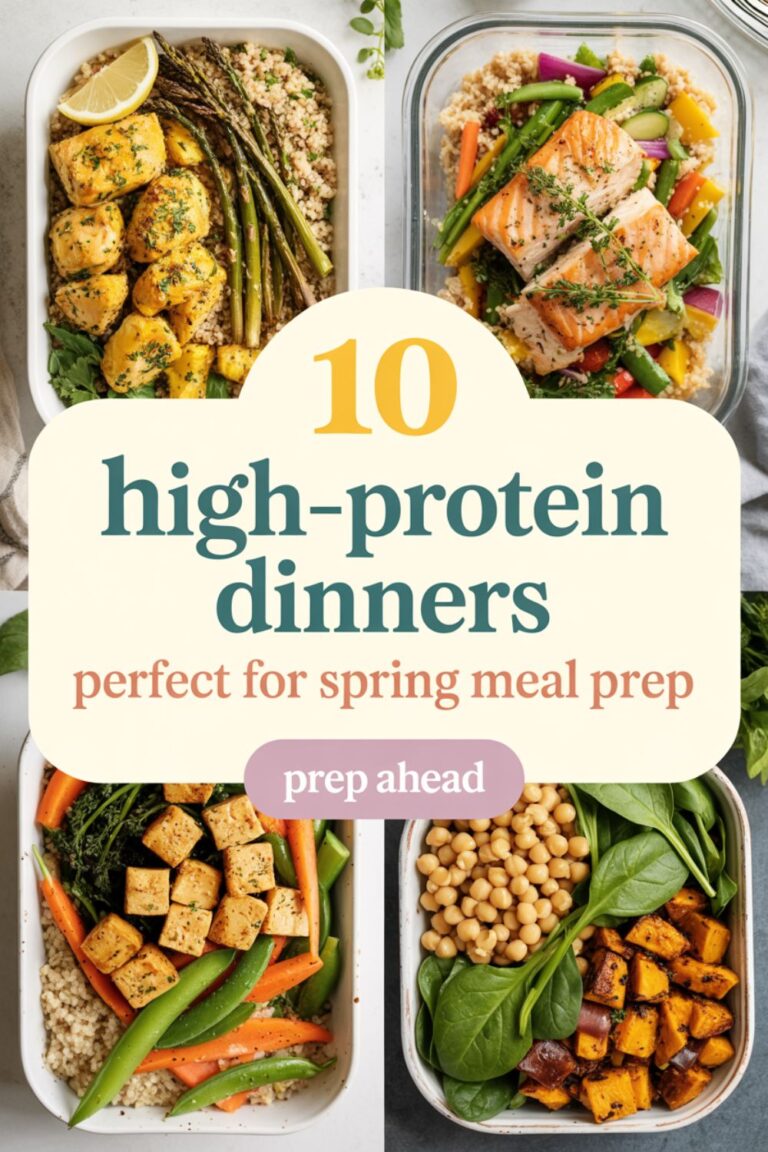
The crown jewel of the whole system. Prep a base of your chosen grain, roast a tray of whatever vegetables are in season, cook a protein, and make at least two sauces — tahini and tzatziki are the dream pair. Now you have a modular system where every meal feels different even though the prep was the same. Monday is salmon over farro with tahini. Wednesday is chicken over the same farro with tzatziki and roasted peppers. Thursday you mix both sauces and pretend you’re a chef. See the full collection at 25 Mediterranean bowls you can prep in advance. Get Full Recipe
Build your grocery list around the Mediterranean grocery essentials before every prep session. A structured list means you spend less time wandering the store and more time actually cooking. The perfect Mediterranean grocery list guide is free and genuinely useful.
Meal Prep Essentials for Mediterranean Cooking
The stuff I actually use and actually recommend — no fluff.
Glass Meal Prep Containers (Set of 10)
Leak-proof, oven-safe, and genuinely the kind of containers you actually want to use. The glass keeps everything tasting fresh rather than faintly plastic.
Shop ThisLarge Rimmed Baking Sheet
Heavy gauge, warp-resistant, and big enough to roast a full batch of vegetables without crowding. Sheet pan meals live or die by how much space you give the food.
Shop ThisHigh-Speed Countertop Blender
For hummus, soups, dips, and sauces that are genuinely silky smooth. The difference between a good blender and a mediocre one is obvious in every batch of hummus you make.
Shop This7-Day Mediterranean Meal Prep Plan
A structured week-by-week plan with grocery list, prep schedule, and portioning guide built in. Takes the decision fatigue completely out of your Sunday prep.
Get Free PDFMediterranean Grocery List Builder
A categorized, no-nonsense guide to filling your cart with the right staples so you never get to Sunday with half the ingredients missing.
Read GuideMediterranean Breakfast Prep Recipes
14 breakfast-specific Mediterranean preps that make mornings feel less like a chaotic scramble and more like a moment you’re actually present for.
Explore Recipes“The modular bowl system from this approach completely changed how I think about prep. I used to feel like I was eating the same thing on repeat. Now every meal feels different even though I’m only prepping three or four components.”— James T., Simply Well Eats reader
Frequently Asked Questions
How long does Mediterranean meal prep stay fresh in the fridge?
Most Mediterranean meal prep lasts four to five days when stored properly in airtight containers. Grain-based bowls, legumes, and roasted vegetables tend to hold up through day five without any significant drop in quality. Fish and seafood are best consumed within three days for optimal texture and safety.
Is Mediterranean meal prep good for weight loss?
Yes, especially because the diet is naturally high in fiber, protein, and healthy fats — all three of which contribute to sustained satiety. You’re less likely to reach for snacks when your meals are genuinely filling. The focus on whole foods over processed ones also helps manage overall calorie intake without obsessive tracking.
Can I do Mediterranean meal prep on a budget?
Absolutely, and quite easily. Legumes like chickpeas and lentils are among the most affordable protein sources available. Canned fish, eggs, seasonal vegetables, and bulk grains like farro or bulgur make this one of the more budget-accessible prep styles you can adopt. The Mediterranean grocery list guide has specific tips for buying strategically without sacrificing quality.
What are the best grains to use for Mediterranean meal prep?
Farro, bulgur wheat, quinoa, and freekeh are all excellent choices. Each has a slightly different flavor profile and texture, which helps prevent meal fatigue across the week. Farro holds up the best over multiple days, while bulgur is the fastest to cook if you’re short on prep time.
Do I need special equipment to start Mediterranean meal prep?
Not really. A large rimmed baking sheet, a good pot, a sharp knife, and reliable storage containers cover about 95% of what you need. A blender opens up hummus and dips, but even that’s optional for the most basic version of this approach. Start simple and build your toolkit as your habits become established.
Ready to Make It Happen?
Mediterranean meal prep isn’t about perfection. It’s not about having matching containers or color-coded refrigerator shelves or a six-hour Sunday session. It’s about spending two focused hours on the weekend so that every single weekday meal is already sorted. You open the fridge, everything is there, it smells good, it tastes better than anything you’d have put together from scratch after a long Tuesday.
Start with two or three recipes from this list rather than attempting all 23 at once. Build a base grain, roast a tray of vegetables, make a protein and one good sauce. That foundation alone covers most of a week. Once that rhythm becomes second nature, layer in the dips, the breakfast jars, the batch soups. The goal is a system that fits your actual life, not a perfect version of meal prep that collapses the moment your week gets complicated.
Pick your first Sunday. The fridge is waiting.