25 High-Protein Spring Bowls to Keep You Full
Spring is here, and honestly? I’m over the heavy comfort food phase. Don’t get me wrong—I loved every cheesy, carb-loaded bite of winter—but right now, I’m craving something lighter that still keeps me from raiding the snack drawer at 3 PM. Enter: high-protein spring bowls.
These aren’t your sad desk lunch bowls that leave you hungry an hour later. We’re talking vibrant, satisfying combinations that pack at least 25 grams of protein per serving while celebrating all those gorgeous spring vegetables hitting the farmers market. Think asparagus, snap peas, fresh herbs, and radishes that actually taste like something.
I’ve been meal prepping these for the past month, and the difference in my energy levels is wild. No more mid-afternoon slumps or that “I need coffee just to function” feeling. Just steady energy from breakfast through dinner.

Why Protein Matters More Than You Think
Let’s talk about protein for a second. I used to think hitting my protein goals was just for gym bros and bodybuilders. Turns out, protein is what keeps you actually full—not just “full” in that bloated, uncomfortable way, but satisfied.
When you eat enough protein, your blood sugar stays stable. No more energy crashes that send you straight to the vending machine. Plus, protein helps preserve muscle mass, which becomes increasingly important as we age. According to Harvard Health, most adults should aim for about 0.8 grams of protein per kilogram of body weight daily—though active individuals often need more.
The beauty of these spring bowls? They make hitting those protein targets stupidly easy. No protein shakes required.
The Anatomy of a Perfect High-Protein Spring Bowl
Before we dive into specific recipes, let me break down what makes these bowls work. It’s basically a formula you can customize forever without getting bored.
The Base Layer
Start with your foundation—this is usually a grain or green. I rotate between quinoa, farro, brown rice, and massive piles of arugula or spring mix. Quinoa is my go-to because it’s technically a complete protein on its own, giving you about 8 grams per cup cooked.
Sometimes I skip grains entirely and go double greens. Spinach, arugula, and watercress are all having their moment right now, and honestly, a giant bowl of peppery greens with everything else piled on top? Chef’s kiss.
The Protein Powerhouse
This is where the magic happens. You need at least 20-30 grams of protein to make these bowls actually filling. My rotation includes:
- Grilled chicken breast – boring but reliable, about 26g protein per 3 oz
- Salmon or tuna – omega-3 bonus, around 22g per 3 oz
- Hard-boiled eggs – 6g each, I usually add 2-3
- Chickpeas or white beans – plant-based option, roughly 15g per cup
- Tempeh or tofu – marinated and crispy, about 15-20g per serving
- Cottage cheese – sneaky addition, 14g per half cup
The Spring Vegetables
This is where seasonal eating gets fun. Spring vegetables are crisp, bright, and way more interesting than the same old broccoli. I’m talking about:
- Asparagus (roasted until the tips get crispy)
- Snap peas (raw or quickly blanched)
- Radishes (thinly sliced for a peppery crunch)
- Fresh peas (sweet and delicate)
- Baby carrots (roasted with a touch of honey)
- Artichoke hearts (from a jar, don’t @ me)
- Zucchini ribbons (made with a vegetable peeler)
The key is getting a variety of textures. Some roasted, some raw, some pickled. It keeps every bite interesting.
Speaking of interesting combinations, if you’re looking for more creative ways to mix up your weekly meal prep, check out these colorful meal prep bowls that make healthy eating feel less like a chore.
The Flavor Makers
Here’s where people mess up—they build a nutritionally perfect bowl that tastes like cardboard. Don’t be that person.
Fresh herbs are non-negotiable. Dill, parsley, cilantro, basil, mint—whatever speaks to you. I grow them on my windowsill in these mini herb pots because buying fresh herbs every week gets expensive fast.
Add some healthy fats: avocado slices, a drizzle of good olive oil, toasted nuts, or seeds. I’m obsessed with toasted pumpkin seeds right now—they add this amazing crunch and about 7 grams of protein per ounce.
And please, for the love of all things delicious, make a proper dressing. I keep three homemade dressings in my fridge at all times: lemon tahini, Greek yogurt ranch, and a basic balsamic vinaigrette. Game changers.
25 High-Protein Spring Bowl Combinations
Alright, let’s get into the actual bowls. I’ve organized these by protein source to make meal planning easier. Pick a few that sound good, prep the components, and mix and match throughout the week.
Chicken-Based Bowls
1. Lemon Herb Chicken with Asparagus
Grilled chicken, roasted asparagus, quinoa, cherry tomatoes, feta cheese, and lemon-dill dressing. The dill and lemon combo screams spring. Around 32g protein.
2. Mediterranean Chicken Bowl
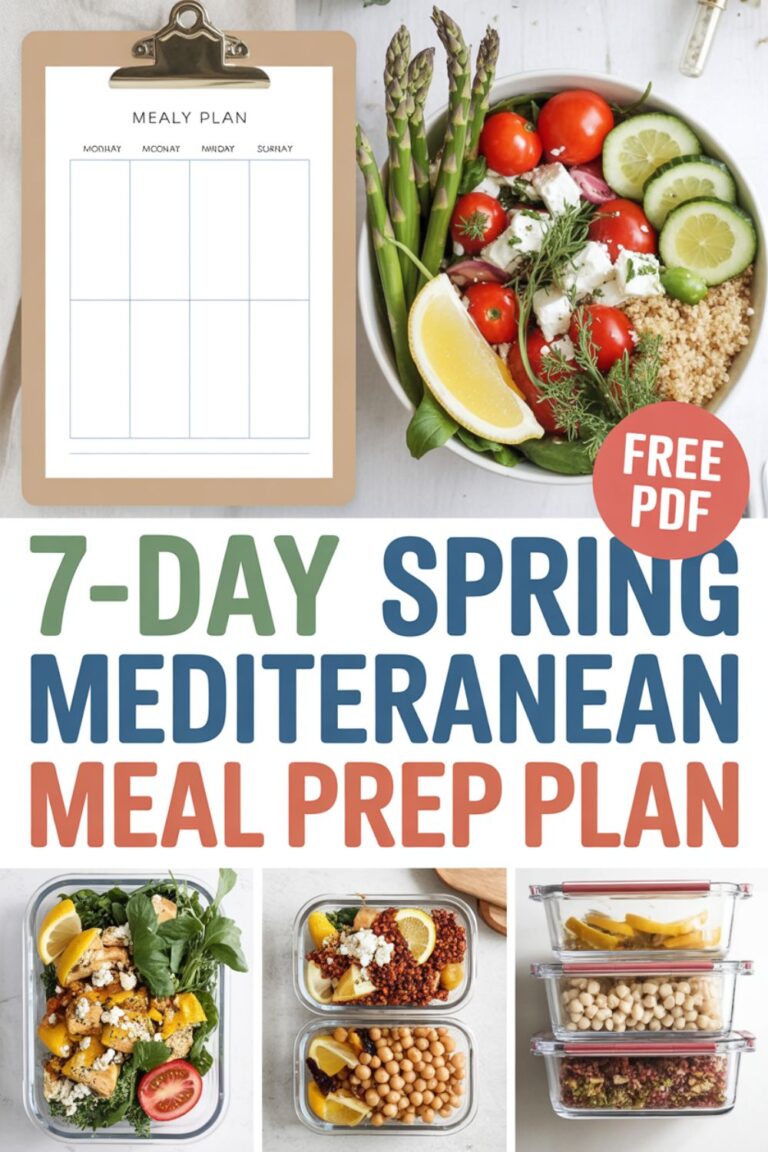
Chicken breast, cucumber, Kalamata olives, red onion, chickpeas, arugula, and tzatziki. This one never gets old. If you’re into Mediterranean flavors, you’ll love these Mediterranean bowls you can prep in advance. Approximately 35g protein.
3. Pesto Chicken with Spring Vegetables
Chicken, snap peas, zucchini ribbons, cherry tomatoes, brown rice, and basil pesto. Make your pesto in a mini food processor—so much easier than chopping by hand. About 30g protein.
4. Asian-Inspired Sesame Chicken
Teriyaki chicken, edamame, shredded cabbage, carrots, quinoa, and sesame-ginger dressing. The edamame adds extra protein and that satisfying pop. Around 33g protein.
5. Chicken Caesar Reinvented
Romaine, grilled chicken, shaved Parmesan, hard-boiled eggs, and a Greek yogurt Caesar dressing. All the flavor, way more protein than the original. About 38g protein.
Fish and Seafood Bowls
6. Salmon Power Bowl
Baked salmon, roasted sweet potato, kale, avocado, and tahini dressing. Sweet potato isn’t traditionally spring, but I’m not a purist. Around 28g protein. Get Full Recipe
7. Tuna Nicoise-Style Bowl
Seared tuna (or canned works too), green beans, hard-boiled eggs, baby potatoes, cherry tomatoes, and Dijon vinaigrette. Classic French vibes. About 35g protein.
8. Shrimp and Avocado Bowl
Garlic shrimp, avocado, corn, black beans, cilantro-lime rice, and a squeeze of lime. This one’s ready in literally 20 minutes. Around 27g protein.
9. Citrus Salmon with Quinoa
Salmon with orange glaze, quinoa, roasted asparagus, red onion, and arugula. The citrus cuts through the richness perfectly. About 30g protein.
10. Miso-Glazed Cod Bowl
Cod with miso glaze, edamame, bok choy, brown rice, and pickled ginger. If you’ve never made miso-glazed fish, you’re missing out. Around 26g protein.
For more protein-packed options that store well, take a look at these protein bowls you can prep in under 30 minutes. They’re perfect for when you’re short on time but still want something substantial.
Plant-Based Protein Bowls
11. Crispy Tofu Buddha Bowl
Marinated crispy tofu (use a tofu press for best results), roasted broccoli, carrots, brown rice, and peanut sauce. The crispiness is everything. About 22g protein.
12. Chickpea Shawarma Bowl
Roasted chickpeas with shawarma spices, cucumber, tomato, red onion, quinoa, and tahini sauce. Chickpeas are seriously underrated. Around 18g protein.
13. Tempeh Teriyaki Bowl
Marinated tempeh, snap peas, bell peppers, brown rice, and teriyaki sauce. Tempeh has this nutty flavor that’s weirdly addictive. About 20g protein.
14. Lentil and Feta Bowl
Cooked lentils, roasted vegetables, feta cheese, arugula, and lemon vinaigrette. The combo of lentils and feta gets you to about 24g protein.
15. Black Bean and Quinoa Fiesta Bowl
Black beans, quinoa, corn, bell peppers, avocado, and cilantro-lime dressing. This one’s basically a burrito bowl minus the tortilla. Around 20g protein.
Plant-based eating doesn’t mean sacrificing protein. Check out these plant-based bowls that make healthy eating easy for even more meat-free inspiration.
Egg-Forward Bowls
16. Spring Vegetable Frittata Bowl
Crustless frittata with asparagus and peas, arugula, cherry tomatoes, and avocado. Make the frittata ahead and slice it up for the week. About 25g protein. Get Full Recipe
17. Soft-Boiled Egg and Avocado Bowl
Soft-boiled eggs (use an egg timer for perfection), smashed avocado, radishes, microgreens, and everything bagel seasoning. So simple, so good. Around 20g protein.
18. Shakshuka-Inspired Bowl
Poached eggs, spiced tomato sauce, chickpeas, feta, and crusty bread for dipping. Not traditional bowl format but who cares. About 22g protein.
Mixed Protein Combinations
19. Protein-Packed Cobb Bowl
Chicken, hard-boiled eggs, avocado, bacon bits, cherry tomatoes, romaine, and blue cheese dressing. This bowl is basically a meal and a half. Around 40g protein.
20. Greek-Inspired Grain Bowl
Chicken, chickpeas, feta, cucumber, tomatoes, red onion, farro, and tzatziki. Double protein sources = maximum satiety. About 36g protein.
21. Surf and Turf Bowl
Grilled steak strips, shrimp, roasted asparagus, mashed cauliflower, and chimichurri. Fancy but meal-preppable. Around 42g protein.
22. Breakfast for Dinner Bowl
Scrambled eggs, turkey sausage, roasted sweet potato, spinach, and salsa. Who says bowls are just for lunch? About 28g protein.
23. Deconstructed Spring Roll Bowl
Shrimp, vermicelli noodles, shredded cabbage, carrots, cucumber, mint, and peanut sauce. All the flavor, none of the rolling. Around 24g protein.
24. Steak and Egg Bowl
Sliced flank steak, fried eggs, roasted Brussels sprouts, sweet potato, and horseradish cream. Breakfast or dinner? Yes. About 38g protein.
25. Ultimate Spring Protein Bowl
Grilled chicken, hard-boiled eggs, chickpeas, avocado, asparagus, snap peas, quinoa, and lemon-tahini dressing. When you can’t decide, go all in. Around 45g protein.
If you’re serious about hitting your protein goals consistently, these 30g protein meal prep bowls are designed specifically to keep you satisfied without any guesswork.
Kitchen Tools That Make Spring Bowl Prep Actually Enjoyable
Look, you don’t need fancy equipment to meal prep. But these six things have legitimately saved me hours and made the whole process less annoying. Some are physical products, some are digital resources—all are worth it.
- Glass meal prep containers with compartments – Game changer for keeping ingredients separate until you’re ready to eat. No more soggy situations.
- Mandoline slicer – For those perfect radish and cucumber slices. Just watch your fingers, seriously.
- Salad spinner – Sounds bougie, I know. But wet greens make everything sad and wilted. This thing pays for itself in crispy salads.
- Meal prep printable planner – Helps you plan which bowls you’re making for the week. I print it out and stick it on my fridge.
- Macros tracking app subscription – If you’re actually trying to hit protein goals, tracking helps. IMO, it’s worth the small monthly fee.
- Spring recipes e-book bundle – Sometimes I just need fresh ideas without scrolling through 500-word blog intros. These bundles deliver.
None of these are absolutely necessary, but they’re the difference between “meal prep feels like a chore” and “meal prep is kinda therapeutic actually.”
Meal Prep Strategy That Actually Works
Here’s the thing about meal prep—most people overcomplicate it. You don’t need to cook 21 different meals on Sunday. You need a system.
The Two-Hour Sunday Method
I dedicate two hours every Sunday afternoon to prep. Put on a podcast, pour some coffee, and knock it out. Here’s my exact process:
Hour One: Protein and Grains
- Grill or bake 2-3 pounds of chicken
- Bake a salmon fillet
- Hard-boil a dozen eggs
- Cook a big batch of quinoa and brown rice
Everything goes in the oven or on the stove at the same time. Use a kitchen timer so you don’t forget what’s where.
Hour Two: Vegetables and Assembly Prep
- Roast asparagus, Brussels sprouts, or whatever vegetables you’re using
- Wash and chop raw vegetables
- Make 2-3 dressings and store them in small mason jars
- Portion everything into containers (but don’t assemble yet)
The key is storing components separately. Assemble your bowl the morning of or right before eating. This keeps everything fresh and prevents that weird soggy texture.
Storage Tips for Maximum Freshness
Nothing kills meal prep motivation faster than opening a container on Wednesday and finding brown, sad food. Here’s how to prevent that:
- Store dressings separately – Always. No exceptions. Use small containers or mason jars.
- Layer strategically – Heavier, heartier items on bottom, delicate greens on top.
- Paper towel trick – Put a paper towel in your greens container to absorb excess moisture.
- Don’t freeze everything – Roasted vegetables and grains freeze well. Raw vegetables and eggs? Not so much.
According to Mayo Clinic guidelines on food safety, most cooked proteins stay fresh for 3-4 days in the fridge. I usually prep for 4-5 days max and make a fresh meal or eat out on weekends.
Need more strategies for keeping your prep fresh all week? These meal prep bowls that stay fresh for 5 days include specific storage techniques for each recipe.
Common Mistakes (and How to Avoid Them)
I’ve made every meal prep mistake possible, so learn from my failures.
Mistake #1: Not Seasoning Enough
Plain grilled chicken and unseasoned quinoa is why people think healthy eating is boring. Season everything. Salt, pepper, garlic powder, smoked paprika, fresh herbs—go wild.
I keep a spice rack next to my stove with my most-used seasonings. Makes it easy to grab what I need without thinking.
Mistake #2: Making Too Much Variety
Trying to make seven different lunches for the week sounds great in theory. In practice? You’ll burn out by Wednesday. Stick to 2-3 base combinations and vary them slightly with different vegetables or dressings.
Mistake #3: Skipping the Fat
Fat makes food taste good and helps you absorb nutrients. Don’t be afraid of avocado, olive oil, nuts, or seeds. A little goes a long way in terms of flavor and satisfaction.
Mistake #4: Forgetting About Texture
All soft food is depressing. All crunchy food is exhausting to eat. You need variety. Mix roasted vegetables with raw ones, add seeds or nuts for crunch, include something creamy like avocado or hummus.
Budget-Friendly Tips
High-protein meal prep doesn’t have to destroy your budget. Here’s how I keep costs down without sacrificing quality.
Buy protein on sale and freeze it – Chicken breast on sale? Buy three packs and freeze them. Same with salmon, ground turkey, or whatever else is discounted.
Use eggs strategically – At roughly $0.25 per egg and 6 grams of protein each, eggs are probably the most cost-effective protein source available. I add them to bowls that might be a little low on protein.
Don’t sleep on canned fish – Canned tuna and salmon are budget heroes. A can of tuna is like $1.50 and has 25 grams of protein. Just get the good stuff packed in olive oil or water, not that weird mystery liquid.
Frozen vegetables are your friend – Fresh asparagus costs a fortune out of season. Frozen vegetables are picked at peak ripeness and honestly taste just as good when roasted. Plus they don’t go bad in three days.
Make your own dressings – Store-bought dressings are expensive and full of weird ingredients. Homemade dressing takes five minutes and costs pennies. Basic formula: 3 parts oil, 1 part acid (lemon juice or vinegar), seasonings.
If budget is a concern, check out these affordable meal prep recipes under $5 a serving. Eating healthy shouldn’t mean choosing between groceries and paying rent.
Customizing for Dietary Needs
The beauty of bowls? They’re infinitely adaptable. Here’s how to modify these for different dietary approaches.
Keto/Low-Carb
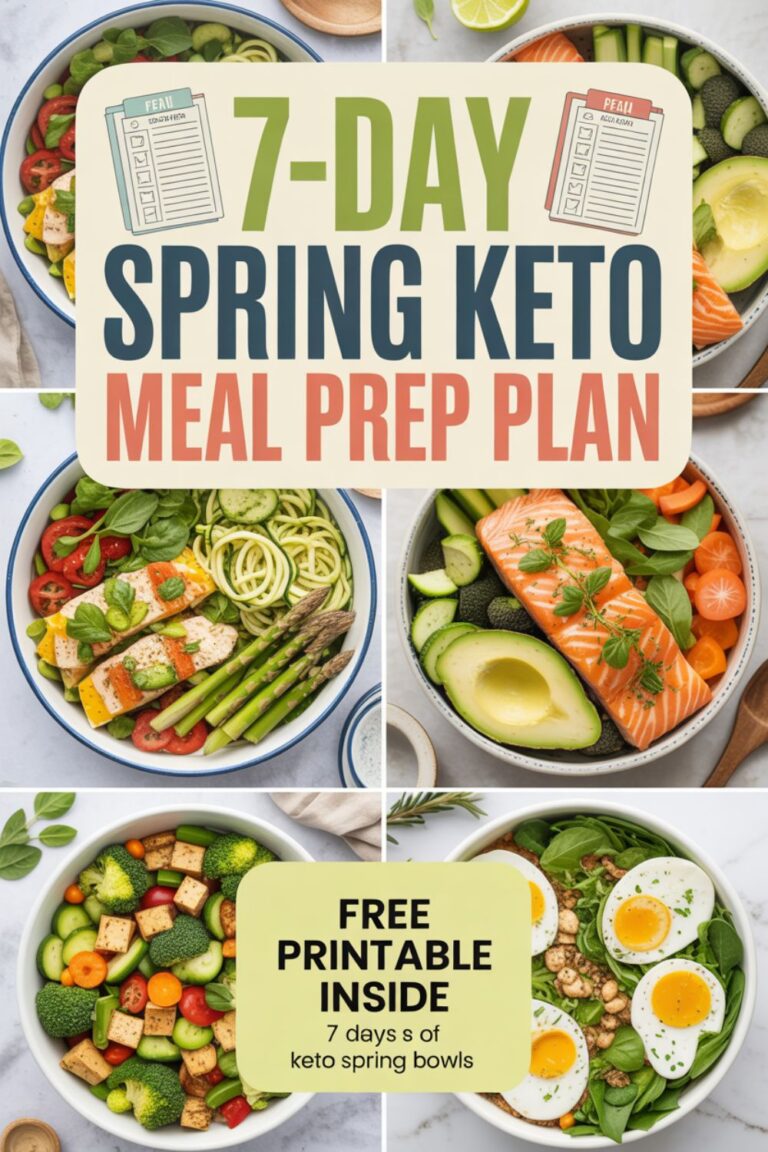
Skip the grains, double the greens. Use cauliflower rice if you want something grain-like. Add extra healthy fats from avocado, olive oil, nuts, or full-fat cheese. The protein stays the same. For complete keto-friendly meal prep ideas, check out these keto meal prep ideas to stay on track.
Vegan
Focus on plant-based proteins: tofu, tempeh, beans, lentils, chickpeas. Combine different sources to get complete amino acids. Add nutritional yeast for a cheesy flavor and extra B vitamins. You can find tons of options in these vegan meal prep ideas for the whole week.
Gluten-Free
Most of these bowls are naturally gluten-free anyway. Just swap regular grains for quinoa, rice, or certified gluten-free options. Watch out for soy sauce in dressings—use tamari instead.
Dairy-Free
Skip the cheese and use dairy-free alternatives. Nutritional yeast, cashew cream, or coconut yogurt all work great. Many tahini-based dressings are naturally dairy-free and delicious.
Frequently Asked Questions
How long do these high-protein spring bowls last in the fridge?
Most components will stay fresh for 4-5 days when stored properly. Keep proteins, grains, and vegetables in separate containers and assemble just before eating. Dressings should always be stored separately and added fresh. If you notice any off smells or textures, play it safe and toss it.
Can I freeze these meal prep bowls?
Some components freeze well, others don’t. Cooked proteins, grains, and roasted vegetables freeze beautifully for up to 3 months. However, fresh greens, raw vegetables, avocado, and hard-boiled eggs don’t freeze well at all. FYI, I usually freeze extra proteins and grains separately, then build fresh bowls as needed.
What if I’m getting bored with the same flavors every day?
This is why I prep components, not complete meals. Cook 2-3 different proteins, make 3 different dressings, and roast various vegetables. Mix and match throughout the week so you’re essentially eating different meals even though you only prepped once. Also, don’t underestimate the power of fresh herbs and different seasonings to completely change a bowl’s vibe.
Are these bowls suitable for weight loss?
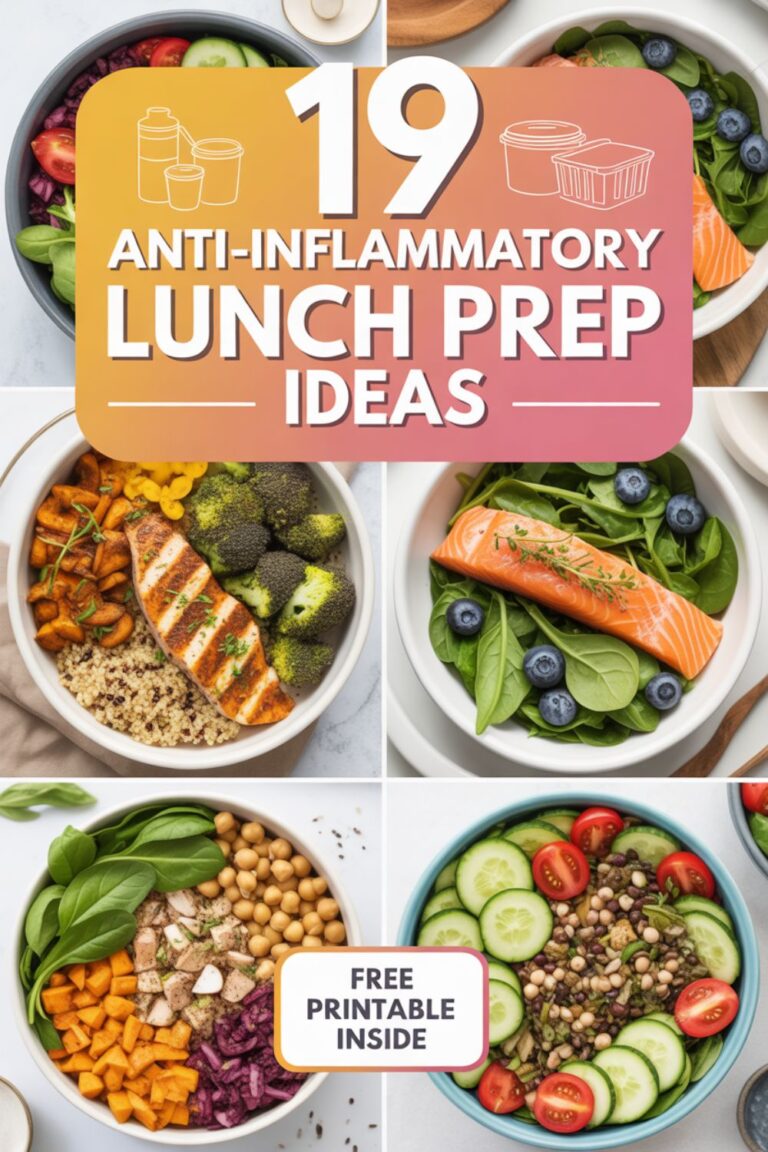
High-protein meals naturally support weight loss because protein keeps you fuller longer and helps preserve muscle mass during a calorie deficit. These bowls range from about 400-600 calories depending on portion sizes and ingredients. For specific lower-calorie options, check out these meal prep bowls under 400 calories.
Do I really need to hit 25-30 grams of protein per meal?
It depends on your goals and activity level. Most research suggests that spreading protein intake throughout the day (around 20-30 grams per meal) is ideal for muscle maintenance and satiety. If you’re very active or trying to build muscle, you might need more. Less active folks might be fine with slightly less. Listen to your body—if you’re hungry an hour after eating, you probably need more protein.
Final Thoughts
Spring is the perfect time to reset your meal prep game. These high-protein bowls have genuinely changed how I eat—I’m more consistent, I feel better, and I’m not constantly thinking about my next meal because I’m actually satisfied.
The best part? Once you get the basic formula down, you don’t need recipes anymore. You can just look at what’s fresh at the market or on sale at the grocery store and build something delicious.
Start with 2-3 bowls this week. Prep the components on Sunday. See how you feel. I’m willing to bet you’ll have more energy, fewer cravings, and maybe even save some money by not ordering delivery when you’re too tired to cook.
Spring eating doesn’t have to be complicated or restrictive. It just needs to be intentional, protein-forward, and actually enjoyable. These bowls check all those boxes.