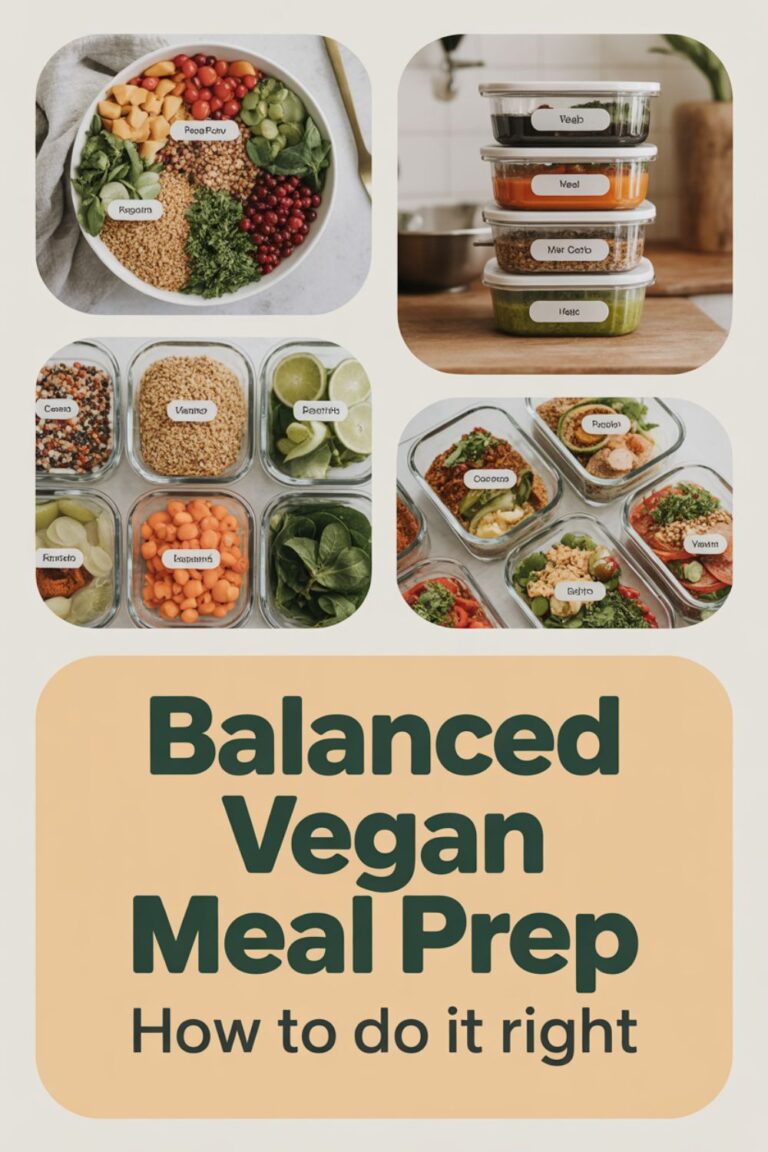
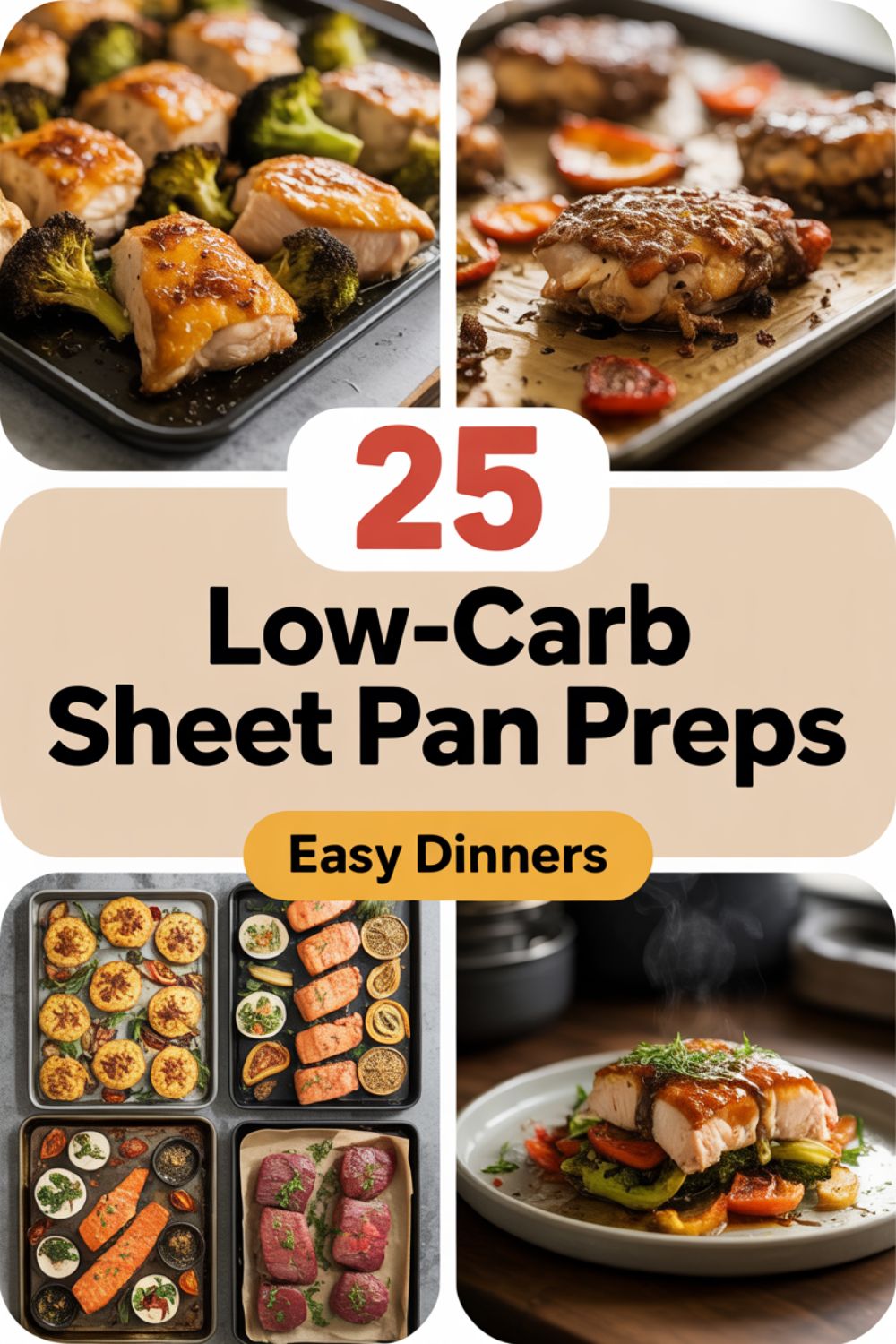
25 Low-Carb Sheet Pan Preps for Easy Dinners
Look, I’m not here to convince you that low-carb eating is some magical solution to all your problems. But I will say this: when you cut back on the bread and pasta and load up on protein and veggies instead, weeknight dinners get a whole lot simpler. And when you throw everything on a sheet pan? Well, that’s when the real magic happens.
I stumbled into sheet pan cooking out of pure desperation one Tuesday night when I had approximately zero energy left after work. Grabbed whatever protein was in the fridge, tossed it on a pan with some vegetables, drizzled everything with olive oil, and shoved it in the oven. Twenty-five minutes later, I had an actual meal that didn’t require me to stand over a stove like some sort of culinary martyr.
That was three years ago, and I haven’t looked back. These days, my rimmed baking sheet gets more action than my stovetop, and honestly? I’m fine with that. Sheet pan dinners are the ultimate weeknight hack—especially when you’re trying to keep carbs in check without eating sad desk salads for the rest of your life.
Why Low-Carb Sheet Pan Dinners Actually Work
Here’s the thing about low-carb eating that nobody tells you: it’s not about deprivation. It’s about swapping out the fillers for foods that actually keep you full. Research from Mayo Clinic shows that reducing carbohydrate intake can help with weight management and may reduce certain health risk factors. But more importantly, it forces you to get creative with vegetables, proteins, and fats in ways you probably wouldn’t otherwise.
Sheet pan cooking takes this concept and makes it stupid simple. You’re essentially batch-roasting everything at once, which means the flavors meld together in the oven while you’re doing literally anything else. Need to respond to emails? Go for it. Want to fold that laundry that’s been sitting in the basket for three days? Be my guest. The oven’s got this.
Cut your vegetables roughly the same size as your protein pieces. This isn’t about being precious—it’s about making sure everything finishes cooking at the same time. Nobody wants charred broccoli and raw chicken.
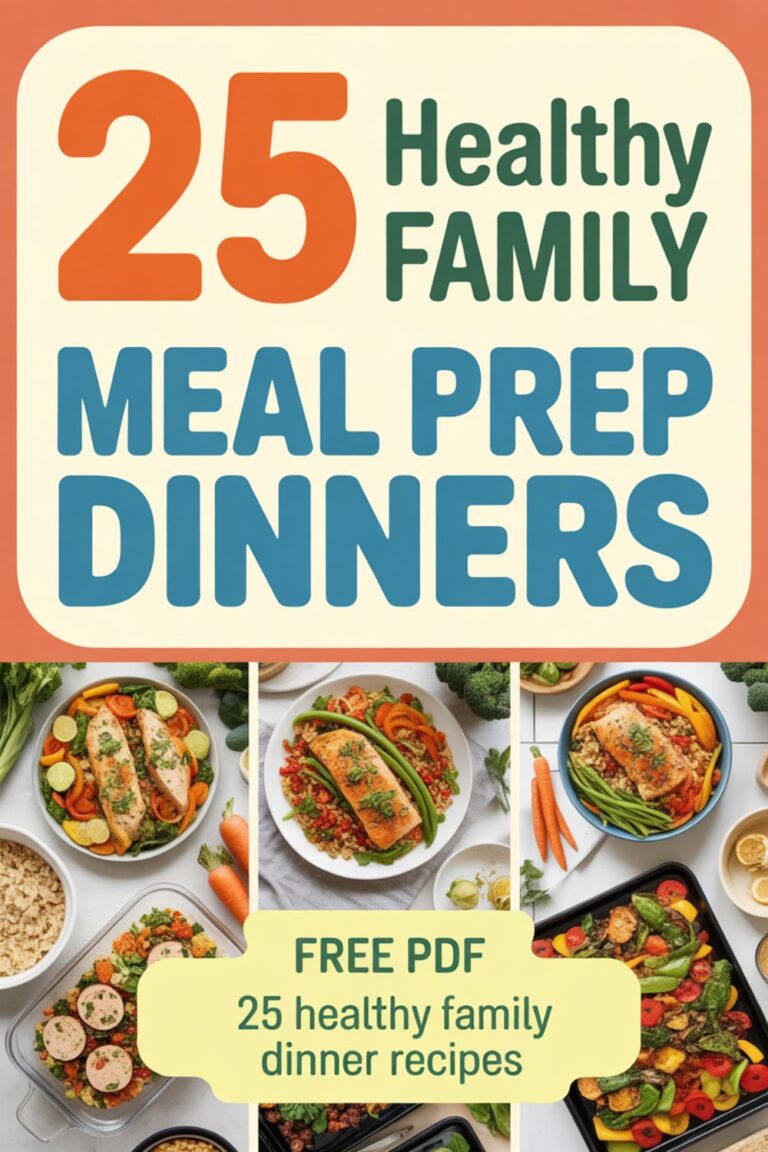
The beauty of sheet pan meals is that they’re almost impossible to mess up. Toss, season, roast, eat. That’s it. No standing over a hot stove, no juggling multiple pans, no complicated techniques. Just you, a pan, and whatever’s in your fridge. Speaking of which, you might also love these meal prep bowls under 400 calories for when you want variety throughout the week.
The Low-Carb Sheet Pan Formula
Every great sheet pan dinner follows the same basic blueprint. Pick a protein, choose your vegetables, add fat, season generously, and roast until everything’s golden and your kitchen smells amazing. It’s not rocket science, which is exactly why it works.
Start with Quality Protein
Chicken thighs are my go-to because they’re forgiving, affordable, and actually taste like something (unlike their boring breast cousins). But salmon, shrimp, pork chops, beef—they all work beautifully. The key is choosing proteins that can handle high heat without drying out.
I learned this the hard way after turning several batches of chicken breast into something resembling shoe leather. If you’re using leaner cuts, you’ll want to either marinate them first or use my favorite trick: a silicone basting brush to coat everything in a thin layer of oil or butter halfway through cooking.
Load Up on Low-Carb Vegetables
Brussels sprouts, broccoli, cauliflower, zucchini, bell peppers, asparagus, green beans—these are your best friends. They roast beautifully, develop incredible caramelized edges, and won’t spike your blood sugar like potatoes or sweet potatoes would.
That said, I’m not a purist. If you want to throw in some cherry tomatoes or red onions (technically higher in carbs but still reasonable), go ahead. Life’s too short to eat meals you don’t enjoy. For more inspiration on loading up on vegetables while keeping things interesting, check out these colorful meal prep bowls.
Frozen vegetables are your secret weapon. Buy the pre-cut broccoli florets or cauliflower rice. Zero shame in the convenience game—you’re still cooking at home, which automatically makes you a culinary hero.
Don’t Skimp on the Fat
This is where low-carb eating actually gets fun. Extra virgin olive oil, avocado oil, butter, ghee—these aren’t just allowed, they’re encouraged. Fat carries flavor, helps vegetables caramelize properly, and keeps you satisfied long after the meal ends.
I keep a good olive oil dispenser right next to my stove for this exact reason. A generous drizzle over everything before it goes in the oven makes all the difference between mediocre roasted vegetables and the kind that make you want to lick the pan.
25 Low-Carb Sheet Pan Combinations That Actually Deliver
Alright, let’s get into the actual recipes. These aren’t fancy or complicated—they’re just proven combinations that work every single time.
Chicken-Based Preps
1. Lemon Garlic Chicken with Asparagus and Mushrooms
Chicken thighs, asparagus spears, sliced cremini mushrooms, fresh lemon juice, minced garlic, olive oil. Roast at 425°F for 25-30 minutes. The lemon juice gets slightly caramelized and creates this incredible pan sauce situation. Get Full Recipe
2. Pesto Chicken with Zucchini and Cherry Tomatoes
Spread pesto (store-bought is fine, homemade is better) over chicken breasts, surround with zucchini coins and halved cherry tomatoes. The tomatoes burst and create a natural sauce. Twenty minutes at 400°F and you’re done.
3. Buffalo Chicken with Cauliflower and Celery
Toss everything in buffalo sauce before roasting. Serve with blue cheese crumbles on top. It’s basically wings without the frying, and honestly, it scratches the same itch. If you’re into bold flavors like this, you’ll probably dig these high-protein meal prep bowls too.
4. Mediterranean Chicken with Bell Peppers and Olives
Chicken thighs, sliced bell peppers (red, yellow, orange—the colorful ones), kalamata olives, red onion, oregano, lemon. Classic flavors that never get old. Top with feta cheese in the last five minutes of cooking for maximum deliciousness.
5. Cajun Chicken with Green Beans and Tomatoes
Heavy on the Cajun seasoning (I use a Cajun spice blend that lives permanently in my cabinet). Green beans hold up beautifully to high heat, and the tomatoes add moisture.
6. Herb-Crusted Chicken with Brussels Sprouts
Mix dried thyme, rosemary, garlic powder, salt, and pepper. Pat it onto chicken pieces, toss Brussels sprouts in oil, and roast everything together. Simple, classic, impossible to screw up.
7. Dijon Chicken with Broccoli and Bacon
Brush chicken with Dijon mustard, surround with broccoli florets and chopped bacon. The bacon fat renders and coats everything. Yeah, it’s as good as it sounds. For more ideas on incorporating protein-rich ingredients, check out these 30g protein meal prep bowls.
Seafood Options
8. Garlic Butter Shrimp with Zucchini Noodles
Spiralize your zucchini (or buy it pre-spiralized because convenience), toss with shrimp, butter, and garlic. Roast at 400°F for just 10-12 minutes. Any longer and the shrimp turn rubbery.
9. Lemon Dill Salmon with Asparagus
Salmon fillets, asparagus, fresh dill, lemon slices. This is the meal I make when I need to feel like an actual adult who has their life together. Takes 15 minutes, looks impressive, tastes incredible. Get Full Recipe
10. Blackened Tilapia with Cauliflower Rice and Peppers
Use a blackening seasoning on the fish, spread cauliflower rice and sliced bell peppers around it. The cauliflower rice gets slightly crispy on the edges, which is honestly the best part.
11. Cajun Shrimp and Sausage Bake
Andouille sausage, shrimp, bell peppers, zucchini. Heavy Cajun seasoning. This is basically a deconstructed jambalaya without the rice, and it’s ridiculously good.
Looking for more quick meal ideas? These meal prep bowls under 30 minutes follow the same easy-but-effective philosophy. When you’re in the middle of a busy week and need something that won’t take forever but still tastes homemade, simple roasted combinations like these are absolute lifesavers.
Beef and Pork Selections
12. Italian Sausage with Peppers and Onions
The classic combination for a reason. I use mild Italian sausage (the spicy version overwhelms the vegetables, IMO), thick-cut bell pepper strips, and red onion wedges. Roast at 400°F for 30 minutes.
13. Steak Fajita Sheet Pan
Sliced flank steak, bell peppers, onions, fajita seasoning. Serve with low-carb tortillas or lettuce wraps. The high heat gives you those slightly charred edges that make fajitas actually taste like fajitas.
14. Herb Pork Chops with Green Beans and Mushrooms
Bone-in pork chops (more flavorful than boneless), green beans, sliced mushrooms, rosemary. The mushrooms absorb all the pork drippings. Trust me on this one.
15. Meatball and Vegetable Tray
Pre-made or homemade meatballs (I won’t judge either way), zucchini, yellow squash, cherry tomatoes. This is my go-to when I’m too lazy to even season individual ingredients—just toss everything in marinara sauce and roast. Sprinkle with mozzarella at the end if you’re feeling fancy. Get Full Recipe
Meal Prep Essentials That Make This Easier
Nordic Ware Natural Aluminum Commercial Baker’s Half Sheet
This is the sheet pan that changed my life. Heavy-duty, never warps, conducts heat evenly. I own four of them. Yeah, I’m that person.
Silicone Baking Mats (Set of 2)
Stop buying parchment paper. These last forever, nothing sticks, and cleanup is stupidly easy. Just throw them in the dishwasher.
OXO Good Grips Silicone Basting Brush
For drizzling oil or butter over everything halfway through cooking. The silicone bristles don’t melt or get gross like traditional brushes.
Digital Kitchen Scale
If you’re tracking macros or portion sizes, this is non-negotiable. Weighing your protein ensures you’re actually hitting your targets instead of guessing.
Glass Meal Prep Containers (10-Pack)
For storing leftovers. Glass doesn’t absorb smells or stains like plastic, and you can reheat directly in them. Game changer for weekly meal prep.
Instant-Read Meat Thermometer
Because nobody wants to eat undercooked chicken or sawdust-dry salmon. Takes the guesswork out completely. Chicken should hit 165°F, pork 145°F, fish 145°F.
More Protein-Packed Options
16. Lemon Pepper Chicken Thighs with Radishes and Cabbage
Radishes roasted taste nothing like raw radishes—they get mild and slightly sweet. Toss them with wedges of cabbage, chicken thighs, lemon pepper seasoning. Unconventional but surprisingly good.
17. Ranch Chicken with Broccoli and Cauliflower
Use dry ranch seasoning as a rub on the chicken and vegetables. It’s not fancy, but it’s the kind of meal that disappears in minutes because everyone actually likes it.
18. Teriyaki Salmon with Snap Peas and Mushrooms
Make your own teriyaki sauce with coconut aminos instead of soy sauce to keep it gluten-free and lower in sodium. Brush it on salmon, toss the vegetables in the remaining sauce. Fifteen minutes at 425°F.
19. Paprika Chicken with Eggplant and Tomatoes
Smoked paprika is the secret ingredient here. Eggplant soaks up whatever flavors you throw at it, so don’t be shy with the seasoning. This pairs beautifully with a simple arugula salad on the side. For more Mediterranean-style inspiration, these Mediterranean meal prep ideas are worth checking out.
20. Greek Turkey Meatballs with Peppers and Zucchini
Ground turkey, garlic, oregano, feta cheese mixed in. Form into meatballs, surround with vegetables. The feta keeps the turkey moist, which is the perennial struggle with lean ground turkey. Get Full Recipe
Vegetarian and Plant-Forward Choices
21. Halloumi and Vegetable Medley
Halloumi cheese is magic because it doesn’t melt when you roast it—it just gets golden and crispy. Toss with zucchini, bell peppers, red onion, cherry tomatoes. Squeeze fresh lemon over everything when it comes out of the oven.
22. Tofu and Broccoli with Sesame Ginger Glaze
Press your tofu first (seriously, this step matters), cut into cubes, toss with broccoli and a glaze made from sesame oil, ginger, garlic, and a touch of honey. The tofu gets crispy edges that rival any meat protein.
23. Portobello Mushroom Caps with Spinach and Goat Cheese
Remove the stems from large portobello caps, stuff with sautéed spinach and crumbled goat cheese, roast until the mushrooms are tender. This is the meal that convinces meat-eaters that vegetables can actually be satisfying.
If you’re experimenting with more plant-based options while keeping things low-carb, you might find some interesting ideas in these minimalist meal prep ideas. Sometimes the simplest combinations end up being the most satisfying.
Mix-and-Match Final Options
24. Balsamic Chicken with Brussels Sprouts and Bacon
Balsamic vinegar reduces and caramelizes in the oven, creating this incredible sticky glaze. Add bacon because bacon makes everything better, and Brussels sprouts because they’re perfect little flavor sponges.
25. Chimichurri Steak with Cauliflower and Asparagus
Make chimichurri sauce (parsley, cilantro, garlic, olive oil, red wine vinegar, red pepper flakes), use half as a marinade for the steak, reserve the other half to drizzle over everything after roasting. This is my weekend special—takes a bit more effort but absolutely worth it. Get Full Recipe
The Actual Meal Prep Strategy
Here’s how I make this work during an actual week without losing my mind. Sunday afternoon, I prep three different sheet pan combinations. Each one yields four servings, giving me twelve meals total. That covers dinner Monday through Thursday for two people, plus a couple of lunches.
The key is choosing combinations with different flavor profiles so you’re not eating the same thing all week. One Mediterranean-style, one Asian-inspired, one Mexican-flavored. Boom—variety without the stress.
Prep your vegetables Sunday night, thank yourself all week. Chop everything, store in containers, then you’re just five minutes away from a home-cooked meal every single night.
I keep my prepped vegetables in glass containers with dividers so different vegetables don’t get mixed together. Bell peppers stay crisp, mushrooms don’t get slimy, and everything’s ready to dump on a pan when I get home from work.
Temperature and Timing Guidelines
Most sheet pan dinners roast at 400-425°F. The higher temperature helps vegetables caramelize and proteins develop that golden-brown exterior everyone loves. But timing varies based on what you’re cooking.
Chicken thighs and bone-in pork chops need about 30-35 minutes. Chicken breasts or boneless pork chops take 20-25 minutes. Shrimp cooks in 10-12 minutes. Salmon takes 12-15 minutes depending on thickness. Fish like tilapia or cod need just 10-12 minutes.
Vegetables generally take 20-30 minutes, but delicate ones like asparagus or snap peas only need 15 minutes. This is why I sometimes add vegetables halfway through cooking—it prevents them from turning into mush while the protein finishes.
Common Mistakes to Avoid
Overcrowding the pan is the number one issue I see people make. When ingredients are piled on top of each other, they steam instead of roast. You want everything in a single layer with a bit of space between pieces. If it doesn’t fit, use two pans or cook in batches.
Not preheating the oven is another rookie move. That initial blast of heat is what creates those caramelized edges. Starting with a cold oven means everything just sort of…sits there and gets sad.
Skipping the seasoning is criminal. Salt, pepper, garlic powder at minimum. I keep multiple spice blend sets specifically for this purpose—Italian, Cajun, lemon pepper, everything bagel seasoning. Rotate through them so you’re not eating the same flavors every week.
Making It Work With Your Lifestyle
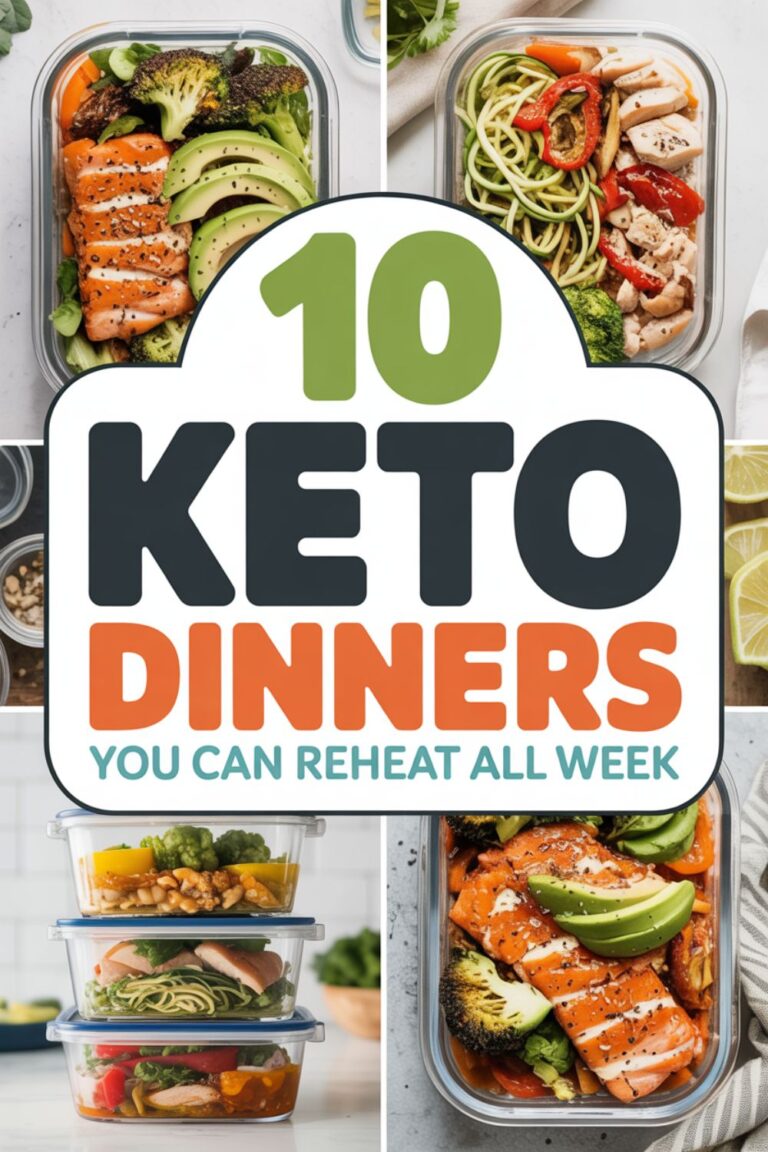
The beauty of low-carb sheet pan cooking is how adaptable it is. Following keto? Load up on fattier proteins and add extra oil. Doing Whole30? Stick to compliant ingredients and skip the cheese. Just trying to eat more vegetables? Go heavy on the veggies, lighter on the protein.
I’ve seen people in our community try this approach with incredible results. Sarah dropped 15 pounds in three months just by replacing her usual pasta dinners with these sheet pan meals. She didn’t count calories, didn’t restrict portions, just swapped the carb-heavy stuff for protein and vegetables. That’s the thing about this approach—it works without feeling like you’re on a diet. For similar real-world success stories and practical meal prep strategies, check out these weight loss meal prep bowls.
FYI, you don’t need to be perfect. Some nights I absolutely throw frozen vegetables on the pan because that’s what I’ve got. Other nights I use rotisserie chicken from the grocery store instead of cooking protein from scratch. The goal is consistency, not perfection.
Budget-Friendly Tips
Sheet pan dinners can be incredibly affordable if you shop smart. Buy chicken thighs instead of breasts—they’re usually half the price and taste better anyway. Frozen vegetables cost a fraction of fresh and work just as well for roasting.
I watch for sales on proteins and stock my freezer. When pork chops go on sale, I buy five pounds, portion them into freezer bags, and pull them out as needed. Same with ground beef, turkey, and even shrimp when I can find good deals.
Seasonal vegetables are your friend. Asparagus in spring, zucchini in summer, Brussels sprouts in fall and winter. They’re cheaper when they’re in season, and honestly, they taste better too.
Frequently Asked Questions
Can I use frozen vegetables for sheet pan dinners?
Absolutely, and I do it all the time. The trick is to not thaw them first—throw them on the pan frozen and add an extra 5-10 minutes to your cooking time. They’ll release some water as they cook, but the high oven temperature evaporates it quickly. Just make sure to drain any excess liquid before serving.
How long do sheet pan meal preps last in the fridge?
Most combinations stay good for 4-5 days when stored properly in airtight containers. Seafood-based meals are best consumed within 2-3 days for optimal freshness and safety. If you’re meal prepping on Sunday, plan to eat seafood dishes earlier in the week.
Do I need to line my sheet pan with foil or parchment?
Not technically, but it makes cleanup infinitely easier. I prefer silicone baking mats because they’re reusable and nothing sticks to them. Parchment paper works fine too. Aluminum foil is okay but can sometimes react with acidic ingredients like tomatoes or lemon juice.
What’s the best way to reheat sheet pan meals?
Oven or toaster oven at 350°F for 10-15 minutes gives you the best results—everything stays crispy and doesn’t get soggy. Microwave works in a pinch, but proteins can get rubbery and vegetables lose their texture. If you’re microwaving, use 50% power and heat in shorter intervals.
Can I double recipes on one sheet pan?
Only if you have a commercial-sized sheet pan, which most home ovens can’t accommodate. For standard half-sheet pans, doubling means using two pans. The good news is you can cook both at the same time by rotating their positions halfway through cooking to ensure even browning.
Making This Work Long-Term
The reason I’ve stuck with this approach for three years isn’t because it’s some revolutionary concept. It’s because it’s easy enough to maintain even when life gets chaotic. Some weeks I meal prep like a champion. Other weeks I’m throwing things together night by night. Both work.
The low-carb aspect stops feeling restrictive after a while. Your taste buds adjust, you stop craving bread with every meal, and vegetables actually start tasting good instead of just being the thing you’re supposed to eat. It’s weird how that happens, but it does.
Start with one or two sheet pan dinners per week. Get comfortable with the basic formula. Then add more as it becomes routine. Before you know it, you’ll be eyeballing ingredient combinations in the grocery store and mentally calculating oven times. Welcome to the club—we have really good roasted vegetables and no dishes to wash.
The best part? You’re not just eating low-carb meals—you’re actually cooking real food that tastes good and happens to be good for you. There’s no magic, no expensive supplements, no complicated protocols. Just proteins, vegetables, heat, and time. Sometimes the simplest solutions really are the best ones.