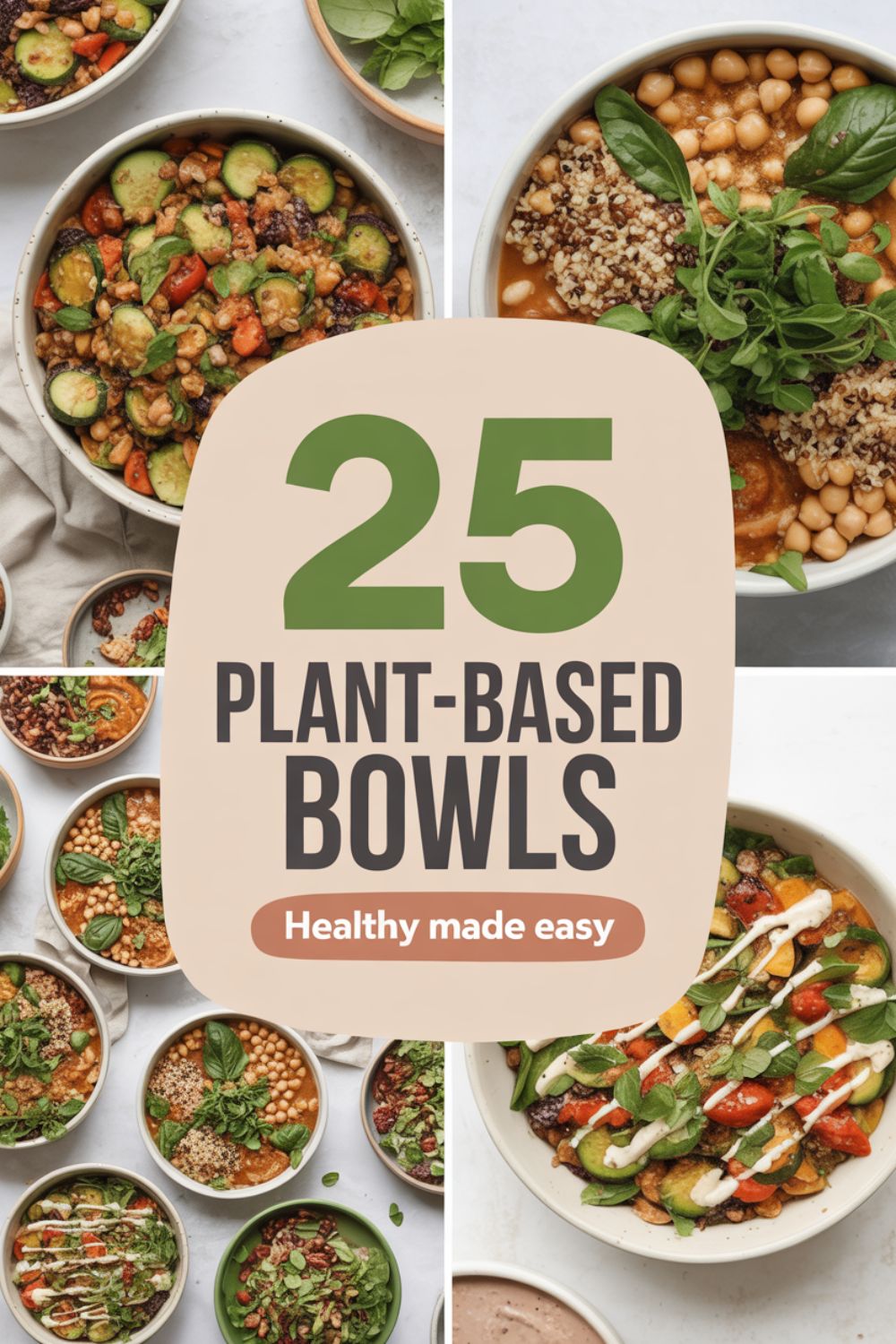
25 Plant-Based Bowls That Make Healthy Eating Easy
Look, I’m not here to tell you that plant-based eating is the only way to live. But after years of throwing together whatever was in my fridge at 9 PM and calling it dinner, I realized something: the easiest meals to make are bowls. And the healthiest bowls? They’re usually plant-based.
Here’s the thing about plant-based bowls—they’re not just salads with an identity crisis. They’re complete meals that happen to be packed with fiber, vitamins, and enough protein to keep you satisfied. No weird supplements required, no complicated meal planning, just real food that tastes good and makes you feel even better.
I started playing around with plant-based bowls about two years ago, not because I wanted to go full vegan (spoiler: I didn’t), but because I was tired of feeling sluggish after lunch. Turns out, research shows that plant-based diets can improve energy levels and reduce inflammation, which explains why I stopped needing that 3 PM coffee.
Why Bowls Work (When Everything Else Feels Complicated)
The beauty of bowl meals is that they’re nearly impossible to screw up. You’ve got your base (usually grains or greens), your protein (beans, tofu, tempeh), your veggies (whatever’s in season), and your sauce (the real MVP). Mix it all together and you’ve got a meal that would cost $15 at a trendy café but takes you maybe 20 minutes to make.
I used to think meal prep meant spending my entire Sunday cooking. Then I discovered that prepping components separately is the actual move. Cook a big batch of quinoa, roast whatever vegetables look good, and suddenly you’ve got 21 meal prep bowls you can make in under 30 minutes worth of options.
The science backs this up, too. Studies have found that plant-based diets can lower blood pressure and improve cholesterol levels, which is way more appealing than whatever processed stuff I was eating before.
Pro Tip: Invest in good storage containers. I’m talking airtight, microwave-safe, stackable. Changed my whole meal prep game. I use these glass containers with bamboo lids because they don’t get gross after two uses like plastic ones.
The Base Layer: Not Just Filler
Let’s talk grains. Quinoa gets all the hype, but honestly? I rotate between quinoa, brown rice, farro, and sometimes even regular pasta. They’re all plant-based, they all keep you full, and they all taste different enough that you won’t get bored.
Quinoa is great because it cooks in 15 minutes and has all nine essential amino acids (fancy way of saying it’s a complete protein). Brown rice takes longer but has this nutty flavor that works with literally everything. Farro is chewy and satisfying in a way that makes you forget you’re eating “health food.”
Grain Prep Shortcuts
Here’s what I do: cook grains in this rice cooker while I’m doing other things. Set it and forget it. No watching pots, no burnt bottoms, just perfectly cooked grains every time. You can also batch-cook grains and freeze them in portions. They reheat beautifully.
For people who think carbs are the enemy, consider this: research indicates that whole grains in plant-based diets contribute to better metabolic health. It’s not about cutting carbs, it’s about choosing the right ones.
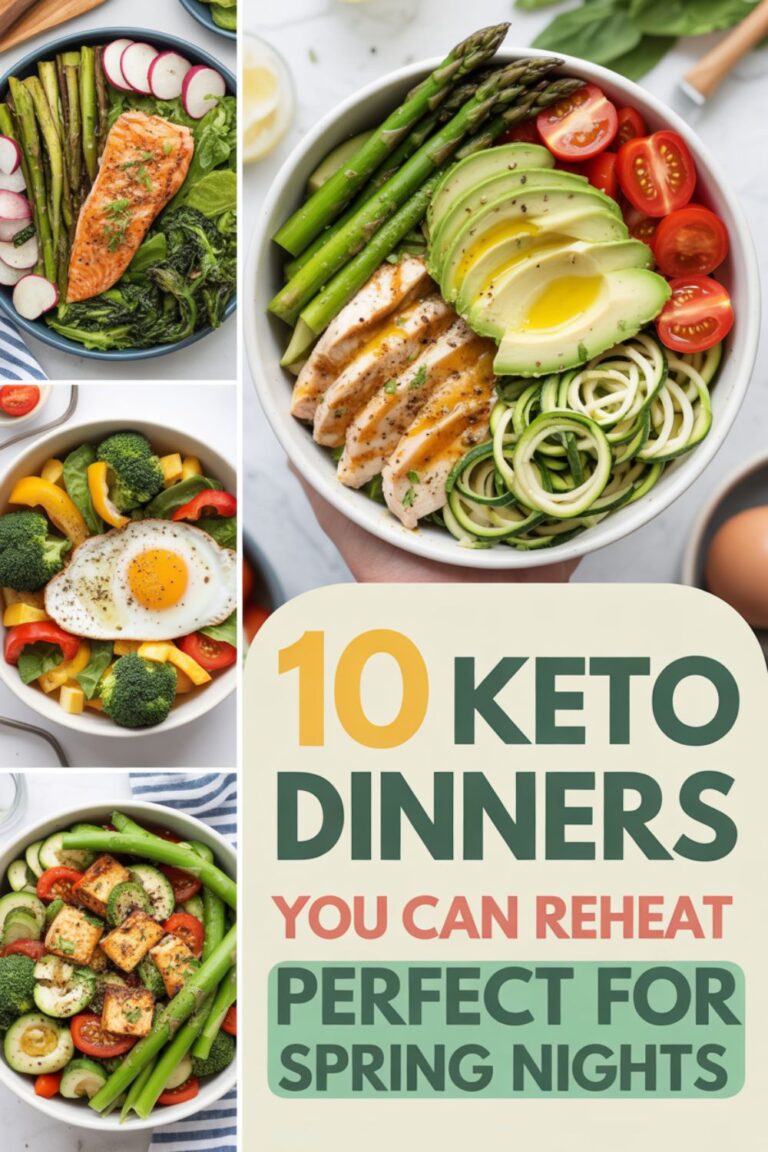
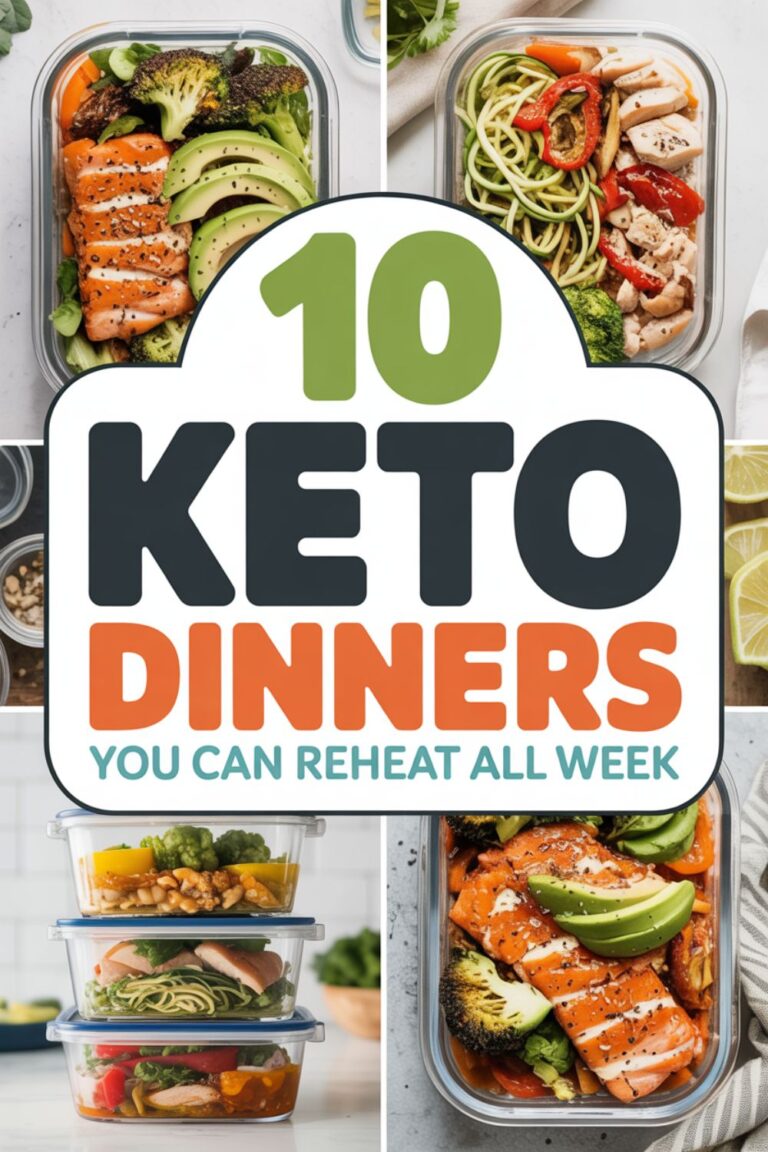
Looking for more grain-forward options? Check out these 25 meal prep bowls under 400 calories that prove you can eat carbs and still hit your goals.
Protein Without the Panic
The number one question I get: “But where do you get your protein?” From the same place elephants and gorillas do, apparently. Plants.
Real talk though—chickpeas, black beans, lentils, tofu, tempeh, edamame. These are all protein powerhouses. One cup of lentils has 18 grams of protein. That’s more than two eggs. And unlike animal protein, plant protein comes with fiber, which is kind of important for, you know, digestion.
My Go-To Protein Sources
Chickpeas: Roast them with paprika and they’re basically crunchy little flavor bombs. I toss them with olive oil, season them up, and throw them in the oven at 400°F for 30 minutes. Use this silicone baking mat and nothing sticks. Ever.
Black beans: Straight from the can (rinse them first unless you enjoy bloating), warmed up with cumin and lime. Done.
Tofu: Press it, cube it, toss it in cornstarch, then pan-fry until crispy. Or use this tofu press that does the work for you while you prep everything else.
Tempeh: Marinate it in soy sauce and maple syrup for 30 minutes, then pan-fry. Tastes way better than it sounds.
If you’re serious about hitting protein goals, these 21 high-protein meal prep bowls for the week are basically a blueprint.
“I was skeptical about plant-based protein keeping me full, but after trying these bowls for a month, I actually have more energy during my workouts. No more afternoon crashes either.” — Jessica, who tried our meal prep bowls for 30 days
Vegetables That Don’t Suck
I used to think I hated vegetables. Turns out I just hated how my mom boiled them into submission every night. Roasting changes everything.
Brussels sprouts, sweet potatoes, cauliflower, broccoli—toss them with olive oil, salt, and pepper, roast at 425°F until they’re caramelized. That’s it. That’s the whole technique. You can use this avocado oil spray to coat them evenly without drowning them in oil.
Seasonal Vegetable Guide
Winter: Root vegetables (sweet potatoes, carrots, parsnips), Brussels sprouts, kale. They all roast beautifully and have this natural sweetness when you caramelize them.
Spring: Asparagus, snap peas, radishes. These cook fast and add a fresh, crispy element to bowls.
Summer: Zucchini, bell peppers, tomatoes, corn. Grill them if you can. The char flavor is unmatched.
Fall: Squash, mushrooms, cauliflower. These have that hearty, comfort-food vibe that makes plant-based eating feel substantial.
For visual inspiration that’ll make you actually want to eat your vegetables, check out these 17 rainbow meal prep bowls that look too pretty to eat.
Quick Win: Prep your veggies on Sunday night. Chop everything, store in containers, thank yourself all week when dinner takes 10 minutes instead of 45.
The Sauce Situation
This is where people either nail it or end up eating dry, sad bowls. Don’t be the dry bowl person.
Tahini is my baseline. Mix it with lemon juice, garlic, water, salt. Boom, you’ve got a sauce that makes anything taste good. Other favorites: peanut sauce (peanut butter, soy sauce, rice vinegar, sriracha), chimichurri (parsley, garlic, olive oil, red wine vinegar), and basic balsamic dressing.
I keep all my sauce ingredients in these squeeze bottles because it makes drizzling way easier and Instagram-worthy, if that’s your thing.
Five-Minute Sauce Recipes
Classic tahini: 1/4 cup tahini, juice of 1 lemon, 1 clove minced garlic, water until it’s drizzle-able, salt to taste.
Peanut lime: 3 tablespoons peanut butter, 2 tablespoons lime juice, 1 tablespoon soy sauce, 1 teaspoon maple syrup, water to thin, crushed red pepper if you’re feeling spicy.
Avocado cilantro: 1 avocado, handful of cilantro, juice of 1 lime, 1/4 cup water, salt. Blend it all together.
These sauces work across dozens of bowl combinations. Speaking of which, if you want variety without thinking too hard, these 15 minimalist meal prep ideas Pinterest is obsessed with include sauce pairings for each bowl.
Bowl Assembly: The Order Matters
Here’s what I learned the hard way: build your bowl in layers, not piles. Base goes down first (grain or greens), then proteins, then vegetables arranged around the edges, sauce drizzled on top. It looks better, tastes better, and you get a little bit of everything in each bite.
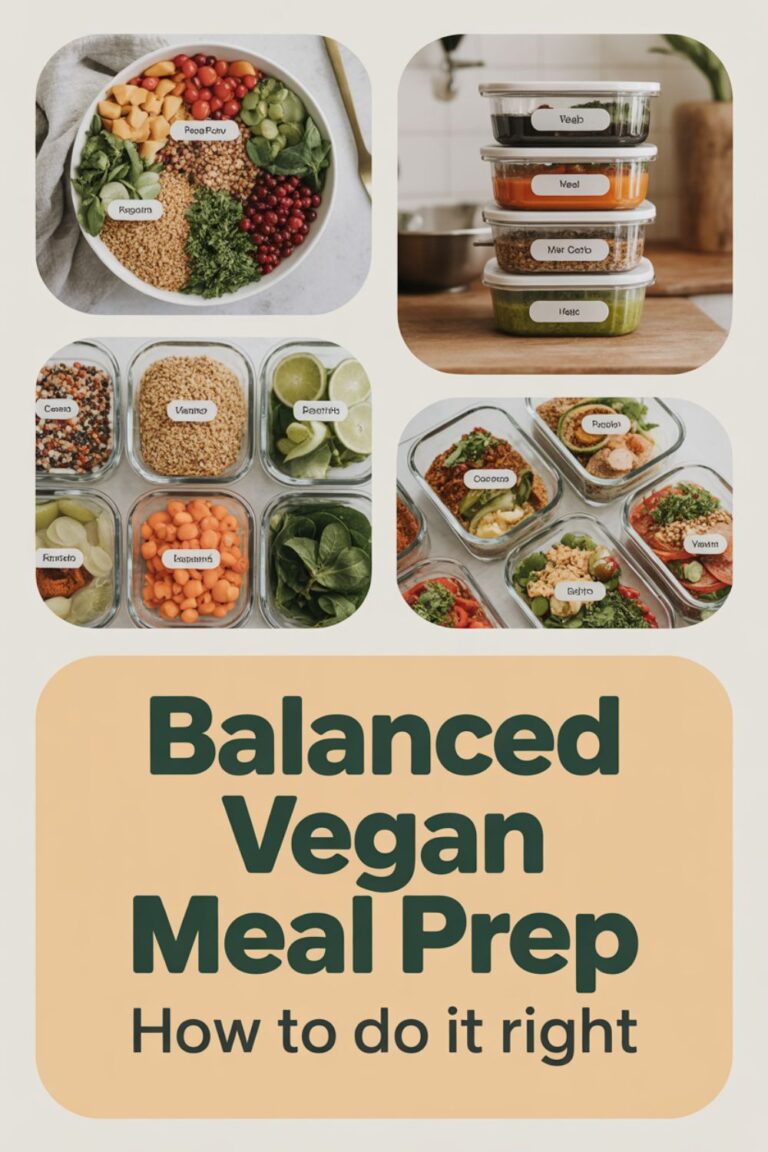
For meal prep, keep components separate until you’re ready to eat. Nothing worse than soggy greens on day three. These divided containers are clutch for keeping everything fresh.
The Formula
- Base: 1 cup cooked grains or 2 cups greens
- Protein: 3/4 cup beans/lentils or 4-6 oz tofu/tempeh
- Vegetables: 1-2 cups, mix of raw and cooked
- Healthy fats: 1/4 avocado, nuts, seeds, or olives
- Sauce: 2-3 tablespoons, because flavor
This ratio keeps you full for hours without that food coma feeling. If you’re tracking macros, most bowls built this way hit around 25-30g protein, which is solid for one meal.
Kitchen Tools That Actually Make This Easier
Physical Products:
- Sheet pan set (three different sizes) — for roasting multiple components at once without crowding
- High-speed blender — worth it just for the sauces alone, but also smoothies and soups
- Meal prep containers with compartments — keeps everything separate until you’re ready to eat, microwave-safe, dishwasher-safe, life-changing
Digital Resources:
- 7-day Mediterranean meal prep plan (free printable) — takes the guesswork out entirely
- How to build the perfect Mediterranean grocery list — shop once, eat all week
- High-protein meal prep challenge (free printable) — if you’re focused on protein goals
25 Bowl Ideas (Because Variety Matters)
Rather than give you 25 full recipes that you’ll save and never make, here are 25 combinations that work. Mix and match based on what’s in your fridge.
Mediterranean-Inspired Bowls
- Classic Mediterranean: Quinoa, chickpeas, cucumber, tomatoes, red onion, Kalamata olives, tahini. Get Full Recipe
- Hummus Bowl: Brown rice, roasted red peppers, zucchini, a big scoop of hummus, pine nuts.
- Falafel-Style: Couscous, homemade or store-bought falafel, mixed greens, pickled turnips, tahini sauce.
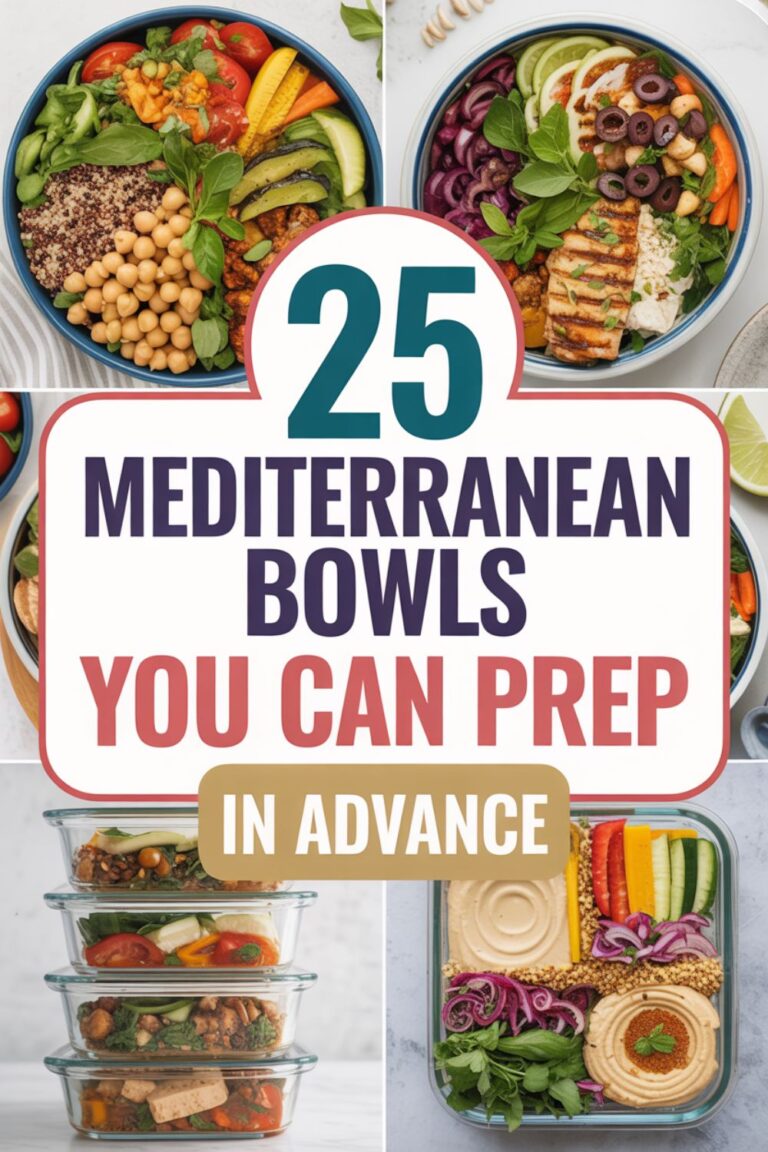
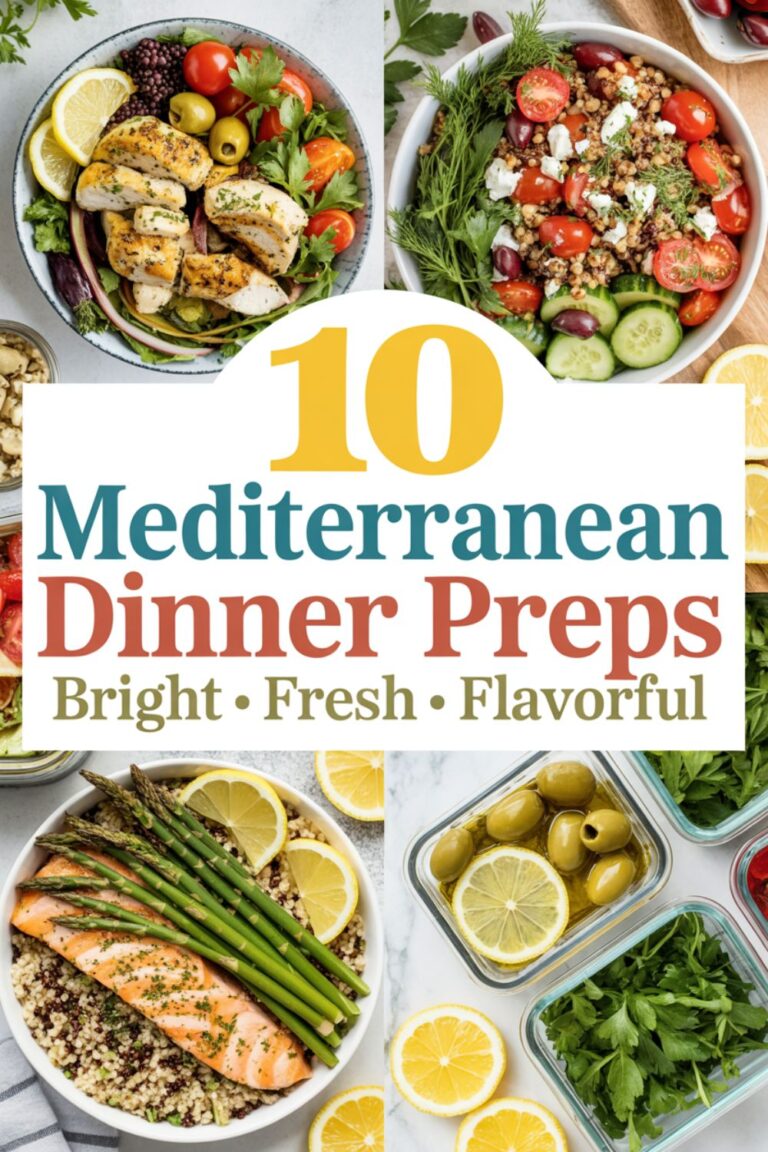
For more Mediterranean inspiration, these 25 Mediterranean bowls you can prep in advance cover everything from breakfast to dinner.
Asian-Inspired Bowls
- Teriyaki Tempeh Bowl: Brown rice, marinated tempeh, steamed broccoli, shredded carrots, sesame seeds. Get Full Recipe
- Thai Peanut Bowl: Rice noodles, edamame, bell peppers, cabbage, peanut sauce, crushed peanuts.
- Korean-Inspired Bowl: White rice, crispy tofu, kimchi, sautéed spinach, gochujang sauce, sesame oil drizzle.
Mexican-Inspired Bowls
- Burrito Bowl: Cilantro lime rice, black beans, corn, salsa, guacamole, pickled jalapeños. Get Full Recipe
- Taco Salad Bowl: Romaine, seasoned lentils, tortilla strips, pico de gallo, cashew sour cream.
- Sweet Potato Black Bean Bowl: Quinoa, roasted sweet potato, black beans, avocado, lime crema.
Comfort Food Bowls
- Buddha Bowl: Brown rice, roasted chickpeas, kale, sweet potato, avocado, tahini dressing.
- Harvest Bowl: Farro, roasted Brussels sprouts, butternut squash, cranberries, maple tahini.
- Power Bowl: Quinoa, lentils, roasted broccoli, cherry tomatoes, pumpkin seeds, lemon dressing.
Grain-Free Options
- Cauliflower Rice Bowl: Riced cauliflower, black beans, sautéed peppers, avocado, salsa verde.
- Zucchini Noodle Bowl: Spiralized zucchini, cherry tomatoes, white beans, basil pesto.
- Lettuce Base Bowl: Mixed greens, chickpeas, cucumber, carrots, sunflower seeds, balsamic.
If you’re watching calories but still want to feel satisfied, check out these 15 meal prep bowls for fat loss with no boring ingredients.
Breakfast Bowls
- Savory Oatmeal Bowl: Steel-cut oats, sautéed mushrooms, spinach, cherry tomatoes, nutritional yeast.
- Tofu Scramble Bowl: Crumbled tofu, black beans, avocado, salsa, whole grain toast on the side.
- Quinoa Breakfast Bowl: Quinoa, almond butter, sliced banana, berries, cinnamon, maple syrup.
More morning inspiration: 21 high-protein breakfast preps for a power start.
Quick Assembly Bowls
- Lazy Mediterranean: Store-bought hummus, canned chickpeas, pre-chopped veggies, pita chips.
- Instant Rice Bowl: Microwaveable rice, frozen edamame, pre-shredded cabbage, bottled teriyaki.
- Salad Bar Special: Whatever greens you have, canned beans, whatever vegetables didn’t go bad, any dressing.
These are perfect for those 15 lazy girl meal prep bowls that still look cute vibes.
Restaurant-Inspired Bowls
- Chipotle Copycat: Brown rice, pinto beans, fajita veggies, guacamole, corn salsa. Get Full Recipe
- Sweetgreen Knock-Off: Kale, quinoa, chickpeas, raw vegetables, your favorite dressing.
- CAVA-Style Bowl: Greens, brown rice, roasted vegetables, hummus, harissa, tahini.
- Protein-Packed Bowl: Lentils, chickpeas, quinoa, hemp seeds, nutritional yeast, lemon tahini.
Pro Tip: Make double portions of your favorite combinations and freeze half. Most bowls reheat perfectly, and future-you will be grateful when you’re too tired to cook. Just use these freezer-safe containers and label them with dates.
The Nutrition Breakdown (Without Being Preachy)
Plant-based bowls naturally hit most nutritional targets without obsessive tracking. You’re getting fiber from the grains and beans, protein from the legumes and seeds, healthy fats from avocado and nuts, and vitamins from all the vegetables.
Studies from the American College of Lifestyle Medicine show that plant-based diets can improve overall diet quality and provide adequate nutrition for all life stages. Translation: you’re not missing out on anything essential.
What About B12?
Fair question. B12 is the one vitamin you can’t reliably get from plants. I take a B12 supplement (just a tiny pill) a few times a week. Problem solved. You can also get it from fortified plant milks and nutritional yeast if you use those regularly.
Iron Absorption Hack
Plant-based iron is non-heme iron, which absorbs differently than the iron in meat. The trick? Pair iron-rich foods (beans, lentils, spinach) with vitamin C (tomatoes, bell peppers, citrus). This combination increases absorption significantly.
That’s why so many of these bowls naturally include both—not because someone designed them that way, but because foods that taste good together often have complementary nutrients.
“I was worried about getting enough nutrients on a plant-based diet, but after three months of eating these bowls regularly, my iron levels actually improved according to my blood work.” — Marcus, who shared his results with our community
Meal Prep Strategy That Won’t Take Over Your Life
Sunday meal prep doesn’t have to mean four hours in the kitchen. Here’s what actually works: pick two or three base grains, roast 2-3 types of vegetables, cook 2-3 protein options. Mix and match throughout the week.
Two-Hour Meal Prep Breakdown
Hour one:
- Start cooking grains (quinoa, brown rice)
- While grains cook, chop all vegetables
- Press tofu if using
- Make one or two sauces
Hour two:
- Roast vegetables
- Cook proteins (pan-fry tofu, warm beans)
- Portion everything into containers
- Label containers with contents and date
Use this kitchen timer to keep track of multiple things cooking at once without burning anything. I set multiple timers on mine for different components.
For people who want even more structure, these 14 aesthetic meal prep ideas that look insanely good include timing guides and shopping lists.
When Eating Out (Because You’re Not a Robot)
Most restaurants have at least one bowl option now. If not, you can usually build your own: ask for a grain base, whatever beans or vegetables they have, skip the cheese, add extra vegetables, get dressing on the side.
Fast casual places like Chipotle, Sweetgreen, CAVA—they’re basically built for this. Even less plant-based-friendly restaurants usually have grilled vegetables and a grain side you can combine.
The point isn’t perfection. It’s having enough options that healthy eating doesn’t feel like a chore or a restriction.
Cost Breakdown (Because This Stuff Matters)
Plant-based bowls are cheaper than people think. Beans, lentils, rice, quinoa—all budget-friendly. Even fancy items like tahini and nutritional yeast last forever.
Average cost per bowl when you meal prep: $3-5. Same bowl at a restaurant: $12-15. The math is pretty clear.
Shopping tips: buy dry beans and grains in bulk, get produce that’s in season, buy frozen vegetables when fresh is expensive. I stock up when this bulk bin organizer set goes on sale and store everything in these airtight containers.
For a complete budget strategy, check out how to build a week of high-protein meals on a budget.
Common Mistakes (That I Definitely Made)
Not seasoning enough: Plants need salt, acid, and fat to taste good. Don’t skip these elements because you think “healthy” means bland.
Overcooking vegetables: Roasted vegetables should have some texture. Mushy broccoli helps nobody.
Forgetting texture variety: You want something crunchy (nuts, seeds, crispy chickpeas), something creamy (avocado, hummus), something chewy (grains, beans). All soft or all crunchy gets boring fast.
Making everything at once: Prep components, yes. Assemble all five bowls on Sunday? They’ll be sad by Wednesday. Keep components separate.
Skipping the sauce: Already covered this, but seriously. Sauce makes or breaks the bowl.
Frequently Asked Questions
Can I really get enough protein from plant-based bowls?
Yes, and probably more easily than you think. Lentils, chickpeas, black beans, quinoa, tofu, and tempeh all pack serious protein. A bowl with 3/4 cup of lentils and some quinoa easily hits 20-25 grams of protein. That’s more than a chicken breast. Plus, research shows plant-based proteins provide adequate nutrition without the saturated fat that comes with animal proteins.
How long do prepped bowls last in the fridge?
Components stored separately last 4-5 days easily. Fully assembled bowls are best eaten within 3 days before greens get soggy and textures get weird. Grains and beans last longer than fresh vegetables, so prep those in bigger batches. Sauces keep for about a week in sealed containers.
Do I need to buy organic everything?
No, and anyone who tells you otherwise is probably selling something. Buy organic for the “dirty dozen” if it fits your budget (strawberries, spinach, kale—things where you eat the skin). For everything else, conventional produce is fine. Eating vegetables at all is more important than whether they’re organic.
What if I don’t like tofu?
Then don’t eat tofu. There are dozens of other plant-based protein options. Beans, lentils, tempeh (which tastes nothing like tofu), edamame, chickpeas, nuts, seeds. The variety is actually one of the best parts of plant-based eating. You’re not limited to one protein source like you might be with animal-based meals.
Can I freeze these bowls?
Some components freeze better than others. Cooked grains, beans, and most roasted vegetables freeze great. Fresh greens, avocado, and cucumber don’t. If you’re freezing, keep those fresh components separate and add them when you’re ready to eat. Most sauces also freeze well in small portions.
Final Thoughts
Plant-based bowls aren’t about restriction or following some trendy diet. They’re about having a reliable way to eat food that makes you feel good without spending an hour cooking every night.
Start with one or two combinations you actually want to eat. Don’t force yourself to meal prep kale if you hate kale. Build from what you already like, add some new textures and flavors, and see what works.
The goal isn’t perfection. It’s finding a way to eat well that doesn’t feel like punishment. If that means starting with a burrito bowl that happens to be plant-based, great. If that means slowly adding more vegetable-forward meals to your rotation, also great.
Two years in, I still eat these bowls multiple times a week. Not because I have to, but because they genuinely taste good and I feel better when I eat them. That’s really all the convincing I needed.