25 Spring Mediterranean Bowls Bursting with Flavor
Look, I’m not here to tell you that meal prep has to be some boring chicken-and-broccoli situation that makes you question your life choices by Wednesday. Spring is literally screaming at us to eat colorful, fresh food that doesn’t taste like cardboard, and Mediterranean bowls are where it’s at.
These aren’t your average grain bowls. We’re talking sun-dried tomatoes, chickpeas that actually taste good, feta that makes everything better, and enough olive oil to make your Greek grandmother proud. I’ve spent the better part of this season testing bowl combinations that don’t fall apart in your lunch bag or taste like regret by day three.
The best part? You can prep most of these in under an hour on Sunday, and they’ll keep you fed without that “I’m so sick of this” feeling that usually hits around Tuesday afternoon. Plus, research from Harvard shows the Mediterranean diet reduces cardiovascular disease risk by up to 25% while supporting healthy weight management—so you’re basically taking care of future you while eating really good food right now.

Why Mediterranean Bowls Are Having a Moment
Here’s the thing about Mediterranean food—it’s been around forever, but suddenly everyone’s realizing it’s the perfect meal prep formula. You’ve got your complex carbs from grains like farro or quinoa, healthy fats from olive oil and nuts, lean proteins, and enough vegetables to make your body actually function properly.
I used to think meal prep meant eating the exact same thing five days straight until I wanted to throw my Tupperware out the window. But Mediterranean bowls are different. You prep the components separately, mix and match throughout the week, and somehow it never gets old. One day you’re eating a lemon-herb chicken bowl, the next day you’ve transformed those same ingredients into a different flavor profile with tahini dressing.
According to UC Davis Health, this way of eating improves sleep quality and reduces inflammation, which honestly explains why I stopped feeling like a zombie by 2 PM after switching to these bowls.
The Foundation: Building Your Mediterranean Bowl Base
Every good bowl starts with a solid base, and Mediterranean cuisine gives you options. I’m talking farro, quinoa, bulgur, couscous, or even cauliflower rice if you’re going the low-carb route. The key is cooking these in bulk—way more efficient than starting from scratch every single day.
I’ve started using this Instant Pot for grains because I’m lazy and it’s basically foolproof. You dump everything in, press a button, and 15 minutes later you’ve got perfectly cooked grains without babysitting a pot. My old rice cooker collected more dust than a vintage bookshelf until I discovered you could cook quinoa and farro in there too.
Grain Options That Actually Taste Good
Let’s be real—plain grains are boring. But cook your quinoa in vegetable broth instead of water? Add a squeeze of lemon and some za’atar? Suddenly you’ve got something you’d actually want to eat. Farro has this nutty, chewy texture that holds up incredibly well in the fridge, and bulgur wheat cooks in literally 10 minutes if you’re short on time.
I keep these glass meal prep containers stocked with different grains so I can grab whatever I’m in the mood for. The divided ones are clutch for keeping wet and dry ingredients separated until you’re ready to eat. Trust me, nobody wants soggy feta by Wednesday.
Speaking of meal prep organization, if you’re new to this whole thing, check out these beginner-friendly meal prep ideas that don’t require fancy equipment or a culinary degree. Sometimes you just need to start simple.
Protein Power: Beyond Basic Chicken
I love chicken as much as the next person, but Mediterranean cuisine opens up a whole world beyond plain grilled breast meat. We’re talking marinated lamb, herb-crusted salmon, crispy chickpeas, and even hard-boiled eggs with za’atar. The variety alone keeps meal prep from feeling like punishment.
My go-to move is marinating proteins the night before. Greek yogurt-based marinades with lemon, garlic, and herbs make everything tender and flavorful. I throw chicken thighs (way more forgiving than breasts) in a ziplock bag with marinade, let it sit overnight, then roast everything on a sheet pan the next day. Zero fuss, maximum flavor.
The Chickpea Situation
Let’s talk about chickpeas because they deserve their own section. Canned chickpeas are fine, but roasted chickpeas are transcendent. Drain them, pat them dry with a kitchen towel, toss with olive oil and spices, then roast at 400°F until crispy. They’re crunchy, protein-packed, and weirdly addictive.
I use this mini convection oven for roasting chickpeas and veggies because it heats up faster than my regular oven and doesn’t make my kitchen feel like a sauna in spring. Plus you can see everything through the glass door, which prevents the inevitable “I forgot these were in here” burnt situation.
For more high-protein ideas that keep you full all day, these high-protein meal prep recipes are solid. And if you specifically want to meal prep with protein in mind, check out these high-protein meal prep bowls that actually deliver.
25 Mediterranean Bowl Combinations That Don’t Suck
Alright, here’s where it gets fun. I’m giving you 25 different bowl combinations, but remember—these are starting points. Swap ingredients based on what you have, what’s on sale, or what you’re craving. That’s the beauty of bowl life.
The Classic Greek Goddess
Quinoa base, grilled chicken marinated in lemon and oregano, cucumber-tomato salad, Kalamata olives, feta cheese, and a drizzle of tzatziki. This is the bowl I make when I need to convince someone that healthy food can taste incredible. Get Full Recipe
Falafel Frenzy
Bulgur wheat, crispy baked falafel (store-bought is totally fine, no judgment), roasted red peppers, pickled turnips, fresh parsley, and tahini sauce. The crunch-to-creamy ratio here is chef’s kiss. Get Full Recipe
Lemon Herb Salmon Bowl
Farro, pan-seared salmon with dill, roasted asparagus, cherry tomatoes, avocado, and a lemon-caper dressing. This tastes fancy but takes like 20 minutes to throw together. Get Full Recipe
Mezze Platter Bowl
Couscous, hummus, baba ganoush, marinated artichoke hearts, roasted red peppers, and warm pita pieces. Basically all your favorite dips in bowl form. Get Full Recipe
Shawarma-Spiced Chicken
Cauliflower rice (or regular rice), shawarma-spiced chicken thighs, pickled red onions, cucumber ribbons, tomatoes, and garlic sauce. The spice blend makes everything taste like you ordered takeout. Get Full Recipe
Crispy Chickpea & Kale
Quinoa, roasted chickpeas with cumin and paprika, massaged kale salad, roasted sweet potato, tahini dressing. The kind of bowl that makes you feel virtuous without tasting like punishment. Get Full Recipe
Mediterranean Tuna Niçoise
Mixed greens base, oil-packed tuna, hard-boiled eggs, olives, green beans, cherry tomatoes, and a Dijon vinaigrette. Cold, refreshing, and perfect for warm spring days. Get Full Recipe
Za’atar Roasted Vegetable Bowl
Bulgur, za’atar-roasted cauliflower and chickpeas, cucumber, tomatoes, crumbled feta, fresh mint, lemon-tahini dressing. Za’atar is that magical spice blend that makes vegetables taste like they have a personality. Get Full Recipe
Lamb Meatball Extravaganza
Herbed couscous, spiced lamb meatballs, roasted eggplant, cherry tomatoes, cucumber yogurt sauce, fresh dill. This one’s a showstopper if you’re trying to impress someone. Get Full Recipe
Greek Egg & Veggie Bowl
Quinoa, soft-boiled eggs with za’atar, sautéed spinach, cherry tomatoes, feta, Kalamata olives, olive oil drizzle. Breakfast, lunch, or dinner—this bowl doesn’t discriminate. Get Full Recipe
Looking for more Mediterranean meal prep inspiration? These quick Mediterranean meal prep ideas are perfect for busy weeks, and if you need lunch-specific options, try these Mediterranean lunch boxes for work.
Spanakopita-Inspired Bowl
Farro, sautéed spinach with garlic, crumbled feta, sun-dried tomatoes, pine nuts, lemon zest. All the flavors of spanakopita without the phyllo dough drama.
Moroccan Chickpea Stew Bowl
Couscous, chickpea and tomato stew with warming spices, roasted carrots, fresh cilantro, harissa yogurt. This one’s especially good if you meal prep on Sunday and eat it on a rainy Wednesday.
Grilled Halloumi Heaven
Mixed grains, grilled halloumi cheese, roasted zucchini, cherry tomatoes, cucumber, fresh basil, balsamic glaze. Halloumi is the squeaky cheese that doesn’t melt and honestly, it’s a game changer.
Turkey & Sun-Dried Tomato Bowl
Quinoa, herbed turkey breast, sun-dried tomatoes, artichoke hearts, arugula, shaved Parmesan, lemon-oregano dressing. Lighter than red meat but still satisfying.
Beet & Goat Cheese Situation
Farro, roasted beets (I buy them pre-cooked because life’s short), goat cheese, walnuts, arugula, balsamic vinaigrette. The colors alone make this bowl Instagram-worthy.
Lentil & Veggie Powerhouse
Brown rice, green lentils, roasted Brussels sprouts, cherry tomatoes, tahini-lemon dressing, toasted pumpkin seeds. Vegetarian protein that actually keeps you full.
Greek Shrimp Bowl
Orzo pasta, garlic shrimp, cherry tomatoes, cucumber, feta, fresh dill, lemon butter sauce. This feels fancy enough for dinner guests but easy enough for a Tuesday.
Eggplant & Chickpea Bowl
Bulgur wheat, roasted eggplant, chickpeas, cherry tomatoes, tahini, fresh parsley, pomegranate seeds. The pomegranate seeds add little bursts of sweetness that balance everything out.
Herb-Roasted Chicken & Grain Bowl
Mixed grains, herb-roasted chicken thigh, roasted peppers, zucchini, feta, fresh basil, olive oil. Simple, classic, never gets old.
Mediterranean Breakfast Bowl
Quinoa, scrambled eggs with feta and spinach, roasted tomatoes, olives, whole wheat pita. Who says bowls are just for lunch? Get Full Recipe
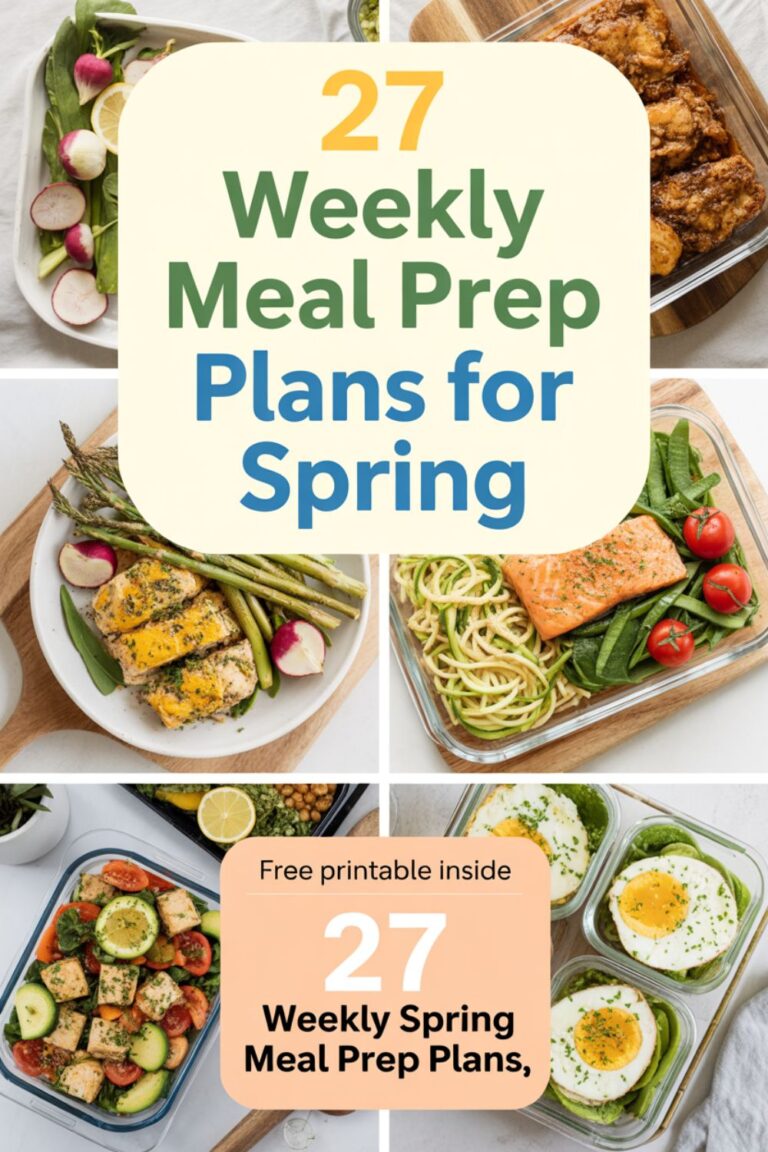
If you’re into meal prepping breakfast specifically, check out these Mediterranean breakfast meal prep recipes that’ll actually make you want to wake up. And for a complete week’s worth of Mediterranean eating, this 7-day Mediterranean meal prep plan comes with a free printable.
Cauliflower Rice Tabbouleh Bowl
Cauliflower rice, tabbouleh salad, grilled chicken, cucumber, tomatoes, tahini dressing. Low-carb but doesn’t taste like you’re depriving yourself of anything.
White Bean & Tuna Bowl
Farro, white beans, oil-packed tuna, cherry tomatoes, arugula, red onion, lemon-herb dressing. Protein-packed and surprisingly filling.
Roasted Vegetable Medley Bowl
Quinoa, roasted bell peppers, zucchini, eggplant, red onion, feta, fresh oregano, balsamic drizzle. This is what happens when you roast all the vegetables in your fridge on one sheet pan.
Greek Chicken Gyro Bowl
Rice, chicken seasoned with Greek spices, lettuce, tomatoes, red onion, tzatziki, warm pita. Deconstructed gyro vibes without the soggy pita problem.
Mediterranean Steak Bowl
Couscous, sliced steak with Mediterranean spices, roasted vegetables, crumbled feta, chimichurri sauce. For when you need something heartier that still fits the Mediterranean vibe.
Kitchen Tools That Make Mediterranean Meal Prep Actually Easy
Look, you don’t need a million gadgets, but these few items genuinely make the difference between smooth meal prep and wanting to order takeout instead.
Glass Meal Prep Containers Set
The divided ones keep your feta from getting soggy. Game changer for bowl life. I have like eight of these and use them constantly.
Sheet Pan Set
Heavy-duty ones that don’t warp. Perfect for roasting chickpeas, vegetables, and proteins all at once. Less cleanup, more eating.
Instant Pot
Grains in 15 minutes without babysitting? Sold. Also great for meal prepping proteins in bulk without drying them out.
Mediterranean Meal Prep Guide (Digital)
A comprehensive PDF with shopping lists, spice blends, and assembly instructions. Takes the guesswork out of your first few weeks.
Bowl Template Printables
Visual templates showing portion sizes and combinations. Stick it on your fridge and never wonder “what goes with what” again.
Mediterranean Spice Collection
Pre-measured spice packets for different bowl styles. Saves time on measuring and makes everything taste more authentic.
The Secret Sauce: Dressings That Make Everything Better
Here’s what nobody tells you about meal prep bowls—the dressing is literally half the experience. You can have the most beautiful bowl in the world, but if your dressing game is weak, you’re eating sad desk salad.
Mediterranean dressings are where it’s at because they’re mostly olive oil-based, which means they don’t separate into gross puddles like some ranch situation. Lemon-tahini, garlic-herb yogurt, red wine vinaigrette—these dressings actually make you want to eat your vegetables.
My Go-To Dressing Formula
I keep a few small glass jars in my fridge specifically for dressings. Every Sunday, I whip up 2-3 different ones that’ll last the week. The base is usually olive oil, lemon juice or vinegar, garlic, and whatever herbs or spices match the vibe. Shake it up in the jar, and you’re done.
The key is storing dressings separately and adding them right before eating. Nobody wants soggy bowl syndrome. I learned this the hard way after meal prepping on Sunday and ending up with what looked like wet cat food by Friday. Not cute.
For more ideas on keeping things fresh and interesting throughout the week, these Mediterranean bowls you can prep in advance have built-in strategies for maintaining texture and flavor. And if you want a complete system, this Mediterranean grocery list builder ensures you always have the right ingredients on hand.
Making It Work: Real-Life Mediterranean Meal Prep
Let’s get practical for a second. I’ve been doing this Mediterranean bowl thing for months now, and I’ve learned what actually works versus what sounds good on Pinterest but fails in real life.
First, don’t try to prep seven different bowls on Sunday unless you enjoy spending your entire weekend in the kitchen. Pick 2-3 base combinations and rotate throughout the week. Mix and match components to keep things interesting without making yourself crazy.
The Sunday Prep Session That Doesn’t Suck
Here’s my routine: Start by cooking grains (usually quinoa and farro) in my Instant Pot while I roast vegetables and proteins in the oven. Everything cooks simultaneously, and I’m done in about an hour.
While things are cooking, I chop vegetables for the week and store them in these produce saver containers that somehow keep lettuce crispy for days. I make 2-3 dressings and store them in small jars. By the time everything’s cooled down, I’m assembling containers and done by noon.
The trick is efficiency. One sheet pan can hold chickpeas, cherry tomatoes, and bell peppers all roasting together. Your Instant Pot can cook grains while you’re working on other stuff. Multi-task like your kitchen is a well-oiled machine, because it should be.
If this still sounds overwhelming, start with these lazy girl meal prep bowls that prioritize efficiency without sacrificing quality. Sometimes you need the streamlined version, and that’s completely fine.
Storage Strategies That Actually Preserve Flavor
Let’s talk about what goes in the fridge and what doesn’t. Grains, roasted vegetables, and cooked proteins can be stored together no problem. Raw vegetables and anything wet (like feta or olives) should be kept separate until you’re ready to eat.
I use divided glass containers with separate compartments for wet and dry ingredients. The ones with the little sauce cups in the lid are clutch for storing dressings. No more carrying three separate containers to work like you’re moving apartments.
Fresh herbs are the death of meal prep if you don’t store them right. I wrap them in slightly damp paper towels and keep them in these herb keeper containers. They stay fresh for a solid week instead of turning into a brown, musty situation by Wednesday.
Research published in the Journal of Gerontology highlights how the Mediterranean diet’s combination of nutrients—not just individual ingredients—provides metabolic health benefits. That’s why properly storing and combining these ingredients matters for both flavor and nutrition.
Troubleshooting Common Mediterranean Bowl Problems
I’ve made every mistake in the book, so let me save you some trouble. Here are the most common issues and how to fix them.
Problem: Everything Gets Soggy
Solution: Store wet and dry ingredients separately. Dressings go in their own containers. If you’re using tomatoes or cucumbers, salt them slightly and let them drain on paper towels before storing. This pulls out excess moisture that would otherwise make everything gross.
Problem: Grains Dry Out
Solution: Add a tiny bit of olive oil to your grains before storing. This keeps them from clumping and getting hard. When reheating, add a splash of water or broth to bring them back to life.
Problem: Everything Tastes Bland by Day Three
Solution: Your dressing game needs work. Also, add a squeeze of fresh lemon juice right before eating. Acid brightens everything up and makes day-old bowls taste fresh again. Keep a lemon in your work fridge if you’re prepping for the office.
Problem: You’re Sick of the Same Flavors
Solution: Rotate your spice blends. One week do lemon-herb everything, next week go heavy on the cumin and paprika for more Moroccan vibes. Small changes in seasoning make a huge difference in preventing meal prep fatigue.
For more strategies on keeping meal prep interesting all week long, check out these mix-and-match bowls that let you rotate combinations without getting bored. Also, these rotating bowls you’ll never get tired of have built-in variety strategies.
Mediterranean Bowl Meal Prep for Different Goals
Not everyone’s meal prepping for the same reasons, so let’s break this down by what you’re actually trying to accomplish.
For Weight Loss
Focus on portion control and higher vegetable ratios. Use cauliflower rice as your base more often, load up on lean proteins like chicken breast or shrimp, and watch your olive oil portions (it’s healthy fat, but still calorie-dense). Bulk up your bowls with cucumbers, tomatoes, and leafy greens.
Research from the National Heart, Lung, and Blood Institute found that Mediterranean eating patterns help with weight management through improved metabolic markers and reduced inflammation—not just calorie restriction.
These meal prep bowls under 400 calories show you how to build satisfying bowls that support weight loss without feeling restrictive. And for more targeted approaches, try these weight loss meal prep bowls that don’t feel like diet food.
For Muscle Building
Up your protein game significantly. Double the chicken, add more chickpeas, include hard-boiled eggs, maybe even some grilled halloumi for extra protein. Keep your grain portions generous to fuel workouts, and don’t shy away from healthy fats—your body needs them for hormone production.
If you’re training hard, check out these gym-friendly meal prep bowls and these muscle-building bowls specifically designed for strength training.
For General Health & Energy
Aim for balanced bowls with roughly equal proportions of grains, protein, and vegetables. Include a variety of colors throughout the week—different colored vegetables contain different antioxidants and nutrients. Add fermented foods like pickled vegetables occasionally for gut health benefits.
The anti-inflammatory properties of the Mediterranean diet, as documented by Mayo Clinic, come from the combination of olive oil, omega-3 fatty acids from fish, and antioxidant-rich vegetables—all standard components in these bowls.
Budget-Friendly Mediterranean Bowl Hacks
Let’s address the elephant in the room: Mediterranean ingredients can get pricey if you’re not strategic. But you absolutely can do this on a budget without resorting to sad, cheap food.
Buy dried chickpeas instead of canned (like 1/4 the price), use frozen vegetables for roasting (they’re flash-frozen at peak freshness anyway), and make your own hummus instead of buying it. A can of chickpeas becomes hummus for way less than those tiny overpriced tubs at the store.
Feta goes a long way, so don’t go crazy. A little crumbled on top gives you all the flavor without destroying your grocery budget. Same with pine nuts—they’re expensive, so substitute with sunflower seeds or slivered almonds. Nobody will notice, and you’ll save like $10.
For complete budget-conscious strategies, these cheap meal prep recipes show you how to eat well without spending a fortune. And these affordable meal prep recipes under $5 a serving prove healthy eating doesn’t require a huge budget.
Mediterranean Bowls for Picky Eaters (Yes, Really)
I get it—not everyone’s thrilled about olives or feta or any of the “weird” Mediterranean stuff. But the beauty of bowl life is customization. You can make Mediterranean-inspired bowls that don’t include every traditional ingredient.
Start with familiar proteins like chicken or ground turkey. Use regular rice instead of farro if that’s what someone will actually eat. Add Mediterranean flavors gradually through seasonings rather than going all-in on foods that might be challenging.
The lemon-herb-garlic combo works on basically everything and doesn’t taste “weird” to most people. Roasted vegetables with olive oil and salt are pretty universally accepted. Build from there and add more adventurous ingredients as people get comfortable.
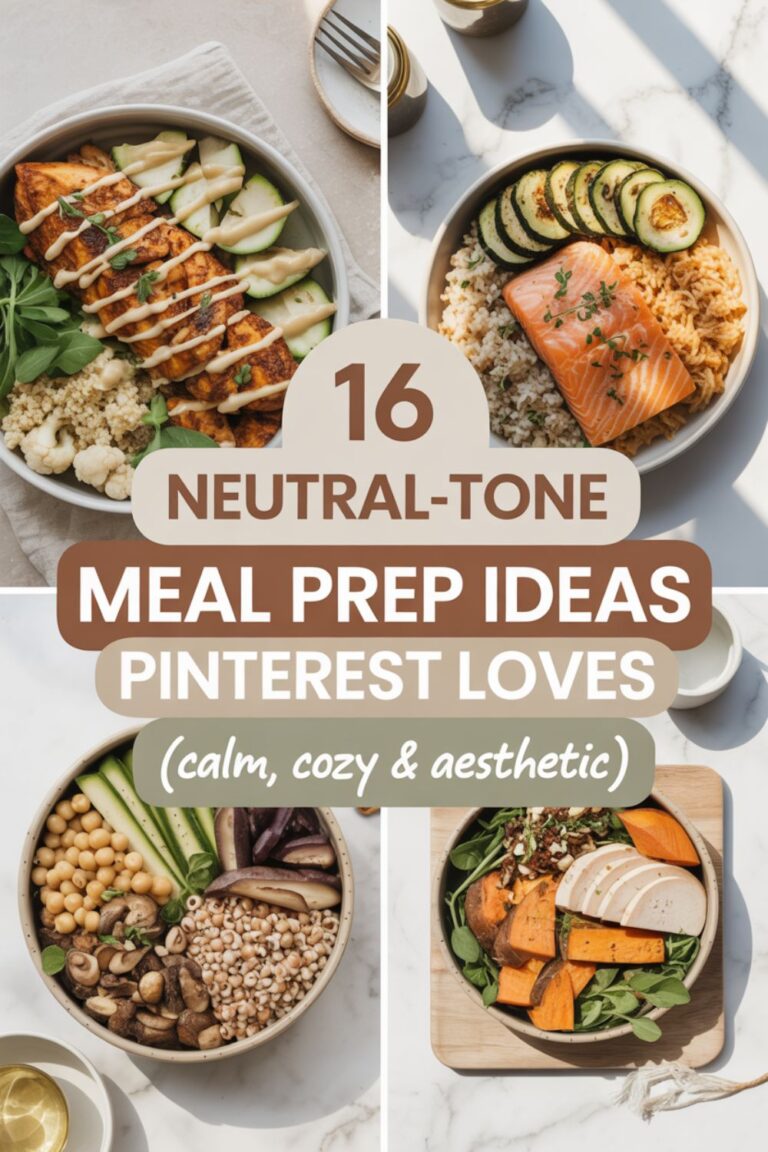
These beige-girl-approved meal prep bowls show how to make nutritious bowls using more familiar, comfort-food-adjacent ingredients. Sometimes you need the gateway version before going full Mediterranean.
Frequently Asked Questions
How long do Mediterranean meal prep bowls last in the fridge?
Most components last 4-5 days when stored properly. Cooked grains, roasted vegetables, and proteins stay fresh for the work week if you prep on Sunday. The key is storing wet ingredients separately from dry ones. Fresh herbs and delicate greens should be added right before eating. If you’re including seafood like shrimp, consume those bowls within 2-3 days for best quality and safety.
Can I freeze Mediterranean bowls for longer storage?
You can freeze most components, but not assembled bowls. Cooked grains, proteins, and roasted vegetables freeze well for up to 3 months. However, avoid freezing feta, fresh vegetables like cucumbers and tomatoes, and most dressings—they’ll get weird and watery when thawed. Best strategy is freezing base components and adding fresh ingredients when you’re ready to eat.
What’s the best way to reheat Mediterranean bowls at work?
Remove any fresh ingredients, feta, and dressing before microwaving. Heat just the grains, proteins, and roasted vegetables for 1-2 minutes, then add back the cold components. This prevents everything from getting mushy and maintains texture contrast. Alternatively, many Mediterranean bowls taste great cold or at room temperature—you might not need to reheat at all.
Are Mediterranean bowls actually good for weight loss?
Yes, when portioned appropriately. The Mediterranean diet emphasizes whole foods, lean proteins, healthy fats, and tons of vegetables—all things that support weight management. The key is watching portion sizes on higher-calorie ingredients like olive oil, nuts, and cheese. These bowls keep you full longer than processed foods, which naturally reduces snacking and overeating throughout the day.
Can I make Mediterranean bowls without specialized ingredients?
Absolutely. While traditional Mediterranean ingredients add authentic flavor, you can make simplified versions with grocery store staples. Use regular white rice instead of farro, skip the za’atar and use Italian seasoning, swap feta for shredded mozzarella, and use regular cucumber instead of Persian cucumbers. The concept of balanced bowls with lean protein, whole grains, and vegetables works regardless of how “authentic” your ingredients are.
Final Thoughts on Spring Mediterranean Bowls
Here’s the truth: meal prep doesn’t have to be complicated or boring. Mediterranean bowls give you a framework that’s flexible enough to work with whatever you have, whatever you’re craving, and whatever your schedule looks like.
I’ve been doing this long enough to know that the best meal prep system is the one you’ll actually stick with. If that means using store-bought hummus instead of making your own, or buying pre-cooked grains, or taking shortcuts wherever you need to—do it. The goal is eating better food more consistently, not winning some imaginary meal prep competition.
Spring is the perfect time to start because everything’s fresh and colorful right now. Tomatoes actually taste like tomatoes. Herbs are everywhere. The weather’s nice enough that turning on your oven doesn’t make your kitchen unbearable. Take advantage of the season and make food that makes you excited to eat lunch.
Start with a few bowls this week. Pick components you know you like, try one new ingredient or spice blend, and see how it goes. You don’t need to overhaul your entire life on Sunday—just make a few good bowls and build from there. That’s how this whole thing becomes sustainable instead of another diet trend that lasts three weeks.
The Mediterranean diet has sustained entire cultures for thousands of years because it’s actually enjoyable. It’s not about restriction or suffering through meals you hate. It’s about eating real food that tastes good, happens to be good for you, and doesn’t require a culinary degree to pull off. That’s the kind of eating pattern that actually sticks.