27 Low-Calorie Lunch Meal Prep Ideas That Actually Keep You Full
Smart, satisfying lunches you prep once and eat all week — without counting every single crumb.
Let’s be real for a second. You’ve probably opened your fridge at noon on a Tuesday, stared into it like it owes you money, and then ordered a burrito the size of your forearm. No judgment — we’ve all been there. But that 800-calorie lunch with zero nutritional purpose is also the reason your 3 PM slump feels like a medical emergency. The fix isn’t complicated. It’s prep.
These 27 low-calorie lunch meal prep ideas are the ones I actually rotate through my own week. They hit somewhere between 250 and 500 calories, they hold up in the fridge, and none of them taste like punishment. The goal is simple: you open your container, feel genuinely excited, and stay full until dinner without a mid-afternoon trip to the vending machine.
Whether you’re trying to lose weight, maintain, or just stop wasting money on takeout, this list has something for every schedule and every skill level. So let’s get into it.
Why Low-Calorie Doesn’t Have to Mean Low-Satisfaction
Here’s the thing that most “diet lunch” content gets wrong — they keep cutting things out until the meal looks like a bowl of sadness. The smarter move is to add volume with low-calorie, high-fiber foods: leafy greens, legumes, cucumbers, zucchini, and brothy soups. According to Mayo Clinic’s guidance on energy density and weight loss, choosing foods that are high in water content and fiber lets you eat a larger volume of food while consuming fewer total calories — which means you feel fuller, longer, without white-knuckling it through the afternoon.
Protein plays a huge role here too. Chicken breast, Greek yogurt, eggs, lentils, edamame, and cottage cheese are all relatively low in calories but hit hard on satiety. Pairing lean protein with complex carbs and fiber is the actual science behind meals that keep you full. It’s not magic; it’s just smart food math.
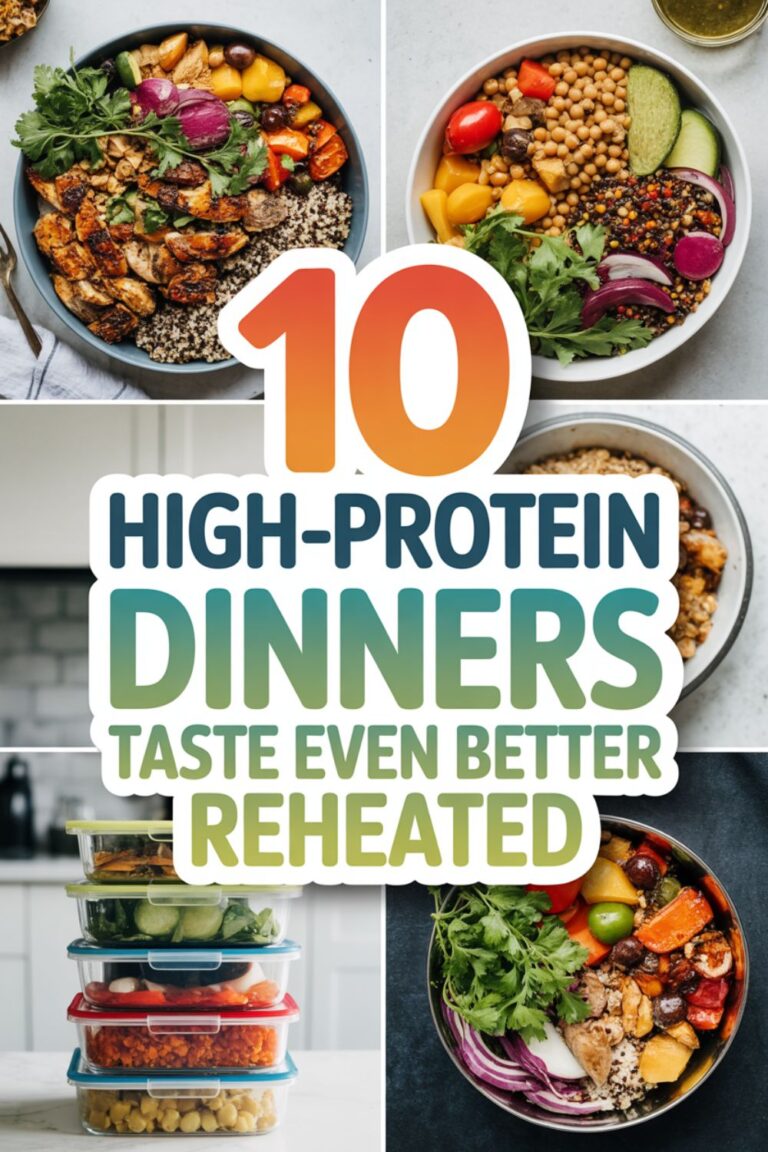
Prep your vegetables on Sunday night and store them in separate containers. When lunch comes together in two minutes instead of fifteen, you’ll actually eat it instead of reaching for whatever’s easier.
The 27 Low-Calorie Lunch Meal Prep Ideas
Here’s the full list. Each one is designed to be prepped in advance, stay fresh for at least three to four days, and stay comfortably under 500 calories without sacrificing flavor or texture. I’ve grouped them loosely by category so you can plan a rotation that doesn’t get boring after day two.
Protein-Packed Bowls (250–400 Calories)
- Lemon Herb Chicken & Quinoa Bowl ~370 cal Grilled lemon-herb chicken over fluffy quinoa with roasted cherry tomatoes and arugula. Drizzle of olive oil and a squeeze of lemon keeps it bright without loading up on dressing. Get Full Recipe
- Greek Turkey Meatball Bowl ~390 cal Baked turkey meatballs with tzatziki, cucumber, tomato, and a small scoop of brown rice. This one travels like a dream — no soggy components if you pack the sauce separately. Get Full Recipe
- Sesame Ginger Shredded Chicken Bowl ~340 cal Slow-cooked shredded chicken in a soy-ginger glaze served over cauliflower rice with edamame and shredded purple cabbage. This is the bowl I make when I want takeout flavors without the regret.
- High-Protein Tuna Salad Lettuce Cups ~260 cal Canned tuna mixed with Greek yogurt, celery, dijon, and a little pickle brine served in butter lettuce cups. Sounds simple; tastes like lunch actually planned itself.
- Cottage Cheese & Roasted Veggie Bowl ~290 cal A scoop of cottage cheese (yes, really) paired with roasted zucchini, red onion, and bell peppers over mixed greens. The creamy texture does all the heavy lifting here.
Mediterranean-Style Lunches (280–450 Calories)
- Mediterranean Chickpea Power Bowl ~410 cal Roasted chickpeas, cucumber, kalamata olives, cherry tomatoes, and crumbled feta over farro. A drizzle of lemon-tahini keeps it creamy without piling on calories. Get Full Recipe
- Lemon Salmon & Couscous Box ~430 cal Baked lemon-garlic salmon flaked over pearl couscous with fresh dill, cucumber ribbons, and a smear of hummus. One of those lunches that somehow feels fancy for a Tuesday.
- White Bean & Roasted Tomato Soup ~280 cal Blended white beans with roasted tomato, garlic, and thyme. High fiber, deeply savory, and one pot to clean. Store in a wide-mouth mason jar for easy reheating at work.
- Grilled Veggie & Hummus Wrap ~350 cal Charred zucchini, red peppers, and spinach rolled in a whole-wheat wrap with a generous layer of hummus. The key is grilling the veggies until they’re slightly caramelized — that’s where all the flavor lives.
- Baked Falafel Salad Box ~390 cal Baked (not fried) falafel on a bed of shredded romaine with red onion, cucumber, and a light lemon-herb dressing. Keeps the crunch if you pack the dressing separately — which you should always do, FYI.
Plant-Based Lunches (240–400 Calories)
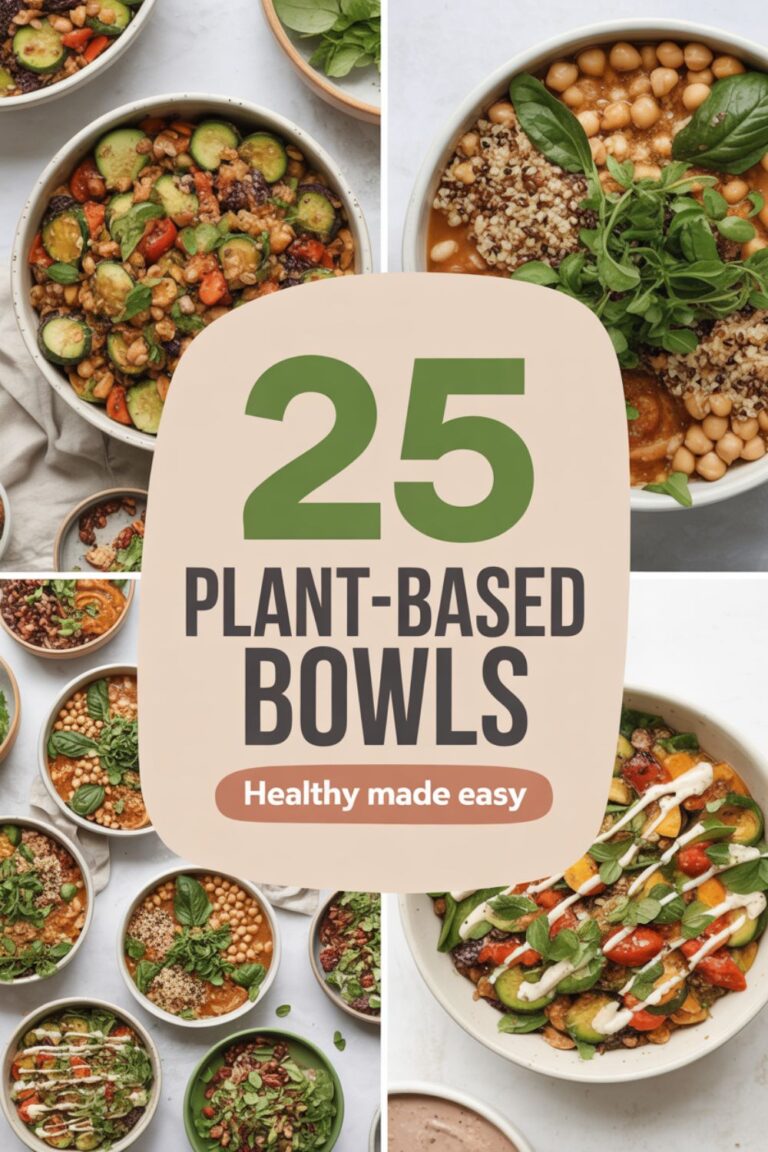
- Spiced Red Lentil Dal Bowl ~360 cal A warming red lentil dal with cumin, coriander, and turmeric served over a small scoop of cauliflower rice. Batch-cook a big pot on Sunday and you’ve got lunch for the first half of the week sorted.
- Black Bean & Mango Salsa Bowl ~320 cal Black beans, fresh mango, red onion, cilantro, and lime over shredded cabbage. No cooking required, which IMO makes it an instant winner for the lazy Sunday prep crowd.
- Roasted Cauliflower & Lentil Salad ~340 cal Golden roasted cauliflower florets and green lentils tossed with a smoked paprika vinaigrette. Surprisingly filling, and it actually gets better on day two when the dressing soaks in.
- Edamame & Brown Rice Bowl with Miso Dressing ~380 cal Brown rice topped with shelled edamame, shredded carrot, cucumber, and a miso-ginger dressing. Edamame brings 17 grams of plant protein per cup, which is doing a lot of heavy lifting in a bowl this size.
- Zucchini Noodle Pad Thai (Vegan) ~290 cal Spiralized zucchini noodles with a peanut-lime sauce, baked tofu, bean sprouts, and crushed peanuts. Cold pad thai for lunch is a hard sell until you actually try it. Then it becomes your personality.
Salads That Hold Up (250–380 Calories)
- Kale Caesar with Grilled Chicken ~360 cal Massaged kale (because it actually works and doesn’t go sad and limp by Wednesday), grilled chicken, parmesan, and a lightened-up Caesar dressing made with Greek yogurt. Get Full Recipe
- Thai Peanut Chicken Salad ~380 cal Shredded rotisserie chicken, napa cabbage, shredded carrot, and a peanut-lime dressing with a pinch of chili flakes. If peanut butter is your love language, this one’s for you.
- Strawberry Spinach Salad with Candied Pecans ~310 cal Baby spinach, fresh strawberries, a small amount of candied pecans, red onion, and a balsamic vinaigrette. Light but genuinely satisfying — especially if you add a hard-boiled egg to round it out.
- Chopped Antipasto Salad ~340 cal Salami, artichoke hearts, roasted red peppers, cucumber, and chickpeas chopped fine over romaine with a red wine vinaigrette. Bold flavors in every bite — this is not a sad desk salad.
- Avocado & Corn Summer Salad ~350 cal Charred corn, diced avocado, black beans, cherry tomatoes, and a chili-lime dressing. One of those bowls that makes you look forward to Monday.
Batch-cook a big pot of grains — quinoa, farro, or brown rice — at the start of the week. It becomes the base for almost any bowl you build from this list, and it cuts your daily prep time in half.
Soups & Stews (200–380 Calories)
- Turkey & Vegetable Minestrone ~280 cal Lean ground turkey, zucchini, diced tomato, cannellini beans, and small pasta in a light herb broth. A soup that could put a blanket on your shoulders even through a screen. Freeze individual portions for weeks two and three.
- Thai Coconut Broth with Shrimp & Bok Choy ~310 cal Light coconut milk broth with lemongrass, ginger, shrimp, and bok choy. It reheats beautifully, and the shrimp goes in last so it doesn’t overcook when you warm it up at noon.
- Tuscan White Bean & Kale Soup ~260 cal Cannellini beans, lacinato kale, crushed tomatoes, garlic, and rosemary. Deeply comforting and genuinely stupid-easy to make in one pot on a Sunday.
- Spicy Lentil & Vegetable Stew ~320 cal Green lentils with diced sweet potato, fire-roasted tomatoes, spinach, and a cumin-cayenne spice blend. According to Healthline’s research on fiber-rich lunch foods, lentils specifically stand out for their ability to reduce appetite hormones after meals — making them one of the best calorie-to-satiety ratios you’ll find in a plant food.
Lighter Wraps & Sandwiches (280–450 Calories)
- Turkey Avocado Collard Green Wrap ~310 cal Sliced turkey, avocado, mustard, red onion, and romaine wrapped tight in a collard green leaf instead of a tortilla. Lower in carbs than a standard wrap, higher in nutrients, and it doesn’t disintegrate in your bag.
- Smashed White Bean & Veggie Open-Face Sandwich ~350 cal Whole-grain toast topped with mashed white beans, roasted red pepper, arugula, and a drizzle of balsamic glaze. If you want to get real with it, add a fried egg on top and call it a day.
- Egg Salad Stuffed Bell Peppers ~290 cal A classic egg salad lightened with Greek yogurt instead of mayo, stuffed into halved bell peppers for a crunchy, handheld lunch that feels like something you’d find at a very put-together farmers market. Get Full Recipe
Meal Prep Essentials Used in This Plan
The tools and resources that make the whole system actually work — from a fellow meal-prepper who’s tried all the shortcuts.
How to Store These Lunches So They Actually Last
The biggest mistake people make with meal prep is not thinking about storage until their Thursday lunch smells like a science project. A few simple rules will keep everything fresh from Monday through Friday.
Keep wet ingredients separate from dry ones whenever possible. Dressings, sauces, and cut fruits go in their own small containers. A set of small silicone sauce cups costs almost nothing and saves the structural integrity of every salad you pack. Soups and stews go in wide-mouth mason jars or single-serve glass containers — they reheat evenly and don’t absorb smell the way plastic does after repeated use.
Leafy greens stay freshest when stored with a dry paper towel in the container to absorb excess moisture. And if you’re making avocado-heavy lunches, press a piece of plastic wrap directly onto the surface of the avocado before sealing — or better yet, add the avocado fresh the morning of. A good avocado keeper container does this work for you without the plastic waste.
Label your containers with the day you made them using dry-erase labels or a simple piece of masking tape and a marker. You’ll stop playing “was this Monday or last Monday?” in your fridge at 7 AM.
Time-Saving Hacks That Actually Work
Meal prep doesn’t have to take your entire Sunday. Most of the time, the biggest time drain is doing everything sequentially when you could be doing things in parallel. Roast two sheet pans of vegetables at the same time. Boil eggs and grains simultaneously. Use your Instant Pot (or a basic 6-quart electric pressure cooker) to knock out beans, whole grains, and soups in a fraction of the time.
If you want to go even leaner on prep time, the “mix and match” system is your best friend. Prep five base proteins, three grain options, and four vegetable mixes — then combine them differently each day so you’re technically eating something different every time without cooking five separate full meals. You can explore this concept fully with these mix-and-match bowl builds that are specifically designed for this kind of rotation.
For people who are genuinely just starting out, the beginner-friendly meal prep guide with no special tools walks you through the same process with the least possible complexity — which is exactly where I wish I had started instead of buying a spiralizer I used twice.
Making Low-Calorie Prep a Sustainable Habit, Not a Phase
Let’s address the elephant in the room: most people start meal prepping with genuine enthusiasm and stop by week three. Not because the food was bad, but because the system became inflexible. You got bored. Or you had a week where Sunday was genuinely chaos and you skipped it, then felt like the whole habit was ruined.
The fix is building variety into the plan from the start. Rotate two or three ideas per week instead of making seven identical containers. Swap your protein source mid-week. Try a different cuisine style every two weeks — one week Mediterranean, the next week Asian-inspired, the week after that Tex-Mex. The quick Mediterranean meal prep rotation and a solid colorful bowl plan are two of the best ways to keep the week feeling different even when the format stays the same.
And on weeks where you can only manage thirty minutes? These lazy girl meal prep bowls exist exactly for those situations. No shame in the low-effort game — something prepped beats nothing every single time.
Keep a running list of your five favorite low-calorie lunches from this article saved on your phone. When you’re tired and standing in the grocery store on Sunday with no plan, you’ll already have it — and you’ll actually follow through.
Frequently Asked Questions
How many calories should a meal-prepped lunch be for weight loss?
Most nutrition guidelines suggest keeping lunch between 300 and 500 calories when your goal is weight loss, depending on your total daily calorie target. The sweet spot is somewhere that keeps you satisfied until dinner without going over your daily budget — which is why pairing protein and fiber in every lunch matters more than the exact calorie number.
How long do meal-prepped lunches stay fresh in the fridge?
Most cooked proteins, grains, and roasted vegetables stay fresh for four to five days when stored in airtight containers. Leafy salads with dressing mixed in will start to wilt after two days — always pack the dressing separately. Soups and stews often last the full five days and tend to taste better on day three when the flavors have melded together.
Can I lose weight eating low-calorie meal-prepped lunches?
Yes, consistently eating lower-calorie, nutrient-dense lunches is one of the most straightforward ways to create a calorie deficit without feeling deprived. The key is making sure the rest of your meals are also balanced — lunch alone won’t do the work if dinner regularly involves an entire pizza. Pairing these lunches with high-protein breakfasts and mindful dinners creates the kind of consistent calorie management that produces results over time.
What are the best low-calorie foods for meal prep lunches?
Leafy greens, legumes (lentils, chickpeas, black beans), cruciferous vegetables, lean proteins like chicken breast and shrimp, and high-water-content vegetables like cucumber and zucchini are all excellent foundations. They add significant volume and nutrition for relatively few calories, which means your container looks full and your stomach agrees.
Do I need special containers for meal prep?
You don’t need anything fancy — any airtight container will work. That said, glass containers with snap-lock lids are worth the investment if you’re doing this consistently, because they don’t stain, they don’t absorb smells, and they go directly from fridge to microwave. A set of small dressing containers makes a bigger difference than most people expect.
Start With One, Build From There
You don’t have to prep all 27 lunches to make this work. Pick three this week. Make them, eat them, notice which ones you actually liked. Then next week, swap one out for something new. That’s the whole system — and it’s less complicated than the internet makes it look.
Low-calorie meal prep works best when it stops feeling like a diet plan and starts feeling like just how you eat. The recipes in this list are designed to sit in that space — real food, real flavors, real portions — without the calorie count feeling like the whole point of the meal. The calorie management is just a side effect of building lunches that are actually made of good, whole ingredients.
If you’re ready to make Sunday the most useful two hours of your week, start with whatever sounds genuinely good to you from this list. Your future midweek self will be quietly grateful.