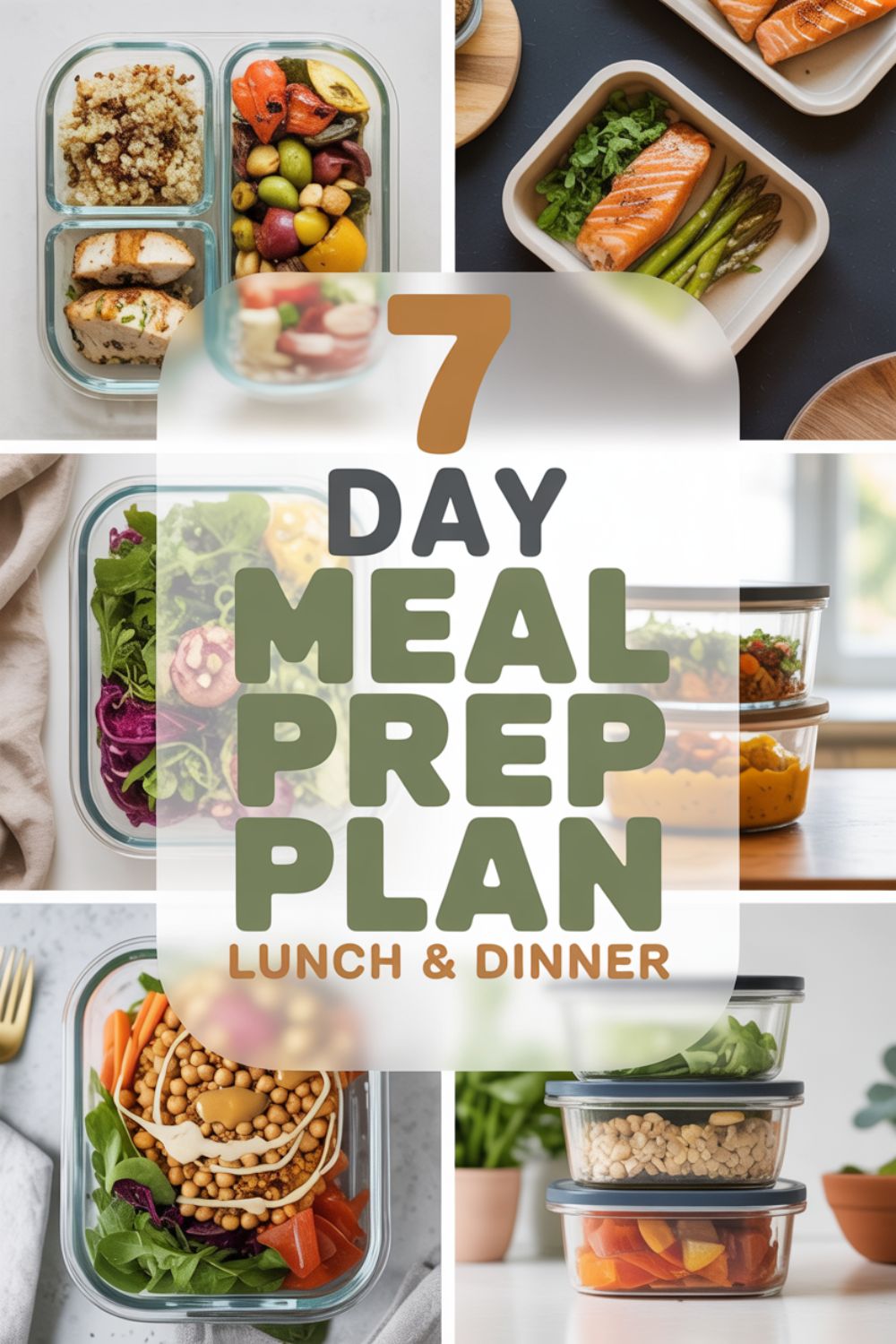
7-Day Aesthetic Meal Prep Plan (Lunch & Dinner)
Look, I get it. You open Pinterest, see those perfectly arranged meal prep bowls with their color-coordinated vegetables and Instagram-worthy plating, and think, “Yeah, that’s never happening in my kitchen.” But here’s the thing—aesthetic meal prep isn’t just about looking good for the gram. It’s about creating meals that actually make you excited to open your fridge instead of ordering takeout for the third time this week.
This 7-day plan walks you through lunches and dinners that won’t bore you to tears or require a culinary degree. We’re talking balanced, delicious meals that happen to look good too. Because when your food looks appealing, you’re way more likely to stick with your plan instead of letting those containers turn into science experiments in the back of your fridge.
Why This Plan Actually Works
Most meal prep plans fail because they’re either too complicated or they taste like cardboard by day three. This plan dodges both those bullets. I’ve structured it so you’re batch-cooking proteins and bases that you can mix and match throughout the week. No eating the exact same thing seven times in a row, and definitely no crying into your sad desk salad.
Each day includes one lunch and one dinner, giving you flexibility with breakfast and snacks. The meals hover around 400-500 calories each, which gives you room to customize based on your goals. Need more calories? Add extra protein or healthy fats. Trying to cut? These portions already work. Research from Harvard shows that planning meals ahead significantly improves diet quality and reduces reliance on processed foods.
The Aesthetic Meal Prep Planner
If you’re serious about making meal prep a habit (and actually sticking to it), I can’t recommend this aesthetic meal prep planner enough. It’s not just another boring meal tracker—it’s designed specifically for visual learners who need their planning tools to be as pretty as their food.
The planner includes weekly grocery lists, macro tracking pages, and those satisfying before-and-after photo slots that keep you motivated. It’s basically the perfect companion to this 7-day plan if you want to customize everything to fit your specific goals.
The Essential Prep Tools You Need
Before we jump into the meal plan, let’s talk equipment. You don’t need a kitchen full of gadgets, but a few key items make this whole process infinitely easier. I use these glass meal prep containers because they don’t stain, can go from fridge to microwave, and they stack nicely. Plus, you can actually see what’s inside without playing the mystery leftover game.
A solid chef’s knife will change your life if you’re still struggling with that dull blade from your college days. And honestly, investing in a food scale takes the guesswork out of portions if you’re tracking macros. Otherwise, you’re just estimating and wondering why results aren’t showing up.
For roasting vegetables—which we’ll be doing a lot—I swear by silicone baking mats. Nothing sticks, cleanup is stupid easy, and you can toss them in the dishwasher. No more scrubbing burnt broccoli bits off your sheet pans at midnight.
Premium Glass Meal Prep Container Set
Best Containers for Aesthetic Meal Prep
After testing dozens of container sets, these glass containers are hands-down the best for aesthetic meal prep. They’re leak-proof, microwave-safe, and the clear glass lets you see your beautiful food arrangements without opening anything.
Why I love it: The compartments keep different foods separated, so your salad doesn’t get soggy and your proteins don’t mix with grains. Plus, they look incredibly professional sitting in your fridge.
Day 1: Monday Meal Prep
Lunch: Mediterranean Chicken Bowl
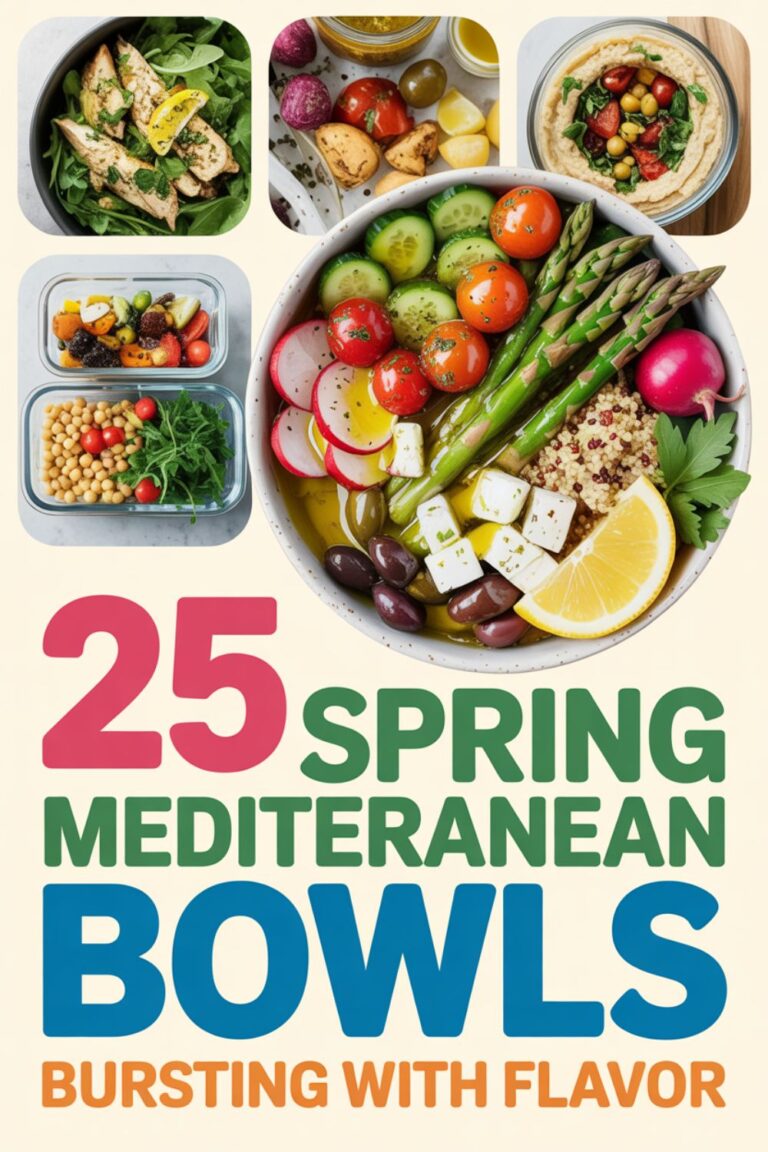
Start the week with something that doesn’t feel like punishment. This bowl combines grilled chicken breast, quinoa, cucumbers, cherry tomatoes, red onion, Kalamata olives, and a generous dollop of hummus. The key here is seasoning your chicken properly—salt, pepper, garlic powder, and dried oregano. Don’t be shy with it.
Cook your quinoa in chicken broth instead of water for extra flavor, and while everything’s cooling, dice up your vegetables. The whole thing takes maybe 30 minutes if you’re moving at a reasonable pace. Pack everything in separate compartments if your containers have them, or keep the hummus in a small container on the side so nothing gets soggy. Get Full Recipe.
Dinner: Teriyaki Salmon with Roasted Broccoli and Brown Rice
Salmon is one of those proteins that research shows supports muscle building and overall health, thanks to those omega-3 fatty acids everyone talks about. For this recipe, you’ll marinate the salmon in a simple teriyaki sauce—soy sauce, honey, ginger, and garlic. Let it sit for at least 15 minutes while you prep the broccoli.
Roast your broccoli at 425°F with olive oil, salt, and red pepper flakes. It should come out slightly crispy on the edges, not mushy. Cook your brown rice using a rice cooker—seriously, if you don’t have one yet, they’re like $20 and will save you from babysitting a pot on the stove. Bake the salmon at 400°F for about 12-15 minutes, depending on thickness.
Looking for more bowl inspiration that’s equally gorgeous and practical? Check out these meal prep bowls you can make in under 30 minutes or these meal prep bowls under 400 calories if you’re watching your intake.
Day 2: Tuesday Meals
Lunch: Greek Yogurt Chicken Salad in Lettuce Cups
This isn’t your grandma’s mayo-heavy chicken salad. Mix shredded rotisserie chicken with Greek yogurt, diced celery, red grapes, pecans, and a touch of Dijon mustard. Season with salt, pepper, and fresh dill if you have it. The Greek yogurt keeps it light while packing in protein, and the grapes add a sweetness that’s weirdly addictive.
Serve it in butter lettuce cups for that aesthetic factor. They hold up better than regular lettuce and add a nice crunch. If you’re not into lettuce cups, whole grain crackers or cucumber slices work just as well. Just keep the chicken salad and lettuce separate until you’re ready to eat so nothing wilts.
Dinner: Sheet Pan Fajita Bowls
Sheet pan dinners are the ultimate lazy cook’s best friend. Slice up bell peppers, onions, and your protein of choice—I usually go with chicken thighs because they stay juicy. Toss everything with olive oil, chili powder, cumin, paprika, garlic powder, and lime juice. Spread it on a sheet pan and roast at 425°F for 25-30 minutes.
Serve over cilantro-lime rice (just rice with fresh cilantro and lime juice mixed in), and top with salsa, avocado, and a squeeze of lime. The whole thing comes together without much active cooking time, which means you can actually relax for a bit instead of hovering over the stove.
Day 3: Wednesday Midweek Reset
Lunch: Asian-Inspired Beef and Broccoli Bowl
This is where meal prep gets interesting. Use flank steak or sirloin—slice it thin against the grain for maximum tenderness. Stir-fry in a hot wok or large skillet with garlic, ginger, and soy sauce. Add your broccoli florets and cook until they’re bright green and crisp-tender. Not mushy. Never mushy.
Serve over jasmine rice or cauliflower rice if you’re cutting carbs. The sauce is where the magic happens—soy sauce, sesame oil, rice vinegar, and a tiny bit of honey or brown sugar. It’s savory, slightly sweet, and exactly what you need when Wednesday feels like it’s dragging.
FYI, this is one of those meals that actually tastes better the next day because the flavors have time to meld together. Just store the sauce separately if you’re prepping more than two days ahead.
Dinner: Lemon Herb Chicken with Roasted Vegetables
Simple doesn’t mean boring. Marinate chicken breasts in lemon juice, olive oil, garlic, thyme, and rosemary. While that’s happening, chop up zucchini, bell peppers, cherry tomatoes, and red onion. Toss them with olive oil, salt, and Italian seasoning.
Bake everything together at 400°F—chicken takes about 25 minutes, vegetables about 20-25. Everything gets done around the same time, which means minimal dishes and maximum efficiency. Pair with quinoa or couscous if you want a grain, or keep it light and just do vegetables. Both work.
Need more minimalist approaches that don’t sacrifice flavor? These minimalist meal prep ideas Pinterest is obsessed with keep things simple without being sad.
Day 4: Thursday Protein Power
Lunch: Southwestern Quinoa Bowl
Black beans, corn, diced tomatoes, avocado, and seasoned ground turkey over quinoa. Top with a chipotle-lime dressing—Greek yogurt mixed with lime juice, chipotle powder, and a pinch of salt. This bowl is loaded with fiber and protein, which means it’ll actually keep you full until dinner instead of having you raid the snack drawer at 3 PM.
I usually cook the ground turkey with taco seasoning, but you can use any Southwestern spices you have. The beauty of this bowl is everything can be prepped ahead and assembled fresh. Keep the avocado separate until eating day so it doesn’t turn brown and sad-looking. Nobody wants brown avocado.
Dinner: Garlic Butter Shrimp with Zoodles
Shrimp cooks fast, which makes it perfect for those nights when you can’t deal with anything complicated. Sauté shrimp in butter, garlic, lemon juice, and red pepper flakes. Meanwhile, spiralize your zucchini using a spiralizer. If you don’t have one, just use a vegetable peeler to make ribbons. Works just as well.
Sauté the zoodles for literally 2-3 minutes. Any longer and they turn into mush. You want them crisp-tender with a bit of bite still. Toss everything together, add some fresh parsley if you’re feeling fancy, and call it a day. The whole thing takes 15 minutes max.
Professional Chef’s Knife 8-inch
The Only Knife You Really Need
Meal prep becomes 10x easier when you have a proper knife. I upgraded to this chef’s knife last year and it genuinely changed how I feel about food prep. Sharp, balanced, and makes chopping vegetables actually enjoyable instead of a chore.
Real talk: A good knife cuts your prep time in half. No more sawing through chicken breasts or mangling tomatoes. This is the kind of tool that pays for itself in saved time and frustration.
For more protein-packed options that don’t get boring, try these high-protein meal prep bowls for the week.
Day 5: Friday Flavor Boost
Lunch: Thai Peanut Chicken Wraps
Shred some rotisserie chicken, toss it with a peanut sauce (peanut butter, soy sauce, lime juice, honey, and sriracha), and wrap it up in whole wheat tortillas with shredded cabbage, carrots, and cilantro. The crunch from the cabbage is key here—it keeps everything from being too soft and mushy.
These wraps hold up surprisingly well in the fridge if you wrap them tightly in parchment paper or foil. Just don’t add too much sauce or you’ll end up with a soggy mess. Keep extra sauce on the side and add it right before eating if you want maximum freshness.
Dinner: Baked Cod with Sweet Potato Wedges and Green Beans
Cod is mild, flaky, and cooks in about 12 minutes. Season with salt, pepper, paprika, and a drizzle of olive oil. While that’s baking at 400°F, your sweet potato wedges should already be in the oven at 425°F—they take about 30 minutes, so start them first. Toss them with olive oil, salt, and a little cinnamon for a sweet-savory vibe.
Steam or sauté your green beans with garlic and lemon zest. Everything comes together at the same time if you plan it right. And if you mess up the timing, nobody cares. It still tastes good even if the green beans have to wait a few minutes.
Day 6: Saturday Simplicity
Lunch: Caprese Salad with Grilled Chicken
Fresh mozzarella, tomatoes, basil, and grilled chicken drizzled with balsamic glaze. This is one of those meals that looks way fancier than the effort required. Slice everything nice and thick, arrange it pretty on a plate, and boom—you look like you know what you’re doing.
The key is using good-quality mozzarella and ripe tomatoes. If your tomatoes taste like cardboard, this whole meal will be disappointing. Same goes for that balsamic glaze—get the real stuff or make your own by reducing balsamic vinegar in a small saucepan until it’s thick and syrupy.
Dinner: Turkey Meatballs with Marinara and Spaghetti Squash
Make your meatballs with ground turkey, breadcrumbs, egg, Parmesan, garlic, and Italian seasoning. Bake them at 400°F for about 20 minutes. While they’re cooking, roast your spaghetti squash—cut it in half, scoop out the seeds, drizzle with olive oil, and roast cut-side down at 400°F for 40 minutes.
Use store-bought marinara or make your own if you’re feeling ambitious. Honestly, there are some really good jarred options out there now, so don’t stress about making everything from scratch. Shred the spaghetti squash with a fork, top with meatballs and sauce, and sprinkle with fresh basil and Parmesan.
If you’re vibing with the aesthetic meal prep concept, definitely check out these aesthetic meal prep ideas that look insanely good.
Day 7: Sunday Wind Down
Lunch: Buddha Bowl with Tahini Dressing
Throw together whatever vegetables you have left—roasted chickpeas, quinoa, sweet potato, kale, shredded carrots, and cucumber. The tahini dressing ties everything together—tahini, lemon juice, garlic, water to thin it out, and a pinch of salt. This is a clean-out-the-fridge kind of meal that still looks Pinterest-worthy.
Buddha bowls are super forgiving. No strict recipe here, just balance your proteins, grains, and vegetables. Add some seeds or nuts for crunch, and you’re set. IMO, the dressing is what makes or breaks these bowls, so don’t skimp on flavor there.
Dinner: Herb-Crusted Pork Tenderloin with Roasted Brussels Sprouts and Mashed Cauliflower
Pork tenderloin is underrated. Season it with salt, pepper, and roll it in chopped fresh herbs—rosemary, thyme, and parsley work great. Roast at 425°F for about 25-30 minutes until the internal temperature hits 145°F. Let it rest for 5 minutes before slicing or you’ll lose all those juices.
Roast your Brussels sprouts with olive oil, salt, and a drizzle of balsamic vinegar. They should be crispy on the outside, tender inside. For the mashed cauliflower, steam cauliflower florets until tender, then blend with a little butter, garlic, and cream or milk. It’s a lighter alternative to mashed potatoes that doesn’t taste like diet food.
For those days when motivation is low but you still want results, these lazy girl meal prep bowls that still look cute are your answer.
Macro-Balancing Without Losing Your Mind
Let’s talk macros without making this complicated. Each meal in this plan aims for roughly 30-40 grams of protein, 40-50 grams of carbs, and 10-15 grams of fat. These aren’t strict rules—they’re guidelines. If you’re more active, you might need more carbs. If you’re cutting, maybe dial back the fats slightly.
Studies show that people who plan their meals in advance tend to have better nutrient variety and improved overall diet quality. The point isn’t to obsess over every gram, but to create meals that give your body what it needs without requiring a nutrition degree to figure out.
Use a kitchen scale for the first week or two until you get a feel for portions. After that, you can eyeball most things. A palm-sized portion of protein, a fist-sized portion of carbs, and a thumb-sized portion of fats—that’s the basic hand method that works for most people.
Macro-Friendly Recipe Ebook Collection
When you’re ready to expand beyond this 7-day plan, this macro-balanced recipe ebook bundle has been a game-changer for me. It includes over 100 recipes specifically designed for aesthetic meal prep—everything from high-protein bowls to balanced dinners that actually photograph well.
What I love most is that every recipe lists full macros, prep time, and storage instructions. No more guessing if something will hold up in the fridge for four days or wondering if you’re hitting your protein targets. It takes the mental load off meal planning completely.
Storage Tips That Actually Matter
Don’t store hot food directly in containers. Let everything cool to room temperature first, or you’ll end up with condensation that makes everything soggy and gross. That said, don’t leave food sitting out for hours either. Cool it for about 30 minutes, then get it in the fridge.
Most cooked proteins last 3-4 days in the fridge. If you’re prepping for longer, freeze the extras. Label everything with the date using masking tape and a marker—you will forget what’s in there and when you made it. Trust me on this.
Store dressings and sauces separately from your meals. Nobody wants a salad that’s been sitting in dressing for three days. Same goes for crunchy toppings like nuts or seeds—keep them separate until you’re ready to eat, or they’ll turn soft and sad.
Programmable Multi-Cooker 6-Quart
Set It and Forget It Meal Prep
If you’re always short on time, this multi-cooker is a legitimate game-changer. I can throw in chicken, rice, and vegetables, hit a button, and walk away. It does pressure cooking, slow cooking, sautéing, and even makes perfect rice every single time.
Perfect for: Anyone who gets home late and doesn’t want to spend an hour cooking. Throw everything in before work, come home to fully cooked meals. It’s basically having a personal chef, minus the judgment when you eat straight from the pot.
Looking for meal prep that travels well for work? Check out these meal prep bowls that travel well for work.
Making It Work When Life Happens
Some weeks you’ll crush meal prep like a champion. Other weeks you’ll remember it’s Sunday night at 9 PM and panic-order takeout instead. Both are fine. The goal isn’t perfection—it’s having a system that works more often than it doesn’t.
If you can only prep 3-4 days instead of the full week, do that. If you only have time to prep lunches or dinners but not both, pick one and run with it. Any meal prep is better than no meal prep, and anyone who tells you otherwise is lying or selling something.
Keep a backup plan for the days when life derails everything. Frozen vegetables, canned beans, and pre-cooked proteins like rotisserie chicken or canned tuna can salvage a meal when you have zero energy. Stock your pantry accordingly so you’re never completely stuck.
Meal Prep Tracker App for Balanced Nutrition
Look, I resisted meal tracking apps for the longest time because most of them are either too complicated or feel like having a drill sergeant in your pocket. But this meal prep tracker app is different—it’s built specifically for people doing aesthetic meal prep who want to track their progress without obsessing.
You can snap photos of your prepped meals, track which containers you’ve eaten, set reminders so nothing goes to waste, and monitor your macros without manually entering every ingredient. Plus, it has this cool feature where you can share your meal prep layouts with friends for accountability. It’s basically Instagram meets productivity, and it actually works.
Frequently Asked Questions
How long do meal prepped lunches and dinners actually stay fresh?
Most cooked proteins and vegetables stay fresh for 3-4 days in the fridge when stored properly in airtight containers. If you’re prepping for longer than that, freeze half your meals and thaw them midweek. Fish and seafood are more delicate—eat those within 2 days max. Always trust your nose—if something smells off, toss it.
Can I prep meals if I don’t have Sunday free?
Absolutely. Pick whatever day works for your schedule, or split your prep between two shorter sessions—maybe Wednesday evening for the second half of the week. Some people even prep dinner after work and use that as their meal for the next day. There’s no rule saying it has to be Sunday.
What if I get bored eating similar meals all week?
That’s why this plan uses different proteins, sauces, and flavor profiles each day. But if you’re still getting bored, prep components instead of full meals—cook your proteins and grains in bulk, then mix and match them with different vegetables and sauces throughout the week. Keeps things interesting without requiring you to cook from scratch every day.
Do I need expensive containers for meal prep?
Not at all. Glass containers are nice because they don’t stain or absorb smells, but decent plastic ones from the grocery store work fine too. The key is making sure they’re actually airtight—if they leak or don’t seal properly, your food will dry out or make a mess in your bag. Start with a basic set and upgrade later if you want.
Is meal prep actually cheaper than cooking daily?
Generally yes, because you’re buying ingredients in bulk and using them efficiently. You’re also way less likely to impulse-buy lunch or order delivery when you already have food ready. The biggest savings come from reducing food waste—when you have a plan, you use everything you buy instead of letting half your vegetables rot in the crisper drawer.
Final Thoughts
This 7-day plan isn’t about being perfect or creating Instagram-worthy meals every single day. It’s about having a system that makes healthy eating easier instead of harder. Some days your meal prep will look like it belongs in a magazine. Other days it’ll look like you threw food in a container and called it good. Both count.
The aesthetic part is just a bonus—it’s nice when your food looks good, but the real win is having meals ready to go when hunger hits and decision fatigue is real. Start with a few meals, see what works for your schedule and taste preferences, then adjust from there. Meal prep should make your life easier, not add another thing to stress about.
And remember, there’s no meal prep police coming to check if you followed everything exactly. Swap proteins, change up the vegetables, adjust portion sizes—make this plan work for you instead of trying to force yourself into someone else’s system. That’s how you’ll actually stick with it long-term.