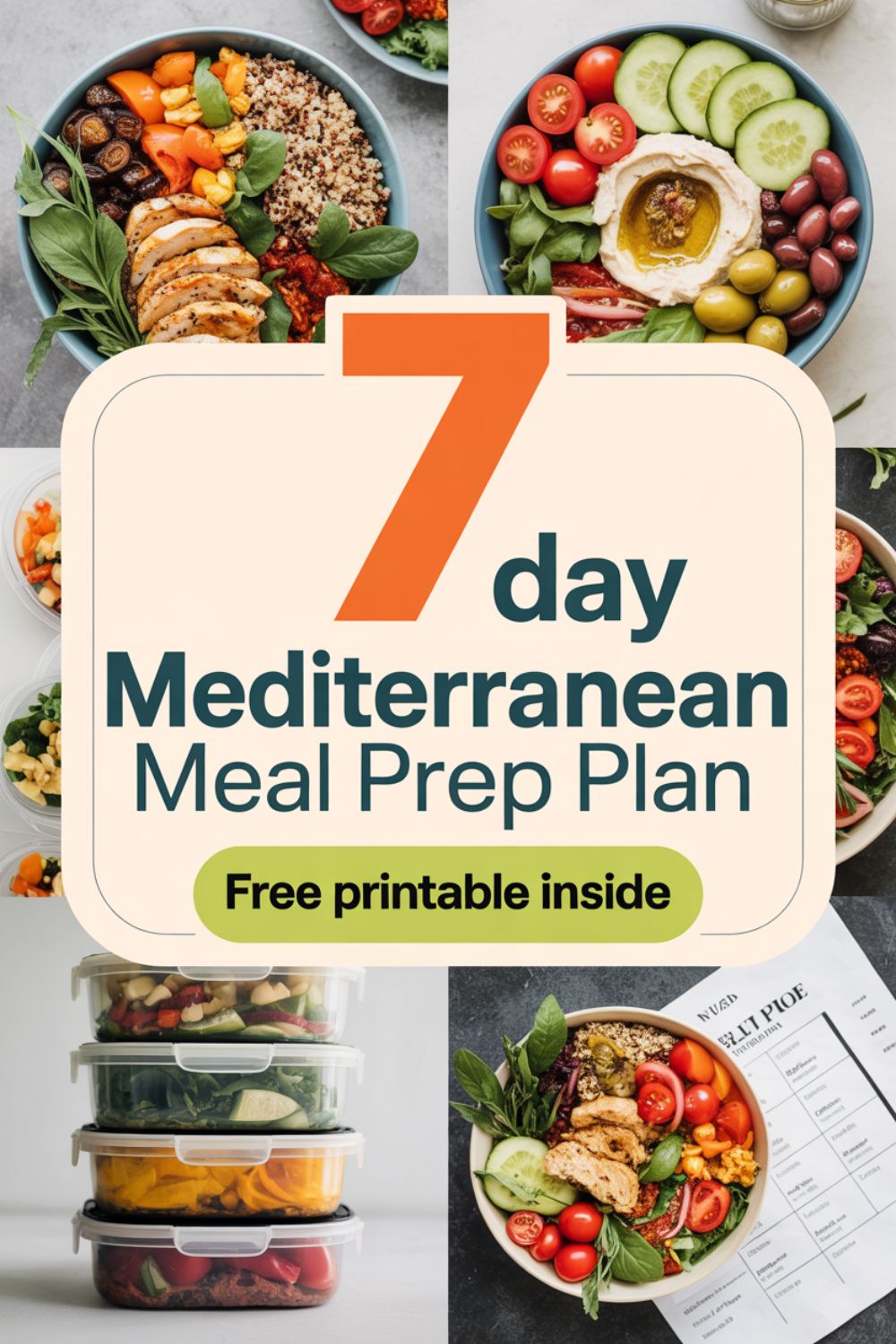
7-Day Mediterranean Meal Prep Plan (Free Printable Inside)
Look, I get it. Sunday rolls around and the last thing you want to do is spend three hours in the kitchen prepping meals for the week. But here’s the thing—once you nail down a solid Mediterranean meal prep routine, you’ll wonder how you ever survived those chaotic weekday evenings scrambling for dinner ideas. This 7-day plan takes all the guesswork out of eating well, and honestly? It’s way easier than you think.
The Mediterranean diet isn’t just another trendy eating plan that’ll disappear faster than your motivation on a Monday morning. Research from Harvard’s School of Public Health shows this approach reduces cardiovascular disease risk by up to 25% over a 12-year period. That’s not some influencer talking—that’s actual science backing up what people in Greece and southern Italy have known for centuries.
Why Mediterranean Meal Prep Actually Works
Before we dive into the actual meal plan, let’s talk about why pairing Mediterranean eating with meal prep makes so much sense. The traditional Mediterranean approach focuses on whole foods—think vegetables, legumes, whole grains, olive oil, and moderate amounts of fish and poultry. Nothing here requires fancy techniques or ingredients you need a culinary degree to pronounce.
Meal prepping essentially means you’re cooking smarter, not harder. According to nutrition experts at Harvard, planning your meals ahead saves time, helps control portions, and contributes to a more nutritionally balanced diet overall. You’re basically future-proofing your week against those moments when ordering pizza seems like the only viable option.
The anti-inflammatory properties of the Mediterranean diet come primarily from its emphasis on olive oil, omega-3 rich fish, and an abundance of plant foods. These components work together to reduce oxidative stress and inflammation—two major contributors to chronic diseases. When you prep these meals in advance, you’re not just saving time; you’re investing in consistent, health-promoting eating patterns.
Your 7-Day Mediterranean Meal Prep Blueprint
Alright, let’s get into the actual plan. I’ve structured this to minimize your time in the kitchen while maximizing flavor and nutrition. Each day focuses on variety so you’re not eating the same thing five days straight—because let’s be real, nobody wants that.
Day 1: Greek-Inspired Chicken Bowls
Start strong with grilled chicken seasoned with oregano, garlic, and lemon juice. Pair it with quinoa (which you can batch cook), cucumber-tomato salad, kalamata olives, and a generous dollop of tzatziki. The beauty of these bowls is everything keeps well separately, so nothing gets soggy.
I use these glass meal prep containers with dividers because they keep the tzatziki away from the hot components until you’re ready to eat. Game changer for texture preservation.
Day 2: Baked Salmon with Roasted Vegetables
Salmon is your omega-3 powerhouse here. Season with dill, lemon, and a drizzle of olive oil, then bake it alongside Mediterranean vegetables—zucchini, bell peppers, red onion, and cherry tomatoes. Serve over bulgur wheat or farro for a complete meal.
Quick tip: line your baking sheet with parchment paper so cleanup takes literal seconds. Trust me on this one.
Day 3: Chickpea Shakshuka with Whole Grain Bread
This North African-inspired dish brings serious flavor. Simmer chickpeas in a rich tomato sauce with bell peppers, onions, cumin, and paprika. You can make the base ahead and reheat it when you’re ready to eat. Dip some crusty whole grain bread in there and call it dinner.
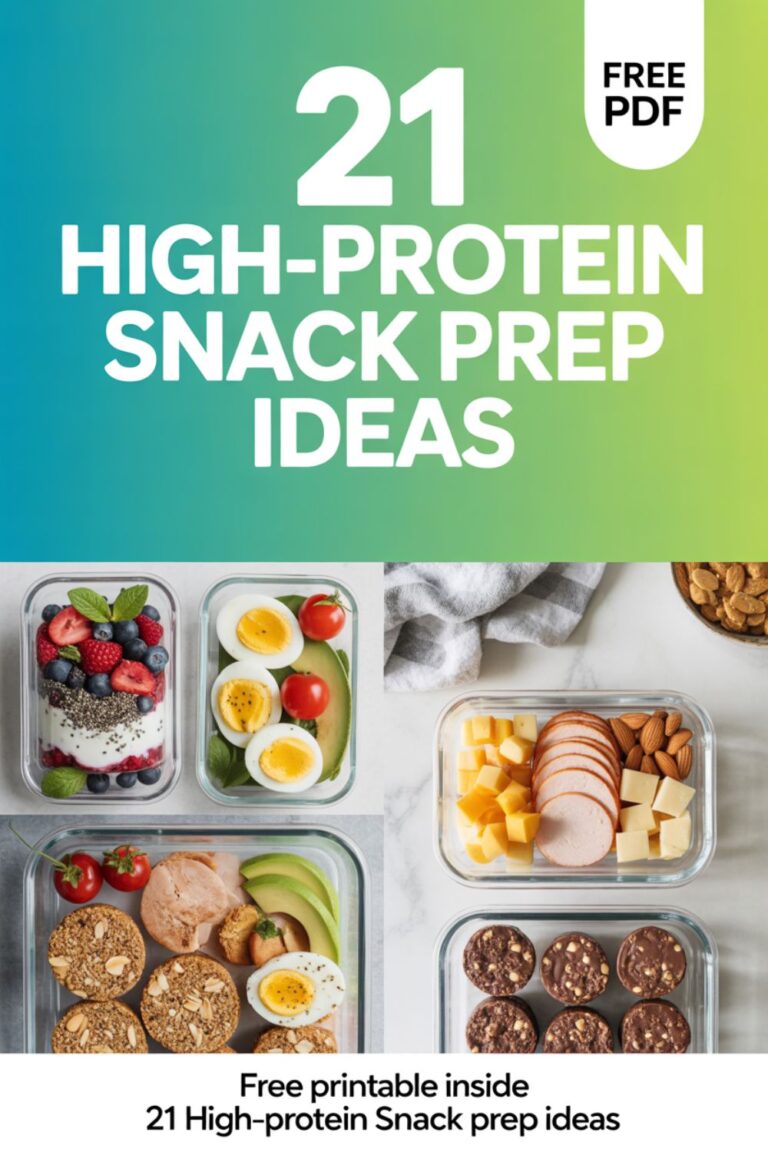
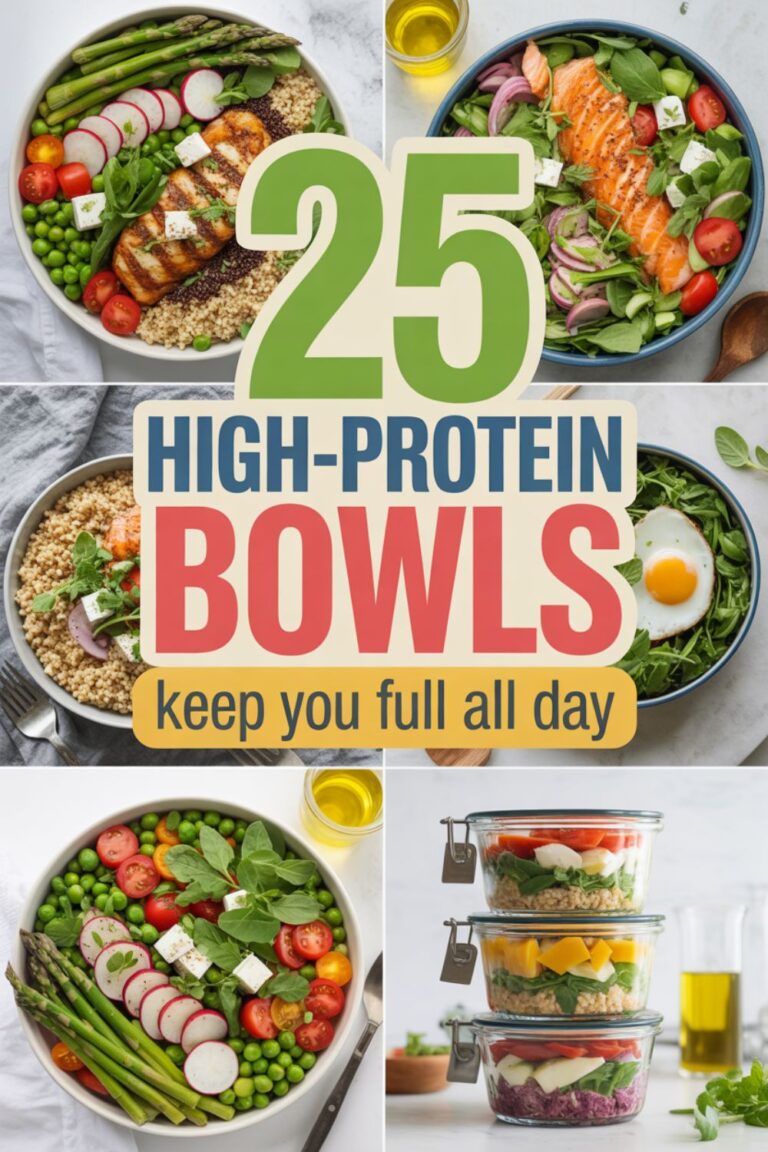
For breakfast fans looking for more Mediterranean-inspired morning options, check out these high-protein meal prep bowls that work brilliantly for any time of day.
Day 4: Mediterranean Lentil Soup
Lentil soup is meal prep gold. It actually tastes better the next day after all those flavors have had time to get acquainted. Use brown or green lentils, carrots, celery, tomatoes, and plenty of Mediterranean herbs. This freezes beautifully if you want to make a double batch.
I portion mine into 16-ounce deli containers because they’re cheap, stackable, and I don’t cry if one gets lost in the back of my fridge for too long.
Day 5: Grilled Vegetable and Halloumi Wraps
Halloumi is that squeaky, salty cheese that holds up beautifully when grilled. Pair it with roasted eggplant, zucchini, and red peppers. Wrap everything in whole wheat tortillas or pita with some arugula and a smear of hummus.
The trick here is storing the components separately. Keep your grilled halloumi and vegetables in one container, your greens in another, and assemble right before eating. Nobody wants a soggy wrap.
Day 6: White Bean and Tuna Salad
This is my go-to when I don’t feel like reheating anything. Mix white beans with good-quality canned tuna (the kind packed in olive oil, not water), cherry tomatoes, red onion, fresh parsley, and a simple lemon-olive oil dressing. Serve over mixed greens or with toasted whole grain bread.
The prep time on this is maybe 10 minutes, which is perfect for those weeks when meal prep Sunday didn’t quite happen as planned.
Speaking of minimal-effort options, these lazy girl meal prep bowls are proof that healthy eating doesn’t require spending your entire weekend in the kitchen.
Day 7: Baked Cod with Mediterranean Salsa
Finish the week with mild, flaky cod topped with a fresh salsa made from tomatoes, cucumbers, olives, capers, and fresh herbs. Serve with roasted sweet potatoes and steamed green beans. This meal comes together quickly because cod cooks in about 12 minutes.
For the salsa, I chop everything the night before and let the flavors marinate. By dinner time, it’s phenomenal.
The Sunday Prep Session That Sets You Up for Success
Let’s be tactical about how to actually execute this meal prep without losing your mind. Most people fail at meal prep because they try to cook seven completely different meals from scratch on Sunday afternoon. That’s not a plan—that’s self-sabotage.
Here’s my streamlined approach: Pick 2-3 proteins to cook in bulk (chicken, salmon, maybe some chickpeas or lentils). Roast a massive sheet pan of vegetables. Cook your grains. Make one or two sauces or dressings. That’s it. You’re mixing and matching throughout the week, not cooking seven distinct meals.
I start by preheating my oven to 425°F and getting my large sheet pans ready. While vegetables roast (usually 25-30 minutes), I’m cooking proteins on the stovetop or in a second oven rack. Grains simmer on the back burner. Everything happens simultaneously.
The most efficient meal preppers I know swear by keeping a running list of what worked and what didn’t. Sarah from our community mentioned she started documenting her Sunday sessions and cut her prep time from three hours to 90 minutes within a month just by identifying bottlenecks and redundant steps.
Storage Strategies That Actually Preserve Freshness
You can have the best meal plan in the world, but if your food tastes like sadness by Wednesday, you’re not going to stick with it. Storage matters more than people realize.
Glass containers are worth the investment. They don’t absorb odors, they reheat evenly, and you can see what’s inside without playing fridge archaeology. I prefer ones with locking lids because nothing is worse than discovering your lunch leaked all over your bag.
For greens and fresh herbs, wash and thoroughly dry them, then wrap in paper towels before storing in containers. This absorbs excess moisture and extends freshness by days. For things like chickpea shakshuka or lentil soup, these actually improve after a day or two in the fridge as the flavors develop.
Most prepped Mediterranean meals will last 4-5 days in the refrigerator. If you’re nervous about food lasting the full week, prep for 3-4 days initially, then do a mid-week mini-prep session. It’s less overwhelming and ensures peak freshness.
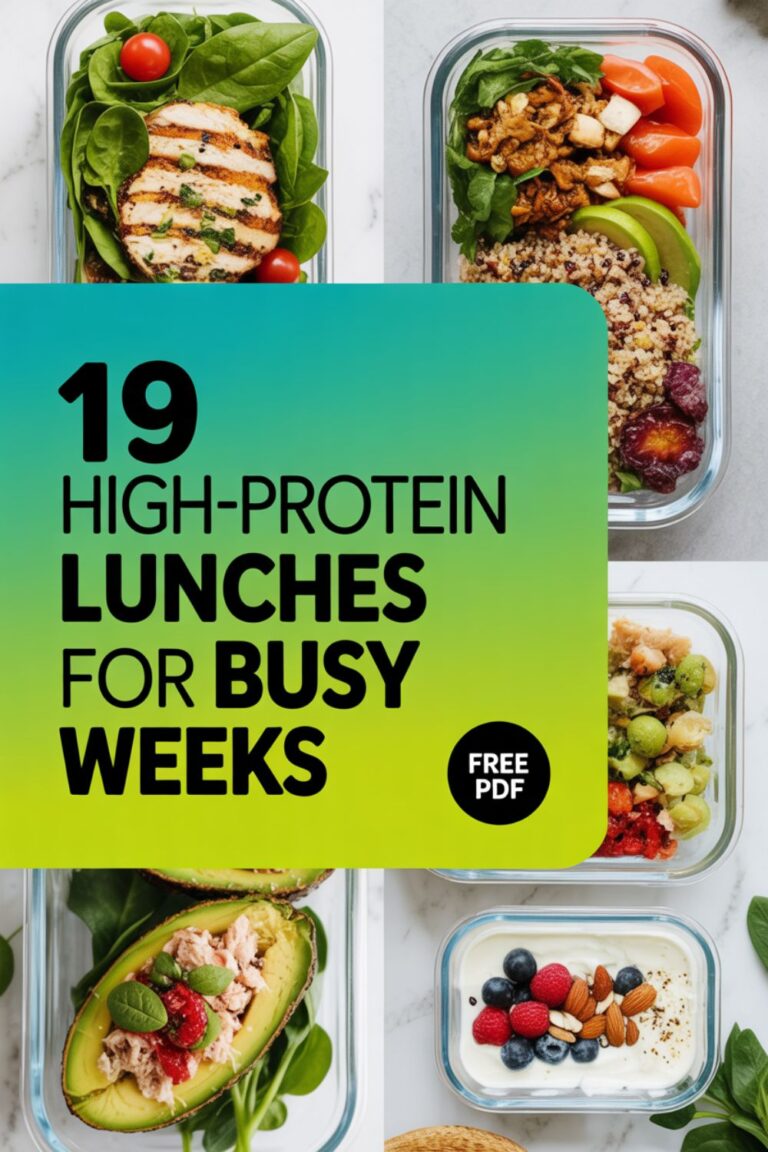
Looking for more variety in your rotation? These meal prep bowls under 30 minutes and these 400-calorie meal prep bowls offer endless combinations while keeping prep time minimal.
The Mediterranean Pantry Essentials
Building your Mediterranean pantry is like setting up a foundation. Once you have the basics, throwing together meals becomes exponentially easier. Here’s what I always keep stocked:
- Extra virgin olive oil: This is your primary fat source. Buy good quality—it makes a difference in flavor.
- Dried herbs and spices: Oregano, basil, thyme, cumin, paprika, and za’atar are workhorses.
- Canned goods: Chickpeas, white beans, tomatoes (crushed and whole), and quality tuna or sardines.
- Whole grains: Quinoa, bulgur, farro, brown rice, and whole wheat couscous.
- Nuts and seeds: Almonds, walnuts, pine nuts, and sesame seeds (or tahini).
- Vinegars and acids: Red wine vinegar, balsamic vinegar, and fresh lemons.
When you have these foundations, you can improvise based on what’s fresh and seasonal without needing to follow recipes religiously. That’s when meal prep shifts from being a chore to actually being kind of enjoyable.
Kitchen Tools That Make Mediterranean Meal Prep Actually Enjoyable
After years of meal prepping, these are the tools I genuinely use every single week. Not the fancy gadgets collecting dust in my cabinet—the ones that earn their keep.
Glass Meal Prep Containers (5-pack)
These borosilicate glass containers don’t stain, don’t absorb smells, and go from fridge to microwave without drama. The snap-lock lids actually seal, which is apparently a rare superpower in the container world.
Heavy-Duty Sheet Pans
Cheap sheet pans warp in high heat and create uneven cooking. Invest in commercial-grade aluminum half sheets and thank yourself every Sunday. I use mine at least three times during each prep session.
Instant-Read Thermometer
Stop overcooking your chicken and fish. A good digital thermometer takes the guesswork out completely. Chicken to 165°F, fish to 145°F—done.
Mediterranean Meal Prep Template (Digital Download)
This printable planning template includes shopping lists organized by category, a weekly meal grid, and portion calculators. It’s basically meal prep on autopilot.
Macro-Balanced Mediterranean Cookbook (PDF)
If you’re tracking nutrition, this digital cookbook breaks down every recipe with complete macro information and swap suggestions for dietary restrictions.
Prep Day Playlist & Timer App
Someone created a Mediterranean-themed cooking playlist with built-in interval timers. Weirdly motivating and keeps you on schedule without constantly checking your phone.
Nutrition Benefits Beyond Weight Management
Sure, Mediterranean meal prep can support weight management goals—plenty of people use it for that. But reducing this eating pattern to just calorie control misses the bigger picture entirely.
The combination of monounsaturated fats from olive oil, omega-3 fatty acids from fish, and abundant antioxidants from vegetables and herbs creates a powerful anti-inflammatory effect in your body. Johns Hopkins Medicine notes that this dietary pattern can reduce inflammation markers and improve arterial flexibility—both crucial for long-term cardiovascular health.
The fiber content alone is worth discussing. Between the legumes, whole grains, vegetables, and fruits, you’re easily hitting 30-40 grams of fiber daily. That supports digestive health, stabilizes blood sugar, and helps you feel genuinely satisfied after meals—not just “full” but actually content.
One thing I’ve noticed personally is the impact on energy levels. When you’re eating consistent, balanced meals prepped ahead of time, you avoid those blood sugar roller coasters that come with erratic eating patterns. No more 3pm crashes that send you searching for the nearest vending machine.
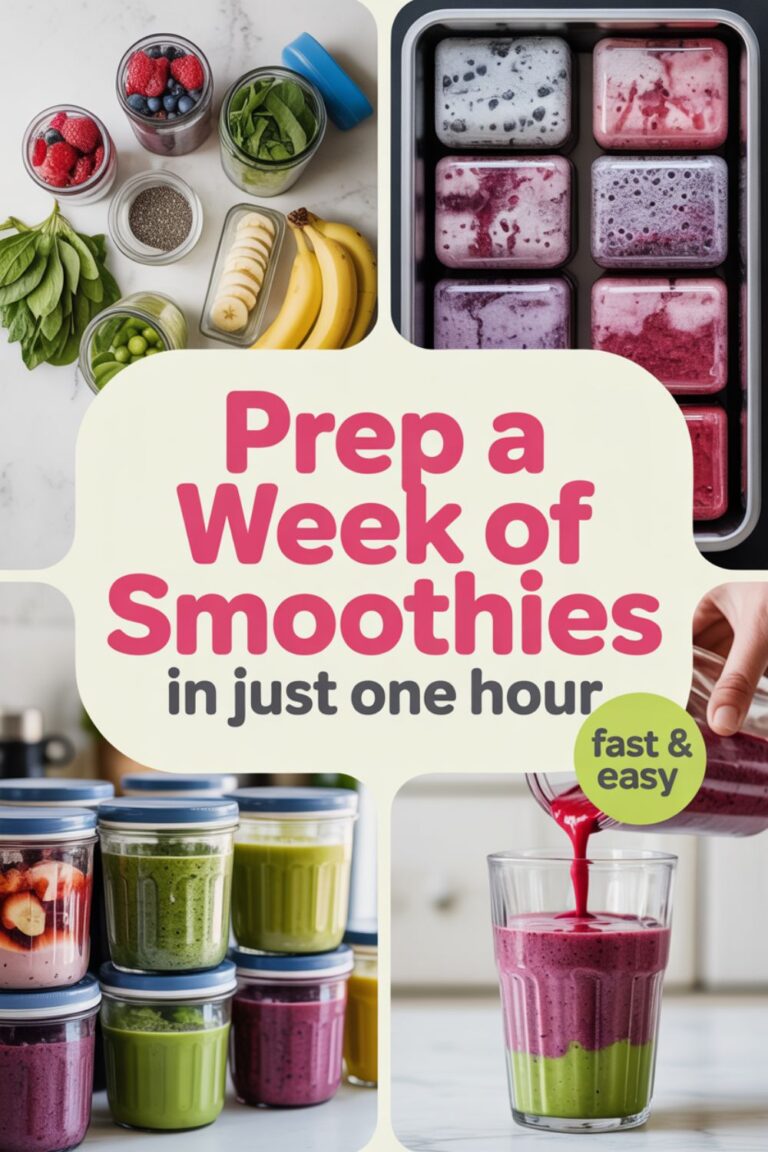
For more meal prep approaches that prioritize nutrition without sacrificing flavor, explore these healthy meal prep bowls and these weight loss meal prep bowls that don’t feel like diet food.
Common Meal Prep Mistakes to Avoid
Let me save you from the mistakes I made when I first started. First up: trying to prep foods that don’t reheat well. Fresh salads with dressing already on them? Hard pass. Anything involving crispy textures like fried items? Also a no.
The second mistake is not seasoning adequately. Food that sits in the fridge loses some of its vibrancy. I’ve learned to season slightly more generously than I would for immediate consumption. Fresh herbs added right before eating also make a massive difference in reviving refrigerated meals.
Third mistake: underestimating the importance of proper cooling before storing. If you seal hot food in containers, condensation creates the perfect environment for sogginess and potential bacterial growth. Let everything cool to room temperature first, then refrigerate.
And perhaps the biggest mistake? Thinking you need to prep every single meal for the entire week. That’s burnout waiting to happen. Start with your most problematic meal—usually lunch or dinner—and nail that before expanding. Progress over perfection, always.
Adapting the Plan for Different Dietary Needs
The Mediterranean framework is remarkably flexible, which makes it perfect for accommodating various dietary restrictions or preferences. Going vegetarian or vegan? Replace the fish and chicken with more legumes, tofu, or tempeh. The foundational principles remain exactly the same.
For those following a gluten-free approach, swap the bulgur and farro for quinoa, rice, or gluten-free pasta alternatives. The Mediterranean diet doesn’t hinge on gluten-containing grains—it’s just that they happen to be traditional in the region.
Dairy sensitivity? No problem. The traditional Mediterranean diet actually isn’t heavy on dairy to begin with. Most of the richness comes from olive oil, nuts, and seeds rather than cheese and milk. Where recipes call for cheese, nutritional yeast or tahini-based sauces work beautifully.
Budget constraints are real, and Mediterranean eating doesn’t have to be expensive. Focus on the more affordable protein sources like canned fish, eggs, and legumes. Buy vegetables that are in season. Frozen vegetables are nutritionally comparable to fresh and often cheaper. The core philosophy works regardless of your grocery budget.
If you’re looking for even more adaptable options, check out these clean girl meal prep ideas and these minimalist meal prep ideas that embrace simplicity without compromising nutrition.
Making It Visual: The Meal Prep Aesthetic
Let’s acknowledge the elephant in the room: presentation matters. We eat with our eyes first, and if your meal prep looks depressing, you’re less likely to be excited about eating it come Wednesday.
Color variety naturally happens with Mediterranean cooking—the red of tomatoes, the green of herbs and vegetables, the golden tones of olive oil and grains, the deep purples of eggplant and olives. When you plate your prepped meals, think about creating visual contrast.
I arrange my components in separate sections within the container rather than mixing everything together. This keeps textures distinct and makes reheating more flexible. Some people like everything hot; others prefer their salad components cold. Keeping things separate gives you options.
Fresh herbs added right before serving transform the visual appeal dramatically. A sprinkle of chopped parsley, basil, or cilantro takes your meal from “reheated leftovers” to “intentionally composed dish.” It’s a small detail that matters psychologically.
For Instagram-worthy presentation inspiration, these aesthetic meal prep ideas, these colorful meal prep bowls, and these rainbow meal prep bowls prove that healthy eating can be genuinely beautiful.
Frequently Asked Questions
How long does Mediterranean meal prep stay fresh in the fridge?
Most Mediterranean meal prep dishes stay fresh for 4-5 days when stored properly in airtight containers. Dishes with cooked proteins like chicken or fish are best consumed within 3-4 days, while vegetarian options like lentil soup or chickpea stews often last the full 5 days and even improve in flavor. Always store components separately when possible and add fresh herbs right before eating for optimal taste.
Can I freeze Mediterranean meal prep for longer storage?
Absolutely. Soups, stews, cooked grains, and most cooked proteins freeze beautifully for up to 3 months. Avoid freezing items with high water content like fresh salads, cucumbers, or dishes heavy in dairy. Label everything with dates and freeze in portion-sized containers for easy thawing. Defrost overnight in the fridge rather than using the microwave for best texture retention.
Is Mediterranean meal prep expensive compared to other approaches?
Not necessarily. While some ingredients like quality olive oil and fresh fish can be pricier, the foundation relies on affordable staples—legumes, whole grains, seasonal vegetables, and canned fish. Buying in bulk, choosing seasonal produce, and focusing on plant-based proteins significantly reduces costs. Many people find they actually save money by meal prepping because it eliminates expensive takeout and reduces food waste.
How do I prevent my meal prep from getting boring?
Variety comes from rotating your protein sources, switching up your grain bases, and experimenting with different herb and spice combinations. Instead of eating the same meal seven times, prepare 2-3 different protein options and multiple vegetable combinations that you can mix and match throughout the week. Fresh toppings added right before eating—like fresh herbs, lemon juice, or a drizzle of tahini—also dramatically change the flavor profile.
Do I need special containers for Mediterranean meal prep?
While any airtight containers work, glass containers are ideal for Mediterranean meal prep because they don’t absorb oils or odors from ingredients like olive oil, garlic, and tomatoes. Containers with compartments help keep different components separate, preventing sogginess. BPA-free, microwave-safe options are essential for reheating. The investment in quality containers pays off quickly in terms of food preservation and convenience.
Making Mediterranean Meal Prep Your Reality
Here’s the truth nobody talks about: meal prep doesn’t have to be Instagram-perfect to be effective. Your containers don’t need to match. Your portions don’t have to look like they belong in a magazine spread. What matters is creating a sustainable system that gets healthy, delicious food into your regular rotation without making you want to cry from exhaustion.
This 7-day Mediterranean meal prep plan gives you a solid starting framework, but the real magic happens when you adapt it to your life. Maybe you hate chickpeas—fine, use white beans instead. Can’t stand fish? Double up on the chicken and add more legume-based meals. The Mediterranean approach is about principles, not rigid rules.
Start small. Pick three meals from this plan that sound appealing and prep just those for your first week. Once that feels manageable, add more. Progress beats perfection every single time. The goal isn’t to become a meal prep Instagram influencer—it’s to make eating well easier and more consistent in your actual life.
And remember: even if you only meal prep 60% of your meals and order takeout for the rest, you’re still doing better than before. Give yourself credit for the effort. Mediterranean eating combined with meal prep is genuinely life-changing when you stick with it, but that only happens if you make it work for you rather than trying to fit yourself into someone else’s perfect system.
Now go download that free printable, pick your prep day, and get started. Your future self—the one who’s not scrambling to figure out dinner at 7pm on a Tuesday—is going to thank you.