22 Mediterranean Diet Pasta Recipes That Are Actually Healthy
22 Mediterranean Diet Pasta Recipes That Are Actually Healthy
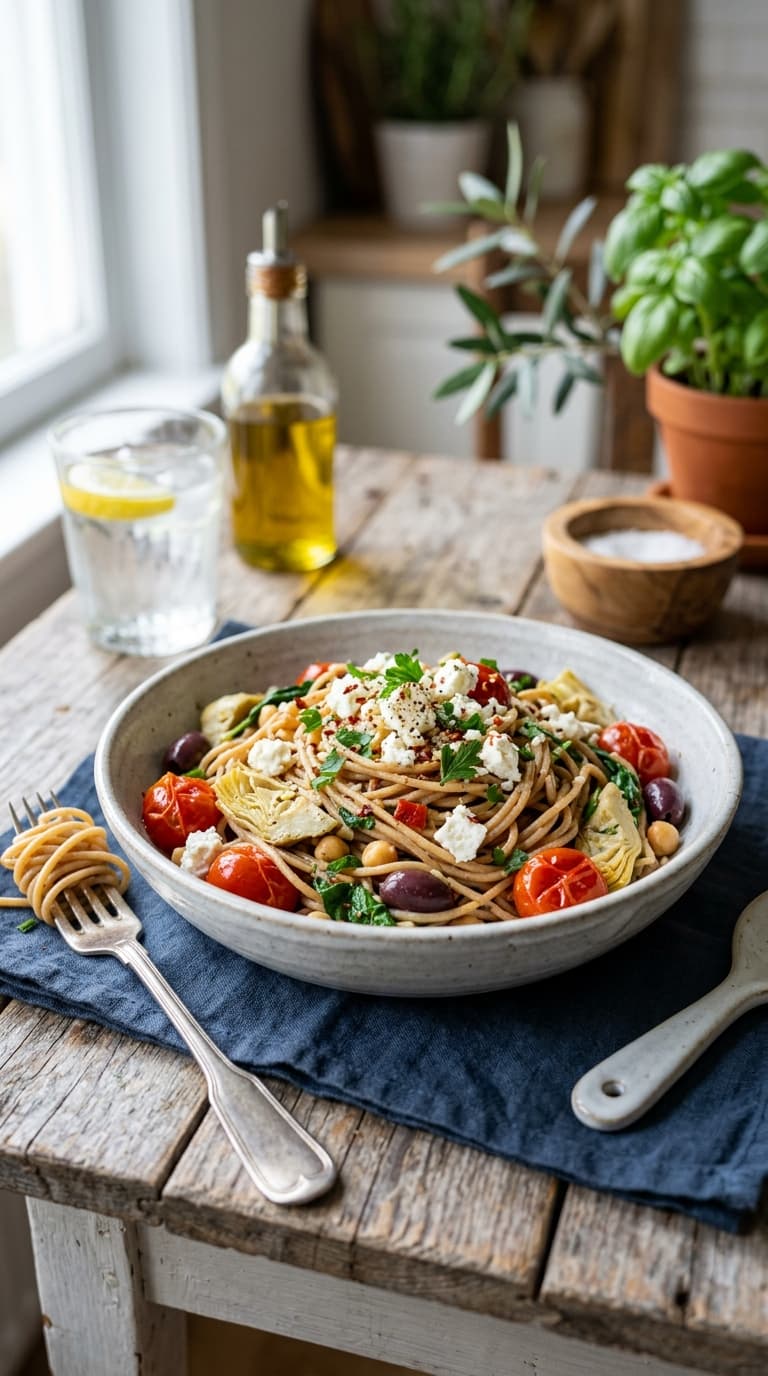
Pasta and healthy eating — most people think these two things can’t coexist. But here’s the thing: the Mediterranean diet has been combining them beautifully for centuries, and honestly, the results are chef’s kiss. If you’ve been avoiding pasta because someone told you carbs are the enemy, I’m here to change your mind completely.
The Mediterranean way of eating doesn’t demonize any food group. It’s all about whole ingredients, healthy fats, lean proteins, and vegetables that actually taste good. Pasta fits right into that picture when you build it the right way. And these 22 recipes prove it without apology.
Why Mediterranean Pasta Is Different From Regular Pasta Dishes
Let’s be real — a bowl of white pasta drowning in heavy cream sauce isn’t exactly what we’re talking about here. Mediterranean pasta dishes lean on olive oil, fresh herbs, legumes, seafood, and seasonal vegetables instead of butter-heavy or processed ingredients.
The difference shows up in how you feel after eating, too. Instead of that heavy, sluggish post-pasta feeling, you get satisfying, sustained energy. That’s the magic of building your plate the Mediterranean way — and if you’re already into quick Mediterranean meal prep ideas for busy weeks, you already know what I mean.
The Basics: What Makes a Pasta Recipe Mediterranean-Friendly
Before jumping into the recipes, here’s a quick cheat sheet of what makes these dishes work:
- Olive oil instead of butter or cream
- Whole wheat or legume-based pasta for more fiber and protein
- Plenty of vegetables — roasted, fresh, or sautéed
- Lean proteins like grilled chicken, shrimp, tuna, or white beans
- Fresh herbs like basil, oregano, parsley, and thyme
- Light sauces built from tomatoes, lemon, garlic, or olive oil
FYI, you don’t have to use whole wheat pasta every single time. Regular pasta in a reasonable portion, loaded with vegetables and healthy protein, still fits the Mediterranean approach just fine.
1. Classic Spaghetti Aglio e Olio
This is the recipe that proves simple food wins every time. Spaghetti, good olive oil, garlic, red pepper flakes, and parsley — that’s literally it. No heavy sauce, no fuss.
The key is using high-quality extra virgin olive oil because it carries every single flavor in this dish. Toast the garlic slowly until golden (not burned — we’ve all been there :/), then toss with pasta and a splash of pasta water for a silky, coating sauce that feels indulgent but isn’t.
2. Lemon Herb Pasta with Grilled Shrimp
This one screams summer on a plate. Grilled shrimp, whole wheat linguine, fresh lemon juice, capers, and parsley come together in under 25 minutes.
The lemon and caper combo gives you that bright, briny flavor that makes Mediterranean cooking so addictive. Shrimp adds lean protein without weighing the dish down. It’s light, satisfying, and genuinely one of those recipes you’ll keep coming back to.
3. Pasta e Fagioli (Pasta and Beans)
Ever wonder why Italian grandmothers live to be 100? Dishes like this might have something to do with it. Pasta e Fagioli combines small pasta shapes with white cannellini beans, tomatoes, garlic, and rosemary in a thick, hearty soup-style dish.
Beans are an underrated Mediterranean powerhouse — they load this recipe with plant-based protein and fiber that keeps you full for hours. It’s also incredibly budget-friendly, which is always a win.
4. Greek-Style Pasta Salad
Cold pasta salads get a bad reputation, but this version earns its spot. Rotini pasta, cucumber, cherry tomatoes, Kalamata olives, red onion, and feta cheese get tossed in a simple lemon-oregano vinaigrette.
This recipe is also perfect for meal prep — it actually tastes better the next day once everything marinates. If you’re building out a week of healthy lunches, this fits right in alongside other easy Mediterranean lunch boxes for work.
5. Pesto Pasta with Sun-Dried Tomatoes and Spinach
Traditional pesto is already Mediterranean by nature — fresh basil, pine nuts, Parmesan, garlic, and olive oil blended into a sauce that makes everything taste better. Add sun-dried tomatoes and wilted spinach, and you’ve got a complete, nutrient-dense meal.
Use whole wheat pasta here to bump up the fiber content. The robust flavor of pesto stands up well to the nuttier taste of whole wheat, unlike lighter sauces that can get lost.
6. Pasta Puttanesca
Bold, punchy, and ready in 20 minutes flat. Puttanesca sauce combines tomatoes, anchovies, Kalamata olives, capers, and garlic into something that tastes like it took all day. The anchovies melt into the sauce and add deep umami flavor without tasting fishy — trust me on this one.
This sauce is naturally low in calories but incredibly satisfying because of all those intense flavors. It’s one of those recipes where less really is more.
7. Roasted Vegetable Pasta with Feta
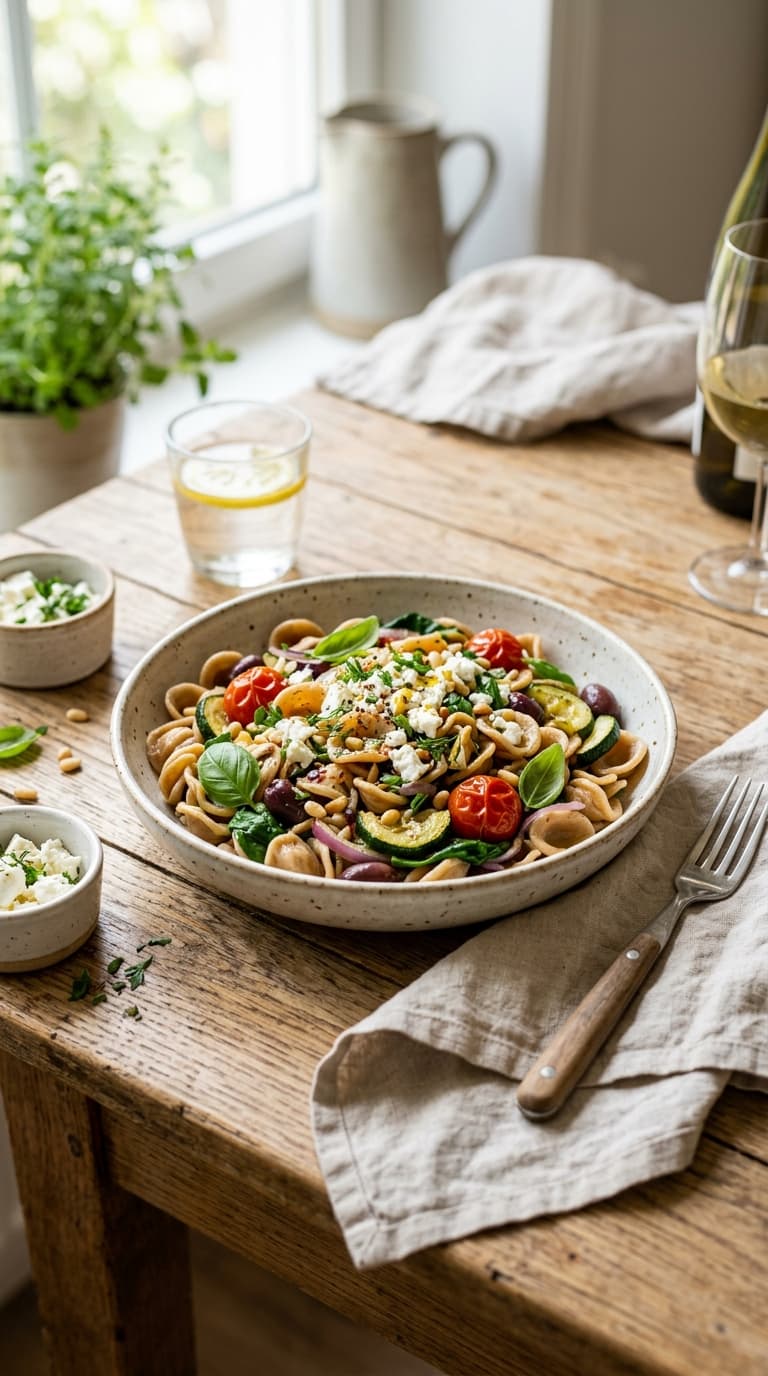
Roasting vegetables is one of the best cooking techniques you can add to your routine — it concentrates flavors and creates a natural sweetness. Roasted zucchini, bell peppers, cherry tomatoes, and red onion tossed with pasta and crumbled feta makes a deeply satisfying vegetarian meal.
Drizzle with olive oil, hit it with fresh oregano, and you’re done. The feta melts slightly into the warm pasta and creates a creamy element without any actual cream involved.
8. Tuscan White Bean Pasta
This recipe is pure comfort food dressed up in Mediterranean clothes. Sautéed garlic, white beans, wilted kale, cherry tomatoes, and pasta come together with a generous pour of olive oil and a squeeze of lemon.
White beans do double duty here — they add plant protein and a creamy texture when some of them get smashed slightly during cooking. It’s one of those high-protein meal prep bowls energy that works equally well as a pasta dish.
9. Tuna and Olive Pasta
This recipe is criminally underrated in North America, even though it’s a staple across Southern Europe. Quality canned tuna, Kalamata olives, capers, cherry tomatoes, and spaghetti tossed in olive oil and lemon — it comes together in the time it takes your pasta to cook.
Use good-quality tuna packed in olive oil for the best flavor. The omega-3 fatty acids from the tuna make this a genuinely heart-healthy option that aligns perfectly with Mediterranean eating principles.
10. Pasta Primavera the Mediterranean Way
Pasta Primavera is often loaded with cream in American restaurants, but the Mediterranean version skips all that. Asparagus, peas, zucchini, cherry tomatoes, and fresh basil get lightly sautéed in olive oil and garlic, then tossed with pasta and a handful of Parmesan.
This is a great recipe for spring and summer when these vegetables are at their peak. Light, colorful, and packed with micronutrients — what’s not to love?
11. Sicilian-Style Pasta with Eggplant and Tomatoes (Pasta alla Norma)
If you’ve never tried this classic Sicilian dish, you’re genuinely missing out. Roasted eggplant, San Marzano tomatoes, fresh basil, and ricotta salata on rigatoni or penne is a combination that’s been winning people over for generations.
Roasting the eggplant instead of frying it keeps the calorie count reasonable while maintaining all that deep, smoky flavor. Ricotta salata is drier and saltier than regular ricotta, so a little goes a long way.
12. Chickpea Pasta with Lemon and Herbs
Here’s where we talk about chickpea pasta — made from chickpea flour, it delivers significantly more protein and fiber than regular pasta. Toss it with sautéed garlic, olive oil, fresh lemon juice, parsley, and a pinch of red pepper flakes for a simple but deeply satisfying meal.
This one is especially great if you’re focused on keeping things light but filling. It pairs beautifully with Mediterranean bowls you can prep in advance for a well-rounded weekly plan.
13. Orzo with Roasted Red Peppers and Feta
Orzo is technically a pasta that looks like rice, and it’s absolutely perfect for Mediterranean-style dishes. Roasted red peppers, artichoke hearts, Kalamata olives, fresh parsley, and crumbled feta tossed with orzo and olive oil makes a dish that works hot or cold.
This is one of the best make-ahead pasta recipes because the flavors intensify overnight. Make a big batch on Sunday and eat it throughout the week — easy, delicious, done.
14. Pasta with Sardines and Breadcrumbs (Pasta con le Sarde)
Okay, I know sardines might sound intimidating, but hear me out. This traditional Sicilian recipe uses sardines, fennel, pine nuts, raisins, saffron, and toasted breadcrumbs to create a flavor profile that’s genuinely unlike anything else.
Sardines are one of the most nutrient-dense foods you can eat — loaded with omega-3s, calcium, and vitamin D. This recipe is a masterclass in turning humble ingredients into something extraordinary.
15. Whole Wheat Spaghetti with Fresh Tomato Sauce
Sometimes the classics are classics for a reason. Fresh, ripe tomatoes slow-cooked with garlic, basil, and olive oil over whole wheat spaghetti is one of the most satisfying meals in existence — and it’s genuinely healthy.
The trick here is patience — let the tomatoes cook down slowly to develop deep flavor. Don’t rush it with heat, and don’t add sugar (please). Good tomatoes don’t need it.
16. Pasta with Artichokes and Lemon
Artichokes are a Mediterranean diet superstar that don’t get nearly enough attention. Sautéed artichoke hearts, garlic, lemon zest, capers, and fresh parsley over linguine create a bright, slightly tangy dish that feels elegant but takes about 20 minutes.
Artichokes are genuinely one of the most fiber-rich vegetables you can eat, which makes this pasta more filling than it looks. Add a handful of white beans if you want extra staying power.
17. Greek Lemon Chicken Pasta (Avgolemono-Inspired)
This recipe draws inspiration from the classic Greek avgolemono soup. Shredded grilled chicken, whole wheat pasta, lemon juice, a touch of egg yolk, and fresh dill create a silky, tangy sauce that’s lighter than it tastes.
The lemon and dill combination is quintessentially Greek and pairs beautifully with chicken. It’s a great high-protein option that doesn’t feel like diet food at all — which, IMO, is the whole point.
18. Pasta with Spinach, Walnuts, and Olive Oil
This one is dead simple and incredibly nutritious. Wilted baby spinach, toasted walnuts, garlic, and olive oil tossed with pasta and Parmesan creates a dish rich in healthy fats, iron, and plant protein.
Walnuts bring a satisfying crunch and a dose of omega-3 fatty acids that align perfectly with Mediterranean eating. This recipe comes together in about 15 minutes — faster than ordering takeout and infinitely better for you.
19. Caponata Pasta
Caponata is a Sicilian sweet and sour eggplant relish that works brilliantly as a pasta sauce. Eggplant, tomatoes, celery, olives, capers, and a splash of red wine vinegar create a deeply complex flavor that’s both sweet and tangy.
Make a big batch of caponata on its own — it stores beautifully in the fridge for up to a week and works as a sauce, a side dish, or a topping for grilled bread. Versatility is always a bonus.
20. Pasta with Roasted Garlic and White Beans
Roasted garlic is one of those ingredients that transforms completely in the oven — from sharp and pungent to sweet, mellow, and almost buttery. A whole head of roasted garlic mashed into olive oil, combined with white beans, fresh thyme, and pasta creates a sauce that tastes far more indulgent than it is.
This recipe is 100% plant-based and delivers solid protein from the beans. It’s one of those dishes that surprises people — in a good way. 🙂
21. Seafood Pasta with Mussels and Cherry Tomatoes
Mussels are one of the most sustainable, affordable seafood options available, and they cook in minutes. Steamed mussels, cherry tomatoes, white wine, garlic, and parsley over linguine is a restaurant-quality dish you can make at home for very little money.
The mussel cooking liquid becomes the sauce — it’s naturally briny and intensely flavorful. Just add a drizzle of good olive oil at the end and you’re in business.
22. Whole Grain Pasta with Za’atar Roasted Vegetables
This recipe brings some Eastern Mediterranean flair with za’atar-spiced roasted cauliflower, zucchini, cherry tomatoes, and chickpeas over whole grain pasta with a tahini-lemon drizzle.
Za’atar is a herb blend — usually thyme, sumac, sesame seeds, and salt — that adds incredible depth to roasted vegetables. The tahini drizzle adds creaminess and healthy fats without any dairy. It’s a genuinely exciting combination that breaks away from the usual pasta routine.
Tips for Keeping Your Mediterranean Pasta Actually Healthy
You’ve got 22 recipes now, but a few quick tips will make all the difference in execution:
- Watch your portion sizes — a Mediterranean serving of pasta is around 70–80g dry, paired with lots of vegetables and protein
- Use extra virgin olive oil generously — the healthy fats in it are part of what makes this diet so beneficial
- Prioritize seasonal vegetables — they taste better and cost less
- Don’t overthink it — the Mediterranean diet isn’t about perfection, it’s about consistency and enjoyment
- Pair pasta nights with good prep habits — having ingredients ready makes weeknight cooking effortless
If you’re building out a full week of eating around these principles, a solid 7-day Mediterranean meal prep plan can help you stay consistent without burning out in the kitchen.
Building These Into Your Weekly Routine
The best way to make Mediterranean pasta part of your regular rotation is to stop treating it as an occasional treat and start treating it as a reliable weeknight strategy. Most of these recipes take 20–30 minutes, use pantry staples, and reheat well for lunch the next day.
Batch-cook your base grains and proteins on Sundays — grilled chicken, roasted vegetables, cooked beans — and your pasta nights become almost effortless. If you need more structure around that approach, Mediterranean dinner preps that reheat beautifully is worth bookmarking.
Final Thoughts
Pasta and healthy eating aren’t enemies — they never were. The Mediterranean diet figured that out a long time ago, and these 22 recipes are proof that you don’t have to sacrifice flavor, satisfaction, or enjoyment to eat well.
Start with two or three recipes that genuinely appeal to you. Build from there. And maybe, just maybe, you’ll stop side-eyeing the pasta aisle at the grocery store and start seeing it for what it actually is — an opportunity to make something nourishing and delicious.
Now go cook something good.