21-Day Mediterranean Reset Plan To Feel Lighter & Energized
21-Day Mediterranean Reset Plan To Feel Lighter & Energized
Let’s be honest — you’ve probably tried at least one “reset” that left you hungry, cranky, and eyeing your neighbor’s pizza with dangerous intensity. The Mediterranean reset is different. It’s not a punishment disguised as a wellness plan. It’s actually food you want to eat, and after 21 days, most people genuinely feel lighter, more energized, and weirdly… happy? Yeah, that’s the olive oil talking.
I started my first Mediterranean reset after a particularly rough few months of takeout, stress eating, and convincing myself that chips counted as a vegetable. Three weeks later, I wasn’t just lighter on the scale — I slept better, my skin cleared up, and I stopped hitting that 3pm energy wall like clockwork. So trust me when I say this plan delivers.
Why 21 Days? The Science Behind the Reset Window
Twenty-one days isn’t a random number. Research consistently shows it takes about three weeks for new eating habits to begin sticking neurologically. You’re not just changing what’s on your plate — you’re rewiring how your brain responds to food cues, hunger signals, and cravings.
The Mediterranean diet has decades of research backing it as one of the most sustainable, anti-inflammatory ways of eating on the planet. It focuses on whole grains, healthy fats, lean proteins, legumes, and an absolutely unreasonable amount of delicious vegetables. And wine. (Okay, moderate wine. Don’t quote me to your doctor.)
What the Mediterranean Reset Actually Involves
Before you picture yourself eating plain salad for three weeks — stop. This plan is built around abundance, not restriction. You’re adding things in, crowding out the processed stuff naturally.
Here’s what the reset focuses on:
- Healthy fats: Extra virgin olive oil, avocado, nuts, seeds
- Lean proteins: Fish (especially oily fish like salmon and sardines), legumes, eggs, chicken
- Complex carbs: Whole grains like farro, quinoa, bulgur, and whole wheat bread
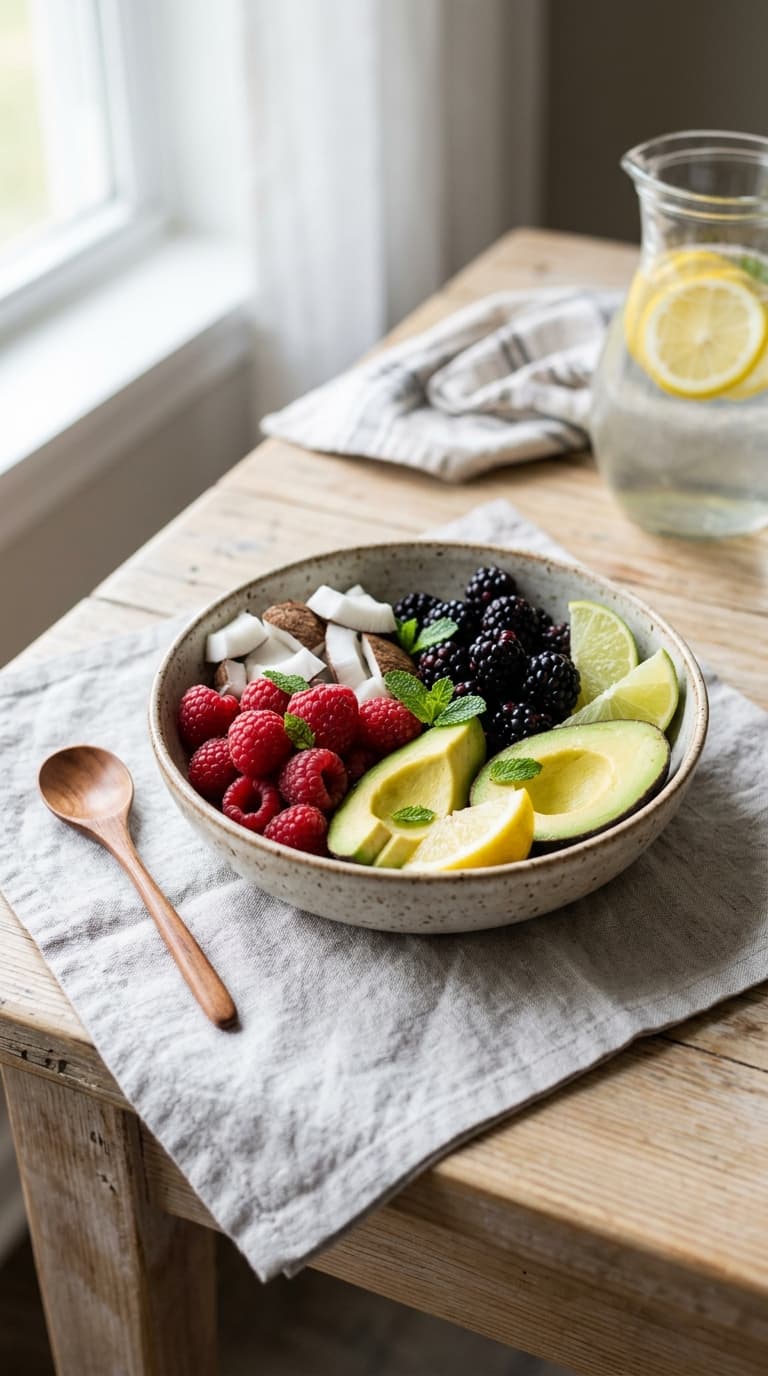
- Vegetables and fruits: Especially seasonal, colorful produce eaten in generous portions
- Herbs and spices: Goodbye boring food, hello za’atar, oregano, cumin, and fresh basil
- Dairy in moderation: Greek yogurt, feta, and small amounts of quality cheese
What you’re dialing way back:
- Refined sugars and ultra-processed snacks
- Red meat (not eliminated, just occasional)
- Seed oils and heavily processed fats
- Alcohol beyond the occasional glass of red wine
Week 1: The Foundation (Days 1–7)
Setting Up Your Kitchen
Week one is all about setup. You can’t reset if your pantry is still full of the stuff you’re resetting from. Clear out the obvious culprits — the gas station snacks, the sugary cereals, the mystery sauces that have been in the back of the fridge since 2022.
Stock up on these Mediterranean staples:
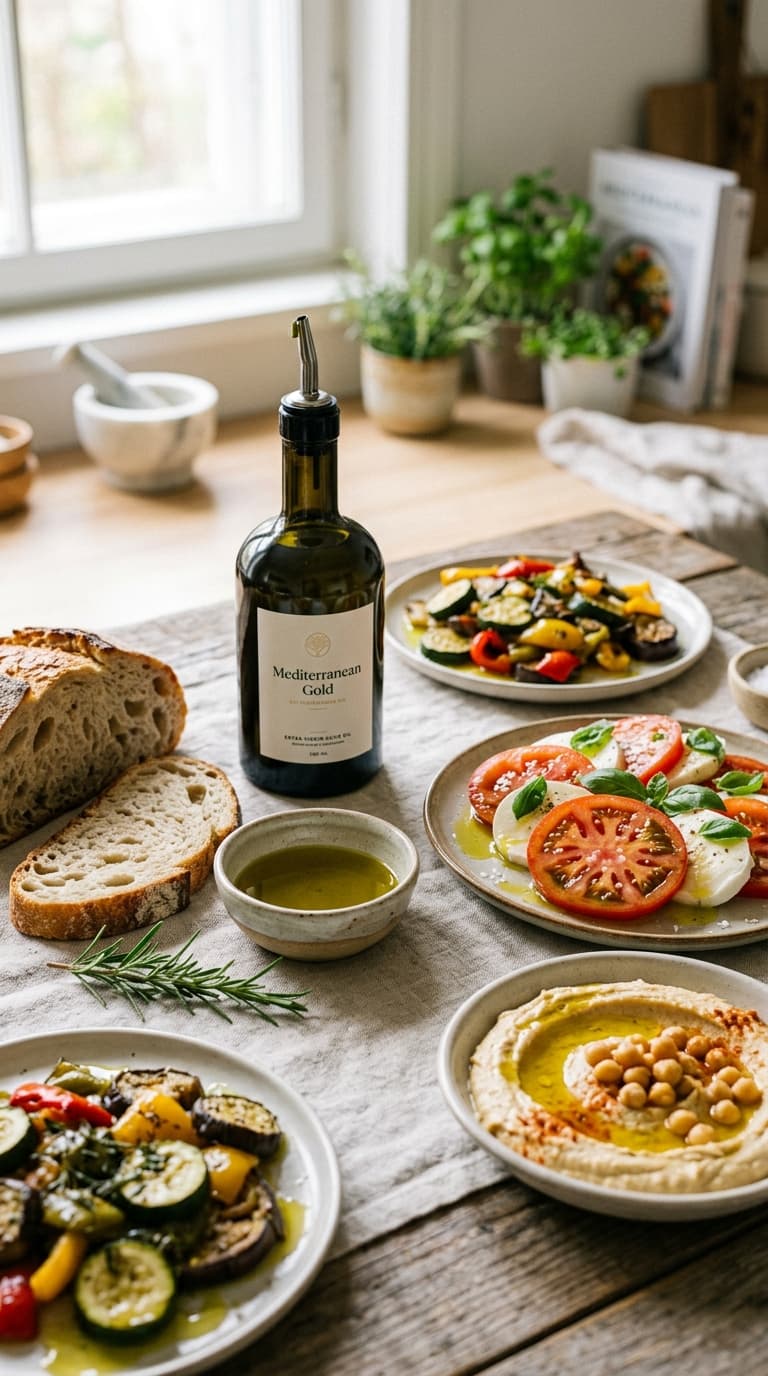
- Extra virgin olive oil (the good stuff — this is worth spending on)
- Canned chickpeas, lentils, and white beans
- Whole grain pasta, brown rice, or farro
- A variety of olives and sun-dried tomatoes
- Canned or fresh fish — sardines, tuna, salmon
- A rotating selection of fresh vegetables
If you want to make your weekly prep smoother from the start, check out these quick Mediterranean meal prep ideas for busy weeks — they take the guesswork out of that first Sunday session completely.
Week 1 Sample Day
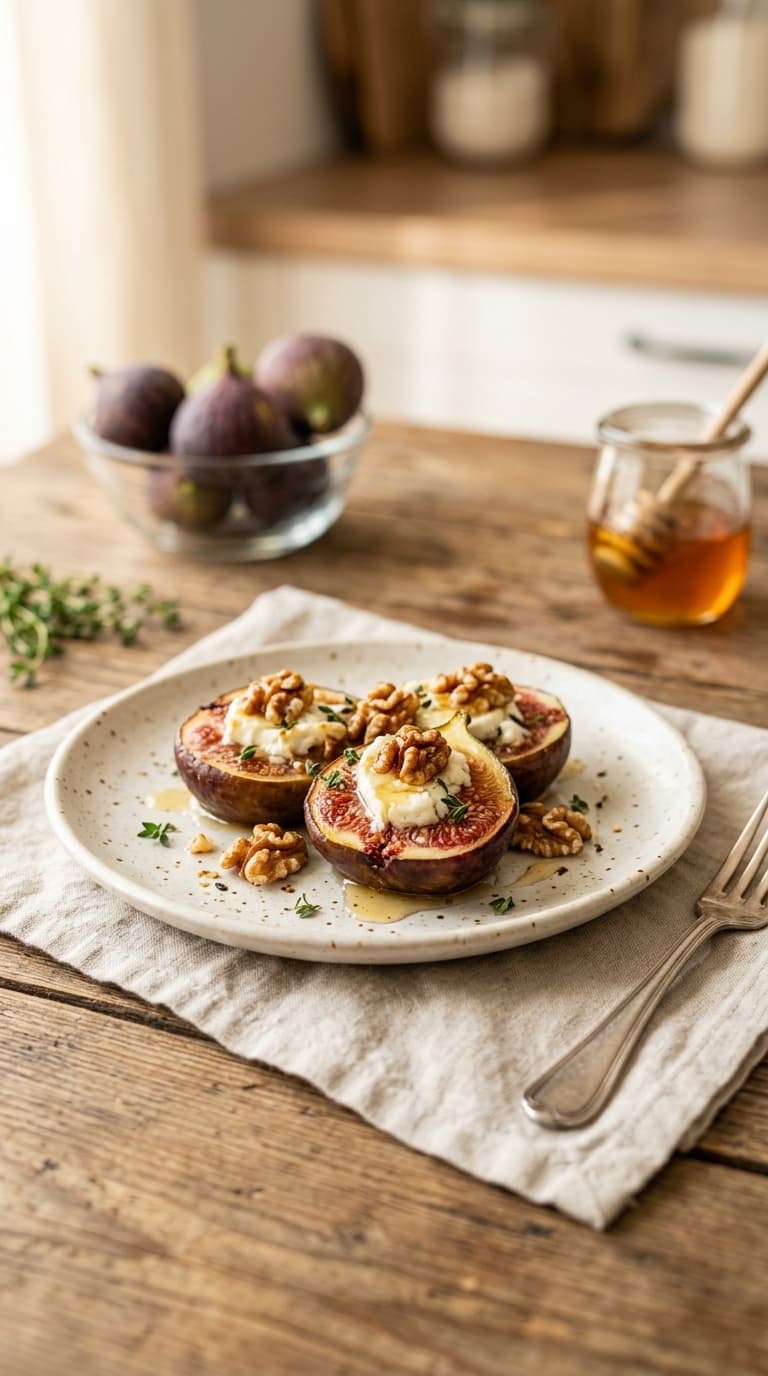
Breakfast: Greek yogurt with walnuts, fresh berries, and a drizzle of honey
Lunch: Large salad with chickpeas, cucumber, tomato, feta, and olive oil lemon dressing
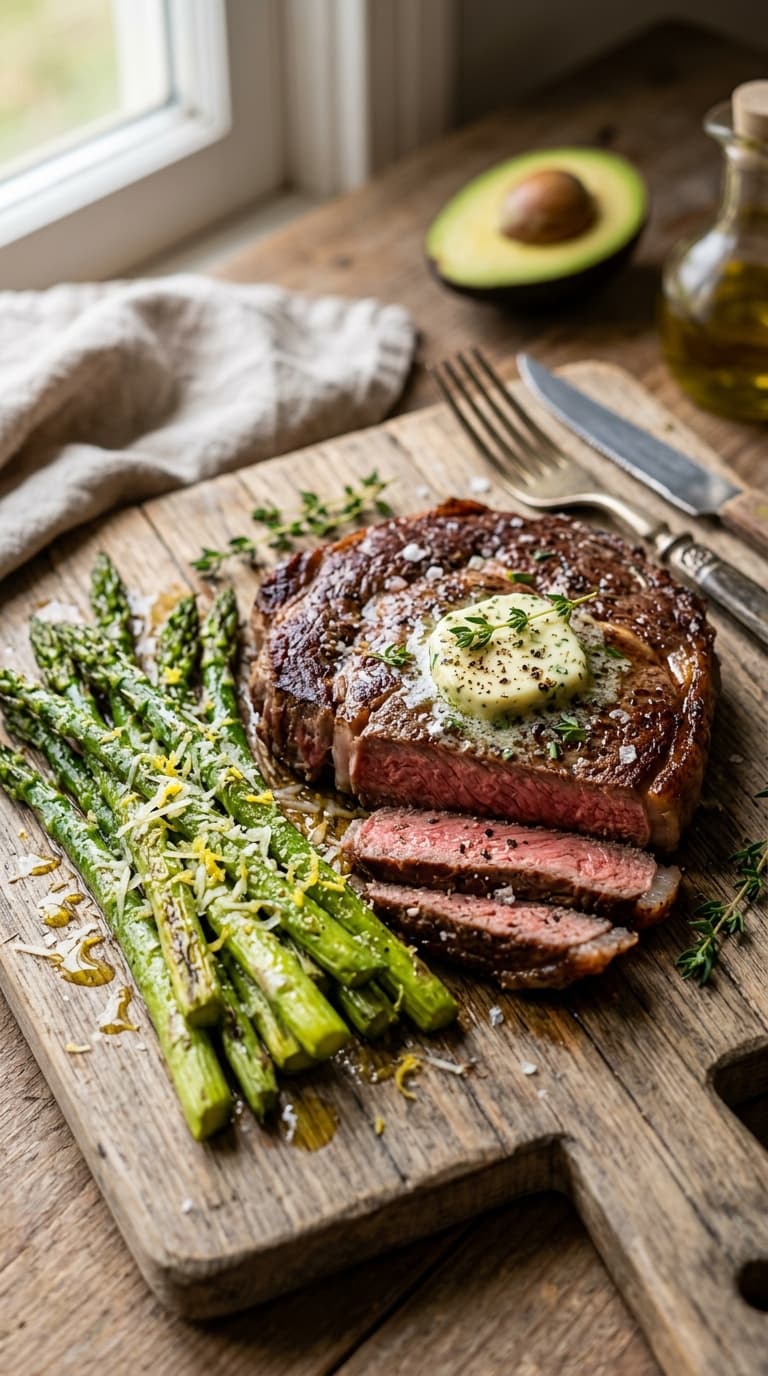
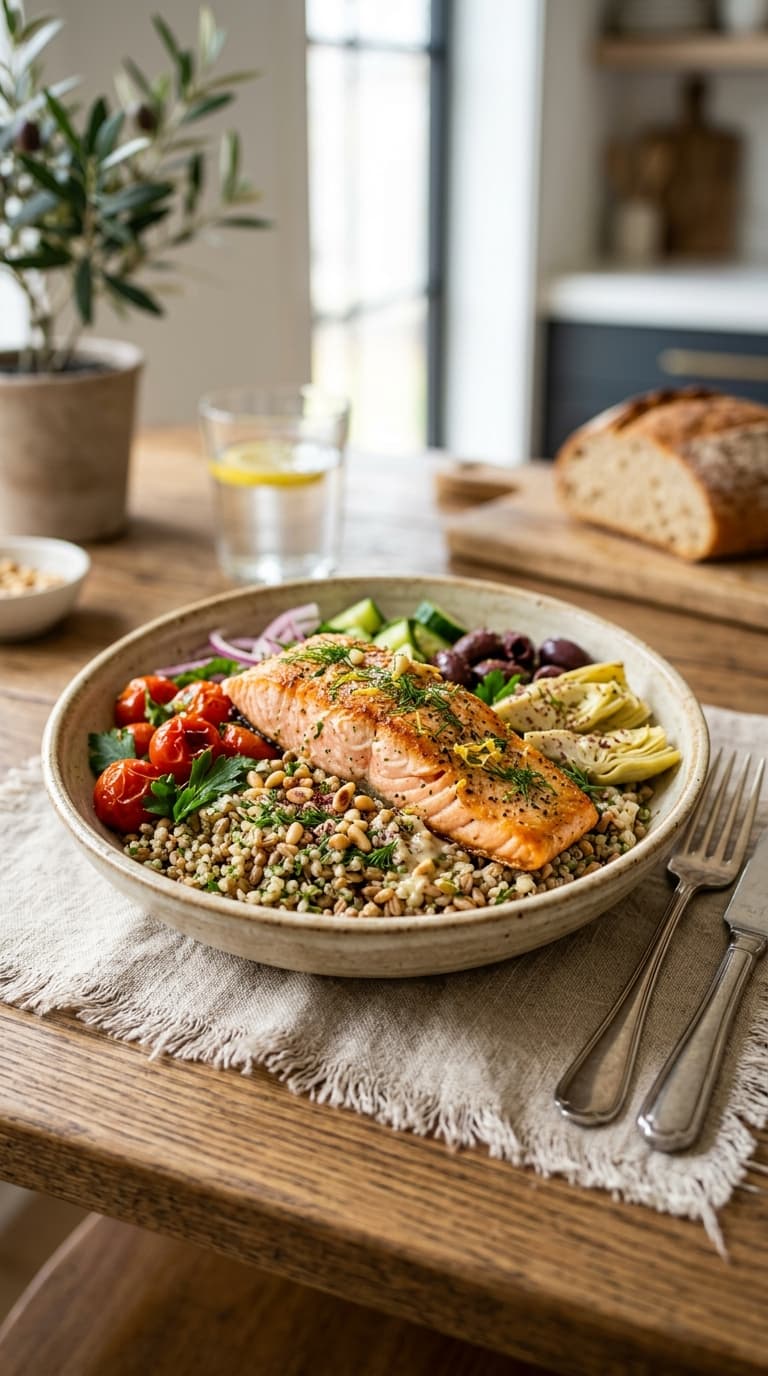
Dinner: Baked salmon with roasted asparagus and a side of farro
Snack: A small handful of almonds and an apple
Don’t overthink week one. The goal is to get comfortable with the ingredients and stop reaching for your usual convenience foods by reflex.
Week 2: Building Momentum (Days 8–14)
When the Cravings Hit (And They Will)
Around day 9 or 10, a lot of people hit a wall. You might really, really want something sugary or salty and processed. IMO, this is actually a sign the reset is working — your body is recalibrating what it considers “normal.”
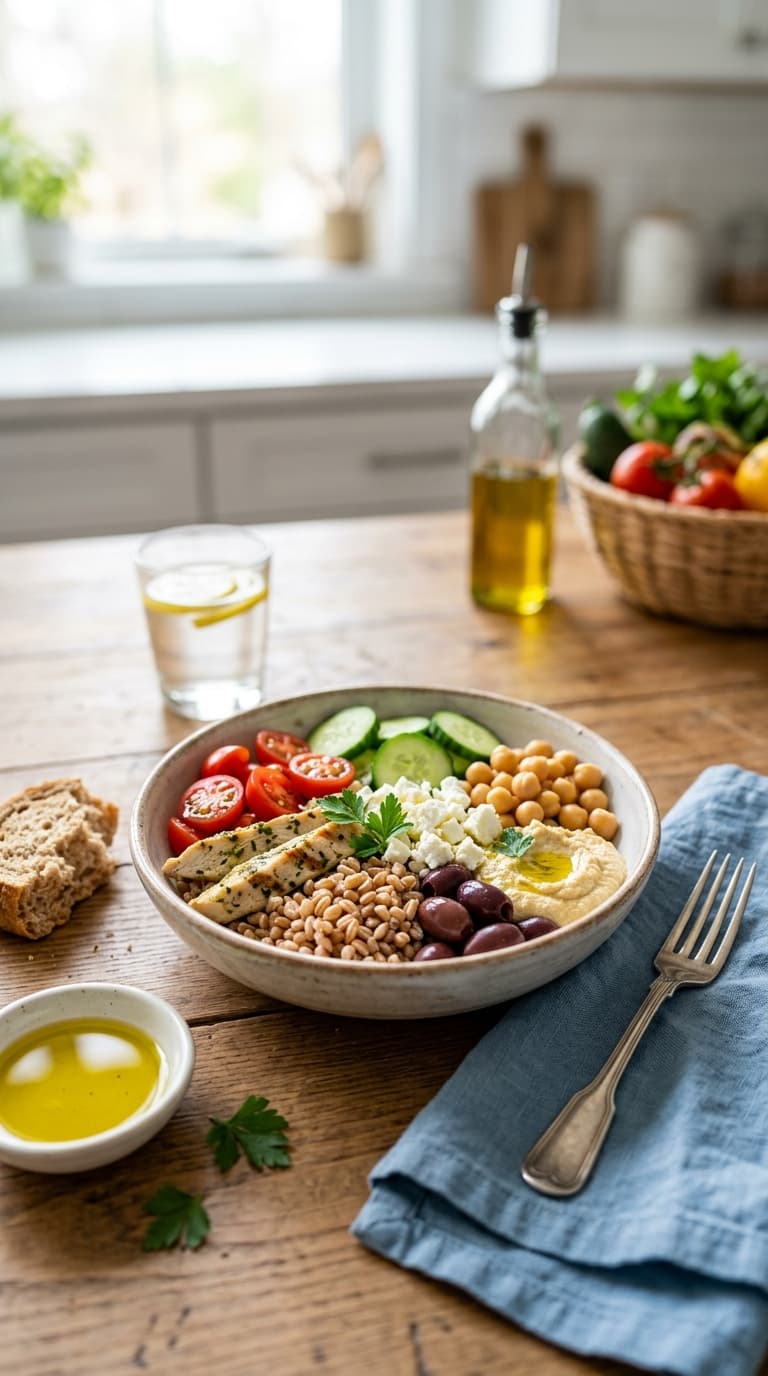
This is where batch prepping becomes your best friend. When healthy food is already made and sitting in your fridge, you’re far less likely to reach for something you’ll regret. Building a rotation of Mediterranean bowls you can prep in advance makes week two dramatically easier.
Week 2 Focus: More Variety, More Flavor
By now you should feel comfortable with the basics. Week two is about expanding your palette:
- Try a new grain you’ve never cooked with (hello, freekeh and spelt)
- Experiment with at least two new fish or seafood options
- Add more fermented foods — olives, Greek yogurt, quality cheese — to support gut health
- Use fresh herbs liberally; they contain potent antioxidants and make everything taste better
Week 2 Sample Day
Breakfast: Whole grain toast with smashed avocado, a sliced hard-boiled egg, and chili flakes
Lunch: Mediterranean grain bowl with roasted vegetables, hummus, and tahini dressing
Dinner: Chicken souvlaki with tzatziki, a side of tabbouleh, and warm pita
Snack: Sliced bell peppers with hummus, or a small handful of mixed nuts
Week 3: The Integration Phase (Days 15–21)
You’re Not “Dieting” Anymore
By week three, something interesting happens. You stop thinking of this as a plan you’re “on” and start thinking of it as just… how you eat. That’s the real goal. The 21-day frame isn’t about finishing a challenge — it’s about crossing the threshold into a new default.
Your energy should feel noticeably steadier by now. That afternoon slump? Mostly gone. The bloating that used to be a daily companion? Also largely gone, thanks to all those fiber-rich legumes and vegetables doing their thing.
Week 3: Leveling Up Your Prep Game
This is also a great time to start batching your breakfasts in advance so mornings don’t derail you. These Mediterranean breakfast meal prep recipes are genuinely worth bookmarking — they make waking up feel a lot less miserable. 🙂
Focus on:
- Meal prepping 3–4 days at a time so you maintain variety without daily cooking
- Introducing more Mediterranean snacks into your routine (think olives, nuts, fresh fruit, small portions of quality cheese)
- Planning at least two social meals around Mediterranean food — this is a lifestyle, not a solitary experiment
- Using this week to create a grocery system you can sustain beyond day 21
For snack prep specifically, these Mediterranean snacks you can batch prep on Sunday save a ridiculous amount of time during busy weekdays.
The Meal Prep Strategy That Makes This Work
Here’s the honest truth: the Mediterranean reset works best when you don’t leave every meal decision to willpower. Prep is the unsexy secret behind every successful dietary change.
You don’t need to spend your whole Sunday in the kitchen either. A focused 90-minute prep session can set you up for almost the entire week.
Here’s a streamlined approach:
- Roast a big tray of mixed vegetables — use whatever’s in season, toss with olive oil and herbs
- Cook a large batch of one whole grain — farro, brown rice, or quinoa all store well for 4–5 days
- Prep a protein source — baked chicken thighs, a tray of roasted salmon, or a pot of spiced lentils
- Make a sauce or dressing — a simple tahini lemon dressing or a batch of tzatziki goes on everything
- Portion out snacks — fill small containers with nuts, cut vegetables, or olives so grabbing a snack requires zero thought
If you want a structured framework, this 7-day Mediterranean meal prep plan lays everything out in a way that’s genuinely easy to follow.
Building the Right Grocery List
One thing people underestimate is how much the grocery list drives the whole week. A well-built Mediterranean grocery list means you always have the right ingredients on hand and you’re not standing in the kitchen at 7pm wondering what to eat.
The perfect Mediterranean grocery list guide breaks this down by category in a way that makes shopping faster and actually cheaper over time — because you stop buying random things that don’t go together.
Core pantry items to always have stocked:
- Extra virgin olive oil (go for cold-pressed, first press if possible)
- A variety of canned legumes — chickpeas, lentils, cannellini beans
- Whole grain options — farro, quinoa, whole wheat couscous
- Quality canned fish — sardines in olive oil are a personal favorite and wildly underrated
- Nuts and seeds — almonds, walnuts, pine nuts, pumpkin seeds
- Dried herbs and spices — oregano, cumin, za’atar, coriander, smoked paprika
What Results to Actually Expect
Let’s be real about the timeline because setting honest expectations matters.
Days 1–5: Potentially rough. Sugar cravings, maybe some digestive adjustment, wondering why you started this. Normal.
Days 6–10: Energy starts stabilizing. Sleep often improves. Cravings become more manageable.
Days 11–16: Noticeable reduction in bloating for most people. Fewer energy crashes. Food starts tasting better because your palate is shifting.
Days 17–21: This is where people usually report feeling genuinely lighter, more energized, and — here’s the kicker — less interested in the junk food they were craving in week one.
Weight loss varies hugely by individual. Some people lose 3–5 lbs of water weight and inflammation-related bloat in the first week alone. But the bigger win is how you feel, not what the scale says on day 21.
Keeping Protein High Without Losing the Mediterranean Vibe
One concern people raise is whether this plan gives them enough protein, especially if they’re active. Great news — it absolutely can, you just need to be intentional about it.
Mediterranean eating is naturally rich in plant-based proteins from legumes, plus plenty of options from fish, eggs, and Greek yogurt. If you’re training hard alongside this reset, these high-protein Mediterranean meal prep ideas are perfect for keeping your macros where they need to be without sacrificing the flavors you’re now obsessed with.
FYI — sardines, canned tuna, and Greek yogurt are the unsung heroes of hitting protein targets on a Mediterranean plan. Don’t sleep on them.
The Mental Shift That Completes the Reset
Here’s what nobody tells you about a 21-day reset: the hardest part isn’t the food. It’s breaking the habit of reaching for food as entertainment, comfort, or filler.
The Mediterranean diet works so well long-term partly because it’s inherently social and pleasurable. Meals are meant to be savored, shared, and enjoyed. You’re not meant to eat a sad container of something at your desk and call it lunch.
Use these three weeks to eat with intention:
- Sit down for meals when possible
- Eat without screens at least a few times a week
- Pay attention to what genuinely satisfies you versus what you ate just because it was there
This mindset piece is what separates people who finish the 21 days feeling transformed from people who finish it and immediately go back to their old habits.
After Day 21: What Comes Next
Finishing the reset doesn’t mean the plan ends — it means you’ve built the foundation. Most people find that 80% Mediterranean eating is completely sustainable long-term without feeling restrictive.
Keep the pantry stocked, keep the weekly prep habit going, and keep a rotation of meals you can prep all month so you never have to start from scratch. The goal was never a 21-day fix — it was a permanent shift in how you relate to food.
And honestly? Once you’ve eaten a properly made Greek salad with good feta and real olive oil, going back to the beige, processed alternative just doesn’t hold the same appeal anymore. :/
Wrapping Up: Your 21 Days Start Now
The Mediterranean reset isn’t a diet. It’s an upgrade. Three weeks of eating whole, colorful, nourishing food that actually tastes good — and comes with a genuine side effect of feeling better in your body, your energy, and your mood.
You’ve got the framework, the weekly breakdown, the prep strategy, and the grocery list approach. The only thing left is to actually start. Pick a Sunday, clear your pantry, and make one big prep session happen. Everything builds from there.
Twenty-one days from now, you won’t just feel lighter and more energized — you’ll wonder why you didn’t do this sooner.