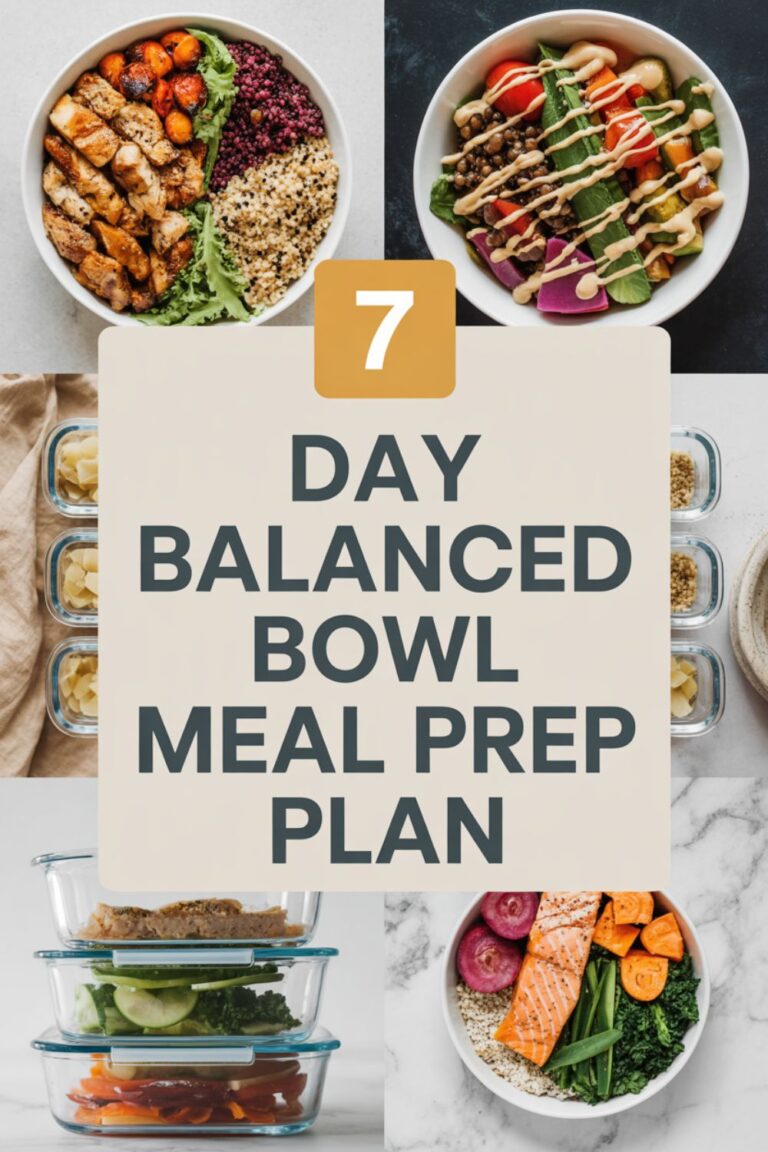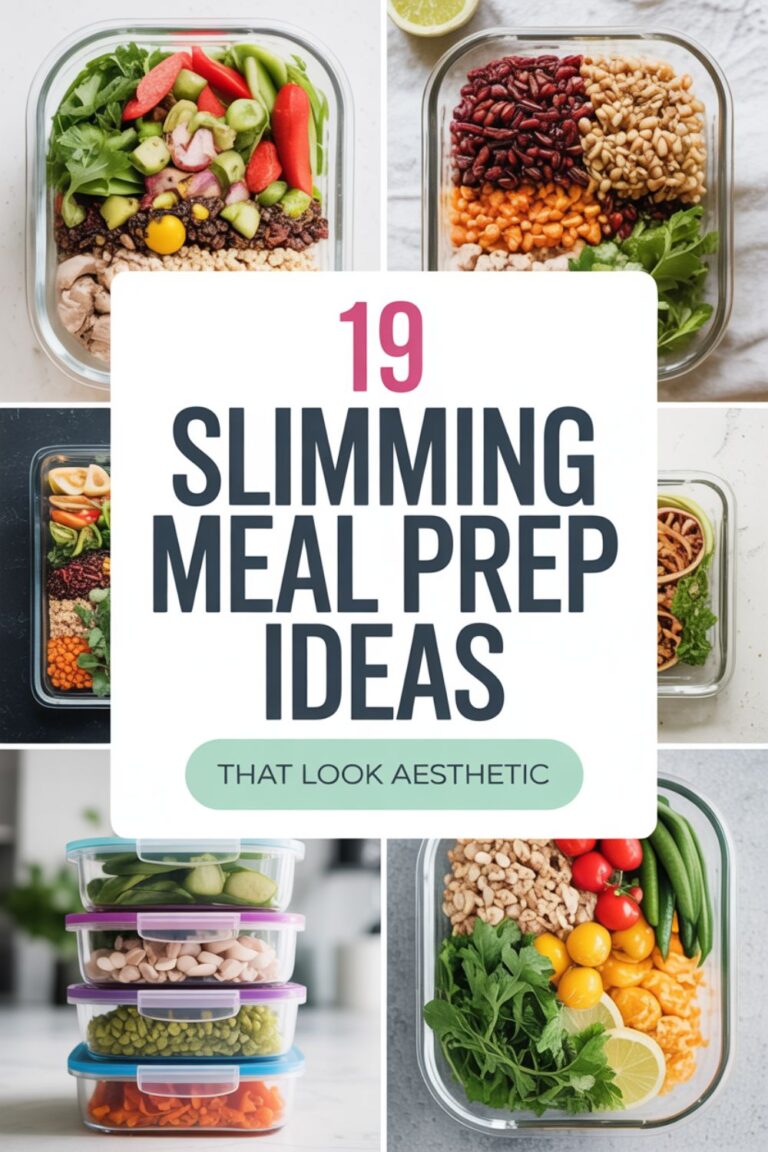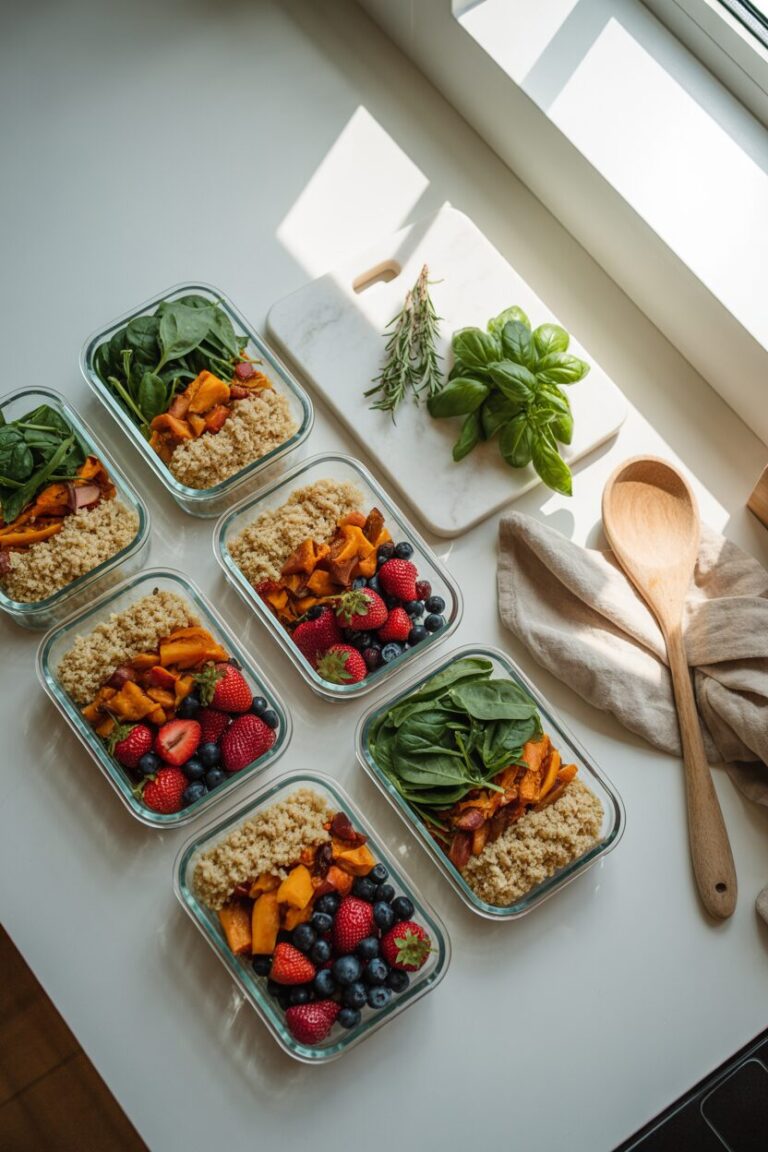
14 Build-Your-Own Meal Prep Bowl Ideas
Listen, I get it. You’re scrolling through meal prep content at 11 PM, stomach rumbling, wondering why everyone else seems to have their life together while you’re contemplating cereal for dinner again. But here’s the thing about those perfectly arranged meal prep bowls flooding your feed—they’re not as complicated as they look.
Building your own meal prep bowls is honestly one of the smartest moves you can make for your week. No more sad desk lunches, no more expensive takeout guilt, and definitely no more staring into your fridge at 7 PM wondering what counts as a balanced meal. I’ve been doing this for years now, and the freedom of having a system that actually works? Game changer.
The beauty of build-your-own bowls is that you’re not locked into some rigid recipe. You pick your base, throw in your protein, add whatever veggies you’re feeling, and boom—you’ve got meals that don’t bore you to tears by Wednesday. Plus, when you prep the components separately, you can mix and match all week long. Your future self will literally thank you.
Why Build-Your-Own Bowls Beat Traditional Meal Prep
Here’s where most meal prep advice falls flat: they want you to eat the exact same thing five days in a row. And sure, that works for some people, but if you’re like me and get bored easily, it’s a one-way ticket to ordering pizza by Thursday.
Build-your-own bowls solve this problem beautifully. You’re essentially creating a meal prep buffet in your fridge. Cook your proteins in bulk, roast a bunch of vegetables, prep a few different grains, and suddenly you’ve got dozens of possible combinations. Monday’s teriyaki chicken bowl becomes Wednesday’s spicy chickpea situation, and Friday’s whatever-I-have-left creation still tastes intentional.
The other massive advantage? Dietary flexibility. Got a friend coming over? They can build their own bowl with whatever fits their eating style. Going low-carb this week? Skip the grains. Want extra protein? Double up. You’re basically running your own personal Chipotle, except it’s cheaper and you control the quality of everything going in.
📊 Meal Prep Master Tracker & Planner
Honestly, one of the biggest game-changers for me was tracking what actually worked. I used to wing it every week and wonder why some preps were amazing and others fell flat. Then I started using a dedicated meal prep tracker and planner designed specifically for bowl-style meal prep.
This isn’t your grandma’s meal planner—it’s built for people who mix and match components. You can log your proteins, bases, and veggies, track which combinations you loved (and which ones were meh), plan your grocery shopping by component, and even calculate your weekly prep cost.
- ✓ Component-based meal planning (perfect for build-your-own bowls)
- ✓ Grocery list generator sorted by store section
- ✓ Weekly cost tracker to stay on budget
- ✓ Recipe rating system so you remember what worked
- ✓ Printable and digital versions included
I started doing this after reading about the benefits of strategic meal planning, and honestly, the science backs it up. When you prep ahead, you’re way more likely to stick to your nutrition goals because the decision fatigue is gone. No more standing in front of the fridge negotiating with yourself about whether crackers count as dinner.
If you’re looking for more structured approaches, check out these high-protein meal prep bowls or these calorie-conscious options that take the guesswork out of portioning.
The Real Talk About Meal Prep Timing
Ever wonder how long you can actually keep meal prep in the fridge without risking it? According to USDA food safety guidelines, most cooked proteins and vegetables stay safe for three to four days when properly refrigerated. That means your Sunday meal prep is good through Wednesday, maybe Thursday if you’re pushing it.
Here’s what I’ve learned through trial and error: some components last longer than others. Cooked grains? They’re good for up to five days. Roasted vegetables? Three to four days, same as proteins. Raw vegetables like lettuce or cucumber? Keep them separate and they’ll last the whole week. This is why the component method works so much better than pre-assembled bowls.
The golden rule from food safety experts is to refrigerate everything within two hours of cooking. Hot food sitting on your counter is basically a bacterial playground. I cool my proteins on a wire cooling rack for about 20 minutes, then straight into the fridge they go.
Budget-Friendly Tips for Build-Your-Own Bowls
Let’s address the elephant in the room: meal prep can seem expensive upfront. But here’s the thing—when you break down the cost per meal, you’re usually spending way less than buying lunch out or ordering delivery.
My strategy is to buy proteins on sale and freeze what I won’t use immediately. Chicken thighs are consistently cheaper than breasts and honestly taste better anyway. Dried beans and lentils cost almost nothing compared to canned, and a pressure cooker makes cooking them from scratch totally manageable. Ground meat is usually affordable, especially if you buy in bulk and portion it out yourself.
For vegetables, I shop seasonally and hit up the discount produce section. Those “imperfect” vegetables? Perfect for meal prep bowls where nothing needs to look Instagram-ready. I also keep frozen vegetables on hand as backup—they’re nutritionally comparable to fresh, cost less, and never go bad before I can use them.
Instant Pot Duo 7-in-1 Electric Pressure Cooker
Listen, I meal prepped for years without a pressure cooker, so they’re definitely not required. But once I got this Instant Pot, my Sunday prep time got cut almost in half. No exaggeration—this thing cooks chicken breasts from frozen in 12 minutes, makes perfect rice without babysitting, and I can literally dump in dried beans and forget about them.
- Pressure cook mode makes proteins tender and juicy in a fraction of the time (frozen chicken to perfectly cooked in 15 minutes)
- Rice cooker function gives you perfect grains every time—quinoa, brown rice, farro, whatever
- Slow cooker mode for when you want to throw everything in Sunday morning and come back to done
- Sauté function lets you brown proteins and vegetables right in the pot before pressure cooking
- Set it and walk away—no stirring, no checking, no burning. It automatically switches to warm when done
- 6-quart capacity makes enough for serious batch cooking (I can do 4-5 pounds of chicken at once)
The game-changer for me is being able to cook dried chickpeas and beans without the overnight soak situation. Twenty-five minutes under pressure and they’re done. That’s saved me so much money compared to buying cans every week. Plus, you can steam vegetables in the steamer basket while your rice cooks below—double duty cooking that actually works.
Grains like rice, quinoa, and pasta are cheap in bulk. Buy the big bags, not those tiny overpriced boxes. Same goes for seasonings—invest in bulk spices from places like ethnic grocery stores or online retailers. You’ll spend less than half what you’d pay for those tiny jars at regular supermarkets.
If you’re working with a tight budget, these dump-and-build meal prep bowls minimize both cost and effort while still delivering solid nutrition.
Common Meal Prep Bowl Mistakes (And How to Avoid Them)
Mistake 1: Making Everything Too Complicated
The biggest trap people fall into is thinking meal prep needs to be elaborate. You do not need twelve different components and three types of sauce. Simple is sustainable. Pick three proteins, three vegetable options, two grain choices, and two sauces. That gives you way more variety than you think.
I used to stress about making everything from scratch—homemade dressings, hand-cut vegetables, perfectly seasoned proteins. Now? I buy pre-washed greens, use quality store-bought sauces when they work, and focus on getting food prepped rather than achieving culinary perfection. The goal is to make eating well easier, not to add more stress to your Sunday.
Mistake 2: Not Seasoning Properly
Under-seasoned meal prep is the fastest way to hate healthy eating. Your proteins should taste good on their own, not rely entirely on the sauce to provide flavor. Salt, pepper, garlic powder, paprika, cumin—these are your friends. Use them generously.
I season proteins before cooking and adjust again after if needed. For roasted vegetables, I toss them with olive oil, salt, pepper, and whatever spices complement the bowl I’m building. The difference between bland steamed broccoli and well-seasoned roasted broccoli is literally the difference between giving up on meal prep and sticking with it.
Nordic Ware Natural Aluminum Commercial Baker’s Half Sheet
I know we’re talking about a baking sheet here, but hear me out—this commercial half-sheet pan is single-handedly responsible for at least 80% of my successful meal prep. No joke. This is what I use to roast all my vegetables, proteins, and even crispy chickpeas every single Sunday.
- Heavy-gauge aluminum distributes heat evenly—no more burnt edges and raw middles
- Rimmed edges prevent oil and juices from dripping into your oven (trust me, you want this)
- Natural aluminum finish promotes even browning without sticking when you use parchment paper
- Professional restaurant quality that actually lasts—mine is 4 years old and looks brand new
- Perfect size fits a whole week’s worth of chicken thighs or 3-4 pounds of vegetables at once
- Doesn’t warp under high heat like those cheap thin pans (learned this the hard way)
Here’s how I use this every week: Sunday afternoon, I line it with parchment paper (or my silicone baking mat), spread out whatever protein I’m making, season generously, and roast at 425°F until perfect. Clean the pan, repeat with vegetables. The even heat distribution means everything cooks uniformly, which matters when you’re batch cooking.
The commercial-grade construction means you can crank the heat high without worrying about warping. I do 450°F for crispy Brussels sprouts all the time. Those thin grocery store pans would be concave by now, but this thing is still perfectly flat.
Mistake 3: Assembling Bowls Too Far in Advance
We touched on this earlier, but it deserves its own section because it’s such a common error. Pre-assembling five salad bowls on Sunday sounds efficient, but by Wednesday you’re eating soggy sadness. Keep components separate and assemble daily. Yes, it takes an extra two minutes each morning. No, it’s not worth skipping.
The only exception? If you’re prepping bowls for work that you’ll eat within two days. In that case, use containers with compartments to keep wet ingredients away from greens and grains. These work-friendly meal prep bowls are specifically designed with travel and assembly in mind.
Mistake 4: Forgetting About Texture
All soft or all crunchy gets boring fast. Good bowls have texture variety—crispy roasted chickpeas with tender grains and crunchy raw vegetables. Maybe some toasted nuts or seeds for extra crunch. The difference in eating experience is huge.
I keep a jar of toasted pumpkin seeds or sliced almonds specifically for adding to bowls. A quick toast in a dry skillet takes five minutes and adds so much to the final dish. It’s these small details that prevent meal prep fatigue.
Adapting Bowls for Different Dietary Needs
One of the best things about build-your-own bowls is how easily they adapt to different ways of eating. Going low-carb? Swap the grains for cauliflower rice or extra vegetables. Need more protein? Double up on your protein component or add beans alongside your meat. Vegetarian or vegan? The formula works just as well with plant-based proteins.
For dairy-free eating, most of these bowls already work without modification. Just watch your sauces—tahini-based dressings, vinaigrettes, and Asian-inspired sauces are naturally dairy-free. Nutritional yeast makes a great cheesy flavor substitute if you’re missing that element.
If you’re following a gluten-free diet, quinoa, rice, and sweet potatoes are your go-to bases. Most proteins and vegetables are naturally gluten-free, so the only thing to watch is cross-contamination during prep and making sure any sauces or seasonings don’t contain hidden gluten.
For those focused on high-protein eating—whether for fitness goals or satiety—building bowls makes hitting your protein targets easier. Double up on your protein component, add hard-boiled eggs, throw in some chickpeas alongside your chicken, or top with nuts and seeds. These 30g protein meal prep bowls show you exactly how to structure bowls that hit serious protein numbers.
Looking for meals that support specific goals? Check out these fat loss meal prep bowls or these bowls under 400 calories that keep nutrition on track without feeling restrictive.
Making Meal Prep Actually Stick (The Honest Truth)
Here’s what nobody tells you: the first few times you meal prep, it’s going to feel overwhelming. You’ll spend three hours in the kitchen, wonder if it’s worth it, and question your life choices. That’s normal. Like any new skill, it gets easier with practice.
Start small. Don’t try to prep breakfast, lunch, dinner, and snacks for seven days on your first attempt. Pick one meal—lunch is usually easiest—and prep for three or four days. Get comfortable with the process before scaling up. I started by just prepping proteins and grains, buying pre-cut vegetables, and gradually adding more components as I got faster.
Pick a consistent day and time for meal prep. For most people, Sunday afternoon works well, but maybe you’d rather do Monday evening or split it between two shorter sessions. Whatever works for your schedule, make it a non-negotiable appointment with yourself. Put it in your calendar. Protect that time.
Create a meal prep playlist or podcast lineup that you only listen to during prep. This sounds silly, but it works. Your brain starts associating that content with the activity, and it becomes something you look forward to rather than dread. I have a specific podcast I only listen to while chopping vegetables, and now when I hit play, I’m mentally ready to prep.
Don’t aim for perfection. Some weeks you’ll nail it, some weeks you’ll eat the same bowl five times because you didn’t feel like getting creative, and some weeks you’ll skip meal prep entirely and that’s fine. The goal isn’t to be perfect—it’s to have a system that works most of the time and makes your life easier.
📱 Meal Prep Pro App (My Weekly Secret Weapon)
Full disclosure: I resisted meal prep apps for way too long because I thought they’d be complicated. Then I tried Meal Prep Pro and it literally changed how I approach Sunday prep. This app is specifically designed for component-style meal prepping, not traditional recipe planning.
You input what proteins, grains, and veggies you’re prepping, and it generates mix-and-match combinations for the week, calculates your nutrition automatically, and sends you reminders when components are about to expire. The grocery list feature alone is worth it—it sorts everything by store aisle and even estimates your total cost before you shop.
- ✓ Component-based meal planning system
- ✓ Auto-generated bowl combinations with macros
- ✓ Smart grocery lists organized by store section
- ✓ Freshness tracker with expiration reminders
- ✓ Custom serving size calculator
- ✓ Works offline—no internet required to access your plan
- ✓ Available for iOS and Android
If you need inspiration or fresh ideas, these Pinterest-inspired layouts and Instagram-worthy bowl ideas prove that meal prep doesn’t have to look like boring Tupperware containers.
Frequently Asked Questions
How long do meal prep bowls last in the fridge?
Most cooked proteins and vegetables stay fresh for three to four days when stored properly at 40°F or below. Cooked grains can last up to five days. This is why many people prep on Sunday and eat through Wednesday or Thursday. Always store components separately and assemble daily for best quality.
Can I freeze meal prep bowls?
You can freeze most components, but not all ingredients freeze well. Cooked proteins, grains, and roasted vegetables freeze great for up to three months. Avoid freezing raw vegetables, lettuce, or anything with high water content as they become mushy when thawed. Sauces and dressings should be kept separate and added fresh.
Do I need to eat the same thing every day with meal prep?
Absolutely not! That’s the beauty of the build-your-own bowl method. You prep multiple proteins, grains, vegetables, and sauces, then mix and match throughout the week. Monday might be teriyaki chicken with brown rice, while Wednesday is the same chicken with different vegetables and a peanut sauce. You’re creating options, not eating identical meals.
What’s the best way to reheat meal prep bowls?
Microwave reheating works fine for most components—just add a splash of water to grains to prevent drying out, and cover with a damp paper towel. For proteins, I sometimes prefer reheating in a skillet for better texture. Raw or delicate ingredients like lettuce and avocado should always be added after reheating, never before.
How do I keep meal prep from getting boring?
Variety is key. Rotate your proteins weekly, try different seasoning blends, and switch up your sauces. The sauce alone can completely transform the same base ingredients. Also, don’t prep more than four or five days at once—by forcing yourself to prep twice a week, you naturally introduce variety.
The Bottom Line on Build-Your-Own Bowls
Look, meal prep isn’t some magic solution that’ll fix your entire life. But having a system that works—one that gives you flexibility, saves money, and actually results in food you want to eat? That’s pretty close to magic in my book.
The build-your-own bowl approach works because it’s forgiving. Forget to prep one week? No big deal, you’re not locked into a rigid plan. Get bored with chicken? Swap in another protein next time. Discover you hate quinoa? Try farro instead. The flexibility is what makes it sustainable long-term, and sustainability is what actually creates results.
Start simple, use what you already have, and don’t overthink it. Pick four or five bowl combinations from this list that sound good to you, shop for those ingredients, and prep on Sunday. Come Wednesday when you’re tired and hungry and just want food that tastes good without effort, you’ll be incredibly grateful to past-you for taking the time.
Your meal prep doesn’t need to look like those perfectly styled Instagram posts (though it certainly can if that motivates you). It just needs to work for your life, your budget, and your taste preferences. That’s the real win here—creating a system that makes eating well easier instead of harder. Everything else is just details.
Okay, so here’s the framework that makes everything easier. Every good meal prep bowl needs four basic components, and once you understand this, you can literally never run out of ideas. It’s like having a cheat code for eating well.
Component 1: Your Base (The Foundation)
This is your complex carb situation—basically, the thing that keeps you full and gives you energy. Think beyond just brown rice here. I’m talking quinoa, farro, sweet potatoes, cauliflower rice if you’re doing low-carb, even zucchini noodles. The base sets the tone for your entire bowl, so pick something you actually enjoy eating.
My personal rotation includes brown rice (always a classic), quinoa when I’m feeling fancy, and roasted sweet potato cubes when I want something slightly sweet to balance out spicy proteins. I usually prep about 2-3 cups of dry grains which expands to enough for the whole week. A decent rice cooker makes this ridiculously easy—set it and forget it.
Component 2: Your Protein (The Star of the Show)
This is where you get to be creative. Grilled chicken is fine, but it’s not your only option. Ground turkey, baked salmon, crispy tofu, hard-boiled eggs, chickpeas, black beans, even leftover rotisserie chicken from the grocery store—all fair game.
I usually prep two different proteins for variety. Maybe some basic grilled chicken with garlic and herbs, plus a batch of spicy chickpeas roasted with cumin and paprika. That way, I can switch things up depending on my mood. According to research on protein intake, spreading your protein throughout the day helps with satiety and muscle maintenance, so these bowls are basically working double duty.
One thing I learned the hard way: season your proteins properly before cooking. Bland chicken is the fastest way to hate your meal prep. I keep my spice collection stocked and I’m not shy about using it. A good meat thermometer also saves you from the eternal question of “is this actually cooked through?”
Component 3: Your Vegetables (The Nutrition Boost)
This is where you pack in the vitamins, minerals, and all that good stuff your body actually needs. The trick is to prep vegetables that hold up well throughout the week. Roasted vegetables are your best friend here—they develop flavor, keep their texture, and honestly taste better cold than most raw veggies in a packed lunch.
My go-to veggies for meal prep: roasted broccoli, bell peppers, cherry tomatoes (these don’t even need cooking, just wash and go), roasted Brussels sprouts, sautéed mushrooms, and shredded carrots. I also keep a big container of mixed greens for freshness. Some people swear by spiralizing vegetables, and if you’re into that, a vegetable spiralizer can add some fun texture variety to your bowls.
🥗 High-Protein Meal Prep Bowl Recipe eBook
If you’re specifically focused on hitting protein goals—whether for muscle building, weight loss, or just staying full longer—I can’t recommend this High-Protein Bowl Recipe Collection enough. It’s got 50+ bowl recipes where each one hits at least 30g of protein, with clear macros listed for every single bowl.
What I love about it is that it’s not just chicken and broccoli on repeat. There are vegetarian high-protein options with tempeh and legumes, quick seafood bowls, even breakfast bowl ideas that pack serious protein. Each recipe includes prep time, storage instructions, and substitution ideas so you can adapt to what you have on hand.
- ✓ 50+ high-protein bowl recipes (30g+ protein each)
- ✓ Full macro breakdown for every recipe
- ✓ Vegetarian and meat-based options included
- ✓ Batch cooking instructions for meal prep
- ✓ Ingredient substitution guide
- ✓ Instant PDF download—start prepping today
Want to keep things interesting? These rainbow meal prep bowls show you how to incorporate different colored vegetables for both nutrition and visual appeal. Because let’s be real, eating with your eyes is totally a thing.
Component 4: Your Sauce or Dressing (The Flavor Maker)
This is the component that transforms your bowl from “fine, I guess” to “actually excited to eat this.” A good sauce pulls everything together and makes you forget you’re eating healthy. I’m talking tahini dressing, peanut sauce, chimichurri, tzatziki, sriracha mayo, balsamic vinaigrette—the options are endless.
Here’s my controversial take: don’t be afraid of store-bought dressings if they fit your nutrition goals. Yes, homemade is great, but if buying a good quality dressing means you’ll actually eat your meal prep, that’s a win. I keep my dressings in small glass containers with tight lids and pack them separately so nothing gets soggy. Get Full Recipe for some quick sauce ideas that complement these bowls perfectly.
14 Build-Your-Own Bowl Combinations That Actually Work
Alright, let’s get into the actual bowl ideas. I’ve tested all of these, and they’re legit. No weird flavor combinations that sound good in theory but taste like regret.
1. Mediterranean Power Bowl
Base: Quinoa or couscous
Protein: Grilled chicken or chickpeas
Veggies: Cucumber, cherry tomatoes, red onion, kalamata olives
Sauce: Tzatziki or lemon-herb dressing
This bowl is my summer go-to because it’s light but filling. The combination of tangy tzatziki with the briny olives and fresh vegetables just works. Plus, the ingredients are mostly things you can buy pre-prepped if you’re feeling lazy—no judgment here.
2. Asian-Inspired Teriyaki Bowl
Base: Brown rice or cauliflower rice
Protein: Teriyaki chicken or tofu
Veggies: Edamame, shredded cabbage, snap peas, carrots
Sauce: Extra teriyaki or ginger-sesame dressing
Pro tip on this one: I use my sheet pan to roast everything together with the teriyaki marinade. Less dishes, more flavor. The cabbage stays crunchy even after a few days, which is clutch for meal prep longevity.
3. Southwest Fiesta Bowl
Base: Brown rice or sweet potato cubes
Protein: Seasoned ground turkey or black beans
Veggies: Corn, bell peppers, red onion, jalapeños
Sauce: Chipotle lime dressing or avocado crema
This is basically a burrito bowl situation, and it never gets old. The sweet potato base adds a nice touch of natural sweetness that balances the spicy elements. If you’re into weight loss friendly options, this bowl fits the bill without feeling restrictive.
4. Greek Goddess Bowl
Base: Lemon-herb quinoa
Protein: Grilled chicken or falafel
Veggies: Spinach, roasted red peppers, artichoke hearts, red onion
Sauce: Hummus or tahini dressing
The secret here is using good quality hummus as your sauce. It adds creaminess and protein, plus it’s thick enough that it won’t make everything soggy. I buy mine from Costco in bulk because I have zero shame about how much hummus I consume.
5. Thai Peanut Crunch Bowl
Base: Rice noodles or brown rice
Protein: Grilled chicken, shrimp, or tofu
Veggies: Shredded carrots, purple cabbage, cucumber, bell peppers
Sauce: Peanut sauce (the hero of this bowl)
Fair warning: this bowl is addictive. The peanut sauce is so good you’ll want to drink it straight from the jar (I won’t tell). You can make your own with peanut butter, soy sauce, lime juice, and a touch of honey, or buy a good quality one. Either way, it’s perfection. The crunch from the raw veggies is essential here—don’t skip it.
6. Protein-Packed Breakfast Bowl
Base: Scrambled eggs or egg whites
Protein: Turkey sausage or tempeh bacon
Veggies: Roasted sweet potato, spinach, mushrooms, tomatoes
Sauce: Hot sauce or avocado
Who says meal prep bowls are just for lunch? These breakfast bowls changed my mornings. I prep everything on Sunday, store it in divided containers, and just reheat in my microwave safe bowl each morning. Two minutes to a real breakfast? Yeah, I’ll take that. Get Full Recipe for more breakfast meal prep inspiration.
7. Buddha Bowl (Because It Needed to Be Here)
Base: Mixed greens with quinoa
Protein: Crispy tofu or chickpeas
Veggies: Roasted sweet potato, beets, avocado, sprouts
Sauce: Tahini-maple dressing
Yes, Buddha bowls are everywhere, but there’s a reason for that—they work. The combination of earthy beets, creamy avocado, and crispy protein with a sweet-savory tahini dressing is just… chef’s kiss. This one’s particularly pretty, which matters more than you’d think when you’re trying to stay motivated about eating healthy.
Speaking of motivation, these colorful meal prep bowls prove that eating with your eyes first is a legitimate strategy for staying on track.
8. Italian-Style Power Bowl
Base: Pasta (whole wheat or chickpea pasta)
Protein: Italian chicken sausage or white beans
Veggies: Roasted zucchini, cherry tomatoes, arugula, sun-dried tomatoes
Sauce: Pesto or balsamic vinaigrette
This bowl lets you eat pasta for lunch without the food coma. The trick is using a protein-rich pasta variety and not going overboard on portion sizes. A good kitchen scale helps with this if you’re trying to be precise about your nutrition.
9. Cajun Spice Bowl
Base: Brown rice or cauliflower rice
Protein: Cajun-spiced chicken or shrimp
Veggies: Bell peppers, onions, celery, okra
Sauce: Remoulade or hot sauce
This one’s got a kick, which I appreciate on days when I need something to wake up my taste buds. The Cajun seasoning does all the heavy lifting here—just coat your protein generously and roast everything together. Simple but effective.
10. Korean BBQ-Inspired Bowl
Base: White or brown rice
Protein: Korean BBQ beef, pork, or marinated tofu
Veggies: Quick-pickled cucumbers, kimchi, carrots, scallions
Sauce: Gochujang mayo or sesame dressing
The kimchi in this bowl is non-negotiable for me. It adds probiotics, flavor, and a spicy crunch that makes everything better. You can buy it pre-made (I do), and it lasts forever in the fridge. The gochujang mayo is spicy-sweet-savory perfection—mix gochujang paste with mayo and a little rice vinegar, and you’re done.
11. Harvest Autumn Bowl
Base: Farro or wild rice
Protein: Roasted turkey or tempeh
Veggies: Roasted butternut squash, Brussels sprouts, cranberries, pecans
Sauce: Apple cider vinaigrette or maple tahini
This bowl feels like Thanksgiving without the food coma. The sweetness from the cranberries and butternut squash plays beautifully with the savory protein. I make this one in the fall when squash is in season and cheap. Roasting the Brussels sprouts until they’re crispy on the outside is key—I use my sheet pan on high heat for about 25 minutes.
12. Taco Tuesday Bowl (But Any Day Really)
Base: Cilantro-lime rice or lettuce
Protein: Seasoned ground beef, chicken, or pinto beans
Veggies: Lettuce, pico de gallo, corn, jalapeños
Sauce: Salsa, sour cream, or guacamole
It’s a taco salad, but make it meal prep. The components store well separately, and you get all the flavors of taco night without the mess of actual taco assembly. I keep the lettuce and tomatoes separate until serving to avoid the dreaded sogginess. This is basically foolproof, even if you’re new to meal prep. Similar vibes to these lazy girl meal prep bowls that prioritize ease without sacrificing taste.
13. Middle Eastern Mezze Bowl
Base: Couscous or cauliflower rice
Protein: Falafel or lamb meatballs
Veggies: Cucumber, tomatoes, red onion, olives, roasted eggplant
Sauce: Tahini, hummus, or yogurt sauce
This bowl is essentially a mezze platter in convenient meal prep form. The roasted eggplant adds a smoky depth that elevates everything. I usually make my falafel from a mix (no shame) because from-scratch falafel is a weekend project I’m rarely committed to on a Sunday night.
14. Green Goddess Detox Bowl
Base: Massaged kale or spinach with quinoa
Protein: Grilled chicken, hard-boiled eggs, or edamame
Veggies: Broccoli, asparagus, cucumber, avocado, snap peas
Sauce: Green goddess dressing or lemon-herb vinaigrette
This is my “I ate pizza three days in a row and need vegetables” bowl. All green everything, packed with nutrients, and surprisingly filling. The key is massaging your kale with a little olive oil and lemon juice beforehand—it breaks down the fibers and makes it way less bitter. According to Harvard’s nutrition guidelines, eating a variety of colorful vegetables provides different beneficial plant compounds, so this all-green situation is actually a smart nutritional move.
For more minimal, clean-eating focused ideas, check out these minimalist meal prep bowls that focus on simple, whole ingredients.
Storage Strategies That Actually Maintain Freshness
Let’s talk about the unsexy but crucial part of meal prep: storage. Because even the most delicious bowl idea falls apart if everything’s wilted and gross by Wednesday.
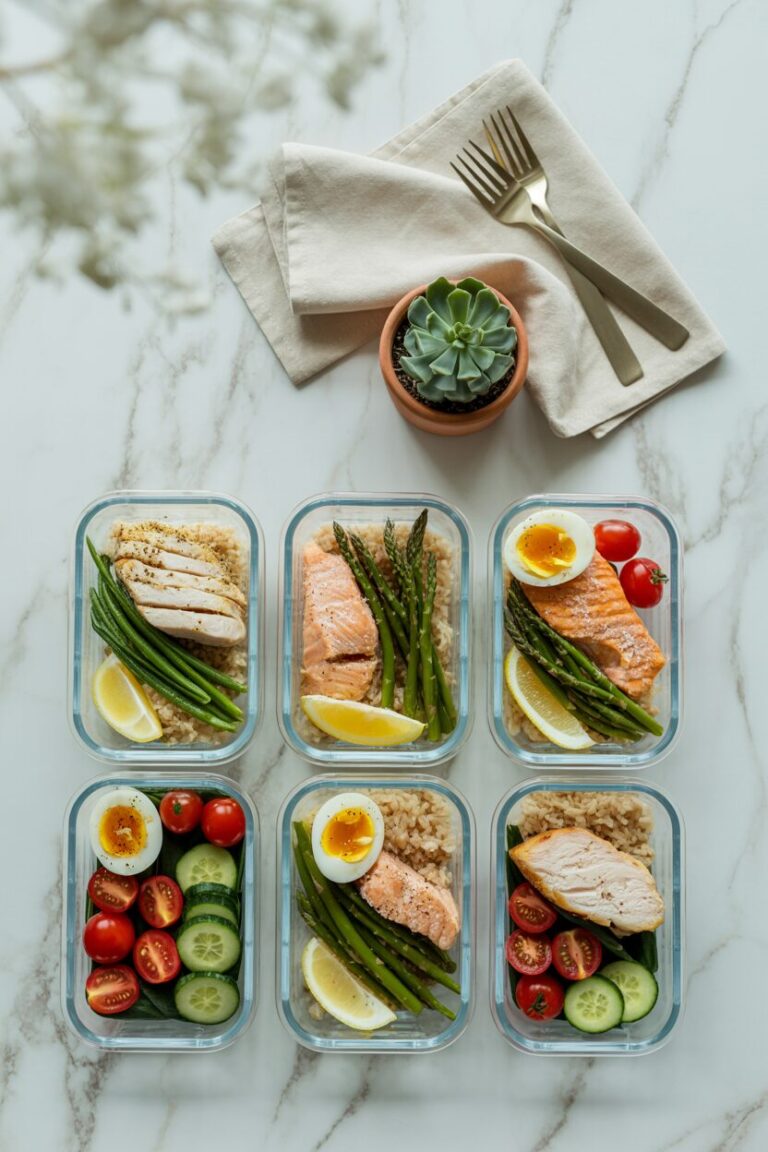
First off, invest in good containers. I’m not saying you need to spend a fortune, but those flimsy takeout containers aren’t going to cut it for weekly meal prep. Glass containers are my preference—they don’t stain, they’re microwave safe, and they make your food look more appealing. I use glass meal prep containers with compartments for bowls where I want to keep components separate, and regular glass storage containers for bulk ingredients.
Prep Naturals Glass Meal Prep Containers (5-Pack)
Okay, real talk: I went through three different sets of cheap containers before finally investing in these Prep Naturals glass containers, and I wish I’d just bought them first. These are the ones I use literally every single week, and they’ve held up for over two years now without a single crack or broken lid.
- 3-compartment design keeps your proteins, grains, and veggies perfectly separated—no more soggy disasters
- Borosilicate glass that goes from fridge to microwave to dishwasher without breaking or warping
- Actually leak-proof lids with 4 locking clips (I’ve carried these in my bag sideways, no leaks)
- BPA-free, non-toxic materials—because we’re trying to be healthy here
- Stackable design saves serious fridge space when you’re prepping for the whole week
- Crystal clear glass so you can see exactly what you prepped without opening everything
The divided compartments are perfectly sized for bowl-style meal prep—one section for your base (rice, quinoa, etc.), one for protein, and one for vegetables. I can fit a full balanced meal in each container without anything touching. Plus, they actually look nice enough that I’m not embarrassed to pull them out at work.
Here’s my storage system: proteins and cooked grains get stored in airtight containers in the fridge. Roasted vegetables also go in sealed containers. Fresh vegetables like lettuce or herbs get stored separately, often with a paper towel to absorb excess moisture. Sauces and dressings live in small glass jars with lids and get added just before eating.
The biggest mistake people make? Assembling the entire bowl and storing it for five days. That’s how you end up with soggy, unappetizing meals. Keep your components separate and assemble daily—it takes two minutes max and makes a huge difference in quality.