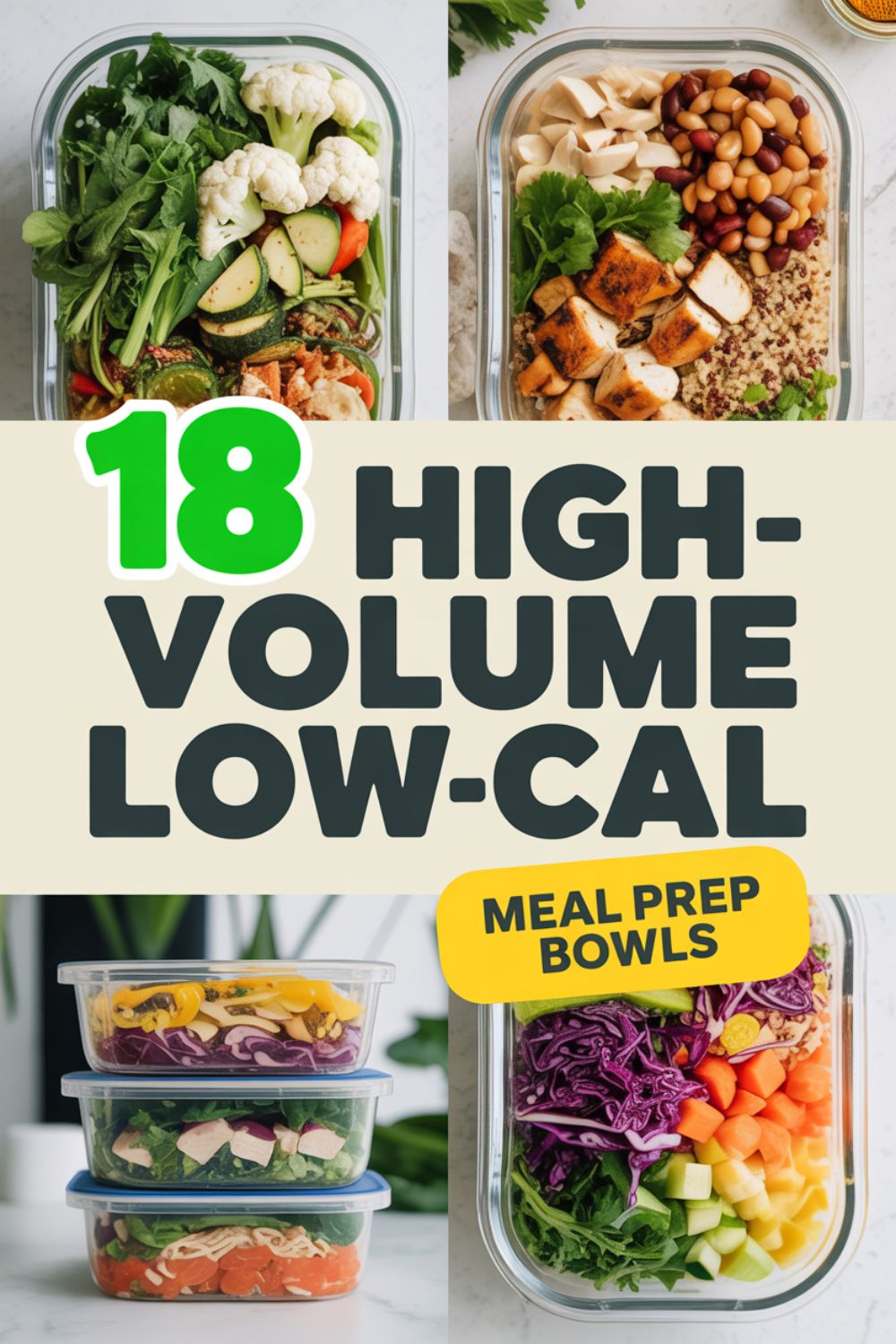
18 High-Volume Low-Cal Meal Prep Bowls
Look, I’m not about to sit here and tell you that eating less is the secret to staying satisfied. That’s the kind of advice that leaves you staring at a sad desk salad at 2pm, wondering why you’re still hungry. The real magic trick? Eating more of the right stuff.
High-volume, low-calorie meal prep bowls are basically the loophole in the whole “calories in, calories out” game. We’re talking massive portions that fill you up without wrecking your macros. Think bowls so big you need both hands to carry them, but they clock in under 400 calories. Yeah, that’s a thing.
These 18 bowls aren’t your typical Pinterest fantasy meals that look pretty but leave you ordering takeout three hours later. They’re actually filling, they taste good, and you can prep them without spending your entire Sunday in the kitchen. Let’s get into it.
What Makes High-Volume Low-Cal Bowls Actually Work
Before we jump into the recipes, let’s talk science for a sec. According to Cleveland Clinic, foods high in water content and fiber slow down digestion, which keeps you fuller longer. Your stomach literally has stretch receptors that send “I’m full” signals to your brain. More food volume equals more stretch equals less hunger. Simple as that.
But here’s what nobody tells you—your brain also needs to see that you’re eating enough. A giant bowl of food signals safety to your caveman brain, turning off those annoying hunger hormones. It’s why eating a cup of grapes feels more satisfying than eating ten raisins, even though they’re technically the same calories.
The secret ingredients? Leafy greens, cruciferous vegetables, and water-rich produce. Research shows that people eating low-energy-dense diets lost significant weight while still feeling satisfied. We’re not talking about deprivation—we’re talking about strategic eating.
📊 Low-Calorie Meal Prep Tracker & Planner
Struggling to keep track of your high-volume meals and calories? This printable meal prep tracker is specifically designed for volume eating and weight loss. It includes weekly meal planning templates, calorie tracking sheets, grocery lists organized by food groups, and progress tracking pages.
- 12-week meal planning calendar with portion size guides
- Volume eating food swap charts (high-cal vs low-cal alternatives)
- Pre-calculated macro templates for different calorie goals (1200, 1500, 1800 calories)
- Printable grocery lists sorted by high-volume ingredients
Perfect for anyone serious about making volume eating a sustainable lifestyle. Grab the tracker here and stop guessing with your meal prep.
The Foundation: Building Your Perfect Bowl
Every solid meal prep bowl needs three things: a base that adds volume, a protein that keeps you full, and toppings that make it actually taste good. Mess up any of these three, and you’re eating sad desk food again.
The Base Layer
Your base is where the volume magic happens. We’re talking leafy greens, spiralized vegetables, or cauliflower rice—basically anything that takes up space without taking up calories. A massive bed of spinach or kale gives you that “wow, this is a lot of food” feeling for barely any caloric cost.
Zoodles and butternut squash noodles work great too. I use this spiralizer to crank out vegetable noodles in about thirty seconds. Way faster than boiling actual pasta, and you can eat triple the portion without the food coma.
Cauliflower rice deserves its own shoutout. Yeah, it’s trendy, but it’s trendy for a reason. You can eat two cups of the stuff for about 50 calories. Two cups of regular rice? You’re looking at 400+ calories. Do the math.
OXO Good Grips Glass Meal Prep Containers (10-Pack)
These are hands-down the best meal prep containers I’ve used. They’re leak-proof (actually leak-proof, not “leak-proof until you put them in your bag”), microwave-safe, and the glass doesn’t stain or hold smells. The snap lids create an airtight seal that keeps your greens crisp for days.
- Portion control built-in: Each container is perfectly sized for one meal (3 cups capacity)
- Dishwasher safe: Lids and containers both—no hand-washing required
- Stackable design: Saves massive fridge space when you’re prepping multiple bowls
$39.99 for 10-pack
The Protein Punch
Protein is non-negotiable. It’s what keeps you from raiding the vending machine at 3pm. Lean proteins like chicken breast, turkey, white fish, or tofu give you the most bang for your caloric buck. A 4-ounce chicken breast is around 120 calories and packs 26 grams of protein.
If you’re meal prepping proteins, grab glass meal prep containers with tight lids. They don’t hold smells like plastic does, and you can reheat straight in them without worrying about weird chemicals leaching into your food. Worth the investment.
Speaking of chicken—batch cooking is your friend. These high-protein meal prep bowls are built around this exact strategy. Cook once, eat all week.
If you’re looking for more protein-packed options that don’t feel boring, check out these 30g protein meal prep bowls. They’re designed for people who need serious protein but don’t want to eat plain chicken every day.
The Flavor Layer
Here’s where people usually screw up. They build a perfectly healthy bowl and then drown it in 300 calories worth of ranch dressing. Don’t be that person.
Low-calorie sauces and seasonings are clutch. Greek yogurt-based dressings, salsa, hot sauce, mustard, or lemon juice all add massive flavor for minimal calories. I keep squeeze bottles filled with different dressings in my fridge. Game changer for quick assembly.
Fresh herbs aren’t optional—they’re essential. Cilantro, basil, parsley, and mint can transform a boring bowl into something you actually want to eat. Chop them up, store them in a damp paper towel inside a container, and they’ll last the whole week.
Mueller Austria Premium Vegetable Spiralizer
If you’re serious about volume eating, a good spiralizer is non-negotiable. This one turns zucchini, butternut squash, sweet potatoes, and cucumbers into noodles in literally 30 seconds. The suction base keeps it stable, and the blade quality is actually sharp (unlike those cheap ones that mangle your vegetables).
- 4 blade options: Different noodle thicknesses for different recipes
- Heavy-duty suction: Stays put on your counter—no slipping mid-spiral
- Easy cleanup: All parts are dishwasher safe and actually fit in the dishwasher
$24.97
18 Bowl Recipes That Actually Fill You Up
1. Massive Asian Chicken Bowl
Start with a huge base of shredded cabbage and snap peas—we’re talking two cups here. Add grilled chicken breast, edamame for extra protein, and a handful of shredded carrots. The dressing is where this gets good: low-sodium soy sauce, rice vinegar, a tiny drizzle of sesame oil, and fresh ginger. Top with crushed peanuts if you have the calorie room.
The whole bowl clocks in around 320 calories but looks like enough food for two people. The cabbage gives you that satisfying crunch, and the edamame adds just enough richness to keep things interesting. Get Full Recipe
“I’ve been making this Asian chicken bowl for three weeks straight and I’m still not tired of it. The cabbage gives you that crunch you actually crave, and I’m eating way more vegetables than I thought possible.” — Jessica T., tried this recipe for 3 weeks
2. Mediterranean Cauliflower Rice Bowl
Two cups of cauliflower rice form the base. Load it up with cherry tomatoes, cucumber, red onion, and kalamata olives. Grilled chicken or chickpeas for protein, depending on your vibe. Crumbled feta—just a tablespoon, but it makes the whole thing taste expensive. Dress it with lemon juice, oregano, and a touch of olive oil.
This one’s about 340 calories and tastes like vacation. The cauliflower rice soaks up all that Mediterranean flavor, and the olives give you enough salt and fat to feel satisfied. Pro move: add a few pepperoncini for that tangy kick.
3. Buffalo Chicken Lettuce Mountain
Take a massive pile of romaine lettuce—like, comically large. Add shredded buffalo chicken (mix cooked chicken breast with Frank’s RedHot), diced celery, shredded carrots, and cherry tomatoes. The dressing is Greek yogurt mixed with a bit of blue cheese and more hot sauce.
You’re eating basically a salad that tastes like buffalo wings. Around 280 calories for a bowl that requires a mixing bowl to assemble. The Greek yogurt dressing is clutch here—creamy enough to feel indulgent but basically just protein. Get Full Recipe
For more creative ways to use lettuce as a high-volume base, these quick meal prep bowls show you how to assemble massive salads in under 30 minutes.
4. Zoodle Marinara Bowl
Spiralized zucchini noodles (about three medium zucchinis worth) topped with marinara sauce, lean ground turkey, and a mountain of sautéed mushrooms. Add fresh basil and a sprinkle of parmesan—like, actually just a sprinkle, not a snowstorm.
The zoodles give you that pasta experience without the carb crash. I cook mine in this nonstick pan for exactly two minutes—any longer and they get soggy. The whole bowl sits around 350 calories but looks like an Italian restaurant portion.
5. Tex-Mex Cauliflower Fiesta Bowl
Seasoned cauliflower rice mixed with cumin, chili powder, and garlic powder. Top with black beans, grilled fajita vegetables (peppers and onions), pico de gallo, and lean ground beef or turkey. Finish with a dollop of Greek yogurt instead of sour cream and fresh cilantro.
This bowl tricks your brain into thinking you’re eating Chipotle. It’s about 380 calories of pure Tex-Mex satisfaction. The cauliflower rice actually works better than regular rice here because it doesn’t compete with all the other flavors.
6. Teriyaki Salmon and Broccoli Bowl
Brown rice or quinoa for the base (we’ll allow some grains here), topped with a ridiculous amount of steamed broccoli—like, an entire head’s worth. Baked salmon with low-sugar teriyaki sauce, sesame seeds, and green onions.
The broccoli is the star here. It bulks up the bowl so much that you only need a half cup of rice to feel satisfied. Around 400 calories but the omega-3s from the salmon keep you full for hours. I brush my salmon with this silicone brush for even teriyaki coverage—sounds fancy, but it just means less sticky mess.
7. Greek Yogurt Chicken Salad Bowl
Mixed greens as the base, then pile on Greek yogurt-based chicken salad (shredded chicken, Greek yogurt, diced celery, grapes, and a tiny bit of Dijon). Add cucumber slices, cherry tomatoes, and bell pepper strips.
The Greek yogurt chicken salad is a total hack. You get that creamy, satisfying texture without the mayo calories. This bowl is around 320 calories and feels like lunch at a fancy cafe. Get Full Recipe
8. Spicy Tuna Poke-Style Bowl
Cauliflower rice base, seared ahi tuna (or canned tuna if we’re being real), edamame, cucumber, avocado (measured!), and pickled ginger. Mix sriracha with a bit of low-sodium soy sauce for the spicy element. Top with nori strips and sesame seeds.
This one’s about 360 calories and tastes like you ordered it from that trendy poke place. The cauliflower rice soaks up all the sauces, and the edamame adds texture and protein. Make sure you actually measure the avocado—it’s easy to accidentally add 200 calories of healthy fats if you’re not paying attention.
Looking for bowls that are as Instagram-worthy as they are filling? These aesthetic meal prep bowls prove that healthy food can look incredible. Plus, these rainbow bowls use color psychology to actually make you more motivated to eat healthy.
9. Lemon Herb Chicken and Green Bean Bowl
Quinoa base (half cup cooked), topped with an enormous pile of green beans, cherry tomatoes, and grilled chicken seasoned with lemon zest, garlic, and fresh thyme. Dress with lemon juice and a drizzle of olive oil.
The green beans are key—they’re filling without being heavy. This bowl is about 340 calories and tastes like spring, which sounds cheesy but it’s true. The lemon brightens everything up and makes you forget you’re eating “healthy food.”
10. Korean Beef and Veggie Bowl
Shirataki noodles or zoodles, lean ground beef cooked with ginger and garlic, sautéed bok choy, shredded carrots, and kimchi. The sauce is low-sodium soy sauce, rice vinegar, a touch of sesame oil, and gochugaru (Korean red pepper flakes) if you like heat.
Shirataki noodles are basically negative calories—they’re mostly fiber and water. You can eat an entire bag for like 20 calories. The beef and kimchi give you enough flavor that you don’t notice you’re eating diet noodles. This bowl sits around 300 calories. Get Full Recipe
11. Cajun Shrimp and Cauliflower Rice Bowl
Seasoned cauliflower rice with Cajun spices, topped with shrimp (protein for days), bell peppers, celery, and tomatoes. Add a squeeze of lemon and hot sauce to taste. Optional: a tiny sprinkle of andouille sausage if you have the calorie budget.
This one tastes way more indulgent than its 310 calorie count suggests. The Cajun seasoning does all the heavy lifting flavor-wise. I buy pre-seasoned frozen shrimp to make this even faster—no shame in shortcuts.
12. Turkey Taco Bowl Explosion
Shredded lettuce base—like, an entire head’s worth. Top with seasoned lean ground turkey, black beans, corn, pico de gallo, jalapeños, and a tablespoon of shredded cheese. Greek yogurt instead of sour cream, and crushed baked tortilla chips for crunch.
You’re basically eating tacos in a bowl, except the bowl is mostly lettuce so you can actually fill up. Around 370 calories and way more satisfying than those sad frozen diet meals. The lettuce-to-toppings ratio is crucial here—you want enough toppings to make it interesting but enough lettuce to keep the volume high.
For more Mexican-inspired meal prep ideas that don’t sacrifice flavor, check out these lazy girl meal prep bowls—they’re designed for maximum taste with minimum effort.
13. Lemon Garlic White Fish and Asparagus Bowl
Cauliflower rice or quinoa base, topped with baked white fish (cod or tilapia work great), roasted asparagus (a full pound of it), and cherry tomatoes. Season everything with lemon, garlic, and fresh dill. Drizzle with lemon juice before eating.
White fish is stupid low in calories—you can eat a huge portion and still be under 400 calories for the whole bowl. The asparagus takes up so much space on your plate that your brain thinks you’re eating a feast. This one’s about 330 calories.
14. BBQ Chicken and Slaw Bowl
Shredded cabbage slaw (no mayo, just rice vinegar and a touch of sweetener), topped with shredded BBQ chicken made with a low-sugar BBQ sauce, roasted Brussels sprouts, and red onion. Add a sprinkle of cilantro and a lime wedge.
The slaw adds insane volume for almost zero calories. This bowl is about 340 calories but feels like summer cookout food. I make my slaw in this large mixing bowl because you need serious real estate to massage the cabbage and get it tender. Get Full Recipe
15. Moroccan Chickpea and Veggie Bowl
Cauliflower rice seasoned with cumin and turmeric, topped with roasted chickpeas, roasted butternut squash, sautéed spinach, and red bell pepper. Dress with lemon tahini sauce (tahini, lemon juice, garlic, and water to thin it out).
This bowl is around 350 calories and packed with fiber from the chickpeas and vegetables. The Moroccan spices make it taste exotic enough that you forget you’re eating healthy. The roasted butternut squash adds natural sweetness that balances everything out.
16. Italian Sausage and Pepper Bowl
Zoodles or spaghetti squash base, topped with chicken sausage (not pork—way fewer calories), sautéed bell peppers and onions, marinara sauce, and fresh basil. Add a tiny sprinkle of parmesan for authenticity.
The spaghetti squash is the real MVP here. One cup has about 40 calories and looks like a massive pile of noodles. This bowl sits around 360 calories and tastes like something you’d order at an Italian restaurant. I roast my spaghetti squash in this baking dish and then scrape out the strands—way easier than cutting it raw.
17. Sesame Ginger Tofu Bowl
Brown rice or quinoa base (we’ll allow it), topped with baked sesame ginger tofu, steamed broccoli (mountains of it), shredded carrots, edamame, and green onions. The dressing is sesame oil, rice vinegar, ginger, and low-sodium soy sauce.
Even if you’re not vegetarian, this bowl is worth trying. The tofu soaks up all that sesame ginger flavor and actually tastes good. Around 380 calories with enough protein from the tofu and edamame to keep you satisfied. Get Full Recipe
18. Tandoori Chicken and Cauliflower Bowl
Cauliflower rice spiced with garam masala, topped with tandoori chicken, roasted cauliflower florets, chickpeas, diced cucumber, and red onion. Finish with a raita made from Greek yogurt, cucumber, and mint.
This bowl is about 370 calories and tastes like you ordered Indian takeout. The tandoori spices on the chicken are doing all the work here. The Greek yogurt raita cools everything down and adds protein. The double cauliflower (rice and florets) gives you crazy volume without the calories.
Want even more low-calorie bowl options? These meal prep bowls under 400 calories and these fat loss bowls with exciting ingredients will keep your rotation fresh and actually enjoyable.
The Meal Prep Strategy That Actually Works
Here’s the thing—you can have the best recipes in the world, but if your meal prep game is weak, you’ll still end up ordering pizza on Wednesday. Let’s talk logistics.
The Sunday Prep Session
Set aside two hours. Seriously, block it on your calendar. During this time, you’re cooking proteins, roasting vegetables, and portioning everything out. FYI, this is when podcasts or Netflix in the background makes it way less painful.
Start with proteins—they take the longest. Get all your chicken, turkey, or fish cooking at once. I use sheet pans to bake everything simultaneously. While that’s happening, start on your vegetables. Roast them, steam them, spiralize them—whatever your bowls need.
Cauliflower rice can be made fresh or bought pre-riced. I’m not above buying the pre-riced bags from Trader Joe’s. Time is money, and sometimes you don’t want to spend thirty minutes ricing cauliflower. These clean girl meal prep ideas are perfect for this kind of efficient Sunday prep.
Storage Matters More Than You Think
Invest in quality containers. I mean it. Those cheap plastic ones from the grocery store will stain, warp, and leak. Glass containers with snap lids are worth the money. They don’t absorb smells, they’re microwave-safe, and they actually keep your food fresh.
Store your components separately when possible. Greens in one container, proteins in another, toppings and sauces separate. This keeps everything fresh and prevents soggy salad syndrome. I learned this the hard way after a week of wilted, sad bowls that I definitely didn’t want to eat.
Mason jars work great for dressings and sauces. I portion out a week’s worth of different dressings on Sunday and grab one each morning. Keeps everything fresh and makes assembly stupid fast.
“I thought meal prep meant eating the same boring thing all week, but these bowls are so versatile. I lost 12 pounds in two months just by having these ready to go instead of hitting the drive-thru.” — Mike R., meal prepper for 2 months
The Assembly Line Method
When it’s time to prep your bowls, think assembly line. Set out all your containers. Put the base in each one first. Then add proteins to all of them. Then vegetables. Then toppings. It’s way faster than completing one bowl at a time.
Don’t add dressings until you’re ready to eat. This is crucial. Pre-dressed salads turn into soup by day three. Keep dressings separate in small containers and add them right before eating. Trust me on this.
Common Mistakes That Kill Your Meal Prep
Let’s talk about where people usually mess up, because knowing what not to do is just as important as knowing what to do.
The Variety Problem
Making the same bowl seven times sounds efficient until you’re choking down the same lunch on day five. Prep at least three different bowls each week. Mix up your proteins, change your bases, rotate your vegetables. Your taste buds will thank you.
This is where having a good rotation helps. These weight loss bowls that don’t feel like diet food and these colorful bowls show you how to keep things interesting week after week.
The Over-Prepping Trap
Don’t prep more than five days at once. By day six, your food quality drops significantly. Even with perfect storage, vegetables start to break down, proteins get that weird texture, and everything just tastes less fresh.
If you need food for the full week, do a mini prep session on Wednesday. Cook a couple new proteins, chop some fresh vegetables, and refresh your rotation. It takes maybe thirty minutes and keeps everything tasting good.
The Seasoning Shortcut
Under-seasoning is the fastest way to make healthy food taste like punishment. Salt, herbs, spices, acids—these are your friends. They don’t add significant calories, but they make the difference between food you tolerate and food you actually enjoy.
Keep a variety of seasonings on hand. A good spice rack with basics like cumin, paprika, garlic powder, and Italian seasoning is essential. Fresh herbs elevate everything. Acid (lemon juice, vinegar, lime juice) brightens dishes and makes them taste less “healthy” and more interesting.
Etekcity Digital Food Kitchen Scale
Look, I know weighing food sounds tedious, but when you’re doing volume eating, eyeballing portions can sabotage everything. This scale is dead simple—just put your bowl on it, hit tare, and add ingredients. The difference between “a handful” of nuts and an actual measured portion is about 100 calories. Those add up fast.
- Tare function: Reset to zero between each ingredient—no mental math required
- Accurate to 1 gram: Perfect for measuring high-calorie ingredients like nuts and oils
- Battery lasts forever: Seriously, I’ve had mine for 2 years on the same batteries
$12.99
Making High-Volume Bowls Work for Your Lifestyle
📖 The Complete High-Volume Low-Cal Recipe eBook
Want 150+ volume eating recipes beyond just bowls? This digital recipe eBook is packed with breakfast, lunch, dinner, snacks, and even desserts—all designed around the volume eating principle. Every recipe includes photos, macros, volume comparisons, and meal prep instructions.
- Volume eating basics and food psychology explained simply
- 50+ breakfast recipes (including high-volume overnight oats and egg white scrambles)
- 75+ lunch and dinner recipes organized by cuisine type
- 25+ snacks and desserts under 150 calories that actually fill you up
- Bonus section: How to “volumize” your favorite regular recipes
It’s like having a volume eating coach in your pocket. Download it here and never run out of meal ideas again.
These bowls aren’t just for weight loss. They’re for anyone who wants to eat better without feeling hungry or spending hours in the kitchen every day. But you need to adapt them to your actual life.
For the Always-Busy Person
Buy pre-cut vegetables. Get pre-cooked proteins. Use frozen cauliflower rice. IMO, the extra cost is worth not having to do everything from scratch. These minimalist meal prep ideas are designed for exactly this—minimal time, maximum results.
Batch cook on Sunday and Wednesday. Two shorter sessions are easier to fit into a busy schedule than one marathon session. Plus, your food stays fresher.
For the Budget-Conscious
Buy proteins when they’re on sale and freeze them. Frozen vegetables are cheaper than fresh and just as nutritious. In-season produce is always less expensive. Shop ethnic grocery stores for spices—they’re usually a fraction of the cost of supermarket spices.
Dried beans and lentils are stupidly cheap and packed with protein and fiber. A bag of dried chickpeas costs like two dollars and makes enough for a week of meals. Just soak them overnight and cook them in a pressure cooker for crazy fast results.
For the Picky Eater
Start with vegetables you actually like. Don’t force yourself to eat kale if you hate it. Spinach, bell peppers, carrots, snap peas—there are plenty of high-volume vegetables that don’t taste like punishment.
Season aggressively. Most people who “don’t like vegetables” actually don’t like bland, steamed vegetables. Roast them with garlic and herbs. Add hot sauce. Make them taste good, and suddenly you’ll find yourself eating them willingly.
📱 Volume Eating Recipe App
Tired of searching Pinterest for high-volume recipes every week? This volume eating recipe app has over 500 low-calorie, high-volume meals with built-in portion calculators and macro tracking. It’s specifically designed for people who want to eat large portions without blowing their calorie budget.
- Filter recipes by calorie count, volume, and prep time
- Smart grocery list generator that consolidates ingredients across multiple recipes
- Visual portion guide using everyday objects (so you’re not weighing everything)
- Meal prep mode that batches recipes for the week and creates a timeline
If you’re making these bowls regularly, this app pays for itself in saved time and mental energy alone.
The Science of Staying Full
Understanding why these bowls work helps you stick with them. It’s not just about calories—it’s about how those calories behave in your body.
Protein’s Superpower
Protein has the highest thermic effect of food, meaning your body burns more calories digesting it compared to carbs or fat. It also slows down digestion, keeping you full longer. Each of these bowls includes at least 25-30 grams of protein for exactly this reason.
Research published in the American Journal of Clinical Nutrition shows that increasing protein intake can reduce cravings by 60% and late-night snacking by half. That’s not willpower—that’s biochemistry working in your favor.
Fiber’s Filling Effect
High-fiber foods slow digestion and stabilize blood sugar. No more energy crashes at 2pm that send you straight to the vending machine. The vegetables in these bowls provide 10-15 grams of fiber per serving—that’s half your daily requirement in one meal.
Fiber also feeds your gut bacteria, which affects everything from your mood to your immune system. So you’re not just staying full—you’re supporting your overall health. Win-win.
Water Content’s Hidden Benefit
Foods high in water content add volume without adding calories. Vegetables like cucumbers, lettuce, zucchini, and tomatoes are over 90% water. They fill up your stomach, triggering those stretch receptors that tell your brain you’re full.
This is why you can eat a massive bowl of salad with grilled chicken and feel satisfied, but eating the same calories in dried fruit and nuts leaves you wanting more. Volume matters to your brain and your stomach.
Troubleshooting Your Meal Prep
Even with the best plan, things can go wrong. Here’s how to fix common issues before they derail your whole week.
When Food Gets Boring
Switch up your seasonings. Same ingredients, different flavor profile. Make one bowl Mexican-spiced, another Asian-inspired, another Mediterranean. The base can be the same grilled chicken and vegetables, but the seasonings completely change the experience.
Try new sauces and dressings. A bowl of chicken and broccoli with teriyaki sauce tastes nothing like the same bowl with buffalo sauce. Keep 3-4 different dressings prepped so you can change things up throughout the week.
When You’re Still Hungry
Add more vegetables, not more carbs or fats. Double the broccoli, add an extra cup of spinach, throw in more bell peppers. Volume is your friend here. You can eat twice the vegetables for minimal calorie increase.
Make sure you’re drinking enough water. Sometimes thirst masquerades as hunger. Keep a water bottle handy and drink throughout your meal.
When Food Goes Bad Too Fast
Store leafy greens with a paper towel to absorb excess moisture. Keep cut vegetables in airtight containers. Don’t wash produce until you’re ready to use it—excess water speeds up spoilage.
Prep smarter, not longer. Proteins and cooked vegetables last longer than raw greens. Consider prepping proteins and cooked elements for the full week, but saving fresh vegetable prep for mid-week.
Frequently Asked Questions
Can I really eat this much food and still lose weight?
Yes, because volume doesn’t equal calories. These bowls use high-water, high-fiber vegetables that fill you up without packing in calories. You’re eating more food but fewer calories than a typical meal. The key is choosing ingredients that give you maximum volume for minimum caloric cost—think leafy greens, cruciferous vegetables, and lean proteins.
How long do these meal prep bowls stay fresh?
Most components stay fresh for 4-5 days when stored properly in airtight containers in the fridge. Proteins and cooked vegetables last the longest. Leafy greens and fresh vegetables should be added closer to eating time or stored separately. If you’re prepping for a full week, consider doing a mini prep session mid-week to keep everything tasting fresh.
What if I don’t like cauliflower rice?
No problem—swap it for zucchini noodles, spaghetti squash, regular quinoa or brown rice (just watch portions), or even a massive bed of mixed greens. The goal is high volume and low calories, so any vegetable base works. Shirataki noodles are another great option if you want that noodle texture with basically zero calories.
Are these bowls suitable for building muscle?
Absolutely. Each bowl includes 25-35 grams of protein, which supports muscle growth and recovery. If you’re actively trying to build muscle, you might want to increase the protein portions or add an extra protein source like Greek yogurt or cottage cheese. The high-volume vegetables provide the nutrients and fiber you need without interfering with your protein intake.
Can I freeze these meal prep bowls?
Some components freeze well (proteins, cooked grains), but others don’t (leafy greens, cucumbers, most raw vegetables). Your best bet is to freeze cooked proteins and grains separately, then assemble bowls with fresh vegetables when you’re ready to eat. This gives you the convenience of having proteins ready to go without sacrificing texture and quality.
The Bottom Line on High-Volume Eating
Here’s what it comes down to: you don’t need to starve yourself to hit your goals. These 18 high-volume, low-calorie meal prep bowls prove that you can eat massive portions, feel satisfied, and still make progress toward whatever health goals you’re chasing.
The secret isn’t willpower or deprivation—it’s strategy. Fill your bowls with vegetables that take up space without taking up calories. Add lean proteins that keep you full. Season everything aggressively so it actually tastes good. Store everything properly so you’re not eating soggy sadness by Wednesday.
Will it take some time to get the hang of it? Sure. Your first meal prep session might take longer than two hours. You might mess up storage and end up with wilted greens. You’ll probably under-season your first batch and wonder why healthy food tastes like cardboard. That’s all part of the learning curve.
But once you dial it in? Game changer. You’ll have an entire week of meals ready to go, you’ll actually look forward to eating them, and you’ll stop wasting money on takeout that leaves you hungry an hour later. Start with three or four bowls this week. Get comfortable with the process. Add more variety as you go.
The beauty of high-volume eating is that it’s sustainable. You’re not fighting against hunger or forcing yourself to eat tiny portions. You’re working with your body’s natural signals, giving it the volume it needs to feel satisfied while keeping calories in check. That’s not a diet—that’s just smart eating.