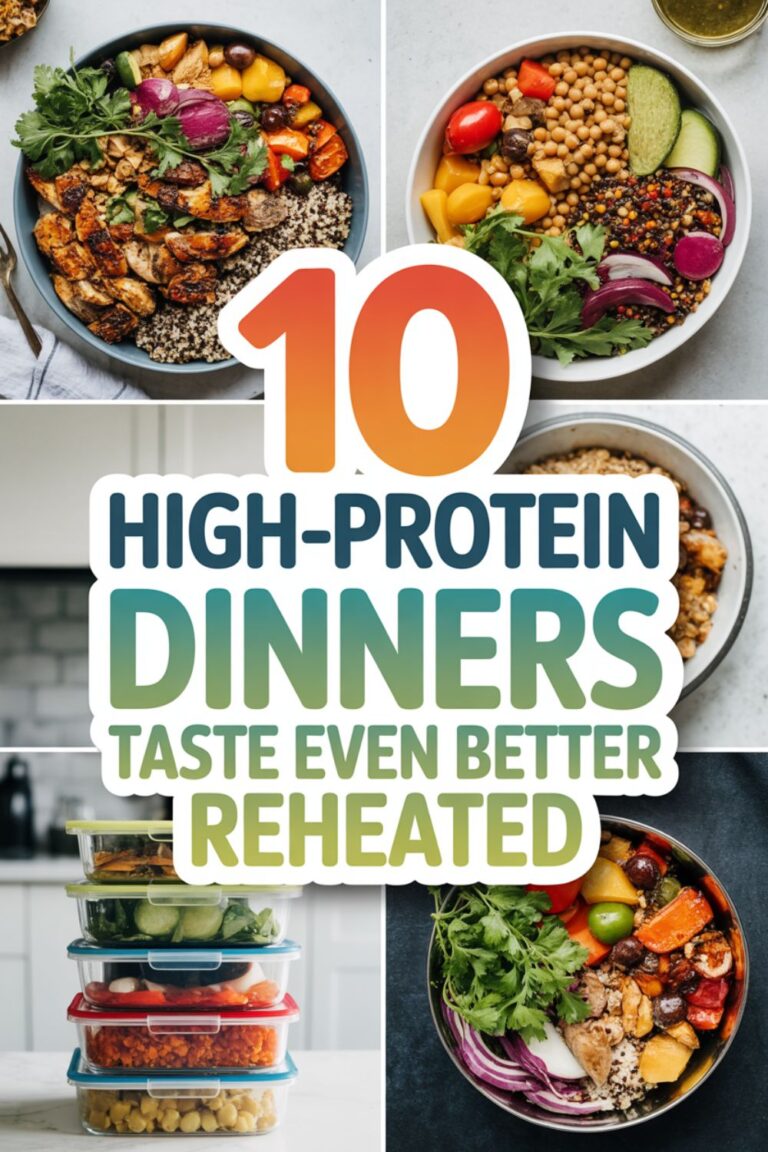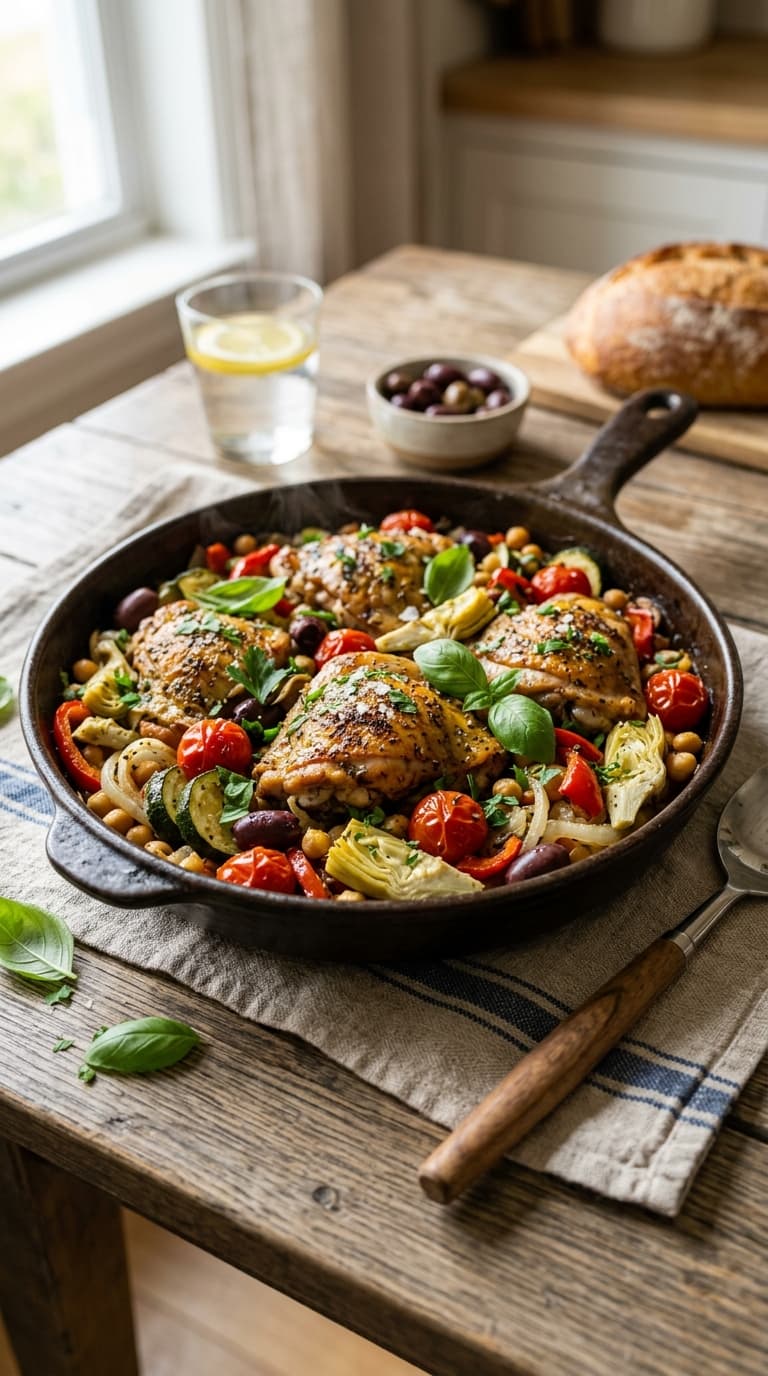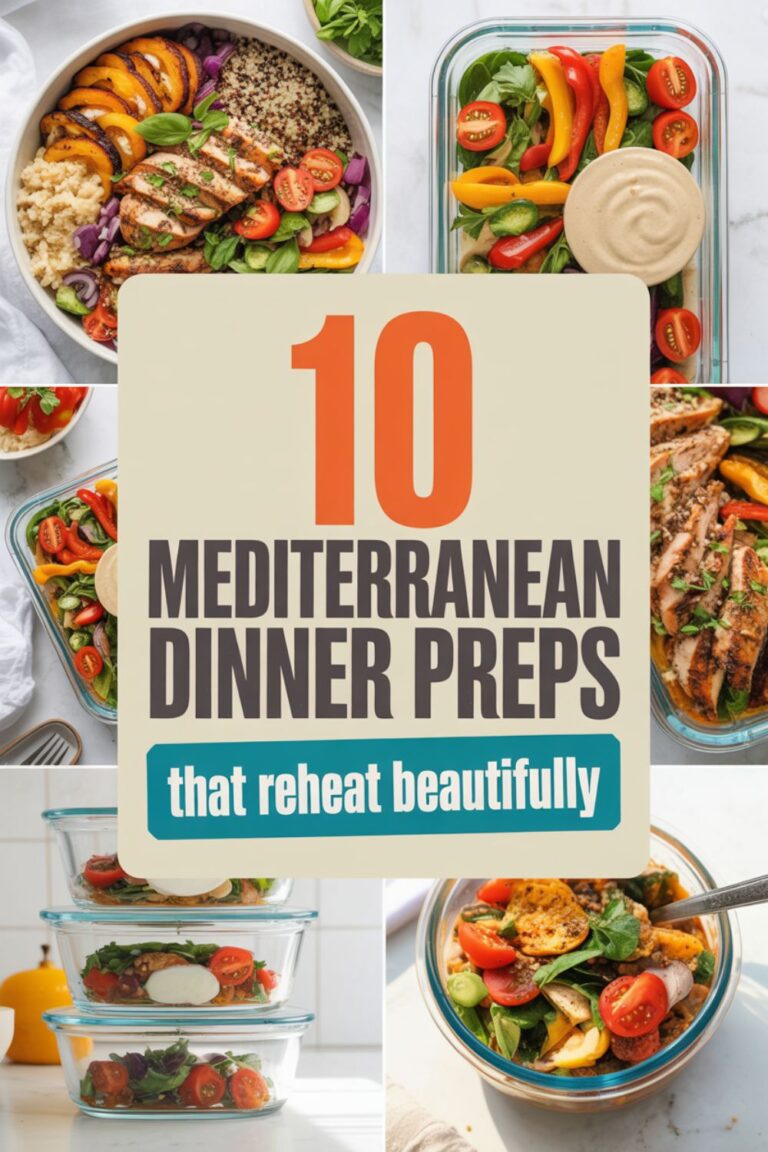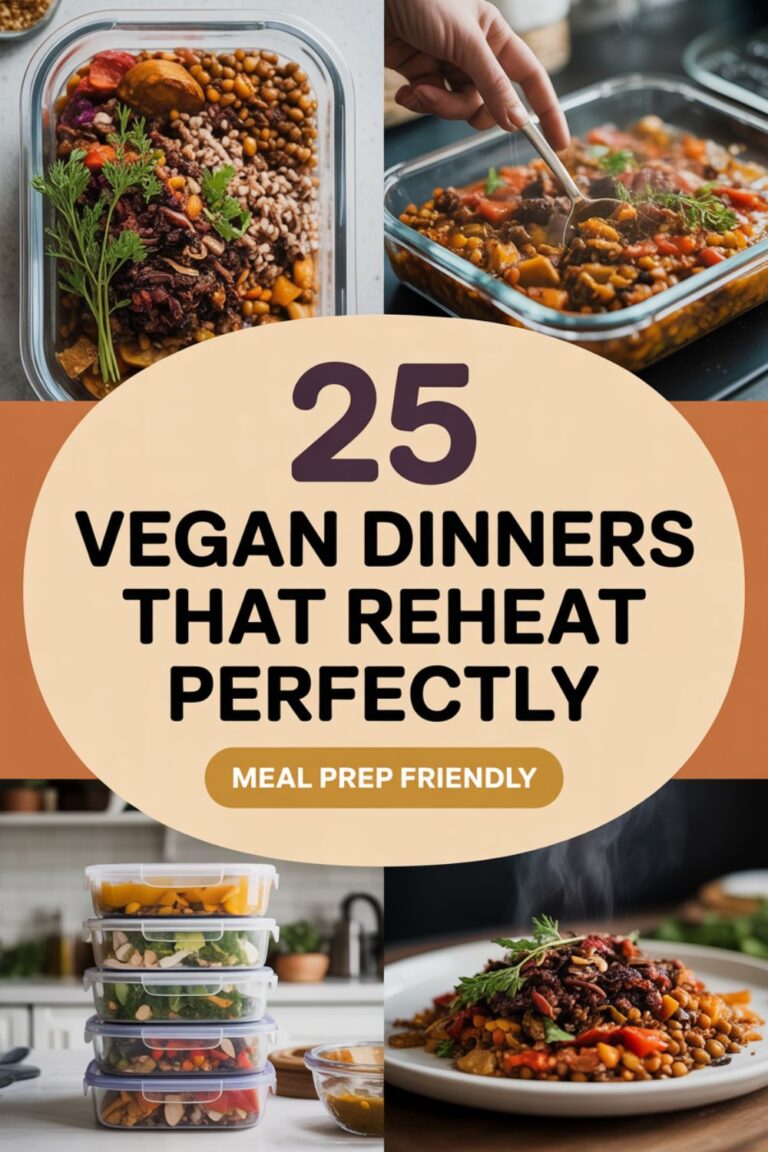
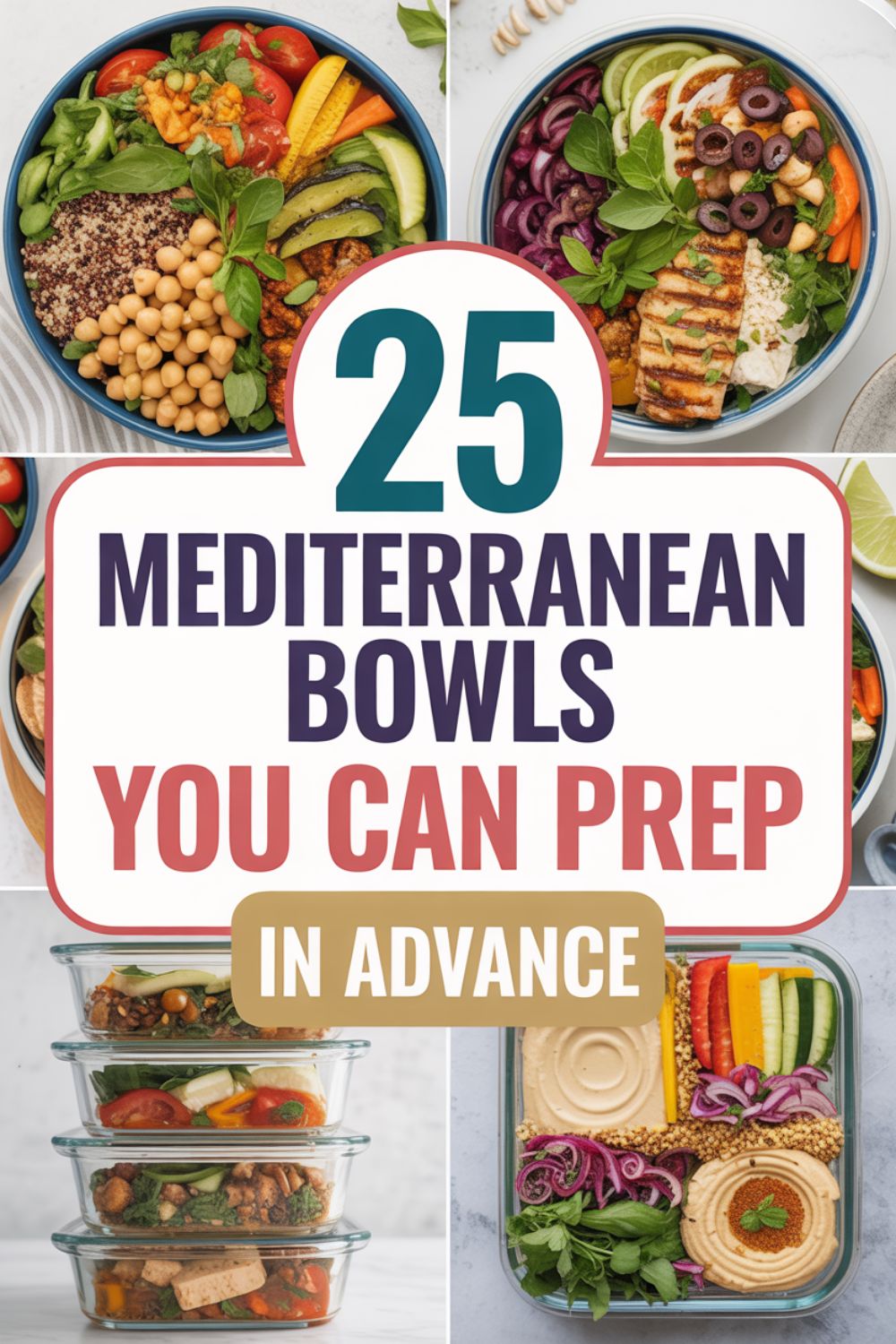
25 Mediterranean Bowls You Can Prep in Advance
Let me tell you something that changed my meal prep game forever: Mediterranean bowls. I used to think meal prepping meant sad, boring containers of the same bland chicken and rice combo. Then I discovered the magic of Mediterranean flavors, and suddenly Sunday afternoons became my favorite time of the week.
The Mediterranean approach to eating isn’t just healthy—it’s actually enjoyable. We’re talking vibrant vegetables, creamy hummus, tangy feta, olive oil that doesn’t taste like motor oil, and herbs that make everything taste like you actually know what you’re doing in the kitchen. Plus, research consistently shows this eating style reduces cardiovascular disease risk by up to 25% while supporting healthy weight management.
What makes these bowls perfect for meal prep is their flexibility. You prep the components separately, store them properly, and mix and match throughout the week. No soggy lettuce, no weird textures, just fresh-tasting meals that actually get better as the flavors marry together. And honestly? Your coworkers are going to be jealous when you pull out a gorgeous bowl while they’re microwaving last night’s pizza.
Why Mediterranean Bowls Are Perfect for Meal Prep
Here’s the thing about Mediterranean cuisine—it was basically designed for meal prep before meal prep was even a thing. Traditional Mediterranean cooking focuses on simple preparations that preserve flavors and nutrients. Most components taste better after sitting for a day or two, which is exactly what you want when you’re planning ahead.
The foundation of these bowls relies on ingredients that hold up incredibly well in the fridge. Whole grains like farro, quinoa, and bulgur? They stay fluffy for days. Roasted vegetables? Even better on day three. Legumes, olives, feta cheese—these are all ingredients that ancient civilizations stored for months without refrigeration. Your five-day work week is nothing compared to what these foods can handle.
Another massive advantage is the nutritional balance built right into the Mediterranean style. Studies demonstrate that this eating pattern provides optimal ratios of healthy fats, complex carbohydrates, and lean proteins while delivering powerful anti-inflammatory compounds. You’re not counting macros or stressing about portion sizes—you’re just building delicious bowls that naturally check all the boxes.
If you’re looking for more strategies that make weekly cooking easier, these clean girl meal prep ideas offer similar build-ahead approaches that actually work in real life.
The Essential Components of a Mediterranean Bowl
The Base Layer
Every great Mediterranean bowl starts with a solid base, and you’ve got options. Quinoa brings protein and a slightly nutty flavor that pairs beautifully with Mediterranean ingredients. Farro offers a chewy texture and holds up incredibly well—honestly, it might be my favorite grain for meal prep. Brown rice is reliable and affordable, while couscous cooks in literally five minutes when you’re in a pinch.
Here’s a trick I learned: cook your grains in vegetable broth instead of water, and add a bay leaf plus a garlic clove. This tiny step adds so much depth that people will think you’re some kind of culinary genius. Just remember to let the grains cool completely before portioning them into containers—hot grains + sealed containers = condensation = soggy disappointment.
I’ve found that this rice cooker makes grain prep absolutely foolproof. Set it and forget it while you handle the other components.
The Protein Options
Mediterranean cuisine offers protein options that don’t involve dry, overcooked chicken breast (thank goodness). Chickpeas are the MVP here—roast them with olive oil, cumin, and paprika until they’re crispy on the outside and creamy inside. They stay good for five days and add that satisfying crunch.
Grilled chicken works, but marinate it first in lemon juice, olive oil, garlic, and oregano. The acidity helps keep the meat tender even after refrigeration. White fish like cod or halibut is another excellent option, though I recommend keeping fish meals to the first three days of your prep. Feta cheese and hard-boiled eggs both count as protein and add creaminess without any actual cooking required.
For anyone following a high-protein meal prep approach, you can easily bump up the protein content by doubling your chickpeas and adding Greek yogurt as a base.
The Vegetable Situation
This is where Mediterranean bowls shine. Roasted vegetables bring depth and sweetness—think bell peppers, zucchini, eggplant, and red onions drizzled with olive oil and roasted until caramelized. These actually improve over a few days as the flavors concentrate.
Raw vegetables add crunch and freshness: cucumbers, tomatoes, red onion, and bell peppers. The key is storing them separately and adding them to your bowl the morning you plan to eat it. Nobody wants waterlogged tomatoes. I use these small glass containers to keep my fresh veggies crisp and ready to toss in.
According to CDC food safety guidelines, properly stored prepped vegetables stay safe for 3-5 days when kept at 40°F or below, which is perfect for a work week of meals.
The Flavor Boosters
These are the ingredients that make your bowls go from “yeah, it’s healthy” to “wait, I actually want to eat this.” Kalamata olives add brininess and healthy fats. Sun-dried tomatoes bring concentrated umami. Fresh herbs like parsley, mint, and dill add brightness—and they’re not optional, they’re essential.
A lemon wedge is mandatory. The fresh squeeze right before eating wakes up every flavor in the bowl. Tahini sauce, hummus, or tzatziki provide creaminess and tie everything together. I make a big batch of tahini sauce every Sunday using this tahini from my pantry staples and it lasts all week.
My Top 25 Mediterranean Bowl Combinations
Classic Greek-Inspired Bowls
1. Traditional Greek Bowl – Quinoa base, grilled chicken marinated in lemon-oregano, cucumber, tomatoes, red onion, Kalamata olives, feta cheese, and tzatziki. This is the bowl that converts skeptics. Get Full Recipe.
2. Vegetarian Gyro Bowl – Warm pita pieces over mixed greens, chickpea “meatballs” seasoned with oregano and garlic, diced tomatoes, cucumber, red onion, and a generous dollop of tzatziki. The chickpea balls are game-changing—crispy outside, soft inside, and they hold together perfectly in meal prep containers.
3. Greek Breakfast Bowl – Farro base, soft-boiled eggs, sautéed spinach with garlic, sun-dried tomatoes, feta, and a drizzle of olive oil. Who says Mediterranean bowls are just for lunch? This breakfast version keeps you full until lunchtime without the mid-morning crash.
4. Lemon-Herb Shrimp Bowl – Brown rice, grilled shrimp with lemon and dill, roasted zucchini, cherry tomatoes, cucumber, and a lemon-tahini dressing. Prep the shrimp separately and add it to the bowl the day you plan to eat it for the best texture. I use this grill pan for perfect shrimp every time without heating up the whole kitchen.
5. Spanakopita-Inspired Bowl – Quinoa, chopped spinach sautéed with garlic and dill, crumbled feta, sun-dried tomatoes, pine nuts, and lemon juice. All the flavors of spanakopita without the phyllo dough drama.
Middle Eastern Variations
6. Falafel Power Bowl – Mixed greens, baked falafel (way easier than fried for meal prep), hummus, pickled turnips, diced cucumber, tomatoes, and tahini sauce. The falafel stays crispy if you store it separately and assemble the bowl when you’re ready to eat. Get Full Recipe.
7. Tabbouleh-Style Bowl – Bulgur wheat, tons of fresh parsley and mint, diced tomatoes, cucumber, green onions, chickpeas, and a lemon-olive oil dressing. This one is essentially tabbouleh in bowl form, and it’s ridiculously refreshing.
For those who want even more inspiration, check out these meal prep bowls under 400 calories—many follow similar Mediterranean principles with lighter portions.
8. Moroccan-Spiced Chicken Bowl – Couscous, chicken seasoned with cumin, coriander, paprika, and cinnamon, roasted carrots and chickpeas, dried apricots, almonds, and a yogurt-mint sauce. The sweet and savory combo is absolutely addictive.
9. Lebanese Mezze Bowl – Brown rice, baba ganoush, tabouli, hummus, stuffed grape leaves (yes, the jarred ones are fine), cherry tomatoes, and cucumber. It’s like having a whole mezze platter in portable form.
10. Za’atar Roasted Vegetable Bowl – Farro, cauliflower and sweet potato roasted with za’atar and olive oil, chickpeas, tahini sauce, pomegranate seeds, and fresh mint. Za’atar is an underutilized spice blend that makes everything taste expensive and complicated when really you just shook it on and called it a day.
Italian Mediterranean Combinations
11. Caprese-Inspired Bowl – Mixed greens with fresh mozzarella, cherry tomatoes, basil leaves, white beans, pine nuts, and balsamic glaze. Store the mozzarella separately and add it the morning you’re eating this bowl—fresh mozzarella gets weird if it sits too long in dressing.
12. Italian White Bean Bowl – Orzo pasta, cannellini beans, roasted bell peppers, sun-dried tomatoes, artichoke hearts, fresh basil, and a lemon-parmesan dressing. This one walks the line between pasta salad and grain bowl, and it’s absolutely perfect for lunches.
13. Tuscan Chicken Bowl – Farro, chicken breast cooked with sun-dried tomatoes and Italian herbs, white beans, wilted spinach, and a creamy balsamic dressing. The sun-dried tomatoes infuse the chicken with so much flavor that you won’t believe it’s meal prep.
Speaking of aesthetic presentation, these aesthetic meal prep ideas show you how to make your Mediterranean bowls Instagram-worthy without extra effort.
14. Pesto Chicken Bowl – Quinoa, grilled chicken tossed with pesto, roasted cherry tomatoes, fresh mozzarella, arugula, and pine nuts. Make your pesto fresh or use a good quality store-bought—life’s too short for bad pesto. I keep this mini food processor on my counter just for making quick batches of pesto and sauces.
15. Italian Tuna Bowl – Mixed greens, good quality canned tuna, white beans, cherry tomatoes, red onion, capers, olives, and a lemon-herb dressing. This is the “I forgot to defrost anything” bowl that still tastes intentional and delicious.
Protein-Packed Mediterranean Bowls
16. Double Legume Bowl – Quinoa, chickpeas and lentils, roasted vegetables, tahini sauce, and fresh herbs. This vegetarian option packs serious protein and actually keeps you full. The combination of two legumes gives you complete proteins, making it perfect for anyone reducing meat intake.
17. Greek Salmon Bowl – Brown rice, grilled salmon with lemon and oregano, roasted asparagus, cherry tomatoes, Kalamata olives, and tzatziki. Salmon is one of those proteins that tastes amazing cold, so this bowl works beautifully all week. Get Full Recipe.
If you’re focused on protein goals, these 30g protein meal prep bowls offer similar Mediterranean options with calculated macros.
18. Turkish-Inspired Beef Bowl – Bulgur wheat, seasoned ground beef with cumin and paprika, roasted eggplant, tomatoes, cucumber, yogurt sauce, and fresh parsley. The spiced beef brings warmth that makes this bowl perfect for cooler months.
19. Egg and Feta Breakfast Bowl – Quinoa, hard-boiled eggs, feta cheese, roasted red peppers, spinach, and za’atar. Protein-packed and ready to grab on busy mornings when breakfast feels impossible.
20. Grilled Chicken Souvlaki Bowl – Rice, chicken marinated in lemon-garlic-oregano sauce, grilled vegetables, tzatziki, and a sprinkle of feta. All the flavors of souvlaki without the skewers. The marinade does all the work here—prep the chicken the night before, and it practically cooks itself.
Lighter Mediterranean Options
21. Mediterranean Chickpea Salad Bowl – Mixed greens base, roasted chickpeas, cucumber, tomatoes, red onion, feta, olives, and red wine vinaigrette. This is your go-to when you want something refreshing that still satisfies.
22. Lemon-Herb Cod Bowl – Mixed greens, baked cod with lemon and fresh herbs, roasted zucchini, cherry tomatoes, and a light tahini drizzle. White fish is often overlooked in meal prep, but when it’s seasoned well and stored properly, it’s fantastic.
23. Roasted Vegetable and Hummus Bowl – Quinoa, an array of roasted vegetables (think eggplant, zucchini, bell peppers, red onion), a generous scoop of hummus, and fresh herbs. Sometimes the simplest combinations are the best. I roast everything on these sheet pans that never stick and make cleanup painless.
These weight loss meal prep bowls use similar ingredient strategies while keeping calories in check without sacrificing flavor.
24. Green Goddess Mediterranean Bowl – Mixed greens, green tahini (tahini blended with fresh herbs), cucumber, edamame, green olives, avocado, and pumpkin seeds. It’s like a green bowl but with Mediterranean soul. The green tahini is ridiculously good—blend regular tahini with parsley, basil, lemon juice, and garlic.
25. Simple Mezze Plate Bowl – No grain base, just roasted vegetables, hummus, baba ganoush, olives, cucumber, tomatoes, feta, and pita triangles on the side. This is the “I want Mediterranean flavors but no carbs” option that still feels completely satisfying.
Kitchen Tools That Make Mediterranean Meal Prep Actually Easy
After making hundreds of these bowls, I’ve figured out which tools actually matter and which ones just take up drawer space. Here’s what genuinely helps:
- Glass Meal Prep Containers (5-pack) – The ones with divided sections keep everything separate until you’re ready to eat. No more soggy situations.
- Quality Chef’s Knife – Chopping vegetables for five days worth of meals requires a knife that doesn’t make you want to quit halfway through.
- Large Sheet Pans (2-pack) – For roasting all those vegetables at once without overcrowding. Overcrowded vegetables steam instead of roast, and that’s a texture tragedy.
- Mediterranean Meal Prep Master Guide – Detailed prep schedules and timing guides so you’re not standing in your kitchen wondering what to do first.
- Printable Grocery Lists Bundle – Pre-made shopping lists organized by bowl type. No more forgetting the tahini and having to make a second trip.
- Mediterranean Spice Blend Recipes – DIY spice blend ratios that taste way better than store-bought and cost about a quarter of the price.
These aren’t expensive or fancy, but they’re the difference between meal prep that actually happens versus meal prep that lives in your head while you order takeout.
Storage and Food Safety Tips
Let’s talk about keeping your beautiful Mediterranean bowls safe to eat all week. This isn’t glamorous, but it matters if you don’t want to spend your Wednesday feeling awful and questioning all your life choices.
First rule: cool everything down completely before storing it. I know you’re tired after cooking, but putting warm food into sealed containers creates condensation, which breeds bacteria faster than you can say “food poisoning.” Spread your cooked grains and proteins on sheet pans to cool quickly, or use this cooling rack that speeds up the process.
The USDA recommends refrigerating cooked food within two hours of cooking, or within one hour if the temperature is above 90°F. Your fridge should stay at 40°F or below—get a fridge thermometer if you’re not sure.
Store components separately when possible. Keep your fresh vegetables, proteins, and grains in different containers, then assemble your bowl each morning or the night before. This preserves textures and prevents cross-contamination. Your dressings and sauces should definitely be stored separately and added right before eating.
Most cooked components stay good for 4-5 days in the fridge. Fish and seafood are the exception—keep those to 2-3 days maximum. If you’re meal prepping on Sunday for the full work week, consider freezing Thursday and Friday’s portions and thawing them in the fridge Wednesday night.
When reheating (if you want your bowl warm), make sure it reaches 165°F throughout. Your nose is not a reliable food safety tool, so don’t rely on the smell test. If something looks or smells off, throw it out. That $8 worth of ingredients is not worth the potential consequences.
Making Mediterranean Bowls Work with Your Schedule
The biggest meal prep mistake is assuming you need to dedicate your entire Sunday to cooking. You don’t. Here’s how to make this actually sustainable.
The Two-Hour Sunday Method: Spend two hours prepping your foundations. Cook all your grains, roast your vegetables, prep your proteins, and chop your raw vegetables. Store everything separately. You’ve now got mix-and-match components ready to assemble into different bowl combinations all week. This is probably the method most people should start with.
The Weeknight Add-On Method: Do basic prep on Sunday (just grains and one or two roasted vegetables), then spend 15 minutes on Wednesday making one fresh component. This keeps things interesting without requiring marathon cooking sessions. It’s perfect if you enjoy cooking but don’t want to commit to doing it all at once.
Need more ideas for streamlining your prep routine? These lazy girl meal prep bowls use similar time-saving strategies without sacrificing results.
The Batch-Then-Freeze Method: Double or triple your recipes and freeze half. Grains, proteins, and roasted vegetables all freeze beautifully. When you’re running low on prepped food, pull something from the freezer and you’re back in business. This is ideal if you have freezer space and want to prep less frequently.
Pick the method that matches your actual life, not the life you think you should have. The best meal prep system is the one you’ll actually use consistently, not the most impressive-looking one on Instagram.
Customizing for Dietary Needs
One reason Mediterranean bowls work so well is their flexibility. Whatever your dietary situation, you can make these work without feeling deprived or spending a fortune on specialty ingredients.
Vegan adaptations: Skip the feta and yogurt, double up on chickpeas and other legumes, and use tahini-based sauces instead of tzatziki. Nutritional yeast adds a cheesy flavor if you’re missing that element. The bowls still taste completely satisfying—honestly, some of my favorite combinations are the fully plant-based ones.
Gluten-free needs: Stick with quinoa, rice, or gluten-free grains. Skip the couscous and bulgur unless you can find gluten-free versions. Most other Mediterranean ingredients are naturally gluten-free anyway, so this modification is pretty straightforward.
Dairy-free but not vegan: Use grilled chicken or fish for protein, skip the feta, and use tahini or olive oil-based dressings. You’re not missing out on much—the other ingredients carry plenty of flavor.
Budget-conscious: Base your bowls on cheaper proteins like chickpeas, lentils, and eggs. Buy olives and sun-dried tomatoes in bulk. Use frozen vegetables for roasting—they’re just as nutritious and cost half as much. Skip the expensive fresh herbs and use dried oregano, which is one herb that actually works well dried.
For office workers who need portable options, these meal prep bowls that travel well offer packing strategies that prevent leaks and keep ingredients fresh.
Frequently Asked Questions
How long do Mediterranean meal prep bowls last in the fridge?
Most components last 4-5 days when stored properly at 40°F or below. The exceptions are fish and seafood (2-3 days max) and fresh herbs (3 days before they get sad). Store components separately rather than pre-assembled to maximize freshness. Cooked grains, roasted vegetables, and proteins like chicken or chickpeas all hold up great for the full work week.
Can I freeze Mediterranean meal prep bowls?
Yes, but with some caveats. Grains, proteins, and roasted vegetables freeze beautifully for up to three months. Fresh vegetables, feta cheese, and yogurt-based sauces don’t freeze well—they get watery and weird when thawed. Your best bet is freezing the base components and adding fresh elements after thawing. I freeze individual portions in glass containers, thaw them in the fridge overnight, then add fresh vegetables and sauce the day I eat them.
What’s the best way to keep vegetables crispy in meal prep bowls?
Store them separately, period. Keep raw vegetables like cucumbers and tomatoes in their own small containers and add them to your bowl the morning you’re eating it or right before lunch. Use paper towels in the containers to absorb excess moisture, which is what makes vegetables go limp. For roasted vegetables, make sure they’re completely cool before storing, and don’t cover them too tightly—a slightly loose lid prevents condensation buildup.
Are Mediterranean bowls actually healthy or just trendy?
They’re genuinely healthy, and science backs this up. The Mediterranean eating pattern reduces cardiovascular disease risk, supports healthy weight management, and provides anti-inflammatory benefits. Unlike trendy fad diets, this approach has decades of research supporting it. The key is using actual Mediterranean principles—lots of vegetables, whole grains, healthy fats from olive oil and nuts, moderate protein—rather than just tossing some feta on regular food and calling it Mediterranean.
What if I don’t have time for Sunday meal prep?
You don’t need to prep everything on Sunday. Try the add-on method: spend 30 minutes cooking grains and roasting one tray of vegetables. Buy pre-cooked rotisserie chicken, canned chickpeas, and jarred roasted peppers. Assemble your bowls fresh each morning using these shortcuts. Or prep just enough for 2-3 days at a time instead of a full week. The goal is making your life easier, not creating another stressful obligation.
Final Thoughts
Mediterranean meal prep bowls changed how I think about preparing food ahead of time. Instead of viewing meal prep as a chore that results in boring, repetitive meals, it became something I actually enjoy—both the preparation and the eating.
The secret is building flavor from the ground up. When your grains are cooked in broth, your vegetables are properly seasoned before roasting, and you’re using ingredients that genuinely taste good together, meal prep stops feeling like sacrifice and starts feeling like taking care of yourself.
Start with just two or three bowl combinations that appeal to you. Get comfortable with the basic techniques—cooking grains, roasting vegetables, making simple sauces. Once you’ve nailed those, the variations become obvious. You’ll start creating your own combinations based on what’s on sale, what you’re craving, or what needs to be used up in your fridge.
Your coworkers will ask for your recipes. You’ll save money on takeout. You’ll actually eat vegetables without forcing yourself. And somewhere around week three, you’ll realize that meal prep Sunday has become the most productive and satisfying part of your week. That’s when you know you’ve figured it out.