14 Mediterranean Breakfast Meal Prep Recipes That’ll Actually Make You Want to Wake Up
Look, I get it. Monday mornings are brutal. You hit snooze three times, stumble to the kitchen, and stare blankly at your fridge like it owes you answers. But what if I told you that Mediterranean breakfast meal prep could be your secret weapon against those chaotic mornings?
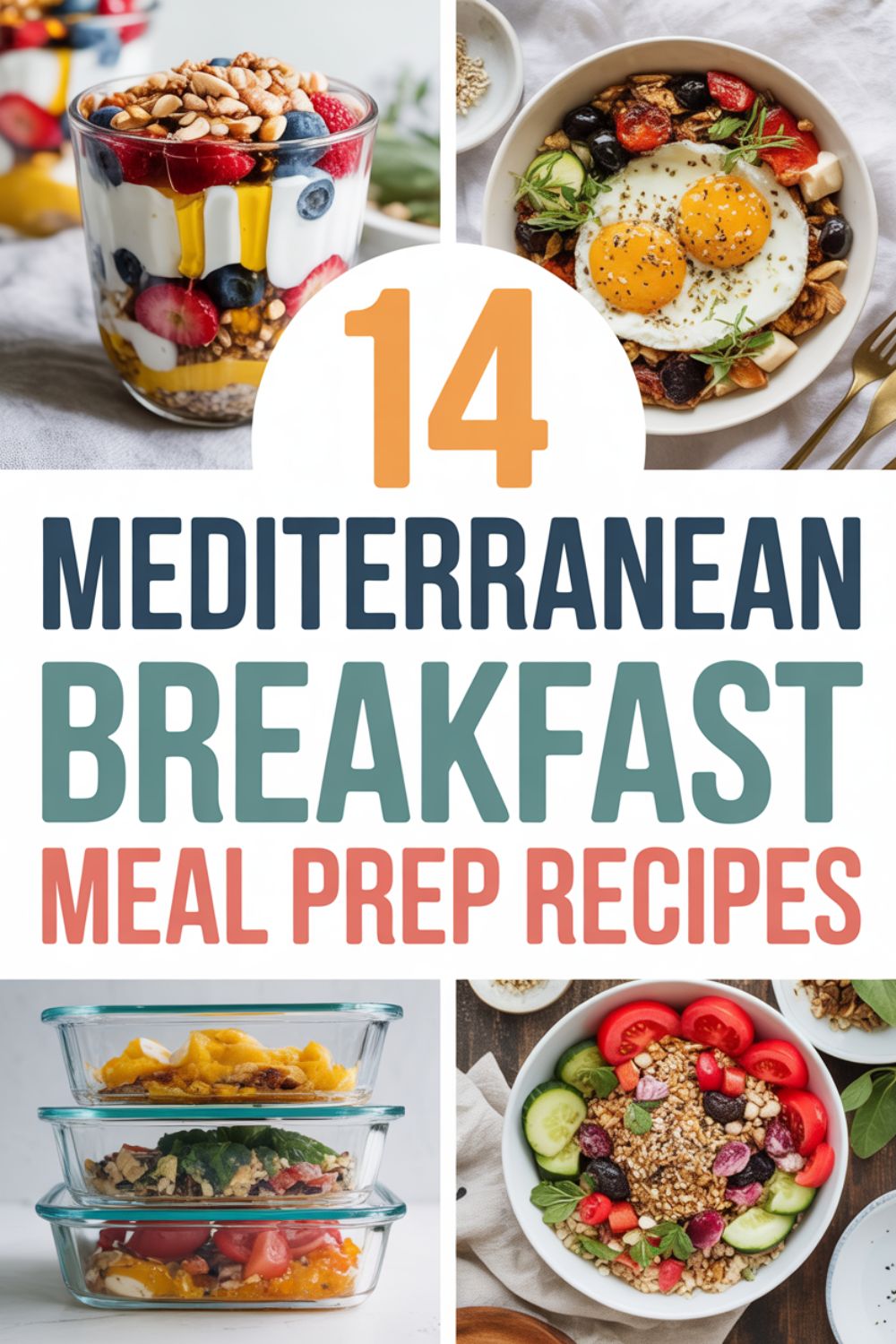
I’m talking about sun-soaked flavors, wholesome ingredients, and recipes that actually taste like vacation instead of cardboard. No more grabbing a sad granola bar on your way out the door. These 14 Mediterranean breakfast meal prep ideas are designed to make your mornings smoother, your taste buds happier, and your body healthier—without requiring you to wake up at 5 AM like some kind of superhero.
Why Mediterranean Breakfast Meal Prep Is Actually Worth Your Time
Before we dive into the recipes, let’s talk about why this particular approach to breakfast prep makes sense. The Mediterranean diet isn’t just some trendy eating plan—it’s been around for centuries and has serious science backing it up.
Research consistently shows that following Mediterranean eating patterns can reduce cardiovascular disease risk by up to 30% and support healthy weight management. The combo of whole grains, healthy fats, and fresh produce creates meals that keep you full without that mid-morning crash.
Plus, meal prepping in general is a game-changer for anyone trying to eat better. Studies on meal preparation reveal that people who plan their meals ahead of time make smarter food choices, eat more fruits and vegetables, and even experience less stress around mealtime. When you’ve got breakfast sorted on Sunday, Monday morning becomes infinitely more manageable.
Pro Tip: Start with just two recipes this week. Seriously. Don’t overwhelm yourself by trying to prep fourteen different things on your first go. Pick two favorites, nail them down, then expand your rotation.
What Makes These Breakfasts Actually Mediterranean?
You might be wondering what separates a “Mediterranean breakfast” from your regular morning routine. It’s not just about throwing some feta on everything and calling it a day.
Traditional Mediterranean breakfasts lean heavily on whole grains, fresh vegetables, legumes, nuts, seeds, and olive oil. You’ll see lots of tomatoes, cucumbers, olives, yogurt, eggs, and whole grain bread. What you won’t find? Processed meats, refined sugars, or anything that comes in a box with seventeen unpronounceable ingredients.
The beauty here is that these ingredients work together to keep you satisfied for hours. Healthy fats from olive oil and nuts slow down digestion. Protein from eggs and yogurt stabilizes blood sugar. Fiber from whole grains and vegetables keeps everything moving smoothly. It’s basically the opposite of that blood sugar rollercoaster you get from sugary cereals.
Looking for more balanced morning ideas? These high-protein meal prep bowls follow similar principles but with different flavor profiles.
The Essential Breakfast Prep Components
Overnight Oats with Figs and Honey
Let’s start with the easiest win in the meal prep world. Overnight oats are basically foolproof, and the Mediterranean twist makes them actually exciting to eat. Mix rolled oats with Greek yogurt, almond milk, a drizzle of honey, and chopped dried figs. Let everything hang out in the fridge overnight, and boom—breakfast that tastes like dessert but won’t make you crash before 10 AM.
I use these wide-mouth mason jars for overnight oats because the opening is big enough to actually eat from without making a mess. Trust me, trying to scoop oats from a regular jar is an exercise in frustration.
Mediterranean Egg Muffins
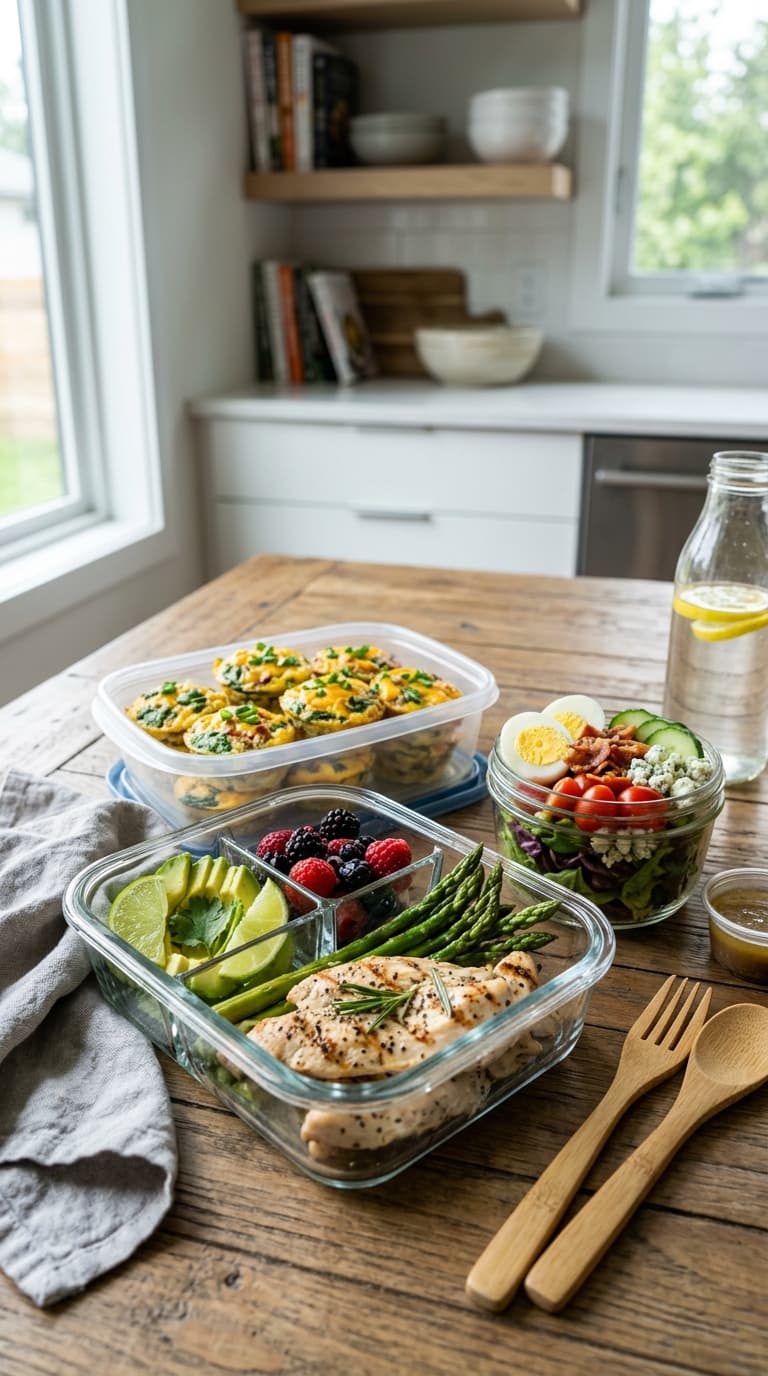
Egg muffins are the ultimate grab-and-go breakfast. Whisk eggs with chopped spinach, sun-dried tomatoes, crumbled feta, and fresh basil. Pour into muffin tins and bake. You can make a dozen in about thirty minutes, and they keep beautifully in the fridge for five days.
The secret to getting these perfectly cooked? I swear by this silicone muffin pan. Nothing sticks, and they pop out clean every single time. No more sacrificing half your egg muffin to the tin gods.
Greek Yogurt Parfait Jars
Layer thick Greek yogurt with honey, crushed walnuts, and fresh berries. The key is keeping the layers separate so nothing gets soggy. Put your yogurt in first, add a layer of nuts, then top with berries right before eating. Or prep everything separately and assemble in the morning if you’re particular about texture.
Greek yogurt packs about 15-20 grams of protein per serving, which is why it’s such a staple in Mediterranean eating patterns. Pair it with the healthy fats from walnuts, and you’ve got a breakfast that’ll actually stick with you.
Quick Win: Prep your dry ingredients (oats, nuts, seeds) in individual containers on Sunday. Add the wet stuff (yogurt, milk) each morning. Takes literally 60 seconds and prevents everything from getting weird and soggy.
Savory Chickpea Scramble
This one’s for people who want something hearty without eggs. Mash chickpeas with olive oil, turmeric, garlic powder, and nutritional yeast until they’re scrambled-egg consistency. Mix in cherry tomatoes, spinach, and a squeeze of lemon. It’s surprisingly satisfying and reheats like a dream.
Chickpeas are legume rockstars in the Mediterranean diet. They’re loaded with fiber and plant-based protein, plus they’re crazy versatile. If you’re into plant-forward eating, you’ll also love these clean girl meal prep ideas that follow similar wholesome principles.
Shakshuka Meal Prep Bowls
Traditional shakshuka is eggs poached in spiced tomato sauce, and it’s absolutely incredible. For meal prep purposes, I make the tomato base ahead (tomatoes, bell peppers, onions, garlic, cumin, paprika) and portion it out. When you’re ready to eat, reheat the sauce, crack an egg on top, and microwave for two minutes. Fresh shakshuka every morning with minimal effort.
The only annoying part is dicing all those vegetables, but a good food chopper makes it actually enjoyable. I got one last year and now I’m that person who voluntarily preps vegetables.
The Grain-Based Options
Olive and Tomato Breakfast Panzanella
This is basically a bread salad situation, but for breakfast. Cube whole grain bread, toss with cherry tomatoes, cucumber, kalamata olives, red onion, and a simple olive oil vinaigrette. Let it sit overnight so the bread soaks up all the flavors. It sounds weird until you try it, and then you become a convert.
Whole grains are non-negotiable in Mediterranean eating, and for good reason. They provide sustained energy without spiking your blood sugar like refined grains do. Plus, the fiber keeps your digestive system happy—TMI but true.
Savory Oatmeal with Za’atar and Poached Egg
Hear me out on this one. Sweet oatmeal is fine, but savory oatmeal is a whole different experience. Cook steel-cut oats with vegetable broth instead of water, top with za’atar spice blend, sautéed mushrooms, and a perfectly jammy egg. It’s like a warm hug in a bowl.
Za’atar is a Middle Eastern spice blend that’s common throughout the Mediterranean region. It typically includes thyme, oregano, sesame seeds, and sumac. You can find it at most grocery stores now, or order it online if your local store is slacking.
Whole Wheat Pita with Labneh and Vegetables
Labneh is strained yogurt that’s thick and creamy—almost like cream cheese but tangier and healthier. Spread it on whole wheat pita, top with sliced cucumber, tomatoes, fresh mint, and a drizzle of olive oil. It’s refreshing, satisfying, and takes about three minutes to assemble.
You can make your own labneh by straining Greek yogurt through cheesecloth overnight, or just buy it. I’m not here to judge your labneh-making decisions. For more grab-and-go options that don’t require morning assembly, check out these 30-minute meal prep bowls.
The Protein-Forward Breakfasts
Turkish Menemen Cups
Menemen is Turkish scrambled eggs with peppers, tomatoes, and spices. I make individual portions in ramekins that you can reheat throughout the week. It’s got that perfect combination of protein from eggs and nutrients from vegetables, all seasoned with cumin and red pepper flakes.
The individual portions are key here. Small ceramic ramekins work perfectly because they’re oven-safe, microwave-safe, and they look cute on Instagram if you’re into that sort of thing.
Feta and Herb Frittata Slices
Make one big frittata packed with spinach, fresh herbs, and feta cheese. Slice it into portions and you’ve got breakfast for the week. The beauty of frittatas is they’re just as good cold as they are warm, so you can literally grab a slice on your way out the door.
Eggs are incredibly nutrient-dense and one of the most affordable protein sources available. Plus, the research on eggs has evolved significantly—they’re not the cholesterol villains we once thought they were. Unless you’ve got specific health concerns, eggs are a breakfast win.
For more protein-packed breakfast inspiration, these 30g protein meal prep bowls deliver serious staying power.
Kitchen Tools That Make Mediterranean Meal Prep Actually Enjoyable
Listen, you don’t need a million gadgets to meal prep successfully. But a few key tools make the process so much smoother that you’ll actually stick with it. Here’s what genuinely makes a difference:
Glass Meal Prep Containers
Quality glass containers with airtight lids are worth every penny. They don’t absorb odors, they’re microwave and dishwasher safe, and they won’t leach weird chemicals into your food like some plastic containers. I learned this the hard way after ruining a month’s worth of plastic containers with tomato stains.
Sharp Chef’s Knife
A dull knife is dangerous and makes prep work miserable. A decent 8-inch chef’s knife will change your relationship with cooking. Suddenly chopping vegetables becomes meditative instead of a chore. You don’t need a $200 knife—just something sharp and comfortable in your hand.
Mini Food Processor
A small 3-cup food processor is perfect for making quick sauces, chopping nuts, or pulsing vegetables. It’s way more practical than dragging out a massive machine for small tasks. Mine gets used at least three times a week.
Digital Meal Planning App
FYI, having a meal planning app subscription can save you hours of decision fatigue. Most offer customizable meal plans, automatic grocery lists, and nutrition tracking. The Mediterranean diet-specific ones often include regional recipe variations.
Recipe Organization Template
I use a simple Notion template to organize all my favorite recipes by category. It sounds extra, but when you’re staring into the fridge on Sunday afternoon with zero ideas, having everything in one searchable place is clutch.
Mediterranean Diet Guide PDF
If you’re new to Mediterranean eating, a comprehensive guide with meal plans and shopping lists takes the guesswork out of getting started. Look for ones that include breakfast-specific sections since that’s often overlooked.
The Make-Ahead Pastry Options
Spinach and Feta Phyllo Triangles
These are basically Greek spanakopita in hand-held form. Layer phyllo dough with a spinach-feta mixture, fold into triangles, and bake. They freeze beautifully, so you can make a massive batch and pull out a few whenever you need them.
Working with phyllo can be intimidating at first, but once you get the hang of it, it’s actually pretty straightforward. Keep the sheets covered with a damp towel while you work so they don’t dry out. And don’t stress about perfection—rustic looks are in.
Olive Oil and Rosemary Breakfast Focaccia
Make a batch of focaccia on Sunday, slice it into portions, and you’ve got the base for incredible breakfasts all week. Top with scrambled eggs, smashed avocado, or just eat it plain with olive oil and sea salt. The rosemary gives it that Mediterranean vibe without trying too hard.
Homemade bread sounds fancy but focaccia is actually super forgiving. The dough is wet and soft, so you don’t need to knead it forever. Just mix, let it rise, dimple it with your fingers, and bake. A good stand mixer makes the process even easier if you’re into gadgets.
If you want more aesthetically pleasing breakfast options that photograph well, these aesthetic meal prep ideas deliver on both taste and presentation.
The Lighter, Refreshing Options
Watermelon and Feta Breakfast Bowls
This might sound strange if you’ve never tried the watermelon-feta combo, but trust me—it’s magic. Cube cold watermelon, crumble fresh feta on top, add fresh mint, and drizzle with balsamic glaze. It’s hydrating, refreshing, and surprisingly filling.
The sweet-salty-tangy combination hits all the right notes. Plus, watermelon is mostly water (shocking, I know), so it’s incredibly hydrating for those mornings when you wake up feeling like a desert creature.
Mediterranean Chia Pudding
Mix chia seeds with almond milk, a touch of honey, and vanilla extract. Let it sit overnight until it reaches pudding consistency. Top with pomegranate seeds, sliced almonds, and a drizzle of tahini. It’s like overnight oats’ cooler, more sophisticated cousin.
Chia seeds are packed with omega-3 fatty acids and fiber. They expand in liquid to create this gel-like texture that some people love and others find weird. I’m firmly in the love camp, but I also understand the opposition.
Looking for more options that won’t weigh you down? These meal prep bowls under 400 calories keep things light without sacrificing satisfaction.
Pro Tip: Invest in a label maker or just use masking tape and a marker. Date everything you prep so you know what needs to be eaten first. Your future self will thank you when you’re not playing Russian roulette with mystery containers.
Making It Work in Real Life
Okay, so you’ve got fourteen recipes. Now what? The trick is not trying to do everything at once. Pick two or three recipes that sound appealing, make them this weekend, and see how you feel. Maybe you discover you hate chickpeas but love egg muffins. Great—now you know.
The biggest mistake people make with meal prep is treating it like an all-or-nothing commitment. You don’t have to prep every single meal for the entire week. Even having breakfast sorted for three days is better than where you started.
Also, Mediterranean eating isn’t about perfection. It’s a general pattern, not a strict rulebook. If you want to throw some bacon in your egg muffins occasionally, the Mediterranean diet police aren’t going to kick down your door. The goal is progress, not perfection.
IMO, the best approach is rotating through three core recipes that you genuinely enjoy, then occasionally adding a new one to keep things interesting. This prevents boredom while maintaining simplicity. For additional variety that follows this principle, explore these minimalist meal prep ideas that focus on simple, repeatable systems.
Storage and Food Safety Basics
Let’s talk about not poisoning yourself, because that would really ruin the whole healthy eating vibe. Most prepared breakfast items are good in the fridge for four to five days. Egg-based dishes, yogurt parfaits, and grain bowls all fall into this category.
If you’re prepping for more than five days, portion things out and freeze half. Egg muffins, frittatas, and phyllo triangles all freeze beautifully. Just thaw overnight in the fridge and reheat in the morning.
Store everything in airtight containers to prevent weird fridge smells from infiltrating your breakfast. Nobody wants their overnight oats tasting like last night’s fish dinner. Keep wet and dry ingredients separate when possible—assemble parfaits and panzanella right before eating.
Use the smell test. If something smells off, toss it. Food safety isn’t worth gambling on, no matter how much meal prep time you invested. Research on home meal preparation emphasizes that proper storage is crucial for both food safety and maintaining nutritional quality.
Troubleshooting Common Meal Prep Problems
Everything Gets Soggy
This is the number one complaint I hear. The solution? Keep wet and dry ingredients separate. Store your oatmeal toppings separately and add them right before eating. Keep dressings in small containers until you’re ready to eat. Layer parfaits strategically with drier ingredients as barriers.
I Get Bored Eating the Same Thing
Then don’t eat the same thing. Prep components instead of complete meals. Make a batch of hard-boiled eggs, cook some grains, chop vegetables, and mix-and-match throughout the week. One day you have eggs with tomatoes and olives, the next day you have grain bowls with the same vegetables. Same prep work, different meals.
It Takes Too Long
You’re probably trying to do too much. Start smaller. Prep breakfast for three days instead of seven. Choose recipes that share ingredients so you’re not chopping seventeen different vegetables. Use shortcuts like pre-washed spinach and pre-crumbled feta when you need them. Nobody’s giving out medals for doing everything the hard way.
If mornings are genuinely chaotic for you, these lazy girl meal prep bowls are designed for maximum efficiency with minimal effort.
My Family Won’t Eat Mediterranean Food
First, stop calling it “Mediterranean food” and just serve it. Most of these recipes are pretty mild and familiar—eggs, yogurt, whole grains, vegetables. Kids especially don’t need to know they’re eating “healthy ethnic food.” They’re just eating breakfast.
Second, let people customize. Set out toppings and let everyone build their own bowl or parfait. Control freaks love this, and picky eaters feel like they have a choice.
Frequently Asked Questions
Can I meal prep Mediterranean breakfast for the entire week?
Most Mediterranean breakfast items are safe for four to five days in the fridge. For longer storage, prep components separately and freeze items like egg muffins or phyllo triangles. Assemble fresh ingredients like cut vegetables and herbs closer to eating time for best quality.
Are Mediterranean breakfasts good for weight loss?
Yes, Mediterranean-style breakfasts can support weight loss because they’re naturally high in fiber, protein, and healthy fats that keep you satisfied longer. The emphasis on whole foods and portion control helps manage calorie intake without feeling restrictive. Studies show that Mediterranean eating patterns are associated with better weight management outcomes compared to restrictive dieting.
What’s the difference between Greek yogurt and regular yogurt?
Greek yogurt is strained to remove excess whey, making it thicker and higher in protein—typically 15-20 grams per serving compared to 5-10 grams in regular yogurt. It’s also lower in sugar and has a tangier taste. This makes it more filling and better for keeping blood sugar stable throughout the morning.
Do I need special ingredients for Mediterranean meal prep?
Not really. Most ingredients like olive oil, whole grains, eggs, vegetables, and Greek yogurt are available at regular grocery stores. Specialty items like za’atar, labneh, or phyllo dough might require a visit to an international market or online ordering, but you can easily adapt recipes with what you have.
Can I make these recipes if I’m dairy-free?
Absolutely. Swap Greek yogurt for coconut or almond milk yogurt, skip the feta or use a dairy-free alternative, and use plant-based milk in overnight oats. The Mediterranean diet is flexible enough to accommodate various dietary restrictions while maintaining its core principles of whole foods and healthy fats.
The Bottom Line on Mediterranean Breakfast Meal Prep
Mediterranean breakfast meal prep isn’t about following some rigid meal plan or becoming a morning person overnight. It’s about setting yourself up for success with minimal effort and maximum flavor.
These fourteen recipes give you a solid foundation to work from. Pick a few that sound good, prep them this weekend, and see how it feels. Maybe you’ll discover that overnight oats are your jam, or maybe you’re more of an egg muffin person. Either way, you’re winning because you’ve got breakfast handled instead of frantically grabbing whatever’s convenient.
The Mediterranean approach to eating has stood the test of time for good reason—it’s delicious, it’s flexible, and it actually supports long-term health without making you feel deprived. Start small, be consistent, and adjust as you go. Your mornings are about to get a whole lot better.