How to Build the Perfect Mediterranean Grocery List
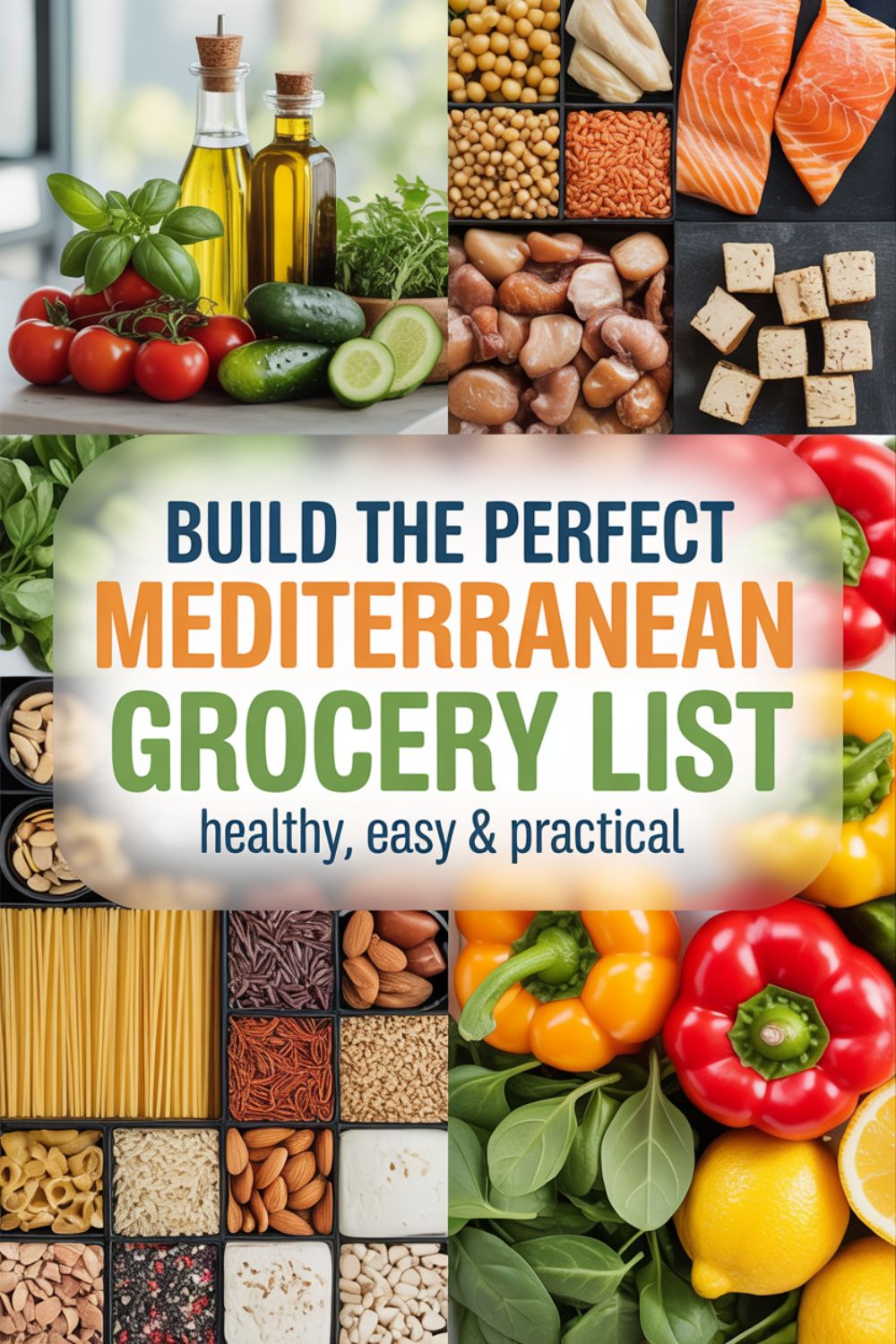
Why the Mediterranean Diet Actually Works
Here’s what I love about the Mediterranean approach—it’s not really a “diet” in the restrictive, miserable sense. It’s more like how people in Greece, Italy, and Spain have eaten for centuries because, well, it’s what grows there and it’s delicious. Research from Harvard’s School of Public Health shows that people following this eating pattern have a significantly lower risk of heart disease and live longer overall.
The Mayo Clinic notes that this way of eating emphasizes whole grains, healthy fats, and tons of vegetables—basically the stuff your body actually wants. What sets it apart is the focus on quality ingredients rather than calorie counting or food group elimination.
The secret sauce is olive oil—literally. Studies have found that extra virgin olive oil contains powerful antioxidants that protect your heart and reduce inflammation throughout your body. Pair that with fish, vegetables, and whole grains, and you’ve got a winning combination.
Don’t overthink the “authentic” thing. You’re building a sustainable grocery list, not trying to replicate a Sicilian grandmother’s pantry. Use what works for your budget and your neighborhood grocery store.
The Foundation: Pantry Staples You Need
Extra Virgin Olive Oil (The Real Star)
Let’s start with the most important item: extra virgin olive oil. This is your cooking fat, your salad dressing base, your bread dipper. Don’t cheap out here—quality matters. Look for bottles that list the harvest date and origin. I keep a good-quality EVOO dispenser on my counter because using it becomes second nature when it’s right there.
For everyday cooking, you don’t need the $40 boutique bottle. But you do want something that actually tastes like olives—fruity, slightly peppery, maybe a little grassy. Store it in a dark place or in a dark glass bottle to prevent oxidation. Trust me on this—rancid olive oil is nasty.
Grains and Legumes
Whole grains are non-negotiable. Stock up on brown rice, farro, bulgur, and whole wheat pasta. Quinoa works too, even though it’s technically South American. The Mediterranean approach isn’t about strict rules—it’s about incorporating nutrient-dense, minimally processed grains.
Legumes are your protein powerhouse: chickpeas, lentils, white beans, and black beans. I buy the dried versions when I have time to plan ahead, but canned works perfectly fine. Just rinse them first to cut the sodium. Speaking of which—if you’re meal prepping these ingredients, legumes are absolute gold.
Buy a variety pack of canned beans and keep them stocked. They’re the fastest way to add protein and fiber to literally any meal. Toss them in salads, blend them into hummus, or just heat them with olive oil and garlic.
Canned Tomatoes and Tomato Paste
Mediterranean cooking runs on tomatoes. Keep several cans of whole peeled tomatoes, crushed tomatoes, and tomato paste in your pantry. You’ll use them in everything from pasta sauces to stews. San Marzano tomatoes are worth the extra dollar or two—they’re sweeter and less acidic.
Nuts and Seeds
Almonds, walnuts, pine nuts, and sesame seeds (tahini) show up constantly in Mediterranean recipes. I store mine in airtight glass containers in the fridge to keep them fresh longer. Nuts go rancid surprisingly fast at room temperature, and there’s nothing sadder than ruining a good dish with stale walnuts.
Fresh Produce: The Colorful Stuff
Vegetables You’ll Actually Use
The Mediterranean diet is vegetable-forward, which sounds intimidating until you realize it just means eating what’s in season and not overthinking it. Your grocery list should include:
- Tomatoes—Ripe, juicy ones if you can get them. Cherry tomatoes last longer in the fridge.
- Leafy greens—Spinach, arugula, kale. Whatever you’ll actually eat before it turns to slime.
- Eggplant and zucchini—Summer staples. Roast them with olive oil and they’re addictive.
- Bell peppers—Red, yellow, orange. The colorful ones are sweeter.
- Onions and garlic—Buy these in bulk. You’ll use them constantly.
- Cucumbers—For salads and snacking.
Don’t stress about buying every vegetable on this list. Start with what you know you like. If you hate eggplant, skip it. The goal is to fill half your plate with vegetables most days—not force yourself to eat foods you despise.
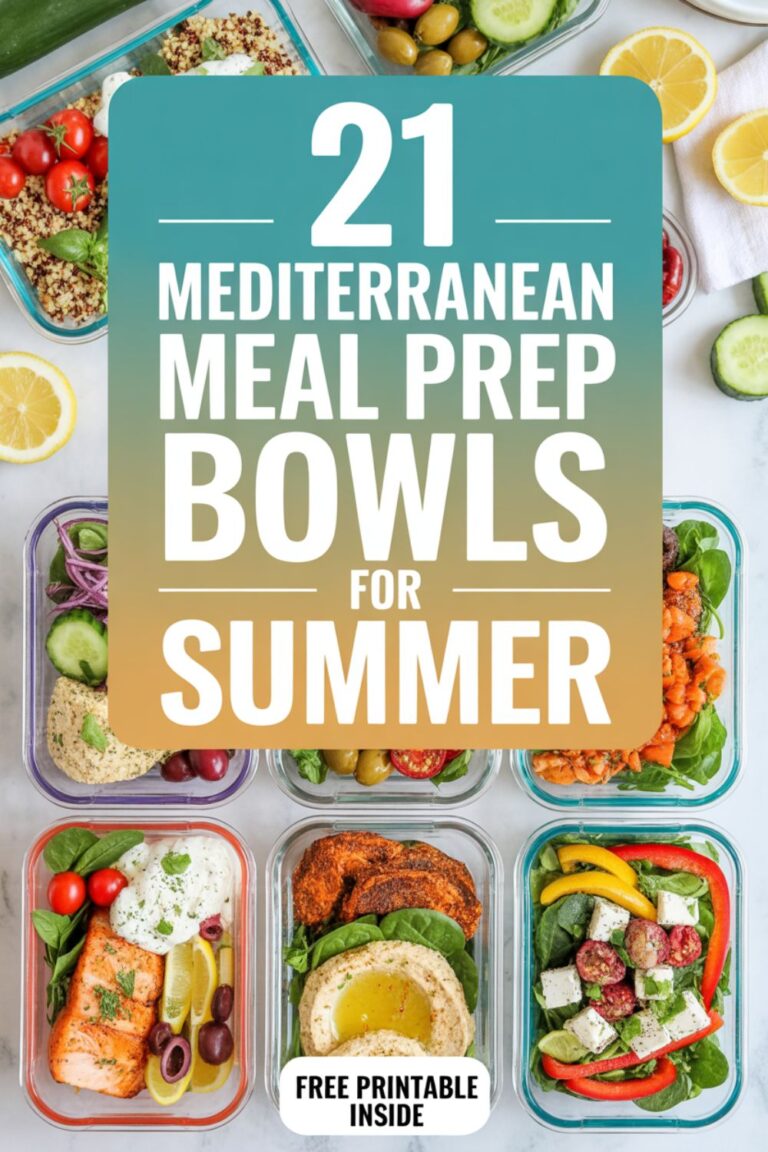
If you’re looking for ways to use up all these vegetables, try these colorful meal prep bowls or check out these light and satisfying options that won’t leave you feeling heavy.
Fresh Herbs
Basil, parsley, oregano, and rosemary are the heavy hitters. Fresh herbs transform a dish from “meh” to “wow” in seconds. IMO, growing them on your windowsill in small herb planters is worth the minimal effort. But store-bought works fine too.
One trick: If you buy a bunch of fresh herbs and can’t use them all, blend them with olive oil and freeze in ice cube trays. Pop one out whenever you need instant flavor.
Citrus Fruits
Lemons are essential—you’ll use them for dressings, marinades, and finishing dishes. Keep at least four or five on hand. Oranges are great for snacking and add brightness to salads. If you see blood oranges in season, grab them. They’re gorgeous and delicious.
Proteins Done Right
Fish and Seafood
This is where the Mediterranean diet really shines. Fatty fish like salmon, sardines, mackerel, and anchovies are loaded with omega-3s. Fresh is ideal, but frozen works perfectly—sometimes frozen is actually fresher because it’s flash-frozen right after being caught.
Canned tuna and sardines are pantry staples. I know sardines sound intimidating, but mash them with lemon, olive oil, and capers, spread on whole grain bread, and you’ll get it. They’re cheap, sustainable, and ridiculously nutritious.
Poultry
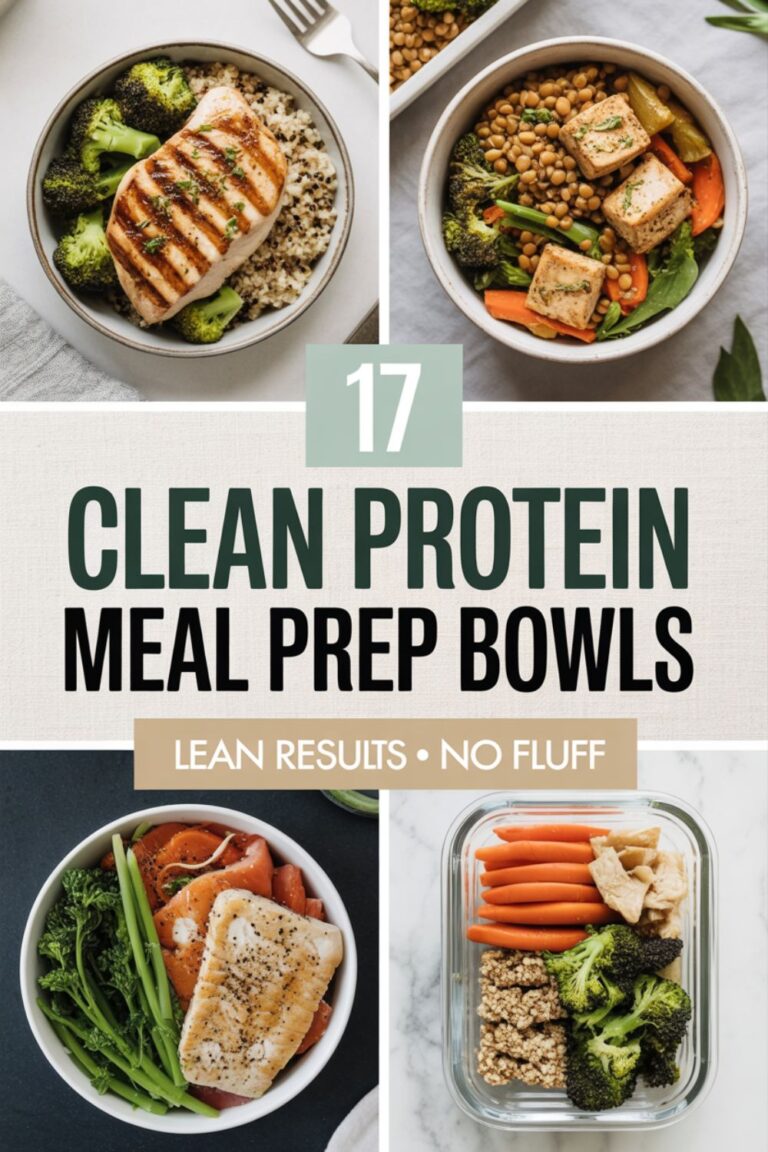
Chicken and turkey appear in Mediterranean cooking, just not as the main event. Think chicken added to grain bowls or high-protein meal prep bowls, not giant slabs of grilled chicken breast dominating the plate. Get Full Recipe for protein-packed ideas that actually taste good.
Eggs and Dairy
Eggs are versatile and affordable. Keep a dozen on hand for frittatas, shakshuka, or just soft-boiled over vegetables.
For dairy, stick with Greek yogurt (not the sugar-loaded flavored kind), feta cheese, and maybe some fresh mozzarella. Feta lasts forever in brine and adds a salty punch to salads and roasted vegetables. I store mine in glass containers with tight lids to keep it from drying out.
Buy a block of feta instead of pre-crumbled. It’s cheaper, lasts longer, and tastes infinitely better. Plus, you can control the chunk size—big crumbles are far superior to that powdery pre-crumbled stuff.
Smart Shopping Strategies
Buy Seasonal and Local When Possible
Seasonal produce is cheaper, tastier, and more nutritious. It’s also what the Mediterranean diet is actually based on—eating what’s available rather than airlifting out-of-season berries from South America. Hit up farmers markets when you can, but don’t stress if your budget points to the regular grocery store. The goal is progress, not perfection.
Embrace Frozen and Canned
Frozen vegetables are just as nutritious as fresh—sometimes more so because they’re frozen at peak ripeness. Keep bags of frozen spinach, peas, and cauliflower rice in the freezer. They’re lifesavers on busy nights.
Canned goods like tomatoes, beans, and fish are pantry essentials. Just watch the sodium levels and rinse when needed.
Plan Your Proteins
Protein is usually the priciest part of your grocery haul. Plan your week: maybe two fish dinners, one chicken dish, and the rest built around beans and eggs. This approach keeps costs down while still hitting your nutrition goals.
If you’re serious about organized meal prep, batch-cooking proteins saves massive time during the week. Cook a whole chicken, poach some eggs, bake a salmon fillet—then mix and match throughout the week.
Looking for structured meal prep plans? These minimalist meal prep ideas keep things simple without sacrificing flavor.
Sample Mediterranean Grocery List
Alright, let’s get practical. Here’s what a solid weekly Mediterranean grocery haul looks like:
Pantry Items
- Extra virgin olive oil
- Whole wheat pasta
- Brown rice or farro
- Canned chickpeas (2-3 cans)
- Canned white beans
- Canned whole tomatoes (2 cans)
- Tomato paste
- Raw almonds and walnuts
- Tahini
- Red wine vinegar
- Dried oregano, basil, and rosemary
Fresh Produce
- Cherry tomatoes (1 pint)
- Spinach or mixed greens
- Zucchini (2-3)
- Bell peppers (3, mixed colors)
- Cucumbers (2)
- Red onions (3)
- Garlic (1 bulb)
- Lemons (5-6)
- Fresh basil and parsley
- Avocados (optional, not traditional but delicious)
Proteins
- Salmon fillets (2)
- Canned sardines or tuna (2 cans)
- Chicken breasts or thighs (1 lb)
- Eggs (1 dozen)
- Greek yogurt (plain, 32 oz)
- Feta cheese (8 oz block)
Frozen Backup
- Frozen spinach
- Frozen mixed vegetables
- Frozen wild-caught fish fillets
This list feeds one person for about a week with some pantry carryover. Scale up for families or meal preppers. And honestly, if you’re doing quick meal prep bowls, you’ll burn through these ingredients fast—in a good way.
Mediterranean Kitchen Essentials
These tools and resources make Mediterranean cooking actually enjoyable instead of frustrating.
Glass Olive Oil Dispenser
Dark-tinted glass protects your expensive EVOO from light damage. The pour spout prevents messy drips and helps you control portions.
Herb Storage Containers
These keep fresh herbs alive way longer than the plastic clamshells they come in. Worth every penny if you hate throwing away wilted basil.
Quality Chef’s Knife
Chopping all those vegetables becomes significantly less annoying with a sharp, well-balanced knife. Doesn’t have to be fancy—just sharp.
Mediterranean Diet Cookbook
A solid cookbook gives you a foundation of classic recipes to work from. Look for one with simple ingredient lists and realistic prep times.
Meal Prep Containers
Glass containers with divided sections keep your aesthetic meal prep bowls looking Instagram-worthy and prevent sauce sogginess.
Digital Kitchen Scale
Not for calorie counting—for learning proper portions and recipe accuracy. Especially useful if you’re trying weight loss meal prep without feeling deprived.
Common Mediterranean Shopping Mistakes
Buying Too Much Fresh Produce
Look, we’ve all done it. You get inspired, buy seventeen vegetables, and watch half of them rot. Start small. Buy what you’ll realistically use in 3-4 days. Frozen vegetables exist for a reason.
Skipping the Good Olive Oil
This is not the place to pinch pennies. Bad olive oil is basically flavorless vegetable oil pretending to be something it’s not. You don’t need the most expensive bottle, but get something that actually tastes good.
Ignoring Bulk Bins
Nuts, grains, and dried legumes are way cheaper in bulk. Plus, you can buy exactly how much you need instead of committing to a giant bag you’ll never finish.
Forgetting About Prep Time
Fresh ingredients are great, but if you’re coming home exhausted on a Tuesday, pre-chopped vegetables and canned beans are your friends. Don’t let perfectionism sabotage your actual eating habits.
Do a fridge audit before shopping. You probably have half of what you need already. I can’t count how many times I’ve bought tahini only to find two jars hiding in the back of my pantry.
Budget-Friendly Mediterranean Shopping
Prioritize Staples Over Novelty
You don’t need every specialty ingredient. Start with the basics—olive oil, beans, grains, seasonal vegetables. The fancy stuff can wait.
Choose Cheaper Proteins
Canned fish, eggs, and legumes are protein superstars that won’t destroy your budget. Save the fresh salmon for once or twice a week, and lean on chickpeas the rest of the time.
Shop Sales and Seasons
Buy what’s on sale and what’s in season. Summer zucchini is ridiculously cheap. Winter root vegetables are dirt cheap and store forever. Work with the seasons instead of against them.
Make Your Own Staples
Hummus, salad dressing, and pesto are absurdly easy to make and cost a fraction of store-bought versions. Toss chickpeas, tahini, lemon, and garlic in a decent food processor and you’ve got hummus for days.
If you’re batch-prepping these staples, check out lazy girl meal prep bowls that rely on simple, make-ahead components. Get Full Recipe for dump-and-build methods that require minimal effort.
Organizing Your Mediterranean Pantry
A well-organized pantry makes cooking infinitely easier. Group items by category: grains together, canned goods together, oils and vinegars together. Label everything with a label maker if you’re feeling extra. It sounds obsessive, but knowing exactly where your tahini lives saves genuine frustration.
Store olive oil in a cool, dark place—not next to the stove. Heat and light degrade it fast. Keep nuts and seeds in the fridge or freezer. Keep frequently used items at eye level.
FYI, this level of organization pairs really well with Pinterest-inspired meal prep layouts that look almost too good to eat.
For even more visual inspiration and structured plans, browse through these neutral-tone meal prep ideas or these beige-approved bowls that still pack serious nutrition.
Meal Planning with Your Mediterranean Grocery List
Once you’ve got your groceries, the magic happens in the planning. Pick 3-4 recipes for the week that share ingredients. If you’re buying feta, use it in a salad, a frittata, and roasted vegetables. No orphan ingredients left behind.
Batch-cook grains and proteins on Sunday. Chop vegetables ahead of time. Store everything in clear containers so you can see what you have. This isn’t about becoming a meal prep robot—it’s about making weeknight cooking less chaotic.
If you’re targeting specific goals like fat loss meal prep or hitting 30g of protein per meal, the structure becomes even more important. Plan your shopping around those macro targets and you’ll actually hit them consistently.
Frequently Asked Questions
How much should I budget for Mediterranean groceries per week?
For one person, expect to spend $60-$100 per week depending on where you shop and whether you’re buying organic. The bulk of your budget goes to fresh produce and quality olive oil. Buying dried legumes instead of canned, shopping sales, and choosing frozen vegetables can easily drop you to the lower end of that range.
Can I follow a Mediterranean diet if I’m vegetarian or vegan?
Absolutely. The Mediterranean diet is naturally plant-forward, so going vegetarian is almost easier than the standard version. Just swap fish for extra legumes, nuts, and seeds. For vegans, skip the dairy and use tahini, nutritional yeast, or cashew-based alternatives for that creamy, savory element.
What’s the difference between regular olive oil and extra virgin?
Extra virgin olive oil is cold-pressed and unrefined, which preserves the antioxidants and polyphenols that provide most of the health benefits. Regular olive oil has been refined and processed, stripping away much of that good stuff. It’s fine for cooking at high heat, but for dressings and finishing dishes, always use extra virgin.
How long do Mediterranean pantry staples last?
Dried grains and legumes last for years in a cool, dry place. Canned goods are good for 2-3 years. Olive oil starts losing quality after about 18 months, which is why checking the harvest date matters. Nuts and seeds last 3-4 months at room temperature but up to a year in the fridge or freezer. Fresh herbs obviously need to be used within a week.
Do I have to shop at specialty stores for Mediterranean ingredients?
Not at all. Most regular grocery stores carry everything you need—olive oil, canned beans, whole grains, fresh produce, feta cheese, and canned fish. You might find more variety at Mediterranean markets or specialty stores, but they’re definitely not necessary. Start with what’s accessible to you.
Final Thoughts
Building a Mediterranean grocery list isn’t about perfection or authenticity—it’s about stocking your kitchen with ingredients that make you want to cook. Start with the basics: good olive oil, plenty of vegetables, whole grains, and protein that doesn’t break the bank. Add herbs and spices. Keep your pantry stocked with canned tomatoes and beans for those nights when you can’t be bothered to soak dried chickpeas.
The beauty of this approach is that it’s flexible. You’re not bound by strict rules or meal plans. You’re just eating real food that happens to be delicious and nutritious. Shop what’s in season, cook what sounds good, and stop stressing about whether you’re doing it “right.”
Your grocery cart should make you excited to cook, not anxious about following some rigid protocol. Grab your reusable bags, hit the store, and start building meals that actually taste like something worth eating.