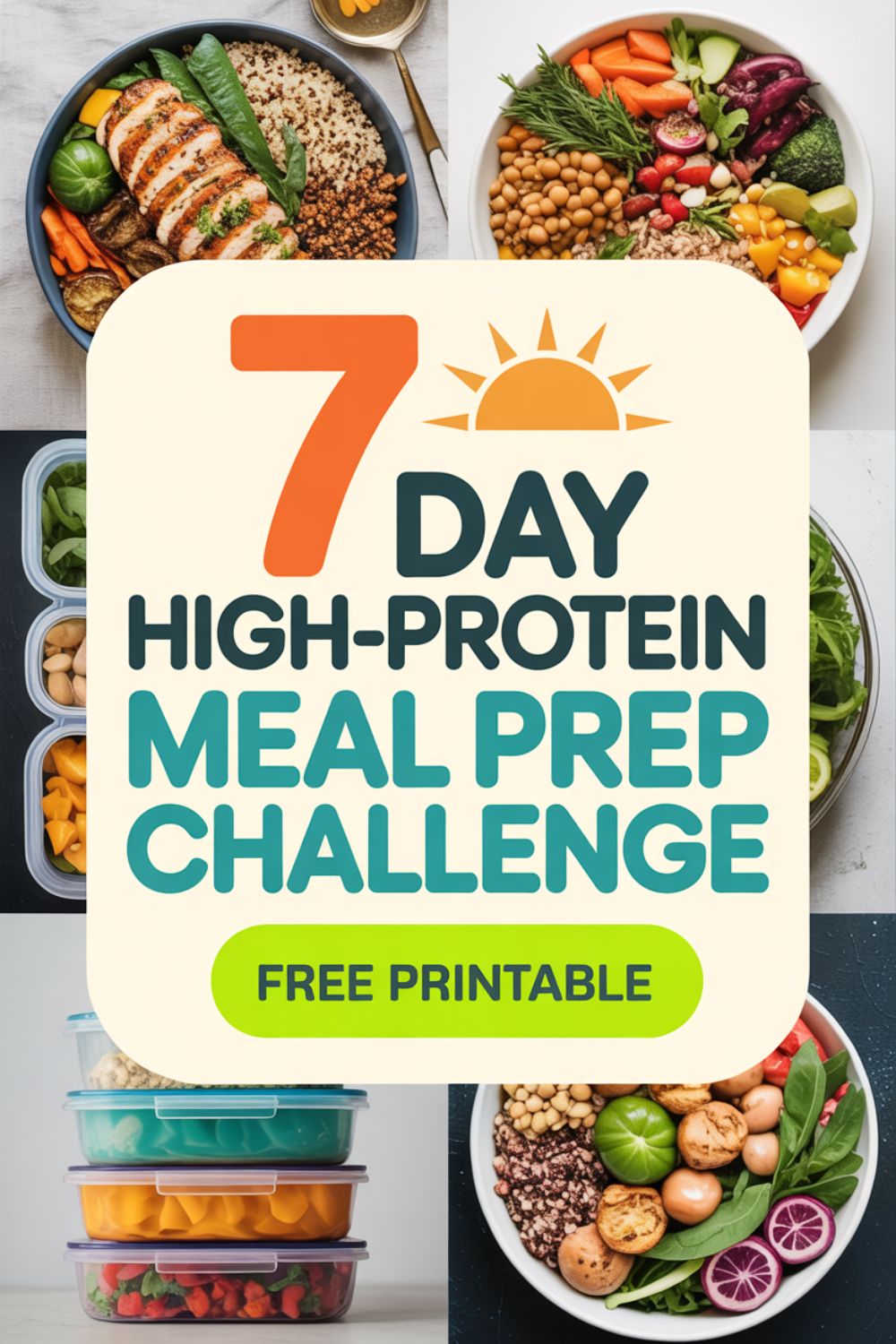
7-Day High-Protein Meal Prep Challenge (Free Printable)
Look, I’m not going to sugarcoat it—meal prepping can feel like a commitment. But here’s what nobody tells you: once you nail down a solid protein-focused routine, the whole thing gets ridiculously easier. I’m talking about actually having your lunch ready instead of staring into your fridge at 12:47 PM wondering if yesterday’s leftover rice counts as a meal.
This 7-day high-protein meal prep challenge isn’t about living on bland chicken and broccoli. It’s about setting yourself up so well that skipping the drive-thru actually becomes the easier option. Because honestly? That’s when the magic happens.
Why Protein Changes the Meal Prep Game
Here’s the thing about protein that makes it perfect for meal prep: it actually keeps you full. Not fake-full like that muffin you grabbed at 10 AM. Real, “I can actually make it to dinner without raiding the vending machine” full.
Research shows that consuming more protein than the standard recommended amount helps with weight loss while preserving muscle mass. It’s not just bro-science from the gym—it’s legit backed by clinical trials showing people who ate higher protein diets maintained their weight loss better over 6-12 months.
And before anyone panics about kidney damage or bone health, multiple studies have debunked those myths. Healthy adults can handle increased protein intake without issues. In fact, protein might actually improve bone density, especially as you age.
Pro Tip: Aim for at least 25-30 grams of protein per meal. That’s roughly the amount needed to trigger the biological changes that help with satiety and muscle maintenance. Not 15 grams. Not “a little chicken.” Actual portions that do something.
Setting Up Your Protein Prep Station
Before you start cooking everything in sight, let’s talk logistics. The number one reason meal prep fails isn’t lack of willpower—it’s lack of proper containers and a realistic game plan.
You’ll need quality storage that actually seals. I learned this the hard way when chicken juice leaked all over my work bag. Not cute. I now swear by glass containers with snap-lock lids—they’re microwave-safe, don’t absorb smells, and you can actually see what’s inside without playing fridge roulette.
For tracking everything, grab a set of chalkboard labels so you know when you prepped each meal. The USDA recommends consuming most cooked foods within 3-4 days when refrigerated, so dating your containers isn’t optional—it’s food safety 101.
The Non-Negotiable Equipment
- A reliable food thermometer: Because guessing if chicken is done is how you end up with either shoe leather or salmonella
- Sheet pans: Plural. You’ll want to roast multiple proteins and veggies simultaneously
- A good knife: Chopping with a dull blade takes forever and increases your chances of a kitchen injury
- Portion scale: Optional but helpful if you’re tracking macros seriously
Speaking of sheet pans, these rimmed baking sheets are practically indestructible and clean up like a dream. And if you want to save yourself from scrubbing, silicone baking mats are seriously worth it. Zero sticking, zero frustration.
The Actual 7-Day Challenge Breakdown
Alright, let’s get into the meat of this thing (pun absolutely intended). This isn’t about perfection. It’s about having actual food ready when you need it.
Day 1-2: The Foundation Days
Start with proteins that hold up well in the fridge for the first half of the week. Think grilled chicken thighs, hard-boiled eggs, and maybe some ground turkey if you’re feeling ambitious.
Why thighs over breasts? They’re more forgiving. Chicken breast can turn into cardboard if you so much as look at it wrong after reheating. Thighs stay juicy, and honestly, they taste better. Fight me on this.
Pair these with roasted vegetables and a grain like quinoa or brown rice. Nothing fancy. Get Full Recipe for my go-to sheet pan chicken and veggie combo that’s saved me countless times.
Quick Win: Prep your veggies Sunday night. Seriously. Pre-chopped vegetables in the fridge mean you’re 80% more likely to actually use them instead of ordering pizza at 8 PM.
Day 3-4: The Mid-Week Push
This is where people usually fall off. You’re tired, the containers in the back of the fridge look slightly questionable, and takeout sounds real good right about now.
Combat this by prepping something that actually excites you. For me, that’s salmon. A cast iron skillet makes it ridiculously easy—six minutes of cooking, maximum flavor.
If fish isn’t your thing, turkey meatballs work great. They freeze beautifully, reheat well, and you can batch-make like 50 of them while watching Netflix. Then just grab four for lunch, heat them up, and boom—instant protein.
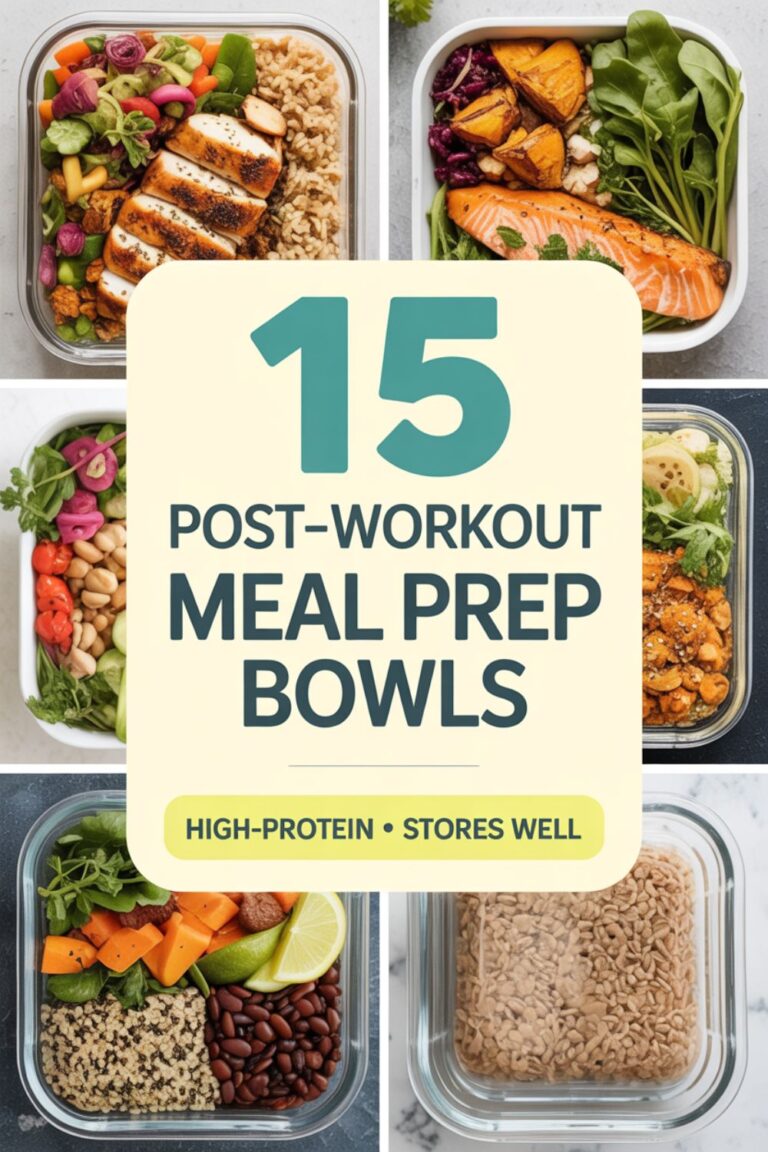
Looking for more mid-week inspiration? These high-protein meal prep bowls are designed specifically to stay fresh and keep you motivated through Thursday’s slump.
Day 5-7: The Home Stretch
Here’s where freezer meals become your best friend. According to food safety guidelines, most meals can safely be frozen for 2-3 months, which means you can prep beyond just this week.
I usually freeze portions for days 5-7 on prep day, then transfer them to the fridge the night before I need them. This keeps everything at peak freshness without the 7-day countdown stress.
Protein-rich soups and stews are clutch here. Chili, chicken soup with white beans, beef stew—all of these actually taste better after being frozen and reheated. It’s like they needed time to think about their life choices.
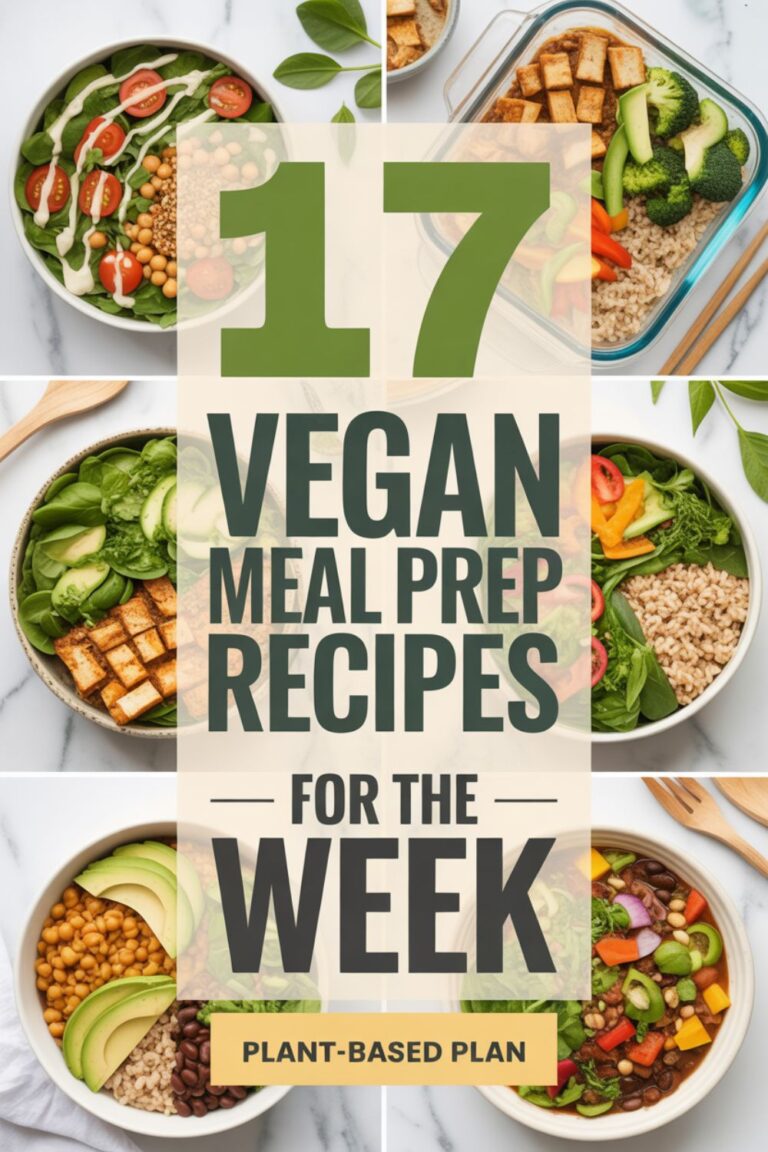
For complete meal planning that covers all seven days, check out these healthy meal prep bowls for the entire week. They’re designed with both nutrition and practical storage in mind.
Protein Sources That Actually Work for Meal Prep
Not all proteins are created equal when it comes to surviving in your fridge for multiple days. Here’s what actually holds up:
The MVPs
- Chicken thighs: Already covered this, but worth repeating. Superior to breast meat in every way for meal prep
- Hard-boiled eggs: Literally perfect. Portable protein bombs that last a full week
- Ground turkey or beef: Versatile, freezes well, easy to portion
- Salmon: Surprisingly good reheated if you don’t overcook it initially
- Tofu: For my plant-based people, extra-firm tofu pressed and baked is shockingly good as leftovers
The “Proceed With Caution” Category
Shrimp gets weird after day three. It’s not unsafe—it’s just… textually questionable. Same with most delicate fish like tilapia. And please, for the love of everything, don’t try to meal prep scrambled eggs for five days. That’s a crime against breakfast.
Steak is tricky because it’s best rare to medium-rare, but reheating often pushes it into well-done territory. Not ideal. If you’re craving beef, go for something meant to be braised or slow-cooked, like pot roast or short ribs.
Want to see how others tackle protein variety? These colorful meal prep bowls prove you don’t have to sacrifice visual appeal for protein content.
Meal Prep Essentials Used in This Plan
These are the tools and resources that genuinely make the difference between meal prep success and ending up with five containers of questionable chicken by Wednesday.
- Glass meal prep containers (set of 10) – Leak-proof, microwave-safe, and you can actually see what’s inside
- Instant-read meat thermometer – Because food poisoning is not part of the challenge
- Heavy-duty aluminum foil – Makes cleanup a breeze and doubles as a makeshift lid
- Printable meal prep tracker – Track what you made, when you made it, and what needs restocking
- High-protein recipe collection (50+ recipes) – Never run out of ideas again
- Macros calculator spreadsheet – For those who like numbers and certainty
Common Mistakes That’ll Sabotage Your Week
I’ve made every meal prep mistake in the book, so let me save you some grief.
Mistake #1: Prepping Food You Don’t Actually Like
This sounds obvious, but you’d be shocked how many people meal prep food they think they should eat rather than food they actually want to eat. If you hate Brussels sprouts, stop trying to make them work. You’re not going to suddenly love them on day four.
The goal is to create meals you’re genuinely excited about. Check out these weight loss meal prep bowls that don’t feel like diet food for proof that healthy eating doesn’t mean suffering.
Mistake #2: Making Everything Bland to “Stay Healthy”
Seasoning is not the enemy. Salt, pepper, garlic powder, paprika—these things have negligible calories and make the difference between “I guess I’ll eat this” and “damn, this is actually good.”
I keep a spice organizer right next to my stove because out of sight really is out of mind. If I can see my seasonings, I’m way more likely to use them.
Mistake #3: Not Accounting for Texture Changes
Some foods just don’t reheat well. Crispy things get soggy. Delicate herbs turn into mush. If you’re meal prepping a salad, keep the dressing separate. If you’re doing anything with a sauce, store it separately and add it when you reheat.
This is where having those small sauce containers comes in clutch. They’re cheap, they seal properly, and they prevent everything from turning into a sad, soggy mess.
Pro Tip: Undercook vegetables slightly if you’re planning to reheat them. They’ll continue cooking when you microwave the meal, and you’ll avoid the mushy veggie situation entirely.
The Actual Meal Prep Process (Step by Step)
Okay, so you’ve got your containers, your proteins picked out, and you’re ready to go. Here’s how I approach prep day without losing my mind.
Step 1: Get Everything Out
And I mean everything. All your containers, all your ingredients, all your tools. Mise en place isn’t just for fancy chefs—it’s the difference between smooth sailing and running back and forth to the pantry 47 times.
Step 2: Start With What Takes Longest
Get your oven going for roasted proteins and veggies. While that’s happening, start your rice cooker or boil your grains. Hard-boil eggs. Basically, set up the things that don’t need constant attention first.
I usually pop chicken thighs in the oven, get my quinoa going, and then start chopping vegetables while everything else does its thing. Multitasking is your friend here.
Step 3: Assembly Line Everything
Once your components are ready, set up an assembly line. All your containers in a row, all your proteins ready, all your sides portioned out. It sounds corporate and boring, but it works.
This is literally what those aesthetic meal prep ideas do—they just make it look prettier. But the concept is the same: batch, portion, store, repeat.
Step 4: Label and Date
I cannot stress this enough. Future you will not remember if that chicken was from this Sunday or last Sunday. Label. Everything.
A label maker is honestly worth the investment if you meal prep regularly. Or just use masking tape and a Sharpie. Whatever works, just do it.
Making It Work When Life Gets Messy
Real talk: some weeks are chaos. Maybe you had to work late, maybe your kid got sick, maybe Mercury was in retrograde. Whatever the reason, you didn’t get your full prep done.
That’s when having a backup plan saves you. I always keep frozen protein portions ready to go. Even if I didn’t prep full meals, I can throw frozen chicken thighs in the oven, microwave some frozen vegetables, and boom—reasonable dinner in 30 minutes.
The lazy girl meal prep bowls concept is perfect for this. They’re designed for those weeks when you want the benefits of meal prep without the full Sunday afternoon commitment.
Another lifesaver? Pre-portioned protein in your freezer. I’ll often cook double batches and freeze half in individual portions. Then I can just grab one, defrost it overnight in the fridge, and pair it with whatever vegetables or grains I have on hand.
Tracking Your Progress (Without Making It Weird)
Some people love tracking every macro. Others just want to feel less hangry by 3 PM. Both approaches are valid.
If you’re in the tracking camp, research suggests aiming for 1.2-1.6 grams of protein per kilogram of body weight (roughly 25-30% of your daily calories) for weight management benefits. That’s the sweet spot where you get the appetite control and muscle preservation benefits without going overboard.
For a 150-pound person, that’s about 82-109 grams of protein per day. Split that across three meals, and you’re looking at 27-36 grams per meal. Totally doable.
If you’re not into tracking, just aim for a palm-sized portion of protein at each meal. It’s not scientific, but it’s a hell of a lot better than winging it and wondering why you’re starving two hours after eating.
Want to see what 30+ grams of protein actually looks like on a plate? These 30g protein meal prep bowls give you visual references that beat abstract numbers any day.
Frequently Asked Questions
Can I really eat chicken that’s been in the fridge for 7 days?
Honestly? No, and you shouldn’t try to. The USDA recommends consuming cooked poultry within 3-4 days when refrigerated. That’s why this challenge emphasizes freezing portions for days 5-7 and thawing them as needed. Work with food safety, not against it.
What if I don’t have time for a full Sunday prep session?
Then don’t do it all at once. Prep proteins on Sunday, chop vegetables Monday night, assemble meals as you go. The point is having food ready, not following some rigid rulebook. Some weeks I prep everything, some weeks I just cook extra portions at dinner and pack leftovers. Both count as meal prep.
Do I need to track macros to benefit from high-protein meal prep?
Nope. Tracking can be helpful if you’re pursuing specific goals, but simply increasing your protein intake while having consistent, planned meals will get you most of the benefits. Focus on including a solid protein source at each meal—roughly the size of your palm—and you’re already ahead of the game.
What’s the best container for meal prep?
Glass containers with airtight lids are the gold standard. They’re microwave-safe, don’t absorb odors or stains, and let you see what’s inside. Plastic works too, just make sure they’re BPA-free and actually seal properly. The worst thing is discovering chicken juice leaked all over your bag at work. Trust me on this.
How do I keep food from getting boring by day five?
Two strategies: vary your proteins (chicken, fish, turkey, eggs, tofu) and keep sauces or seasonings separate. Add fresh herbs or a different sauce when you reheat, and suddenly the same base meal feels completely different. Also, not every meal needs to be gourmet. Sometimes you just need fuel, and that’s fine.
The Bottom Line
This 7-day high-protein meal prep challenge isn’t about achieving perfection or transforming your entire life in a week. It’s about proving to yourself that having food ready makes everything easier.
Will every meal be Instagram-worthy? Probably not. Will you save money, time, and that weird afternoon decision fatigue about what to eat? Absolutely.
The real challenge isn’t cooking a bunch of food on Sunday. It’s sticking with it when Wednesday hits and you’re tired and that Thai place has a really good lunch special. But if you’ve got a container in the fridge that you actually want to eat? The choice becomes a lot easier.
Start with one week. See how it feels. Adjust what doesn’t work. And remember—meal prep is just a tool. Use it however makes sense for your life, your schedule, and your goals. There’s no prize for doing it “perfectly,” but there’s absolutely a reward for doing it consistently.
Now go make some food. Future you is going to be really grateful you did.