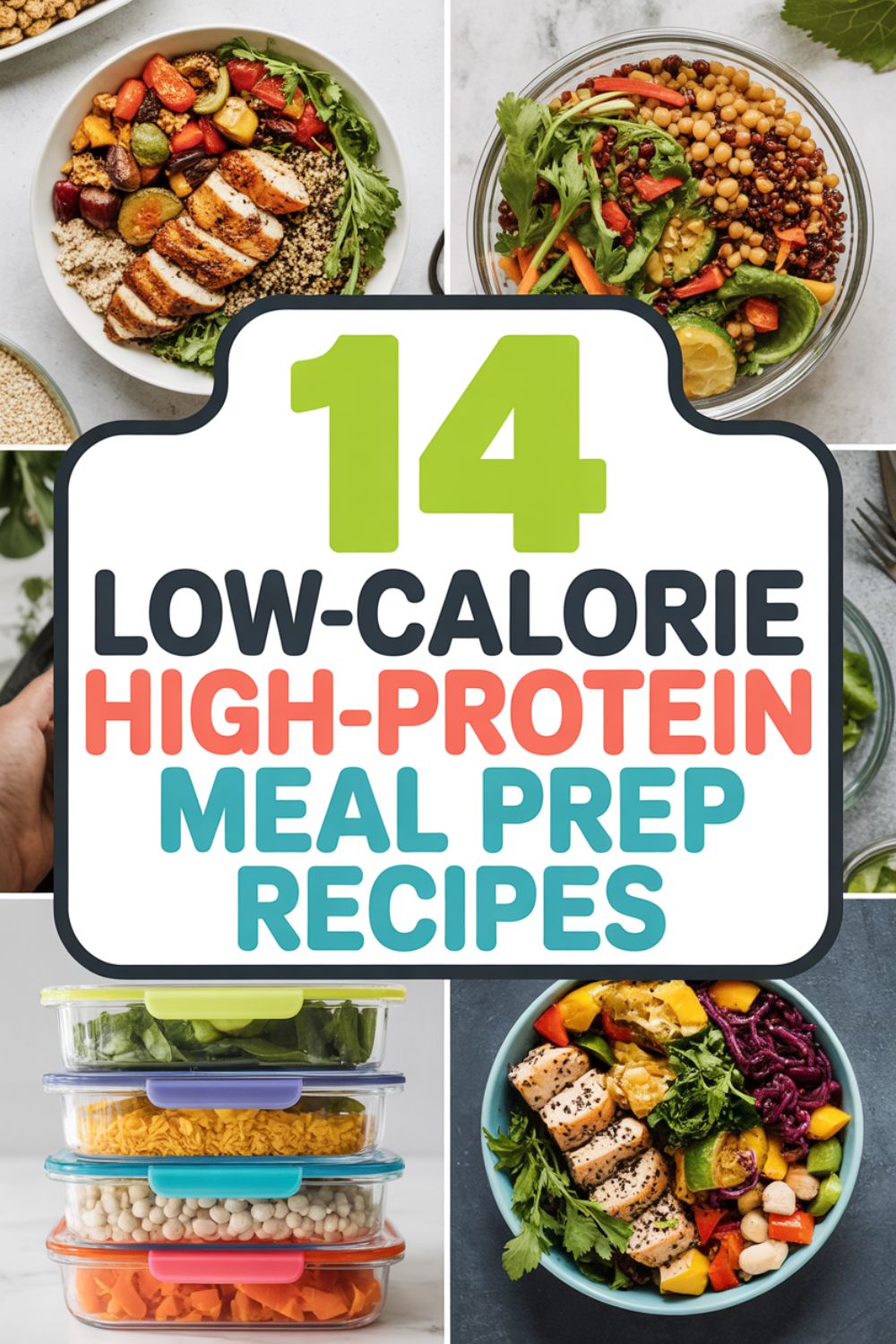
14 Low-Calorie, High-Protein Meal Prep Recipes
Real food that actually keeps you full, tastes amazing, and doesn’t require a culinary degree to pull off.
Look, I’m not here to sell you on another bland chicken-and-broccoli routine that’ll have you rage-eating cereal by Wednesday. If you’ve clicked on this, you probably already know the drill: high protein keeps you full, low calories help with weight goals, and meal prep saves your sanity when life gets chaotic.
But here’s what I’ve learned after years of stuffing containers every Sunday—the recipes that actually stick are the ones that make you excited to open your fridge. Not the ones that look like punishment in Tupperware.
These 14 recipes hit that sweet spot between nutritious and delicious. They’re low in calories but high in protein, which means they’ll keep you satisfied without derailing your goals. And honestly? They taste good enough that you won’t feel like you’re “on a diet.”
Why Low-Calorie, High-Protein Actually Works
Before we dive into recipes, let’s talk about why this combo is so effective. Protein is the MVP macronutrient when it comes to feeling full. It takes longer to digest than carbs, increases satiety hormones, and even boosts your metabolism slightly through something called diet-induced thermogenesis.
Translation? You burn more calories just digesting protein than you do processing carbs or fats. It’s not a magic bullet, but it’s a legit advantage.
Keeping calories in check while maximizing protein means you’re getting the most bang for your nutritional buck. Research shows that high-protein, low-calorie diets help preserve lean muscle mass while promoting fat loss—which is exactly what you want if you’re trying to change your body composition, not just watch the scale drop.
The Meal Prep Mindset Shift
Here’s the thing about meal prep that nobody tells you: it’s not about spending your entire Sunday in the kitchen like some domestic warrior. It’s about strategic laziness. You’re essentially creating a grab-and-go system for your future self.
Think of it as gift-wrapping convenience for Tuesday-you, who’s running late and would otherwise hit the drive-thru. That’s the version of you that meal prep protects.
The key is finding recipes that scale well, reheat without turning into rubber, and actually taste good on day four. Not every recipe makes the cut. Some things—like delicate fish or crispy textures—just don’t survive the fridge journey. But the ones in this list? They’re built for the long haul.
For more inspiration on building your weekly rotation, check out these high-protein meal prep bowls for the week that complement this collection perfectly.
Recipe #1: Teriyaki Chicken and Broccoli Bowls
I know, I know—I just threw shade at chicken and broccoli. But hear me out. This version uses a homemade teriyaki sauce that’s way better than the bottled stuff, and it’s got enough flavor to make you forget you’re eating “health food.”
The stats: About 320 calories per serving with 35g of protein. You’re getting lean chicken breast, fiber-rich brown rice, and cruciferous vegetables that actually taste good because they’re not steamed into oblivion.
Marinate your chicken in a mix of soy sauce, ginger, garlic, and a touch of honey the night before. Grill or bake it, slice it up, and portion it over rice with lightly roasted broccoli. The whole thing takes maybe 45 minutes, and you’ve got lunch for four days.
Recipe #2: Greek Yogurt Chicken Salad
This is my secret weapon for when I need something that feels indulgent but won’t wreck my macros. Traditional chicken salad is loaded with mayo—this version swaps in Greek yogurt and cranks up the protein while slashing the calories.
You’re looking at roughly 280 calories and 32g of protein per serving. Mix shredded rotisserie chicken (because who has time to cook chicken from scratch every week?) with plain Greek yogurt, diced celery, red grapes, and a handful of chopped walnuts for crunch.
Serve it over mixed greens, stuff it in a whole wheat pita, or eat it straight from the container with some crackers. The versatility is unmatched.
If you’re vibing with the Greek yogurt theme, you’ll probably love these meal prep bowls under 400 calories that use similar protein-packed ingredients.
Recipe #3: Egg White Veggie Muffins
Breakfast meal prep can be tricky, but these little guys are clutch. They’re basically mini frittatas that you can grab on your way out the door. Each muffin has about 70 calories and 8g of protein, so you can have two or three depending on how hungry you are.
Whisk together egg whites (or a mix of whole eggs and egg whites if you want more flavor), throw in diced bell peppers, spinach, mushrooms, and a sprinkle of reduced-fat cheese. Pour into a silicone muffin pan and bake for 20 minutes.
They freeze beautifully, which means you can make a huge batch and have breakfast sorted for weeks. Just microwave for 30 seconds and you’re good to go.
Recipe #4: Turkey and Sweet Potato Skillet
This one’s a one-pan wonder that’s perfect for when you want something hearty and warming. Ground turkey is stupid cheap, incredibly lean, and absorbs flavors like a dream.
Brown the turkey with diced sweet potatoes, kale, and some basic seasonings—cumin, paprika, garlic powder. The sweet potatoes add a touch of natural sweetness that balances the savory turkey, and kale brings the fiber and nutrients.
Macros per serving: 340 calories, 30g protein. It’s filling enough to be a complete meal, and it tastes even better the next day after the flavors have had time to meld. I like to cook mine in this cast iron skillet because it distributes heat perfectly and makes cleanup stupid easy.
Recipe #5: Baked Lemon Herb Salmon
Salmon isn’t just for fancy dinners. It’s one of the best protein sources you can eat, packed with omega-3s and flavor. This recipe keeps it simple: lemon, dill, garlic, and a drizzle of olive oil.
Bake it at 400°F for about 15 minutes, and you’ve got a protein powerhouse that clocks in around 350 calories and 40g of protein per fillet. Pair it with roasted asparagus and quinoa for a complete meal.
The beauty of salmon is that it reheats well—unlike some fish that turn into sad, rubbery disasters. Just don’t overcook it initially. Slightly underdone is your friend here because it’ll finish cooking when you reheat it.
Looking for more seafood-friendly options? These meal prep bowls you can make in under 30 minutes include some killer fish recipes that won’t eat up your entire evening.
Recipe #6: Protein-Packed Overnight Oats
Okay, overnight oats are everywhere, but there’s a reason they’re popular. They’re ridiculously easy, endlessly customizable, and you can prep a whole week’s worth in about 10 minutes.
My version uses a scoop of vanilla protein powder mixed into the oats, which bumps each serving to about 25g of protein. Add almond milk, chia seeds, and your choice of toppings—berries, a drizzle of natural almond butter, or dark chocolate chips if you’re feeling it.
Each jar comes in around 300 calories. Store them in mason jars with lids and you’ve got grab-and-go breakfasts that look Pinterest-worthy without any actual effort.
Meal Prep Essentials That Make This Easier
Here are the tools and resources I actually use to make meal prep less of a chore and more of a system.
Glass Meal Prep Containers (3-Compartment Set)
These keep everything fresh and prevent flavor bleeding. The dividers are clutch for keeping proteins separate from sauces.
Digital Kitchen Scale
If you’re serious about hitting your protein targets, weighing portions is non-negotiable. This one’s accurate to the gram and super easy to use.
Silicone Baking Mats (2-Pack)
Game-changer for roasting vegetables and baking proteins. Nothing sticks, cleanup is a breeze, and they’re reusable.
Meal Prep Master Class (Digital Download)
A step-by-step guide on building sustainable meal prep systems. Includes shopping lists, batch cooking strategies, and time-saving hacks.
Printable Macro Tracking Sheets
Simple, no-fuss templates for tracking your daily protein, carbs, and fats without using an app. Some people just prefer pen and paper.
High-Protein Recipe eBook Bundle
50+ tested recipes with full nutrition breakdowns and shopping lists. Covers everything from breakfast to desserts.
Recipe #7: Shrimp and Cauliflower Rice Stir-Fry
If you’re looking for something light but satisfying, this is it. Shrimp is one of the lowest-calorie protein sources out there—about 100 calories for a 3-ounce serving with 20g of protein.
Swap traditional rice for cauliflower rice and you’re saving another 150 calories per serving. Stir-fry the shrimp with garlic, ginger, soy sauce, and whatever vegetables you’ve got on hand—snap peas, carrots, bell peppers all work great.
The whole thing comes together in under 20 minutes, and each serving is around 250 calories with 28g of protein. It’s basically a guilt-free takeout dupe.
Recipe #8: Cottage Cheese Power Bowl
Cottage cheese is having a moment right now, and honestly, it deserves the hype. It’s cheap, versatile, and absolutely loaded with protein—about 14g per half cup.
My favorite way to use it is as the base for a savory power bowl. Top it with diced cucumber, cherry tomatoes, a drizzle of olive oil, everything bagel seasoning, and some smoked salmon or grilled chicken if you want extra protein.
It’s refreshing, filling, and clocks in around 280 calories with 35g of protein depending on your toppings. Plus, it requires zero cooking, which is perfect for those nights when you just can’t be bothered.
For more bowl-based meal prep inspo, these colorful meal prep bowls are visually stunning and packed with nutrients.
Recipe #9: Lean Beef and Veggie Chili
Chili is one of those miracle recipes that tastes better after it sits for a day, which makes it perfect for meal prep. Use 93% lean ground beef or even ground turkey if you want to slash more calories.
Load it up with black beans, kidney beans, diced tomatoes, bell peppers, and onions. The beans add fiber and plant-based protein, while the beef brings the complete amino acid profile.
Per serving: around 320 calories, 30g protein, and enough fiber to keep you full for hours. I like to cook mine in a slow cooker so I can set it and forget it while I do literally anything else with my Sunday.
Recipe #10: Buffalo Chicken Lettuce Wraps
These are stupid simple but ridiculously satisfying. Shred some rotisserie chicken, toss it in buffalo sauce (check the label for low-sugar options), and wrap it in crisp romaine lettuce leaves.
Add diced celery, a light drizzle of ranch or blue cheese dressing made with Greek yogurt, and you’ve got a high-protein, low-carb meal that feels indulgent. Each wrap is about 150 calories with 20g of protein, so you can have two or three depending on your hunger level.
They’re great for lunches when you want something lighter but don’t want to commit to a full salad. The crunch from the lettuce and celery keeps things interesting texturally.
Recipe #11: Quinoa and Black Bean Bowls
Not every high-protein meal needs to be meat-centric. Quinoa is one of the few plant-based complete proteins, and when you pair it with black beans, you’re getting a solid amino acid profile.
Cook quinoa in vegetable broth, mix in black beans, corn, diced tomatoes, cilantro, and a squeeze of lime. Top it with some sliced avocado when you’re ready to eat.
Each bowl runs about 380 calories with 18g of protein. It’s lighter on the protein than meat-based options, but it’s still substantial and the fiber content keeps you full. Plus, it’s budget-friendly and vegan, which is helpful if you’re feeding mixed dietary preferences.
If you’re into plant-forward eating, check out these healthy meal prep bowls for the entire week that include more vegetarian-friendly options.
Recipe #12: Baked Chicken Fajita Bowls
Fajitas without the tortilla, basically. Slice chicken breast into strips, toss with bell peppers and onions, season with cumin, chili powder, and garlic, then bake everything on one sheet pan.
Serve over brown rice or cauliflower rice, add a dollop of Greek yogurt instead of sour cream, and maybe some salsa and black beans if you’re feeling it.
The macros work out to about 340 calories and 35g of protein per serving. It’s colorful, flavorful, and the leftovers actually taste great cold, which is a rare win.
Recipe #13: Protein Pancakes (Freezer-Friendly)
Yes, you can meal prep pancakes. These aren’t your standard fluffy diner pancakes—they’re denser and more filling because they’re made with protein powder, oats, and egg whites.
Blend everything together, cook them up like regular pancakes, then freeze them with parchment paper between each one. Pop them in the toaster or microwave for a quick breakfast that has actual protein in it.
Two pancakes come in around 250 calories with 25g of protein. Top with berries and a tiny drizzle of pure maple syrup or sugar-free syrup if you’re watching carbs closely.
Recipe #14: Garlic Herb Pork Tenderloin
Pork tenderloin is criminally underrated. It’s lean, flavorful, and ridiculously easy to cook in bulk. Rub it down with garlic, rosemary, thyme, salt, and pepper, then roast it at 425°F for about 25 minutes.
Let it rest before slicing so the juices redistribute. Pair it with roasted Brussels sprouts and sweet potato cubes for a complete meal.
Per serving: 310 calories, 38g protein. The pork stays tender and juicy all week if you don’t overcook it initially. Use a meat thermometer to pull it at 145°F for perfect doneness every time.
For those who want even more variety, these aesthetic meal prep ideas will keep your containers Instagram-worthy and your taste buds happy.
Making It Work Long-Term
Here’s the reality check: meal prep isn’t about perfection. Some weeks you’ll nail it and have a fridge full of beautifully portioned containers. Other weeks you’ll throw together whatever’s in the fridge on Tuesday night and call it good.
The goal isn’t to become a meal prep robot. It’s to build a system that gives you more freedom, not less. When healthy food is already made and waiting for you, you’re way less likely to make decisions based purely on convenience or cravings.
Start with just a few recipes from this list. Don’t try to prep 14 different things in one Sunday—that’s a recipe for burnout. Pick two or three that sound good, make them in bulk, and see how it feels.
You can always scale up once you’ve found your rhythm. And honestly, rotating between even just five or six solid recipes is enough to keep things from getting stale.
If you’re looking for more structured approaches, these minimalist meal prep ideas focus on simplicity and sustainability over complexity.
Protein Quality Matters
Not all protein is created equal. Animal-based proteins—chicken, fish, eggs, dairy—are complete proteins, meaning they contain all nine essential amino acids your body needs but can’t produce on its own.
Plant-based proteins like beans, lentils, and quinoa can be complete (like quinoa) or incomplete, requiring you to combine different sources throughout the day to get the full amino acid profile. Neither approach is better—it’s just about knowing what you’re working with.
Studies have shown that both animal and plant-based high-protein diets deliver similar benefits for weight management and body composition, so choose what works for your preferences and lifestyle.
The most important thing is consistency. Getting 25-30g of protein per meal is more effective than having one huge protein-loaded meal and then barely any for the rest of the day. Your body can only absorb and utilize so much at once.
Spreading it out keeps your muscles in an anabolic state and helps maintain that feeling of fullness throughout the day. That’s where meal prep really shines—it makes hitting those targets way easier.
Navigating Common Meal Prep Pitfalls
Let’s talk about what can go wrong, because knowing the landmines helps you avoid them.
Pitfall #1: Making too much variety. I know it sounds counterintuitive, but trying to prep 10 different recipes in one session is exhausting. You’ll spend four hours in the kitchen and probably vow to never do it again. Stick to 3-4 max.
Pitfall #2: Ignoring proper storage. Not all containers are created equal. Cheap plastic ones warp in the microwave and stain easily. Invest in quality glass containers—they’re worth it. And always let food cool before sealing it to prevent condensation, which leads to soggy meals.
Pitfall #3: Forgetting to label things. Everything looks the same after a few days in the fridge. Use masking tape or dry-erase labels to mark what things are and when you made them. Your future self will thank you.
Pitfall #4: Not accounting for reheating differences. Some foods reheat beautifully (stews, chili, casseroles). Others get weird (crispy things, delicate greens). Plan accordingly. If something has a crispy element, store it separately and add it fresh.
These meal prep bowls that travel well for work are specifically designed to survive the commute and the office microwave without turning into a disaster.
Frequently Asked Questions
How long do these meal prep recipes last in the fridge?
Most of these recipes stay fresh for 4-5 days when stored properly in airtight containers. Seafood-based meals like the salmon are best eaten within 3 days. If you’re prepping for a full week, consider freezing half your portions and thawing them midweek.
Can I freeze these meals instead of refrigerating them?
Absolutely! Most of these freeze well, especially the chili, turkey skillet, and protein pancakes. Just make sure to use freezer-safe containers and leave some room for expansion. Thaw overnight in the fridge before reheating for best results.
Do I need to eat the same thing every day with meal prep?
Not at all. The beauty of meal prep is having variety ready to go. Prep 2-3 different recipes and rotate them throughout the week. You can also prep components separately—like proteins, grains, and veggies—and mix and match them differently each day.
How much protein should I aim for per meal?
A good target for most people is 25-35g of protein per meal, especially if you’re active or trying to build muscle. This amount supports muscle protein synthesis and keeps you feeling full. All the recipes in this list hit or exceed that range.
What if I get bored eating the same meals?
Switch up your seasoning profiles! The same base ingredients taste completely different with different spices. Also, don’t be afraid to remix things—leftover chicken can be Buffalo chicken one day, teriyaki the next, and Mexican-spiced the day after. Variety is built into flexibility.
Your Next Steps
The hardest part of meal prep isn’t the cooking—it’s the decision-making. What to make, how much to make, whether it’ll actually taste good on Thursday. That’s what this list solves.
You now have 14 tested recipes that hit the protein targets, keep calories reasonable, and actually taste good after a few days in the fridge. That’s more than most people have when they start their meal prep journey.
Pick two or three recipes that sound appealing. Make a grocery list. Block off two hours this Sunday. That’s it. You don’t need to be perfect, you just need to start.
And honestly? Once you experience the relief of opening your fridge on a chaotic Tuesday and seeing actual food ready to eat—food that’s helping you reach your goals instead of sabotaging them—you’ll understand why people swear by this system.
It’s not about restriction or deprivation. It’s about setting up your environment so the easy choice is also the healthy choice. That’s the real secret.