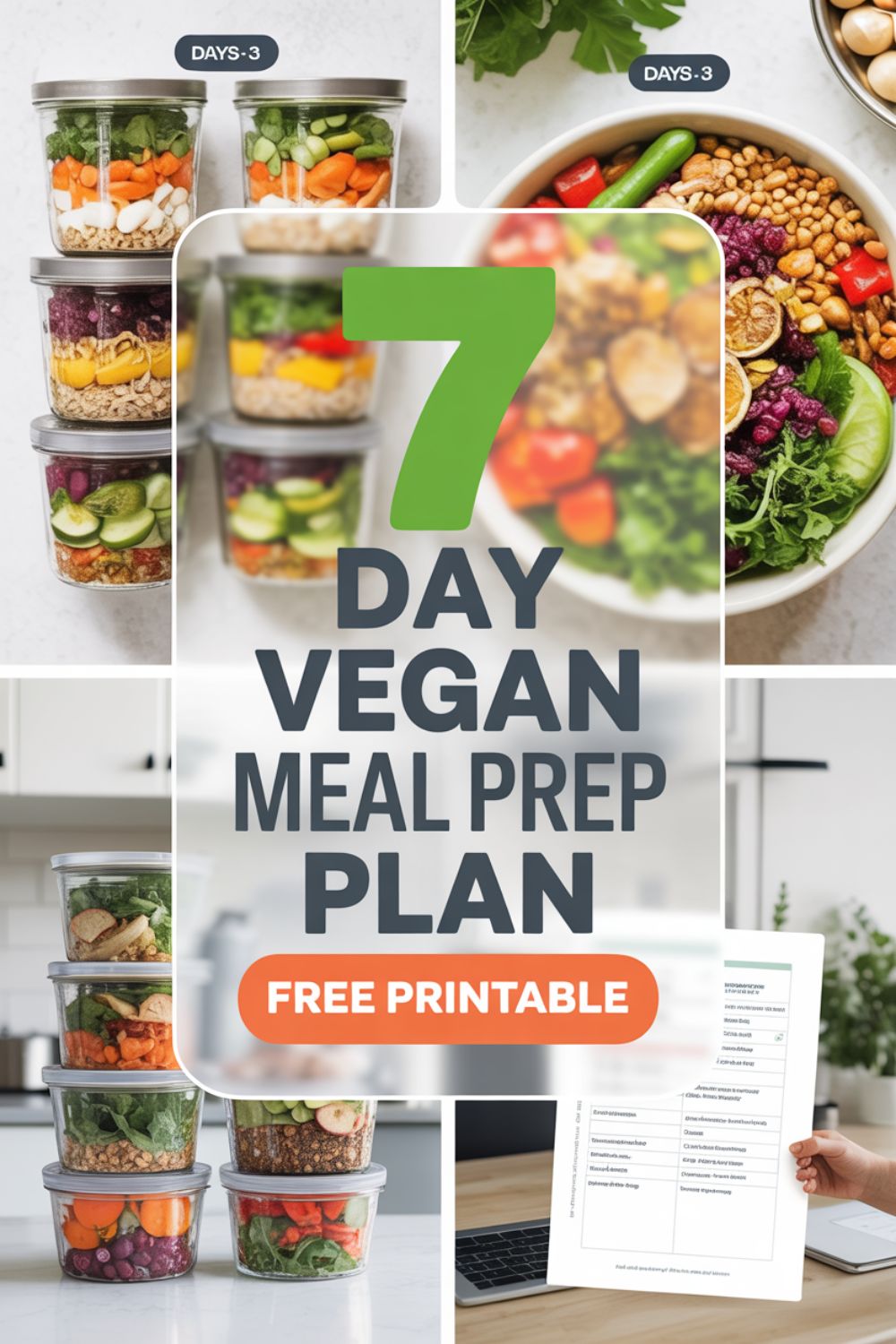
7-Day Vegan Meal Prep Plan (Free Printable)
Look, I get it. You’re standing in your kitchen on a Sunday afternoon, staring at random vegetables in your fridge, wondering how people actually make this whole vegan meal prep thing work without losing their minds by Wednesday. Trust me, I’ve been there—meal prepping used to feel like some kind of Pinterest myth that only worked for people with five hours and a color-coded label maker.
But here’s the thing: vegan meal prep doesn’t have to be complicated or boring. Once you figure out the rhythm, it’s actually kind of genius. You cook once, eat well all week, and skip the 6 PM “what’s for dinner” panic. This 7-day plan breaks everything down so you’re not reinventing the wheel every single day.
I’m going to walk you through exactly what to cook, when to cook it, and how to store everything without ending up with a fridge full of sad, soggy containers. No fancy equipment required, no weird ingredients you’ll use once and never touch again. Just real food that actually tastes good after a few days in the fridge.
Why Vegan Meal Prep Actually Works (And Why You Should Care)
Let’s be real for a second. The Academy of Nutrition and Dietetics confirms that well-planned vegan diets are nutritionally solid and can genuinely improve your health markers. We’re talking lower cholesterol, better blood sugar control, and reduced risk of heart disease. But none of that matters if you’re ordering takeout four nights a week because you didn’t prep.
Meal prep is the bridge between good intentions and actually sticking with it. When you’ve got ready-to-eat meals in your fridge, you’re not tempted to grab whatever’s convenient. You’ve already done the work. Speaking of making vegan eating easier, these clean-girl meal prep ideas show you exactly how minimalist planning can transform your week without the overwhelm.
Plus, batch cooking means you’re actually using up those vegetables before they turn into science experiments in your crisper drawer. IMO, that’s a win even before we talk about nutrition.
Don’t try to prep seven different meals. Cook 2-3 recipes in bigger batches and rotate them throughout the week. Your future self will thank you when you’re not scrubbing pans for three hours.
What You Actually Need Before You Start
Before you dive into cooking mode, let’s talk gear. You don’t need a fancy kitchen, but a few basics make everything way less annoying. I’m talking good storage containers—get the glass ones with locking lids that don’t leak in your bag. Nothing ruins your Monday faster than chickpea curry all over your laptop.
A decent chef’s knife and a cutting board that doesn’t slide around are non-negotiables. Beyond that? A large pot for grains and legumes, a sheet pan for roasting, and maybe a food processor if you’re feeling fancy. That’s honestly it. For massive batches of perfectly cooked grains, this rice cooker has been a total lifesaver—set it and forget it while you handle everything else.
Oh, and get some silicone baking mats if you’re serious about meal prep. I spent years scrubbing stuck-on roasted vegetables off sheet pans like an absolute sucker. These things are basically kitchen magic—nothing sticks, cleanup takes ten seconds, and they last forever.
Meal Prep Essentials Used in This Plan
These are the tools and resources that’ll make this whole operation run smoothly. Not sponsored, just genuinely helpful stuff.
Glass Meal Prep Containers (Set of 10)
Leak-proof, microwave-safe, and they don’t get all gross and stained like plastic. Worth every penny when you’re packing five days of lunches.
8-Inch Chef’s Knife
You’re going to be chopping a lot of vegetables. A sharp knife that feels good in your hand makes the whole process way less tedious.
Large Sheet Pan with Rim
Essential for roasting vegetables without them rolling off into your oven. Get two if you’re meal prepping for more than one person.
Free 7-Day Meal Prep Printable Planner
A simple PDF checklist that breaks down exactly what to cook each day. Saves you from staring at your phone every five minutes.
Vegan Grocery Shopping List Template
Pre-organized by store section so you’re not zigzagging through the supermarket like a lost tourist. Seriously cuts shopping time in half.
Batch Cooking Time Tracker Spreadsheet
Helps you figure out which recipes to start first so everything finishes around the same time. Game-changer for efficiency.
The Sunday Prep Strategy That Changed Everything
Sunday is your power day. You’re going to spend about two hours cooking, and by the end of it, you’ll have most of your week sorted. Start with whatever takes longest—usually grains and legumes. Get your quinoa or brown rice going, throw some chickpeas or lentils in another pot, and then move on to chopping vegetables while those cook.
Here’s the order that works: grains first, then legumes, then roasted vegetables, then any sauces or dressings. While your oven’s doing its thing with veggies, you can prep breakfast components like overnight oats or chia pudding. Multitasking is your friend here.
I usually roast three different types of vegetables on two sheet pans—sweet potatoes, broccoli, and bell peppers are my go-tos. Season them differently so you don’t get bored eating the same flavor profile all week. The reusable silicone bowl covers I grabbed last month have made storing prepped ingredients so much easier than dealing with plastic wrap that never sticks properly.
Cook grains and legumes in vegetable broth instead of water. Instant flavor upgrade without any extra work, and your meals won’t taste like cardboard by Thursday.
Your 7-Day Vegan Meal Blueprint
This plan assumes you’re cooking on Sunday and maybe doing a quick mid-week refresh on Wednesday. Nothing here requires culinary school—just basic cooking skills and a willingness to use your freezer strategically.
Monday & Tuesday: Start the week with your freshest meals. Quinoa bowls with roasted chickpeas, fresh greens, roasted sweet potato, and tahini dressing. For breakfast, overnight oats with almond butter and berries. These hold up great for the first 48 hours.
Wednesday & Thursday: Switch to heartier, more stable meals. Lentil and vegetable curry over brown rice. This stuff actually gets better after a day or two. Breakfast can be chia pudding with fruit and walnuts. The portable insulated food jar keeps the curry hot until lunch without needing a microwave, which is clutch if your office break room is always occupied.
Friday & Weekend: Finish strong with something that travels well. Black bean and sweet potato tacos or buddha bowls with whatever roasted vegetables are left. If you’re smart, you froze a portion of the curry from Wednesday—pull it out Thursday night and it’s ready for Friday. Looking for similar make-ahead strategies? Check out these 30-minute meal prep bowls that save serious time without sacrificing flavor.
The Protein Question Everyone Keeps Asking
Yeah, you’ll get enough protein. I promise. Research shows that plant-based proteins from varied sources throughout the day give you everything you need—you don’t even have to stress about combining foods at every single meal like people used to think.
Your protein sources this week: chickpeas, lentils, black beans, quinoa, nuts, seeds, and nut butters. If you’re eating enough calories and mixing these up, you’re covered. A cup of cooked lentils has about 18 grams of protein, chickpeas pack 15 grams per cup, and quinoa adds another 8 grams per cup. Do the math and you’re easily clearing 60-80 grams daily without trying.
For anyone tracking macros more closely, these high-protein meal prep bowls show you exactly how to structure meals that hit 25-30 grams per serving. They pair perfectly with this plan if you’re lifting weights or just want to stay fuller longer.
Making Food Actually Taste Good After Four Days
This is where most meal prep plans fall apart. You can have the most nutritious food in the world, but if it tastes like wet cardboard by Thursday, you’re ordering pizza. The trick is understanding which foods hold up and which ones don’t.
Leafy greens get soggy. Pack them separately and add them fresh each day. Dressings and sauces make everything soggy too—store them in small containers and add right before eating. The mini dressing containers with leak-proof lids are perfect for this, and they’re way cheaper than buying individual packets.
Roasted vegetables stay good for 4-5 days if you don’t overcook them initially. Slightly undercook everything—it’ll finish cooking when you reheat. Grains and legumes are basically indestructible. They’re designed to last, which is why they’ve been staple foods for thousands of years.
The Wednesday Refresh Hack
Here’s a secret: you don’t have to prep everything on Sunday. Prep the components on Sunday, but save one quick recipe for Wednesday evening. Spend 20 minutes making fresh hummus or a new batch of roasted vegetables. Suddenly your Thursday and Friday meals feel exciting again instead of like leftovers.
I usually make a big batch of hummus mid-week using this mini food processor—it’s small enough to not be annoying to clean but powerful enough to make everything smooth. Takes literally five minutes and makes even boring vegetables exciting to eat. If you’re looking for more variety to keep things interesting, these 400-calorie meal prep bowls offer tons of different flavor combinations you can rotate through.
Storage Tips That Actually Matter
Glass containers are king. They don’t stain, they don’t hold smells, and you can see what’s inside without opening every single one. Get containers with sections if you’re packing things that shouldn’t touch—nobody wants soggy granola floating in their yogurt.
Label everything with the day you made it using these erasable labels. Sounds basic, but you’ll forget. Write what’s inside and the date. Future you will appreciate not having to play “guess the mystery container” at 7 AM on Tuesday.
Most cooked vegetables last 4-5 days in the fridge. Grains and legumes stretch to 5-6 days. Raw vegetables you’ve prepped (chopped peppers, carrots, etc.) last about a week. Batch-made sauces last 7-10 days. If something smells weird or looks off, toss it. Food poisoning is not worth saving three dollars worth of chickpeas.
Freeze half of whatever you make. Seriously. Most cooked grains, legumes, and sauces freeze beautifully. Pull them out the night before you need them, and you’ve got instant variety without extra cooking.
Grocery Shopping Without Losing Your Mind
Make a list. Use the same list every week. Sounds boring, but hear me out—you’re not trying to win a creativity award at the grocery store. You’re trying to eat well without overthinking it. Once you find vegetables, grains, and proteins that you actually like and that work together, just buy those same things.
Buy in bulk when possible. Dried beans and grains are stupid cheap compared to canned, and they last forever. You’ll need to plan ahead since they take longer to cook, but your wallet will thank you. A pound of dried lentils costs like two dollars and makes enough food for an entire week. For more budget-friendly approaches to eating well, these minimalist meal prep ideas prove you don’t need fancy ingredients to create satisfying meals.
Frozen vegetables are your friend. Don’t let anyone tell you fresh is always better—frozen vegetables are picked at peak ripeness and flash-frozen. They’re just as nutritious, they won’t go bad in three days, and they’re pre-chopped. The frozen organic vegetable mix from most stores is cheaper than buying everything separately and cuts your prep time in half.
The Basic Vegan Grocery List
Every week, you’ll need: some type of grain (quinoa, brown rice, farro), some type of legume (chickpeas, black beans, lentils), lots of vegetables (both for roasting and eating raw), some fruit, nuts and seeds, non-dairy milk, and your favorite sauces or spices. That’s it. You’re not shopping for a restaurant menu.
I keep certain things stocked constantly: olive oil, tahini, nutritional yeast, vegetable broth, soy sauce, and a variety of spices. These turn basic ingredients into actual meals. FYI, nutritional yeast is basically vegan cheat codes—it makes everything taste slightly cheesy and savory without any effort.
Looking for more meal variety without expanding your grocery list too much? These aesthetic meal prep ideas prove you can create gorgeous, Instagram-worthy meals using similar base ingredients arranged differently. Same shopping list, completely different vibe.
Dealing With Common Meal Prep Disasters
Everything’s going to get boring by day four of the same lunch. This is normal and expected. Combat it by changing the sauce or dressing. Same bowl, different tahini situation, totally different meal. I’m not kidding—sauce is that powerful.
You will forget to meal prep one Sunday. It happens. Keep frozen backup meals for these moments. Frozen burritos, frozen soup, frozen pasta sauce—whatever you can grab and heat up when you inevitably have a week that goes sideways. For quick backup solutions that don’t require Sunday prep, these lazy girl meal prep bowls can be thrown together in minutes using pre-cooked or canned ingredients.
Sometimes you just don’t want to eat what you prepped. That’s fine. Don’t force it. Meal prep is supposed to make your life easier, not become another source of stress. Eat something else and save the prepped meal for later. You’re not in prison.
Nutritional Stuff You Should Actually Know
The Academy of Nutrition and Dietetics position paper makes it clear: properly planned vegan diets provide all necessary nutrients and can reduce risks of chronic diseases. But “properly planned” is doing some heavy lifting in that sentence. You need to pay attention to a few specific nutrients.
Vitamin B12: Take a supplement. There’s no reliable vegan food source. Don’t be stubborn about this—just take the supplement. You can get sublingual ones that dissolve under your tongue, and you’re done.
Iron: Plant-based iron is less easily absorbed than iron from meat, but you can boost absorption significantly by eating iron-rich foods with vitamin C. Spinach and lentils with lemon juice? Perfect combination. Tofu stir-fry with bell peppers? Same deal. If you’re concerned about getting enough iron on a plant-based diet, these lunch meal prep ideas are specifically designed with iron-rich ingredients like leafy greens and legumes paired with vitamin C sources.
Omega-3s: Flaxseeds, chia seeds, hemp seeds, and walnuts are your friends. Grind flaxseeds before eating them or your body can’t access the nutrients. I throw ground flax into overnight oats every morning—you can’t taste it and it’s basically nutritional insurance.
Calcium: Fortified plant milk, tofu made with calcium sulfate, tahini, and leafy greens will cover you. If you’re drinking fortified almond or soy milk daily, you’re probably fine.
When Meal Prep Stops Working For You
Sometimes meal prep becomes a chore instead of a tool. If you’re dreading Sundays or forcing yourself to eat food you don’t actually want, something needs to change. Maybe you’re prepping too much at once. Maybe you need more variety. Maybe you just need a week off.
It’s okay to take breaks. Order out when you need to. Use convenience foods. Eat the same thing for three days straight if that’s what works. The goal is sustainable eating habits, not following someone else’s perfect Instagram meal prep routine.
I rotate between different meal prep styles depending on what’s happening in my life. Some weeks I do full meals. Other weeks I just prep components and assemble them fresh each day. Sometimes I only prep breakfast and lunch, and I cook dinner fresh. There’s no rule that says it has to look the same every single week. For weeks when you need maximum flexibility, these healthy meal prep bowls are designed to be mixed and matched depending on what you’re craving.
If you’re genuinely interested in diving deeper into vegan nutrition beyond just meal prep, the Complete Plant-Based Nutrition Guide eBook breaks down everything from macro balancing to supplement timing. It’s way more thorough than what I can cover here, but it’s helpful if you’re treating this as a long-term lifestyle change rather than a temporary experiment.
Making This Work In Real Life
Theory is great, but execution is where most people get stuck. You need to be realistic about your schedule, your cooking ability, and how much you actually enjoy meal prep. If you hate cooking, trying to prep seven elaborate meals every Sunday is setting yourself up for failure.
Start smaller. Prep just breakfast and lunch. Or just lunch. Or just snacks. Once that becomes routine and doesn’t feel overwhelming, add more. You don’t have to prep every single meal from day one. For a more manageable approach, these weight loss meal prep bowls are designed to be prepped in batches without requiring hours of Sunday cooking—perfect for easing into the routine.
Get your housemates or family involved if possible. Meal prep is way less tedious when you’re doing it with someone else, and you can split the work. One person chops vegetables while the other handles grains. Team effort makes everything faster.
Build in flexibility. If Friday rolls around and your Thursday meal still looks good, save Friday’s meal for the weekend. If something’s not working, change it. This is your system—make it work for your life, not the other way around. When you need even more variety without complicated recipes, these colorful meal prep bowls prove that visual appeal and simplicity can coexist. Sometimes all you need is better presentation to stay motivated.
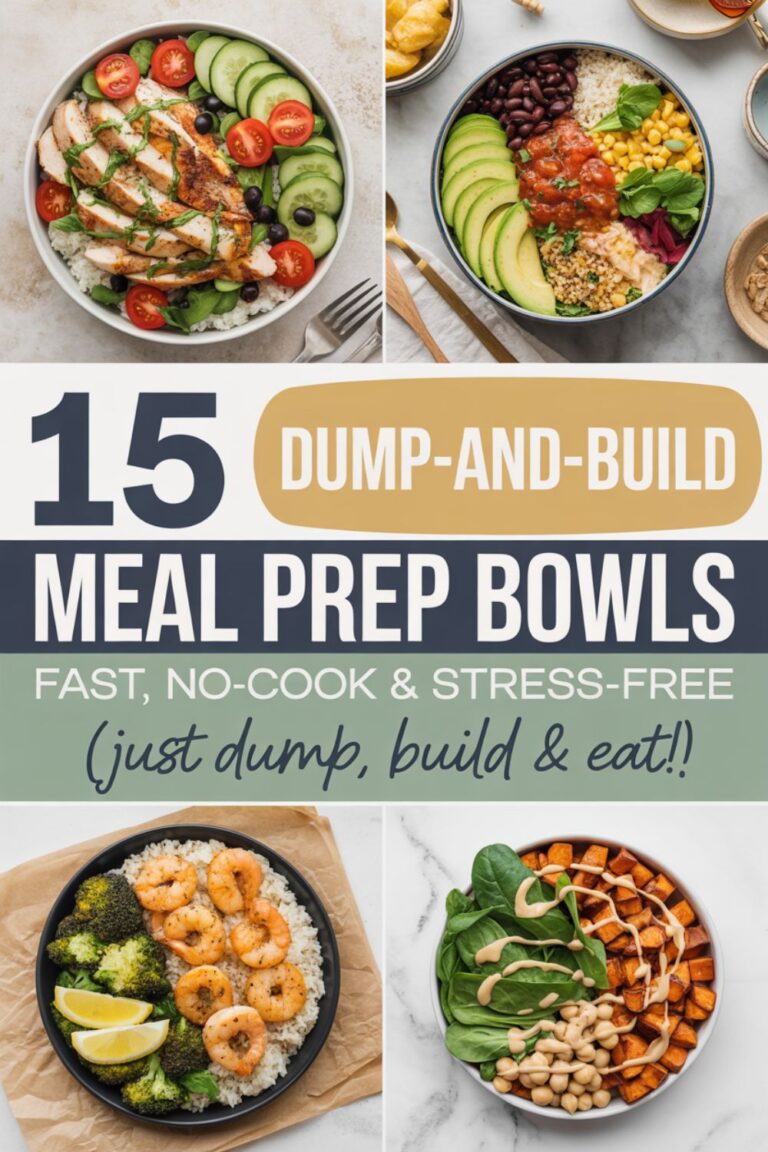
Speaking of flexibility, the approach laid out in these dump-and-build meal prep bowls is perfect for anyone who wants maximum customization throughout the week. You prep the base components, then mix them differently each day based on what sounds good. Same prep work, infinite combinations.
Frequently Asked Questions
How long do vegan meal prep containers actually last in the fridge?
Most cooked components last 4-5 days safely when stored properly in airtight containers. Grains and legumes can push 5-6 days. If you’re worried about food safety, prep half your meals fresh on Sunday and the other half mid-week on Wednesday. That way nothing sits longer than three days before you eat it.
Can I really get enough protein without protein powder on a vegan diet?
Absolutely. Between legumes, tofu, tempeh, quinoa, and nuts, you’ll easily hit 60-80 grams of protein daily from whole foods alone. A typical meal with a cup of chickpeas, quinoa, and some nuts already gets you to 30+ grams. Protein powder is convenient but not necessary unless you’re specifically trying to hit bodybuilder-level macros.
What if I get bored eating the same meals all week?
Change your sauces and seasonings—same ingredients, completely different flavor profile. Tahini dressing on Monday, peanut sauce on Wednesday, salsa on Friday. Also, prep components instead of complete meals. A batch of roasted vegetables becomes tacos one day, a grain bowl another day, and a wrap the next. Variety through recombination is your friend.
Is meal prepping actually cheaper than cooking fresh every day?
In most cases, yes. You buy ingredients in bulk, use everything before it goes bad, and aren’t tempted to order takeout when you’re too tired to cook. Most people save $50-100 per week compared to their old habits. The upfront time investment on Sunday saves money and decision fatigue throughout the week.
Do I need to take supplements on a vegan diet?
Vitamin B12 is non-negotiable—take a supplement since there are no reliable plant sources. Beyond that, many people benefit from vitamin D (especially if you live somewhere with limited sun) and an algae-based omega-3 for EPA and DHA. Everything else you can get from food if you’re eating a varied diet with lots of legumes, greens, and fortified plant milks.
The Bottom Line On Vegan Meal Prep
Vegan meal prep isn’t about being perfect or following some rigid system that looks amazing on Pinterest but falls apart in real life. It’s about making it easier to feed yourself well without thinking too hard about it.
Start simple, prep components instead of complete meals if that feels less overwhelming, and don’t beat yourself up when you skip a week or eat takeout. The goal is building sustainable habits, not winning a meal prep competition nobody’s actually judging.
If you take nothing else from this, remember: cook once, eat multiple times, store properly, rotate your sauces. That’s literally the whole strategy. Everything else is just details.
And hey, if this week’s prep goes sideways, try again next Sunday. Nobody gets this right every single time. The people posting perfect meal prep photos online definitely have disasters too—they just don’t post those. You’re doing fine.
Similar Posts
20 Healthy Breakfast Bowls You Can Make Ahead
20 Healthy Breakfast Bowls You Can Make Ahead 20 Healthy Breakfast Bowls You Can Make Ahead Look, I get it. Morning you and evening you are basically different people. Evening you has grand plans about waking up early to whip up a nutritious breakfast. Morning you? That person just wants five more minutes and would…
15 Dump-and-Build Meal Prep Bowls
15 Dump-and-Build Meal Prep Bowls 15 Dump-and-Build Meal Prep Bowls Let’s be real—meal prep doesn’t need to be complicated. If you’ve been avoiding it because you think it requires military-level organization or a culinary degree, I’ve got news for you. Dump-and-build bowls are about to become your weeknight savior. I stumbled into this method purely…
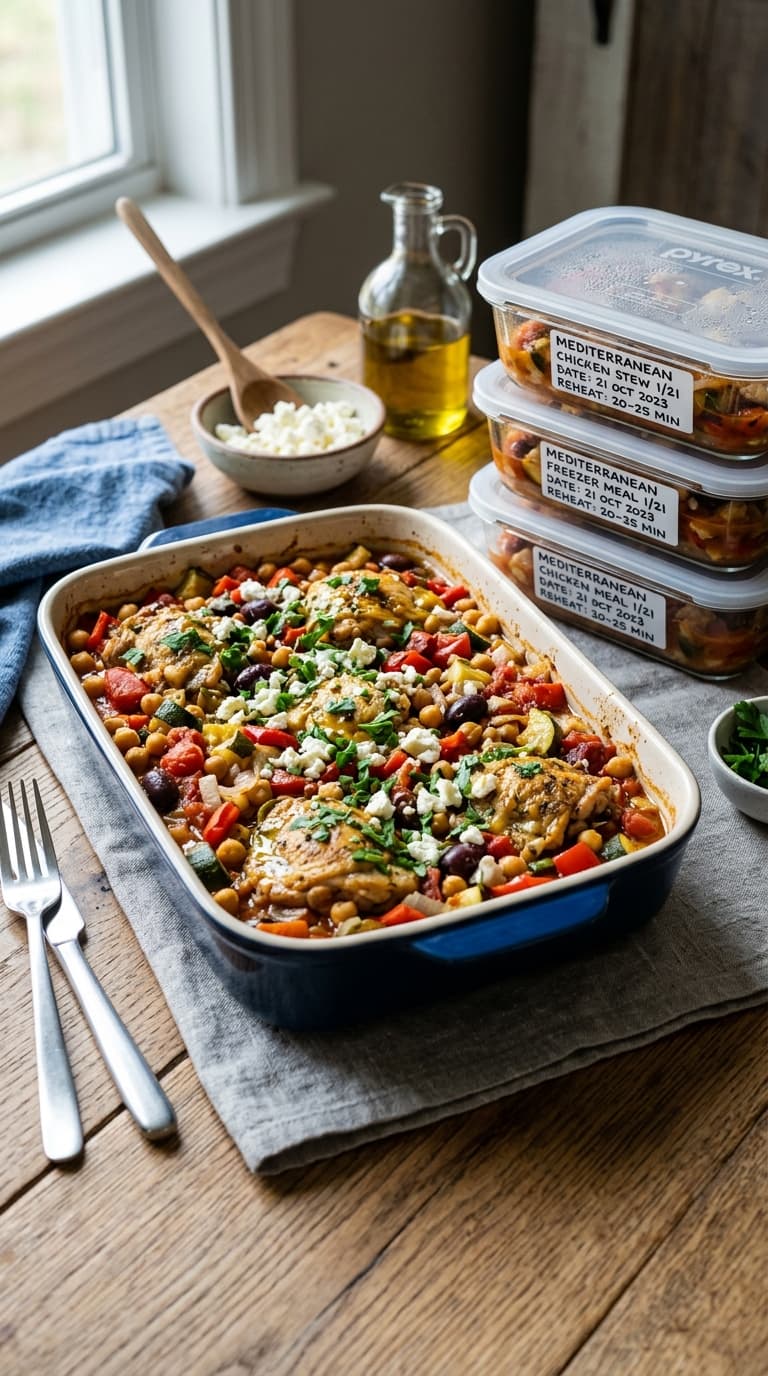
21 Mediterranean Diet Freezer Meals To Stock Up On
21 Mediterranean Diet Freezer Meals To Stock Up On Let me be real with you — there’s nothing worse than staring into your fridge at 7pm, exhausted, and realizing you have absolutely nothing ready to eat. That’s exactly why I started batch-cooking Mediterranean freezer meals, and honestly? It changed my whole week. The Mediterranean diet…
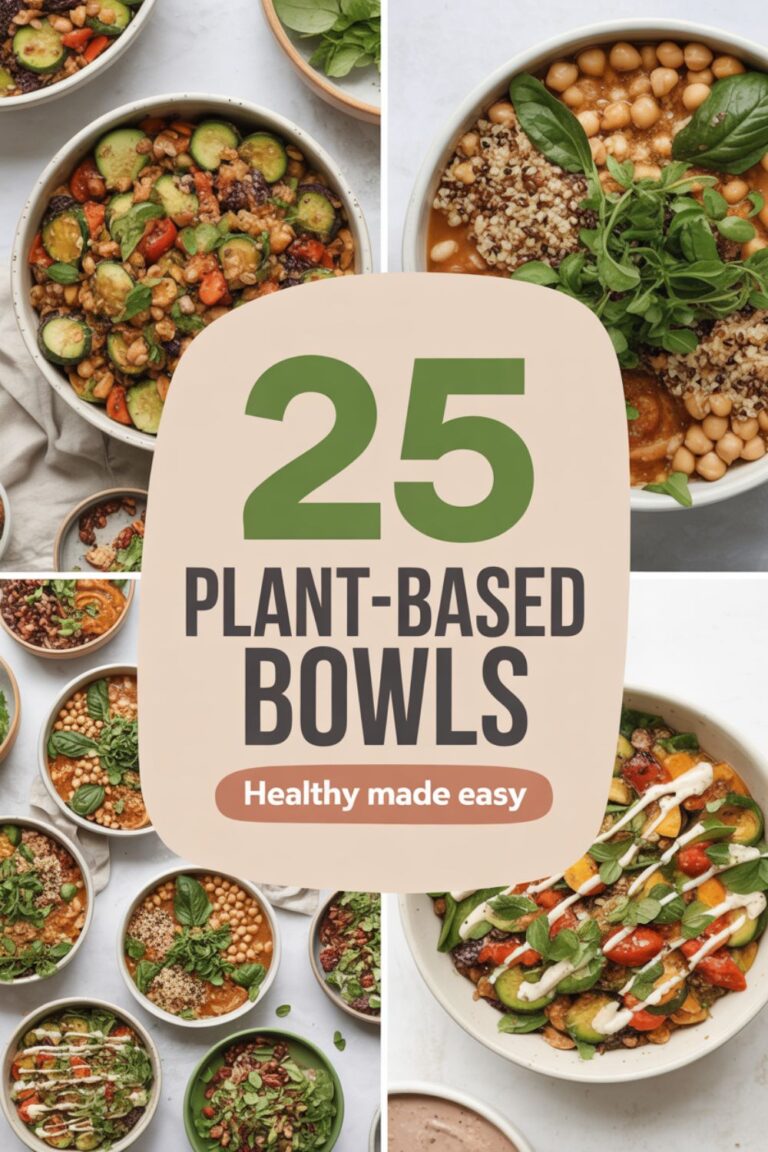
25 Plant-Based Bowls That Make Healthy Eating Easy
25 Plant-Based Bowls That Make Healthy Eating Easy 25 Plant-Based Bowls That Make Healthy Eating Easy Look, I’m not here to tell you that plant-based eating is the only way to live. But after years of throwing together whatever was in my fridge at 9 PM and calling it dinner, I realized something: the easiest…
30-Day Mediterranean Diet Meal Plan For Weight Loss
30-Day Mediterranean Diet Meal Plan For Weight Loss Let’s be real — most “diet plans” make you feel like you’re being punished for enjoying food. The Mediterranean diet? Totally different story. We’re talking olive oil drizzled over everything, fresh herbs, hearty legumes, grilled fish, and the occasional glass of red wine (yes, really). This is…
27 Low-Calorie Lunch Meal Prep Ideas That Actually Keep You Full
27 Low-Calorie Lunch Meal Prep Ideas That Actually Keep You Full Meal Prep & Nutrition 27 Low-Calorie Lunch Meal Prep Ideas That Actually Keep You Full Smart, satisfying lunches you prep once and eat all week — without counting every single crumb. By Simply Well Eats Updated 2025 27 Ideas Under 500 Calories Each Let’s…