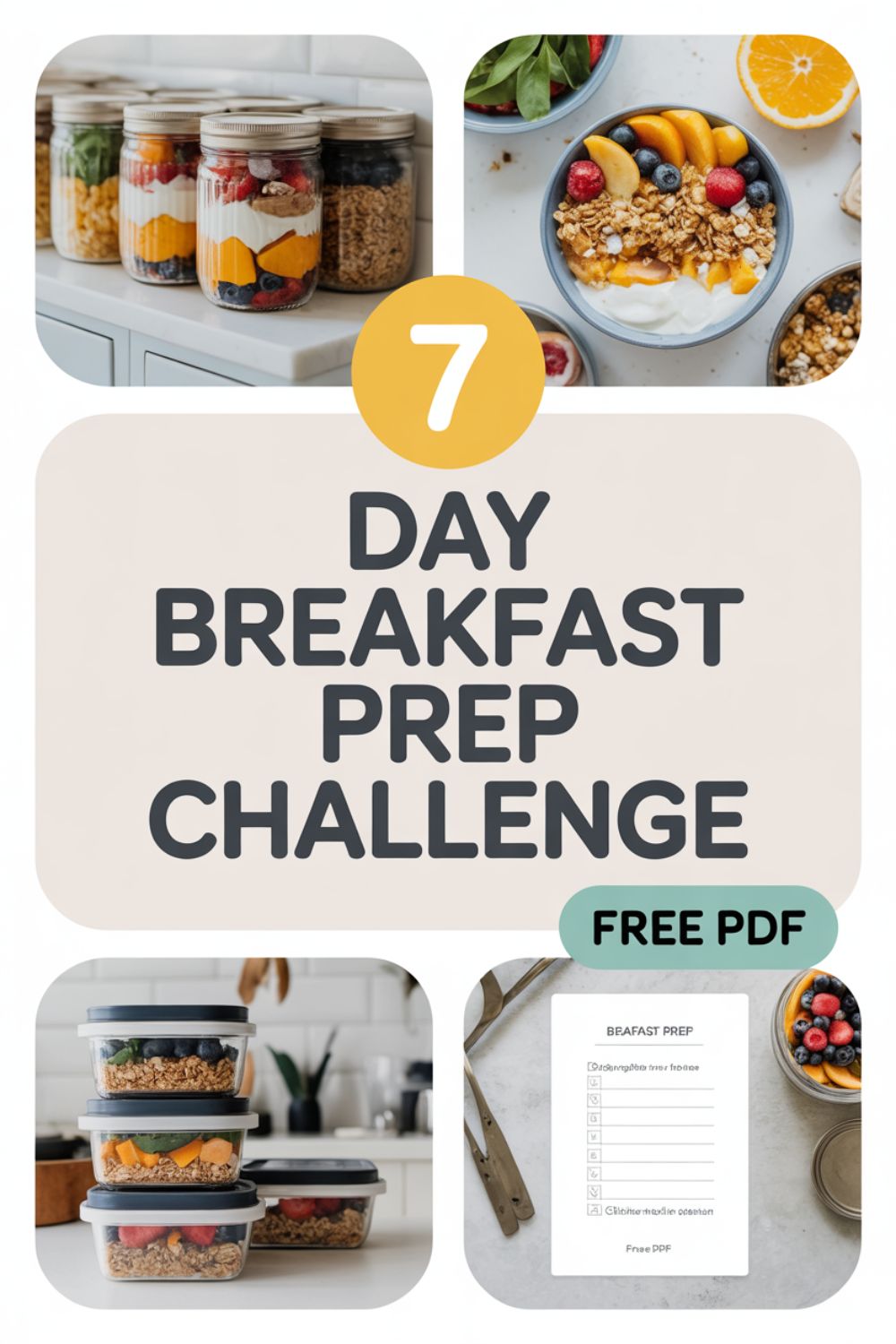
7-Day Breakfast Prep Challenge (Free PDF)
Look, I get it. You’re tired of the same rushed morning routine where breakfast is either a granola bar eaten in traffic or whatever’s left of yesterday’s guilt. You want mornings that don’t feel like a frantic episode of Chopped but also don’t require you to wake up at 5 AM like some kind of wellness influencer. That’s exactly where this 7-day breakfast prep challenge comes in—minus the Instagram pressure and with way more actual food that tastes good.
Why Seven Days Actually Makes Sense
Here’s the thing about meal prep—it’s not about turning your kitchen into a Tupperware warehouse. I’ve tried those marathon Sunday sessions where you cook for 47 hours straight and end up with freezer meals that taste like regret by Wednesday. This challenge is different.
Seven days gives you enough variety to not hate your life by day three, but it’s short enough that nothing goes weird in your fridge. Plus, a week is the perfect testing ground. Research from Mayo Clinic shows that eating a nutritious breakfast can improve concentration and energy throughout the day, which honestly feels like a superpower when you’re used to running on fumes and coffee.
The best part? You’re not committing to some lifelong meal prep identity. It’s just seven days. If you love it, keep going. If you discover meal prep isn’t your jam, at least you’ll have survived a week eating actual breakfast instead of gas station muffins.
Pro Tip
Start your challenge on Sunday evening when your kitchen is already semi-clean. Future you will appreciate not having to excavate yesterday’s dishes before you even begin.
The Science Behind Not Skipping Breakfast
I know you’ve heard the “breakfast is the most important meal” thing a million times, probably from your mom and various cereal commercials. But here’s what’s actually going on when you eat—or don’t eat—in the morning.
When you skip breakfast, you’re basically asking your body to run on empty for 12+ hours since dinner. According to the American Society for Nutrition, breakfast skippers are at increased risk for weight gain because of increased hunger-driving hormones throughout the day. Translation: you end up hangrier than a bear in January and way more likely to demolish that entire bag of chips at 3 PM.
But not all breakfasts are created equal. The magic number for protein? Around 30 grams. Eating adequate protein at breakfast helps regulate blood sugar, keeps you fuller longer, and basically stops your brain from obsessing about food by 10 AM. I started paying attention to this after reading about the benefits, and honestly, the difference in how I felt during morning meetings was legitimately shocking.
Protein vs. Carbs: The Morning Showdown
I’m not here to demonize carbs—bagels exist and they’re delicious. But here’s the deal: a breakfast loaded with refined carbs spikes your blood sugar fast, then drops it faster. You know that feeling around 11 AM where you’d sell your laptop for a snack? That’s the carb crash talking.
Protein slows everything down in the best way. It keeps blood sugar stable, helps preserve muscle mass, and makes your brain actually function. When you compare peanut butter versus almond butter for your morning toast, both deliver protein and healthy fats, though almond butter edges ahead with slightly more fiber and vitamin E. Either way beats plain jam by a mile.
For those looking to explore more morning fuel ideas, check out these high-protein breakfast preps that’ll actually keep you satisfied until lunch.
Your 7-Day Breakfast Blueprint
Alright, let’s get into the actual challenge. I’m giving you seven different breakfast options that you’ll prep ahead. Each one takes minimal effort, reheats well, and won’t make you sad by day five. That’s the real test of meal prep success—emotional durability.
Day 1: Overnight Oats (3 Ways)
Starting with overnight oats because they’re basically breakfast insurance. Mix your ingredients in mason jars the night before, and boom—breakfast exists when you wake up. No cooking, no thinking, just grab and go.
I like prepping three different flavors: apple cinnamon, chocolate peanut butter, and berry vanilla. This way you’re not eating the exact same thing, but you’re also not doing three entirely different breakfast routines. Work smarter, not harder, right?
The key is getting your ratios right. Use rolled oats (not instant—they get mushy), Greek yogurt for extra protein, chia seeds for texture, and your milk of choice. For dairy-free alternatives, oat milk or almond milk work great and won’t water down the flavor.
Day 2: Egg Muffins That Don’t Taste Like Sadness
Egg muffins get a bad rap because people make them wrong. Here’s the secret: you need cheese. I don’t care if it’s not the “cleanest” option—it’s the difference between eating rubbery egg pucks and actually enjoying your breakfast.
Use a silicone muffin pan if you have one. The cleanup is ridiculously easier, and they pop out perfectly every time. Load them up with veggies—spinach, bell peppers, mushrooms, whatever’s sad and wilting in your fridge drawer.
These freeze beautifully. Make a double batch, freeze half, and you’ve got breakfast for way beyond this challenge. Just reheat in the microwave for about a minute, and you’re golden. Get Full Recipe.
Quick Win
Line your muffin pan with cupcake liners even if it’s nonstick. Makes cleanup approximately 3000% easier.
Day 3: Greek Yogurt Parfait Prep
This is where those small glass containers with lids shine. Layer your Greek yogurt, granola, and fruit separately so nothing gets soggy. I know it sounds extra, but soggy granola is a crime against breakfast.
Pro move: prep your fruit on Sunday. Wash berries, slice whatever needs slicing, and store everything in separate containers. Assembly takes literally 90 seconds each morning, but it feels fancy enough that you’ll think you have your life together.
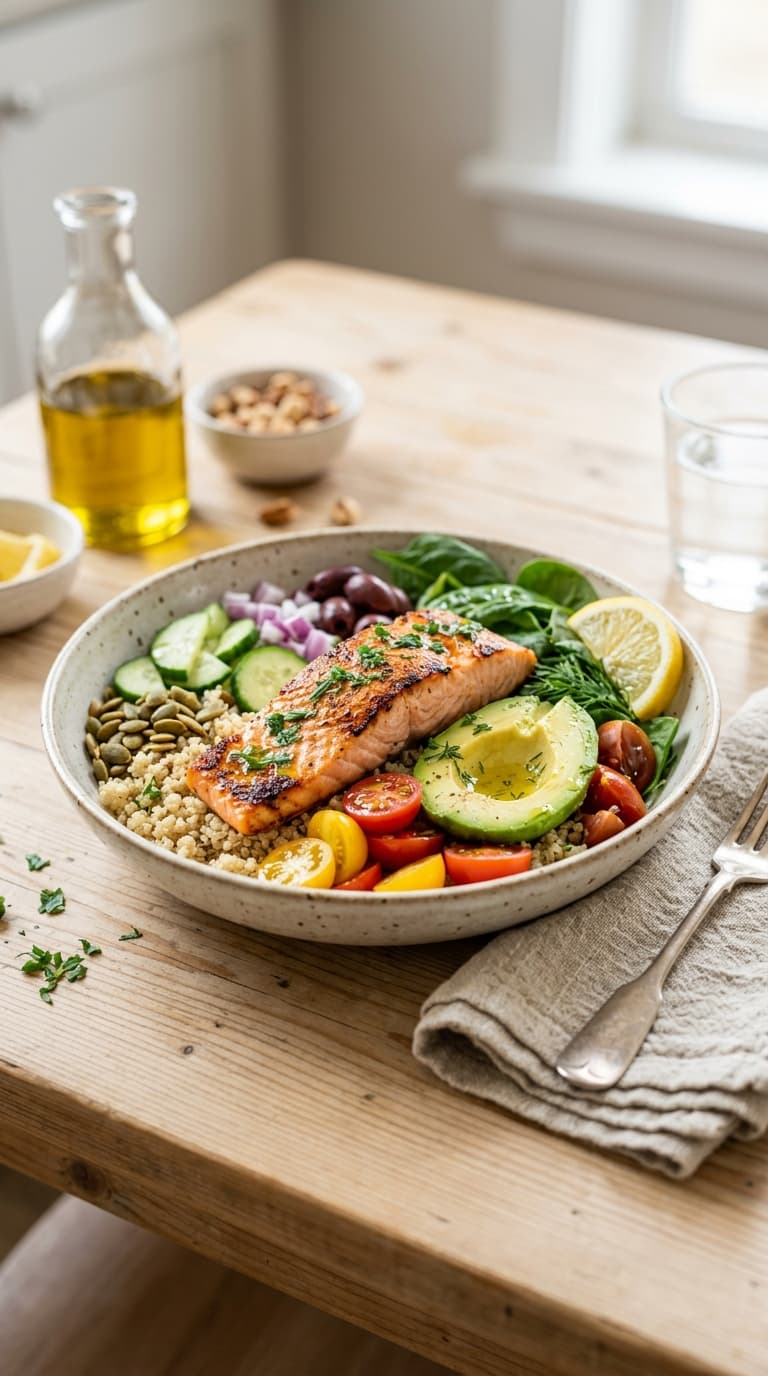
Speaking of breakfast ideas, these Mediterranean bowls use similar layering techniques but with savory ingredients if you’re craving something different.
Day 4: Breakfast Burritos (Freezer-Friendly)
This is batch cooking at its finest. Scramble a dozen eggs, cook up some protein (I use turkey sausage because it reheats better than regular sausage), and prep your veggies. Assembly line everything on your counter and wrap each burrito in foil.
The foil is crucial—it prevents freezer burn and makes reheating in the oven way easier. You can microwave them if you’re desperate, but 15 minutes in the oven brings them back to life properly. The tortilla gets crispy, the inside gets hot, and you feel like you ordered takeout instead of just being smart last Sunday.
Plant-based swap: Use black beans and tofu scramble instead of eggs and meat. Add some salsa verde and you won’t even notice the difference. Okay, you’ll notice, but it’s still delicious.
Day 5: Chia Pudding Variations
Chia pudding is one of those foods that sounds way fancier than it actually is. Mix chia seeds with milk and sweetener, let it sit overnight, and suddenly you’re a wellness blogger. Add vanilla protein powder for extra staying power.
I prep three flavors: vanilla almond, chocolate coconut, and matcha (yes, matcha for breakfast—it’s a vibe). Each one takes about 3 minutes to mix up, and they last all week in the fridge. Top with whatever you want in the morning—fruit, nuts, a drizzle of honey.
Day 6: Protein Pancakes (Make-Ahead Style)
Make these on Sunday and reheat them during the week. I use a griddle pan to cook a bunch at once because standing over a stove making individual pancakes feels like punishment.
The trick with make-ahead pancakes is not overcooking them initially. Cook until they’re just done, let them cool completely, then stack with parchment paper between each one. This prevents them from sticking together and makes grabbing breakfast stupid easy. Reheat in the toaster for crispy edges or microwave if you’re in a rush.
These pair perfectly with the strategies outlined in our high-protein meal prep challenge guide for building a sustainable routine.
Day 7: Smoothie Prep Packs
Last day, easiest prep. Portion out all your smoothie ingredients into freezer bags—fruit, spinach, protein powder, whatever you like. In the morning, dump the bag into your blender, add liquid, blend, done.
This is especially clutch on days when you’re running late or just can’t deal with solid food in the morning. The prep takes maybe 20 minutes total for the whole week, and you get the satisfaction of having “made breakfast” without actually cooking anything.
Kitchen Tools That Make This Challenge Actually Easy
Physical Products
Glass Meal Prep Containers (5-Pack) – The BPA-free glass kind with snap lids that don’t get weird after three dishwasher cycles. Perfect for parfaits and overnight oats.
Silicone Muffin Pan – Makes egg muffins that actually release without archaeological excavation. Microwave and freezer safe, which is basically all we’re asking for.
Mini Blender (Personal Size) – For those smoothie packs. Blends, you drink from the same container, minimal cleanup. Revolutionary for lazy mornings.
Digital Resources
7-Day Breakfast Prep Printable PDF – Shopping lists, prep schedules, and recipes all organized so your brain doesn’t have to be. Stick it on your fridge and follow along.
Meal Prep Timing Calculator – Tells you exactly when to start each prep task so everything’s done at the same time. Surprisingly life-changing for the organizationally challenged.
Breakfast Macro Tracker Spreadsheet – If you care about tracking protein, carbs, and fats. Pre-loaded formulas mean you just input what you ate and it does the math. No judgment if you skip this one entirely.
The Shopping List That Won’t Break the Bank
One of the biggest meal prep mistakes is going rogue at the grocery store. You need a list, and you need to stick to it. This challenge requires less than you think—probably around 50 bucks if you shop smart.
Proteins
- Eggs (2 dozen if you’re doing egg muffins and burritos)
- Greek yogurt (plain, full-fat tastes better)
- Protein powder (optional but recommended)
- Turkey sausage or your preferred breakfast meat
- Cottage cheese (secret weapon for extra protein)
Produce
- Spinach or kale
- Bell peppers
- Berries (frozen is fine and cheaper)
- Bananas
- Whatever vegetables you actually like eating
Pantry Staples
- Rolled oats
- Chia seeds
- Whole wheat tortillas
- Almond or peanut butter
- Maple syrup or honey
IMO, buying pre-chopped vegetables is worth the extra couple bucks if it means you’ll actually do the prep. The goal is completion, not perfection.
Looking for more budget-friendly meal prep strategies? Our guide to building a week of high-protein meals on a budget breaks down exactly how to maximize your grocery dollars without sacrificing nutrition.
Common Meal Prep Disasters (And How to Avoid Them)
Let me save you from the mistakes I’ve already made. Meal prep has a learning curve, and that curve involves some truly disappointing breakfast situations if you’re not careful.
The Soggy Situation
Nothing kills meal prep enthusiasm faster than soggy food. Keep wet and dry ingredients separate until you’re ready to eat. Those parfaits I mentioned? Granola goes in a separate container. Burrito toppings like salsa? Add them fresh, not before freezing.
The Freezer Burn Tragedy
Improper storage is the enemy. Wrap everything tightly, squeeze out excess air, and use containers actually designed for freezing. That vacuum sealer your aunt got you might actually be useful here.
The Bland Food Problem
Season your food aggressively before storing it. Everything tastes more muted after refrigeration, so go a little heavier on the salt, herbs, and spices than you normally would. Your reheated egg muffins will thank you.
Pro Tip
Label everything with dates using masking tape and a Sharpie. Your Monday self won’t remember which container is apple cinnamon oats versus berry vanilla. Trust me on this.
Making It Work with Your Actual Life
Here’s the reality check: this challenge only works if it fits into your life, not some aspirational version of your life where you wake up naturally at dawn feeling refreshed.
If you’re a parent dealing with tiny humans who view breakfast as a contact sport, prep extra and make meals they’ll actually eat. If you’re working weird hours, adjust the schedule. If you hate cooking on weekends, do your prep in two smaller sessions during the week.
The point isn’t to become a meal prep influencer. The point is to have actual breakfast ready when you need it, without requiring a heroic effort or drive-through run. That’s it. That’s the whole goal.
Sarah from our community tried this exact challenge while juggling two kids under five and a full-time remote job. She lost 12 pounds over three months just from consistently eating a proper breakfast instead of stress-snacking all morning. Not because the recipes were magic, but because having food ready removed the decision fatigue that led to poor choices.
For complete meal planning strategies that extend beyond breakfast, explore our collection of 30-minute meal prep bowls and healthy meal prep bowls for the entire week. The same principles apply—prep once, eat multiple times, maintain your sanity.
Nutritional Benefits You’ll Actually Notice
Let’s talk about what happens when you stick with this for seven days. I’m not going to promise you’ll transform into a different person or suddenly love mornings—that’s ridiculous. But there are some legit benefits that show up pretty fast.
First, your energy levels stabilize. No more desperate coffee consumption just to feel human. According to research on oatmeal consumption, the soluble fiber called beta-glucan helps regulate blood sugar and keeps energy consistent throughout the morning. You’ll notice you’re not hitting that 10 AM wall where your brain just stops functioning.
Second, you’ll probably stop obsessing about food mid-morning. When you eat adequate protein and fiber at breakfast, your hunger hormones actually chill out. You can make it to lunch without raiding the office snack drawer or contemplating whether eating crackers for a meal counts as adulting.
Third—and this is the one that surprised me—you start making better choices the rest of the day. Having a solid breakfast sets a precedent. You’ve already done one healthy thing, so you’re weirdly more likely to follow through with other good decisions. Psychology is wild like that.
Frequently Asked Questions
How long does breakfast prep actually take on Sunday?
Realistically, plan for 2-3 hours if you’re doing all seven days at once. But here’s the thing—you can split it up. Do egg muffins and overnight oats on Sunday, then prep smoothie packs and burritos on Wednesday evening. It doesn’t have to be a marathon cooking session unless you want it to be.
Can I do this challenge if I’m vegan or dairy-free?
Absolutely. Swap Greek yogurt for coconut or almond yogurt, use plant-based protein powder, and replace eggs with tofu scramble in the burritos and muffins. The structure of the challenge works exactly the same way, you’re just using different ingredients. FYI, nutritional yeast is your friend for that cheesy flavor without actual cheese.
What if I don’t have time to eat breakfast at home?
That’s literally the point of this whole challenge. Everything except the smoothies is portable. Grab your container, eat it in the car or at your desk, and you’re still winning. The overnight oats and parfaits don’t even need reheating, which makes them perfect for eating during your commute or first meeting of the day.
How do I know if I’m getting enough protein?
Aim for about 20-30 grams per breakfast. Each egg has 6 grams, a cup of Greek yogurt has around 15-20 grams, and a scoop of protein powder typically adds 20-25 grams. If you’re including protein in every breakfast and feeling satisfied until lunch, you’re probably in the right range. No need to get obsessive about exact numbers unless that’s your thing.
What’s the best way to reheat prepped breakfasts?
Microwave works for most things—egg muffins take about 45-60 seconds, burritos need 1-2 minutes. For pancakes, I swear by the toaster because it crisps them up. If you have time, oven reheating at 350°F gives the best results for burritos and egg dishes, but who actually has that kind of morning? Do whatever gets food in your face fastest.
The Bottom Line on Breakfast Prep
Here’s what this challenge really comes down to: seven days of having your breakfast situation handled. No more stressful mornings wondering what to eat, no more skipping breakfast because it’s too much effort, and no more pretending that coffee counts as a meal.
You’re going to prep a bunch of food on Sunday (or whenever works for you), store it properly, and actually eat breakfast every day for a week. That’s it. That’s the whole challenge. It’s not about becoming a meal prep expert or documenting everything for social media. It’s about making mornings slightly less chaotic and maybe feeling a bit more human before noon.
The recipes work, the strategies are tested, and the time investment pays off in not having to think about breakfast while you’re still half-asleep. If you make it through seven days and decide meal prep isn’t for you, fine—at least you tried. But my bet is you’ll notice the difference in your energy, focus, and general ability to handle mornings without wanting to rage-quit being an adult.
So download that PDF, block off a couple hours this weekend, and give it a shot. Worst case scenario, you eat decent breakfast for a week. Best case? You accidentally develop a habit that makes every morning a little bit easier. And honestly, we could all use more of those.
Similar Posts
7 Days Mediterranean Diet For PCOS: Foods That Help Balance Hormones
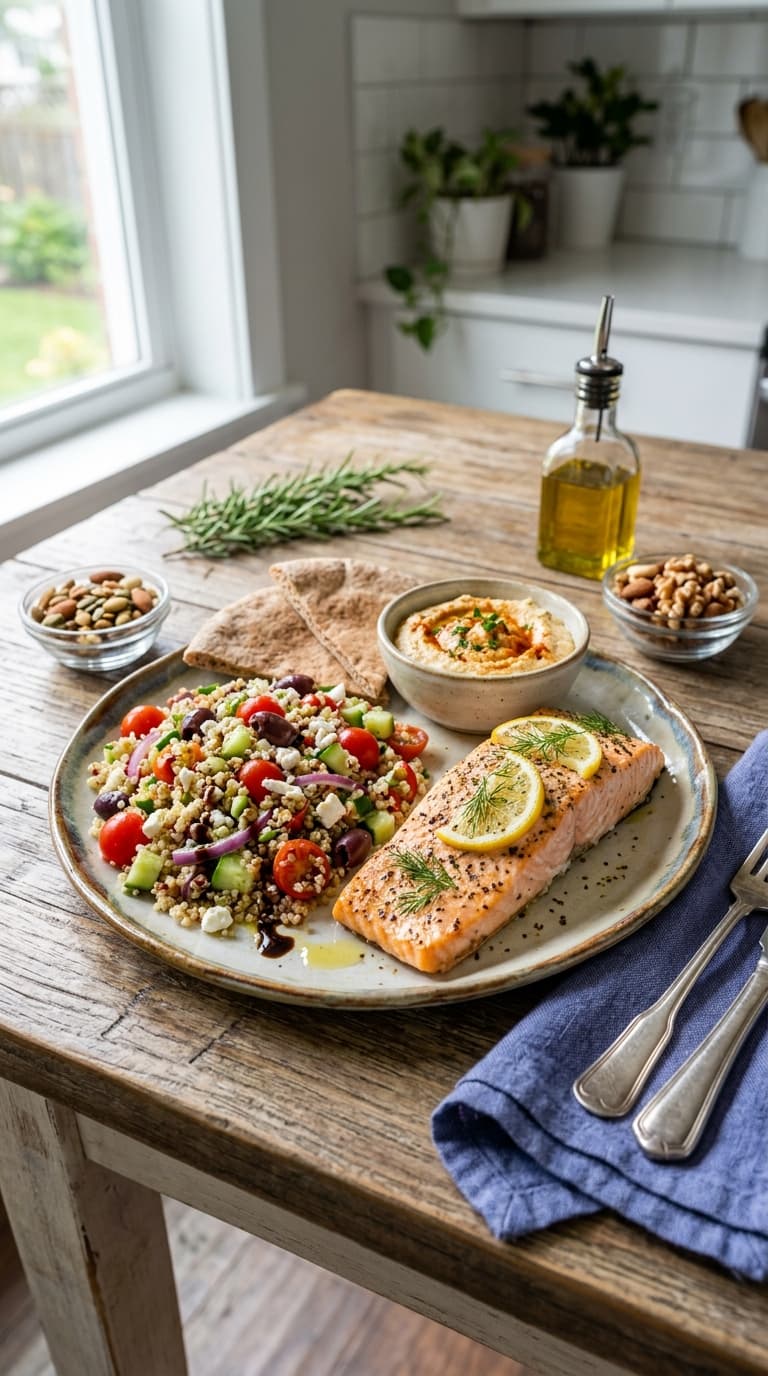
7 Days Mediterranean Diet For PCOS: Foods That Help Balance Hormones If you have PCOS, you already know the drill — bloating, irregular cycles, stubborn weight, and hormones that seem to do whatever they want. It’s exhausting. And honestly, the internet isn’t always helpful when it’s throwing ten different “miracle diets” at you every week….
30-Day Mediterranean Diet Meal Plan For Weight Loss
30-Day Mediterranean Diet Meal Plan For Weight Loss Let’s be real — most “diet plans” make you feel like you’re being punished for enjoying food. The Mediterranean diet? Totally different story. We’re talking olive oil drizzled over everything, fresh herbs, hearty legumes, grilled fish, and the occasional glass of red wine (yes, really). This is…
25 Mediterranean Diet Dips & Spreads: Hummus, Tzatziki & More
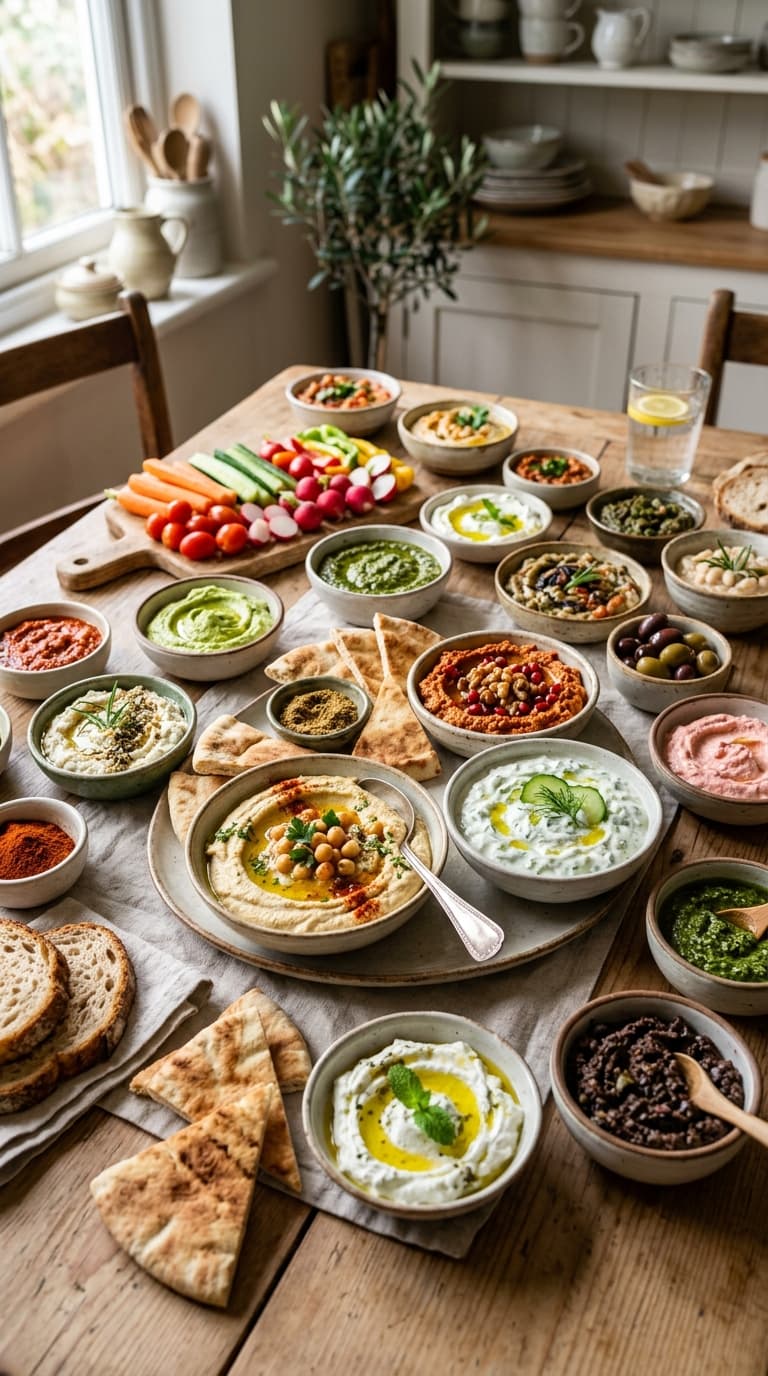
25 Mediterranean Diet Dips & Spreads: Hummus, Tzatziki & More Let’s be honest — once you discover Mediterranean dips and spreads, plain old ketchup just doesn’t cut it anymore. These flavor-packed creations have been stealing the spotlight at tables across the world for centuries, and honestly? They deserve every bit of that attention. Whether you’re…
Keto Meal Prep For The Week: 5 Meals In 2 Hours
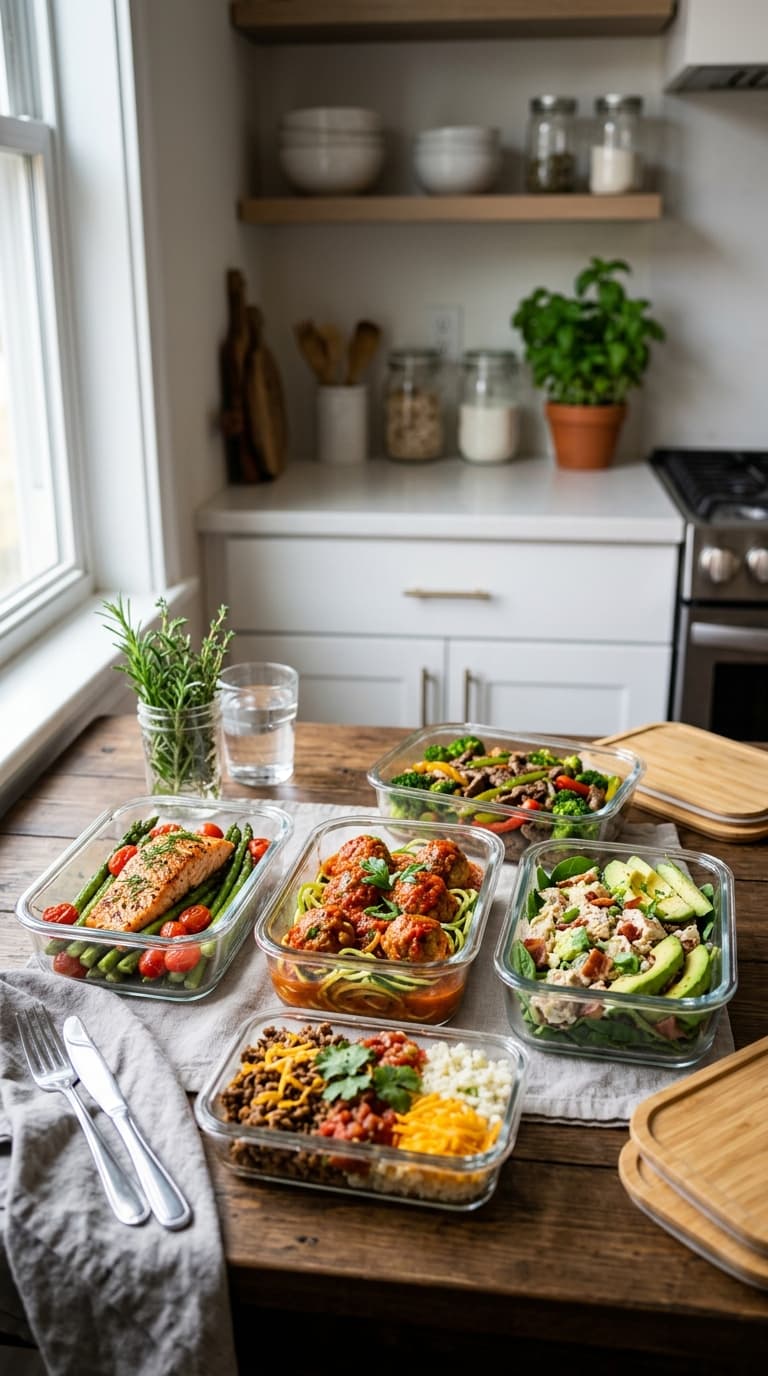
Keto Meal Prep For The Week: 5 Meals In 2 Hours Sunday meal prep used to stress me out — standing in the kitchen for four hours, every pot dirty, and somehow still ending up with sad salads by Wednesday. Then I figured out how to do keto meal prep for the week properly, and…
21 Mediterranean Diet Freezer Meals To Stock Up On
21 Mediterranean Diet Freezer Meals To Stock Up On Let me be real with you — there’s nothing worse than staring into your fridge at 7pm, exhausted, and realizing you have absolutely nothing ready to eat. That’s exactly why I started batch-cooking Mediterranean freezer meals, and honestly? It changed my whole week. The Mediterranean diet…
Keto Flu: What It Is & How To Beat It Fast
Keto Flu: What It Is & How To Beat It Fast So you jumped on the keto train, felt pumped about all the bacon and avocado you were about to eat, and then — bam — day three hit you like a truck. Headache, brain fog, zero energy, maybe a little nausea. Welcome to the…