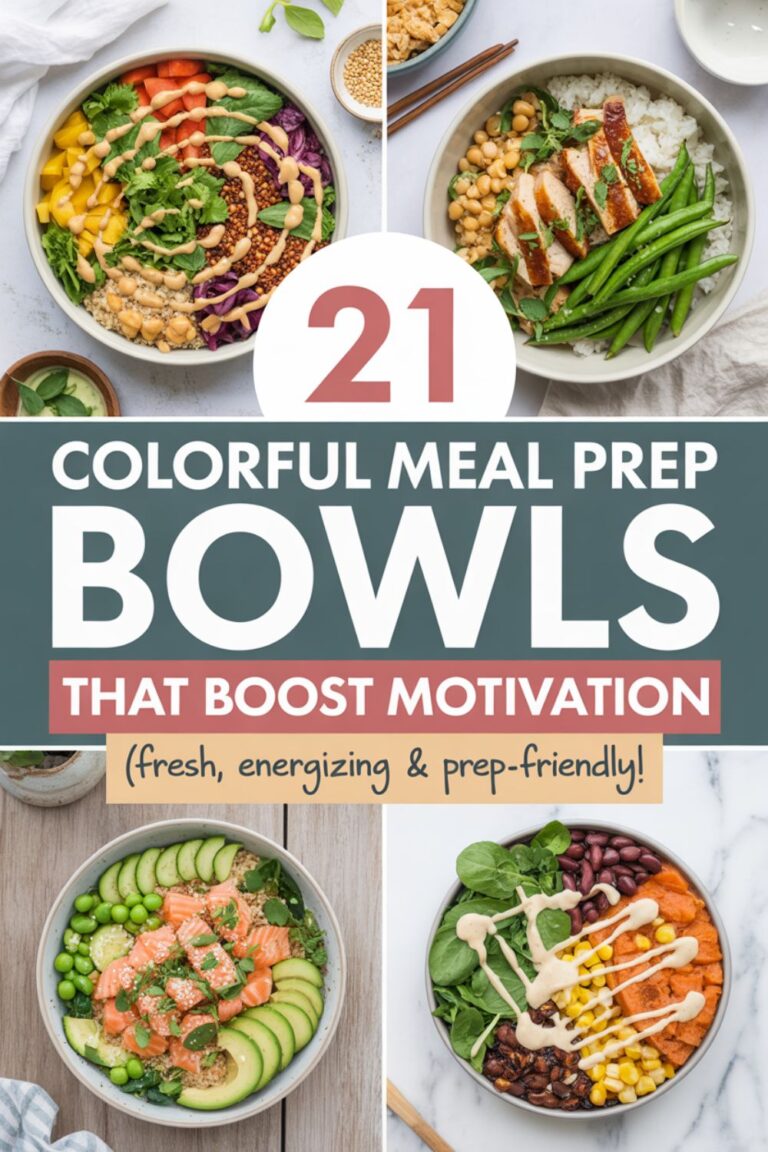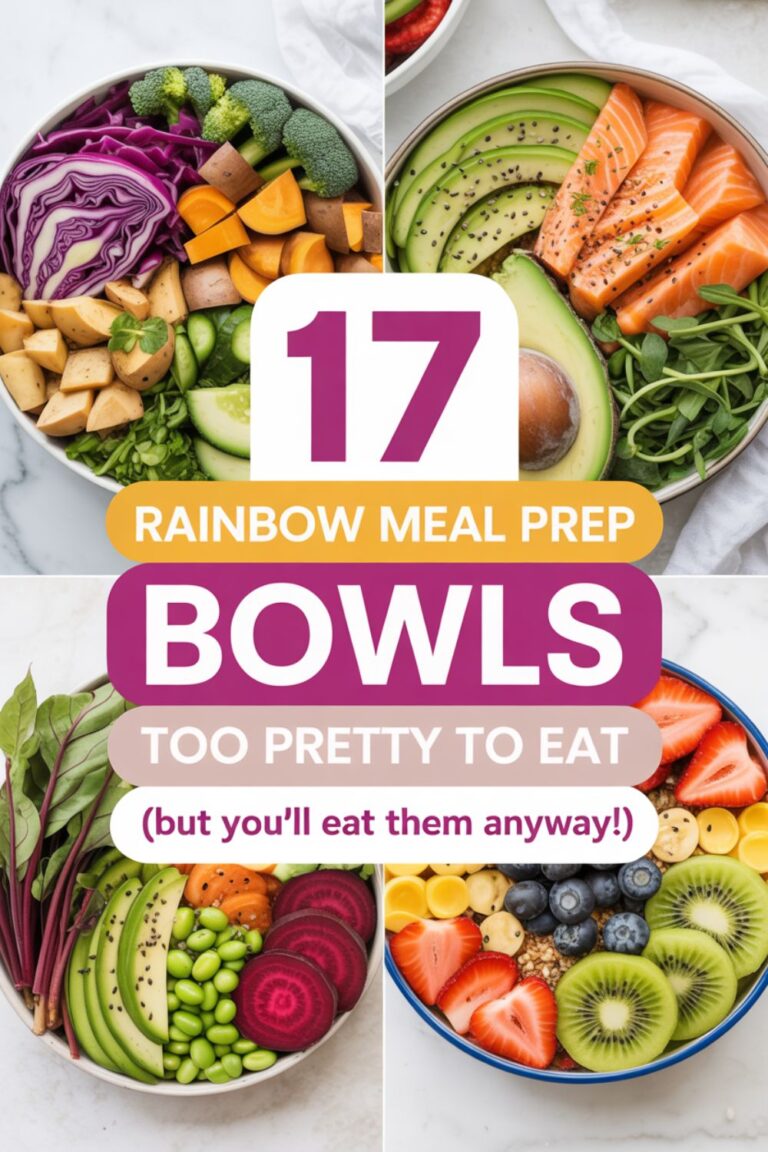
21 Make-Ahead Bowls That Carry You Through the Week
Sunday evening. You’re staring into the fridge wondering what the heck you’re going to eat all week, and the thought of cooking every single night makes you want to order pizza for the seventh time this month. I get it. But what if I told you that spending just a couple of hours on Sunday could set you up with gorgeous, actually-delicious bowls that you’ll legitimately look forward to eating? No sad desk salads. No mystery Tupperware from three weeks ago. Just real, vibrant food that holds up like a champ.
Why Meal Prep Bowls Are Actually Worth the Hype
Look, I was skeptical too. The whole meal prep thing felt like something only fitness influencers with perfect kitchens could pull off. Turns out, once you crack the code, it’s genuinely life-changing. You’re not just saving time—you’re buying yourself freedom from the 6 PM “what’s for dinner” panic spiral.
The secret sauce? Building balanced bowls that combine lean protein, whole grains, and vegetables in a way that actually keeps you satisfied. When you nail those macros, you’re not reaching for snacks an hour later or making questionable drive-thru decisions at 9 PM.
Plus, these bowls are ridiculously forgiving. Forgot to add avocado on Sunday? Toss it in fresh on Wednesday. Want to switch up the sauce? Go for it. The base stays solid, and you get to customize as you go.
Pro Tip: Prep your veggies Sunday night and thank yourself all week. Seriously, having pre-chopped bell peppers and cucumbers makes assembly stupid-easy on busy mornings.
The Building Blocks of a Perfect Make-Ahead Bowl
Here’s the thing about bowls—they’re basically adult Legos. You need a solid foundation, some protein power, vegetables for actual nutrition (shocking, I know), and a sauce that ties it all together without making everything soggy by day three.
Start With Your Base
Your grain game matters here. Quinoa and brown rice are the MVPs because they don’t turn into mush after a few days in the fridge. I’ve tried getting fancy with farro and bulgur, and honestly? They’re great if you’re eating within two days, but quinoa is the real workhorse. Cook a huge batch, let it cool completely, and portion it out. Done.
Sometimes I’ll swap in cauliflower rice when I want something lighter, but fair warning—it releases water like nobody’s business, so you’ll want to store it separately and add it when you’re ready to eat.
Protein That Actually Tastes Good on Day Four
This is where most people mess up. Dry, overcooked chicken is not the vibe. If you’re doing chicken, brine it first—literally just salt water for a few hours makes it juicy enough to survive the week. Or go with pulled rotisserie chicken if you’re feeling lazy (no judgment, it’s actually smart).
Chickpeas and black beans are clutch for plant-based options. Roast them with some spices until they’re slightly crispy, and suddenly you have protein that’s interesting. Ground turkey seasoned with cumin and chili powder works great too, especially in Mexican-inspired bowls.
For anyone wondering about salmon, yes it works, but eat those bowls within three days max. Fish doesn’t love the long game like chicken or beans do. High-protein options are everywhere once you start looking beyond the standard grilled chicken breast.
Vegetables That Won’t Betray You
Raw vegetables are great in theory but terrible in practice for meal prep. After day two, your cucumber turns into a sad, watery mess. Instead, focus on roasted vegetables that get better with time—sweet potatoes, Brussels sprouts, cauliflower, and bell peppers are all solid choices.
I roast everything on a large sheet pan at 425°F with olive oil, salt, and whatever spices match my vibe for the week. Toss them halfway through, let them get those crispy edges, and you’re golden. Keep heartier greens like kale or spinach separate and add them fresh, or they’ll wilt into oblivion.
Quick Win: Roast two full sheet pans of vegetables at once. Future you will be so grateful when you’re assembling bowls at lightning speed.
21 Bowl Ideas That Actually Work
Alright, let’s get into the actual bowls. I’ve organized these by vibe because sometimes you want something light and fresh, other times you need serious comfort food that happens to be healthy.
Mediterranean Magic
1. Classic Greek Bowl: Quinoa, grilled chicken (or chickpeas), cucumber, tomatoes, red onion, Kalamata olives, feta, and tzatziki on the side. This one never gets old. The feta adds just enough salt and creaminess, and keeping the tzatziki separate means nothing gets soggy. Get Full Recipe.
2. Hummus Power Bowl: Brown rice, roasted red peppers, zucchini, cherry tomatoes, and a giant scoop of hummus in the center. Add some za’atar if you’re feeling fancy. The hummus basically becomes your dressing and protein source, which is genius-level efficiency.
3. Falafel Situation: Make or buy falafel (no shame in buying—life is short), pair with quinoa, roasted cauliflower, pickled onions, and tahini dressing. The pickled onions are key here; they add brightness that cuts through everything else.
Speaking of Mediterranean flavors, I’ve been obsessed with these Mediterranean bowl variations lately. The combination of olive oil, lemon, and herbs just hits different, you know?
Asian-Inspired Vibes
4. Teriyaki Chicken Bowl: Brown rice, grilled teriyaki chicken, edamame, shredded carrots, snap peas, and sesame seeds. Make your own teriyaki sauce with soy sauce, ginger, garlic, and a touch of honey—way better than the bottled stuff and you know exactly what’s in it.
5. Korean Beef Bowl: Cauliflower rice, ground beef cooked with gochujang, kimchi (add this fresh), cucumber, and a fried egg on top when you’re ready to eat. The runny yolk mixes with everything and creates this amazing sauce situation.
6. Thai Peanut Chicken: Jasmine rice, shredded chicken, red cabbage, bell peppers, cilantro, and peanut sauce. I use a small food processor to make the peanut sauce—peanut butter, lime juice, soy sauce, sriracha, and a bit of water to thin it out. Store it separately and add right before eating.
If you want more variety in your weekly rotation, definitely check out these high-protein meal prep bowls that keep things interesting.
Mexican-Inspired Goodness
7. Burrito Bowl: Cilantro lime rice, black beans, corn, bell peppers, salsa, and your choice of protein. Keep the guacamole and sour cream separate unless you want brown avocado by Wednesday (learned that the hard way).
8. Taco Bowl: Brown rice, seasoned ground turkey, pico de gallo, shredded lettuce (add fresh), cheese, and Greek yogurt instead of sour cream. The Greek yogurt trick is clutch because it has more protein and lasts longer in the fridge.
9. Fajita Bowl: Quinoa, fajita-seasoned chicken strips, sautéed peppers and onions, black beans, and lime wedges. Reheat the peppers and onions separately or they get weird and mushy. Trust me on this.
Comfort Food That Happens to Be Healthy
10. Sweet Potato Buddha Bowl: Quinoa, roasted sweet potato, chickpeas, kale (massaged with a bit of olive oil to soften it), and tahini dressing. This is what I make when I need something that feels cozy but won’t make me crash at 2 PM. Get Full Recipe.
11. Harvest Bowl: Farro, roasted butternut squash, Brussels sprouts, dried cranberries, goat cheese, and apple cider vinaigrette. This one screams fall, but honestly I make it year-round because it’s that good.
12. Cajun Chicken Bowl: Brown rice, Cajun-spiced chicken, roasted sweet potato, corn, and a creamy ranch dressing. The spice level is totally customizable, which is great if you’re feeding multiple people with different heat tolerances.
For more inspiration on bowls that actually reheat well, these portable meal prep bowls are perfect for taking to the office.
Pro Tip: Invest in a good spice collection. A $3 jar of cumin or smoked paprika can transform basic chicken and vegetables into five different cuisines. Your taste buds will thank you.
Plant-Based Options
13. Lentil Power Bowl: Brown rice, green lentils, roasted broccoli, cherry tomatoes, cucumber, and lemon tahini dressing. Lentils are underrated as a meal prep protein—they’re cheap, filling, and taste great cold or reheated.
14. Tofu Scramble Bowl: Quinoa, scrambled tofu with turmeric and nutritional yeast, sautéed spinach, mushrooms, and avocado (add fresh). Perfect for breakfast meal prep if you’re into that.
15. Black Bean Sweet Potato Bowl: Quinoa, roasted sweet potato, black beans, corn, salsa, and cilantro lime dressing. This is my go-to when I’m trying to eat more plant-based because it’s satisfying enough that I don’t miss the meat.
If you’re exploring more plant-based options, these vegan meal prep ideas are actually creative instead of just being “salad with beans.”
Lighter Options
16. Zoodle Bowl: Zucchini noodles (spiralize them yourself or buy pre-made), cherry tomatoes, pesto chicken, and pine nuts. Keep the zoodles separate and lightly sauté them right before eating, or they’ll turn into soup.
17. Shrimp and Cauliflower Rice Bowl: Cauliflower rice, grilled shrimp, snap peas, carrots, and a ginger soy dressing. Shrimp preps surprisingly well as long as you don’t overcook it initially. Aim for just barely cooked, then it’ll be perfect after reheating.
18. Cucumber Noodle Bowl: Cucumber noodles (yes, it’s a thing), edamame, shredded chicken, carrots, and sesame ginger dressing. This is more of a cold bowl situation, which is perfect for summer or when you just can’t deal with hot food.
Breakfast Bowls
19. Overnight Oats Bowl: Not technically cooked, but hear me out. Layer oats, chia seeds, almond milk, and cinnamon in small mason jars. Add fresh fruit and nuts the day you eat it. Five minutes of prep gets you breakfast for the entire week.
20. Egg and Veggie Breakfast Bowl: Quinoa, scrambled eggs, roasted sweet potato, sautéed kale, and salsa. Meal prep breakfast is a game-changer if you’re someone who usually skips it because you’re rushed. These breakfast prep ideas have seriously changed my mornings.
21. Protein Smoothie Bowl Base: Prep smoothie bags with frozen fruit, spinach, and protein powder. Blend with almond milk when you’re ready, pour into a bowl, and top with granola and fresh berries. It’s technically a bowl, and it counts.
The Sauce Situation
Listen, a bowl is only as good as its sauce. Dry grain bowls are depressing. Here’s where most people get it wrong—they add the sauce on Sunday, and by Wednesday everything is either soggy or dried out and sad.
Store your sauces separately in small containers or those tiny mason jars. Add them right before you eat, and suddenly your meal tastes fresh instead of like it’s been sitting in your fridge for four days (even though it has).
My go-to sauces that last all week:
- Tahini Lemon Dressing: Tahini, lemon juice, garlic, water to thin, salt. Keeps for at least a week and works on basically everything.
- Cilantro Lime Sauce: Cilantro, lime juice, Greek yogurt, jalapeño, cumin. Bright, tangy, perfect on Mexican-inspired bowls.
- Ginger Soy Dressing: Grated ginger, soy sauce, rice vinegar, sesame oil, honey. This is my secret weapon for Asian-inspired bowls.
- Balsamic Vinaigrette: Balsamic vinegar, olive oil, Dijon mustard, honey, garlic. Classic for a reason.
I make these in batches using a small blender and pour them into containers. Takes maybe ten minutes total, and you have dressings for two weeks.
Storage Strategy That Actually Works
Alright, let’s talk about the part that makes or breaks your meal prep game—storage. You can have the most delicious bowl in the world, but if you store it wrong, you’re eating mushy, gross food by Wednesday.
First things first: keep your fridge at or below 40°F. This isn’t optional. Bacteria love temperatures between 40°F and 140°F, and nobody wants food poisoning from their meal prep.
Invest in quality containers. I know, I know, you have seventeen mismatched Tupperwares from 1997. But glass meal prep containers with airtight lids are genuinely worth it. They don’t absorb smells, they’re microwave-safe, and they last forever. Plus, seeing your colorful bowls through clear glass makes you actually want to eat them.
The general rule is most bowls stay good for 3-5 days in the fridge. According to food safety guidelines, cooked food should be eaten within that window for both safety and quality. If you’re prepping for a full week, make half your bowls on Sunday and half on Wednesday. Or freeze half of them—most grain bowls freeze surprisingly well.
Quick Win: Label everything with the date you made it. Sounds obvious, but future you won’t remember if that chicken was from Sunday or the previous Wednesday.
What to Keep Separate
Some ingredients are meal prep divas and need special treatment:
- Avocado: Add it fresh the day you eat. It turns brown and gross otherwise.
- Crispy toppings: Nuts, seeds, crispy chickpeas—keep them in separate containers or they’ll get soggy.
- Leafy greens: Kale is more forgiving than spinach, but both are better added fresh or at least stored separately.
- Dressings and sauces: This is non-negotiable. Separate containers always.
- Anything fried: Just don’t. Fried things don’t meal prep well. Accept this and move on.
For comprehensive storage guidance, check out this detailed resource on fridge storage that covers everything from cooling times to container placement.
Meal Prep Essentials That Make Life Easier
Look, you don’t need a million gadgets to meal prep successfully. But these few things genuinely make the process less annoying and more sustainable. I’ve tested approximately everything, and these are the items I actually use every single week.
Physical Products That Earn Their Counter Space:
- Glass Meal Prep Containers Set – Not those flimsy ones that crack after two washes. Get the ones with locking lids and compartments if you’re fancy. I use mine for literally everything, and they still look new after a year of constant use.
- Quality Chef’s Knife – You can meal prep with a dull knife, but why would you torture yourself? A sharp knife makes chopping vegetables actually enjoyable instead of a chore. Get it professionally sharpened twice a year, and it’ll last forever.
- Large Sheet Pans (Set of 2) – Half-sheet pans specifically. You need at least two so you can roast a variety of vegetables at once without everything tasting like onions. Spring for the ones with raised edges that won’t warp in high heat.
Digital Resources Worth Your Money:
- Meal Planning App Subscription – Having recipes and automatically generated shopping lists in one place is stupid convenient. Pick one that syncs across devices so you can plan on your laptop and shop with your phone.
- Nutrition Tracking Software – If you’re serious about hitting protein or calorie targets, this is non-negotiable. The free versions work fine, but paid versions usually have better recipe builders and barcode scanners.
- Digital Food Scale – Not exciting, but incredibly useful. Portion control becomes way easier when you can actually measure things instead of guessing. Plus, you’ll finally know what 4 ounces of chicken actually looks like.
These aren’t “must-haves” in the sense that you’ll fail without them, but they’re the difference between meal prep being a annoying chore and something you can actually maintain long-term. And that sustainability is the entire point, right?
Common Meal Prep Mistakes I’ve Made So You Don’t Have To
Let me save you some disasters. I’ve messed up meal prep in creative and unfortunate ways, and learning from my mistakes is way easier than repeating them yourself.
Making Everything on Sunday
This is the big one. Spending five hours in the kitchen on Sunday sounds productive until you realize your day five meal tastes like sadness and regret. Split your cooking into two sessions—Sunday and Wednesday—or embrace the freezer. Your taste buds will thank you.
Overcooking Protein
Dry chicken is not a personality trait, it’s a mistake. If you’re reheating your protein, slightly undercook it initially. It’ll finish cooking when you reheat it, and you won’t end up with jerky masquerading as chicken breast.
Ignoring Texture
Not everything needs to be soft. Having some crunch in your bowl—whether it’s from fresh cucumber, toasted nuts, or crispy chickpeas—makes a huge difference. Texture variety is what separates a good bowl from one that makes you actually look forward to lunch.
Going Too Bland
Season your food like you actually want to eat it. I see so many meal prep posts that are just plain grilled chicken, plain rice, and steamed broccoli with zero seasoning. Why would anyone want to eat that? Use spices, use herbs, use citrus. Food should taste good, even when it’s healthy.
Need some inspiration on making your bowls more visually appealing? These aesthetic meal prep ideas prove healthy food doesn’t have to be boring.
Forgetting About Variety
Making the same bowl five times might seem efficient, but by day three you’ll be ordering takeout because you can’t face another identical meal. Mix it up. Make two different bowl types, or at least vary your sauces and toppings throughout the week.
Making This Work With Real Life
The Instagram version of meal prep involves perfect lighting, matching containers, and unlimited free time. Real life involves kids, work deadlines, and the overwhelming desire to just order pizza. Here’s how to make meal prep actually sustainable.
Start small. Seriously. Don’t try to meal prep 21 meals on your first attempt. Start with lunches for three days. Once that feels manageable, add dinners. Then maybe breakfast. Building the habit matters more than being perfect from day one.
Embrace shortcuts without guilt. Rotisserie chicken, pre-cut vegetables, canned beans, frozen brown rice—all of these are valid and useful. You’re not getting extra points for making everything from scratch. The goal is eating better more consistently, not winning a cooking competition.
Batch cooking doesn’t have to mean eating the same thing all week. Cook a big batch of quinoa, roast a variety of vegetables, prep two different proteins, and make a couple of sauces. Mix and match throughout the week, and suddenly you have variety without making entirely new meals every day.
If you’re just getting started with meal prep and feeling overwhelmed, these beginner-friendly meal prep ideas don’t require any fancy equipment.
Frequently Asked Questions
How long do meal prep bowls really last in the fridge?
Most bowls are good for 3-5 days when stored properly at 40°F or below. Bowls with fish or seafood should be eaten within 2-3 days max. If you want meals to last longer, freeze half of them right after cooking and thaw them midweek. Just make sure everything is fully cooled before refrigerating to prevent bacterial growth.
Can I freeze meal prep bowls?
Yes, most grain-based bowls freeze beautifully. Avoid freezing anything with high water content like cucumbers, lettuce, or tomatoes—they’ll turn mushy. Also skip cream-based sauces and avocado. Everything else? Fair game. Use freezer-safe containers, leave some space for expansion, and thaw overnight in the fridge before reheating.
Do I need fancy containers for meal prep?
Not necessarily, but quality containers make a huge difference. Glass containers with airtight lids keep food fresher longer, don’t absorb odors, and are microwave-safe. You can start with whatever you have, but if you’re meal prepping regularly, investing in good containers is worth it. They’ll literally last years.
How do I prevent my bowls from getting soggy?
Store wet ingredients separately. Keep dressings, sauces, and high-water-content vegetables (like tomatoes and cucumbers) in separate containers and add them right before eating. Also, make sure everything is completely cooled before sealing your containers—hot food creates condensation which makes everything soggy.
What if I get bored eating the same bowls all week?
Prep components instead of complete bowls. Cook a big batch of quinoa, rice, and protein, roast a variety of vegetables, and make 2-3 different sauces. Then mix and match throughout the week. Same cooking effort, way more variety. You can also prep two completely different bowl types and alternate days.
Making It Stick
Here’s the truth about meal prep: it’s not about being perfect or having an Instagram-worthy fridge. It’s about making your life easier and eating better more consistently. Some weeks you’ll nail it and have beautiful bowls lined up. Other weeks you’ll throw together whatever’s in the fridge on Wednesday night and call it meal prep. Both are fine.
The bowls I’ve shared aren’t rigid recipes—they’re frameworks. Swap the proteins, change the grains, use whatever vegetables you actually like. The formula works regardless of the specific ingredients. Grain or base + protein + vegetables + sauce + some texture = a bowl that’ll carry you through the week.
Start with one or two bowl types that sound good to you. Get comfortable with the process. Then branch out. Before you know it, you’ll be that person who has their lunch sorted for the week while everyone else is stressing about what to order. And honestly? That feeling is worth every minute spent in the kitchen on Sunday.