20 Balanced Bowls That Make Planning Easy
Look, I get it. You’re staring at your fridge on Sunday night, wondering how you’re supposed to transform random vegetables and some chicken into a week’s worth of meals that don’t taste like cardboard. Been there, stressed about that.
Balanced bowls changed everything for me. Not because they’re trendy or Instagram-worthy, but because they actually work. You toss together some protein, grains, veggies, and a killer sauce, and somehow you’ve got yourself a complete meal that keeps you full without the 3 PM energy crash.
I’m talking about real, practical meals you can actually prep without losing your mind. No fancy equipment, no ingredients you can’t pronounce, just solid bowls that make weekday eating something you don’t have to think about every single day.

Why Balanced Bowls Actually Work for Planning
Here’s the thing nobody tells you about meal planning: it’s not about having 20 different recipes. It’s about having a system that doesn’t require you to be a chef or spend your entire weekend in the kitchen.
Balanced bowls follow a simple formula that nutrition experts at Mayo Clinic recommend for creating nutritious meals. You’ve got your protein, your complex carbs, your veggies, and something to tie it all together. Mix and match these components, and you’ve got endless combinations without the decision fatigue.
I started with just three base bowls a week. Cooked my proteins on Sunday, prepped my grains, chopped my vegetables. By Wednesday, I wasn’t ordering takeout because I was too tired to think. That alone saved me probably 40 bucks a week, but honestly, the mental relief was worth way more.
Pro Tip
Prep your vegetables Sunday night and thank yourself all week. Seriously, chopping everything at once while listening to a podcast beats standing at the counter every single evening.
The Base Components You Need to Know
Before we jump into specific bowls, let’s break down what makes these actually balanced. You’re not just throwing random food together and calling it a meal.
Protein Foundation
Your protein is what keeps you full. I’m talking chicken thighs, ground turkey, tofu, chickpeas, salmon, whatever works for your diet. Cook a bunch at once, and you’re halfway done with the week.
The beauty of high-protein meal prep recipes is they actually keep you satisfied. Not that fake full feeling you get from carbs alone, but the kind that carries you through back-to-back meetings without raiding the vending machine.
Complex Carbs That Make Sense
According to Harvard’s Healthy Eating Plate guidelines, whole grains should make up about a quarter of your meal. Think quinoa, brown rice, farro, or sweet potatoes. These give you sustained energy without the crash.
I rotate between three grains weekly. Sounds boring, but when you’re changing up the proteins and sauces, trust me, you won’t notice. Plus, cooking grains in bulk is stupid easy. Rice cooker, Instant Pot, whatever. Set it and forget it.
Vegetables That Actually Taste Good
Look, steamed broccoli is fine, but it’s not going to make you excited about meal prep. Roasted vegetables with a little olive oil and seasoning? Game changer. Brussels sprouts get crispy, sweet potatoes get caramelized, bell peppers get this amazing char.
I swear by this silicone baking mat for roasting vegetables. Zero sticking, zero scrubbing, and everything comes out perfectly browned. Toss it in the dishwasher when you’re done.
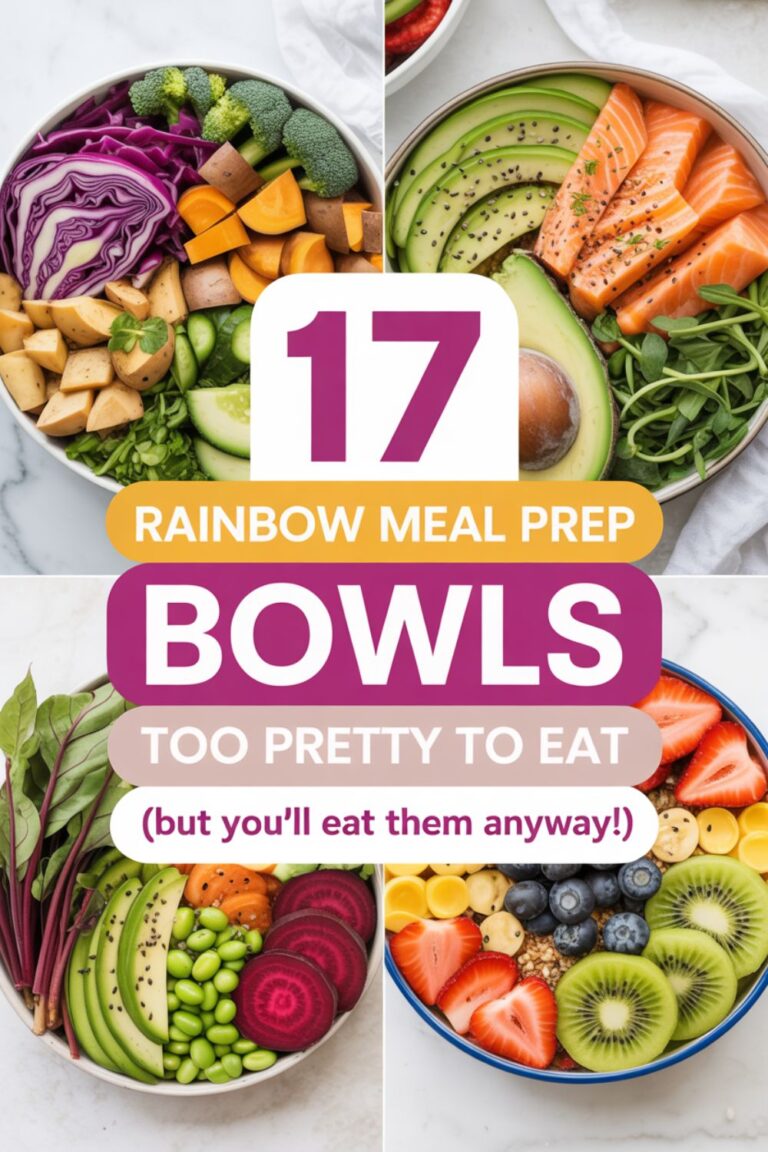
If you’re looking for more inspiration on how to make vegetables the star, check out these colorful meal prep bowls that actually boost motivation. Turns out, eating the rainbow isn’t just good for nutrition—it makes meal prep way less depressing.
20 Balanced Bowls That’ll Change Your Meal Prep Game
Alright, let’s get into the actual bowls. These aren’t complicated. They’re just smart combinations that work.
Mediterranean Power Bowl
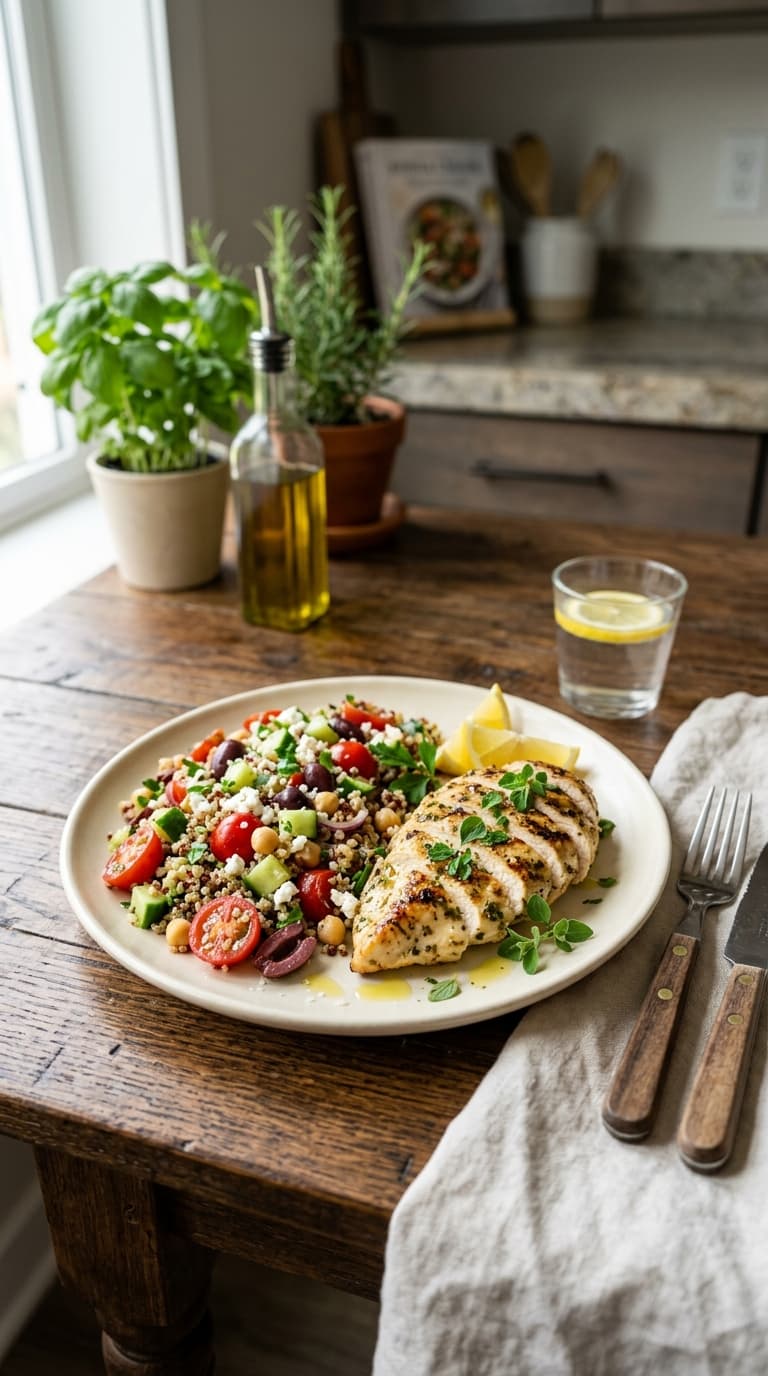
Quinoa, grilled chicken, cucumber, cherry tomatoes, red onion, feta, and a lemon-herb dressing. This is my go-to when I need something light but filling. The feta adds just enough salt, and the lemon keeps everything tasting fresh even on day four.
For a complete Mediterranean approach, you might want to explore this 7-day Mediterranean meal prep plan that includes printables to keep you organized.
Asian-Inspired Teriyaki Bowl
Brown rice, teriyaki salmon or tofu, edamame, shredded cabbage, carrots, and sesame seeds. The sesame dressing makes this. I use this mini whisk for mixing dressings—sounds extra, but it actually emulsifies everything way better than a fork.
Mexican Fiesta Bowl
Black beans, brown rice, grilled chicken or beef, corn, bell peppers, avocado, and salsa. Add some lime juice and cilantro, and you’ve got restaurant-quality food that costs maybe three bucks per serving. Get Full Recipe
“I was skeptical about meal prep because I thought everything would get soggy and gross. These bowl recipes proved me wrong. I’ve been doing variations of these for three months now and I’m down 12 pounds without even trying that hard.”
Buddha Bowl Classic
Sweet potato, chickpeas, kale, quinoa, tahini dressing. This one’s vegetarian and incredibly filling. The tahini sauce is what makes it—creamy, nutty, and it keeps the kale from tasting too, well, kale-like.
Greek Goddess Bowl
Spinach base, quinoa, grilled chicken, cucumber, tomatoes, kalamata olives, hummus, and tzatziki. Two sauces might seem like overkill, but the combo is ridiculously good. Plus, store-bought tzatziki saves you time, and I’m not about to judge.
Speaking of Mediterranean flavors, these Mediterranean bowls you can prep in advance offer even more variations on these flavor profiles.
Protein-Packed Breakfast Bowl
Yes, bowls work for breakfast too. Scrambled eggs, sweet potato hash, black beans, avocado, salsa. Meal prep these in glass containers with dividers and just microwave in the morning. Beats a muffin from the coffee shop by a mile.
Thai Peanut Crunch Bowl
Rice noodles, shredded chicken, red cabbage, carrots, cucumber, peanuts, and peanut sauce. The crunch from the vegetables and peanuts makes this way more interesting than your standard bowl. Just keep the sauce separate until you’re ready to eat.
Harvest Bowl
Farro, roasted butternut squash, Brussels sprouts, dried cranberries, pecans, maple-Dijon dressing. This one’s more fall-vibes, but honestly, it works year-round. The sweet and savory combo hits different.
Quick Win
Invest in a good vegetable chopper. Sounds lazy, but when you’re prepping five different bowls, your hands will thank you. Uniform pieces cook more evenly too.
Taco Tuesday Bowl (Any Day of the Week)
Cilantro-lime rice, seasoned ground turkey, black beans, corn, pico de gallo, Greek yogurt instead of sour cream, cheese. All the taco flavors without the soggy tortilla situation. Get Full Recipe
Korean BBQ-Inspired Bowl
White rice, bulgogi beef, kimchi, sautéed spinach, carrots, fried egg on top. The runny yolk mixing with everything is chef’s kiss. If you’re not into kimchi, just skip it, but it adds this tangy kick that’s worth trying.
For more Asian-inspired options that pack serious protein, check out these high-protein meal prep bowls for the week.
Italian Chicken Bowl
Whole wheat pasta, grilled chicken with Italian seasoning, roasted tomatoes, zucchini, mozzarella, pesto. Basically a deconstructed pasta dish that somehow feels fancier. The pesto makes everything taste expensive.
Cajun Shrimp and Grits Bowl
Creamy grits, Cajun-spiced shrimp, sautéed peppers and onions, green onions. This one takes maybe 15 minutes to prep if you buy pre-cooked grits. Southern comfort food that actually fits your macros.
Quinoa Power Bowl
Tri-color quinoa, grilled steak strips, roasted broccoli, cherry tomatoes, avocado, chimichurri sauce. The chimichurri is key here. You can make a big batch and use it on literally everything for two weeks. Game changer sauce.
Protein Breakfast Scramble Bowl
Scrambled eggs with spinach, turkey sausage, roasted potatoes, bell peppers, salsa verde. Prep everything except the eggs, then just scramble them fresh in the morning. Takes five minutes and beats drive-thru breakfast every time.
More breakfast bowl inspiration? These healthy breakfast bowls you can make ahead will solve your morning rush problems.
Vegan Rainbow Bowl
Brown rice, roasted chickpeas, purple cabbage, shredded carrots, beets, tahini-lemon dressing. The colors alone make this worth making. Plus, chickpeas are cheap and they crisp up beautifully if you roast them right.
“I used to spend so much money on lunch every day. Started making these bowls on Sunday and I’ve saved probably $200 a month. Plus I actually know what’s in my food now. The Mediterranean one is my favorite.”
Salmon and Asparagus Bowl
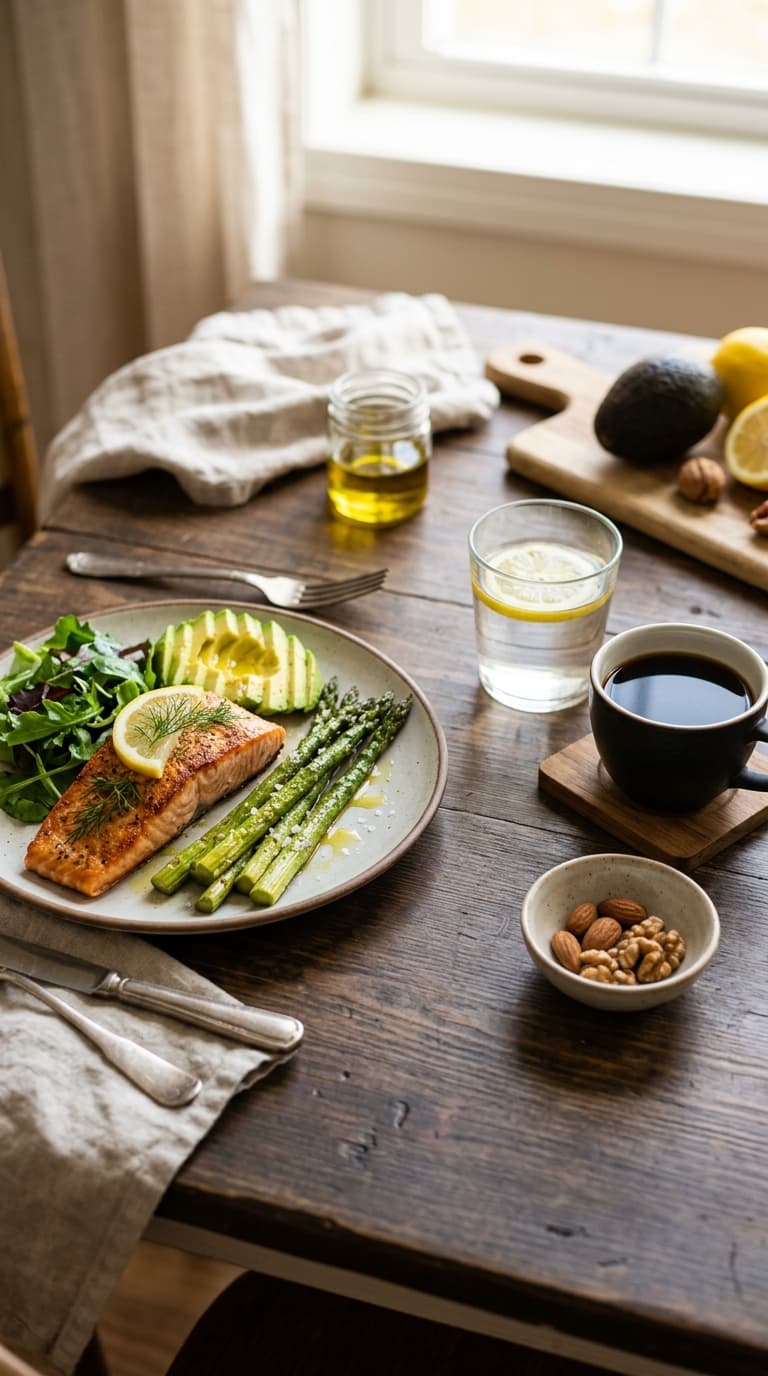
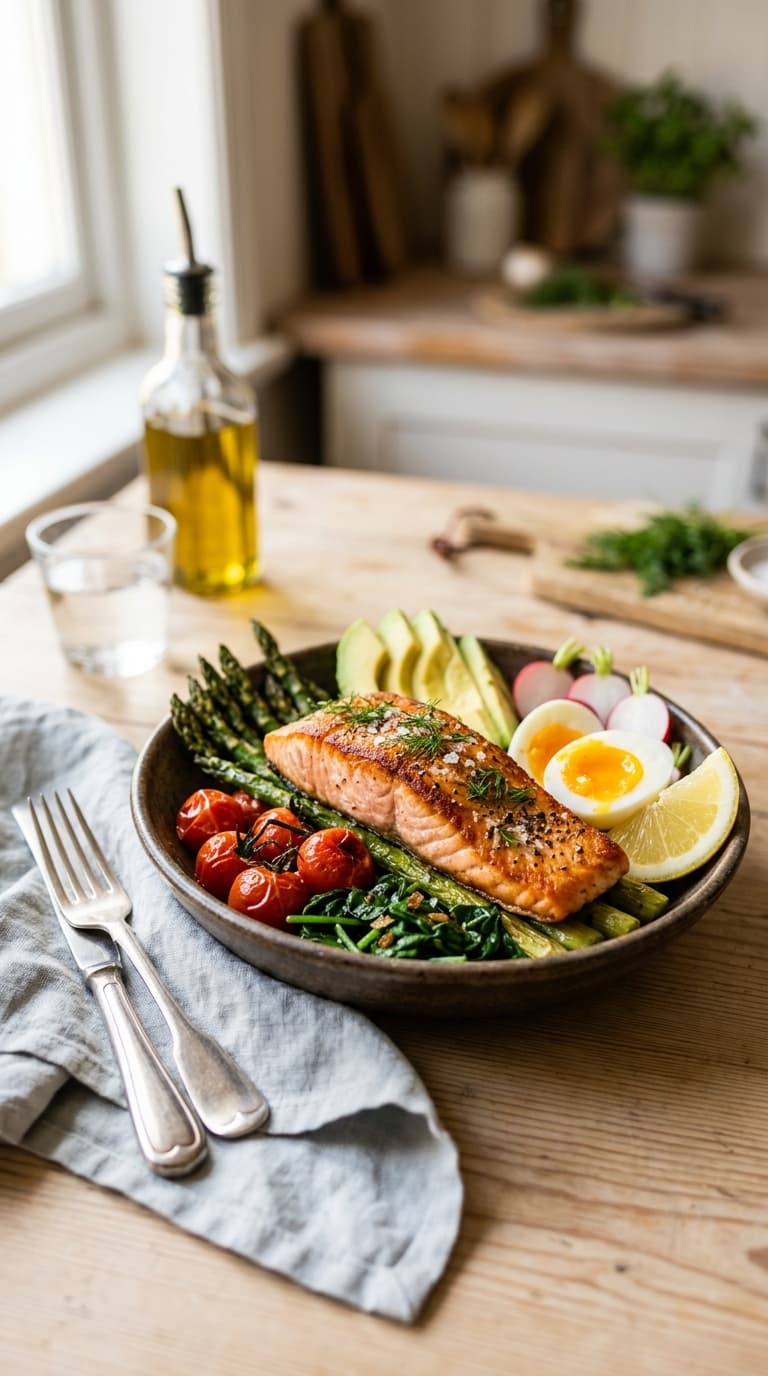
Wild rice, baked salmon, roasted asparagus, cherry tomatoes, lemon-dill sauce. Feels fancy, costs way less than ordering it at a restaurant. The salmon reheats better than you’d think if you don’t overcook it initially.
Spicy Chicken and Rice Bowl
Jasmine rice, spicy grilled chicken thighs, sautéed peppers and onions, corn, avocado, lime crema. The chicken thighs stay way juicier than breasts when you reheat them. That’s the real secret.
Steak Fajita Bowl
Cilantro-lime rice, sliced steak, fajita vegetables, black beans, guacamole, salsa. All the fajita goodness without the tortilla. Use a cast-iron skillet for the vegetables and steak—you get that restaurant-style char. Get Full Recipe
Greek Lemon Chicken Bowl
Orzo pasta, lemon-herb chicken, roasted zucchini, sun-dried tomatoes, feta, Greek dressing. The orzo makes this feel more like a complete meal than rice somehow. Comfort food that doesn’t leave you feeling sluggish.
Southwest Tofu Scramble Bowl
Quinoa, scrambled tofu with turmeric and nutritional yeast, black beans, roasted sweet potatoes, avocado, salsa. Even if you’re not vegan, this one’s worth trying. The tofu scramble has this eggy texture that’s surprisingly good.
If you’re exploring plant-based options, this 7-day vegan meal prep plan with free printable has you completely covered.
Making It Work on a Budget
Real talk: meal prep should save you money, not drain your wallet on fancy ingredients. Here’s how I keep costs down without eating boring food.
Buy proteins on sale and freeze them. I grab chicken thighs when they’re under two bucks a pound, portion them out, and freeze. Same with ground turkey and beef. Your freezer is your best friend here.
Skip the pre-cut vegetables unless you’re genuinely that busy. Yeah, it’s convenient, but you’re paying double for someone else to chop your carrots. Get whole vegetables, put on a podcast, and knock it out in 20 minutes.
Store brands for grains and canned beans are fine. Nobody’s going to taste the difference between name-brand quinoa and the store version. Save your money for quality proteins and produce.
For more budget-friendly strategies, check out these cheap meal prep recipes for a week of healthy eating that won’t break the bank.
Meal Prep Essentials That Make Your Life Easier
Physical Tools
Forget those cheap plastic containers that stain and warp. These glass ones go from fridge to microwave without any weird chemical taste. The lids actually seal, which means no soup explosions in your bag. I’ve had mine for two years and they still look brand new.
This thing cooks rice, beans, and proteins while you’re doing literally anything else. Set a timer, walk away, come back to perfectly cooked food. Makes meal prep feel less like a Sunday commitment and more like background noise.
A sharp knife makes chopping vegetables weirdly satisfying instead of a chore. You don’t need a whole knife block, just one good chef’s knife that you keep sharp. Your prep time will literally cut in half.
Digital Resources
A printable planner that helps you organize your weekly bowls, shopping lists, and macro tracking. Sounds extra, but having everything in one place beats random notes on your phone. Plus it’s reusable.
When you’re tired of the same five bowls, this collection gives you endless rotation options. Organized by diet type, prep time, and cuisine. Makes switching things up actually easy instead of overwhelming.
Tracks your protein, carbs, and fats automatically when you log your bowl components. Saves you from doing mental math every time you eat. The premium version is worth it if you’re serious about nutrition goals.
The Meal Prep Sunday Strategy
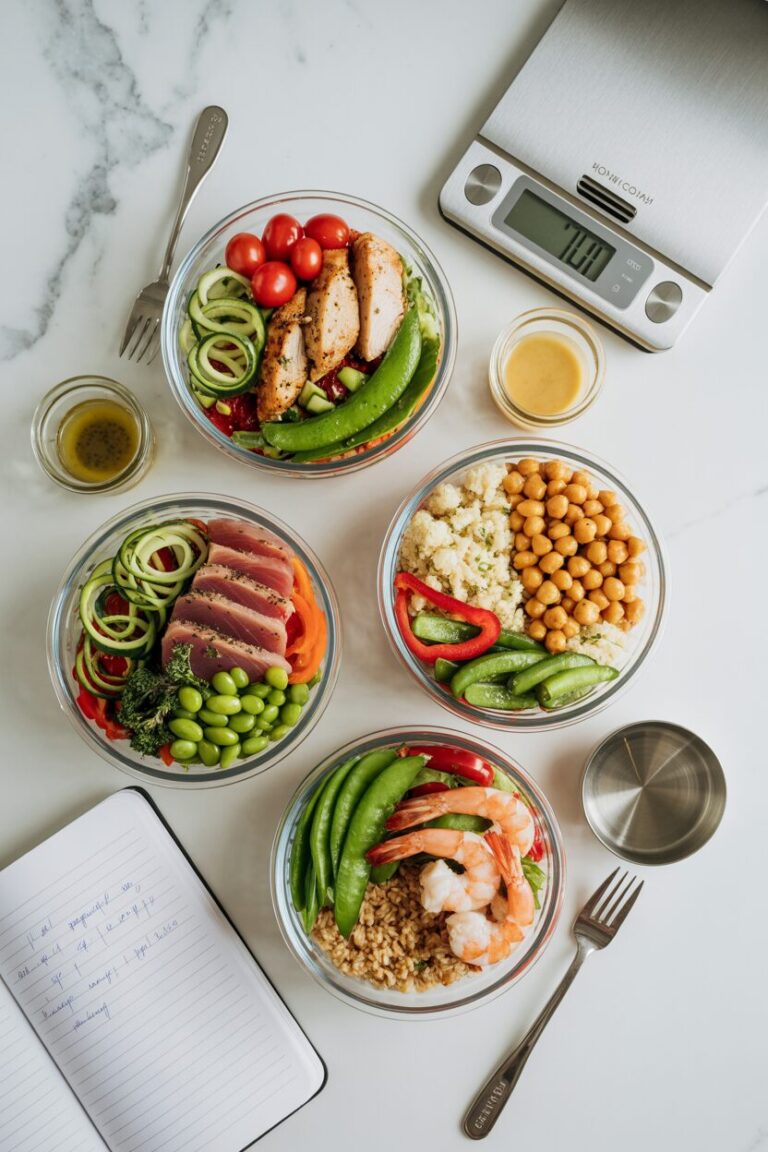
Here’s my exact Sunday routine that gets me through the week without losing my mind. Total time: about two hours, including cleanup.
Step 1: Cook Your Proteins (30 minutes)
Throw chicken in the oven, start rice in the Instant Pot, maybe grill some salmon. Everything happens at once. Use rimmed baking sheets for even cooking and easy cleanup.
Step 2: Prep Your Vegetables (25 minutes)
Chop everything, roast what needs roasting. I do all my roasted vegetables at 425°F for consistency. Cherry tomatoes, Brussels sprouts, sweet potatoes—all go in at the same temp, just different times.
Step 3: Make Your Grains (15 minutes active time)
Most grains are a set-it-and-forget-it situation. Quinoa takes 15 minutes, rice takes 20, farro takes 30. Start the longest one first, then move down the line.
Step 4: Assemble Everything (20 minutes)
This is where having good containers matters. Layer your grains, add proteins, pack vegetables. Keep dressings separate in small 2-ounce containers so nothing gets soggy.
Step 5: Make Your Sauces (10 minutes)
Whip up two or three sauces for variety. Tahini dressing, peanut sauce, chimichurri—they all keep for a week and transform the same base ingredients into completely different meals.
For complete beginner-friendly guidance, these beginner-friendly meal prep ideas require no special tools and walk you through the entire process step by step.
Storage and Reheating Without Ruining Everything
You can prep the best bowl in the world, but if you don’t store it right, you’re eating sad, soggy food by Wednesday. Here’s what actually works.
Glass containers beat plastic every time. They don’t absorb smells, they microwave better, and they last forever. Worth the upfront investment.
Keep wet ingredients separate from dry ones when possible. Salsa, dressings, avocado—these go in separate little containers until you’re ready to eat. Nobody wants mushy lettuce.
Reheat at 50% power for longer rather than full power for less time. Sounds counterintuitive, but your food heats more evenly and proteins don’t turn into rubber.
Some bowls are better cold anyway. Mediterranean bowls, Asian-inspired ones with lots of veggies, poke-style bowls—these actually taste better straight from the fridge.
Pro Tip
Label your containers with the day you’re supposed to eat them. Sounds obvious, but it keeps you from eating Friday’s lunch on Monday and then scrambling later in the week.
Switching It Up So You Don’t Get Bored
The biggest meal prep mistake? Making the same three bowls every single week until you can’t look at chicken and broccoli without wanting to order pizza.
Rotate your proteins weekly. Chicken one week, ground turkey the next, tofu after that, then fish. Same cooking method, different protein, completely different vibe.
Change your sauces and dressings. This is the real game changer. The same chicken and vegetables taste completely different with tahini versus teriyaki versus chimichurri. Stock your fridge with three rotating sauces and you’ll never get bored.
Mix up your grain base. Brown rice is fine, but have you tried farro? Or bulgur? Or even cauliflower rice when you want something lighter? Small changes make a big difference.
Follow seasonal produce. Winter squash in fall, asparagus in spring, zucchini in summer. Not only does this keep things interesting, but seasonal vegetables are cheaper and taste way better.
These aesthetic meal prep ideas that look insanely good prove that food can be both beautiful and practical. Sometimes presentation alone makes you excited to eat your prepped meals.
Common Meal Prep Mistakes (That I Definitely Made)
Let’s talk about what doesn’t work, because I learned all of this the hard way.
Overcomplicating Everything
Your first few weeks? Keep it stupid simple. Three bowls max, ingredients you know how to cook, flavors you already like. You can get fancy later.
Not Tasting as You Go
Season your proteins before cooking them. Taste your sauces before making huge batches. Nothing’s worse than five containers of undersalted, bland food that you’re committed to eating.
Prepping Food You Don’t Actually Like
Just because kale is healthy doesn’t mean you need to force yourself to eat it if you hate it. Find vegetables you actually enjoy. Spinach exists. Arugula is a thing. Life’s too short for food you tolerate.
Forgetting About Texture
Add something crunchy. Nuts, seeds, crispy chickpeas, whatever. All soft food gets depressing fast. Texture variety makes meals more interesting and keeps you from mindlessly eating.
Skipping the Meal Prep Test Run
Make one bowl on a random weeknight before committing to a full week of it. See how it reheats, if you actually like it on day three, if it’s filling enough. Saves you from a week of meals you don’t want to eat.
Making Balanced Bowls Work for Different Diets
The beauty of the bowl formula is it adapts to pretty much any eating style. You’re not locked into one approach.
Keto-Friendly Bowls
Swap the grains for cauliflower rice or skip them entirely. Load up on healthy fats—avocado, nuts, olive oil-based dressings. Your protein and vegetable ratios shift, but the concept stays the same.
Check out these keto meal prep ideas to stay on track for low-carb variations that actually keep you satisfied.
Vegan and Vegetarian Options
Replace animal proteins with tofu, tempeh, beans, lentils, or chickpeas. The protein amounts might need tweaking to hit your targets, but it’s totally doable. Add nutritional yeast for a cheesy flavor and B vitamins.
These plant-based bowls make healthy eating easy without any animal products while keeping you full and energized.
High-Protein Focus
Double your protein portions, add Greek yogurt-based sauces, throw in some hard-boiled eggs. Easy tweaks that significantly boost your protein without changing the fundamental bowl structure.
For serious protein goals, these 30g protein meal prep bowls are specifically designed to hit higher protein targets without feeling forced.
Calorie-Conscious Bowls
Reduce your grain portions, increase your vegetables, choose leaner proteins. Use spray oil for roasting instead of pouring it. Small adjustments add up without making you feel deprived.
These meal prep bowls under 400 calories prove you don’t need to eat huge portions to stay satisfied.
Frequently Asked Questions
How long do meal prep bowls actually stay fresh in the fridge?
Most cooked proteins and grains stay good for 4-5 days when stored properly in airtight containers. If you’re prepping for the full week, make your Monday-Wednesday bowls as usual, then prep Thursday-Friday bowls on Wednesday evening. Takes 20 minutes and ensures everything tastes fresh.
Keep raw ingredients like avocado and leafy greens separate and add them fresh each day for best results.
Can I freeze meal prep bowls?
Yes, but choose your components wisely. Cooked grains, proteins, and most roasted vegetables freeze great. Things that don’t freeze well: lettuce, cucumbers, tomatoes, avocado, and cream-based sauces.
Freeze bowls in individual portions, thaw overnight in the fridge, and reheat as needed. This extends your meal prep to 2-3 months instead of just one week.
What if I don’t have time for a full Sunday meal prep session?
Split it up. Cook proteins Monday night, prep vegetables Wednesday, assemble bowls Thursday. Or start with just prepping three bowls instead of seven—having half the week covered is better than winging it every day.
These lazy girl meal prep bowls are designed for minimal effort but maximum results.
How do I prevent my meal prep bowls from getting soggy?
Store wet and dry ingredients separately. Keep dressings, salsas, and sauces in small containers until you’re ready to eat. For bowls with lettuce or fresh vegetables, pack those separately and add them right before eating.
Also, make sure everything is completely cooled before sealing containers. Hot food creates condensation, which equals soggy meals.
What’s the best way to reheat meal prep bowls without drying them out?
Microwave at 50% power for 2-3 minutes rather than full power for 1 minute. Add a tablespoon of water or broth before reheating to create steam. Remove any fresh vegetables or greens first and add them back after heating.
Some bowls taste better cold anyway—Mediterranean, Asian-inspired, and grain salad bowls are often perfect straight from the fridge.
Final Thoughts on Making Meal Prep Actually Sustainable
Here’s what nobody tells you about meal prep: perfection is the enemy of consistency. You’re not trying to win a food photography contest or impress anyone on social media. You’re trying to feed yourself nutritious food without thinking about it every single day.
Some weeks you’ll nail it—five beautiful bowls ready to go, perfectly balanced macros, Instagram-worthy presentation. Other weeks you’ll throw some chicken and vegetables into containers and call it good enough. Both versions work. Both versions are better than takeout three times a week because you’re too tired to cook.
The bowls that work are the ones you’ll actually eat. Not the ones that look prettiest or have the most exotic ingredients. The ones that fit your budget, your schedule, and your actual taste preferences.
Start with two or three bowls this week. See what works, what doesn’t, what you’d change. Build from there. Meal prep is a practice, not a perfect system you unlock on week one.
And honestly? The real benefit isn’t just the money you save or the calories you control. It’s the mental space you get back from not making food decisions when you’re already exhausted. That’s worth way more than any perfectly assembled Buddha bowl.