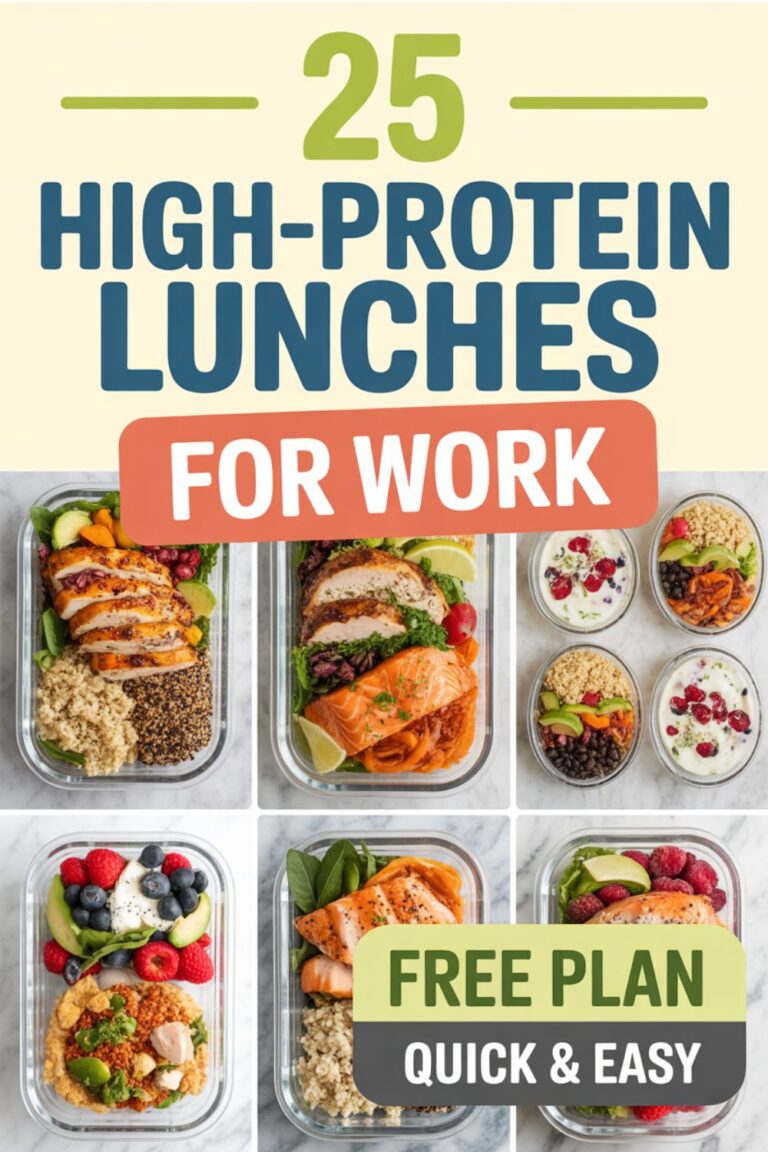
22 Rotating Bowls You’ll Never Get Tired Of
Let’s be real—eating the same grilled chicken and broccoli combo for the fifth day in a row is enough to make anyone lose their meal prep motivation. You start Monday fired up, and by Wednesday you’re staring into the fridge wondering why you thought beige food was a sustainable life choice.
Here’s the thing: meal prep doesn’t have to feel like punishment. The secret isn’t cooking harder, it’s cooking smarter with a rotation strategy that actually keeps your taste buds interested. I’m talking about 22 rotating bowls that you can mix, match, and cycle through without ever feeling like you’re stuck in a culinary time loop.
These aren’t your basic Pinterest fails that look gorgeous but taste like cardboard. These are real, flavor-packed bowls that hold up in the fridge, reheat like champions, and—most importantly—you’ll actually want to eat them on day four. Whether you’re meal prepping for fat loss, muscle gain, or just trying to stop hemorrhaging money on lunch, having a solid rotation changes everything.

Why Rotating Your Meal Prep Bowls Actually Matters
You know that feeling when you open the same container for the third day running and your brain just… checks out? That’s food fatigue, and it’s the number one reason people quit meal prepping before they even see results.
According to Harvard’s School of Public Health, maintaining variety in your meal prep isn’t just about boredom—it’s about ensuring you get a diverse range of nutrients. When you rotate your bowls strategically, you’re naturally cycling through different vitamins, minerals, and phytonutrients your body needs.
I learned this the hard way after two weeks of turkey and sweet potato bowls. My taste buds staged a full rebellion, and I found myself ordering Thai food at 9 PM because the thought of reheating another identical container made me want to cry. Rotation saves your sanity and your wallet.
The beauty of having 22 different bowl recipes in your arsenal? You can prep 3-4 varieties each week, eat them for a few days, then switch it up the following week. You’re never eating the same thing for more than a couple of days, but you’re also not spending your entire Sunday cooking 15 different meals like some kind of kitchen martyr.
Pro Tip
Prep your bases in bulk (quinoa, brown rice, roasted sweet potatoes) on Sunday, then rotate your proteins and toppings throughout the week. Same foundation, completely different flavor profiles.
The Anatomy of a Perfect Rotating Bowl
Before we dive into the actual bowl ideas, let’s talk construction. A bowl that works for meal prep needs to tick some very specific boxes, and I’m not just talking about macros here.
The Foundation Layer
This is your complex carb base—think quinoa, brown rice, farro, cauliflower rice, or roasted sweet potato cubes. The foundation needs to hold moisture without getting soggy, which is why I avoid regular pasta for meal prep unless it’s heavily dressed.
My personal favorite? Farro. It’s chewy, nutty, and honestly doesn’t care if it sits in your fridge for four days. I cook it in vegetable broth using this Instant Pot and it comes out perfect every time without me having to babysit a stovetop.
The Protein Powerhouse
This is where meal prep either thrives or dies. Your protein needs to be interesting enough to eat repeatedly but simple enough to batch cook. Research from the National Institutes of Health shows that home-cooked proteins generally contain fewer additives and allow for better portion control than restaurant or pre-packaged options.
I rotate between baked chicken thighs (way more forgiving than breasts), ground turkey cooked with different spice blends, baked tofu, hard-boiled eggs, and canned wild salmon. Yeah, canned salmon. Don’t @ me—it’s budget-friendly, high in omega-3s, and when you mix it with the right seasonings, nobody’s judging.
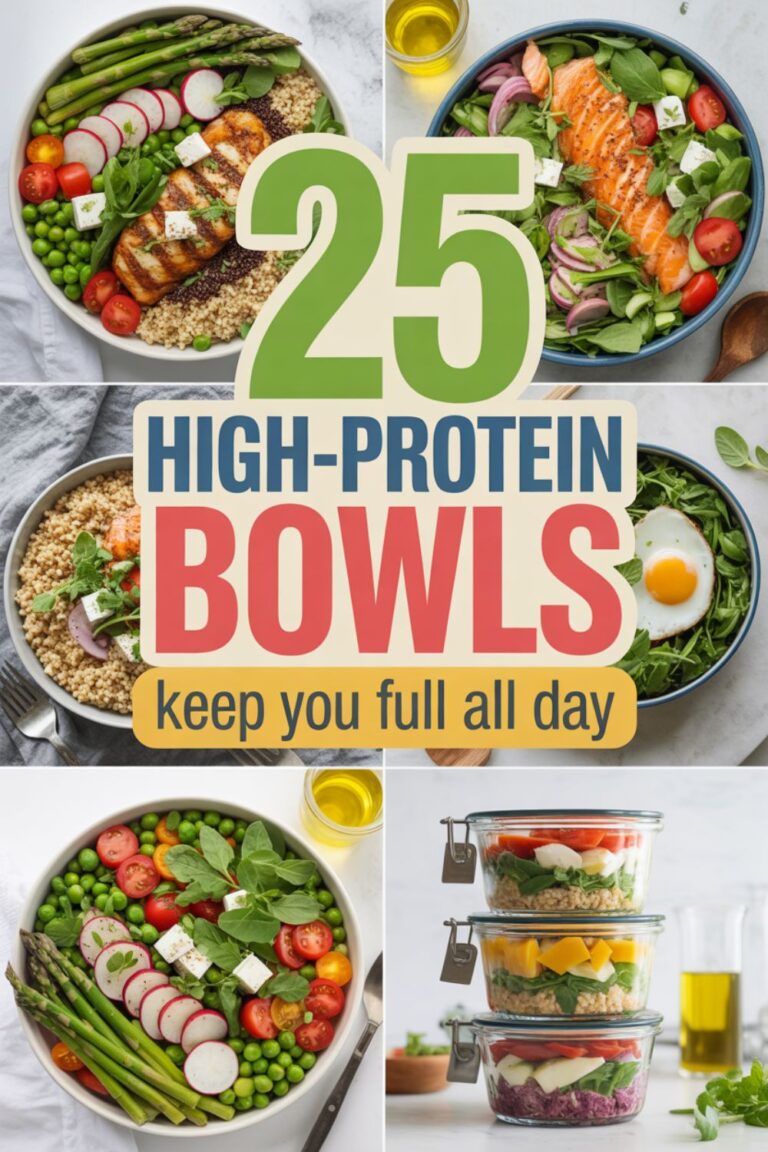
Speaking of protein-packed options, if you’re looking for more high-protein inspiration, check out these 21 high-protein meal prep bowls that make hitting your macros actually enjoyable.
The Veggie Situation
This is where color and nutrition collide. I try to get at least three different colored vegetables into each bowl because it looks pretty and ensures I’m getting different nutrients. Plus, colorful food just makes you want to eat it more—there’s actual psychology behind this.
Roasted vegetables are my MVPs: broccoli, bell peppers, zucchini, Brussels sprouts, and cherry tomatoes all handle the reheat like champs. I toss them in avocado oil, season aggressively (garlic powder, smoked paprika, salt, pepper), and roast on these silicone baking mats that make cleanup stupidly easy.
The Flavor Factor
Here’s where most people fumble. You can have the perfect macro split, but if your bowl tastes like depression, you’re not going to eat it. Sauces, dressings, and toppings are non-negotiable.
I keep these in separate small containers and add them when I’m ready to eat. A drizzle of tahini, a spoonful of chimichurri, some pickled red onions, or a handful of toasted pepitas can completely transform the same base ingredients into something you’re genuinely excited about.
“I used to dread opening my meal prep containers, but once I started rotating my bowls and actually seasoning things properly, it became the easiest part of my week. Lost 18 pounds without feeling like I was dieting at all.” – Jessica M., from our community
22 Rotating Bowl Ideas That Actually Deliver
Alright, let’s get into the good stuff. I’m breaking these down by flavor profile so you can strategically rotate without feeling like you’re eating the same thing with minor variations.
Mediterranean Vibes (Bowls 1-5)
1. Classic Greek Bowl: Quinoa, grilled chicken, cucumber, cherry tomatoes, Kalamata olives, red onion, feta, tzatziki sauce. This is the one I make when I need something that feels fresh but still substantial.
2. Falafel Power Bowl: Spinach and arugula base, baked falafel (I use this mix because making them from scratch is lovely in theory but exhausting in practice), roasted red peppers, chickpeas, tahini drizzle, pickled turnips.
3. Lemon Herb Salmon Bowl: Brown rice, baked salmon, roasted asparagus, artichoke hearts, sun-dried tomatoes, lemon-dill yogurt sauce. The salmon reheats better than you’d think if you don’t overcook it initially.
For more Mediterranean-inspired combinations, you might love these quick Mediterranean meal prep ideas and these 25 Mediterranean bowls you can prep in advance.
4. Shakshuka-Inspired Bowl: Cauliflower rice, poached eggs (I reheat them gently), sautéed bell peppers and tomatoes with cumin and paprika, crumbled feta, fresh parsley. This one’s more of a breakfast-for-dinner situation, but it works.
5. Hummus Abundance Bowl: Mixed greens, roasted chickpeas, cucumber, shredded carrots, beets, a big scoop of hummus, and za’atar seasoning. Vegetarian, filling, and proof that you don’t need meat to feel satisfied.
Asian-Inspired Rotation (Bowls 6-10)
6. Teriyaki Chicken Bowl: Jasmine rice, teriyaki chicken thighs, edamame, shredded purple cabbage, carrots, sesame seeds, green onions. I make my teriyaki sauce in bulk and it keeps for weeks.
7. Korean Beef Bowl: White rice, ground beef cooked with ginger, garlic, and coconut aminos, kimchi, cucumber, soft-boiled egg, gochujang mayo. This hits that savory-spicy sweet spot perfectly.
8. Thai Peanut Tofu Bowl: Rice noodles, baked tofu, bell peppers, snap peas, shredded cabbage, peanut sauce, crushed peanuts, lime wedge. The peanut sauce recipe I use comes together in this mini food processor in about 90 seconds.
9. Miso-Glazed Eggplant Bowl: Soba noodles, miso-glazed eggplant, sautéed bok choy, mushrooms, scallions, sesame oil drizzle. Vegetarian and deeply satisfying.
10. Vietnamese-Style Bowl: Vermicelli noodles, lemongrass chicken, pickled carrots and daikon, cucumber, fresh herbs (mint, cilantro, Thai basil), fish sauce dressing, crushed peanuts.
If Asian-inspired bowls are your thing, these lazy girl meal prep bowls include some flavor-packed options that require minimal effort.
Quick Win
Batch cook your proteins with neutral seasonings, then add flavor-specific sauces when assembling each bowl. One batch of chicken becomes Greek, teriyaki, or buffalo depending on what you’re craving.
Mexican-Inspired Bowls (Bowls 11-15)
11. Burrito Bowl Classic: Cilantro-lime rice, black beans, seasoned ground turkey, pico de gallo, corn, avocado, Greek yogurt, hot sauce. This is comfort food that happens to be healthy.
12. Carnitas Bowl: Cauliflower rice, slow-cooker pork carnitas, black beans, roasted poblano peppers, pico, cotija cheese, lime crema. The carnitas freeze beautifully, FYI.
13. Taco Salad Bowl: Romaine, seasoned ground beef, black beans, corn, tomatoes, cheddar, crushed tortilla chips, salsa ranch. I keep the chips separate until eating day because soggy chips are a crime.
14. Chicken Fajita Bowl: Brown rice, fajita-seasoned chicken, sautéed peppers and onions, black beans, guacamole, salsa. The peppers and onions get even better after marinating in their juices for a day.
15. Verde Chicken Bowl: Quinoa, shredded chicken in salsa verde, pinto beans, roasted sweet potato, pickled jalapeños, cilantro-lime dressing. Tangy, slightly spicy, completely addictive.
Kitchen Tools That Make Rotating Bowls Way Easier
After years of meal prepping, these are the tools I genuinely use every single week. No fluff, just the stuff that actually earns its counter space.
Physical Products:
- Glass Meal Prep Containers (5-pack) – I’ve tried every container under the sun, and glass just performs better. No staining, no weird plastic taste, and they actually last.
- Digital Kitchen Scale – If you’re tracking macros or just want consistent portions, this is non-negotiable. Mine cost $15 and has survived three years of daily use.
- Sheet Pan Set (3 sizes) – Most of these bowls involve roasting something, and having multiple sheet pans means you can cook different components simultaneously without flavor crossover.
Digital Resources:
- Meal Prep Template Bundle – Printable planning sheets that help you rotate recipes, track what you’ve made, and create shopping lists. Saves me at least 30 minutes every Sunday.
- Macro Calculator & Tracking App – Takes the guesswork out of portion sizes and helps you balance your rotating bowls nutritionally.
- Rotating Bowl Recipe eBook – 50+ additional bowl recipes with macro breakdowns, shopping lists, and step-by-step instructions. Worth every penny if you want even more variety.
Comfort Food Rotation (Bowls 16-18)
16. Buffalo Chicken Bowl: Romaine, buffalo chicken, celery, carrots, cherry tomatoes, blue cheese crumbles, ranch dressing. All the flavor of wings without the mess and regret.
17. BBQ Pulled Pork Bowl: Sweet potato mash, pulled pork, coleslaw, pickled red onions, BBQ sauce, cilantro. This tastes like summer cookouts but fits your macros.
18. Sausage and Veggie Bowl: Roasted potatoes, chicken sausage, bell peppers, onions, zucchini, garlic aioli. Simple, satisfying, and reminds me of those sheet pan dinners my mom used to make.
Looking for more comfort food vibes that still align with your goals? Check out these weight loss meal prep bowls that don’t feel like diet food.
Breakfast Bowls (Bowls 19-22)
19. Savory Breakfast Bowl: Quinoa, scrambled eggs, roasted cherry tomatoes, sautéed spinach, avocado, everything bagel seasoning. Game-changer for people who are tired of sweet breakfasts.
20. Sweet Potato Hash Bowl: Sweet potato hash, turkey sausage, scrambled eggs, peppers, onions, hot sauce. Stick-to-your-ribs breakfast that reheats perfectly.
21. Greek Yogurt Power Bowl: Greek yogurt base, berries, granola, almond butter, chia seeds, honey drizzle. I keep the granola separate because nobody wants soggy cereal.
22. Protein Oat Bowl: Overnight oats made with protein powder, almond butter, banana, cinnamon, a handful of dark chocolate chips. Cold breakfast that you can grab and go.
For more morning inspiration, these high-protein breakfast preps will give you even more options to rotate through.
“I rotate through about 15 different bowls depending on the season and what’s on sale. My grocery bill dropped by $200 a month, and I actually enjoy eating healthy now. The variety is everything.” – Marcus T., meal prep enthusiast
How to Actually Implement a Rotation System
Having 22 bowl recipes is great, but if you’re standing in your kitchen on Sunday feeling paralyzed by choice, we’ve got a problem. Here’s how I structure my rotation without overthinking it.
The Weekly Theme Approach
Pick a theme for the week—Mediterranean, Asian, Mexican, whatever you’re feeling—and prep 3-4 bowls from that category. This simplifies your shopping list because you’re buying similar ingredients, and it keeps your flavor profiles cohesive.
Next week, switch to a different theme. You’re still getting massive variety over the month, but each individual prep session is more streamlined. Less decision fatigue, better execution.
The Mix-and-Match Strategy
This is for people who get bored easily (guilty). Prep your bases, proteins, and vegetables separately, then mix and match throughout the week based on what you’re craving.
For example, I might cook quinoa, brown rice, and sweet potatoes on Sunday. Then I’ll have grilled chicken, ground turkey, and baked tofu as proteins. Roast three types of vegetables. Suddenly I can create multiple bowl combinations from the same base ingredients just by changing up sauces and toppings.
These dump and build meal prep bowls work perfectly with this strategy—you literally just dump ingredients together and you’re done.
The Freezer Bank Method
This is next-level but genuinely life-changing. Every time you make one of these bowls, double the batch and freeze half. Label everything clearly (I use these freezer labels that actually stick).
After a few weeks, you’ll have a freezer full of diverse options. Didn’t feel like prepping this week? Pull out three different frozen bowls and you’re set. It’s like a meal prep savings account.
Pro Tip
Keep a running list on your phone of which bowls you’ve made and when. Rate them 1-5 stars. After a few months, you’ll know exactly which recipes deserve regular rotation and which ones were one-hit wonders.
Common Rotating Bowl Mistakes (And How to Avoid Them)
I’ve made every meal prep mistake in the book, so let me save you some frustration and questionable leftovers.
Mistake #1: Not Seasoning Enough
Listen, salt is not your enemy. Neither is garlic powder, cumin, smoked paprika, or any other spice that makes food taste like actual food. The number one reason meal prep fails is because people make bland food in the name of “clean eating” and then can’t understand why they’d rather eat a gas station burrito than their carefully portioned containers.
Season your proteins while cooking. Season your vegetables before roasting. Add finishing salt to your grains. According to Cleveland Clinic’s nutrition experts, properly seasoned home-cooked meals are more likely to be consumed and enjoyed, which is kind of the whole point.
Mistake #2: Choosing the Wrong Vegetables
Not all vegetables handle meal prep equally. Delicate greens like spinach turn into swamp sludge. Cucumbers get weird after a few days. Tomatoes release moisture and make everything soggy.
Stick with hardy vegetables that hold their texture: broccoli, cauliflower, Brussels sprouts, bell peppers, green beans, carrots, beets. Add delicate ingredients like avocado or fresh greens right before eating.
Mistake #3: Overdoing It Week One
I see this all the time. Someone gets inspired, spends six hours making 47 different recipes, burns out completely, and orders DoorDash for the next two weeks.
Start with 2-3 bowl recipes per week. Master those. Get comfortable with the process. Then expand. Meal prep is a marathon, not a sprint, and you’re not getting bonus points for complexity.
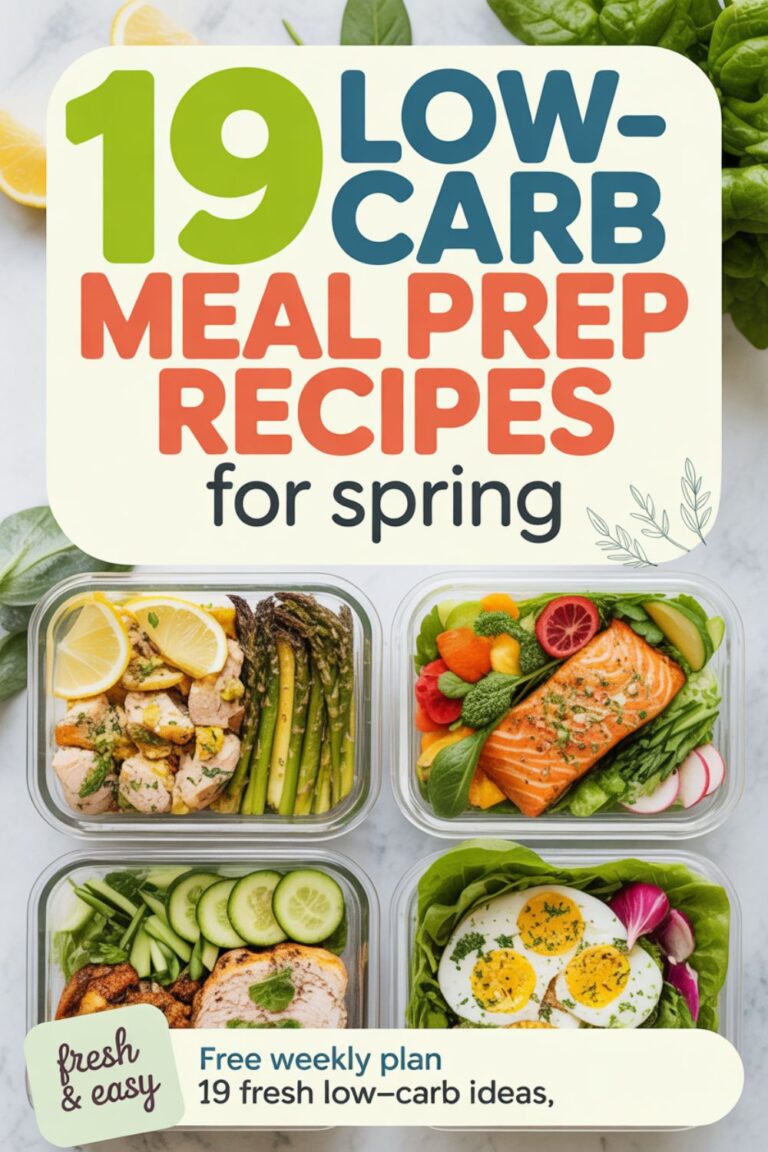
If you’re just starting out, check out these beginner-friendly meal prep ideas that don’t require special equipment or advanced cooking skills.
Mistake #4: Ignoring Personal Preference
Just because quinoa is trendy doesn’t mean you have to eat it if you think it tastes like dirt. If you hate Brussels sprouts, don’t force yourself to meal prep them. Build your rotations around foods you actually enjoy.
The best meal prep plan is the one you’ll actually follow, which means it needs to align with your taste preferences, not what some influencer says is optimal.
Maximizing Nutrition While Rotating Your Bowls
One of the sneaky benefits of rotating through 22 different bowls? You’re automatically getting nutritional diversity without having to obsess over it.
Different colored vegetables provide different phytonutrients. Rotating protein sources ensures you’re getting various amino acid profiles and micronutrients. Even switching up your grain bases means you’re accessing different types of fiber and minerals.
Research published in the American Journal of Lifestyle Medicine shows that people who practice home meal preparation consume more nutrient-dense foods and have better overall diet quality compared to those who rely on restaurant meals and convenience foods.
The Mediterranean bowls give you healthy fats from olive oil and omega-3s from fish. The Asian-inspired bowls often include probiotic-rich fermented ingredients like kimchi. The Mexican bowls pack in fiber from beans and sweet potatoes. You’re basically creating a well-rounded nutrition plan without needing a degree in dietetics.
For balanced, nutritious options that travel well, these meal prep bowls that travel well for work maintain their nutritional value and don’t turn into a soggy mess by lunchtime.
Budget-Friendly Rotating on a Tight Schedule
Real talk: meal prepping saves money, but only if you’re strategic about it. You can’t just buy every exotic ingredient and expect your grocery bill to shrink.
I build my rotations around overlapping ingredients. If I’m making Greek bowls and Mediterranean bowls in the same month, I’m using the same cucumbers, tomatoes, and feta in different applications. If I’m doing Mexican and Southwest bowls, I’m repurposing the same bell peppers and black beans.
Buy proteins when they’re on sale and freeze them. Stock up on canned goods—beans, tomatoes, coconut milk—when they’re discounted. Use seasonal produce because it’s cheaper and tastes better anyway.
These cheap meal prep recipes prove you don’t need a massive budget to eat well all week.
Also, don’t sleep on grocery store rotisserie chickens. At like $5-7 each, you’re getting shredded chicken for multiple bowls without turning on your oven. I use these meal prep containers with dividers to keep components separate, which means I can repurpose proteins across different flavor profiles throughout the week.
Frequently Asked Questions
How long do meal prep bowls actually stay fresh?
Most properly stored meal prep bowls stay fresh for 3-4 days in the fridge. Seafood-based bowls should be consumed within 2-3 days, while vegetarian grain bowls can sometimes last up to 5 days. The key is using airtight containers and keeping your fridge at or below 40°F. If you want longer storage, freeze portions in freezer-safe containers for up to 3 months.
Do I need to eat the same bowl multiple days in a row?
Absolutely not—that’s the whole point of the rotation system. Prep 3-4 different bowls on Sunday, store them in separate containers, and alternate throughout the week. This prevents food fatigue while still giving you the efficiency of batch cooking. You can eat Bowl A on Monday, Bowl B on Tuesday, Bowl A again on Wednesday, and so on.
What’s the best way to reheat meal prep bowls without them getting gross?
Add a tablespoon of water or broth before microwaving to prevent drying out, and heat in 60-second intervals, stirring between each one for even heating. For crispy elements like roasted vegetables, reheat in a toaster oven or air fryer instead. Keep sauces, dressings, and delicate toppings separate until you’re ready to eat.
How do I prevent meal prep burnout?
Start small with just 2-3 recipes per week instead of trying to prep every single meal. Rotate your flavor profiles weekly so you’re not eating the same cuisine seven days straight. Keep it simple—complicated recipes might look impressive but they’re not sustainable long-term. Also, give yourself permission to order takeout occasionally without guilt.
Can I meal prep if I’m feeding a family with different preferences?
Yes, using the mix-and-match strategy works great for families. Prep neutral bases (rice, quinoa, potatoes) and proteins, then let everyone customize with their preferred vegetables, sauces, and toppings. You can also prep “deconstructed” bowls where components are stored separately and everyone builds their own bowl at mealtime. It takes a bit more planning but keeps everyone happy.
Making Rotation Work for Your Lifestyle
Here’s what nobody tells you about meal prep: there’s no one-size-fits-all approach. The system that works for a single person with a 9-to-5 job is going to look completely different from what works for someone with three kids and irregular work hours.
Maybe you can only dedicate Sunday afternoons to prep. Fine—focus on 2-3 bowls that will carry you through the busy weekdays, and save more elaborate cooking for a weeknight when you have time. Or maybe you prefer to prep components on Sunday and assemble fresh meals each morning. Also valid.
The rotating bowl concept is flexible enough to accommodate pretty much any schedule or preference. The core principle remains the same: variety prevents boredom, preparation prevents poor food choices, and rotation keeps it all sustainable.
I’ve been rotating through variations of these 22 bowls for over two years now. Some weeks I nail it and have five perfect containers lined up. Other weeks I throw together a lazy version of one bowl and call it a win. Both scenarios are infinitely better than the days when I was winging it, spending too much money on mediocre lunch options, and wondering why I couldn’t stick to my goals.
For practical layout ideas that make meal prep feel less overwhelming, check out these Pinterest-inspired meal prep layouts that actually work in real life.
Final Thoughts: Your Bowl Rotation Game Plan
If you take nothing else from this article, remember this: sustainable meal prep is about progress, not perfection. You don’t need to execute all 22 bowls perfectly. You don’t need Instagram-worthy containers or a pristine kitchen setup.
Start with three bowls. Master those. Add variety as you build confidence. Pay attention to which recipes you genuinely enjoy and which ones sounded good in theory but you’d rather not eat again. Your rotation should evolve based on your actual preferences, seasonal ingredients, and what’s on sale at the grocery store.
The beauty of having this many options is that you’re never locked into one approach. Feeling Mediterranean this week? Cool. Want to switch to Asian-inspired bowls next week? Go for it. Need something comforting because life is stressful? The buffalo chicken bowl has your back.
Meal prep isn’t about restriction or eating the same boring food forever. It’s about strategic variety that makes healthy eating the path of least resistance. When your fridge is stocked with diverse, flavorful options that you actually want to eat, making good choices becomes automatic instead of agonizing.
So grab your containers, pick your first three bowls, and start building a rotation that works for your life. Your future self—the one who’s not standing in front of the fridge at 8 PM wondering what’s for dinner—is going to thank you.