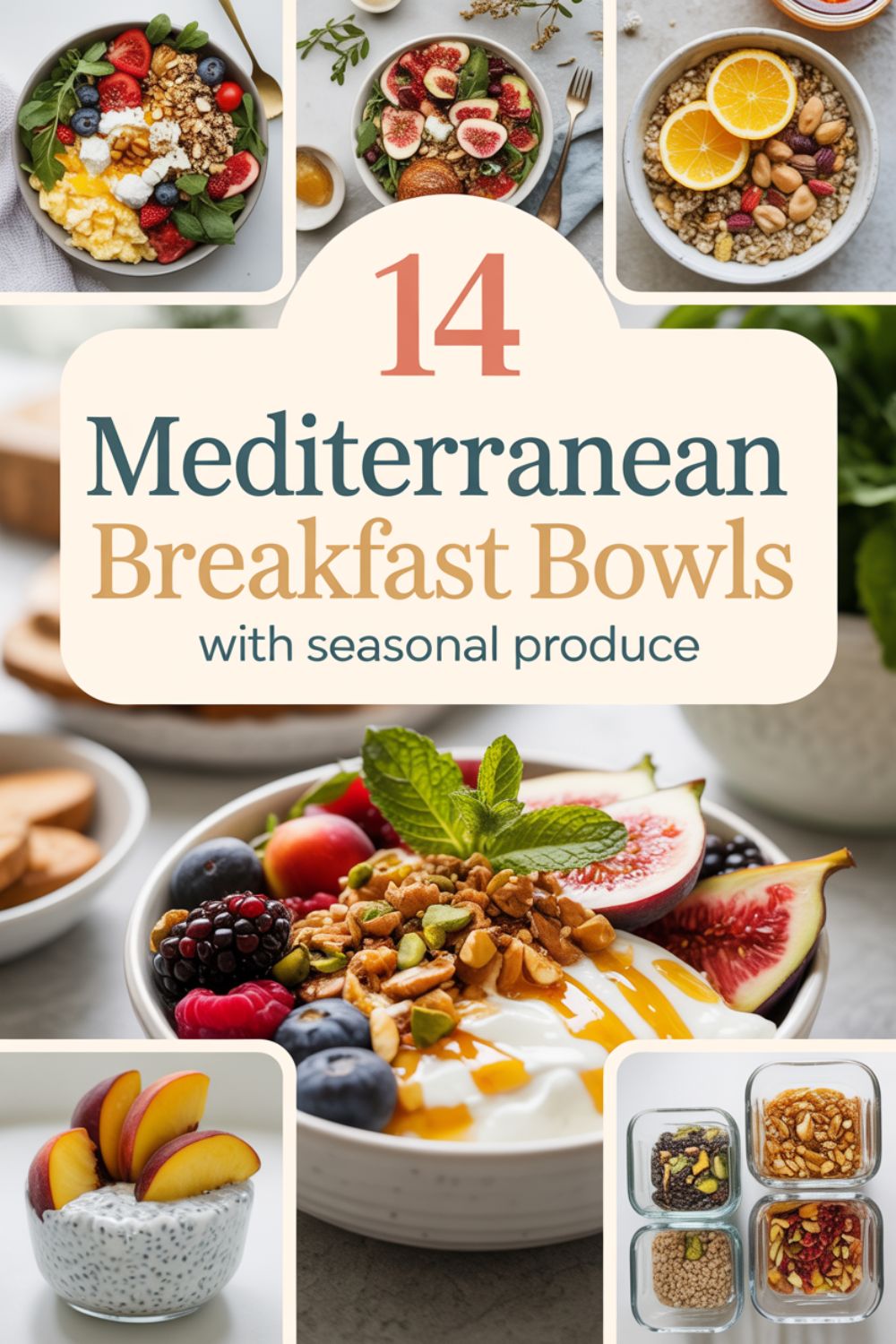
14 Mediterranean Breakfast Bowls with Seasonal Produce
Look, I’m not going to pretend that waking up to assemble a picture-perfect breakfast bowl is everyone’s idea of a good time. But here’s the thing about Mediterranean breakfast bowls—they’re basically the lazy person’s ticket to eating like you have your life together. Toss whatever seasonal produce is looking good at the market into a bowl with some olive oil, herbs, and maybe a soft-boiled egg, and suddenly you’re living that sun-soaked Greek island lifestyle. Minus the actual sunshine and the ferries, obviously.
The beauty of these bowls is that they’re wildly flexible. Got a sad-looking tomato that’s about to turn? Bowl it. Found some gorgeous spring asparagus at the farmer’s market? Bowl it. Winter citrus looking extra vibrant? You guessed it—bowl it. The Mediterranean diet isn’t about following some rigid rulebook; it’s about using what’s fresh, what tastes good, and what doesn’t require you to be a professional chef to pull off.
And before you roll your eyes at another “clean eating” trend, hear me out. Research consistently shows that Mediterranean eating patterns reduce cardiovascular disease risk by about 25% and support better weight management. That’s not some influencer making wild claims—that’s actual science from Harvard’s nutrition department.
Why Seasonal Produce Actually Matters (And It’s Not Just Hype)
I used to think the whole “eat seasonally” thing was just food blogger theatrics. Then I accidentally bought sad winter strawberries in February and realized those summer berries I took for granted were actually…good? Seasonal produce that ripens naturally packs significantly more vitamins and antioxidants than stuff picked early and shipped across continents.
Here’s what actually happens when you eat with the seasons: you save money (supply and demand, baby), you get better flavor (tomatoes that actually taste like tomatoes, revolutionary), and you inadvertently rotate your nutrients throughout the year. Winter citrus gives you vitamin C when you need it most, summer berries deliver antioxidants, fall squash loads you up with beta-carotene before cold season hits.
Plus, building your bowls around what’s currently abundant means you’re not overthinking it. See gorgeous cherries in June? Make a cherry-almond breakfast bowl. Spot fresh pomegranates in November? Pomegranate-walnut bowl. It’s meal planning for people who hate meal planning.
The Base Layer: Getting Your Foundation Right
Every solid Mediterranean breakfast bowl starts with a base that does some heavy nutritional lifting. I’m talking Greek yogurt, labneh, hummus, or even leftover quinoa from last night’s dinner (no judgment). The goal is something creamy or grain-based that’ll hold everything else together and keep you full until lunch.
Greek yogurt is the obvious hero here—protein-packed, probiotic-rich, and thick enough that your toppings won’t just sink to the bottom like a sad yogurt parfait. I get the full-fat version because I’m not interested in eating things that taste like disappointment. The fat helps you absorb those fat-soluble vitamins from your fruits and veggies anyway.
For something savory, labneh (which is basically extra-strained yogurt cheese) gives you that tangy, spreadable situation that pairs beautifully with roasted vegetables. You can find it at Middle Eastern markets, or make your own with a cheesecloth and some patience.
Grain bases work brilliantly too. Farro, bulgur, or freekeh bring nutty flavor and serious staying power. Cook a big batch on Sunday, and you’ve got breakfast bases sorted for the week. If you’re going the grain route, I highly recommend this 8-quart Instant Pot—one-button grain cooking without babysitting a stovetop.
Spring Bowls: When Everything Tastes Like Possibility
Spring is criminally underrated for breakfast bowls. Everyone’s obsessed with summer berries, but spring gives you fresh peas, asparagus, strawberries, and radishes—ingredients that actually wake you up instead of weighing you down.
Strawberry-Pistachio Bowl: Greek yogurt, sliced strawberries, crushed pistachios, a drizzle of honey, and torn mint leaves. Sounds bougie, takes three minutes. The pistachios add that satisfying crunch you’d normally get from granola, but with way more flavor and healthy fats.
Asparagus-Egg Bowl: Sautéed asparagus (just toss spears in olive oil and good sea salt for like four minutes), soft-boiled egg, crumbled feta, lemon zest. This one’s savory perfection and basically tastes like spring decided to have breakfast with you.
For those mornings when you want something lighter, try a Pea-Ricotta Bowl. Blend fresh or frozen peas with a bit of lemon juice and olive oil until smooth, swirl in some ricotta, top with radish slices and mint. It’s green, it’s fresh, and it definitely doesn’t taste like you’re eating a salad for breakfast.
Speaking of egg preparations, if you’re tired of rubbery hard-boiled situations, get yourself one of these egg cookers. Perfect soft-boiled eggs every single time, and you don’t have to stand there timing anything.
Summer Abundance: When the Bowls Build Themselves
Summer is basically Mediterranean breakfast bowl training wheels. Everything’s ripe, everything’s sweet, and you can’t really mess it up unless you’re actively trying. Berries, stone fruits, figs, tomatoes, cucumbers—it’s all fair game.
My go-to summer rotation includes a Peach-Almond Bowl that I could eat every day and not get sick of. Thick Greek yogurt, sliced peaches, toasted almonds (toasting them makes a huge difference, FYI), a tiny drizzle of honey, and some fresh basil if I’m feeling fancy. The basil sounds weird but trust me—it works.
For savory summer mornings, nothing beats a Tomato-Cucumber Bowl. Chopped heirloom tomatoes, diced cucumber, kalamata olives, crumbled feta, olive oil, oregano, and a piece of toasted whole grain bread on the side for scooping. It’s basically a deconstructed Greek salad that counts as breakfast. I use this ceramic mixing bowl set for both prep and serving—pretty enough for photos, sturdy enough for actual use.
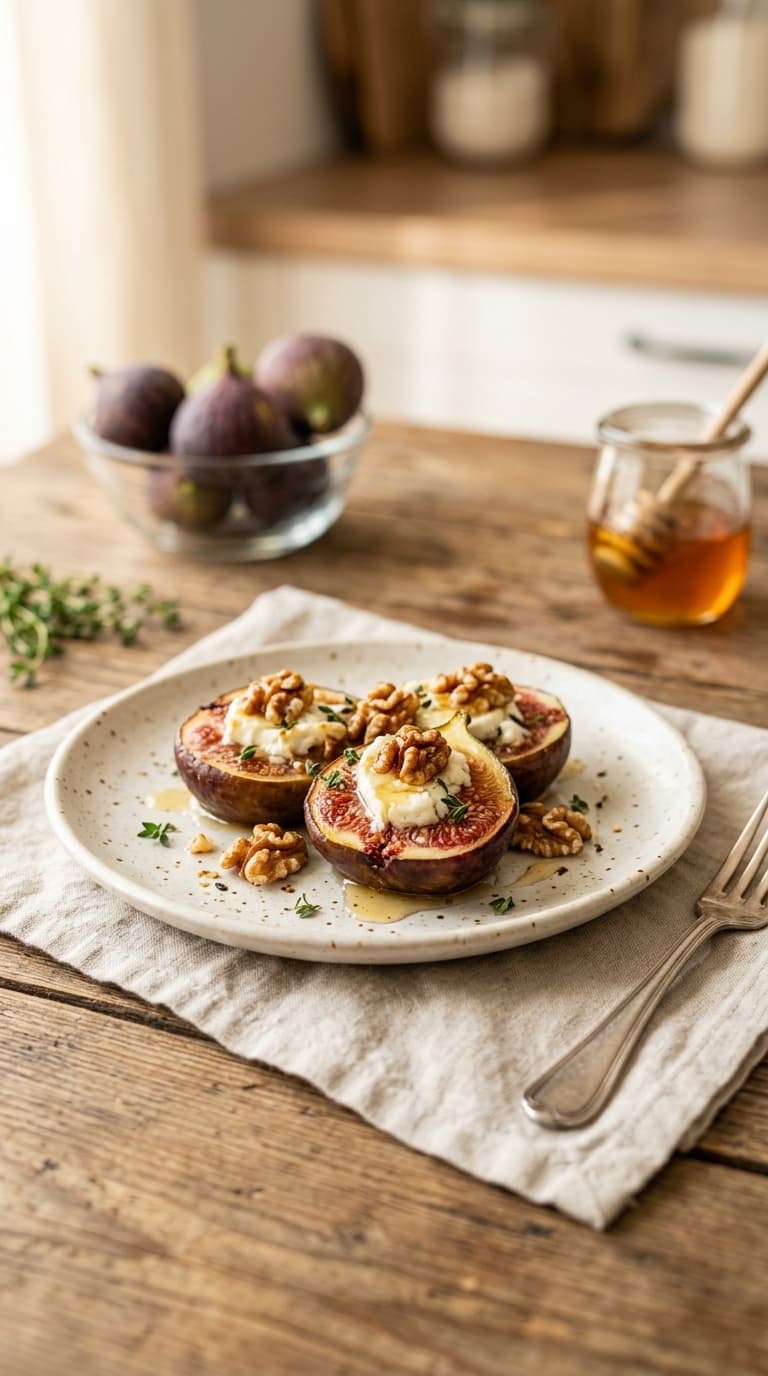
Fig-Walnut Bowl is peak summer luxury. Fresh figs (when they’re in season for about five minutes), toasted walnuts, a drizzle of balsamic glaze, yogurt or ricotta. If you want to get really extra, add a tiny sprinkle of black pepper. Sounds pretentious, tastes incredible.
If you haven’t tried the Mediterranean meal prep approach, summer’s the time to start. When produce is abundant and cheap, you can prep components in bulk without feeling like you’re eating the same thing all week.
Fall Flavors: Getting Cozy Without Getting Heavy
Fall breakfast bowls hit different. You’ve got apples, pears, pomegranates, persimmons, figs (the second crop), and if you’re feeling adventurous, roasted squash. Yes, squash for breakfast. Stay with me.
The Apple-Cinnamon Bowl is non-negotiable once September hits. Sautéed apple slices (I use a 10-inch cast iron skillet with a bit of coconut oil), cinnamon, walnuts, yogurt, and maybe some granola if you’re into that. It tastes like apple pie decided to be healthy for once.
Pomegranate-Orange Bowl brings that jewel-toned situation everyone’s posting on Pinterest. Pomegranate arils, orange segments, pistachios, honey, and Greek yogurt. Bonus: pomegranate seeds make you feel like you’re eating fancy even if you’re still in your pajamas. Pro tip: de-seed pomegranates underwater in a bowl to avoid the whole crime-scene-kitchen situation.
For something unexpected, try Roasted Butternut Squash Bowl. Cube butternut squash, toss with olive oil and cinnamon, roast until caramelized, then top with tahini drizzle, pepitas, and a handful of arugula. Savory, sweet, satisfying, and nothing like the oatmeal you’ve been eating since October started.
Looking for more inspiration? Check out these Mediterranean breakfast meal preps that work beautifully with fall ingredients.
Winter Citrus: Bright Spots in Dark Mornings
Winter breakfast bowls require a bit more creativity, but that’s when citrus becomes your best friend. Blood oranges, grapefruit, clementines, pomelos—all at their peak when everything else looks sad and brown.
The Blood Orange-Pistachio Bowl is visually stunning and tastes like you imported sunshine from Sicily. Segment the oranges (yes, it’s annoying, but worth it), add crushed pistachios, a drizzle of honey, yogurt, and fresh mint. The color alone will convince you that winter isn’t completely hopeless.
Grapefruit-Avocado Bowl sounds weird but works shockingly well. Grapefruit segments, sliced avocado, hemp hearts, a squeeze of lime, pinch of sea salt. It’s the breakfast version of that grapefruit-avocado salad everyone makes, minus the lettuce you’d have to pretend to care about.
For something warming, try Citrus-Spiced Quinoa Bowl. Cook quinoa with orange zest and cinnamon, top with orange segments, toasted almonds, Greek yogurt, and a drizzle of maple syrup. It’s like oatmeal grew up and got interesting.
Winter’s also perfect for make-ahead Mediterranean bowls since you’re probably not running out to farmer’s markets in freezing weather anyway.
The Toppings That Make or Break Your Bowl
Real talk: the base and produce are important, but toppings are where breakfast bowls go from “fine” to “I’d actually wake up early for this.” You need crunch, healthy fats, and flavor bombs.
Nuts and seeds are non-negotiable. Almonds, walnuts, pistachios, pine nuts, hemp hearts, chia seeds, pumpkin seeds—all bring different flavors and textures. I keep a lazy Susan with small jars of different nuts and seeds so I can mix and match without digging through cabinets.
Good olive oil isn’t just for cooking. A drizzle of high-quality extra virgin olive oil on a savory bowl elevates everything. Same with tahini, honey, or balsamic glaze. These aren’t garnishes—they’re the difference between eating breakfast and actually enjoying it.
Fresh herbs matter more than you think. Mint, basil, cilantro, dill—they brighten everything and make your bowl taste restaurant-quality instead of “I threw things in a bowl.” Keep them in a herb keeper so they last more than three days.
And if you’re adding cheese (which you should be on savory bowls), go for feta, ricotta, or grated halloumi. The Mediterranean diet includes moderate dairy, and these cheeses pack way more flavor per calorie than your average shredded cheddar situation.
Making This Work in Real Life
The Pinterest version of Mediterranean breakfast bowls involves perfectly arranged components and natural lighting. The real-life version involves using whatever’s about to go bad in your produce drawer and assembling it while your coffee brews.
Batch prep your components. Cook a big batch of grains on Sunday. Wash and chop your produce. Toast your nuts. Store everything in clear glass containers so you can actually see what you have. Then morning assembly takes maybe three minutes.
Embrace frozen produce when seasonal stuff isn’t available or affordable. Frozen berries, peas, and even artichokes work beautifully and sometimes have more nutrients than “fresh” produce that’s been sitting around for weeks. Just don’t tell the food purists.
Keep a running grocery list. When you’re out of pistachios or your honey jar’s empty, write it down immediately. I use one of those magnetic notepads on the fridge because I’ll absolutely forget otherwise.
For more ideas on making Mediterranean eating sustainable long-term, these high-protein meal prep bowls use similar principles with even more staying power.
When Sweet Meets Savory: The Best of Both Worlds
One of the best things about Mediterranean breakfast bowls is that you don’t have to pick a lane. Some mornings you want something sweet and fruit-forward. Other days you need savory sustenance that feels like actual food. And sometimes you want both in the same bowl.
Savory-Sweet Combos to Try:
- Roasted Beet-Orange Bowl: Roasted beets, orange segments, goat cheese, pistachios, arugula, balsamic glaze
- Sweet Potato-Apple Bowl: Roasted sweet potato cubes, apple slices, tahini drizzle, cinnamon, walnuts
- Tomato-Peach Bowl: Cherry tomatoes, sliced peaches, burrata, basil, olive oil, sea salt (sounds insane, tastes amazing)
These combinations work because Mediterranean cuisine has always played with sweet and savory elements. Honey on cheese, figs with prosciutto, dates stuffed with nuts—it’s built into the culinary DNA.
If you’re looking for more boundary-pushing ideas, check out these lazy girl meal prep bowls that prove effort and results aren’t always proportional.
Kitchen Tools That Make These Bowls Actually Happen
You don’t need a fully stocked Williams Sonoma kitchen, but a few key tools make the difference between “I’ll make a bowl” and “I’ll just grab a granola bar.”
- Wide Shallow Bowls (Set of 4) – The Instagram-worthy ones that make your breakfast look intentional
- High-Speed Blender – For turning nuts into butter, making creamy dressings, or blending frozen fruit
- Glass Meal Prep Containers – Clear so you see what you prepped, safe for freezer/microwave, lasts forever
- Seasonal Produce Guide PDF – Printable chart of what’s in season when, organized by region
- Mediterranean Breakfast Bowl Template – Mix-and-match formula for building balanced bowls without thinking
- 30-Day Bowl Challenge Workbook – Daily bowl ideas, shopping lists, and habit tracker to build the routine
Getting Creative with Leftovers
Here’s something nobody tells you: yesterday’s dinner makes excellent breakfast bowl components. Leftover roasted vegetables? Bowl them. Extra grilled chicken? Chop it up and add it. That random tablespoon of quinoa in the fridge? Use it.
Some of my best breakfast bowls have come from “what needs to get eaten before it goes bad” rather than following any specific recipe. Roasted chickpeas from last night’s dinner add protein and crunch. Sautéed greens that were a side dish become breakfast when you add a fried egg and feta.
This is how people in actual Mediterranean countries eat—using what’s available, what’s fresh, what didn’t get finished yesterday. The whole bowl concept is just an American way of packaging something they’ve been doing forever.
For more ideas on using what you’ve got, these dump and build meal prep bowls embrace the same philosophy.
The Protein Situation
Greek yogurt packs solid protein, but if you need more staying power, you’ve got options. Eggs are the obvious choice—soft-boiled, poached, fried, scrambled, whatever. A single egg adds 6 grams of protein and makes any bowl feel more substantial.
Nuts and seeds contribute some protein, though not as much as people think. Still, a quarter cup of almonds adds about 6 grams, plus healthy fats that keep you full. Hemp hearts are protein powerhouses at 10 grams per 3 tablespoons, and they blend into bowls invisibly.
For plant-based protein, chickpeas are your friend. Roast them crispy for a crunchy topping, or mash them with lemon and olive oil for a savory spread. White beans work too—pureed with garlic and herbs, they make a creamy base similar to hummus.
And if you’re really serious about protein, add a scoop of unflavored collagen powder to sweet bowls. It dissolves completely and adds 18 grams without changing the flavor. I was skeptical but it actually works.
For those chasing specific protein targets, these 30g protein meal prep bowls show you how to hit those numbers without protein powder in every meal.
Common Mistakes (That I Definitely Haven’t Made Repeatedly)
Let’s talk about what doesn’t work, so you can skip the learning curve I suffered through.
Too much liquid turns your bowl into soup. If you’re using yogurt, stick to thick Greek yogurt or labneh. If you’re adding fruit, pat it dry if it’s been sitting in its own juice. Wet breakfast bowls are depressing.
Not enough fat means you’re hungry again in an hour. The Mediterranean diet isn’t low-fat—it’s healthy-fat. Olive oil, nuts, seeds, avocado, these aren’t optional garnishes. They’re what make the meal work.
Skipping the salt on savory bowls is a crime against flavor. Fruit needs salt too, actually. A tiny pinch on strawberries or watermelon intensifies their sweetness. It’s weird but it works.
Buying terrible olive oil and wondering why everything tastes flat. You don’t need the $40 bottle, but the $4 bottle probably isn’t doing you any favors either. Get something that actually tastes like olives, not vegetable oil with green food coloring.
Not toasting your nuts is leaving flavor on the table. Five minutes in a dry skillet transforms almonds from “meh” to “oh, that’s why people like these.” Same with seeds. Toast everything.
Budget-Friendly Bowl Building
Mediterranean breakfast bowls can be expensive if you’re buying out-of-season imported figs and fancy imported feta. Or they can be super affordable if you’re smart about it.
Buy seasonal produce because it’s cheaper when it’s abundant. Those $8/pint blueberries in February? Skip them. Wait for summer when they’re $3/pint and actually taste like something.
Freeze your own fruit when it’s in season and on sale. Buy extra berries, stone fruits, even banana chunks. Spread on a baking sheet, freeze, transfer to bags. Now you have “fancy” smoothie bowl ingredients for months at regular-season prices.
Make your own yogurt if you eat a lot of it. An instant pot makes yogurt stupidly easy, and you’ll save probably $15/week if you’re a heavy user. Plus you can control the thickness and sweetness.
Buy bulk nuts and seeds from warehouse stores or the bulk bins at health food stores. The markup on those tiny packages is ridiculous. Store extras in the freezer to keep them fresh.
More budget-conscious ideas in these meal prep bowls under 400 calories that prove healthy eating doesn’t require premium prices.
The Anti-Recipe Recipe
Here’s the formula for building your own bowls without following specific recipes like you’re in culinary school:
Base (choose one): Greek yogurt, labneh, ricotta, hummus, cooked grain, mashed avocado
Seasonal produce (1-3 types): Whatever looks good and is actually in season where you live
Protein (optional but recommended): Egg, nuts, seeds, chickpeas, white beans, cheese
Crunch (choose 1-2): Toasted nuts, seeds, granola, roasted chickpeas, chopped vegetables
Flavor finishers (at least one): Olive oil, tahini, honey, balsamic glaze, lemon juice, sea salt, fresh herbs, spices
Mix and match based on what you have, what sounds good, and what needs to get eaten before it goes bad. That’s it. That’s the whole system.
For visual meal preppers, check out these aesthetic meal prep ideas that show you exactly what balanced bowls look like assembled.
Frequently Asked Questions
Can I meal prep Mediterranean breakfast bowls for the whole week?
Absolutely, but with some strategy. Prep your base components separately—cook grains, wash and chop produce, portion yogurt into containers, toast nuts. Assemble fresh each morning or the night before for best texture. Prepared bowls last 3-4 days max in the fridge, but components last longer when stored separately.
Are Mediterranean breakfast bowls good for weight loss?
They can be, especially when you focus on whole ingredients, moderate portions, and include protein and healthy fats for satiety. Mediterranean eating patterns have been linked to better weight management and reduced inflammation. The key is building balanced bowls that keep you full, not grazing all morning because you only ate fruit.
What if I don’t like Greek yogurt?
Try labneh, ricotta, or cottage cheese for creamy bases. For savory bowls, use hummus, mashed avocado, or cooked grains like quinoa or farro. You can also blend white beans with lemon juice and olive oil for a yogurt-like texture without dairy.
How do I know what produce is actually in season?
Shop at farmer’s markets where everything available is in season locally. Or use online seasonal produce guides specific to your region—the USDA has a good one. Generally: spring is greens and strawberries, summer is berries and stone fruits, fall is apples and squash, winter is citrus.
Can kids eat these breakfast bowls?
Definitely. Let them build their own with pre-prepped components—kids are way more likely to eat food they assembled themselves. Start with familiar fruits and gradually introduce new ingredients. The yogurt base makes it feel like dessert, which helps with the whole “eating vegetables for breakfast” situation.
Final Thoughts (Because Every Article Needs One)
Mediterranean breakfast bowls aren’t revolutionary. They’re just a practical way to eat more whole foods, use seasonal produce, and start your day with something that tastes good and keeps you full. No magic, no miracle cures, just vegetables and protein in a bowl.
The best part? You can start tomorrow with whatever’s in your fridge right now. Got yogurt and some sad-looking berries? That’s a bowl. Have leftover quinoa and half an avocado? Also a bowl. The barrier to entry is literally just owning a bowl.
Stop overthinking it. Grab whatever seasonal produce looks decent, add something creamy or grain-based, top with crunch and flavor, eat it. That’s the whole thing. And if it doesn’t look Instagram-perfect on your first try, who cares? You’re eating breakfast like people in one of the world’s healthiest regions, not competing in a food styling competition.
Now go make yourself a bowl that doesn’t taste like cardboard and obligation. You deserve better than sad cereal and instant regret.