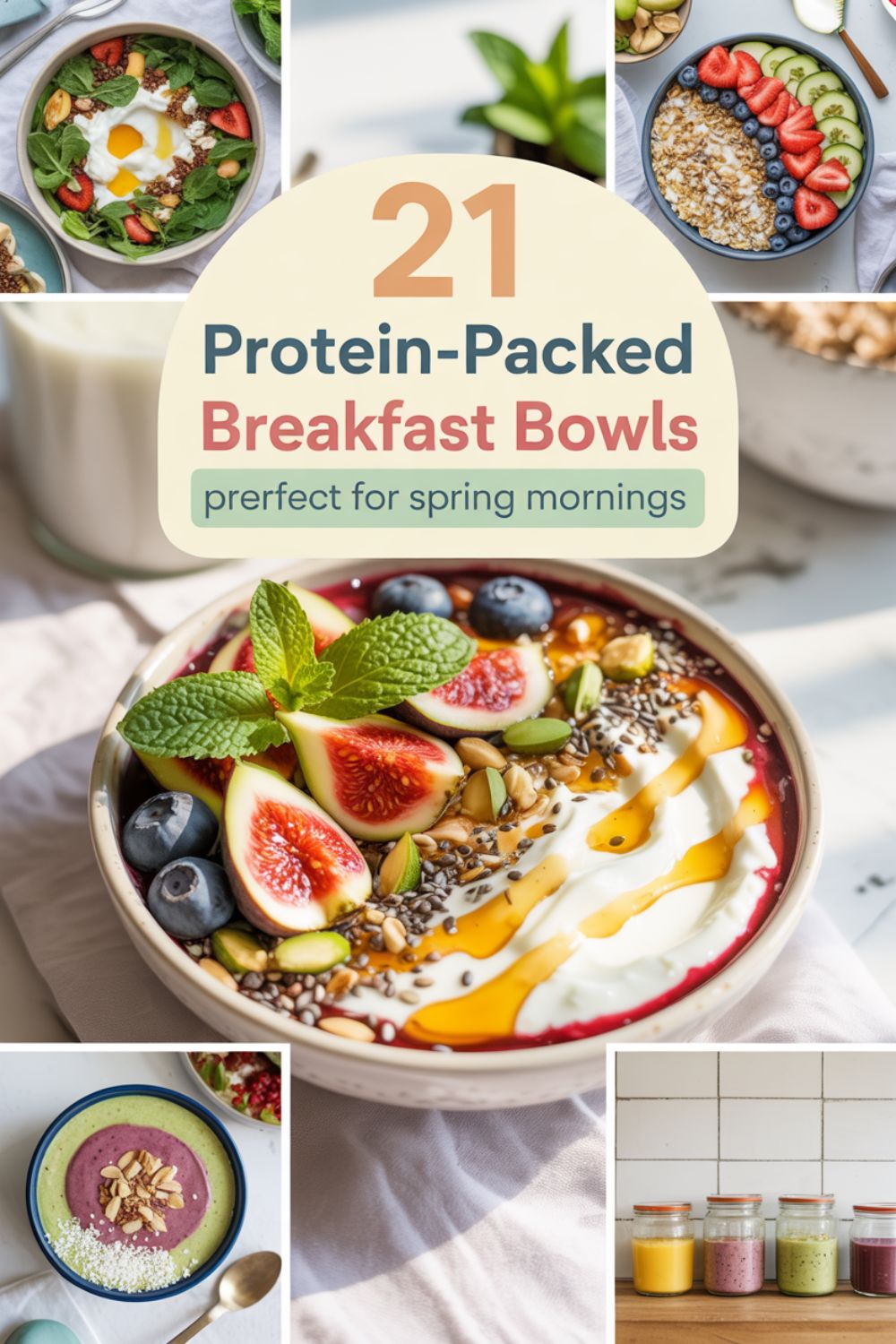
21 Protein-Packed Breakfast Bowls for Spring Mornings
Spring mornings hit different when you’ve got a breakfast bowl that actually keeps you full past 10 AM. I’m talking real protein here—none of that sugary cereal nonsense that leaves you face-planting into the office vending machine by mid-morning.
Here’s the thing about protein at breakfast: research shows it doesn’t just curb hunger—it literally changes how your body regulates appetite throughout the entire day. We’re talking reduced ghrelin (that annoying hunger hormone), increased satiety signals, and way less evening snacking on junk you don’t even want.
I’ve pulled together 21 breakfast bowls that pack serious protein without tasting like cardboard. These recipes use spring produce at its peak, require minimal morning brain power, and most can be prepped ahead. Because let’s be honest—nobody’s spiralizing vegetables at 6 AM on a Tuesday.
Why Protein Matters More Than You Think
Most people load up on protein at dinner and barely scrape together 10 grams at breakfast. That’s backwards, and your muscle mass knows it. According to nutritional research, distributing protein evenly throughout the day—starting with breakfast—significantly improves muscle protein synthesis compared to loading it all in one meal.
The magic number? Aim for 25-35 grams of protein at breakfast. That’s not some arbitrary figure I pulled out of thin air. Studies on appetite control consistently show this range triggers the hormonal cascade that keeps you satisfied for hours, not minutes.
And before you worry about getting bored, these bowls rotate through Greek yogurt, eggs, cottage cheese, quinoa, and even some sneaky plant-based options. You won’t be choking down the same thing every morning like some kind of breakfast robot.
The Spring Breakfast Bowl Blueprint
Building a breakfast bowl isn’t rocket science, but there’s a rhythm to it. Start with your protein foundation, add some complex carbs for sustained energy, throw in healthy fats, then pile on whatever spring produce looks good at the market.
I use these glass meal prep containers for everything—they’re microwave-safe, don’t stain, and the lids actually stay on in your bag. Total game-changer for taking bowls to work.
The Four-Layer Formula
- Protein base (25-35g): Greek yogurt, cottage cheese, eggs, tofu scramble, or cooked quinoa mixed with protein powder
- Complex carbs: Oats, sweet potato chunks, whole grain toast cubes, or farro
- Healthy fats: Nuts, seeds, avocado, nut butter, or a drizzle of olive oil
- Spring produce: Berries, sliced peaches, asparagus, peas, radishes, or fresh herbs
This formula keeps your blood sugar stable and your energy consistent. No weird crashes, no sudden need to nap under your desk.
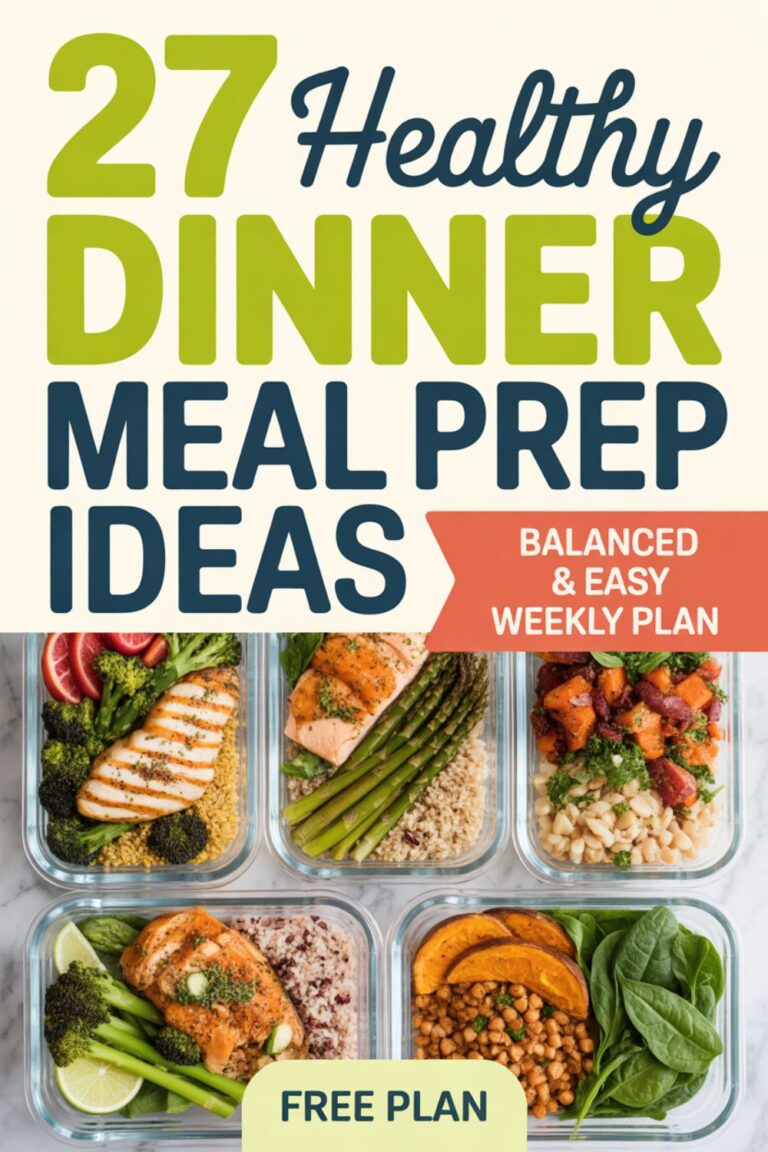
If you’re loving the breakfast bowl concept, you’ll want to check out these high-protein breakfast preps or try these make-ahead breakfast recipes that follow the same time-saving philosophy.
21 Breakfast Bowls That Actually Deliver
1. Greek Yogurt Power Bowl
Two cups of full-fat Greek yogurt (20g protein right there), topped with sliced strawberries, a handful of granola, chia seeds, and almond butter. The yogurt provides probiotics alongside protein, and the combination of textures keeps things interesting.
I make my own granola in this half-sheet pan because store-bought versions are basically candy. Oats, nuts, a touch of maple syrup, done.
2. Savory Quinoa Breakfast Bowl
Cooked quinoa (8g protein per cup) topped with two poached eggs, roasted asparagus, cherry tomatoes, feta cheese, and everything bagel seasoning. This one’s for people who can’t handle sweet breakfast every single day.
Quinoa prep is stupidly simple in a rice cooker. Set it, forget it, wake up to perfectly fluffy quinoa that’ll last all week.
3. Cottage Cheese Berry Blast
Two cups cottage cheese (28g protein), mixed berries, honey drizzle, crushed walnuts, and fresh mint. Cottage cheese gets a bad rap for being boring, but when you load it with toppings, it’s actually excellent.
The protein-to-calorie ratio in cottage cheese is legitimately unbeatable. Plus, the casein protein digests slowly, keeping you full longer than whey-based options.
4. Scrambled Egg Veggie Bowl
Three scrambled eggs (18g protein), sautéed spinach, mushrooms, bell peppers, with a side of whole grain toast cubes and avocado slices. Classic breakfast vibes with actual staying power.
I use this nonstick skillet for eggs every single morning. No sticking, minimal oil needed, and cleanup takes like 30 seconds.
Looking for more balanced meal ideas? These high-protein meal prep bowls apply the same nutritional principles across lunch and dinner too.
5. Protein Smoothie Bowl
Blend vanilla protein powder, frozen banana, spinach, almond milk, then pour into a bowl and top with fresh berries, coconut flakes, hemp seeds, and a dollop of almond butter. Smoothie bowls feel like dessert but pack 30+ grams of protein.
The key is making it thick enough to eat with a spoon. Use frozen fruit and minimal liquid. High-powered blenders handle frozen ingredients way better than cheap ones that sound like they’re dying.
6. Mediterranean Egg White Bowl
Egg white scramble (six whites = 20g protein), cucumbers, tomatoes, Kalamata olives, hummus, and crumbled feta. Basically a deconstructed Mediterranean omelet in bowl form.
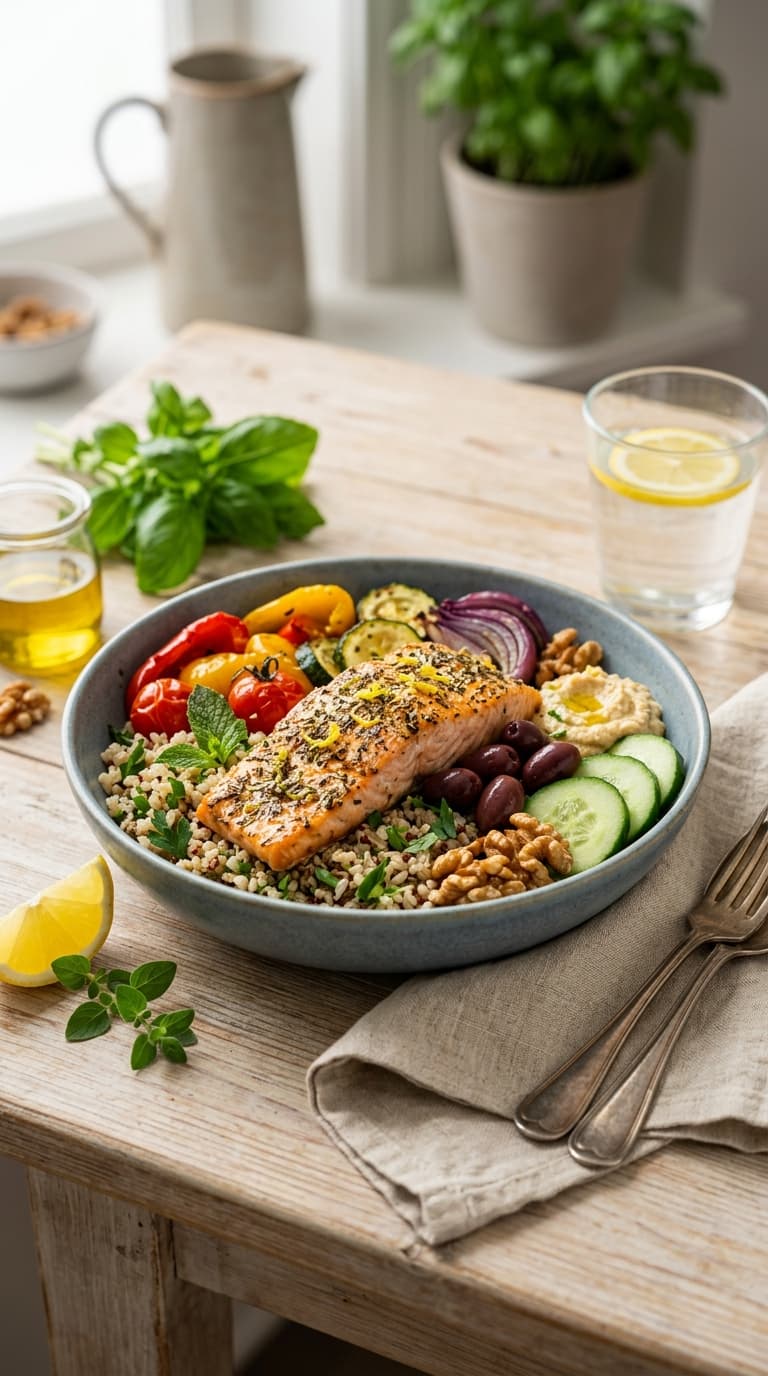
If Mediterranean flavors are your thing, definitely explore these quick Mediterranean meal prep ideas for lunch and dinner options.
7. Overnight Oats Protein Pack
Half cup oats soaked overnight in protein-enriched almond milk, topped with peanut butter, sliced banana, cacao nibs, and a sprinkle of cinnamon. The oats absorb liquid overnight, creating this creamy texture that’s honestly better than cooked oatmeal.
I prep these in mason jars because they’re portable, stackable, and I can see exactly what I’ve got in the fridge at a glance. Make five on Sunday, grab one each morning.
Overnight oat variations are basically endless if you want to mix things up throughout the week.
8. Tofu Scramble Spring Bowl
Crumbled tofu (14g protein per half block) scrambled with turmeric, nutritional yeast, sautéed snap peas, cherry tomatoes, and fresh herbs. This is the vegan breakfast that actually tastes good and fills you up.
Nutritional yeast adds that cheesy, savory flavor plus extra B vitamins. Game-changer for plant-based eating. You can find it at most grocery stores now, or obviously online.
Plant-based breakfast options extend way beyond tofu. Check out these vegan meal prep ideas for more inspiration throughout the day.
9. Smoked Salmon Everything Bowl
Greek yogurt base, smoked salmon (20g protein), cucumber ribbons, red onion, capers, everything bagel seasoning, and a squeeze of lemon. Fancy brunch energy without leaving your kitchen or spending $18.
Buy smoked salmon in bulk and freeze portions. It defrosts quickly and tastes exactly the same as fresh for this application.
10. Sweet Potato Egg Nest
Roasted sweet potato cubes, two fried eggs, black beans, salsa, avocado, and cilantro. Sweet potato breakfast bowls hit different—they’re filling without being heavy, and the natural sweetness balances savory toppings perfectly.
Roast your sweet potatoes in a convection toaster oven for that crispy exterior without heating up your whole kitchen. Especially clutch during warmer spring mornings.
11. Chia Seed Protein Pudding
Chia seeds soaked in protein-enriched coconut milk, layered with Greek yogurt, fresh mango, passion fruit, and toasted coconut. The chia seeds create this tapioca-like texture that’s weirdly addictive.
Three tablespoons of chia seeds pack about 5g of protein plus omega-3s and fiber. Combined with the yogurt, you’re easily hitting 25g total protein.
12. Chicken Sausage Breakfast Bowl
Sliced chicken sausage (14g protein per link), scrambled eggs, roasted Brussels sprouts, sweet potato, and a drizzle of hot sauce. This is the breakfast that makes you feel like you’ve got your life together.
Chicken sausage is leaner than pork but still flavorful. Look for varieties without added sugars or weird fillers. I usually grab the apple-maple or sun-dried tomato flavors.
13. Peanut Butter Banana Protein Bowl
Vanilla protein powder mixed with Greek yogurt, topped with sliced banana, peanut butter drizzle, crushed peanuts, and a sprinkle of sea salt. Simple ingredients, zero cooking, maximum satisfaction.
The salt on peanut butter and banana is non-negotiable. It amplifies the sweetness and makes the whole thing taste more complex than it actually is.
14. Turkey and Veggie Scramble Bowl
Ground turkey (22g protein per 4oz), scrambled with zucchini, bell peppers, onions, topped with salsa and Greek yogurt. Basically a breakfast taco deconstructed into bowl form.
Ground turkey cooks fast and absorbs whatever seasonings you throw at it. Cumin, chili powder, garlic—make it taste however you want.
For more protein-forward meal ideas that work any time of day, these high-protein meal prep recipes follow similar principles.
15. Tempeh Bacon Breakfast Bowl
Crispy tempeh strips (16g protein per 3oz), quinoa, roasted tomatoes, sautéed kale, and tahini drizzle. Tempeh has a nutty flavor that works surprisingly well at breakfast, especially when you get it crispy.
Slice tempeh thin, marinate in soy sauce and maple syrup, then pan-fry until crispy. It won’t taste exactly like bacon, but it’s its own delicious thing.
16. Lox and Cream Cheese Protein Bowl
Whipped cottage cheese (seriously, blend it until smooth), smoked salmon, cucumber, tomatoes, red onion, capers, and fresh dill. All the bagel and lox vibes without the carb-crash.
Blending cottage cheese transforms the texture completely. It becomes this creamy, slightly tangy spread that’s basically protein-packed cream cheese.
17. Black Bean and Egg Southwest Bowl
Black beans (15g protein per cup), fried egg, roasted peppers, corn, avocado, salsa verde, and queso fresco. This bowl brings serious flavor and color to your morning.
Season your black beans properly—cumin, garlic, a squeeze of lime. Plain beans straight from the can taste like sadness.
Meal prep enthusiasts will appreciate these quick meal prep bowls and these balanced weekly bowls that extend the same efficient approach.
18. Almond Butter Protein Oatmeal Bowl
Steel-cut oats cooked in almond milk with protein powder stirred in, topped with almond butter, sliced apple, cinnamon, and a handful of almonds. The difference between regular oats and steel-cut is texture—steel-cut has more chew, stays with you longer.
Cook steel-cut oats in an Instant Pot if you’ve got one. Hands-off cooking, perfect texture every time, and you can make enough for several days.
19. Shrimp and Grits Protein Bowl
Protein-enriched cheese grits, sautéed shrimp (20g protein per 3oz), cherry tomatoes, scallions, and a dash of hot sauce. This is Southern breakfast done high-protein.
Stir protein powder into your grits while they’re cooking. Sounds weird, works perfectly. Vanilla or unflavored both work depending on whether you want sweet or savory.
20. Berry Almond Ricotta Bowl
Fresh ricotta cheese (14g protein per half cup), mixed berries, sliced almonds, honey drizzle, and lemon zest. Ricotta at breakfast is underrated—it’s creamy, mild, and takes on whatever flavors you pair it with.
Fresh ricotta from the deli section tastes completely different from the shelf-stable tubs. Splurge on the good stuff occasionally.
21. Steak and Egg Spring Bowl
Leftover steak slices (seriously, breakfast steak is elite), fried egg, arugula, roasted radishes, cherry tomatoes, and balsamic drizzle. Use whatever protein you’ve got left from dinner—rotisserie chicken, pork tenderloin, whatever.
Roasted radishes lose their sharp bite and become almost sweet. If you’ve never tried them, spring is the perfect time to experiment.
Meal Prep Essentials That Make This Actually Doable
Physical Tools That Earn Their Counter Space
Seriously, these glass containers are worth the upgrade from plastic. They don’t stain, don’t hold smells, and you can see exactly what’s inside without opening every single one. The lids snap tight enough for transport but pop off easily when you’re half-asleep. Get ones with compartments if you like keeping ingredients separate until the last minute.
This multi-cooker handles quinoa, steel-cut oats, hard-boiled eggs, and sweet potatoes without you standing over the stove. Set it Sunday evening, wake up to breakfast components ready to portion out. The “keep warm” function means everything’s still perfect temperature when you actually get around to it.
Cheap blenders struggle with frozen fruit and leave chunks everywhere. A decent blender pulverizes everything into smooth consistency in seconds. Essential for protein smoothie bowls, blended cottage cheese, and basically any morning situation where you need things creamy fast.
Digital Resources That Actually Help
Having a visual meal prep template to fill out each week keeps you from reinventing the wheel every Sunday. Mark which proteins, which bowls, which days you’ll eat what. Takes the decision fatigue out of the equation completely.
If you’re serious about hitting protein targets, a nutrition tracking app makes the math automatic. Scan barcodes, save custom recipes, track your patterns. Most people eyeballing portions are way off on protein counts.
Stop scrolling through saved Instagram posts trying to find that one bowl recipe. A proper digital recipe binder lets you categorize, tag, and search your favorite combinations. Add notes about what worked, what didn’t, what you’d change next time.
Making Breakfast Bowls Work in Real Life
The biggest mistake people make with breakfast bowls is overthinking them. You don’t need seventeen ingredients or some complicated assembly process. Pick your protein, pick your carb, add some produce, done.
I usually prep three different bowls each week—one sweet, one savory, one that works either way. That’s enough variety to not get bored but not so much that Sunday prep becomes an all-day event.
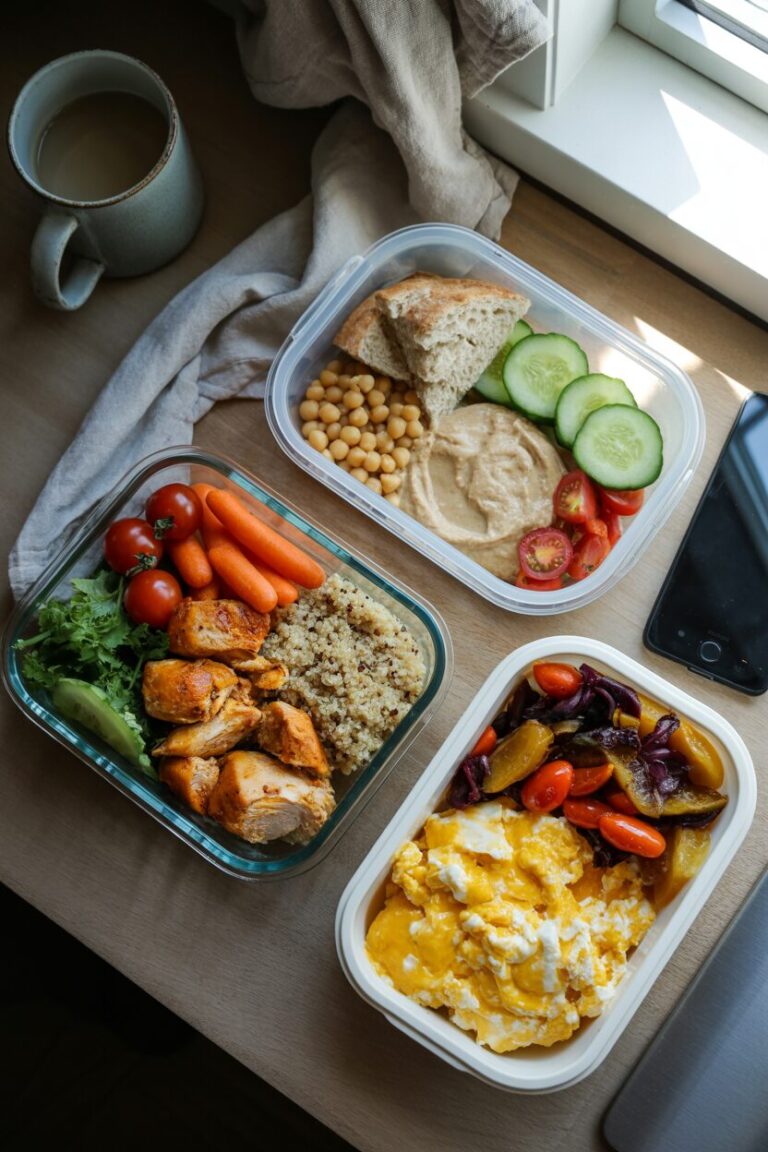
Batch cooking is your friend here. Roast a sheet pan of vegetables, cook a big batch of quinoa or oats, portion out your protein sources. Everything gets stored separately, then assembled fresh each morning. Takes maybe five minutes versus the 30+ you’d spend cooking from scratch daily.
Storage matters more than you’d think. Wet ingredients (salsa, dressing, yogurt sauce) go in separate small containers until you’re ready to eat. Nobody wants soggy vegetables or watery quinoa. Those little 2-ounce dressing containers are perfect for keeping sauces separate.
Temperature is another consideration. Some bowls taste best cold, some need reheating, some work either way. Greek yogurt bowls obviously stay cold. Quinoa and egg bowls can go either direction. Figure out your preferences and prep accordingly.
The Nutrition Side of Things
Let’s talk macros for a second. These bowls are designed to hit roughly 400-500 calories with 25-35g protein, enough healthy fats to keep you satisfied, and complex carbs for sustained energy. That ratio keeps most people full for 4-5 hours minimum.
Protein quality matters too. Animal proteins (eggs, Greek yogurt, cottage cheese, meat) provide complete amino acid profiles. Plant proteins often need combining—like quinoa with beans, or tofu with whole grains—to cover all essential amino acids.
According to recent research on protein and satiety, the type of protein affects how full you feel and for how long. Dairy proteins, particularly those found in Greek yogurt and cottage cheese, seem especially effective at reducing subsequent hunger compared to carbohydrate-heavy breakfasts.
Fiber deserves a mention too. These bowls incorporate vegetables, fruits, whole grains, and seeds—all adding fiber that slows digestion and stabilizes blood sugar. That’s why you don’t get the same crash you’d experience from a muffin or bagel.
For those tracking micronutrients, spring produce brings vitamins C and K, folate, and various antioxidants. Berries pack anthocyanins, leafy greens provide iron and calcium, nuts add vitamin E and selenium. You’re getting way more than just protein here.
Trying to manage weight while building muscle? These weight loss meal prep bowls and these bowls under 400 calories show you how to hit protein targets while controlling portions.
Seasonal Swaps and Customization
Spring brings specific produce that works beautifully in breakfast bowls—asparagus, peas, radishes, strawberries, early stone fruits. But the formulas here adapt to whatever season you’re in.
Summer? Swap in peaches, corn, tomatoes, zucchini. Fall means apples, pears, Brussels sprouts, butternut squash. Winter brings citrus, pomegranate, root vegetables. The protein base stays the same, the produce rotates with what’s actually good at the market.
Dietary restrictions are easy to navigate. Dairy-free? Use coconut yogurt, almond milk, dairy-free protein powder. The texture’s slightly different, but nutritionally you’re fine. Vegan? Focus on tofu, tempeh, protein-enriched plant milks, quinoa, beans. The 25-35g protein target is totally achievable without animal products.
Gluten-free is probably the easiest adaptation. Most of these bowls already skip bread. If you’re using oats, just verify they’re certified gluten-free. Everything else naturally works.
Budget-conscious? Eggs and cottage cheese offer the best protein-per-dollar ratio. Frozen berries cost half what fresh does and work perfectly in bowls. Dried beans instead of canned saves more money. Greek yogurt in the big tubs beats individual portions every time.
Common Mistakes to Avoid
The number one error is making breakfast bowls too complicated. If your recipe requires more than ten ingredients or involves three different cooking methods, you’ll never actually make it consistently. Simplicity wins.
Not prepping enough protein is another big one. You can’t just throw some spinach and berries in a bowl and call it protein-packed. Do the math, measure your portions, make sure you’re actually hitting your targets.
Skipping healthy fats leaves you hungry within two hours. Fat slows digestion and triggers satiety hormones. A tablespoon of nut butter, a quarter avocado, a handful of nuts—don’t skip this component thinking you’re saving calories.
Oversweetening everything is easy to do, especially with yogurt bowls. Honey, maple syrup, sweetened granola—it all adds up fast. Fruit provides natural sweetness. You probably need way less added sugar than you think.
Not rotating your bowls leads to breakfast burnout. Even if you find one combination you love, force yourself to try others. Three solid options you alternate beats one perfect bowl you’ll hate by week three.
Building Your Weekly Rotation
Here’s how I actually do this week to week. Sunday afternoon, I decide on three bowls—usually one sweet yogurt-based, one savory egg or grain-based, one smoothie bowl for days I’m running late.
I cook my protein sources first. Quinoa in the rice cooker, eggs hard-boiled, Greek yogurt portioned out. Then I prep vegetables—whatever needs roasting, chopping, or cooking gets done in one session.
Toppings and mix-ins get stored separately in small containers or bags. Nuts in one container, seeds in another, dried fruit if I’m using it. This way nothing gets soggy or stale sitting in the fridge all week.
Monday through Friday, breakfast assembly takes maybe five minutes. Grab my protein base, add my carb component, top with prepped vegetables and toppings, done. Coffee takes longer than the actual food prep.
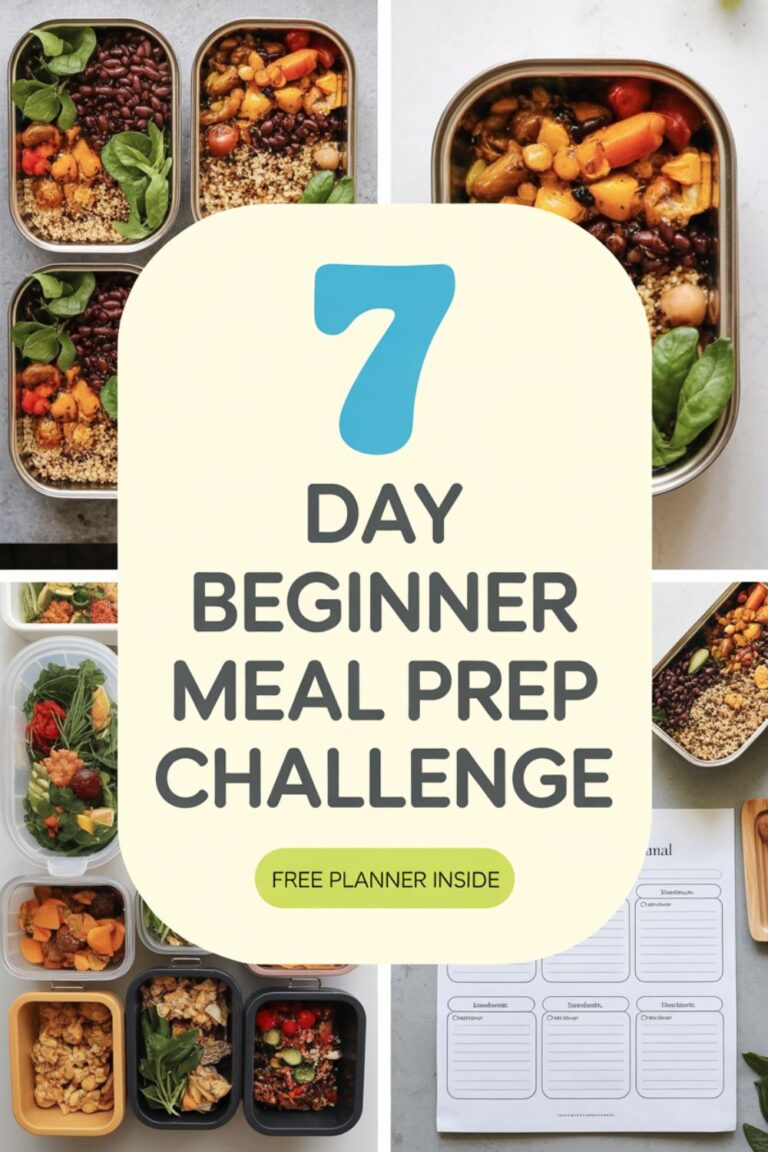
For more structured meal planning approaches, these weekly challenges with printables walk you through the whole process step by step.
What Actually Happens When You Eat Protein at Breakfast
Beyond just feeling full, protein at breakfast triggers some interesting metabolic effects. Your body’s thermic effect of food—calories burned during digestion—is higher for protein than for carbs or fat. You’re literally burning more calories processing your breakfast.
Blood sugar stability improves dramatically. Instead of the spike-and-crash pattern from high-carb breakfasts, protein slows glucose absorption. Your energy stays more consistent throughout the morning.
Muscle protein synthesis gets activated earlier in the day. If you work out in the morning or afternoon, you’ve already primed your body for recovery. If you lift later, you’re not playing catch-up trying to hit protein targets at dinner.
Studies on breakfast protein consistently show reduced evening snacking. Something about adequate morning protein intake affects food choices later in the day. People naturally gravitate toward healthier options and feel less compelled to raid the pantry after dinner.
IMO, the cognitive benefits are underrated. Mental clarity, focus, decision-making—all improve with stable blood sugar and adequate protein intake. Your brain runs better when it’s properly fueled from the start.
Troubleshooting Common Issues
If you’re still hungry two hours after breakfast, you’re either not hitting enough protein or you’re skipping healthy fats. Double-check your portions, add some nut butter or avocado, see if that fixes it.
Digestive issues from high protein usually mean you ramped up too quickly. Your gut needs time to adjust. Start with 20g protein at breakfast, add 5g per week until you hit your target. Give your digestive enzymes time to catch up.
Boredom happens when you don’t plan for variety. Keep at least three solid bowl options in rotation, swap your produce with the seasons, try a new protein source occasionally. Breakfast doesn’t have to be exciting every day, but it shouldn’t be punishing either.
Time constraints are the most common excuse for skipping breakfast entirely. But prep work eliminates this problem. If assembling a bowl genuinely takes more than five minutes, your system needs simplifying.
Frequently Asked Questions
Can I prep breakfast bowls for the entire week?
Most components yes, but assemble fresh daily for best texture. Cook your proteins, prep your vegetables, portion your dry ingredients—all of that stores fine for 5 days. Just keep wet ingredients separate until morning to avoid sogginess. Yogurt bowls and smoothie bowls should definitely be assembled fresh, while grain-based bowls can sometimes be fully assembled 2-3 days ahead.
How much protein do I actually need at breakfast?
Aim for 25-35 grams for optimal satiety and muscle protein synthesis. This range consistently shows benefits in research studies for appetite control and maintaining muscle mass. Less than 20g probably won’t keep you full until lunch, and more than 40g doesn’t provide additional benefits for most people.
Are protein powders necessary for these bowls?
Absolutely not. Whole food protein sources like Greek yogurt, eggs, cottage cheese, and meats provide everything you need. Protein powder is just convenient for smoothie bowls or boosting the protein content of oatmeal without changing the texture too much. If you prefer whole foods only, you can easily hit your protein targets without powder.
Will eating this much protein make me gain weight?
Weight gain comes from eating more total calories than you burn, not from protein specifically. Actually, protein has a higher thermic effect than other macronutrients, meaning you burn more calories digesting it. These bowls are designed to be filling and nutrient-dense while staying in a reasonable calorie range (400-500 calories). Most people find they naturally eat less throughout the day when they start with a high-protein breakfast.
Can kids eat these breakfast bowls?
Definitely, though you might scale portions based on age and activity level. Kids benefit from protein at breakfast just like adults—better focus, sustained energy, less mid-morning hunger. Just watch for choking hazards with nuts and seeds for younger children, and adjust spice levels to their preferences. The sweet bowls usually go over better with picky eaters.
Final Thoughts
Building a rotation of protein-packed breakfast bowls isn’t about perfection or following some rigid meal plan. It’s about having solid options ready to go so you’re not making breakfast decisions when you’re half-asleep and already running late.
Start with one or two bowls that appeal to you. Prep them this Sunday. See how you feel throughout the week. If you’re less hungry mid-morning, if your energy stays more stable, if you’re not thinking about lunch by 10:30 AM—that’s your sign this approach works for you.
Spring mornings are short-lived. Take advantage of the seasonal produce while it’s here, establish some breakfast habits that actually stick, and stop settling for cereal that leaves you starving an hour later. Your morning routine deserves better than that.
FYI, the breakfast bowls that work best long-term are the ones that require minimal effort and actually taste good. Don’t force yourself to eat something you hate just because it’s “healthy.” Find the combinations you genuinely enjoy, prep them efficiently, and breakfast becomes something you look forward to instead of another morning chore.