7-Day High-Protein Spring Meal Prep Challenge: Your Ultimate Guide
Look, I get it. You’re tired of feeling sluggish by 3 PM, reaching for that third coffee, and wondering why your jeans fit differently every week. Spring hits, and suddenly everyone’s preaching about fresh starts and new routines, but who has time to cook elaborate meals every single day?
Here’s the thing about protein—it’s not just gym bro fuel. When you actually nail your protein intake, you stay fuller longer, your energy levels even out, and meal prep suddenly becomes less of a chore and more of a game-changer. This 7-day challenge isn’t about restriction or boring chicken breast. It’s about setting yourself up with meals that actually work for your life.
Why High-Protein Meal Prep Works (Especially in Spring)
Spring vegetables are having their moment right now—asparagus, snap peas, fresh greens—and they pair ridiculously well with protein. But beyond seasonal produce, there’s actual science backing why protein-focused eating makes sense.
According to research published in the Journal of Obesity & Metabolic Syndrome, high-protein diets help with satiety signaling and can preserve fat-free mass during weight loss. Translation? You feel full, you’re less likely to raid the pantry at 9 PM, and you actually maintain muscle while dropping fat.
The University of Kansas Medical Center points out that most Americans get enough protein, but if you’re trying to lose weight or you’re over 50, you probably need more than you think. Like, 20-30% of your daily calories from protein kind of more.
I’m not saying you need to become a macro-counting robot. But when you plan ahead with high-protein meal prep bowls, you remove the decision fatigue. Your meals are already portioned, already balanced, and you’re not standing in front of the fridge at 7 PM wondering what to eat.
Pro Tip: Prep your proteins on Sunday, your veggies on Wednesday. You’ll stay fresher longer and it doesn’t feel like you spent your entire weekend in the kitchen.
What Makes This Challenge Different
I’ve seen those meal prep plans that require 47 ingredients and three hours of active cooking time. That’s not this. This challenge focuses on simple proteins, seasonal spring produce, and meals that actually taste good on day five.
You’re not eating the same grilled chicken seven ways. Instead, you’re rotating between different protein sources—eggs, Greek yogurt, salmon, lean beef, tofu, legumes—so your taste buds don’t stage a revolt by Wednesday. Each day hits roughly 25-30g of protein per meal, which studies in the International Society of Sports Nutrition journal suggest is optimal for muscle protein synthesis.
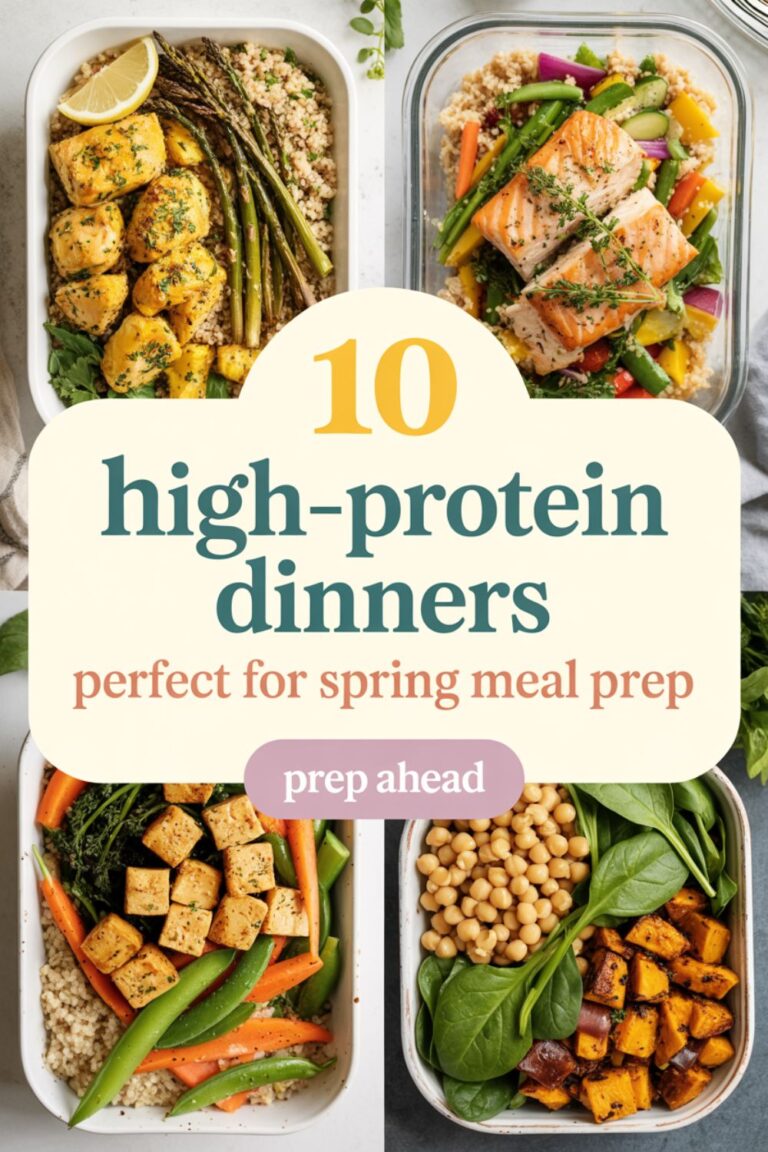
And yeah, the meals look good. Because let’s be real—if your food looks sad, you’re ordering takeout. These are the kind of bowls you’d screenshot for your Pinterest board.
If you’re looking for more breakfast inspiration specifically, try these high-protein breakfast preps or check out these protein-packed breakfast jars that you can grab straight from the fridge.
The 7-Day Breakdown
Day 1: Prep Day Foundation
This is your anchor day. You’re not cooking for the entire week—that’s overwhelming and your fridge can’t handle it. Instead, you’re prepping base components that mix and match.
What to prep:
- Batch of hard-boiled eggs (12 eggs, because they disappear fast)
- Grilled chicken breast seasoned with lemon, garlic, and herbs
- Quinoa or brown rice (3-4 cups cooked)
- Roasted asparagus and snap peas
- Greek yogurt parfait base with chia seeds
I use these glass meal prep containers because they don’t stain and you can see what’s inside without playing fridge roulette. Also, this digital kitchen scale is clutch for portioning protein—eyeballing 4 oz of chicken is basically a myth.
Quick Win: Cook your grains in bone broth instead of water. Same effort, way more flavor and sneaky protein boost.
Day 2-3: Assembly Mode
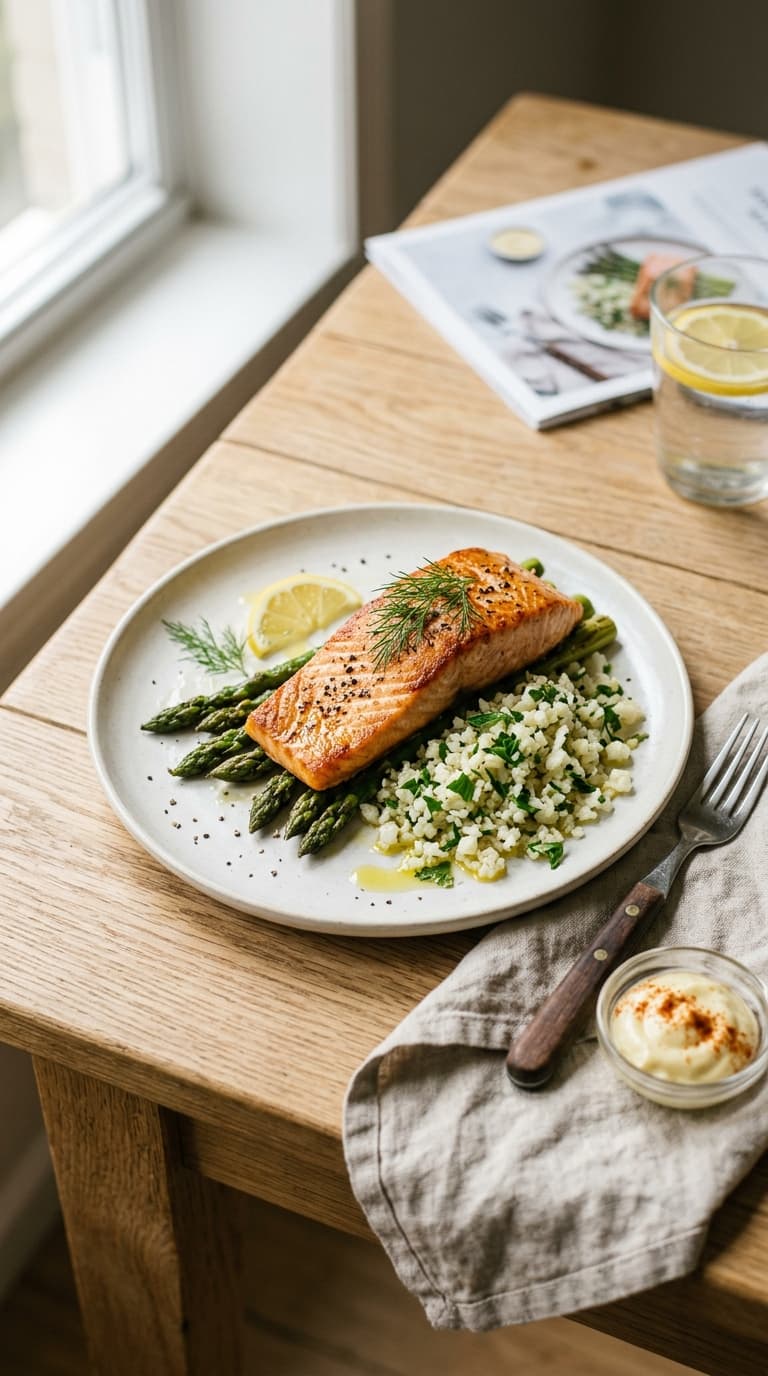
Now you’re combining those base components into actual meals. Breakfast might be Greek yogurt with berries and a sprinkle of granola. Lunch is that grilled chicken over quinoa with roasted veggies. Dinner could be a quick salmon fillet (15 minutes, tops) with those same spring vegetables.
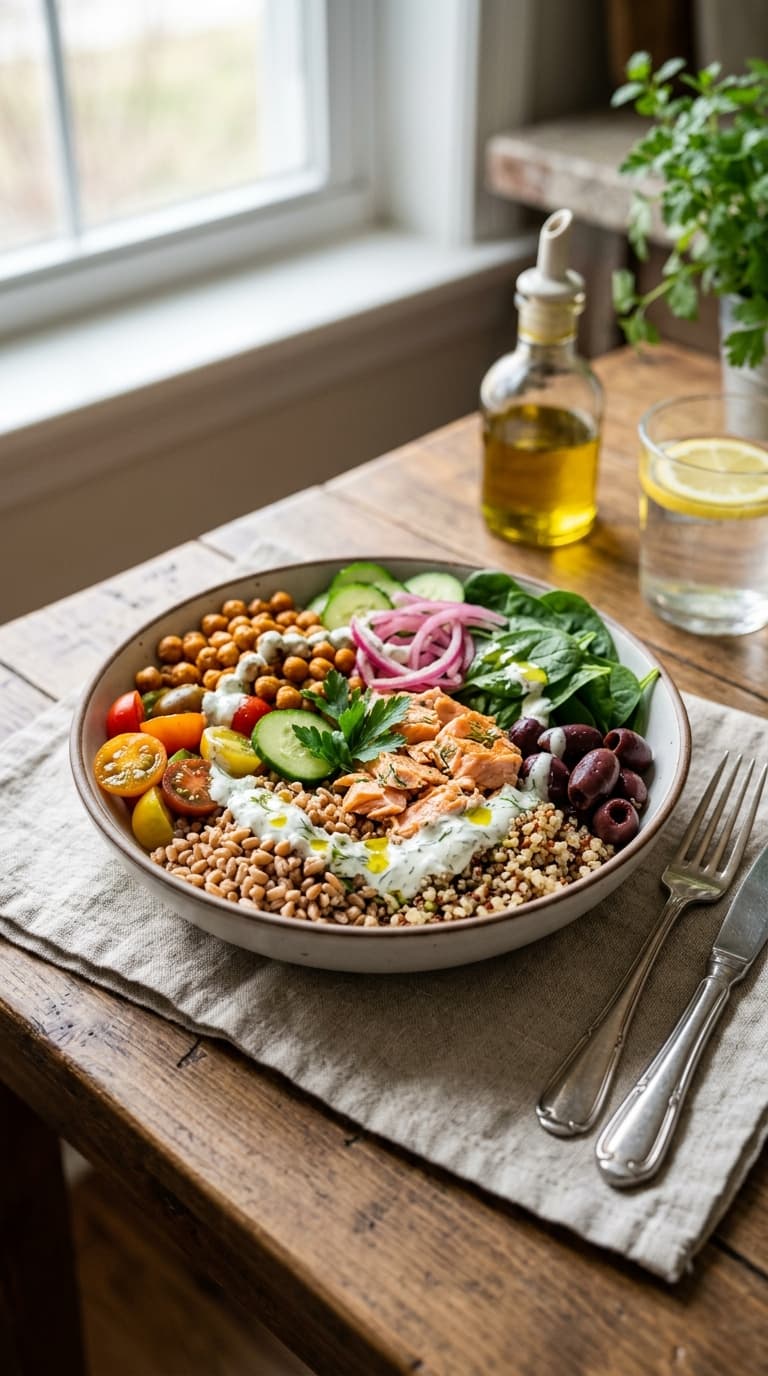
The beauty here? You’re not starting from scratch. Everything’s already cooked. You’re just plating and maybe adding a fresh element. Get Full Recipe for our Mediterranean-inspired salmon bowl that reheats like a dream.
One thing I’ve learned: invest in parchment paper sheets. Seriously. No more scrubbing baking sheets, and your roasted veggies won’t stick. Game changer.
Day 4: Mid-Week Refresh
This is when meal prep fatigue hits. Combat it by introducing one new element. Maybe you prep a batch of turkey meatballs or marinate tofu for stir-fry. You’re not overhauling the whole system—just keeping things interesting.
I usually make a big batch of egg muffins on Day 4. Whisk eggs, add diced veggies and cheese, pour into a silicone muffin pan, bake at 350°F for 20 minutes. Boom. Protein-packed breakfast for the rest of the week.
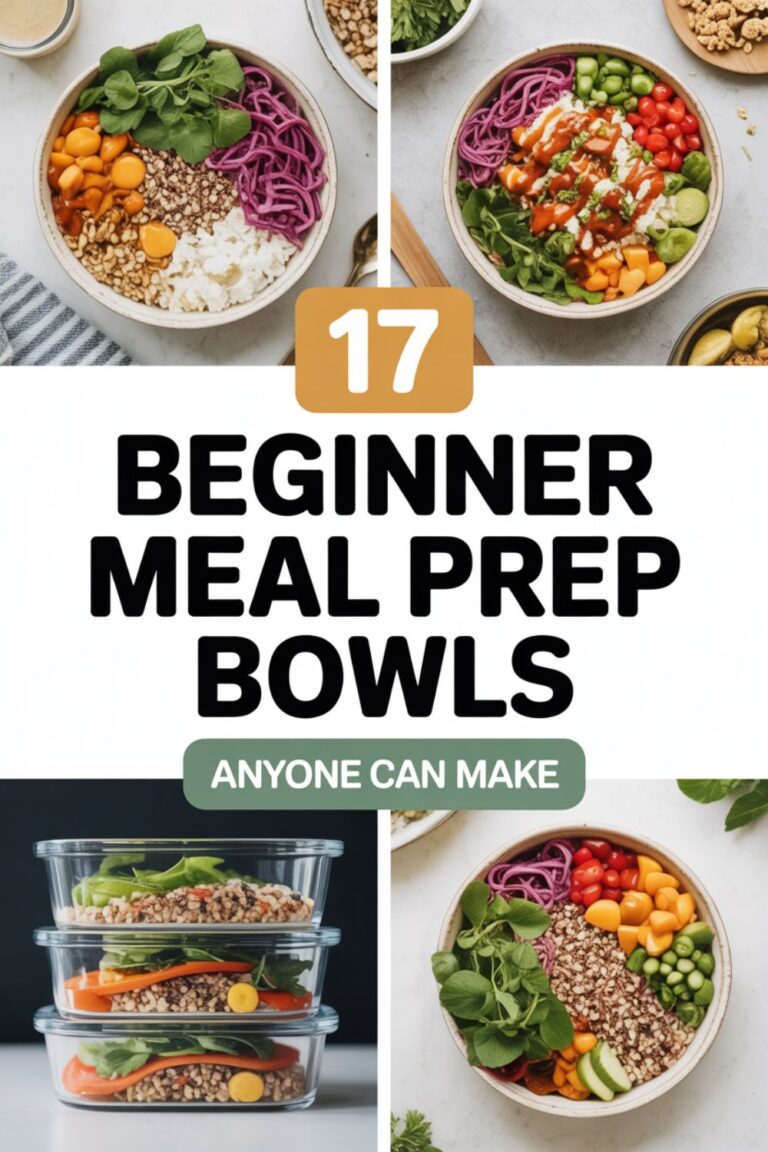
For more variety, these colorful meal prep bowls show you how to keep things visually exciting without adding complexity.
Day 5-7: Coast to the Finish
By now, you’ve got a rhythm. You know what works. Maybe you swap in a rotisserie chicken from the store because life happened. Maybe you make a quick shrimp stir-fry because it takes 10 minutes. The point isn’t perfection—it’s consistency.
Your spring vegetables are still fresh because you didn’t over-prep. Your proteins are varied enough that you’re not sick of them. And you’ve successfully made it through a week without ordering delivery four times.
Protein Sources That Don’t Suck
Let’s talk protein variety because eating grilled chicken three times a day is nobody’s idea of sustainable. According to Mayo Clinic guidelines, protein should account for 10-35% of your daily calories, and the source matters.
Animal Proteins
- Chicken breast: The classic. 165 calories, 31g protein per 4 oz. Boring but reliable.
- Salmon: 180 calories, 25g protein, plus omega-3s. This is your fancy meal that doesn’t require fancy skills.
- Ground turkey: Leaner than beef, takes on whatever flavor you throw at it.
- Eggs: 6g protein each, cheap, versatile. I always have two dozen in my fridge.
- Greek yogurt: 15-20g protein per cup depending on brand. Mix with berries, use as sour cream substitute, make tzatziki.
Plant Proteins
- Tofu: 10g protein per half cup. Press it properly, marinate it overnight, and it’s legit delicious.
- Lentils: 18g protein per cooked cup, plus fiber. These are criminally underused.
- Chickpeas: Roast them crispy for salad toppers or blend into hummus.
- Edamame: Spring’s MVB (most valuable bean). 17g protein per cup.
I keep canned chickpeas and canned lentils stocked because on days when I forgot to soak beans overnight, they’re lifesavers.
If you’re leaning more plant-based, check out these vegan meal prep ideas that prove you don’t need meat to hit your protein goals.
Meal Prep Essentials Used in This Plan
Real talk—you don’t need a fully stocked Williams Sonoma kitchen to make this work. But a few key tools make the difference between “this is fine” and “actually enjoying the process.”
Physical Products
Glass meal prep containers (5-pack) – These don’t absorb smells or stains like plastic. Microwave and dishwasher safe, which matters when you’re doing this weekly.
Digital food scale – Stop guessing portions. This takes 30 seconds and keeps your macros consistent.
Sheet pan set – For roasting everything at once. Get two so you can batch-cook proteins and veggies simultaneously.
Digital Products
7-Day High Protein Meal Prep Plan (Free Printable) – Pre-calculated macros, shopping list included. Just print and go.
How to Build a Week of High-Protein Meals on a Budget – Because protein doesn’t have to destroy your grocery budget.
15 Time-Saving Meal Prep Hacks – The shortcuts I wish I knew when I started. Will literally save you hours.
Common Mistakes (And How to Avoid Them)
Mistake 1: Prepping Everything on Sunday
I tried this. Your asparagus is wilted by Thursday, and you’re choking down soggy vegetables out of sheer stubbornness. Instead, prep proteins and grains on Sunday, vegetables mid-week. Your future self will thank you.
Mistake 2: No Flavor Strategy
Unseasoned chicken breast is a crime against taste buds. Keep a rotation of marinades and spice blends. I’m obsessed with this Mediterranean spice set because one bottle can completely transform plain protein.
Marinate your proteins the night before. Even 30 minutes in lemon juice, garlic, and olive oil makes everything better.
Mistake 3: Ignoring Texture
Everything soft and mushy? That’s a hard pass. Include crunchy elements—toasted nuts, crispy chickpeas, fresh cucumbers. Use this mini food processor to quickly chop nuts or make your own crunchy toppings.
Mistake 4: Same Protein Every Day
Variety isn’t just the spice of life; it’s also how you don’t burn out on meal prep by Wednesday. Research shows that different protein sources offer varying benefits—dairy proteins like whey and casein digest differently than plant proteins, affecting satiety and muscle synthesis.
Rotate between animal and plant proteins. Your gut microbiome will appreciate the diversity, and your meals stay interesting.
Making It Work for Your Life
Here’s what nobody tells you about meal prep: it’s not all-or-nothing. Some weeks you nail it. Other weeks you prep breakfast and lunches only, and dinners are whatever happens. That’s fine. That’s real life.
The goal isn’t Instagram-perfect meal prep every single week. The goal is having one less decision to make when you’re already tired. It’s opening your fridge and seeing actual options instead of condiment graveyard.
I keep a running note in my phone of what worked and what didn’t. “Salmon reheats weird” is now gospel in my house. “Egg muffins freeze perfectly” changed my breakfast game. Learn as you go.
If you’re just starting out, these beginner-friendly meal prep ideas focus on simple techniques without special equipment. Or try these one-pot meal prep ideas for minimal cleanup.
Pro Tip: Freeze individual portions of proteins in these freezer bags. Future you gets a home-cooked meal without the Sunday prep marathon.
Spring-Specific Protein Pairings
Spring produce is peak right now, and it matches beautifully with high-protein components. Think grilled chicken with asparagus and lemon, or salmon with sugar snap peas and dill. These aren’t random combinations—they’re flavor profiles that actually work together.
Best Spring Vegetables for Meal Prep
- Asparagus: Roast at 425°F for 15 minutes. Stays crisp even after a few days.
- Sugar snap peas: Quick blanch, then straight into ice water. They keep their crunch.
- Radishes: Underrated and they add a peppery bite to grain bowls.
- Baby spinach: Wilt it with garlic or keep it fresh for salads.
- Fresh herbs: Basil, parsley, cilantro. They’re not just garnish; they’re actual flavor.
I roast asparagus on these silicone baking mats because nothing sticks and cleanup takes 10 seconds.
Speaking of spring flavors, these Mediterranean meal prep ideas lean heavily into seasonal produce with bright, fresh combinations.
Sample Day from the Challenge
Let me walk you through what an actual day looks like, because abstract meal plans are useless without concrete examples.
Breakfast (7 AM): Greek yogurt parfait with chia seeds, mixed berries, and a sprinkle of granola. 25g protein, takes 2 minutes because you prepped the chia-yogurt mix on Sunday. Coffee, obviously.
Snack (10 AM): Two hard-boiled eggs with everything bagel seasoning. 12g protein. This is where this egg cooker becomes worth its weight—perfect eggs every time without babysitting a pot.
Lunch (12:30 PM): Get Full Recipe for the grilled chicken quinoa bowl—chicken, quinoa, roasted asparagus, cherry tomatoes, feta, lemon vinaigrette. 35g protein. Reheats in 90 seconds.
Snack (3 PM): Hummus with cucumber slices and snap peas. 8g protein. This is when that afternoon slump hits, and protein keeps you from reaching for the office candy jar.
Dinner (7 PM): Pan-seared salmon with roasted vegetables and a small sweet potato. 30g protein. The salmon is fresh (not prepped) because it takes 12 minutes start to finish.
Total for the day: Roughly 110g protein, spread across five eating occasions. You’re never starving, never uncomfortably full, and your energy stays stable.
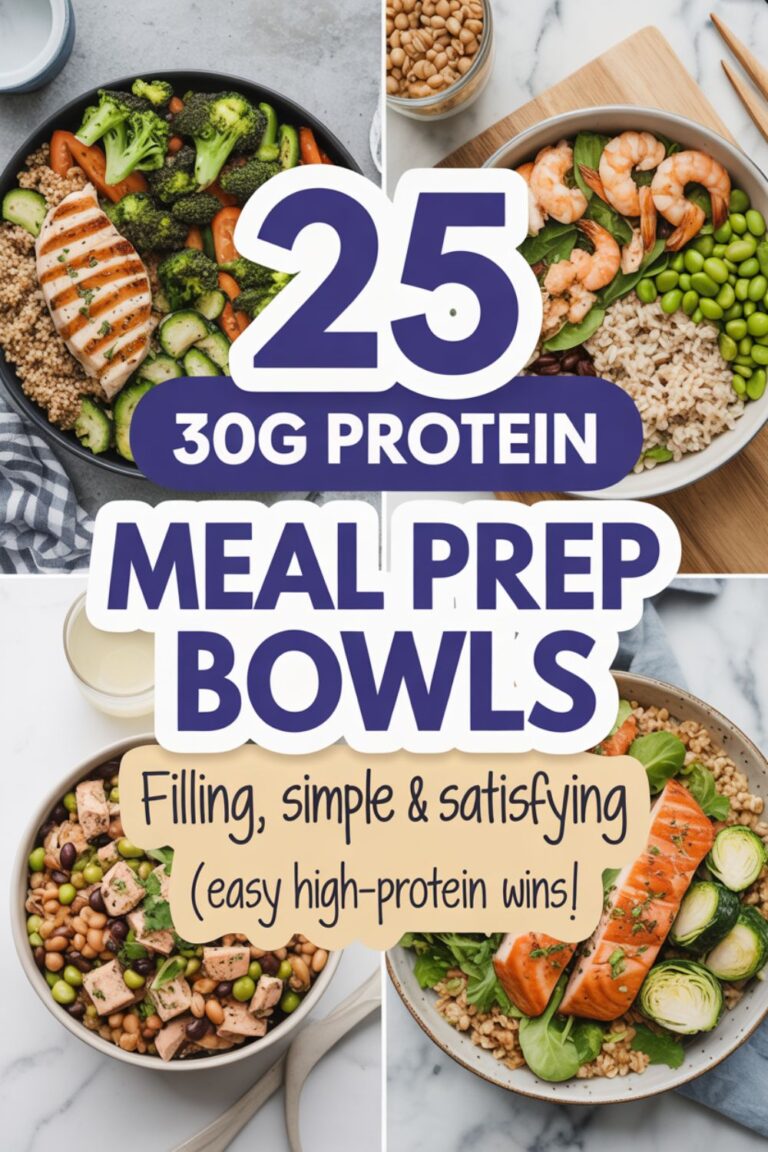
For more complete meal ideas, check out these make-ahead bowls that carry you through the week.
What If You’re Not a Cook?
Good news: you don’t need to be. Meal prep is mostly assembly, not actual cooking. Here’s the bare minimum skill set required:
- Can you turn on an oven and set a timer? You can roast vegetables.
- Can you boil water? You can cook grains and eggs.
- Can you use a measuring cup? You can portion proteins.
That’s it. Everything else is bonus points. I’m not asking you to debone a whole chicken or make your own nut butter (though this food processor makes nut butter stupid easy if you’re curious).
Start with these lazy girl meal prep bowls—minimal cooking, maximum results. Or these easy meals you can prep in 30 minutes that don’t require advanced knife skills.
Tracking Without Going Crazy
Some people love tracking macros. Some people would rather throw their phone in a lake. Both are valid. If you’re the former, apps like MyFitnessPal work. If you’re the latter, use the hand portion method:
- Palm-sized portion of protein
- Fist-sized portion of vegetables
- Cupped hand of grains
- Thumb-sized portion of fats
This isn’t precise, but it’s ballpark accurate and doesn’t require weighing every grape. For most people trying to generally eat better, it’s plenty.
That said, if you want to see actual results and understand your patterns, this smart nutrition scale connects to an app and does the math for you. Less mental load.
Frequently Asked Questions
How much protein do I actually need per day?
For most adults, aim for 0.8-1g per pound of body weight if you’re active or trying to build muscle. If you’re just maintaining, 0.6-0.8g per pound works. A 150-pound person would target 90-150g daily depending on goals. The University of Kansas Medical Center suggests 20-30% of calories from protein for weight loss specifically.
Can I meal prep if I don’t have a lot of fridge space?
Absolutely. Focus on prepping 3-4 days at a time instead of a full week. Freeze extra portions in individual servings. Prep components (like cooked proteins) rather than full assembled meals—they stack better and take up less room. You’d be surprised how much fits when you use stackable containers.
What if I get bored eating the same thing?
That’s why this challenge rotates proteins and uses different flavor profiles. Also, prep components separately and mix them differently each day. Monday might be chicken with quinoa and asparagus, but Tuesday you toss that same chicken into a salad with different dressing. Same ingredients, completely different meal.
Is high-protein eating safe long-term?
For healthy adults, yes. Research published in the Journal of the International Society of Sports Nutrition found no adverse effects on kidney or liver function in healthy individuals consuming high-protein diets over extended periods. That said, if you have existing kidney issues, consult your doctor before drastically increasing protein intake.
What’s the best time to eat protein?
Spread it throughout the day rather than loading it all at dinner. Your body can only synthesize about 25-40g of protein at once for muscle building, so eating 80g at dinner isn’t more beneficial than splitting it across meals. Morning, afternoon, and evening works for most people.
Final Thoughts
This challenge isn’t about perfection. It’s about proving to yourself that meal prep doesn’t have to be complicated or time-consuming to work. Seven days of eating intentionally, planning ahead, and actually having your food situation handled before hunger strikes.
You’ll probably mess up. Maybe you’ll forget to defrost chicken on Wednesday. Maybe Thursday’s lunch gets left on the counter. That’s fine. The point is that you tried, you learned something about your habits, and next week you’ll adjust.
High-protein spring meal prep is sustainable because it uses real food, seasonal ingredients, and realistic expectations. You’re not eating out of Tupperware for the aesthetic—you’re doing it because it genuinely makes your week easier.
Give it a shot. Worst case? You have lunch ready for a few days. Best case? You find a system that actually sticks beyond the first week of motivation.
Now go prep something delicious.