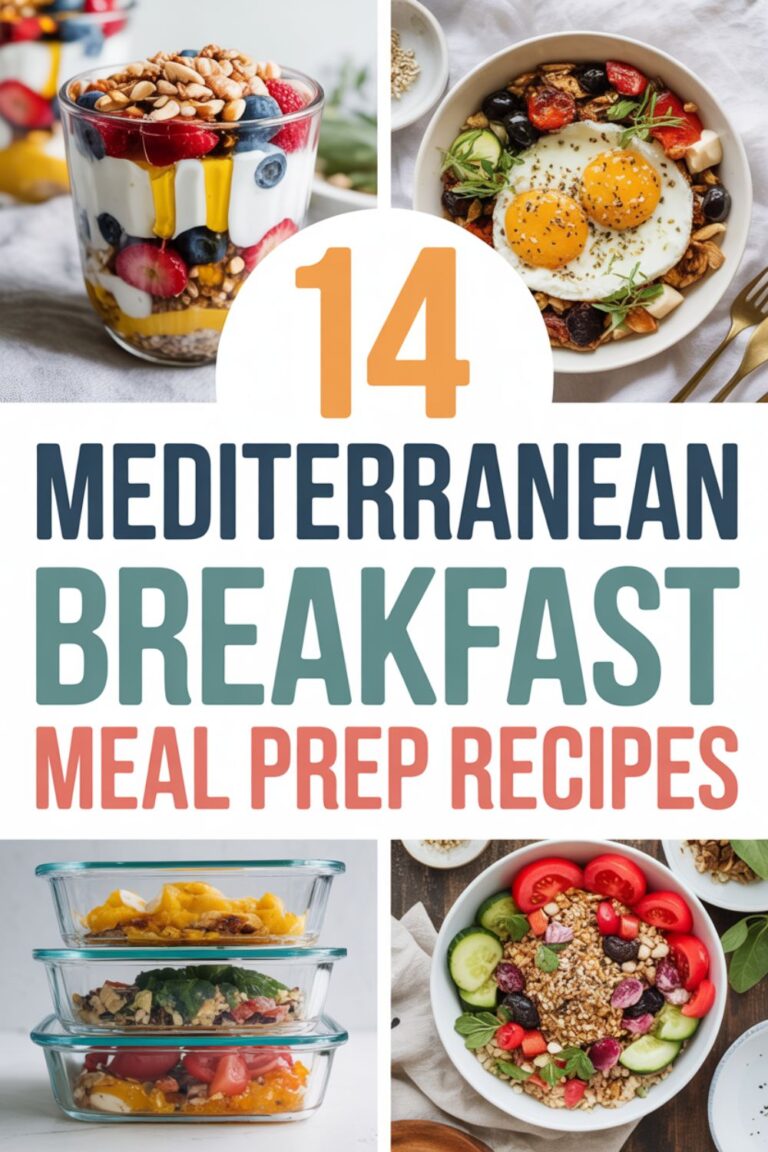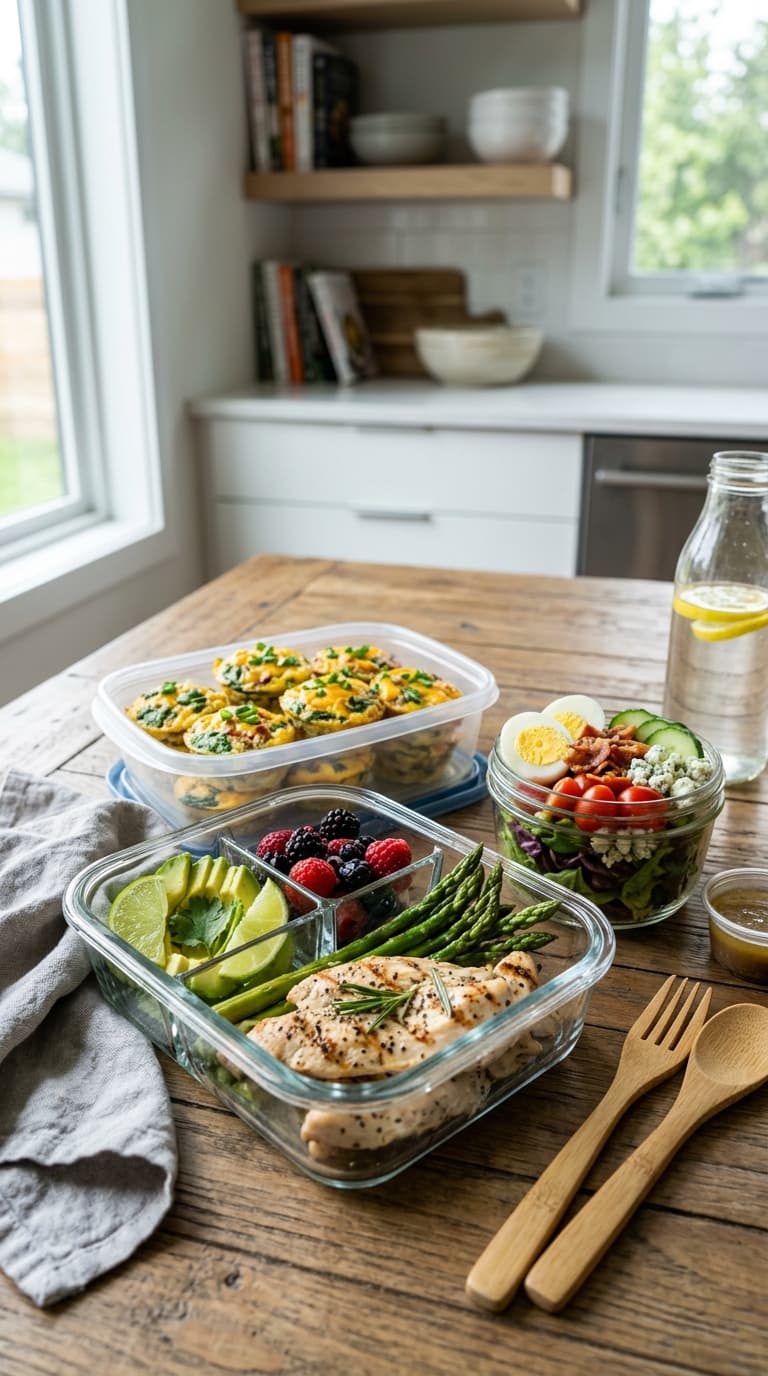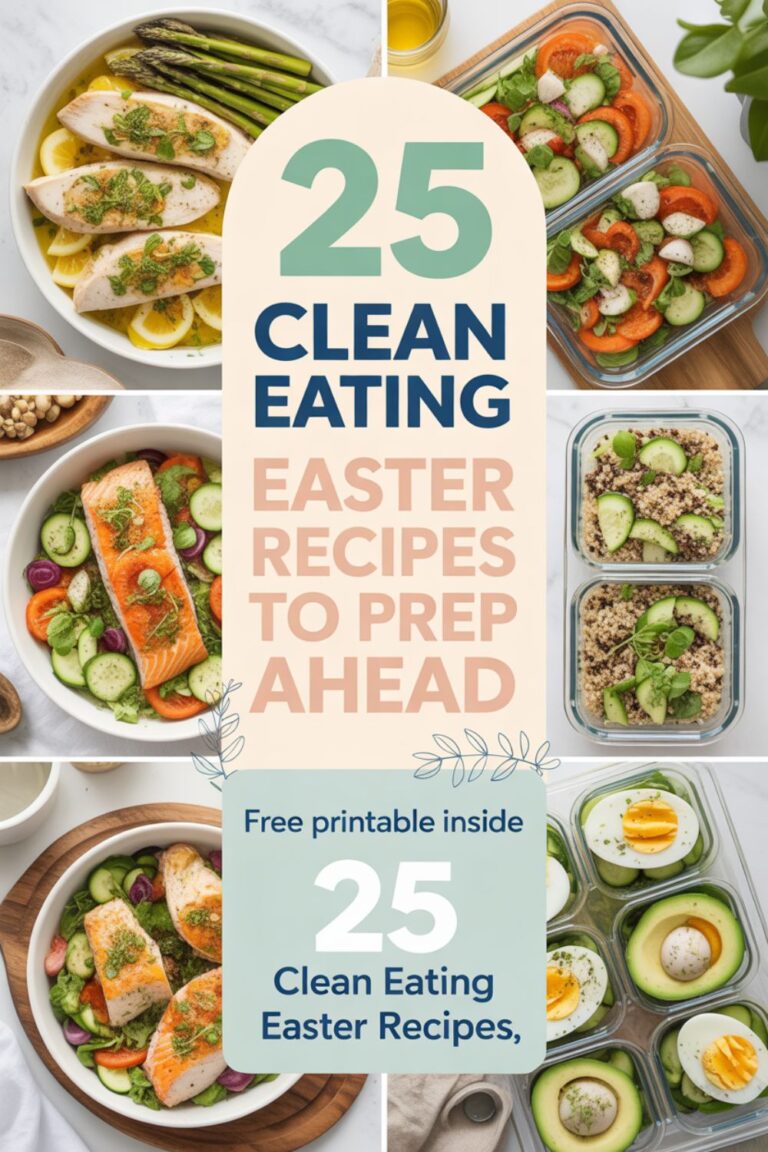
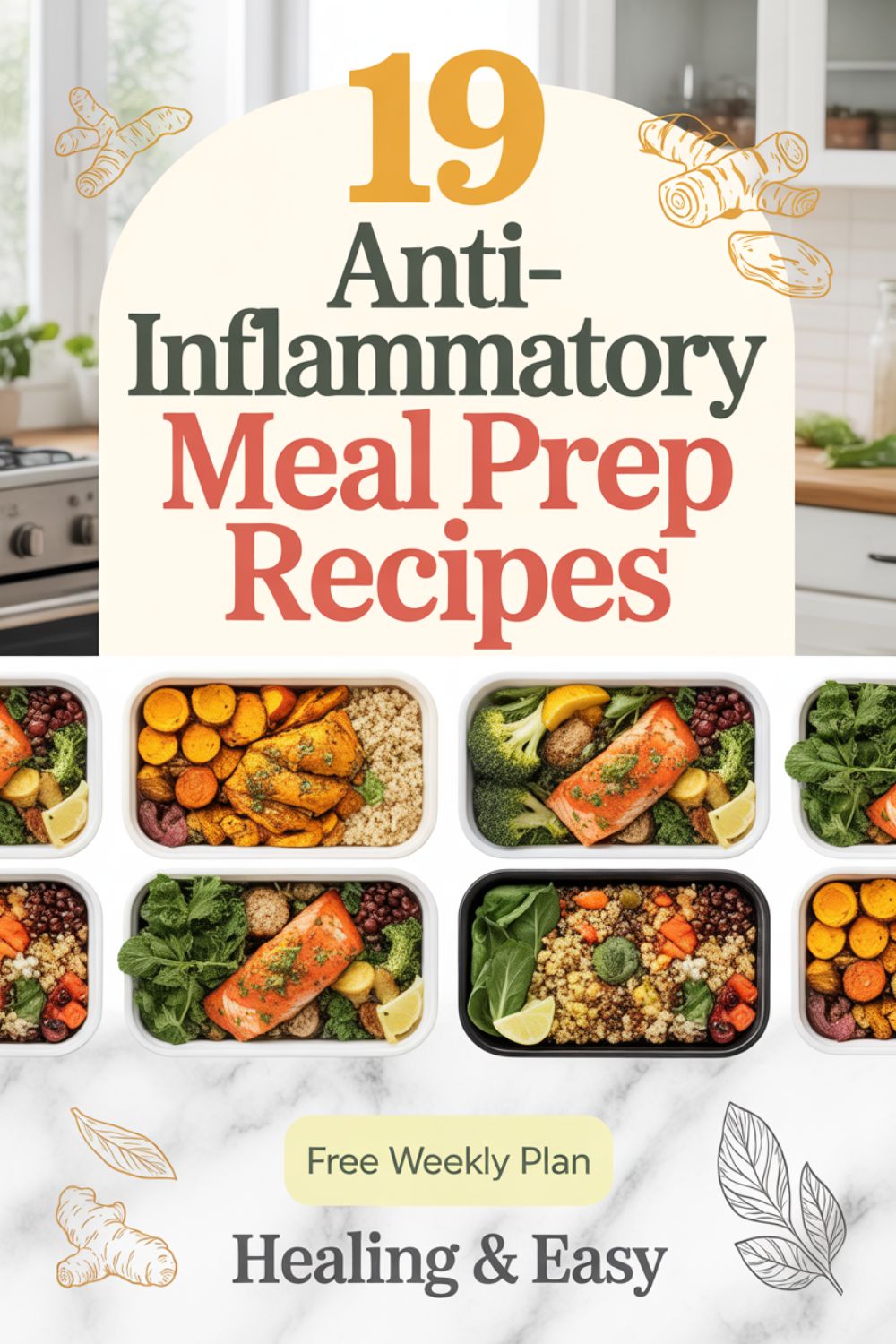
19 Anti-Inflammatory Meal Prep Recipes That Actually Taste Good
Real food, real flavor, and no sad desk lunches. These recipes fight inflammation one delicious meal at a time.
Let me be real with you for a second. A few years ago I went down a rabbit hole of joint pain, weird fatigue, and general “why does my body hate me” energy. Turns out, what I was eating had a lot to do with it. Once I started building my weekly meals around anti-inflammatory ingredients — salmon, turmeric, dark leafy greens, olive oil, berries — the difference was hard to ignore. I also meal prepped everything, because I am absolutely not cooking from scratch at 7 PM on a Tuesday.
So here we are. These 19 anti-inflammatory meal prep recipes are the ones I actually rotate through. They keep well, they reheat like a dream, and most importantly, they do not taste like punishment. According to Harvard Medical School, foods rich in natural antioxidants and polyphenols — things like blueberries, leafy greens, and olive oil — are among the most effective dietary tools for reducing chronic inflammation. That tracks with everything I’ve experienced, and it also means eating well does not have to be a joyless experience.
Why Anti-Inflammatory Meal Prep Actually Works
The core idea is simple. Chronic inflammation — the low-grade, ongoing kind — has been linked to conditions ranging from heart disease and diabetes to arthritis and depression, as detailed by Harvard Health Publishing. The good news is that what you eat is one of the most direct levers you have for managing it. When you fill your fridge with prepped anti-inflammatory meals, you make the healthy choice the easy choice — every single day.
Anti-inflammatory eating is not a trend diet with weird rules. It overlaps heavily with the Mediterranean diet principles — lots of vegetables, fruits, whole grains, fatty fish, legumes, and olive oil. Translation: the food is actually good. And when you prep it in advance, you remove the decision fatigue that leads to ordering pizza at 6:30 PM. As Johns Hopkins Medicine notes, no single food reduces inflammation on its own — it is the overall pattern that matters, and meal prep is the best way to lock that pattern in.
IMO, meal prep is the single best habit for anyone trying to eat more intentionally. You do the work once (usually Sunday), and your future self thanks you all week long. The anti-inflammatory angle just means every container in your fridge is quietly doing something useful for your body in the background.
The Star Ingredients You’ll See Throughout These Recipes
Most of these recipes pull from the same core lineup of anti-inflammatory powerhouses. Once you stock these regularly, meal prep gets much faster because the ingredients overlap. Here’s what you’ll want to keep on hand:
- Fatty fish (salmon, sardines, mackerel): Loaded with EPA and DHA omega-3 fatty acids, which are among the most well-studied anti-inflammatory compounds in food. If you eat plant-based, walnuts and flaxseed are the best ALA omega-3 alternatives.
- Turmeric and ginger: Both contain compounds that actively inhibit inflammatory pathways. Always add black pepper with turmeric — it boosts curcumin absorption significantly.
- Dark leafy greens (spinach, kale, arugula): Rich in vitamin C, magnesium, and polyphenols. Kale and spinach have slightly different micronutrient profiles — kale wins on vitamin K and calcium, while spinach leads on iron and folate.
- Berries (blueberries, cherries, pomegranate): Anthocyanins in berries are some of the most potent antioxidants available in whole food form.
- Legumes (lentils, chickpeas, black beans): High in fiber, which feeds beneficial gut bacteria and helps keep inflammatory markers down over time.
- Extra-virgin olive oil: Contains oleocanthal, a compound with effects comparable to ibuprofen at relevant dietary doses — that is actual documented science, not marketing.
- Nuts and seeds (walnuts, flaxseed, chia): Plant-based omega-3s and vitamin E in one grab-and-go format.
- Whole grains (quinoa, brown rice, farro, oats): The fiber keeps things moving and feeds beneficial gut bacteria — gut health is directly tied to systemic inflammation levels.
Prep your greens first. Wash, dry, and store spinach or kale in a paper-towel-lined container on Sunday night, and you’ll actually use them all week instead of watching them dissolve into sad green water in the crisper drawer.
The Recipes: 19 Anti-Inflammatory Meals Worth Making Every Week
Turmeric Salmon with Roasted Broccoli and Quinoa
This is the workhorse of anti-inflammatory meal prep. Salmon brings EPA and DHA omega-3s, turmeric delivers curcumin, and broccoli adds sulforaphane — a compound that supports the body’s own antioxidant defense systems. It reheats well at 300°F for about 8 minutes without drying out.
- 4 salmon fillets (6 oz each)
- 2 cups dry quinoa, rinsed
- 1 large head broccoli, cut into florets
- 2 tbsp extra-virgin olive oil
- 1.5 tsp turmeric, 1 tsp garlic powder, salt, black pepper
- Lemon wedges for serving
- Preheat oven to 425°F. Line a large sheet pan with a silicone baking mat — nothing sticks, nothing burns.
- Cook quinoa per package directions. Season with a pinch of salt and a drizzle of olive oil.
- Toss broccoli with 1 tbsp oil, garlic, salt, pepper. Spread on one half of the sheet pan.
- Rub salmon with remaining oil, turmeric, salt, pepper. Place on the other half of the pan.
- Roast 18-22 minutes until salmon flakes easily and broccoli is lightly charred at the edges.
- Divide everything into four glass meal prep containers. Add a lemon wedge to each.
Blueberry Chia Overnight Oats
Overnight oats are one of those rare things that require almost zero effort and taste like you tried. Oats provide beta-glucan fiber that supports gut health and lowers inflammatory markers, blueberries add anthocyanins, and chia seeds bring omega-3s plus a satisfying thick texture.
- 2 cups rolled oats
- 2 cups unsweetened almond or oat milk
- 4 tbsp chia seeds
- 1 cup fresh or frozen blueberries
- 2 tbsp pure maple syrup
- 1 tsp cinnamon
- Optional: walnuts or hemp seeds for topping
- Combine oats, chia seeds, milk, maple syrup, and cinnamon in a bowl. Stir well so chia seeds distribute evenly.
- Divide into four wide-mouth mason prep jars.
- Top each with blueberries. Seal and refrigerate overnight or at least 6 hours.
- Give it a stir in the morning and add toppings. Eat cold or microwave 90 seconds if you prefer warm.
Red Lentil and Ginger Soup
Red lentils break down on their own, so you do not even need a blender. Ginger and turmeric do heavy anti-inflammatory lifting, and lentils are one of the best plant-based sources of fiber-rich protein — meaning this one actually keeps you full for hours.
- 2 cups red lentils, rinsed
- 1 can (14 oz) diced tomatoes
- 1 can (14 oz) coconut milk
- 4 cups vegetable broth
- 1 onion diced, 4 garlic cloves minced
- 1 tbsp fresh ginger, grated
- 1.5 tsp turmeric, 1 tsp cumin, salt
- 2 tbsp extra-virgin olive oil
- Heat olive oil in a large pot. Sauté onion 5 minutes until soft.
- Add garlic and ginger, cook 1 minute. Add turmeric and cumin, stir 30 seconds.
- Add lentils, tomatoes, coconut milk, and broth. Bring to a boil.
- Reduce heat and simmer 25 minutes, stirring occasionally. Season with salt.
Mediterranean Chickpea and Spinach Bowl
Chickpeas are an anti-inflammatory staple — high in fiber, plant protein, and minerals that support healthy inflammatory response. Pair them with spinach and a good olive oil dressing and you have a bowl that genuinely works on multiple levels. The flavors actually get better on day two.
- 2 cans (15 oz) chickpeas, drained and rinsed
- 4 cups baby spinach
- 1 cup cherry tomatoes, halved
- 1 cucumber, diced
- 0.5 cup Kalamata olives
- 3 tbsp extra-virgin olive oil, 2 tbsp lemon juice
- 1 tsp dried oregano, salt, pepper
- Whisk olive oil, lemon juice, oregano, salt, and pepper.
- Combine chickpeas, tomatoes, cucumber, and olives. Toss with dressing.
- Layer spinach at the base of each container and top with the chickpea mix.
I started making the turmeric salmon bowl and the red lentil soup every Sunday about three months ago. My knee inflammation — which I’d been managing for two years — noticeably improved. My rheumatologist actually asked what I changed in my diet.
Walnut and Kale Pesto Pasta with Roasted Cherry Tomatoes
Walnuts are one of the best plant-based sources of ALA omega-3 fatty acids, and kale pesto is honestly ten times more interesting than plain basil pesto. Use a whole-grain or chickpea-based pasta for even more fiber. Roasting the cherry tomatoes concentrates their lycopene — another potent antioxidant.
- 12 oz whole-grain or chickpea penne
- 2 cups kale, stems removed
- 0.5 cup walnuts
- 0.25 cup parmesan (or nutritional yeast for dairy-free)
- 3 tbsp extra-virgin olive oil, 2 garlic cloves
- 2 cups cherry tomatoes, lemon juice, salt, pepper
- Roast cherry tomatoes at 400°F for 20 minutes until blistered and jammy.
- Cook pasta per directions. Reserve 0.5 cup pasta water before draining.
- Blend kale, walnuts, parmesan, olive oil, garlic, lemon, salt, and pepper until smooth. Use pasta water to loosen.
- Toss pasta with pesto. Top with roasted tomatoes and divide into containers.
Ginger Miso Salmon Noodle Jars
Miso is a fermented food, which means it supports gut microbiome diversity — and gut health is directly tied to systemic inflammation levels. Combined with salmon and ginger, this jar meal is doing a lot of behind-the-scenes work while tasting genuinely restaurant-worthy.
- 4 salmon fillets
- 8 oz soba or rice noodles
- 3 tbsp white miso paste
- 2 tbsp tamari or low-sodium soy sauce
- 1 tbsp fresh ginger, grated
- 1 tbsp sesame oil
- 2 cups shredded purple cabbage, 2 carrots julienned
- Green onion, sesame seeds for topping
- Whisk miso, tamari, ginger, and sesame oil. Coat salmon and bake at 400°F for 15 minutes.
- Cook noodles per package. Rinse cold, toss with a little sesame oil to prevent sticking.
- Layer noodles, cabbage, and carrots in wide jars. Add flaked salmon on top with remaining marinade drizzled over.
Anti-Inflammatory Golden Milk Chia Pudding
Chia pudding with golden milk takes five minutes to prep for the entire week. Turmeric and black pepper together are a classic anti-inflammatory pairing — the piperine in black pepper increases curcumin absorption significantly, which is documented in multiple studies and worth taking seriously.
- 0.5 cup chia seeds
- 2 cups coconut milk (full fat or light)
- 1 tsp turmeric, 0.5 tsp cinnamon, pinch of black pepper
- 2 tbsp maple syrup or honey
- Fresh mango or berries for topping
- Whisk all ingredients together in a bowl.
- Let sit 15 minutes, stir again to break up clumps, then divide into small jars.
- Refrigerate overnight. Top with fruit before serving.
Sardine and White Bean Arugula Salad
Sardines are one of the most nutrient-dense, sustainably sourced, and omega-3-rich fish you can buy, and they are also remarkably affordable. Pair them with white beans (protein and fiber), peppery arugula (vitamin K and folate), and a lemony dressing, and you have a genuinely satisfying lunch that requires zero cooking.
- 2 cans sardines in olive oil
- 2 cans white cannellini beans, drained
- 4 cups arugula
- Red onion, thinly sliced
- 3 tbsp capers
- 3 tbsp extra-virgin olive oil, 2 tbsp lemon juice
- Salt, black pepper, red pepper flakes
- Whisk olive oil, lemon juice, salt, pepper, and red pepper flakes.
- Combine beans, red onion, and capers. Toss with dressing.
- Layer arugula in containers, add bean mixture, top with sardines and a drizzle of the oil from the can.
Roasted Sweet Potato and Black Bean Burrito Bowls
Sweet potatoes are loaded with beta-carotene, which the body converts to vitamin A — a powerful antioxidant. Black beans bring fiber and plant-based protein. Add cumin and smoked paprika (both with documented anti-inflammatory properties) and this bowl is basically your body’s best friend in a container.
- 3 medium sweet potatoes, cubed
- 2 cans black beans, drained
- 2 cups cooked brown rice
- 1 red bell pepper, diced
- 2 tbsp extra-virgin olive oil
- 1.5 tsp cumin, 1 tsp smoked paprika, salt
- Fresh cilantro, lime juice, optional avocado when serving
- Toss sweet potato and red pepper with olive oil, cumin, paprika, salt. Roast at 425°F for 25-30 minutes until caramelized.
- Warm black beans with a pinch of cumin and salt.
- Layer brown rice, beans, and roasted vegetables into containers. Add lime and cilantro. Add avocado fresh when serving.
Turmeric Scrambled Egg and Spinach Breakfast Cups
Egg muffins reheat in 60 seconds and pack protein into your morning without any thought. Loading them with spinach and turmeric turns them from basic meal prep into something that’s actively doing your body a favor. FYI, you can swap in any leftover roasted vegetables from the week here.
- 8 large eggs
- 2 cups baby spinach, roughly chopped
- 0.5 cup cherry tomatoes, halved
- 0.5 tsp turmeric, salt and black pepper
- Optional: crumbled feta or dairy-free cheese
- Preheat oven to 350°F. Grease a muffin tin well or use silicone muffin cups.
- Whisk eggs with turmeric, salt, and pepper. Fold in spinach and tomatoes.
- Pour evenly into 12 muffin cups. Bake 18-20 minutes until set in the center. Cool before storing.
When prepping fish-based meals, store them in a sealed airtight glass container on the top shelf of the fridge. They stay fresh for 4 days and won’t impart smell to everything else in there. Future you will appreciate this deeply.
Cherry and Walnut Quinoa Breakfast Bowl
Cherries are one of the most studied foods for reducing inflammation, particularly for people dealing with exercise-induced muscle soreness or joint issues. Combined with walnuts and quinoa, this breakfast bowl delivers omega-3s, complete protein, and antioxidants in one container. It works hot or cold.
- 2 cups cooked quinoa
- 1 cup dark cherries, pitted (fresh or frozen)
- 0.5 cup walnuts, roughly chopped
- 2 tbsp chia seeds
- 1 tsp cinnamon
- Honey or maple syrup to taste, almond milk for serving
- Cook and cool quinoa if not already prepped.
- Divide into containers. Layer with cherries, walnuts, and chia seeds.
- Sprinkle with cinnamon and drizzle with honey. Serve with a splash of almond milk.
Spiced Black Bean and Brown Rice Power Bowls
Black beans and brown rice form a complete protein when combined — a useful note if you eat plant-based. The spice blend here pulls from anti-inflammatory heavy hitters: cumin, coriander, garlic, and a hint of cayenne for circulation support. This one is also embarrassingly cheap to make.
- 2 cans black beans, drained
- 2 cups brown rice, cooked
- 1 tsp cumin, 1 tsp coriander, 0.5 tsp garlic powder, pinch of cayenne
- 1 tbsp extra-virgin olive oil
- Corn, salsa, shredded cabbage for topping
- Warm black beans in a pan with olive oil and all spices. Cook 3-4 minutes to bloom the flavors.
- Layer brown rice at the bottom of each container, add spiced beans on top.
- Add corn, salsa, and a handful of shredded cabbage. That is genuinely it.
Baked Mackerel with Roasted Fennel and Lemon Herb Farro
Mackerel is one of those underrated fish that most people overlook in favor of salmon, which is a genuine shame because it has even higher omega-3 concentrations. Fennel roasts into sweet, caramelized slices that pair beautifully here. Farro is an ancient grain with more protein and fiber than regular wheat — it holds its texture in meal prep containers far better than white rice or couscous.
- 4 mackerel fillets
- 1 large fennel bulb, sliced
- 1.5 cups farro, cooked
- Fresh parsley, dill, and chives
- 3 tbsp extra-virgin olive oil
- 1 lemon, zested and juiced
- Salt, black pepper, garlic
- Toss fennel with 1 tbsp olive oil, salt, pepper. Roast at 400°F for 25 minutes.
- Rub mackerel with olive oil, garlic, lemon zest, salt, pepper. Bake alongside fennel the last 12 minutes.
- Toss cooked farro with lemon juice, herbs, and olive oil. Divide and top with fennel and mackerel.
Pomegranate, Arugula, and Lentil Salad
Pomegranate seeds contain punicalagins — antioxidants that research suggests are significantly more powerful than those found in red wine or green tea. Paired with peppery arugula, protein-rich lentils, and a lemon-tahini dressing, this salad actually improves overnight as the flavors meld together.
- 1.5 cups green or brown lentils, cooked
- 4 cups arugula
- 0.5 cup pomegranate seeds
- 0.25 cup pumpkin seeds
- Optional: crumbled goat cheese
- 3 tbsp tahini, 2 tbsp lemon juice, 1 tsp honey, pinch garlic powder, water to thin
- Whisk tahini, lemon juice, honey, garlic, and enough water to make a pourable dressing.
- Toss lentils with half the dressing. Let sit 10 minutes to absorb flavor.
- Layer arugula, then lentils, pomegranate, pumpkin seeds, and cheese. Store remaining dressing separately.
Ginger Carrot and Turmeric Blended Soup
This bright orange soup is warm, slightly spicy, and deeply satisfying. Carrots are rich in beta-carotene, ginger actively inhibits NF-kB (a key inflammatory signaling pathway), and coconut milk adds creaminess without dairy — which some people find inflammatory. Blend it smooth, freeze in portions, and you have an effortless lunch waiting for you.
- 6 large carrots, peeled and chopped
- 1 onion chopped, 4 garlic cloves
- 2 tbsp fresh ginger, grated
- 1 tsp turmeric, 0.5 tsp cumin
- 1 can coconut milk
- 3 cups vegetable broth
- 2 tbsp extra-virgin olive oil, salt, lime juice
- Sauté onion in olive oil until soft. Add garlic, ginger, turmeric, cumin. Cook 1 minute.
- Add carrots and broth. Simmer 20 minutes until carrots are completely soft.
- Blend until silky using an immersion blender — far easier than transferring hot liquid in batches. Stir in coconut milk and lime juice. Season with salt.
Dark Chocolate and Almond Butter Energy Balls
Snacking is where most anti-inflammatory plans fall apart, because the options are typically a bag of chips or nothing. These energy balls fix that. Dark chocolate at 70% cacao or higher contains flavanols with proven antioxidant activity, and almond butter delivers vitamin E and healthy monounsaturated fats. They genuinely hold you over between meals.
- 1.5 cups rolled oats
- 0.5 cup almond butter
- 0.25 cup honey or maple syrup
- 3 tbsp dark chocolate chips (70%+ cacao)
- 2 tbsp chia seeds, 1 tsp vanilla, pinch of sea salt
- Mix all ingredients together in a large bowl until fully combined.
- Refrigerate 30 minutes until firm enough to handle.
- Roll into balls (about 1 tablespoon each). Store in an airtight container in the fridge.
Herb-Roasted Chicken Thighs with Cauliflower and Olives
Chicken thighs reheat far better than chicken breast — they do not dry out and turn into something unrecognizable. Cauliflower is high in sulforaphane (the same compound as broccoli) and roasts into golden, nutty florets that are legitimately delicious. Olives add healthy monounsaturated fats and polyphenols to finish things off.
- 4 bone-in skin-on chicken thighs
- 1 large head cauliflower, cut into florets
- 0.5 cup Castelvetrano or Kalamata olives
- 3 tbsp extra-virgin olive oil
- 1 tsp each: dried rosemary, thyme, garlic powder
- Salt, black pepper, fresh lemon for serving
- Toss cauliflower with 1.5 tbsp olive oil, salt, pepper. Spread on a sheet pan.
- Rub chicken with remaining oil, herbs, garlic, salt, pepper. Place skin-side up over cauliflower.
- Roast at 425°F for 30-35 minutes until skin is golden and juices run clear. Add olives in the last 10 minutes. Finish with lemon.
Acai and Spinach Frozen Smoothie Packs
Prepping smoothie packs is one of those hacks that sounds obvious once you hear it and then you wonder why you were not doing it years ago. Acai is one of the most antioxidant-dense foods on the planet — that is not hyperbole. Freeze everything in individual packs and your morning routine becomes: dump bag into blender, add liquid, press button.
- 5 frozen acai packets (unsweetened)
- 5 large handfuls baby spinach
- 2.5 cups frozen blueberries
- 5 bananas, sliced and frozen
- Optional: 1 tbsp ground flaxseed per pack
- Almond milk or coconut water to blend
- Prepare five reusable freezer bags. Into each: one acai packet broken into chunks, half a banana, 0.5 cup blueberries, one handful of spinach, and flaxseed if using.
- Seal, label with the day of the week, and freeze flat so they stack neatly.
- Each morning: empty one bag into a blender, add 1 cup liquid, blend until smooth.
Wild Rice and Roasted Beet Grain Bowls with Orange Tahini Dressing
Beets contain betalains — pigments that double as powerful antioxidants with well-documented anti-inflammatory effects. Wild rice has more antioxidants than any other rice variety and a satisfying nutty chew that holds up perfectly in a container. The orange tahini dressing is worth making a double batch of, because you will put it on everything.
- 1.5 cups wild rice blend, cooked
- 4 medium beets, peeled and cubed
- 4 cups arugula or mixed greens
- 0.25 cup pumpkin seeds
- 3 tbsp tahini, juice of 1 orange
- 1 tsp honey, garlic powder, salt, water to thin
- 2 tbsp olive oil for roasting beets
- Toss beet cubes with olive oil, salt, pepper. Roast at 400°F for 35-40 minutes until fork-tender and lightly caramelized.
- Whisk tahini, orange juice, honey, garlic powder, salt, and water until pourable.
- Layer wild rice and greens in containers. Top with roasted beets and pumpkin seeds. Store dressing separately and add before eating.
The acai smoothie packs changed my mornings completely. I used to skip breakfast every day because I had no time. Now I have something genuinely nutritious every single morning. My energy between 10 AM and noon is completely different from what it was before.
Meal Prep Essentials Used in This Plan
These are the tools I genuinely reach for every single week. None of this is optional “nice to have” gear — it is the difference between meal prep that actually happens and meal prep that just sounds like a good idea.
Glass Meal Prep Containers (Set of 10)
Glass does not absorb smells or stain, and you can reheat directly in them. Mine have lasted three years and still look brand new. Shop on Amazon
Immersion Blender
Makes the carrot ginger soup completely effortless — no transferring hot liquid to a countertop blender in batches, no extra dishes, no burns. Shop on Amazon
Silicone Baking Mat (2-Pack)
Zero sticking, zero scrubbing, and they outlast parchment paper indefinitely. Non-negotiable for sheet pan roasting sessions. Shop on Amazon
7-Day High-Protein Meal Prep Plan
A free printable that maps out a full week of meals with a complete grocery list. Takes all decision-making out of Sunday. Download Free
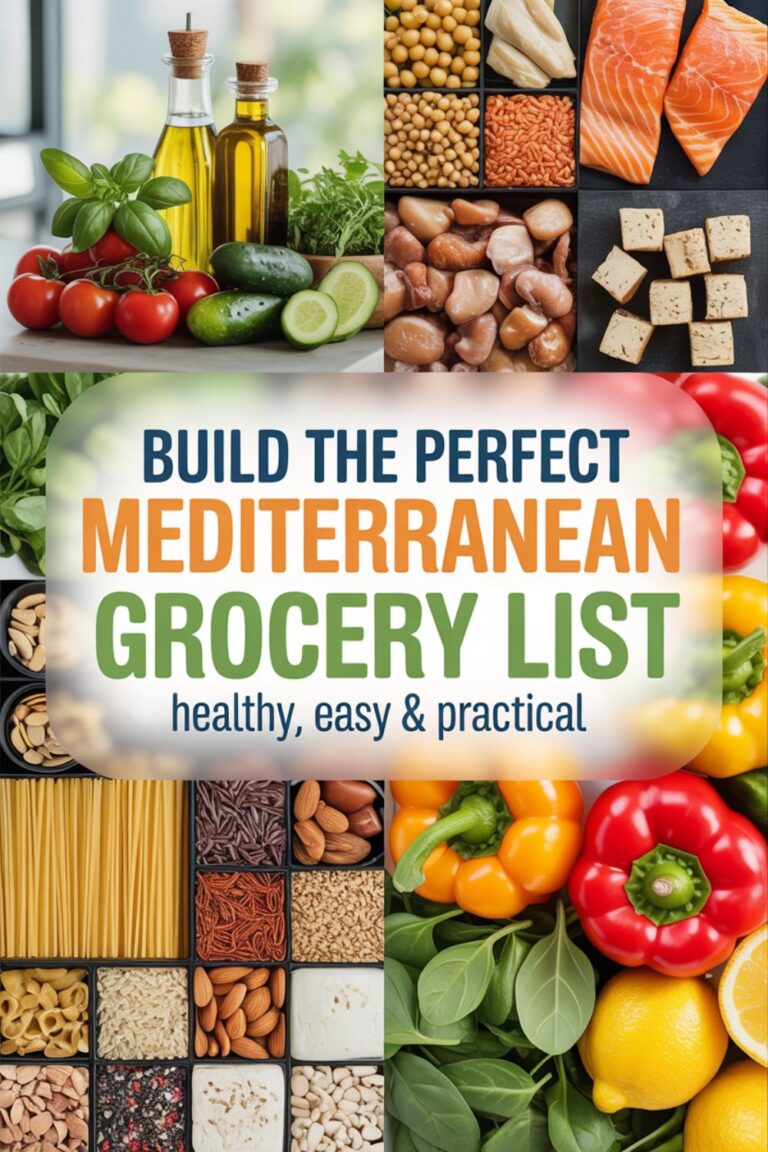
Mediterranean Grocery List Builder
A step-by-step guide to building a full anti-inflammatory grocery haul without overbuying or wasting anything. Read the Guide
7-Day Beginner Meal Prep Challenge
If this is your first serious attempt at meal prepping, this challenge walks you through it step by step with a free planner included. Start Free
Batch your grains all at once on Sunday. Make quinoa, brown rice, and farro in separate pots or use an Instant Pot with the pot-in-pot method. Store them separately in the fridge and you have the base for at least 8 different bowls throughout the week without cooking anything twice.
Frequently Asked Questions
How long do anti-inflammatory meal prep recipes stay fresh in the fridge?
Most of these recipes stay fresh for 3-5 days in airtight containers. Soups and grain-based dishes tend to keep best at up to 5 days, while recipes with fresh greens or fish are better eaten within 3-4 days. Smoothie packs stored in the freezer last up to three months.
Can I follow an anti-inflammatory meal prep plan on a budget?
Absolutely. Most anti-inflammatory staples — lentils, canned chickpeas, oats, frozen berries, and canned sardines — are among the cheapest items at any grocery store. Salmon and fresh berries can be pricier, but you can substitute canned salmon or frozen fruit without losing the nutritional benefits. For more ideas, these cheap meal prep recipes for a week of healthy eating are a great resource.
Do anti-inflammatory recipes support weight loss?
They can, yes. Anti-inflammatory foods tend to be high in fiber, protein, and micronutrients — all of which support satiety and stable blood sugar, making it easier to maintain a caloric deficit without feeling deprived. Reducing inflammation itself may also support healthier metabolic function over time. These weight loss meal prep bowls are a great companion resource.
Are these recipes suitable for vegan or dairy-free diets?
Most of them are, or can easily be made so. Recipes with salmon or mackerel are the obvious exceptions, but white beans, tempeh, or extra lentils work as plant-based protein swaps. Nutritional yeast, coconut milk, and dairy-free cheese substitute seamlessly in every recipe here that calls for dairy. For a fully plant-based week, these vegan meal prep ideas for the whole week are worth bookmarking too.
How do I know which foods are actually anti-inflammatory versus just marketed that way?
Stick to whole foods. Any food in its natural or minimally processed form — vegetables, fruits, legumes, whole grains, fatty fish, nuts, seeds, and olive oil — has a solid evidence base behind it. Foods most heavily marketed as “anti-inflammatory” (supplements, powders, processed products with health claims) are often far less effective than simply eating more of the basics. When in doubt, the Mediterranean dietary pattern is the most research-backed framework for reducing inflammation through food, and it maps almost perfectly onto the recipes here.
Your Fridge Can Work With You, Not Against You
Here is the thing about anti-inflammatory eating: it is not a sprint. You do not eat a bowl of turmeric salmon once and suddenly feel like a new person. What it is, though, is genuinely cumulative. Every meal you prep from this list is quietly working on your behalf — reducing the chronic background inflammation that most of us carry around without even realizing it.
The meal prep angle makes it sustainable. You are not relying on willpower at 7 PM when you are exhausted. You are relying on past-you, who did the work on Sunday so that current-you can just open a container and eat something that actually feels good in the body.
Start with two or three recipes this week. Pick the ones that sound most appealing — not most virtuous, most appealing. If you actually enjoy eating your meal prep, you will keep doing it. That is the whole game right there.
Your body is going to appreciate this. You might as well enjoy it too.