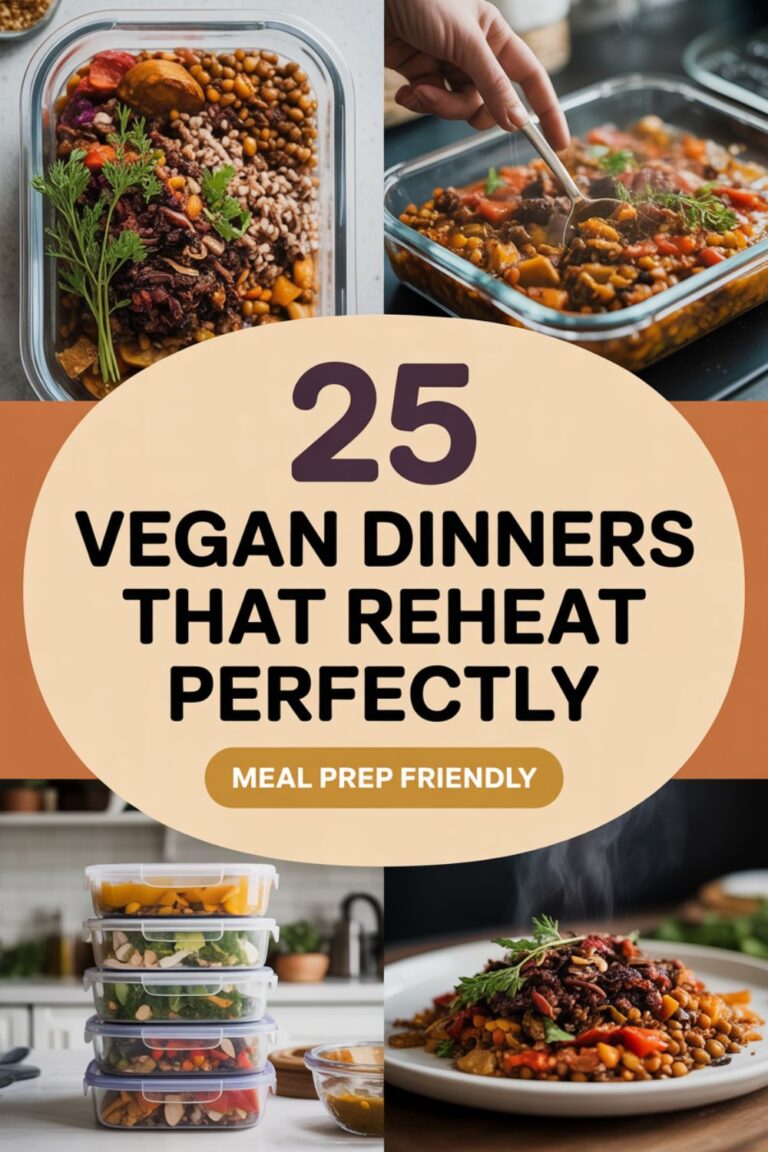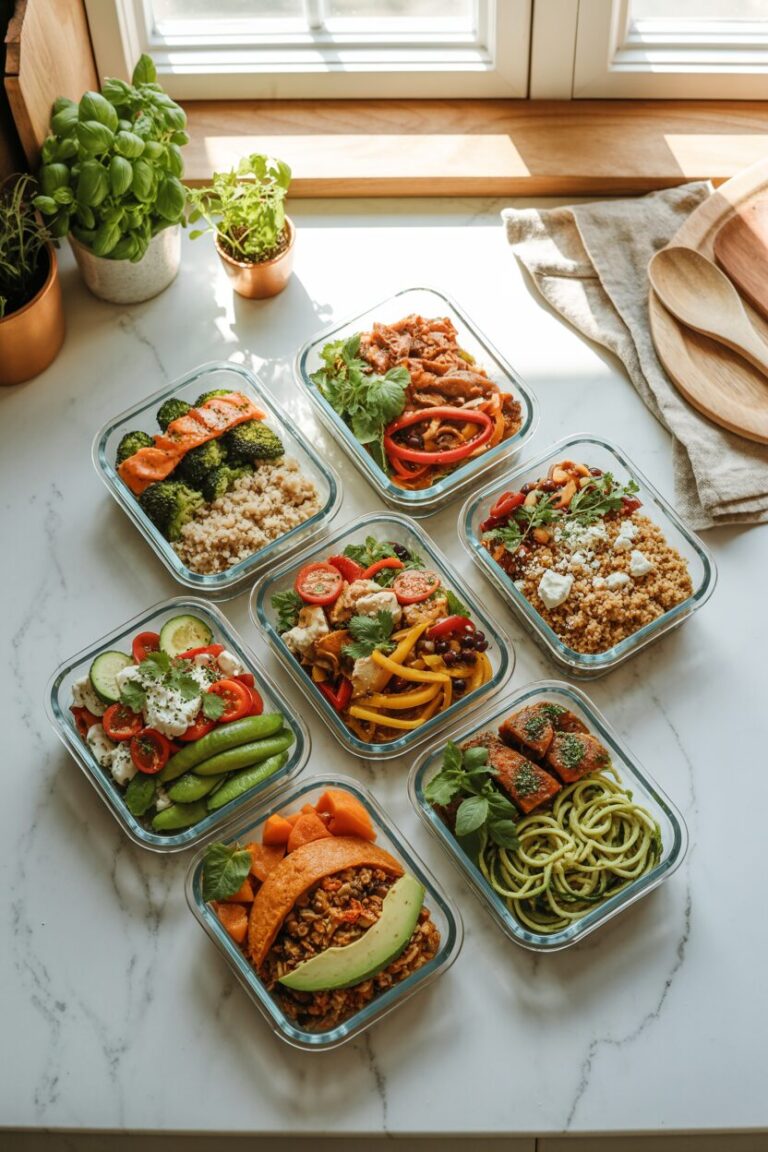
19 Low-Calorie Meal Prep Ideas for Spring
Light, fresh, and actually satisfying — because spring produce deserves better than sad desk salads.
Spring shows up and suddenly your whole body craves something lighter. The heavy stews and roasted everything you leaned on all winter? They start to feel a little much when the sun is back out and the farmers market is overflowing with asparagus, snap peas, and radishes that actually taste like something. This is the season where low-calorie meal prep stops feeling like a punishment and starts feeling like the obvious, delicious choice.
I started doing spring meal prep a few years ago after realizing I was dragging myself through March with the same four heavy winter dinners on rotation. One Sunday I bought a bunch of seasonal produce, cleared the counter, and just started building lighter bowls and jars. By Wednesday I was eating better than I had in months — and spending way less time thinking about food. That’s the whole point, right?
These 19 low-calorie meal prep ideas are built around spring’s best produce. They’re colorful, they reheat well, and most of them come in well under 450 calories per serving without trying very hard. Let’s get into it.
Why Spring Is the Best Season to Start (or Reset) Your Meal Prep
There’s something about longer days and lighter moods that makes healthy eating genuinely easier in spring. The produce is doing half the work for you. Asparagus, peas, artichokes, radishes, spring onions, zucchini, arugula — they’re all in peak form and they all happen to be naturally low in calories while being seriously high in flavor and texture.
According to research from Healthline on meal prep for weight loss, preparing your meals ahead of time is one of the most reliable ways to stay in a calorie deficit without obsessively tracking every bite. When your meals are ready to go, you make better decisions. It’s that simple. Spring just gives you the best possible ingredients to work with.
The other thing about spring meal prep that nobody talks about? The colors. Eating a bowl packed with greens, pinks, yellows, and purples is genuinely more satisfying than a beige plate — and it keeps you excited to actually eat what you prepped instead of ordering pizza on Thursday. If you want more visual inspo for building bowls that look as good as they taste, these aesthetic meal prep ideas are exactly that.
Prep your vegetables on Sunday night and your proteins Monday morning. Splitting the work into two short sessions feels far less like a project and far more like just cooking.
The 19 Low-Calorie Spring Meal Prep Ideas
Breakfast Preps (Ideas 1–5)
Lemon Chia Pudding with Strawberries
Mix chia seeds into unsweetened almond milk with lemon zest, a touch of honey, and vanilla. Refrigerate overnight and top in the morning with sliced strawberries and a small handful of granola. It tastes like dessert, clocks in around 220 calories, and takes three minutes to put together. Get Full Recipe
~220 cal per servingSpring Green Smoothie Packs
Pre-portion bags of baby spinach, frozen mango chunks, banana, and a small knob of fresh ginger into individual freezer bags. On busy mornings, dump the bag into the blender with almond milk and blend. Done. These come in around 200 calories and require approximately zero morning brain power. Get Full Recipe
~200 cal per servingAsparagus and Egg White Frittata Cups
Chop asparagus into small pieces and sauté quickly with garlic and spring onions. Pour egg whites over them in a muffin tin and bake at 375°F for 18 minutes. These protein-forward little cups are around 60 calories each and store perfectly for four days. Make a dozen on Sunday and breakfast is covered. Get Full Recipe
~60 cal each / ~180 cal for 3Overnight Oats with Peas and Mint (Yes, Really)
Before you close this tab, hear me out. Savory overnight oats are a thing, and they are genuinely great. Cook oats with low-sodium vegetable broth, let cool, and top with blanched sweet peas, fresh mint, crumbled feta, and a squeeze of lemon. Around 310 calories and you’ll tell all your friends about it. Get Full Recipe
~310 cal per servingGreek Yogurt Parfait Jars with Rhubarb Compote
Simmer chopped rhubarb with a little honey and orange juice until soft. Layer into jars with non-fat Greek yogurt and a tablespoon of low-sugar granola. These keep for three days in the fridge and land around 240 calories per jar. The rhubarb compote is worth making a big batch of — it also goes on toast, FYI.
~240 cal per jarLunch Preps (Ideas 6–11)
Shaved Asparagus and Grain Bowl
Use a vegetable peeler to create thin ribbons from raw asparagus. Toss with cooked farro, cherry tomatoes, lemon vinaigrette, and a handful of toasted pine nuts. Pack the dressing separately and this bowl holds up beautifully for four days. Around 380 calories and it’s the kind of thing coworkers will ask about. Get Full Recipe
~380 cal per servingSnap Pea and Edamame Buddha Bowl
Build over a base of cauliflower rice with snap peas, shelled edamame, shredded purple cabbage, grated carrot, sliced radishes, and a sesame-ginger dressing. This bowl has real crunch, hits around 350 calories, and the dressing is good enough to drink. Okay, maybe don’t drink it. But you’ll want to. Get Full Recipe
~350 cal per servingLemon Herb Chicken and Zucchini Spirals
Marinate chicken breast in lemon juice, garlic, fresh thyme, and a tiny drizzle of olive oil. Grill or bake, then slice and portion over spiralized zucchini. Heat the zucchini briefly before packing if you prefer it slightly softened. Comes in around 310 calories and packs down small enough for a work bag. Get Full Recipe
~310 cal per servingSpring Pea Soup in Mason Jars
Simmer frozen sweet peas with low-sodium vegetable broth, garlic, and a generous handful of fresh mint. Blend until smooth, add a touch of non-fat Greek yogurt for creaminess, and season well. Pour into wide-mouth mason jars and refrigerate. Around 180 calories a jar and reheats in two minutes flat.
~180 cal per jarTuna and White Bean Lettuce Wraps
Mix canned tuna (in water) with white beans, lemon juice, capers, diced celery, and a little Dijon mustard. Pack into butter lettuce cups and add sliced radishes on top right before eating. These are around 290 calories and take about eight minutes to assemble if you count being distracted by your phone. Get Full Recipe
~290 cal per servingRoasted Radish and Chickpea Grain Bowl
Roasting radishes transforms them completely — they go from sharp and peppery to sweet and tender. Toss with chickpeas, a little smoked paprika, and olive oil spray and roast at 400°F for 25 minutes. Serve over cooked bulgur with a lemon tahini drizzle and fresh parsley. Around 400 calories.
~400 cal per servingRoast two full sheet pans of mixed spring vegetables on Sunday and use them across multiple different bowls throughout the week. Same prep, four different lunches. That’s the move.
Dinner Preps (Ideas 12–16)
Sheet Pan Salmon with Spring Vegetables
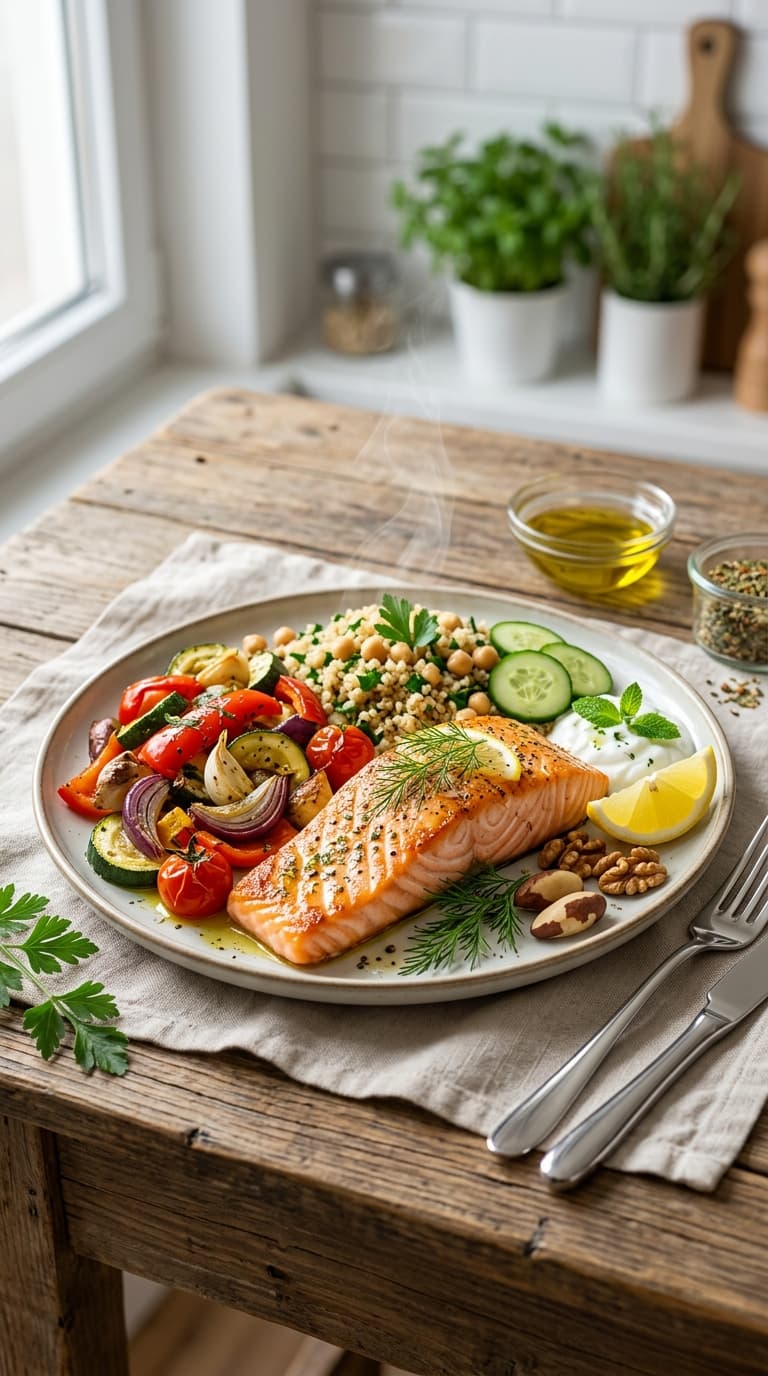
Place salmon fillets on a lined sheet pan surrounded by asparagus spears, halved cherry tomatoes, and thinly sliced fennel. Drizzle with lemon juice, capers, and a very light brush of olive oil. Roast at 400°F for 16 minutes. Salmon provides omega-3 fatty acids and loads of protein, and this dinner comes in around 390 calories. Get Full Recipe
~390 cal per servingTurkey and Spring Herb Meatballs with Zoodles
Mix lean ground turkey with grated zucchini, fresh mint, parsley, garlic, and a little lemon zest. Roll into golf-ball-sized portions and bake at 400°F for 20 minutes. Serve over spiralized zucchini with a simple tomato-herb sauce. These meatballs freeze beautifully. Around 360 calories per serving. IMO, this is one of the most versatile things you can batch cook.
~360 cal per servingSpiced Lentil and Spinach Stew
Red lentils cook fast, absorb flavor incredibly well, and cost almost nothing. Sauté onion and garlic, add canned diced tomatoes, red lentils, low-sodium vegetable broth, cumin, coriander, and turmeric. Stir in a massive handful of fresh spinach at the end. This stew comes in around 340 calories per serving, makes six portions, and actually gets better by day three.
~340 cal per servingBaked Cod with Cucumber Herb Salsa
Season cod fillets with garlic powder, smoked paprika, and lemon zest. Bake at 400°F for 12 minutes. Top with a quick salsa of diced cucumber, cherry tomatoes, fresh dill, capers, and lemon juice. Around 270 calories and it tastes like something you’d order at a restaurant — not something you assembled Sunday afternoon.
~270 cal per servingChicken and Artichoke Piccata
Pound chicken breast thin, dredge very lightly in whole wheat flour, and pan-sear in a minimal amount of olive oil. Deglaze with white wine, lemon juice, and capers, then add canned artichoke hearts (quartered). This is low-calorie cooking that doesn’t feel like it’s trying to be healthy. Around 380 calories per serving. Get Full Recipe
~380 cal per servingSnack and Side Preps (Ideas 17–19)
Snap Pea and Carrot Sticks with Green Goddess Dip
Blend non-fat Greek yogurt with fresh basil, tarragon, chives, lemon juice, and a little garlic until creamy and bright green. Pack alongside cut snap peas, carrot sticks, and cucumber rounds. Around 120 calories per snack portion. This dip is also excellent on everything from grain bowls to grilled chicken.
~120 cal per portionSpring Radish and White Bean Dip with Rice Cakes
Blend canned white beans with roasted garlic, lemon, and a little olive oil until smooth. Serve with thinly sliced radishes and a couple of rice cakes. The white beans provide protein and fiber that actually keep hunger at bay, which is the real point of a snack. Around 160 calories per portion.
~160 cal per portionChilled Cucumber and Mint Noodle Salad
Use kelp noodles or shirataki noodles as your base. Toss with julienned cucumber, shredded carrots, fresh mint, sesame seeds, and a dressing of rice vinegar, soy sauce, a touch of sesame oil, and grated ginger. Serve cold straight from the container. Around 130 calories and genuinely refreshing on a warm spring afternoon.
~130 cal per servingWhen buying spring produce for the week, choose two or three ingredients that cross multiple recipes — snap peas, asparagus, and lemon work in both breakfast and dinner preps. It trims your grocery list and your food waste at the same time.
Meal Prep Essentials Used in This Plan
Things I actually keep in my kitchen and reach for every prep Sunday — shared the way a friend would share them, not like a catalog.
Glass Meal Prep Containers (Set of 10)
The ones I use every single week. Glass heats evenly, doesn’t stain, and you can see exactly what’s inside. I use these leak-proof glass containers with snap lids for every bowl on this list — they stack neatly and last years.
Compact Countertop Spiralizer
For zucchini noodles, cucumber ribbons, and beet spirals — this thing earns its drawer space in spring. I swear by this handheld spiralizer that does multiple blade sizes. Compact, easy to wash, does the job without theatrics.
Heavy-Gauge Rimmed Baking Sheet
Half the recipes here start on a sheet pan. Flimsy ones warp and cook unevenly. I use this commercial-weight aluminum sheet pan that I pair with a silicone baking mat — zero sticking, zero scrubbing, and genuinely zero regrets.
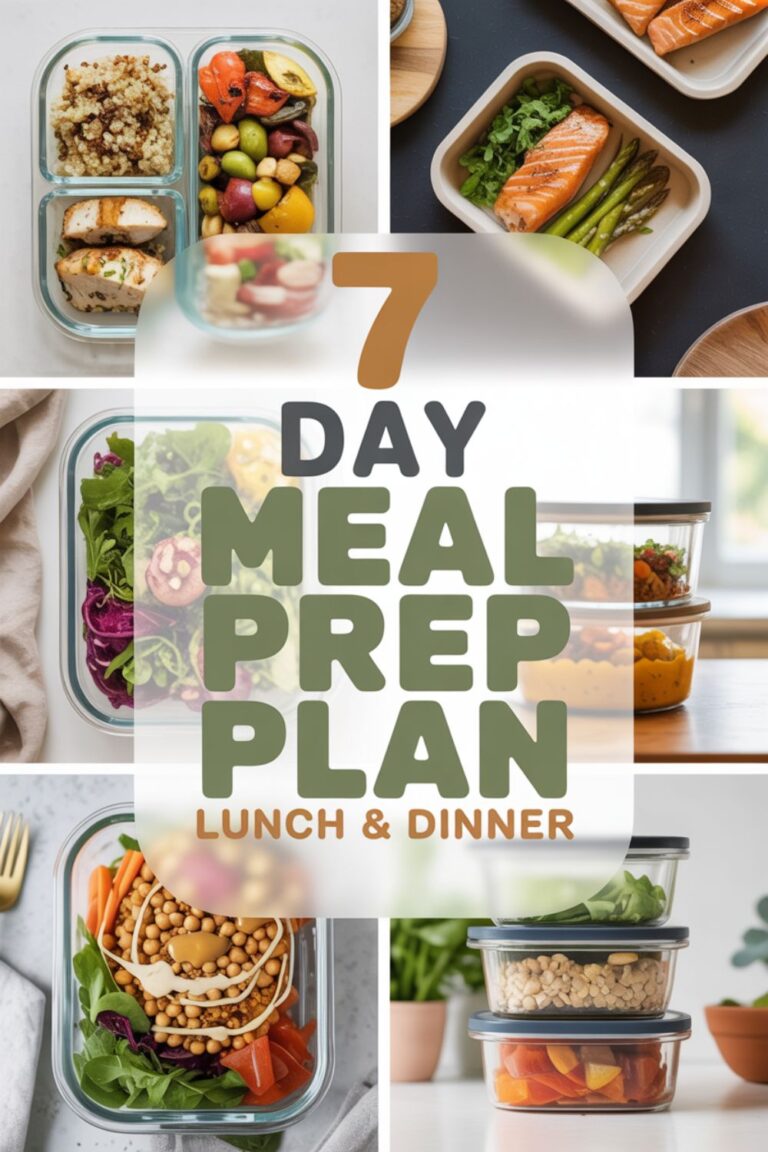
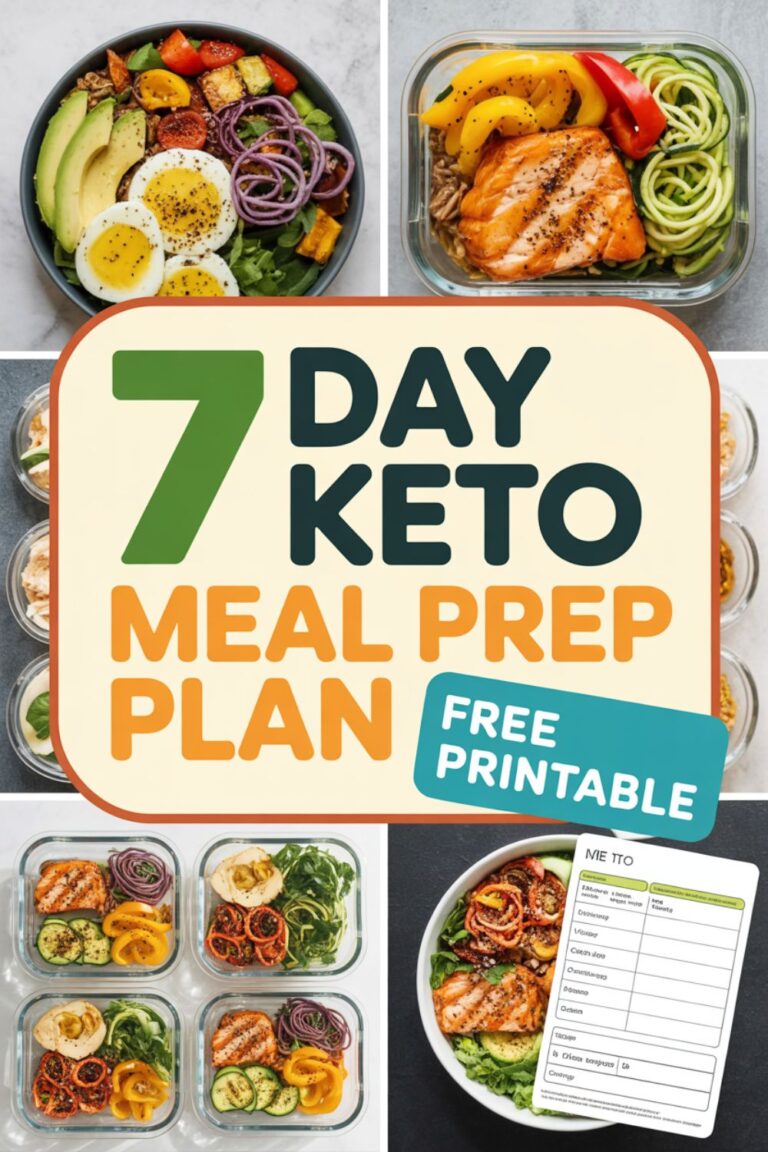
7-Day Spring Meal Prep Plan
A free printable plan that maps out a full week using spring produce. Covers breakfasts, lunches, dinners, and snacks with a built-in grocery list. Grab it at the 7-day spring Mediterranean meal prep plan.
Cronometer (Free App)
More precise than most calorie-tracking apps and actually useful for checking micronutrients — helpful when you want to make sure your meal prep is hitting protein and fiber goals without obsessing over every number.
Spring Grocery List Builder
If you’re starting from scratch and want a smart shopping framework for spring produce, check out this spring Mediterranean grocery list guide — it breaks down exactly what to buy and how much.
I started doing spring meal prep using a few of these ideas in March and by the end of April I’d dropped 11 pounds without ever feeling like I was on a diet. The snap pea bowls and the lemon chia puddings became non-negotiable for me. I actually look forward to Sundays now.
— Mara, from the Simply Well Eats communityHow to Build a Low-Calorie Spring Prep Without Losing Your Mind
The mistake most people make with meal prep is trying to cook twelve different things in one session. That’s a recipe for spending six hours in the kitchen and never doing it again. Low-calorie spring prep works best when you build it around a short list of versatile ingredients that can cross multiple meals.
Think of it as a capsule wardrobe for your fridge. A batch of roasted asparagus works in your grain bowl for lunch, alongside your baked salmon for dinner, and chopped into your frittata cups for breakfast. Cook once, eat three ways. The same logic applies to a pot of cooked farro, a tray of roasted snap peas, or a big batch of herby turkey meatballs.
Calorie-wise, spring produce makes this genuinely easy. Asparagus, zucchini, snap peas, spinach, radishes, cucumber, and arugula are all extremely low in calories while being high in fiber, water content, and flavor. You can eat a serious amount of food while staying well within a calorie target. According to Harvard’s Healthy Eating Plate guidelines, vegetables and fruits should make up half your plate at any meal — and spring is when that becomes the easiest, most enjoyable thing to do.
Protein is your best friend in low-calorie meal prep. Pairing low-calorie spring vegetables with lean protein sources like chicken breast, canned tuna, white fish, eggs, Greek yogurt, or legumes keeps you full and prevents the 3pm vending machine situation. A chicken bowl at 380 calories that keeps you satisfied until dinner is infinitely better than a 300-calorie lunch that has you hungry two hours later. For more on building high-protein, low-calorie combinations, these 14 low-calorie high-protein spring recipes are exactly what you need.
I used to think meal prep meant eating bland, sad containers of the same thing every day. These spring ideas completely changed that. The roasted radish bowl and the turkey meatballs are on permanent rotation in my house now. My husband actually started requesting them.
— Jen T., reader since 2023Storage Tips That Actually Keep Your Prep Fresh All Week
You can do everything right in the kitchen and then undo it all with bad storage choices. Glass containers are the gold standard for spring meal prep — they don’t absorb odors or stains, heat evenly in the microwave, and you can see exactly what’s inside at a glance. I use a set of wide-mouth glass mason jars for soups, smoothie packs, and grain bowls that need the dressing kept separate until lunchtime.
Dressings and sauces should almost always be stored separately until you’re ready to eat. The lemon vinaigrette on your asparagus bowl will turn everything soggy if you pour it straight in on Sunday. Pack it in a small 2-ounce leak-proof dressing container and your salads and grain bowls stay fresh and crisp through Thursday.
Most of these 19 recipes hold well for four to five days, which covers a full work week if you prep on Sunday. The exceptions are anything with avocado (add it fresh daily), fresh herbs as a garnish (same), and fish-based dishes, which taste best within three days. Plan your week with the fish dinners on Monday and Tuesday and your hardier stews and grain bowls toward the end of the week.
Label your containers with a piece of masking tape and a marker noting what’s inside and the date it was made. Five seconds of labeling saves you from the mystery-container-sniff test every single morning.
Frequently Asked Questions
How many calories should a low-calorie meal prep meal be?
A useful benchmark is 300 to 450 calories per main meal (breakfast, lunch, or dinner), leaving room for two small snacks of 100 to 200 calories each. This typically puts you in a moderate calorie deficit depending on your individual needs. It’s always worth checking with a healthcare provider or registered dietitian to get a number that works specifically for your body and goals.
Can I freeze spring meal prep recipes?
Many of them, yes. The spiced lentil stew, turkey meatballs, spring pea soup, and roasted chickpea bowls (without fresh toppings) all freeze beautifully. Dishes with zucchini noodles, fresh salad greens, or cucumber-based components don’t freeze well since the texture breaks down. Stick to hearty proteins and legume-based dishes for your freezer stash.
What’s the best way to keep meal prep salads from going soggy?
Layer heavier ingredients like grains and proteins at the bottom, lighter leaves and fresh herbs at the top, and always keep dressing in a separate small container. If you use a jar, the layering works even better. For grain bowls with cooked vegetables, slightly undercooking your veggies means they hold their texture after refrigeration and reheating.
Are low-calorie meal preps actually filling?
When you build them around enough protein and fiber, absolutely yes. The key is not chasing low calories by reducing portion size, but by choosing ingredients that are naturally low in calories and high in satiety — lean proteins, legumes, high-fiber vegetables, and whole grains. A well-built 380-calorie bowl will keep you full longer than a poorly built 550-calorie one.
How do I meal prep for spring if I’m a beginner?
Start with just three recipes — one breakfast, one lunch, and one dinner — and build from there. Pick recipes that share ingredients where you can. Don’t try to do everything at once. These beginner-friendly meal prep ideas are a great starting point if you’re new to the whole process.
Ready to Make Spring Your Best Prep Season Yet?
Spring meal prep doesn’t require a complicated plan, a giant grocery haul, or a Sunday disappearing act. It needs a decent list of seasonal produce, a few reliable recipes, and containers that actually close properly. The 19 ideas in this guide prove that low-calorie eating in spring isn’t about restriction — it’s about working with the season instead of against it.
Pick three or four recipes from this list for your first prep session. Mix and match across the ideas — use the roasted veggies from the salmon dinner in your grain bowl at lunch, stretch the turkey meatballs across two dinners, and keep your snack prep simple and consistent. You’ll eat well every single day this week without making a single mid-week decision about what’s for dinner.
The produce is ready. The recipes are here. Time to get prepping.