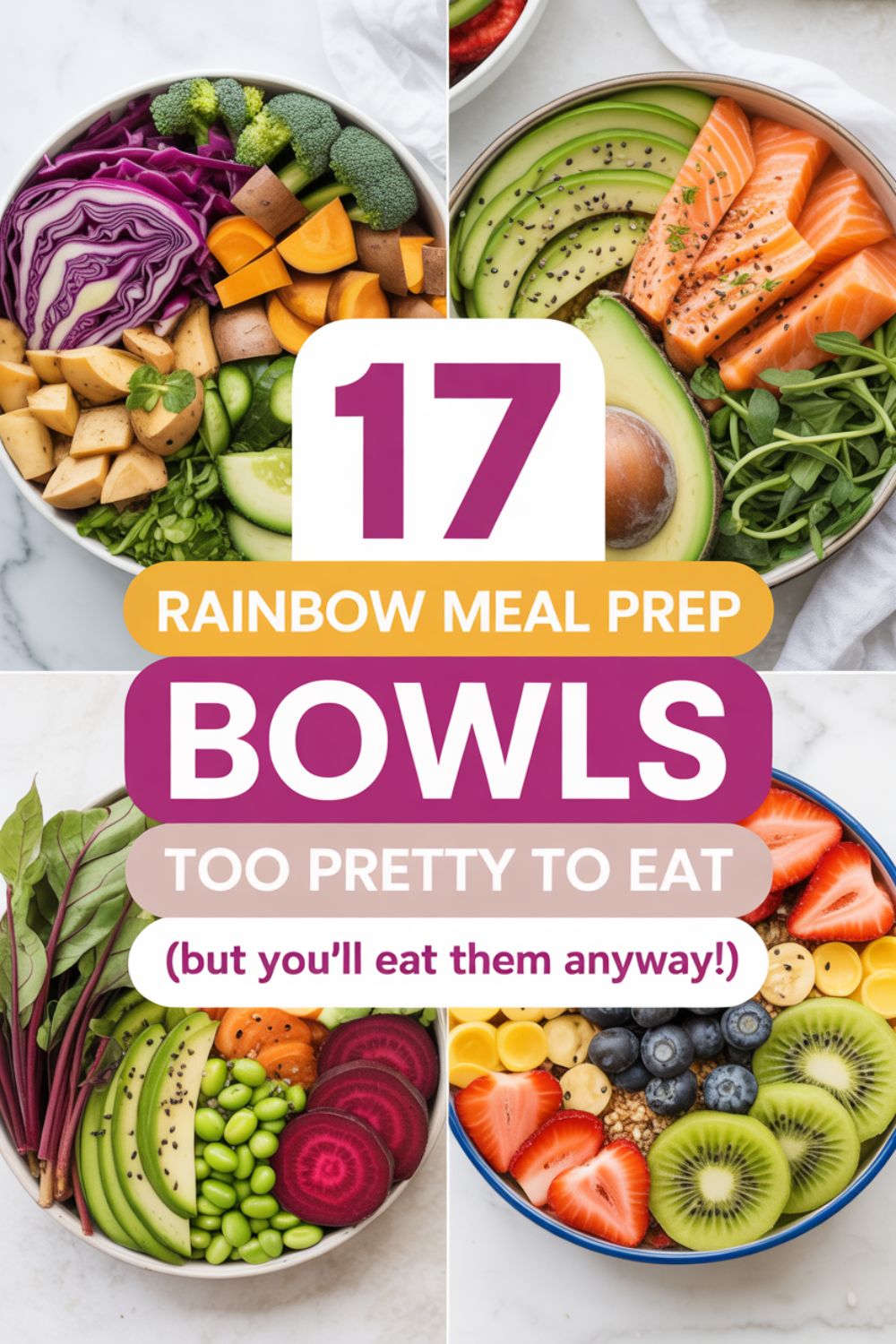
17 Rainbow Meal Prep Bowls That Look Too Pretty to Eat
You know that feeling when you scroll through Instagram and see those perfectly arranged meal prep bowls that look like they belong in an art gallery? Yeah, I used to think those were fake too. Turns out, making rainbow bowls that actually taste good and don’t require a culinary degree is totally doable.
Let me be real with you. I started meal prepping because I was tired of spending fifteen bucks on sad desk salads that left me hungry an hour later. But somewhere between batch-cooking chicken and portioning out quinoa, I realized something kind of wild—the more colors I threw into my bowls, the better I felt. Not just because they looked pretty, but because my energy levels actually stayed consistent throughout the day.
The science backs this up too. Research shows that different colored fruits and vegetables contain unique phytonutrients—those plant compounds that help protect against chronic diseases. Red foods pack lycopene for heart health, orange veggies deliver beta-carotene for your immune system, and purple produce brings anthocyanins that fight inflammation. When you eat the rainbow, you’re basically giving your body a full spectrum of protective compounds.
Here’s the thing about rainbow meal prep—it doesn’t have to be complicated. You’re not trying to win a cooking show. You just need to understand that variety isn’t just pretty; it’s practical. Different colors mean different nutrients, and different nutrients mean your body gets what it needs to function without sending you those 3 PM “feed me immediately” signals.
Why Rainbow Bowls Actually Work
I’ll skip the lecture about eating your vegetables because you’ve heard it a million times. But here’s what they don’t tell you: visual variety tricks your brain into feeling more satisfied. When you see multiple colors on your plate, your mind registers that as a complete meal. It’s psychology meeting nutrition, and honestly, it works.
Harvard Health notes that each color in plant foods signals different protective compounds, from the quercetin in white onions to the resveratrol in red grapes. You’re essentially building a nutritional insurance policy one colorful ingredient at a time.
Plus, when your meal prep looks this good, you’re way more likely to actually eat it. I can’t tell you how many times I’ve skipped the sad brown stew I made on Sunday because it just looked depressing. But a bowl with bright purple cabbage, orange sweet potato, and green avocado? That’s Instagram-worthy enough to make me excited about lunch.
Ultimate Meal Prep Planner
Stop winging it every Sunday. This digital planner includes weekly templates, grocery lists, and portion guides that actually make sense. It’s like having a meal prep coach in your pocket.
Get the PlannerThe Building Blocks of a Perfect Rainbow Bowl
Before we jump into specific recipes, let’s talk about the framework. Every good rainbow bowl needs these components:
The Base Layer
Start with something substantial. Brown rice, quinoa, or even cauliflower rice if you’re going low-carb. This is your foundation, so make it good. I use this rice cooker that has a timer function—life-changing when you’re trying to meal prep without burning everything.
The base doesn’t have to be boring either. Cook your grains in vegetable broth instead of water, or throw in some turmeric for that golden color. Speaking of turmeric, always add a pinch of black pepper when you use it. The piperine in pepper helps your body absorb the anti-inflammatory compounds way better.
Premium Glass Meal Prep Containers Set
Seriously, these containers changed my entire meal prep game. They’re the ones I mentioned earlier—glass construction means no weird plastic taste, they’re microwave and dishwasher safe, and the compartments keep everything separate until you’re ready to eat.
- Leakproof lids that actually work (tested with salad dressing disasters)
- Three compartments keep sauces away from greens
- Stackable design saves tons of fridge space
- BPA-free and freezer safe
- Set of 5 covers a full work week
The Protein Punch
You need something that’ll keep you full. Grilled chicken, baked tofu, hard-boiled eggs, chickpeas—pick your fighter. I usually rotate between different proteins throughout the week because eating the same thing five days in a row is a one-way ticket to ordering takeout by Wednesday.
Pro tip: cook your protein in big batches and season it differently for each batch. One batch with lemon and herbs, another with soy sauce and ginger. Same ingredient, completely different vibe.
The Rainbow Component
This is where the magic happens. You want at least four different colors in each bowl. And no, different shades of green don’t count as different colors. I’m talking red bell peppers, orange carrots, yellow corn, green broccoli, purple cabbage. Go wild.
The easiest way to do this? Roast everything on two sheet pans in the oven. Toss your veggies with olive oil, salt, and whatever spices you’re feeling, spread them out so they’re not crowded (crucial for getting that caramelized goodness), and roast at 425°F until they’re tender. I use these silicone baking mats so nothing sticks and cleanup is basically nonexistent.
The 17 Rainbow Bowls You Need to Try
1. Mediterranean Sunshine Bowl
This one’s my go-to when I’m craving something fresh. Quinoa base, grilled chicken seasoned with oregano and garlic, cherry tomatoes, cucumber, red onion, kalamata olives, and crumbled feta. Drizzle with lemon-tahini dressing and you’ve got yourself a bowl that tastes like vacation.
The tomatoes bring lycopene, cucumbers keep you hydrated, and the olives add healthy fats that help you absorb all those fat-soluble vitamins. Plus, feta makes everything better. That’s just science. Get Full Recipe
2. Southwest Fiesta Bowl
Brown rice, black beans, roasted corn, red bell peppers, purple cabbage slaw, avocado, and a lime-cilantro dressing that’ll make you forget fast food exists. The black beans are loaded with fiber and protein, keeping your blood sugar stable instead of sending you on a roller coaster.
I prep the cabbage slaw separately and only add it right before eating. Keeps everything crunchy instead of sad and wilted. Get Full Recipe
3. Asian-Inspired Ginger Bowl
Jasmine rice, teriyaki chicken or baked tofu, edamame, shredded carrots, red cabbage, snap peas, and sesame seeds. The dressing is what makes this—soy sauce, rice vinegar, fresh grated ginger, and a touch of honey. That ginger isn’t just for flavor; it’s got serious anti-inflammatory properties.
For the edamame, I buy the frozen kind and just microwave them. Don’t overthink it. Get Full Recipe
Looking for more globally-inspired options? Check out these quick meal prep bowls or dive into these high-protein variations that keep things interesting all week long.
Join Our WhatsApp Community
Get exclusive meal prep tips, weekly recipe ideas, and connect with fellow food enthusiasts who actually meal prep (not just pin recipes). No spam, just good food talk.
Join WhatsApp Channel4. Green Goddess Power Bowl
Sometimes you just need an all-green situation. Spinach and arugula base, quinoa, roasted broccoli, snap peas, cucumber, avocado, and green goddess dressing (Greek yogurt, herbs, lemon, garlic). Don’t let the monochrome fool you—this bowl is packed with vitamins K and C, folate, and fiber.
The Greek yogurt in the dressing adds probiotics for gut health. Your digestive system will thank you. Get Full Recipe
5. Sunset Sweet Potato Bowl
Roasted sweet potato cubes, brown rice, grilled shrimp or chickpeas, roasted red peppers, yellow bell peppers, cherry tomatoes, and a tahini drizzle. The sweet potatoes are high in beta-carotene, which converts to vitamin A in your body—essential for vision and immune function.
I cut the sweet potatoes into small cubes so they roast faster. Bigger chunks take forever and ain’t nobody got time for that. Get Full Recipe
6. Purple Rain Buddha Bowl
Wild rice blend, roasted purple cabbage, beets, red onion, chickpeas, walnuts, and balsamic vinaigrette. The anthocyanins in purple foods are associated with better heart health and cognitive function. Plus, this bowl looks absolutely stunning.
Fair warning: beets will turn everything pink. Embrace it. Or keep them in a separate container until you’re ready to eat. Get Full Recipe
7. Tropical Paradise Bowl
Coconut rice, grilled chicken with jerk seasoning, mango chunks, red bell peppers, purple cabbage, black beans, and lime-cilantro dressing. The mango adds natural sweetness plus vitamin C, and the jerk seasoning brings the heat without being overwhelming.
To make coconut rice, just swap out half the water for coconut milk. Game changer. Get Full Recipe
8. Italian Garden Bowl
Orzo pasta, cherry tomatoes, roasted zucchini, yellow squash, red onion, fresh basil, mozzarella balls, and balsamic glaze. This one’s more carb-heavy but sometimes you need that energy boost. The tomatoes and zucchini bring different antioxidants to the party.
I use this mandoline slicer to get uniform veggie slices that roast evenly. Just be careful with your fingers—those blades are serious. Get Full Recipe
9. Moroccan Spice Bowl
Couscous, spiced chickpeas, roasted carrots, cauliflower, red bell peppers, dried apricots, almonds, and a cumin-yogurt dressing. The warm spices—cumin, cinnamon, paprika—make this feel like a fancy restaurant meal even though you’re eating it at your desk.
Couscous cooks in like five minutes. If you say you don’t have time to meal prep, you’re lying to yourself. Get Full Recipe
10. Spring Veggie Bowl
Quinoa, roasted asparagus, snap peas, cherry tomatoes, radishes, hard-boiled eggs, and lemon-dill dressing. Asparagus is a natural diuretic and full of folate. Plus it tastes like spring even when it’s freezing outside.
For perfect hard-boiled eggs, I use this egg cooker. Set it and forget it. No more gray yolks or rubbery whites. Get Full Recipe
If you’re all about that minimalist aesthetic while staying healthy, you’ll love these Pinterest-worthy meal prep ideas that prove healthy eating doesn’t have to be complicated.
11. Korean BBQ Bowl
White rice, Korean-style beef (or mushrooms for vegetarian), kimchi, pickled cucumbers, carrots, purple cabbage, fried egg, and gochujang sauce. The fermented kimchi adds probiotics that support gut health, and the variety of pickled veggies brings different flavors without extra calories.
Don’t skip the fried egg on top. That runny yolk mixed into the rice is basically the whole point. Get Full Recipe
12. Tex-Mex Burrito Bowl
Cilantro-lime rice, seasoned ground turkey, pinto beans, corn, pico de gallo, jalapeños, shredded cheese, sour cream, and guacamole. This is basically Chipotle at home but cheaper and with better portions.
I make the pico de gallo fresh every few days because tomatoes get mushy. Everything else holds up fine for the full week. Get Full Recipe
13. Fall Harvest Bowl
Farro, roasted butternut squash, Brussels sprouts, dried cranberries, pecans, goat cheese, and maple-tahini dressing. The squash gives you that comforting fall vibe while packing vitamins A and C. Brussels sprouts are cruciferous vegetables with compounds that may help reduce cancer risk.
Roast your Brussels sprouts cut-side down for maximum crispy edges. This is non-negotiable. Get Full Recipe
14. Greek Goddess Bowl
Brown rice, grilled chicken with za’atar seasoning, cucumber, tomatoes, red onion, chickpeas, feta, olives, and tzatziki. Za’atar is this Middle Eastern spice blend that makes everything taste more interesting. You can find it at most grocery stores now or make your own.
The tzatziki does double duty as both dressing and protein boost thanks to the Greek yogurt base. Get Full Recipe
15. Rainbow Sushi Bowl
Sushi rice, smoked salmon or cooked shrimp, cucumber, avocado, carrots, edamame, nori strips, sesame seeds, and spicy mayo. All the flavors of sushi without the rolling skills required. The omega-3s in salmon are essential for brain health and reducing inflammation.
I use these small sauce containers to keep the spicy mayo separate until I’m ready to eat. Nobody wants soggy rice. Get Full Recipe
16. Indian-Spiced Lentil Bowl
Basmati rice, curried lentils, roasted cauliflower, spinach, cherry tomatoes, cucumber, and mint-yogurt sauce. Lentils are insanely high in protein and fiber for a plant-based option. They keep you full for hours without that heavy feeling.
The curry spices—turmeric, cumin, coriander—have anti-inflammatory properties. Plus they make your kitchen smell amazing. Get Full Recipe
17. California Dreamin’ Bowl
Quinoa, grilled chicken or tofu, roasted sweet potato, kale, avocado, strawberries, goat cheese, and balsamic vinaigrette. The strawberries bring vitamin C and antioxidants while adding a pop of sweetness that balances the savory elements.
Massage your kale with a bit of olive oil and salt before assembling. It breaks down the tough fibers and makes it way less chewy. Get Full Recipe
Want to keep your calorie count in check without sacrificing flavor? These bowls under 400 calories prove that eating light doesn’t mean eating boring. And if you’re trying to drop a few pounds, these weight loss meal prep bowls taste nothing like diet food.
Never Run Out of Meal Prep Ideas
Join our WhatsApp community for daily inspiration, prep hacks, and real talk about making healthy eating sustainable. Because meal prepping is way easier when you’ve got a crew.
Join the CommunityMeal Prep Tips That Actually Matter
Invest in Decent Containers
I’m not saying you need to spend a fortune, but those flimsy takeout containers from the grocery store? They’re trash. Literally. They crack, they leak, they warp in the microwave. Get yourself glass meal prep containers with compartments that can handle both the fridge and the microwave.
The compartments keep different components separate, which is key for maintaining texture. Nobody wants soggy lettuce mixed with their still-warm chicken.
Professional Chef’s Knife Set with Sharpener
Look, you can meal prep with dull knives, but why make yourself suffer? This set includes everything you need to chop vegetables efficiently without the hand cramps. The ergonomic handles actually make a difference when you’re dicing five bell peppers.
- High-carbon stainless steel stays sharp longer
- Includes chef’s knife, paring knife, and serrated knife
- Built-in sharpener so you’re never stuck with dull blades
- Protective sheaths included for safe storage
- Lifetime warranty because they stand behind their product
Batch Cook Your Proteins
Sunday afternoon, throw three chicken breasts in the oven, a batch of quinoa on the stove, and roast two sheet pans of veggies. That’s it. That’s the whole strategy. You’ll have enough components to mix and match all week.
Season different proteins with different spice blends to avoid flavor fatigue. Mexican spices one batch, Italian herbs another, Asian-inspired marinade for the third. Same ingredient, totally different meal.
Keep Dressings Separate
This is probably the most important tip. Don’t pre-dress your bowls. Just don’t. Keep dressings in small containers or squeeze bottles and add them right before eating. Your future self will appreciate the non-soggy vegetables.
Prep Once, Eat Different
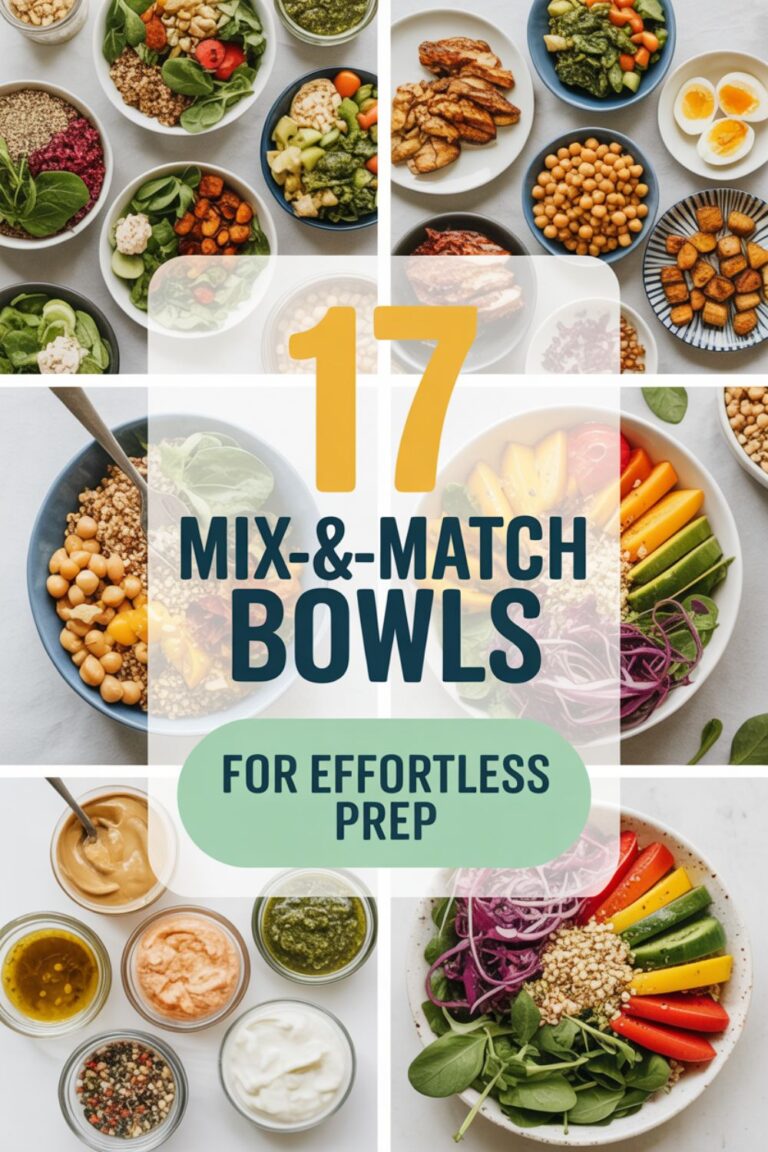
You don’t need seventeen different recipes if you’re smart about it. Prep your base ingredients—grains, proteins, roasted veggies—then mix up the combinations and dressings throughout the week. Monday could be Mediterranean, Wednesday goes Asian, Friday feels like Mexican food. Same components, different vibe.
Use Your Freezer
Cooked grains freeze beautifully. So do cooked beans, roasted veggies, and most proteins. If you’re meal prepping for the whole week, make extra and freeze half. Then you’ve got a head start for the following week.
Just label everything with the date. Otherwise you’ll end up with mystery containers six months later.
Digital Kitchen Scale with Nutritional Calculator
This thing takes the guesswork out of portions. I used to eyeball everything and wonder why my macros were all over the place. Now I actually know what 4 oz of chicken looks like, and the built-in calculator tells me the exact nutritional breakdown.
- Measures in grams, ounces, and pounds with precision to 0.1g
- Built-in database of 2000+ foods with nutritional info
- Tracks calories, protein, carbs, and fats automatically
- Large LCD display that’s easy to read
- Tare function for measuring multiple ingredients
- Rechargeable battery lasts for weeks
The Color-Coding Strategy
Here’s a simple framework to make sure you’re hitting all your nutritional bases without overthinking it:
Red foods (tomatoes, peppers, strawberries): Lycopene for heart health and prostate health. These antioxidants become more bioavailable when cooked, so don’t feel bad about roasting those tomatoes.
Orange and yellow foods (carrots, sweet potatoes, bell peppers): Beta-carotene converts to vitamin A in your body. Essential for vision, immune function, and skin health. The vitamin A in these foods is also important for reproduction and cell growth.
Green foods (spinach, broccoli, kale): Loaded with vitamins K and C, folate, and minerals like iron and calcium. Dark leafy greens have some of the highest antioxidant concentrations per serving.
Blue and purple foods (blueberries, cabbage, eggplant): Anthocyanins that support brain health and may help protect against age-related cognitive decline. These compounds also have anti-inflammatory effects.
White and tan foods (cauliflower, mushrooms, onions): Often overlooked but packed with quercetin and other flavonoids. Garlic and onions contain allicin, which has antimicrobial properties.
Common Mistakes to Avoid
Overcrowding Your Sheet Pan
When vegetables are too close together, they steam instead of roast. You want caramelization, not mush. Spread everything out in a single layer with space between pieces. Use two pans if you need to.
Forgetting About Texture
A good bowl needs crunch. Add nuts, seeds, crispy chickpeas, or fresh veggies that maintain their texture. All soft ingredients make for a boring eating experience.
Ignoring Your Taste Buds
If you hate beets, don’t force yourself to eat them just because they’re healthy. There are plenty of purple options—try red cabbage or eggplant instead. Sustainable healthy eating means actually enjoying what you eat.
Skipping the Fat
You need fat to absorb fat-soluble vitamins (A, D, E, K). Drizzle olive oil on your veggies, add avocado, throw in some nuts or seeds. Fat also helps keep you full longer and makes everything taste better.
Making Everything Complicated
You don’t need fancy ingredients or complicated techniques. Simple roasted vegetables with good seasoning beat elaborate recipes you’ll never make again. Keep it straightforward enough that you’ll actually do it every week.
Meal Prep Master Class
Learn the exact system I use to prep 5 days of meals in 90 minutes. Video tutorials, printable guides, and a private community of meal preppers who actually get it.
Join the ClassMaking It Work for Your Life
The perfect meal prep system is the one you’ll actually stick with. If Sunday afternoon doesn’t work for you, prep on whatever day does. If you hate cooking all at once, spread it out over a couple of evenings. The goal isn’t to follow some rigid system—it’s to have healthy food ready when you need it.
I typically spend about 90 minutes on Sunday prepping everything for the week. That’s less time than I used to spend deciding what to eat, ordering it, waiting for delivery, and then feeling guilty about spending money on mediocre food.
Start small if this feels overwhelming. Prep just your lunches for three days. Get comfortable with that, then add more. You don’t need to go from zero to meal prep master overnight.
The truth is, eating healthy doesn’t have to be expensive, time-consuming, or boring. Rainbow meal prep bowls give you variety, nutrition, and visual appeal without requiring you to be a professional chef. They’re practical, they’re satisfying, and yeah, they look good enough to post on Instagram if that’s your thing.
28-Day Rainbow Bowl Challenge
Transform your eating habits with our structured challenge. Get daily recipes, shopping lists, and accountability check-ins. Over 2,000 people have already completed it.
Start the ChallengeFinal Thoughts
Rainbow meal prep bowls aren’t just a trend or another Pinterest fantasy. They’re a practical way to eat better without overthinking every meal or spending hours in the kitchen daily. The colors aren’t just for show—they represent different nutrients your body needs to function optimally.
Will your first attempt be Instagram-perfect? Probably not. Mine looked like a kindergarten art project gone wrong. But the more you do it, the easier it gets. You’ll figure out which combinations you love, how much food you actually need, and what prep shortcuts work for your schedule.
The beauty of this approach is its flexibility. Vegetarian? Swap the chicken for tofu or extra beans. Trying to build muscle? Double the protein. On a budget? Focus on cheaper vegetables like cabbage and carrots. These bowls adapt to your life, not the other way around.
So grab some containers, pick up a variety of colorful vegetables next time you’re at the grocery store, and just start. It doesn’t have to be perfect. It just has to be better than whatever you’re doing now. Your future self—the one who’s not stressed about lunch at noon or tempted by the vending machine at 3 PM—will thank you.
Now if you’ll excuse me, I have a date with my meal prep containers and a rainbow of vegetables that won’t roast themselves.