Mediterranean Diet Food List: 20 Must-Have Foods To Buy
Mediterranean Diet Food List: 20 Must-Have Foods To Buy
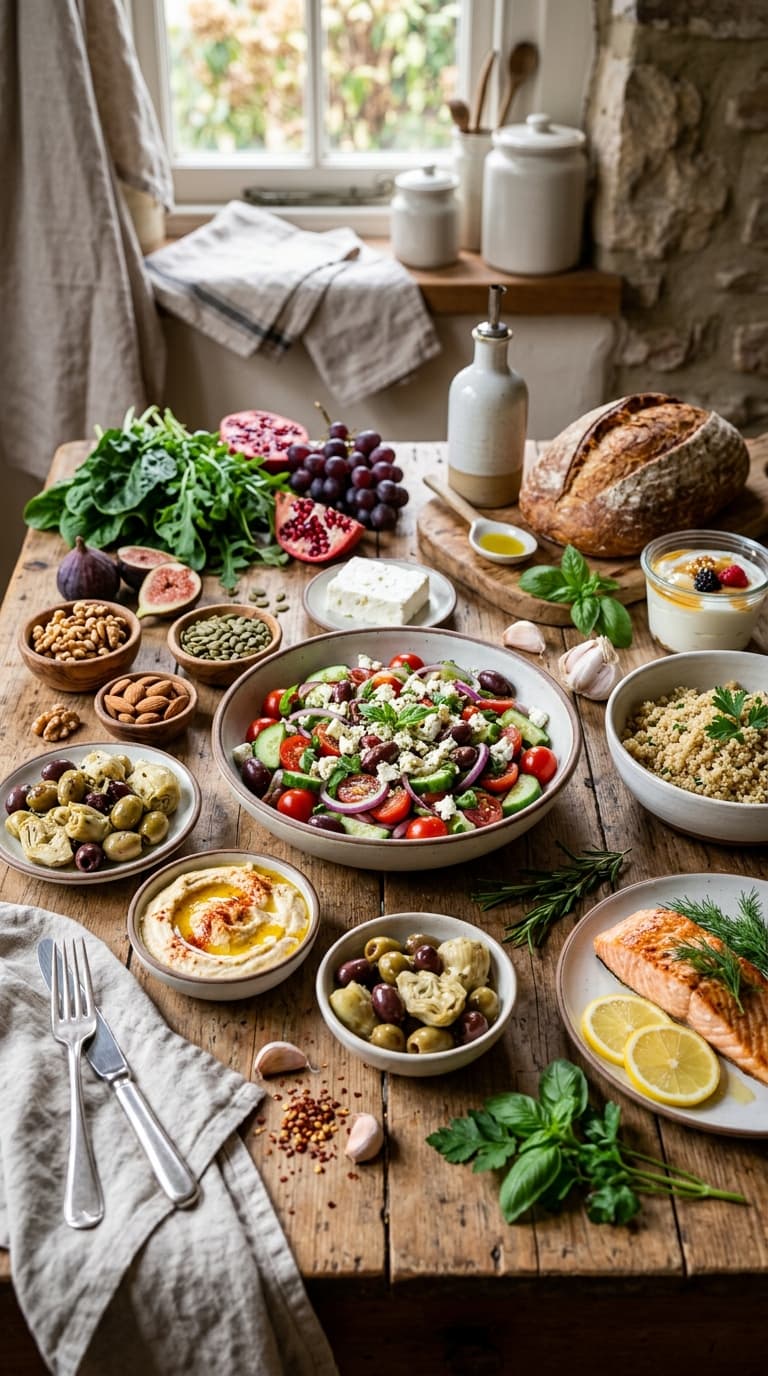
Let me be real with you — I used to think the Mediterranean diet was just “eat some olives and call it a day.” Spoiler: I was so wrong. Once I actually stocked my kitchen the right way, my meals transformed completely. Better energy, better flavor, and honestly? Way less time stressing about what to eat. So if you’re ready to build a pantry that actually works for you, this Mediterranean diet food list is exactly where to start.
Why Your Grocery List Is Everything
You’ve probably heard that the Mediterranean diet is one of the healthiest eating patterns on the planet. But here’s the thing — it only works if you’ve got the right ingredients on hand. Walking into your kitchen at 6pm to find a sad bag of pasta and zero olive oil is not the vibe.
The foundation of this diet is simple: whole foods, healthy fats, lean proteins, and tons of produce. No weird supplements, no cutting out entire food groups. Just real, delicious food done right. And if you’re already into quick Mediterranean meal prep ideas for busy weeks, then stocking these 20 staples will make your prep sessions so much smoother.
The 20 Must-Have Mediterranean Diet Foods
1. Extra Virgin Olive Oil
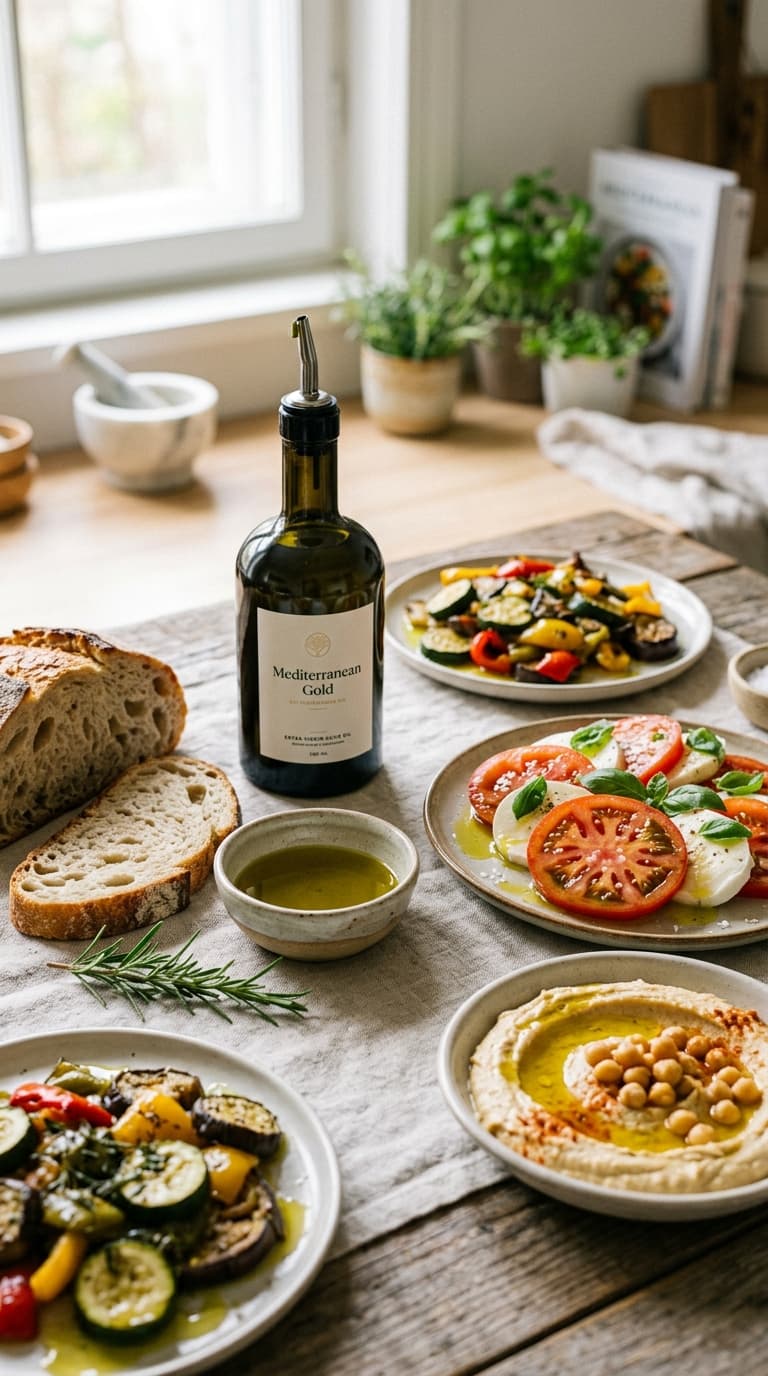
Let’s start with the MVP. Extra virgin olive oil (EVOO) is the cornerstone of Mediterranean cooking — and no, regular vegetable oil is not a substitute (sorry, not sorry). EVOO is loaded with monounsaturated fats and polyphenols that actively support heart health.
Use it for sautéing, drizzling over salads, or dipping with crusty bread. IMO, a good bottle of EVOO can single-handedly upgrade your entire cooking game.
- Look for cold-pressed varieties
- Store in a dark, cool place
- Use within 6 months of opening for best flavor
2. Chickpeas
Chickpeas are basically the Swiss Army knife of the Mediterranean pantry. Roast them, blend them into hummus, toss them into salads — they do it all. They’re packed with plant-based protein and fiber, which keeps you full without the afternoon crash.
Canned or dried both work great. If you meal prep on Sundays, a big batch of cooked chickpeas can carry you through the entire week.
3. Lentils
Lentils are humble but mighty. One cup of cooked lentils delivers around 18 grams of protein — which is impressive for a legume. They cook faster than most other dried legumes and soak up flavor like a dream.
Red lentils work beautifully in soups. Green and brown lentils hold their shape better for salads and grain bowls. These pair perfectly with the kinds of balanced meal prep bowls with protein, carbs, and veggies that make healthy eating feel effortless.
4. Whole Grains (Farro, Bulgur, Quinoa)
White rice has left the chat. Mediterranean eating leans heavily on ancient and whole grains that come loaded with fiber, B vitamins, and a chewy, nutty texture that actually makes meals more satisfying.
- Farro — earthy, chewy, great in grain bowls
- Bulgur — cooks fast, perfect for tabbouleh
- Quinoa — technically a seed, but plays perfectly in this space
These grains form the backbone of so many Mediterranean bowls you can prep in advance.
5. Canned or Fresh Tomatoes
Tomatoes are non-negotiable. Rich in lycopene, vitamin C, and antioxidants, they show up in everything from shakshuka to pasta sauces to simple bruschetta. Canned tomatoes are actually more lycopene-dense than fresh ones (cooking breaks down the cell walls), so don’t sleep on that pantry staple.
Always keep a few cans of crushed or whole peeled tomatoes on hand. You’ll thank yourself later at 7pm when you need dinner in 20 minutes.
6. Leafy Greens (Spinach, Arugula, Swiss Chard)
Dark leafy greens are the silent heroes of the Mediterranean diet. Spinach, arugula, kale, and Swiss chard all bring iron, calcium, folate, and a punch of flavor that bags of iceberg lettuce simply cannot compete with.
Arugula especially is underrated — slightly peppery, incredibly versatile, and it makes any simple dish feel a little fancy. Throw it on pizza, mix it into pasta, or use it as your salad base.
7. Fresh Herbs (Parsley, Basil, Oregano, Mint)
Here’s where Mediterranean cooking really separates itself. Fresh herbs aren’t a garnish — they’re a main ingredient. A handful of flat-leaf parsley can transform a boring grain bowl into something that tastes like it came from a restaurant.
Grow a small herb pot on your windowsill if you can. Basil, parsley, and mint are easy to maintain and will save you money while keeping your meals vibrant and fresh.
8. Garlic
Do I even need to explain this one? Garlic is in virtually every Mediterranean dish for good reason — it adds depth, warmth, and that unmistakable savory note that makes food smell amazing the second it hits the pan.
Beyond flavor, garlic has solid anti-inflammatory and antimicrobial properties. Buy whole bulbs instead of pre-minced jars — the flavor difference is genuinely significant. Fresh garlic is one of those small upgrades that costs almost nothing but changes everything.
9. Greek Yogurt
Full-fat, plain Greek yogurt is a Mediterranean pantry staple that works for breakfast, sauces, dips, and marinades. It’s thick, creamy, tangy, and packs a serious protein punch — usually around 17–20 grams per cup.
Use it as a base for tzatziki, dollop it on grain bowls, or mix it with honey and fruit for a quick breakfast. It’s one of the best foods for hitting your protein goals without a lot of effort, and it fits right into Mediterranean breakfast meal prep recipes that actually make mornings easier.
10. Eggs
Eggs are simple, affordable, and endlessly versatile. The Mediterranean approach leans on eggs as a moderate protein source — not as a daily feast, but as a reliable, nutrient-dense option a few times a week.
Hard-boiled eggs are the ultimate meal prep hack. Poached eggs over greens and chickpeas? A genuinely perfect weeknight dinner. Eggs belong in every version of a well-stocked Mediterranean fridge.
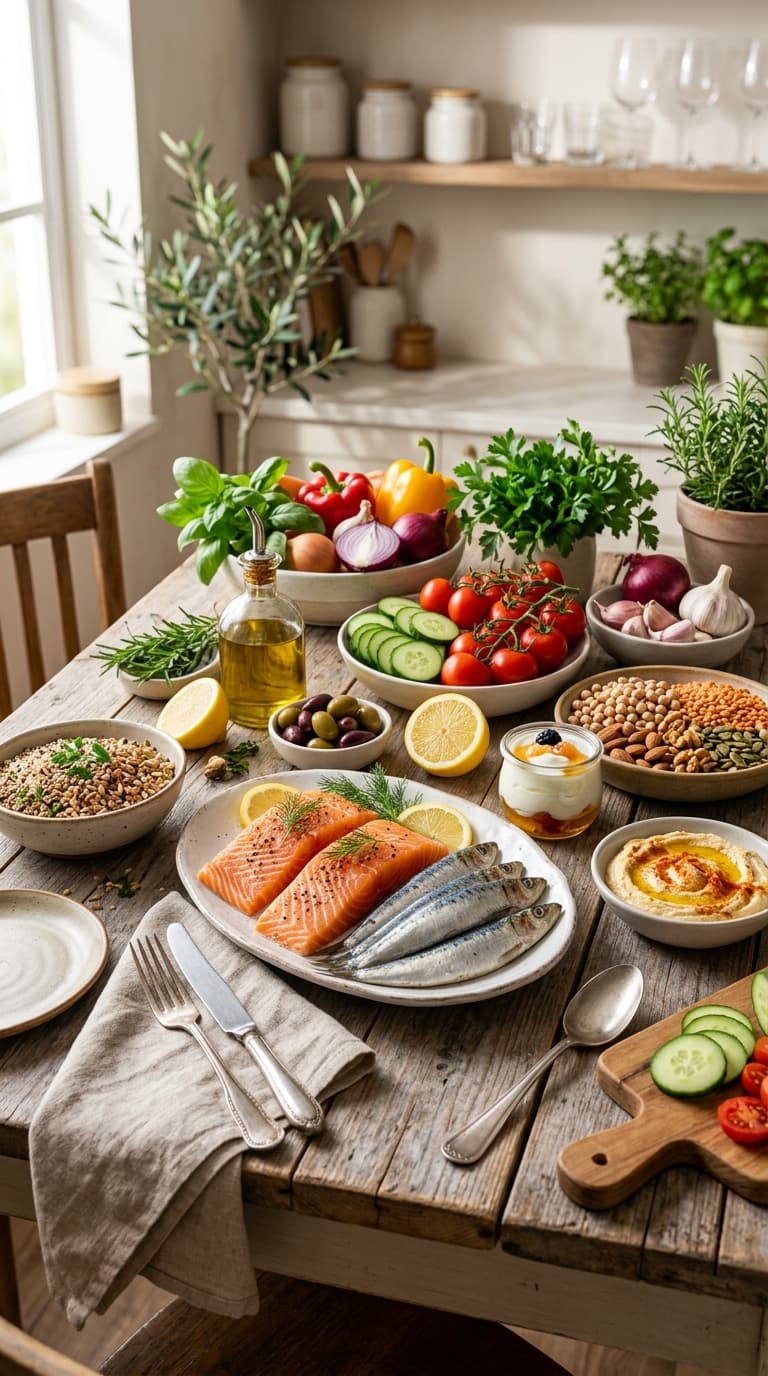
11. Fatty Fish (Salmon, Sardines, Mackerel)
This is the one most people skip — and they really shouldn’t. Fatty fish like salmon, sardines, and mackerel are loaded with omega-3 fatty acids, which support brain health, reduce inflammation, and protect cardiovascular function.
Sardines especially are an underrated power food. They’re cheap, sustainable, and packed with nutrients. If the idea of sardines makes you nervous, try them on toast with a squeeze of lemon and a little hot sauce. You might be surprised 🙂
12. Feta Cheese
Feta is the cheese of the Mediterranean world, and honestly it earns that title every time. Made from sheep’s milk (sometimes with a little goat’s milk), feta has a crumbly texture and briny, tangy flavor that elevates salads, roasted veggies, and grain bowls instantly.
It’s also lower in calories and fat than most hard cheeses, so you can use it generously without derailing your nutrition goals. Always buy block feta over pre-crumbled — the texture and flavor are noticeably better.
13. Kalamata Olives
Not all olives are created equal, and Kalamata olives are at the top of that hierarchy. Dark, rich, and slightly fruity, they’re a great source of healthy monounsaturated fats and add an incredible savory punch to any dish.
Toss them into salads, chop them into pasta, or eat them straight from the jar as a snack. They keep for weeks in the fridge once opened, making them one of the most practical items on this list.
14. Walnuts and Almonds
Nuts are a daily staple in true Mediterranean eating — not just a trail mix afterthought. Walnuts are particularly noteworthy for their omega-3 content, while almonds bring vitamin E and magnesium to the table.
A small handful (about 30 grams) as an afternoon snack keeps hunger in check without spiking blood sugar. For more ideas on using nuts and whole foods to build satisfying meals, check out these Mediterranean snacks you can batch prep on Sunday — genuinely one of the smartest things you can do for your week.
15. Lemons
Never underestimate the power of a fresh lemon. Lemon juice and zest add brightness and acidity that can make the difference between a flat-tasting dish and one that sings.
Mediterranean cooks use lemon constantly — squeezed over fish, mixed into dressings, stirred into hummus, drizzled on roasted vegetables. Always keep a few lemons on hand. They’re cheap, they last well, and they make everything better.
16. Canned or Jarred Artichoke Hearts
Artichoke hearts are one of those ingredients that sounds fancy but is incredibly easy to work with straight from the jar. They bring a subtle, earthy flavor and a meaty texture to salads, pasta, and grain bowls.
They’re also high in fiber and antioxidants. Look for artichokes packed in water or olive oil — either works. This is the kind of ingredient that makes a simple weeknight bowl feel like real cooking.
17. Red Onion
Red onion is one of the most used aromatics in Mediterranean cuisine. Sliced thin and tossed raw into a salad, it brings sharpness and a slight sweetness. Roasted, it becomes soft, caramelized, and almost jammy.
Red onion also contains quercetin, an antioxidant with anti-inflammatory properties. Keep a few on hand at all times. They’re inexpensive and contribute flavor to almost every savory dish in this diet.
18. Dried Spices (Cumin, Sumac, Za’atar, Paprika)
FYI — if your spice rack only has salt and black pepper, we need to talk. The spice blends used across Mediterranean and Middle Eastern cooking are what give this diet its incredible flavor variety.
- Sumac — tangy, lemony, perfect on salads and meats
- Za’atar — earthy herb blend, amazing on flatbread with olive oil
- Cumin — warm and nutty, essential for legume dishes
- Smoked paprika — adds depth to roasted vegetables and fish
These spices transform simple ingredients into something that actually excites you to eat.
19. Sweet Potatoes and Root Vegetables
Sweet potatoes, beets, and carrots bring natural sweetness, complex carbs, and serious nutritional value to Mediterranean meals. Roasted with olive oil and cumin, sweet potatoes are one of the best base ingredients you can prep in bulk.
They store well, reheat beautifully, and work in everything from breakfast bowls to hearty dinner plates. If you’re building Mediterranean dinner preps that reheat beautifully, root vegetables are your best friend.
20. Red Wine Vinegar
The last item on this list might be the most underrated. Red wine vinegar adds acidity and depth to dressings, marinades, and sauces without adding calories or sodium. It’s a pantry essential that pulls the whole Mediterranean flavor profile together.
Use it in vinaigrettes, drizzle it over roasted veggies, or add a splash to braised dishes. A bottle costs next to nothing and lasts for ages. Once you start using it regularly, you’ll wonder how your salads ever survived without it.
Building Your Mediterranean Grocery Strategy
Now that you’ve got the list, here’s how to actually approach your shopping. Don’t try to buy all 20 items in one trip if you’re just starting out — that’s a recipe for overwhelm and a very expensive receipt :/
Start with the pantry staples: olive oil, canned tomatoes, chickpeas, lentils, whole grains, red wine vinegar, and dried spices. These don’t expire quickly and form the base of most meals. Then fill in the fresh items — produce, herbs, Greek yogurt, eggs, and fish — week by week as you build the habit.
A complete Mediterranean grocery list guide can make this process even more systematic if you want a structured starting point. Pairing that with a 7-day Mediterranean meal prep plan takes all the guesswork out of the equation.
How These Foods Actually Work Together
The magic of the Mediterranean diet isn’t any single superfood — it’s the way these ingredients interact. Olive oil helps your body absorb fat-soluble vitamins from leafy greens. The fiber in legumes feeds the gut bacteria that keep your immune system strong. The omega-3s in fatty fish balance out inflammation that other dietary patterns can cause.
Think of your grocery list as building a system, not collecting individual health foods. When you start cooking with these 20 ingredients regularly, you’ll notice your meals naturally become more colorful, more satisfying, and more varied. That’s when it really clicks.
For high-protein meal prep inspiration that fits perfectly into this framework, these 25 high-protein meal prep recipes to stay full all day are worth bookmarking.
Final Thoughts
The Mediterranean diet works because it’s genuinely enjoyable to eat this way — not because it requires iron willpower or complicated recipes. Stock your kitchen with these 20 foods and you’ve already done most of the work. The meals practically write themselves when you’ve got good ingredients on hand.
Start small, shop consistently, and give yourself a few weeks to settle into the rhythm. Once you do, eating this way stops feeling like a diet and starts feeling like the most natural thing in the world. And honestly? That’s the whole point.