How to Build a Spring Mediterranean Grocery List
Listen, I’ve wandered through enough grocery stores with a vague idea of “eating healthy” to know that good intentions and an empty cart don’t exactly lead to meal prep success. But here’s the thing—spring changes the game completely when you’re building a Mediterranean-style grocery list.
The Mediterranean diet isn’t just some trendy eating plan that’ll disappear next month. Research from Harvard’s School of Public Health shows this way of eating genuinely reduces cardiovascular disease risk by about 25% and cuts premature death risk by 23%. Those aren’t just numbers—that’s real, measurable life improvement.
Spring gives us this perfect window where markets overflow with exactly the kind of fresh, vibrant produce that makes Mediterranean cooking sing. We’re talking asparagus so crisp it snaps, strawberries that actually taste like something, and leafy greens that haven’t been shipped halfway across the planet. This is when building your grocery list becomes less of a chore and more of an adventure.
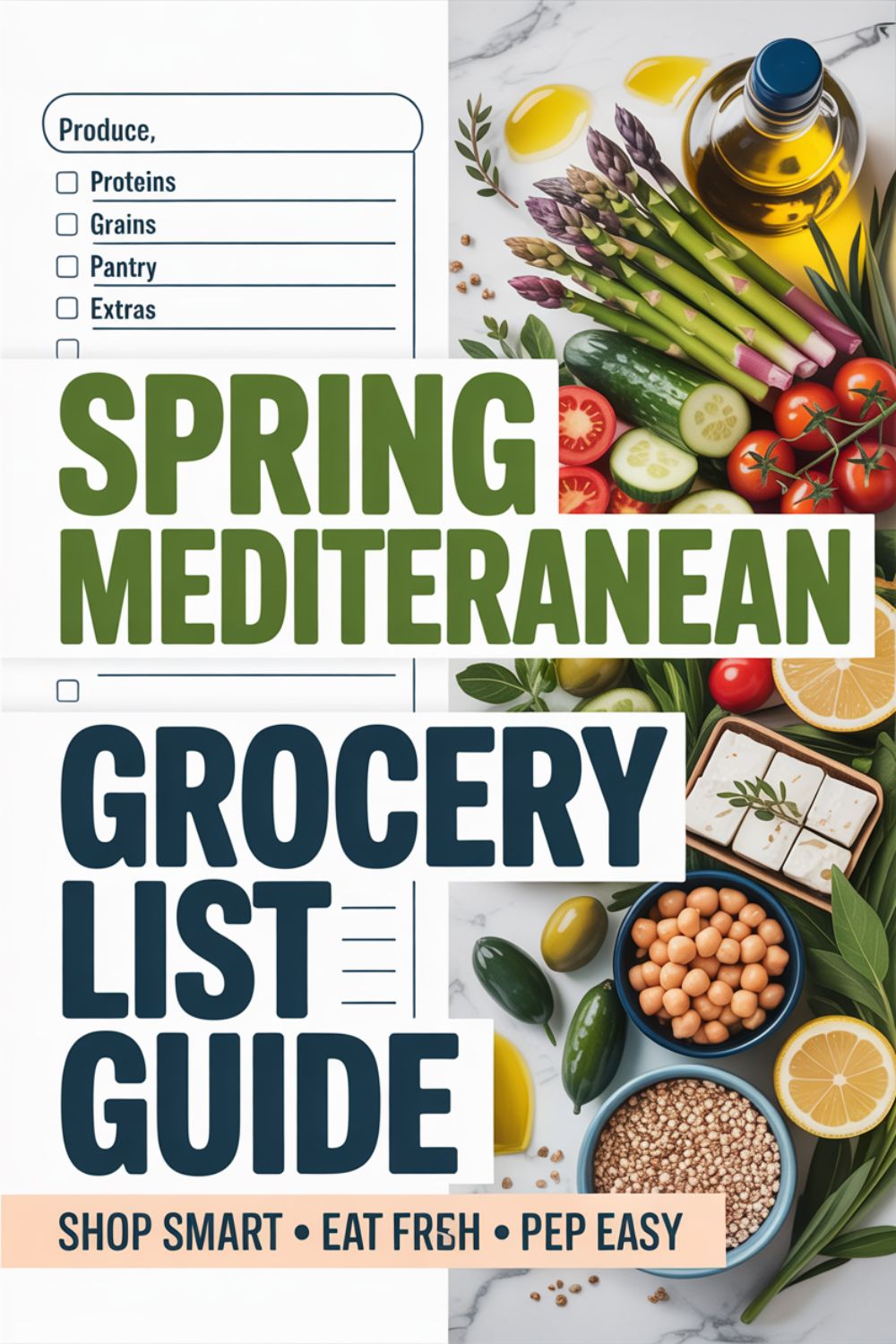
Why Spring Makes Your Mediterranean List Better
Ever notice how winter grocery shopping feels like you’re picking through last season’s leftovers? Spring flips that script entirely. The produce that forms the backbone of Mediterranean eating—think artichokes, fava beans, fresh peas, and tender greens—hits its absolute peak right now.
Here’s what I’ve learned: when you shop seasonally, you’re not just getting better flavor. You’re getting more nutrients, spending less money, and supporting a food system that actually makes sense. According to Mayo Clinic, the Mediterranean approach naturally emphasizes exactly these seasonal patterns.
Plus, let’s be honest—there’s something deeply satisfying about eating asparagus in April instead of December. It just feels right. Your body knows it, your wallet knows it, and honestly, your taste buds definitely know it.
Pro Tip:
Hit your local farmers market first before the regular grocery store. You’ll discover what’s actually in season in your area, often at better prices than the supermarket. Plus, those weird-looking heirloom varieties? They’re usually the most flavorful.
The Foundation: Pantry Staples That Never Change
Before we dive into the spring-specific stuff, let’s talk about the Mediterranean pantry essentials that should live in your kitchen year-round. These are your building blocks—the ingredients that turn a pile of vegetables into an actual meal.
Olive Oil (The Real MVP)
Extra virgin olive oil isn’t just some fancy ingredient for special occasions. It’s your everyday cooking fat, your salad dressing base, and honestly, the secret weapon that makes everything taste better. I keep a large bottle for cooking and a smaller, fancier one for finishing dishes.
Don’t stress about buying the most expensive bottle you can find. A decent middle-tier option works perfectly fine for most cooking. Save the splurge-worthy stuff for drizzling over finished dishes where you’ll actually taste the difference.
I store mine in a dark glass bottle away from the stove—heat and light are olive oil’s worst enemies. Learned that the hard way after wondering why my oil tasted weird after a few months sitting next to the burner.
Grains and Legumes
Your pantry should always have a solid rotation of whole grains and dried legumes. We’re talking brown rice, farro, bulgur, quinoa (I know it’s technically not Mediterranean, but it works), and maybe some whole wheat pasta for when you need carbs that actually stick with you.
For legumes, keep dried chickpeas, lentils, white beans, and cannellini beans on hand. Sure, canned versions work in a pinch, but cooking dried beans from scratch gives you better texture and way more control over seasoning. Plus, it’s cheaper. I use my trusty Instant Pot for this—turns dried chickpeas into creamy perfection in about 40 minutes with zero babysitting.
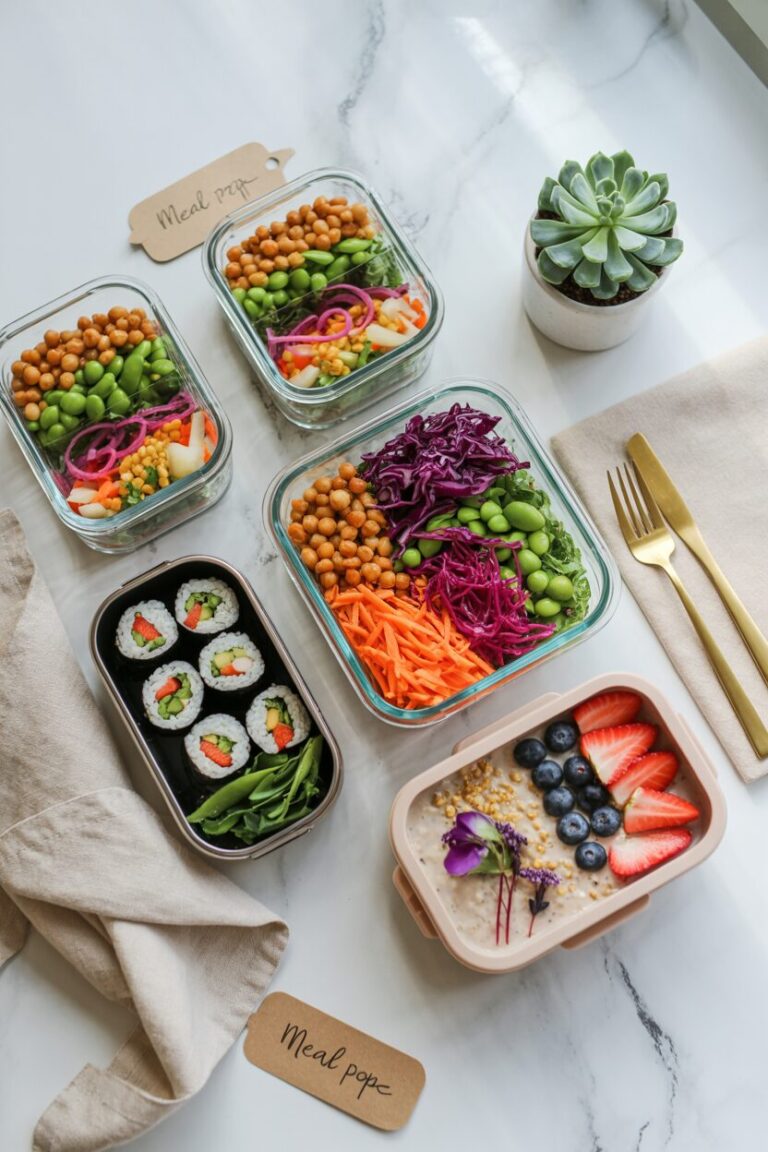
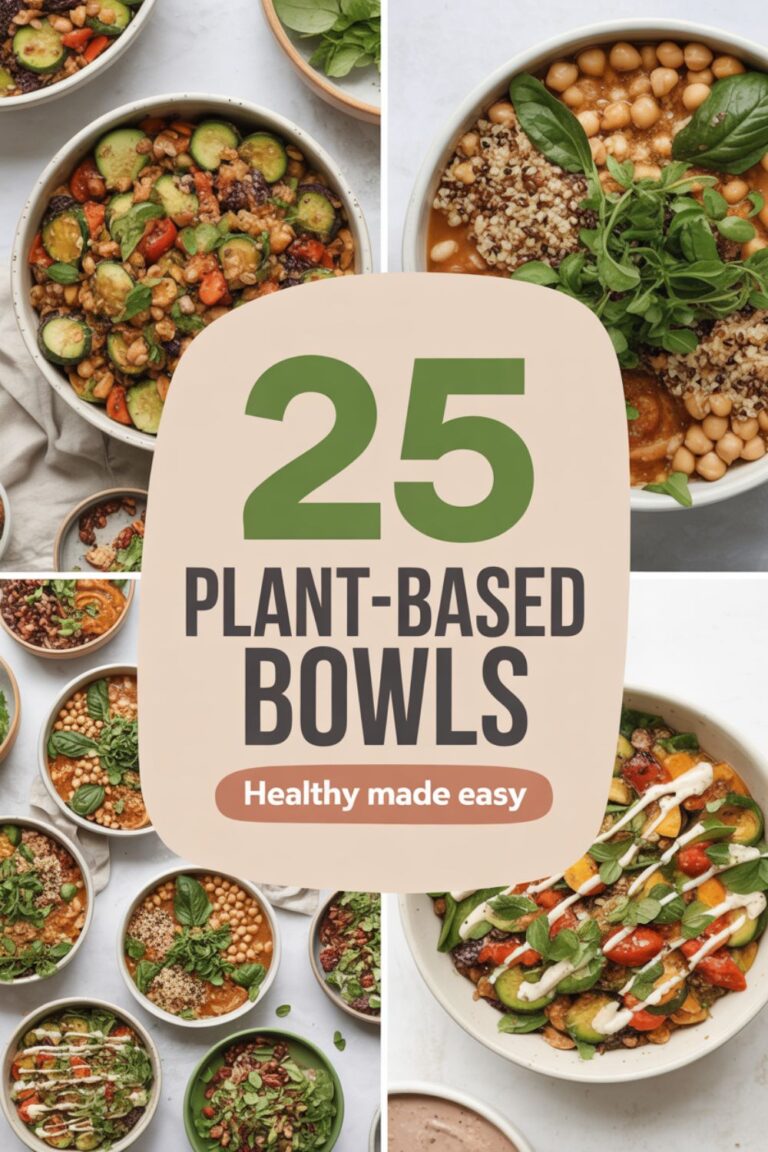
If you’re looking for complete meal inspiration that puts these pantry staples to work, check out these Mediterranean bowls you can prep in advance or explore quick Mediterranean meal prep ideas for busy weeks.
Nuts and Seeds
Raw almonds, walnuts, pine nuts, pistachios, and sesame seeds should be part of your standard grocery haul. They add crunch, healthy fats, and protein to basically everything. I buy them in bulk and store them in airtight glass containers in the pantry—though pine nuts go in the fridge because they turn rancid faster than you’d think.
Flavor Boosters
Stock up on canned tomatoes (whole, crushed, or diced—dealer’s choice), tomato paste, capers, olives (Kalamata for life), anchovies (don’t skip these even if you think you hate them), and a variety of dried herbs and spices. Think oregano, thyme, cumin, coriander, and smoked paprika as your starting lineup.
Spring Produce: Where the Magic Happens
Alright, now for the good stuff. Spring produce is what transforms your Mediterranean grocery list from “yeah, this is healthy” to “holy crap, I actually want to eat this.” Let’s break down what you should be hunting for.
Leafy Greens and Herbs
Spinach, arugula, and mixed spring greens are having their moment right now. The leaves are tender, the flavor is bright without being bitter, and they haven’t been sitting in a distribution center for three weeks. Grab multiple bunches because these are going in salads, pasta, eggs, and basically everything else you make.
Fresh herbs are non-negotiable in spring. Parsley, mint, dill, basil, and cilantro should all make appearances in your cart. I wash and roughly chop mine as soon as I get home, then store them in these herb keeper containers—they last way longer than when you leave them in those sad plastic clamshells.
Quick Win:
Freeze leftover herbs in olive oil in ice cube trays. Instant flavor bombs for future cooking, and nothing goes to waste. Game changer for those giant bunches of parsley you swear you’ll use up but never quite finish.
The Spring Vegetable All-Stars
Asparagus is the poster child of spring vegetables, and for good reason. Look for firm stalks with tight tips. Thickness is personal preference—thin ones are tender, thick ones are meaty. Both work; just adjust cooking time accordingly.
Artichokes might seem intimidating, but they’re worth the effort. Choose ones that feel heavy for their size with tightly packed leaves. If you can’t be bothered with the whole trimming situation (and I get it), frozen artichoke hearts are actually pretty decent.
Fava beans are a Mediterranean staple that only show up fresh for a hot minute in spring. Yes, you have to shell them twice (once from the pod, once from the inner skin), but the buttery, slightly sweet flavor is unmatched. Or just buy them already shelled if you value your time more than I apparently value mine.
Fresh peas and snap peas are sweet, crunchy, and ridiculously versatile. Eat them raw in salads, quickly sauté them, or toss them into pasta at the last minute. The frozen ones are fine, but fresh spring peas are on another level entirely.
These vegetables work beautifully in Mediterranean breakfast meal prep recipes that actually make you want to wake up. For lunch options, try these easy Mediterranean lunch boxes for work.
Alliums and Roots
Spring brings us green garlic, spring onions, leeks, and young shallots—all milder and sweeter than their mature counterparts. These are perfect for adding depth without the punch-you-in-the-face intensity of regular garlic and onions.
Baby carrots (actual baby carrots, not those weird pre-cut things) and radishes add crunch and a pop of color. The radish greens are edible too, by the way. Sauté them like any other green or toss them in a smoothie if you’re feeling adventurous.
Spring Fruits
Strawberries are the obvious choice here, and spring berries actually taste like fruit instead of crunchy water. Look for locally grown ones at farmers markets—the flavor difference is wild.
Lemons are technically available year-round, but spring brings peak season. Buy extra and keep them on hand always. Mediterranean cooking without lemon juice is like… well, it’s just not happening. I keep this citrus squeezer on my counter because I use it approximately eight times a day.
Apricots start showing up in late spring, bridging the gap between spring and summer. They’re great fresh, but also roast beautifully or can be dried if you’re into that whole food preservation thing.
Protein Sources: Keeping It Lean and Clean
Mediterranean eating isn’t vegetarian, but it definitely doesn’t center around huge hunks of meat. Your protein strategy should be varied, leaning heavily on seafood, with some poultry and very occasional red meat.
Seafood First
Wild-caught fish is your go-to protein. Salmon, sardines, mackerel, and anchovies are all high in omega-3s and fit the Mediterranean profile perfectly. I try to hit two to three servings of fatty fish per week—Johns Hopkins Medicine points out these omega-3 fatty acids are crucial for heart and brain health.
Fresh is great when you can swing it, but frozen fish is honestly fine and often more sustainable. Just look for wild-caught labels and avoid anything that’s been sitting in the case for days.
Shrimp, mussels, and clams all work too. They cook fast, taste great, and won’t destroy your budget if you’re strategic about it.
Poultry and Eggs
Chicken and turkey make regular appearances, but they’re usually not the star of the show. Think grilled chicken breast sliced over a massive salad rather than a giant chicken parm situation.
Eggs deserve their own callout. They’re perfect for breakfast, can top grain bowls, and work great hard-boiled as a snack. I keep a dozen on hand constantly and cook them in this nonstick skillet that makes cleanup actually bearable.
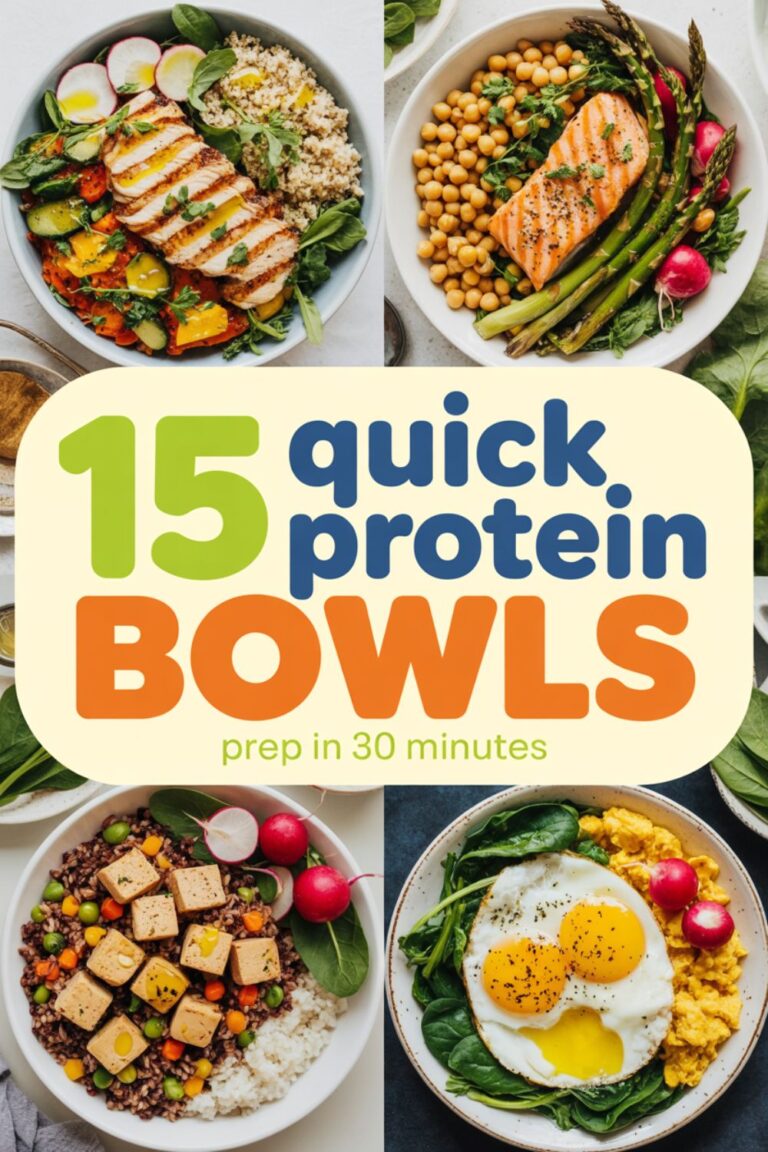
Looking for protein-focused ideas? These high-protein meal prep bowls or high-protein meal prep recipes will keep you satisfied all day.
Dairy (But Make It Light)
Mediterranean dairy focuses on Greek yogurt, feta cheese, ricotta, and Parmesan. Skip the heavy cream and whole milk situation—we’re going for flavor, not feeling like you need a nap after eating.
Greek yogurt works for breakfast, as a sour cream substitute, or as a base for sauces. Feta adds salty punch to salads and roasted vegetables. A little goes a long way, which is good because cheese is expensive.
Building Your Actual Spring Shopping List
Okay, theory is great and all, but what does this actually look like when you’re standing in a grocery store trying to remember what you came for? Here’s a practical framework that doesn’t require a PhD in nutrition.
Every Week Staples
- Greens: At least two varieties (spinach + arugula, or mixed greens + kale)
- Herbs: Three bunches minimum (parsley, mint, and your choice)
- Vegetables: Whatever’s seasonal and on sale, minimum five different types
- Protein: One or two types of fish, chicken if needed, always eggs
- Fruit: Lemons (always), seasonal berries, one or two other types
- Dairy: Greek yogurt, feta, and maybe one other cheese
Bi-Weekly Bulk Items
- Whole grains (rice, farro, pasta)
- Dried or canned legumes
- Nuts and seeds
- Olive oil (check your supply)
- Canned tomatoes and paste
Seasonal Spring Additions
- Asparagus (buy it every week while it’s good)
- Artichokes (when you’re feeling ambitious)
- Fava beans or fresh peas
- Spring onions or green garlic
- Strawberries (local if possible)
- Baby carrots and radishes
Pro Tip:
Take a photo of your pantry and fridge before shopping. Sounds silly, but it’ll save you from buying your third jar of tahini this month because you couldn’t remember if you still had some. Ask me how I know.
For complete weekly planning, check out this 7-day Mediterranean meal prep plan with a free printable, or explore Mediterranean dinner preps that reheat beautifully.
Smart Shopping Strategies That Actually Work
Having a list is step one. Actually sticking to it and not wandering out with random items you definitely don’t need? That’s the real challenge.
Shop the Perimeter First
This is old advice, but it works. Hit the produce section, seafood counter, and dairy case before venturing into the middle aisles where processed stuff lives. You’ll fill your cart with the good stuff first and have less room (and budget) for impulse purchases.
Embrace Frozen and Canned
Fresh is great, but frozen vegetables are picked at peak ripeness and flash-frozen immediately. They’re often more nutritious than “fresh” produce that’s been sitting around for days. Keep frozen spinach, peas, and artichoke hearts on hand for when fresh isn’t available or you just can’t be bothered to prep.
Canned tomatoes, chickpeas, and white beans are pantry MVPs. Just rinse canned beans before using to cut sodium content significantly.
Buy Whole and Break Down
Whole chickens, whole fish, and blocks of cheese are cheaper per pound than pre-cut versions. If you’re comfortable with basic knife skills, this saves serious money over time. I use these kitchen shears for breaking down chickens—way easier than wrestling with a knife.
Storage Matters
You can have the best ingredients in the world, but if they go bad before you use them, what’s the point? Invest in proper storage containers. I swear by glass meal prep containers for everything—they don’t stain, don’t hold odors, and you can see what’s inside without opening seven lids.
Leafy greens stay crisp longer if you wash and dry them immediately, then store them with a paper towel to absorb excess moisture. Herbs last longer in water like a bouquet. Berries should stay unwashed until you’re ready to eat them.
Tools & Resources That Make Mediterranean Cooking Actually Doable
Look, you don’t need a fully outfitted professional kitchen to make this work. But a few key tools genuinely make the difference between cooking being a pleasant experience and a total pain. Here’s what I actually use:
Physical Products:
- High-quality chef’s knife (most important tool you’ll own)
- Cast iron skillet (perfect for everything from fish to vegetables)
- Food processor (makes hummus, pesto, and chopping way easier)
Digital Resources:
- Mediterranean meal planning app (takes the guesswork out)
- Grocery list organizer (syncs across devices, share with household)
- Recipe conversion calculator (for scaling recipes up or down)
These aren’t must-haves from day one, but as you cook more, you’ll notice which tasks slow you down. That’s when it’s worth investing in the right tool for the job.
Meal Planning Without Losing Your Mind
Having great ingredients is only useful if you actually cook them before they turn into expensive compost. Here’s how I approach meal planning without making it a second job.
Start Small
Don’t try to plan every single meal for the week. Start with planning dinners for three or four nights. Use leftovers for lunch the next day. This alone will save you from decision fatigue and constant takeout temptation.
Build Around a Protein
Pick two proteins for the week—say, salmon and chicken. Plan a couple meals around each. This prevents you from having seventeen different ingredients that you use once and then forget about in the back of the fridge.
Cook Once, Eat Twice (Or Thrice)
Roast a huge sheet pan of vegetables on Sunday. Use them as a side Monday, toss them with pasta Tuesday, throw them in eggs Wednesday. Same vegetables, different meals, zero extra work.
Cook a big batch of grains (I usually do farro and quinoa). They keep all week and form the base for grain bowls, salads, or sides. Get Full Recipe for my go-to grain bowl formula that you can customize based on what you have.
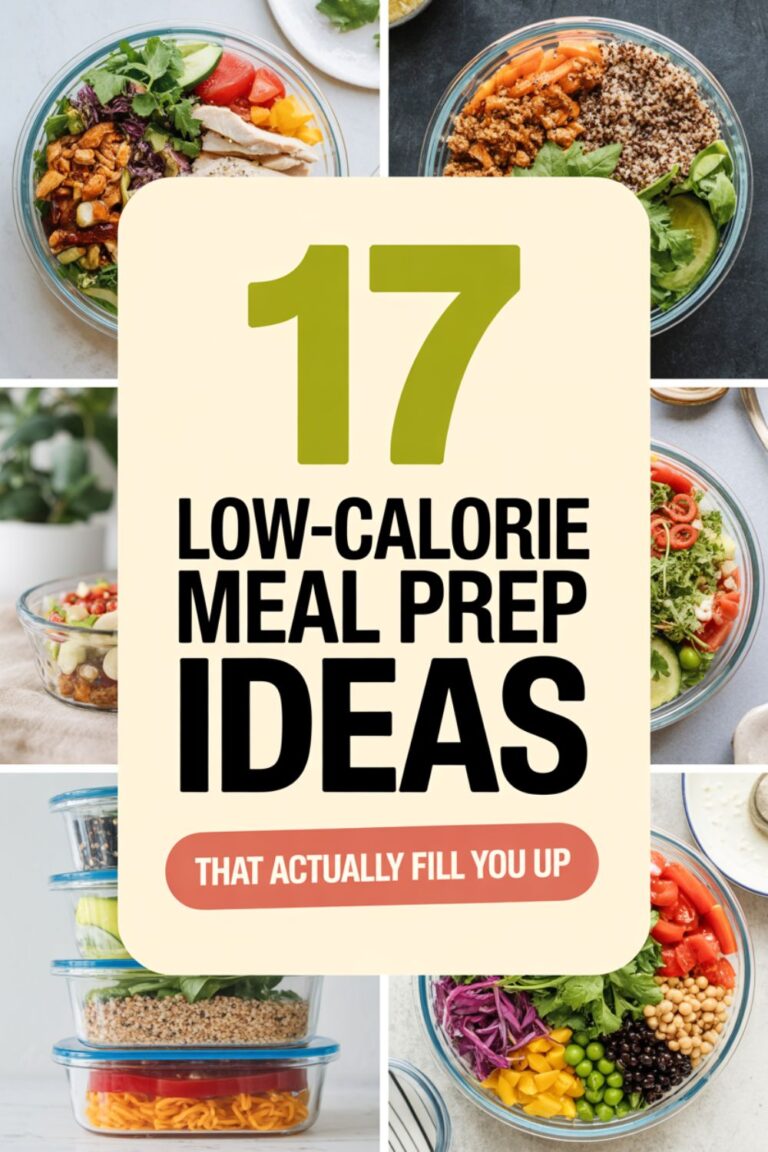
Looking for more meal prep inspiration? Try these meal prep bowls you can make in under 30 minutes, or if you’re watching calories, these meal prep bowls under 400 calories work perfectly.
Theme Nights Make It Easy
This sounds cheesy, but it works. Fish Friday. Meatless Monday. Sheet Pan Thursday. Whatever makes sense for your schedule. Having a loose framework removes the “what should I make” paralysis that leads to ordering pizza at 7 PM.
Budget-Friendly Mediterranean Shopping
Yes, you can eat Mediterranean-style without spending your entire paycheck at Whole Foods. Here’s how.
Prioritize Your Splurges
Spend more on olive oil and fish, less on specialty items you’ll use once. Buy conventional produce for thick-skinned items (citrus, avocados) and organic for thin-skinned ones (berries, greens) if budget is tight.
Dried Beans Over Canned
This saves shocking amounts of money. A pound of dried chickpeas costs about the same as one can but yields roughly four cans worth. Plus you can control the texture and seasoning better.
Frozen Fish Is Your Friend
Flash-frozen fish is often better quality and significantly cheaper than “fresh” fish that’s been sitting on ice for unknown days. Buy it frozen, defrost it properly, and you’ll save money without sacrificing quality.
Shop Sales and Stock Up
When olive oil goes on sale, buy two bottles. When canned tomatoes are buy-one-get-one, stock up. These staples don’t go bad quickly, and sales can save you 30-40% on items you’ll use constantly.
For more budget-friendly ideas, check out how to build a week of high-protein meals on a budget.
Quick Win:
Sign up for your grocery store’s loyalty program. I know, it feels like giving them your data, but the targeted coupons and sale notifications genuinely save money on stuff you were buying anyway. Just don’t let the deals trick you into buying things you don’t actually need.
Common Mistakes to Avoid
I’ve made every Mediterranean grocery shopping mistake in the book. Learn from my failures.
Over-Buying Fresh Herbs
Those big bunches of herbs seem like a great deal until half of them turn to slime in your crisper drawer. Buy what you’ll actually use in 3-5 days, or immediately process extras into pesto, herb butter, or freeze them in oil.
Ignoring the Bulk Bins
Bulk bins let you buy exactly the amount you need of grains, nuts, and dried fruit. No more half-used bags of quinoa taking up pantry space. Plus it’s usually cheaper per pound.
Buying Sad Winter Tomatoes
Off-season tomatoes taste like disappointment. Stick with canned tomatoes outside of summer, or use cherry tomatoes which tend to have better flavor year-round. Save your money and your taste buds.
Not Tasting Your Olive Oil
Olive oil goes rancid. If it tastes weird, flat, or has a crayon-like flavor, it’s gone bad. Don’t cook with it thinking it’ll be fine once heated. It won’t. Just buy new oil and store it properly this time.
Putting It All Together
Building a spring Mediterranean grocery list isn’t about perfection or following strict rules. It’s about creating a foundation of healthy, delicious ingredients that make cooking enjoyable instead of stressful.
Start with the pantry staples that last forever. Add the seasonal produce that’s at its peak right now. Include enough protein variety to keep things interesting. Stock up on the herbs and aromatics that bring everything to life. That’s it. That’s the system.
The beauty of this approach is flexibility. Asparagus not looking great this week? Grab snap peas instead. Salmon too expensive? Go for sardines or mackerel. You’re working with principles, not a rigid prescription.
And honestly? Once you get the hang of shopping this way, it becomes second nature. You’ll start recognizing what’s in season just by looking at prices and quality. You’ll develop your own rotation of go-to meals. You’ll actually use up ingredients before they go bad because you’re buying with intention.
The Mediterranean diet has stuck around for centuries because it works—not just for health metrics, but for real life. It’s adaptable, it’s delicious, and it doesn’t require eating foods you hate or spending hours in the kitchen every day.
So grab your reusable bags (or don’t, no judgment), make your list, and hit the market. Spring produce is waiting, and it’s about to make your meals infinitely better.
Frequently Asked Questions
How much should I expect to spend on a Mediterranean grocery list for one person per week?
Realistically, expect to spend around 60-80 dollars per person per week if you’re being smart about it. This assumes you’re building up pantry staples gradually, shopping sales, and using seasonal produce. Your first few weeks might run higher as you stock essentials like olive oil and grains, but it evens out. IMO, it’s actually cheaper than most eating patterns because you’re not buying expensive processed foods or meat-heavy meals.
Can I eat Mediterranean if I’m vegetarian or vegan?
Absolutely, and honestly it’s pretty natural. The Mediterranean diet already centers plants heavily, so you’re just skipping the fish and dairy parts. Focus on legumes for protein, load up on vegetables and whole grains, and make sure you’re getting enough B12 through fortified foods or supplements. Many traditional Mediterranean dishes are already plant-based or easily adaptable.
How long does fresh produce typically last, and how can I reduce waste?
Most leafy greens last about 5-7 days if stored properly with moisture control. Hardy vegetables like carrots and radishes can go 2-3 weeks in the crisper. The key is buying what you’ll actually use and having a plan for it. If stuff is about to turn, make a quick soup or smoothie, roast everything together for grain bowls, or freeze it for later. I freeze overripe tomatoes whole for future sauces and blanch greens before freezing if they’re getting wilty.
Is it better to shop at farmers markets or regular grocery stores for Mediterranean ingredients?
Both work, and honestly the best strategy is using both. Hit the farmers market for seasonal produce—it’s fresher, often cheaper, and supports local growers. Use the regular grocery store for pantry staples, frozen items, and anything the farmers market doesn’t have. I do farmers market on Saturday mornings for vegetables and herbs, then fill in gaps at the regular store mid-week.
What’s the difference between regular olive oil and extra virgin olive oil?
Extra virgin olive oil is the first cold pressing of olives with no chemical processing—it has better flavor and more antioxidants. Regular olive oil (sometimes called “pure” olive oil) is refined and blended, with a more neutral taste. For Mediterranean cooking, use extra virgin for finishing dishes and dressings where you’ll taste it. You can use regular olive oil for high-heat cooking if you want, though I just use extra virgin for everything and haven’t had issues.
The Bottom Line
Spring Mediterranean grocery shopping is less about following a perfect formula and more about developing good instincts. You learn to spot quality produce, understand what’s worth the splurge, and build a cooking rhythm that works for your actual life.
Give yourself permission to mess up. Maybe you’ll buy too much of something and it’ll go bad. Maybe your first attempt at cooking artichokes will be a disaster. That’s fine. You’re learning a skill that’ll serve you for decades, not trying to ace a test.
The goal isn’t perfection—it’s creating a sustainable way of eating that makes you feel good, tastes great, and doesn’t require a culinary degree to pull off. Spring makes that easier with its abundance of fresh, flavorful ingredients that practically cook themselves.
So start simple. Pick up some asparagus, grab a bunch of herbs, get your olive oil and lemon situation sorted. Cook one Mediterranean meal this week. Then another. Before you know it, you’ll have a system that works, a pantry that makes sense, and meals that actually taste like something worth eating.
Now go make your list and enjoy what spring has to offer. Your future self—and your taste buds—will thank you.