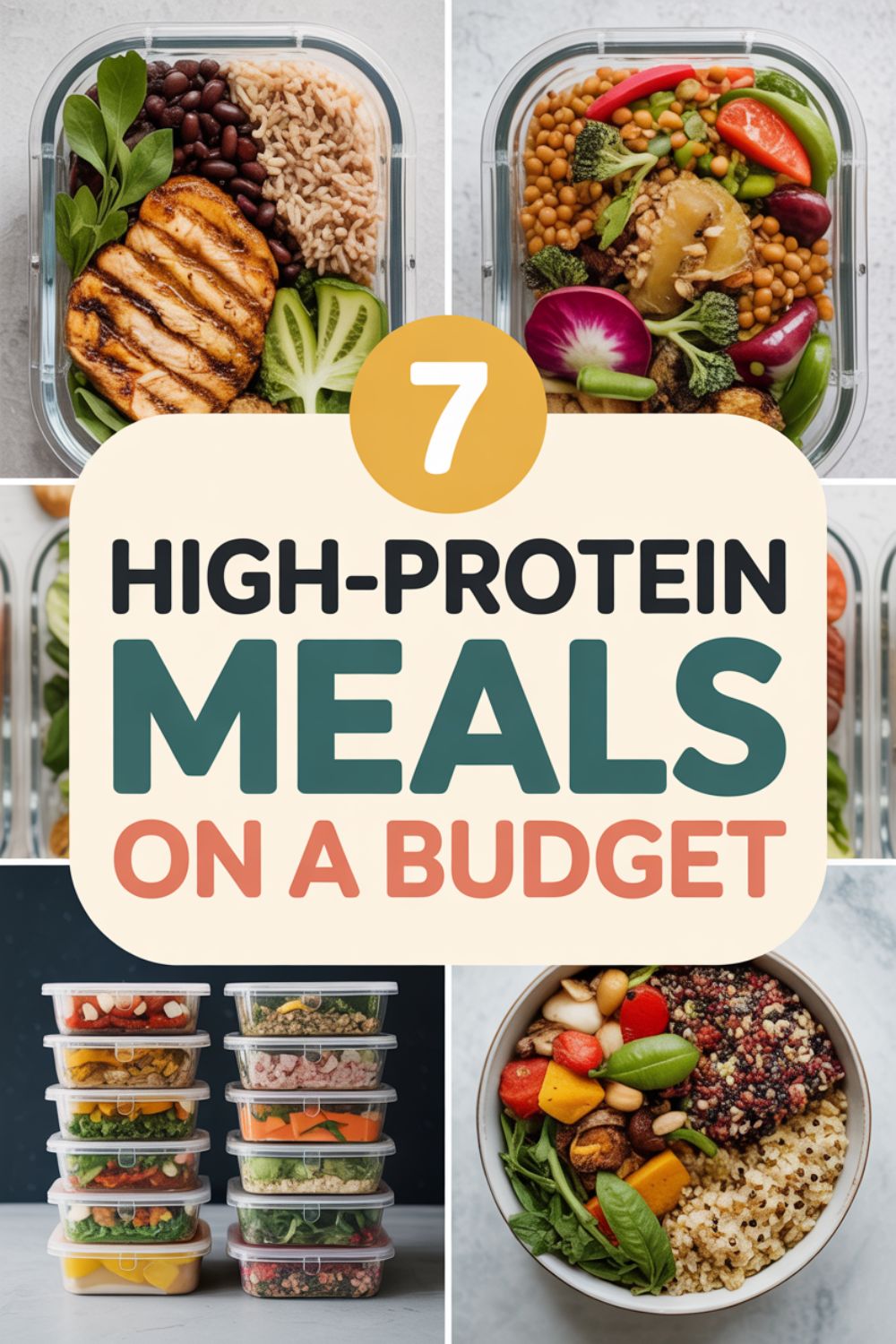
How to Build a Week of High-Protein Meals on a Budget
Look, I get it. You’re standing in the grocery store, staring at a pound of chicken breast that costs more than your coffee habit, wondering if eating healthy means you’ll need to take out a second mortgage. Here’s the thing nobody tells you: building a week of high-protein meals on a budget isn’t just possible—it’s actually easier than trying to wing it with expensive takeout and random ingredients that somehow never turn into actual meals.
I’ve spent years testing budget-friendly protein strategies, and honestly? The biggest myth is that you need fancy cuts of meat or expensive supplements to hit your protein goals. What you actually need is a solid game plan and the willingness to think slightly outside the chicken-breast-shaped box.
Why High-Protein Meals Actually Matter (Beyond the Gym Bro Hype)
Before we dive into the meal planning rabbit hole, let’s talk about why protein deserves a spot at your table. Research has consistently shown that consuming adequate protein helps with satiety, meaning you stay fuller longer and are less likely to raid the pantry at 3 PM looking for snacks.
But here’s what really sold me on prioritizing protein: it’s not just about building muscle or losing weight. Higher protein intake supports better body composition by preserving lean muscle mass while you’re in a calorie deficit. Translation? You lose fat, not muscle, which keeps your metabolism humming along nicely.
Studies also suggest that adequate protein can help with everything from bone health to faster recovery from injuries. IMO, that’s a pretty solid return on investment for just being strategic about what lands on your plate.
The Budget-Friendly Protein All-Stars You’re Probably Ignoring
Okay, real talk. If I see one more meal prep guide that only features salmon and grass-fed beef, I’m going to lose it. Most of us aren’t working with unlimited grocery budgets, and that’s completely fine. There are protein powerhouses hiding in plain sight at your local grocery store that cost a fraction of the “premium” options.
Eggs: Nature’s Perfect Package Deal
At roughly six grams of protein per egg and usually under three bucks a dozen, eggs are basically the MVP of budget protein. I’ve batch-cooked eggs in this nonstick muffin pan every Sunday for years, and it’s changed my breakfast game entirely. Hard-boil a dozen, keep them in the fridge, and suddenly you’ve got portable protein bombs ready to go.
Try scrambling egg whites with spinach and mushrooms, or making a big frittata on Sunday that you can slice up for the week. Speaking of easy egg recipes, you might want to check out these high-protein meal prep bowls that feature eggs in creative ways.
Canned Fish: The Underrated Champion
Canned tuna and salmon get a bad rap, but they’re shelf-stable protein sources that pack serious nutritional punch. A single can of tuna gives you around 20 grams of protein for less than two dollars. Mix it with white beans, lemon juice, and olive oil over greens, and you’ve got a meal that costs maybe three bucks total.
I keep these stackable can organizers in my pantry because buying tuna in bulk when it’s on sale is one of my favorite budget hacks. Pro tip: rinse canned fish if you’re worried about sodium—it cuts the salt content significantly.
Beans and Lentils: Plant-Based Protein Goldmine
Here’s where things get really interesting budget-wise. Dried lentils cost pennies per serving and deliver around 18 grams of protein per cooked cup. Black beans, chickpeas, and kidney beans are similarly affordable and versatile. I always have at least five different types of canned beans in my pantry because they’re basically culinary insurance.
Cook a big pot of lentil soup on Sunday, portion it out, and you’ve got lunches for days. Add them to grain bowls, toss them in salads, or blend them into hummus. The options are genuinely endless, and your wallet will thank you.
Greek Yogurt and Cottage Cheese: Dairy’s Dynamic Duo
Greek yogurt delivers around 15-20 grams of protein per cup, and cottage cheese clocks in at nearly 24 grams. Buy the large tubs instead of individual servings—you’ll save a ridiculous amount of money. I use these glass portion containers to divide big containers into grab-and-go servings for the week.
Mix Greek yogurt with berries and granola for breakfast, or use cottage cheese as a base for savory bowls topped with cucumbers, tomatoes, and everything bagel seasoning. Both options are stupid easy and keep you full for hours.
For more inspiration on building satisfying protein-packed meals, take a look at these meal prep bowls under 400 calories that prove you don’t need to sacrifice flavor for nutrition.
Chicken Thighs Over Chicken Breasts
Everyone defaults to chicken breasts, but chicken thighs are usually 30-40% cheaper and honestly taste better because of the slightly higher fat content. They stay moist when you meal prep them, which means you’re not choking down dry, sad chicken on Thursday.
I marinate a big batch in this glass baking dish with soy sauce, garlic, and ginger on Saturday night, then bake them Sunday morning. Done. Week sorted. If you’re looking for more chicken-based meal prep ideas, check out these meal prep bowls you can make in under 30 minutes.
Building Your Budget-Friendly High-Protein Weekly Blueprint
Alright, let’s get tactical. The key to making this work isn’t cooking seven different elaborate meals—it’s strategic meal prep using proteins that multitask across different dishes throughout the week.
The Foundation: Pick Two Proteins
Instead of trying to prep every protein source known to humanity, pick two that are on sale or that you already know you enjoy. For example, one week might be chicken thighs and canned tuna. The next week could be eggs and black beans. This keeps things simple and prevents decision fatigue.
Cook your proteins in bulk using different seasonings and cooking methods. Those chicken thighs? Make half with Italian herbs and half with taco seasoning. Suddenly you’ve got options without actually doing twice the work.
Build Around Affordable Bases
Rice, quinoa, sweet potatoes, and pasta are your foundation. Buy them in bulk—they’re cheap, they store forever, and they pair with basically any protein. I rotate through brown rice one week, quinoa the next, then back to rice. It’s enough variety to keep things interesting without requiring a dedicated pantry wing.
Cook your grains in this rice cooker and forget about them. Seriously, set it and move on to chopping vegetables or scrolling through recipe ideas. For inspiration on how to combine these bases with protein, these healthy meal prep bowls show you exactly how to build balanced, budget-friendly meals.
Vegetables: Frozen Is Your Friend
Fresh vegetables are great, but frozen vegetables are cheaper, last longer, and are picked at peak ripeness. I always keep bags of frozen broccoli, mixed vegetables, and spinach on hand. They steam in minutes, they don’t go bad, and they cost a fraction of fresh produce.
Roast a mix of whatever fresh vegetables are on sale—bell peppers, zucchini, carrots—with olive oil and garlic. Divide them among your meal prep containers. Done. Need more veggie-heavy inspiration? These colorful meal prep bowls make vegetables look legitimately appetizing.
Sample Week of High-Protein Budget Meals
Here’s what an actual week might look like using these principles. Nothing fancy, nothing expensive, just solid nutrition that won’t drain your bank account.
Monday & Tuesday: Chicken Thigh Bowl Variations
Baked chicken thighs (seasoned with Italian herbs) over brown rice with roasted broccoli and cherry tomatoes. Get Full Recipe. Cost per serving: approximately $3.50. Swap the vegetables on Tuesday for bell peppers and zucchini to keep it interesting.
Wednesday & Thursday: Tuna Power Bowls
Canned tuna mixed with white beans, diced red onion, parsley, lemon juice, and olive oil over mixed greens. Add whole grain crackers on the side. Get Full Recipe. Cost per serving: around $2.75. This is one of those meals that actually tastes better the next day once the flavors meld.
Friday: Egg Scramble Bowls
Scrambled eggs (or egg whites if you’re watching calories) with black beans, salsa, avocado, and a sprinkle of cheese over quinoa. Get Full Recipe. Cost per serving: roughly $3.00. This feels like a treat after a long week but costs less than a fancy coffee.
Weekend: Lentil Soup Meal Prep
Cook a big batch of lentil soup with carrots, celery, onions, and vegetable broth. Portion into containers for next week’s lunches. Get Full Recipe. Cost per serving: approximately $1.50. Seriously, lentil soup might be the best bang for your buck in the protein world.
If you’re looking for more variety without breaking the bank, check out these lazy girl meal prep bowls that prioritize simplicity and affordability.
Meal Prep Essentials That Make Your Life Easier
After years of testing different tools and products, these are the ones I actually use weekly. They’re not expensive, but they make a ridiculous difference in how smoothly meal prep goes.
Smart Shopping Strategies That Actually Save Money
Okay, so you’ve got your meal plan. Now let’s talk about not spending your entire paycheck at the grocery store.
Shop Sales and Buy in Bulk
I check my local grocery store’s weekly ad every single week. When chicken thighs go on sale, I buy multiple pounds and freeze what I won’t use immediately in these freezer bags. Same with canned goods—if tuna is on sale, I’m buying at least ten cans.
Bulk bins for grains, nuts, and dried beans are your friend. You pay for exactly what you need, and it’s almost always cheaper than pre-packaged versions. Just bring your own containers and you’re golden.
Store Brand vs. Name Brand
Real talk: for most staples, store brands are identical to name brands. Greek yogurt, canned beans, frozen vegetables, rice, pasta—all of these are safe bets for going generic. Save the name-brand budget for things where quality actually matters to you.
Meal Prep Once, Eat Multiple Ways
Cook one large batch of protein and grains, then mix and match throughout the week with different toppings and sauces. Monday’s chicken and rice becomes Tuesday’s chicken tacos (add salsa and wrap in a tortilla) becomes Wednesday’s chicken fried rice (scramble in an egg and add soy sauce).
This approach shows up in lots of these dump and build meal prep bowls where the same base ingredients create totally different meals depending on how you assemble them.
Flavor Hacks When You’re Working With Basic Ingredients
Let’s be honest—budget proteins can taste boring if you’re not strategic. But the good news? Flavor is cheap. Stock up on these budget-friendly flavor enhancers and your meals will never feel repetitive.
Build a Spice Collection Gradually
You don’t need 40 different spices tomorrow. Start with garlic powder, onion powder, paprika, cumin, and Italian seasoning. Buy one new spice every couple of weeks. In six months, you’ll have a solid arsenal.
I keep all my spices in these magnetic spice jars on the side of my fridge. It looks organized and makes it easy to grab what I need without digging through a cabinet.
Sauces and Marinades Change Everything
A basic chicken thigh can taste completely different depending on the marinade. Keep soy sauce, hot sauce, olive oil, lemon juice, and vinegar on hand. Mix and match, and suddenly you’ve got Asian-inspired one night, Mediterranean the next, and spicy Mexican the night after that.
Make your own marinades in these small mason jars—they’re cheaper than store-bought and you control the ingredients. Plus, they look cute in photos if you’re into that whole meal prep aesthetic thing. Speaking of aesthetics, these aesthetic meal prep ideas prove that budget meals can still look Instagram-worthy.
Fresh Herbs as Finishing Touches
Cilantro, parsley, and green onions are cheap and completely transform a dish. Buy them fresh, chop them up, and sprinkle them on your meals right before eating. It makes everything taste fresher and more intentional, even if you literally just microwaved leftovers.
Avoiding Common Budget Meal Prep Pitfalls
I’ve made every mistake possible in my years of budget meal prepping, so let me save you some pain and wasted groceries.
Don’t Overbuy Perishables
It’s tempting to stock up on fresh vegetables when you’re feeling motivated, but if you’re not going to use them within a week, they’ll just rot in your crisper drawer. Stick to your plan. Frozen vegetables exist for a reason.
Prep in Stages
Trying to cook everything on Sunday afternoon is a recipe for burnout. Cook proteins one day, chop vegetables another, assemble meals on a third day. Or just prep some components and cook others fresh throughout the week. There’s no rule that says everything must be done in one marathon session.
Accept That Some Weeks Will Be Basic
Some weeks, you’ll make elaborate Buddha bowls with roasted chickpeas and tahini drizzle. Other weeks, you’ll eat scrambled eggs over rice with frozen broccoli for three days straight. Both are fine. Both are getting you protein on a budget. Don’t let perfect become the enemy of fed.
For those weeks when you just need simple, reliable recipes, these minimalist meal prep ideas are exactly what you need.
Meal Prep for Different Dietary Preferences
Not everyone eats meat, and not everyone can tolerate dairy. Here’s how to adapt these principles to different dietary needs without spending extra money.
Plant-Based Budget Protein
Tofu, tempeh, lentils, chickpeas, and edamame are all excellent plant-based protein sources that cost less than meat. A block of tofu gives you 20 grams of protein and costs maybe $2. Press it, cube it, and pan-fry it until crispy. Toss it with whatever vegetables and grains you have on hand.
Nutritional yeast is also a game-changer for plant-based cooking—it adds a cheesy, savory flavor to basically anything. I buy it in bulk from this online supplier because it’s way cheaper than grocery store prices.
Dairy-Free Options
If you can’t do dairy, focus on eggs, legumes, tofu, and canned fish. Coconut yogurt and almond-based yogurts exist but they’re pricier and usually lower in protein, so they’re not the best budget choice. Stick with whole food protein sources instead.
Gluten-Free Considerations
Most budget proteins are naturally gluten-free anyway. Just swap wheat-based grains for rice, quinoa, or gluten-free oats. Potatoes and sweet potatoes are also great gluten-free bases that cost almost nothing.
Check out these weight loss meal prep bowls that happen to be adaptable for various dietary restrictions without requiring specialty ingredients.
Making High-Protein Budget Meals Work Long-Term
The real challenge isn’t meal prepping for one week—it’s making this a sustainable habit that doesn’t burn you out or bore you to tears.
Rotate Your Proteins
Don’t eat chicken and rice for 52 weeks straight. Rotate between different proteins every few weeks. One month might be heavy on eggs and beans, the next month focuses more on tuna and chicken thighs, the following month introduces ground turkey. This prevents flavor fatigue and keeps things interesting.
Keep a Running List of What Works
I keep a note on my phone with meals I’ve prepped that were actually good and that I’d make again. When I’m planning for the week, I just reference this list instead of starting from scratch. It sounds simple, but it eliminates so much decision fatigue.
Allow for Flexibility
Some weeks, you’ll nail meal prep and feel like a domestic goddess. Other weeks, you’ll eat eggs for dinner three nights in a row because life happened. Both scenarios are fine. The goal is progress, not perfection.
When you need fresh inspiration to break up the routine, browse through these clean girl meal prep ideas that prioritize simplicity without sacrificing nutrition.
Frequently Asked Questions
How much protein do I actually need per day?
Most people do well with 0.8 to 1 gram of protein per pound of body weight, though this varies based on activity level and goals. For someone who weighs 150 pounds, that’s roughly 120-150 grams of protein daily. Spread this across three meals and you’re looking at about 40-50 grams per meal, which is totally doable on a budget.
Can I really build muscle while eating budget proteins?
Absolutely. Your muscles don’t care whether the protein came from expensive grass-fed beef or cheap canned tuna—protein is protein. As long as you’re hitting your daily targets and getting a variety of amino acids throughout the week, you’re good. Focus on consistency over fancy ingredients.
How long do meal-prepped proteins last in the fridge?
Cooked proteins typically last 3-4 days in the fridge when stored properly in airtight containers. If you’re prepping for the whole week, cook some proteins fresh mid-week or freeze half your batch to reheat later. This keeps everything fresher and prevents that sketchy “is this still good” question on Friday.
What if I get bored eating the same proteins every week?
This is where seasonings and different cooking methods save you. The same chicken thighs can taste completely different if you bake them one week, slow-cook them the next, or grill them the week after. Change up your sauces, swap your grain bases, and vary your vegetables. Small tweaks prevent monotony without requiring a complete meal plan overhaul.
Are protein powders necessary for hitting protein goals on a budget?
Not necessary, but they can be helpful. If you calculate the cost per gram of protein, whey protein powder is actually pretty economical. That said, whole foods should be your primary protein source. Use powder as a supplement when you need a quick protein boost—like in smoothies or mixed into oatmeal—not as your main strategy.
Your Budget-Friendly High-Protein Week Starts Now
Building a week of high-protein meals on a budget isn’t about deprivation or eating the same boring chicken and broccoli until you lose your mind. It’s about being strategic with your protein choices, shopping smart, and prepping in a way that actually fits into your real life.
Start with one or two budget proteins you already enjoy. Master those recipes, get comfortable with the routine, then gradually expand your repertoire. You don’t need to overhaul your entire eating pattern overnight. Small, consistent changes add up to significant results—both in your nutrition and your bank account.
The beauty of this approach is that it scales to any budget. Whether you’ve got $50 or $150 to spend on groceries, these principles work. Pick proteins that fit your budget, plan around sales, and focus on getting adequate nutrition without unnecessary stress or expense.
Now stop overthinking it, grab your grocery list, and go build your first week of budget-friendly high-protein meals. Your body, your wallet, and your future self will thank you.