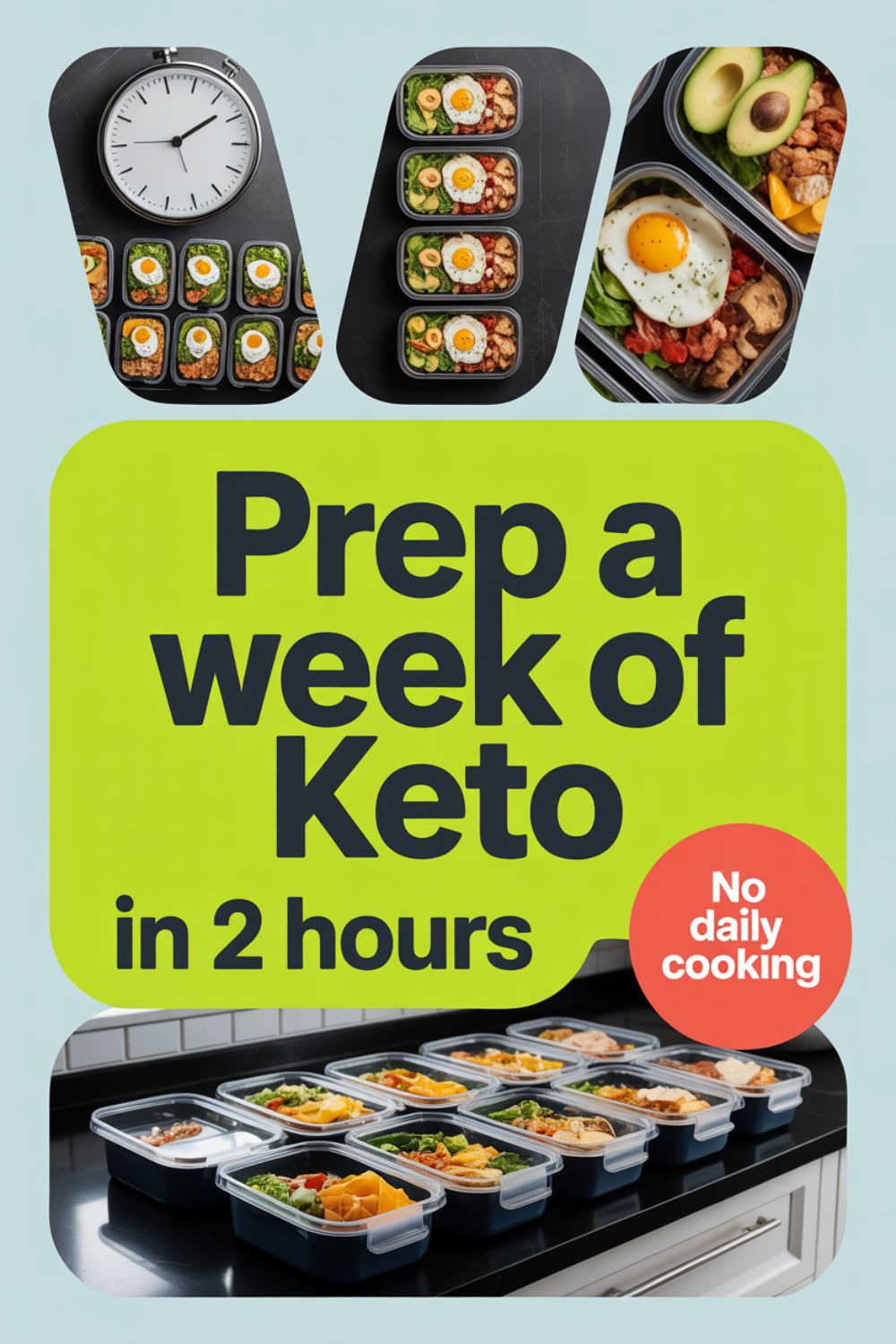
How to Prep a Week of Keto Meals in 2 Hours
Look, I get it. You’re staring at your fridge on Sunday afternoon, knowing you should meal prep, but the thought of spending your entire day cooking makes you want to order pizza instead. Been there, done that, wore the greasy t-shirt. But here’s the thing—prepping a full week of keto meals doesn’t have to feel like running a restaurant solo.
I’m about to walk you through exactly how I knock out seven days of delicious, macro-friendly keto meals in just two hours. No fancy chef skills required, no Instagram-perfect plating necessary. Just real food, smart strategies, and a system that actually works when you’ve got a million other things on your plate (pun intended).
The secret? It’s not about cooking faster—it’s about cooking smarter. And once you nail this routine, you’ll wonder why you ever stressed about weeknight dinners in the first place.
Why Keto Meal Prep Actually Makes Sense
Before we jump into the how, let’s talk about the why for a second. The keto diet requires you to keep carbs ridiculously low—we’re talking under 50 grams per day for most people. That’s not exactly easy to eyeball when you’re starving at 6 PM and everything in your pantry seems to have hidden carbs.
When you meal prep, you’re making decisions with a clear head, not a hangry stomach. Research shows that people who plan their meals ahead of time tend to have better adherence to nutritional guidelines and improved food variety. Translation? You’re way more likely to stick to your keto goals when you’re not scrambling at the last minute.
Plus, here’s something nobody talks about enough: keto-friendly convenience foods are expensive as hell. Those pre-made cauliflower pizza crusts and almond flour everything? Yeah, they add up fast. Prepping your own meals can seriously cut your grocery bill while keeping you in ketosis.
The Game Plan: Your 2-Hour Keto Prep Blueprint
Alright, let’s get tactical. This isn’t some vague “just cook stuff and see what happens” approach. I’m giving you the exact breakdown I use every single week.
Phase One: The First 30 Minutes (Prep & Chop)
This is your foundation work. Put on a podcast, pour yourself some coffee, and get chopping. I start by washing and prepping all my vegetables—broccoli florets, bell peppers, zucchini, whatever’s on the menu for the week. While you’re at it, portion out your proteins if they’re not already done.
Here’s where having decent tools makes a real difference. I use these glass meal prep containers because plastic ones get gross and stained after a few weeks. They’re worth the investment, trust me. Also, a solid chef’s knife will cut your chopping time in half—literally.
The key to this phase is batching similar tasks. Don’t chop one veggie, cook it, then move to the next. Chop everything first. Your future self will thank you when you’re just assembling meals later instead of constantly switching between cutting board and stove.
Phase Two: The Next 45 Minutes (Cooking Proteins)
This is where the magic happens. I typically cook three different proteins to keep things interesting throughout the week. My go-to combo is usually chicken thighs, ground beef, and salmon—but mix it up based on what’s on sale.
Season your chicken thighs with whatever spices you’re feeling (I’m partial to garlic powder, paprika, and a little cayenne), then pop them in the oven at 400°F. While they’re roasting, get your ground beef going in a big skillet. Brown it up, season it taco-style or Italian-style depending on your week’s meal plan.
For salmon, I keep it stupid simple. A little avocado oil spray, salt, pepper, and lemon juice. Fifteen minutes in the oven and you’re done. The beauty of cooking multiple proteins simultaneously is that your oven and stovetop are both working for you at once.
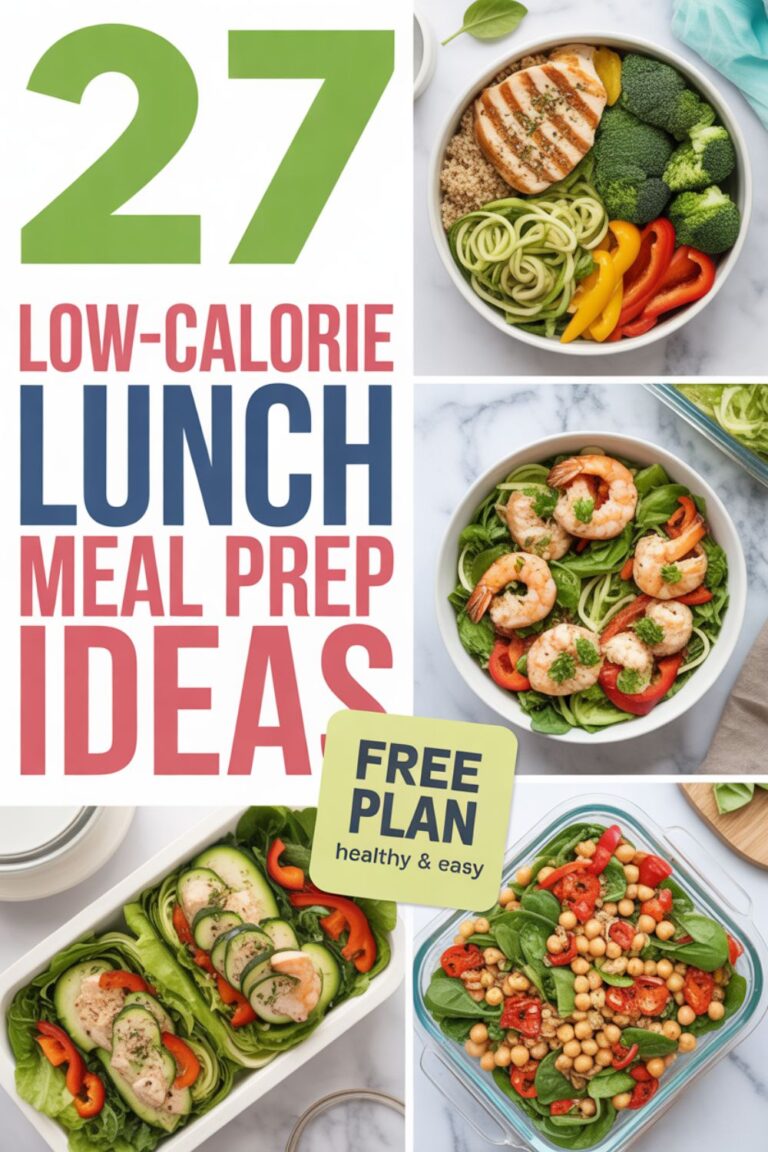
Speaking of meal plans, if you’re looking for more inspiration, check out these 21 keto meal prep ideas that have seriously saved my weeknights more times than I can count.
Phase Three: The Final 45 Minutes (Veggies & Assembly)
By now, your proteins are cooling down and you’re in the home stretch. Time to tackle those vegetables. I roast most of mine because it’s hands-off and makes everything taste better. Toss your broccoli, cauliflower, Brussels sprouts—whatever you prepped—with some olive oil, salt, and garlic powder.
Spread them on sheet pans (again, line them if you value your sanity) and roast at 425°F for about 20 minutes. While that’s happening, you can start portioning out your proteins into containers. This is also when I make any quick sides like cauliflower rice or zucchini noodles.
For cauliflower rice, I just pulse it in my food processor, then sauté it with a little butter and garlic. Takes maybe five minutes and gives you a versatile base for multiple meals. Same with zoodles—spiralize them (I use this handheld spiralizer), but don’t cook them yet. They’ll get soggy if you prep them cooked. Just spiralize and store raw, then sauté them right before eating.
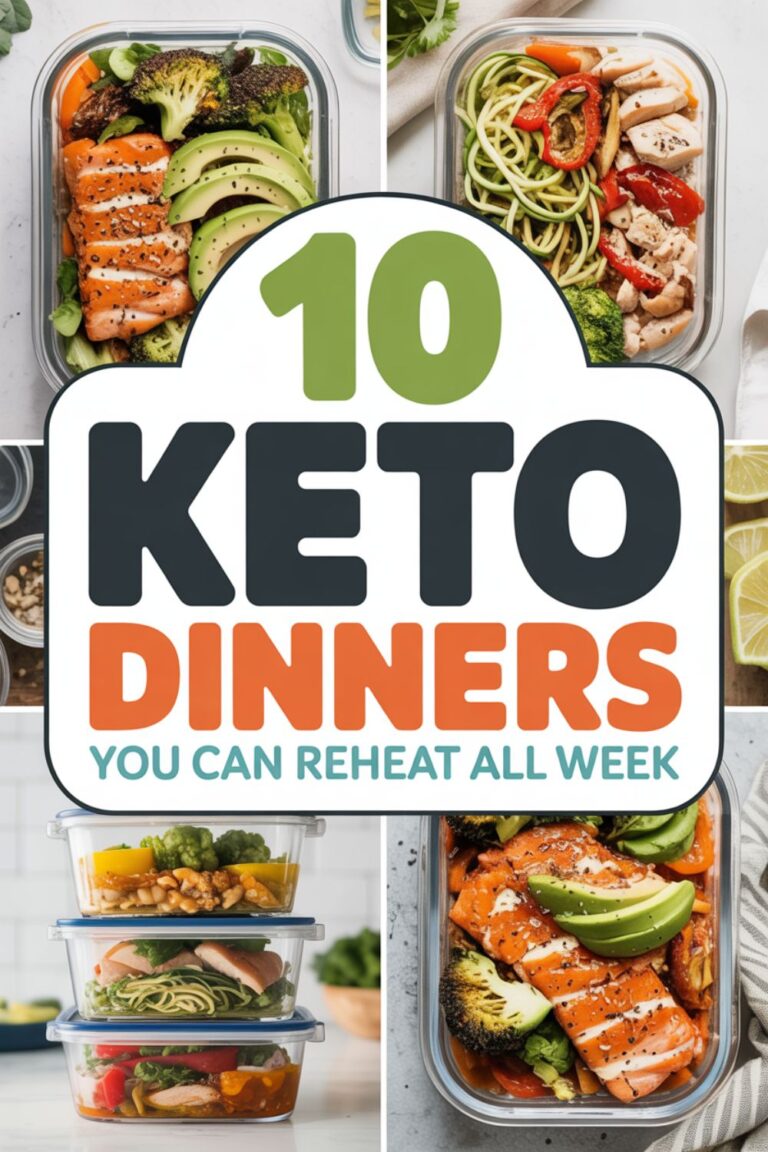
If you’re into making things even easier, these keto dinners that reheat beautifully are clutch for people who really want the grab-and-go experience without sacrificing taste.
Smart Substitutions: Making Keto Actually Sustainable
One thing I learned the hard way is that keto doesn’t have to mean eating the same boring chicken and broccoli every day. The diet thrives on healthy fats, so get creative with your fat sources. Swap regular butter for grass-fed, use avocado oil instead of vegetable oil, and don’t be afraid of full-fat dairy (if you tolerate it).
Here’s a comparison that might blow your mind: almond butter versus peanut butter. Most people assume they’re basically the same, but almond butter typically has fewer carbs and more vitamin E. Same goes for choosing chia seeds over flaxseeds—both are great, but chia seeds have a better omega-3 to omega-6 ratio.
For dairy-free folks, coconut cream is your best friend. It’s rich, creamy, and works in basically any recipe that calls for heavy cream. I use it in my Get Full Recipe keto coffee every morning, and it keeps me full for hours.
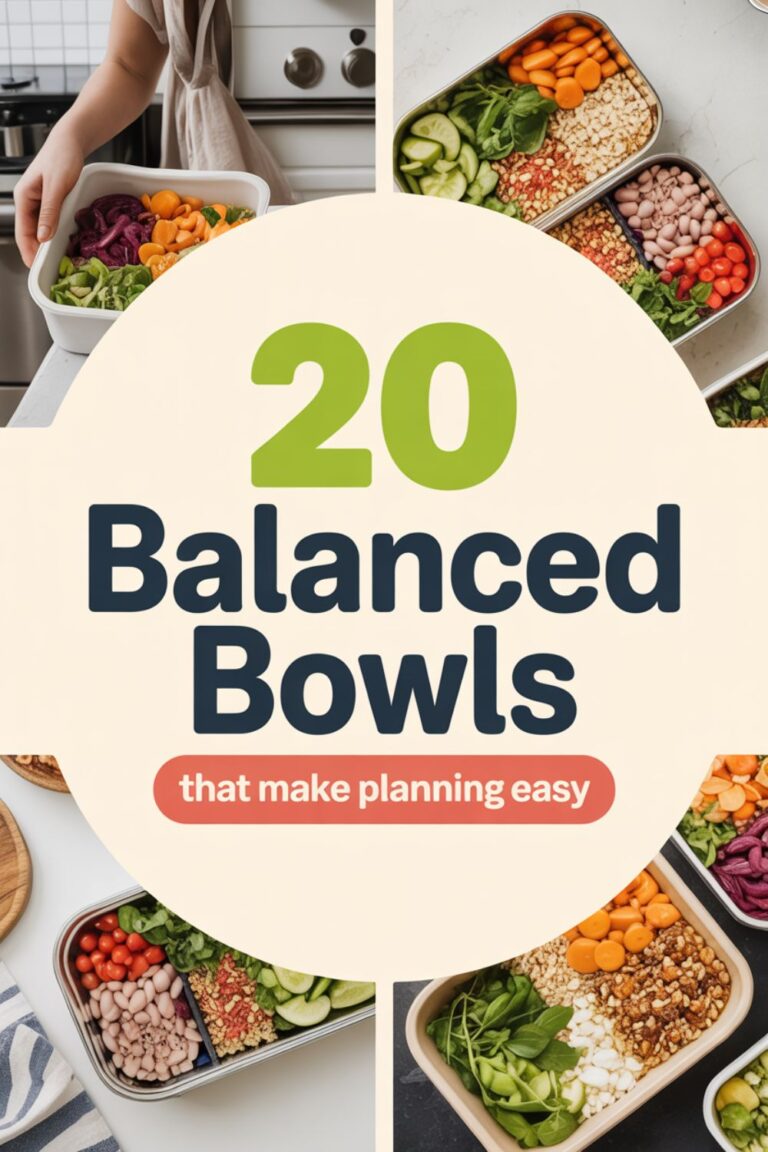
Looking for more variety in your weekly lineup? These high-protein meal prep bowls and meal prep bowls under 400 calories prove you can keep things interesting without breaking your macros.
“I started using this exact meal prep method three months ago, and it’s honestly changed everything. I’ve lost 18 pounds, my energy is through the roof, and I’m saving at least $150 a month on takeout. The best part? I’m not even tempted to cheat anymore because I actually have food I’m excited to eat.”
— Jessica M., from our keto community
The Containers & Storage Situation
Let’s talk about something that seems trivial but actually matters a ton—how you store all this food. I’ve tried every container under the sun, and here’s what I’ve learned: glass is worth it, but you need the right kind.
Get containers with actual locking lids, not those flimsy snap-on ones that pop off in your bag and create a crime scene in your lunchbox. I swear by these compartmentalized glass containers because they keep everything separate and microwave perfectly.
For salads and anything with dressing, those mason jar salads everyone’s obsessed with? They actually work. Layer your dressing at the bottom, harder veggies in the middle, proteins and greens on top. Shake it up when you’re ready to eat.
Pro move: label everything with masking tape and a sharpie. Write the day of the week and what meal it is. Sounds excessive, but when you’re half-asleep at 6 AM trying to grab breakfast, you’ll appreciate knowing exactly which container is which.
Freezer-Friendly Options
Not everything needs to be eaten fresh within the week. I freeze at least 2-3 meals as backup for those days when life happens and you skip a prep session. Soups, casseroles, and most cooked proteins freeze beautifully.
Just make sure you’re using freezer-safe containers (not all glass containers are rated for freezing), and leave a little headroom for expansion. Label them with the date, because “I’ll definitely remember what this is” is a lie we all tell ourselves.
Meal Prep Essentials That Actually Earn Their Counter Space
These are the tools and resources that make my Sunday prep sessions way less painful. I’m not talking about every gadget under the sun—just the stuff that genuinely makes a difference.
Physical Products:
- Glass Meal Prep Containers Set (5-pack) – Microwave-safe, dishwasher-safe, and they actually seal properly. No more lunch explosions in your bag.
- Digital Food Scale – If you’re serious about hitting your macros, guessing portion sizes is a recipe for failure. This one’s accurate and doesn’t take up much space.
- Instant Pot Duo – I resisted getting one for years because I thought it was just hype. Turns out, it’s legitimately useful for batch cooking proteins and making keto-friendly chilis in like 20 minutes.
Digital Resources:
- Keto Meal Planner App – Takes the guesswork out of macros and generates shopping lists automatically. Worth every penny if you hate math as much as I do.
- Complete Keto Recipe eBook Bundle – Over 200 recipes with full macro breakdowns. I use this weekly for inspiration when I’m bored of my usual rotation.
- 30-Day Keto Meal Prep Guide – Step-by-step plans for the first month, including grocery lists and prep timelines. Saved my butt when I was getting started.
Common Mistakes (And How I Fixed Them)
Alright, real talk time. I’ve screwed up meal prep in basically every way possible, so let me save you some frustration.
Mistake #1: Making Everything Too Complicated
When I first started, I tried to make these elaborate, restaurant-quality meals for every single container. Spoiler alert: I burned out after two weeks. Keep it simple. Protein + veggie + healthy fat. That’s it. You don’t need to be a Michelin-star chef to succeed at this.
Mistake #2: Not Testing Recipes First
Never, and I mean never, make a full week’s worth of a recipe you’ve never tried before. I learned this the hard way with a “keto-friendly meatloaf” that tasted like cardboard wrapped in sadness. Make new recipes for dinner one night first. If it’s good, add it to your prep rotation.
Mistake #3: Ignoring Food Safety
This sounds obvious, but cooked food in the fridge is good for 3-4 days max. If you’re prepping for seven days, you need to freeze some of it or prep twice a week. Don’t be that person who gets food poisoning from their own meal prep.
For more foolproof options that travel well and stay fresh, check out these meal prep bowls designed for portability.
Adapting for Your Schedule
Not everyone has a free two-hour block on Sunday. I get it. The beauty of this system is that it’s flexible. If you can only do an hour at a time, split it into two sessions. Proteins on Sunday, veggies on Wednesday. Or prep breakfast and lunch on one day, dinners on another.
Some weeks I’m slammed and can only manage to prep four days instead of seven. That’s fine. Four home-cooked keto meals beats zero, and you can always supplement with strategic restaurant orders (bunless burgers are your friend).
The goal isn’t perfection—it’s progress. Even if you only prep three days a week, that’s three days you’re not stress-eating whatever’s nearby or spending money on overpriced keto delivery.
If you’re looking for low-maintenance options that still look impressive, these lazy girl meal prep bowls and aesthetic meal prep ideas prove you don’t have to sacrifice style for simplicity.
Building Your Keto Grocery List
Shopping efficiently is half the battle. I keep a master list of keto staples on my phone and just check off what I need each week. Here’s what’s always on there:
- Proteins: Chicken thighs, ground beef (80/20), salmon, eggs, bacon (the uncured kind without weird sugars)
- Fats: Avocados, butter, olive oil, coconut oil, heavy cream, full-fat cheese
- Vegetables: Broccoli, cauliflower, spinach, zucchini, bell peppers, mushrooms, leafy greens
- Pantry Items: Almond flour, coconut flour, beef/chicken broth, canned tomatoes, spices, hot sauce
- Extras: Nuts (almonds, pecans), dark chocolate (85% or higher), sugar-free sweeteners
I shop the perimeter of the store mostly—that’s where the real food lives. The middle aisles are usually where all the processed junk hangs out, and honestly, you don’t need most of it anyway.
FYI, buy your proteins in bulk when they’re on sale and freeze them. Chicken thighs for $1.99/lb? Stock up. Your future wallet will send you a thank-you card.
For more comprehensive planning resources, this 7-day keto meal prep plan comes with a free printable that makes grocery shopping brain-dead easy.
Keeping Things Interesting
Let’s address the elephant in the meal prep container: food boredom is real. Eating the same thing every day for a week can turn even the most delicious meal into something you dread. Here’s how I combat that.
The Spice Rotation Method
Same base ingredients, different flavor profiles. I’ll cook plain chicken thighs and ground beef, then season individual portions differently. Monday’s chicken gets Mexican spices, Wednesday’s gets Italian herbs, Friday’s goes Asian-inspired with ginger and sesame oil.
This way, you’re technically eating chicken five times a week, but it doesn’t feel like it. Your taste buds stay happy, and you’re not tripling your grocery budget trying to get variety.
Sauce Game Strong
Never underestimate the power of a good sauce. I keep 3-4 different keto-friendly sauces ready to go—homemade ranch, spicy mayo, chimichurri, and sugar-free BBQ sauce. Same meal, different sauce, whole new experience.
Plus, making your own sauces means you control the ingredients. Most store-bought versions are loaded with hidden sugars and vegetable oils that’ll kick you out of ketosis before you even realize what happened.
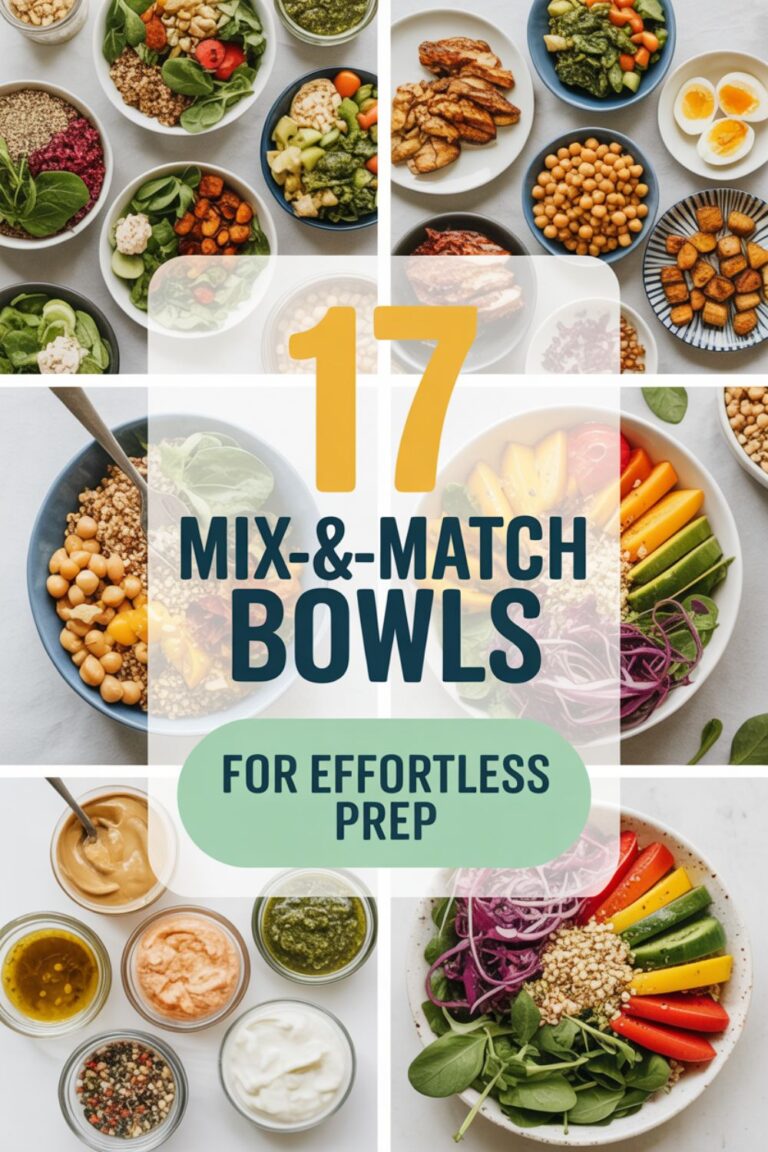
For more flavor inspiration that won’t wreck your macros, check out these colorful meal prep bowls and rainbow bowls that prove healthy food doesn’t have to be beige.
Troubleshooting Your Prep
Even with the best plan, stuff goes wrong sometimes. Here’s how to handle the most common issues:
Problem: Everything Tastes Bland
Solution: You’re under-seasoning. Like, way under-seasoning. Don’t be shy with salt, herbs, and spices. Fat carries flavor on keto, so if you’re keeping your fats too lean, food won’t taste as good. Also, acid is your friend—lemon juice, lime juice, vinegar. They brighten everything up.
Problem: Vegetables Are Mushy By Day Four
Solution: Don’t fully cook your vegetables during prep. Take them out when they’re about 80% done. They’ll finish cooking when you reheat them and stay crisp instead of turning into baby food.
Problem: Running Out of Time
Solution: Simplify. Drop one protein, stick to two or three vegetable types instead of five. You can always add complexity back in once you’ve got the rhythm down.
“I was convinced I didn’t have time for meal prep with my crazy work schedule. Then I tried this two-hour method and realized I was spending way more time stressing about what to eat every single day. Now I meal prep every Sunday while watching Netflix, and it’s honestly become my favorite part of the week.”
— Marcus T., keto community member
The Ketosis Sweet Spot
Here’s something worth mentioning: meal prepping isn’t just about convenience—it’s about staying in ketosis consistently. When you’re winging it with meals, it’s super easy to accidentally consume too many carbs or not enough fat, which can knock you out of that fat-burning state.
The Mayo Clinic explains that maintaining ketosis requires consistent macronutrient ratios, typically around 60-80% of calories from fat. When you prep meals in advance, you can calculate your macros once and know you’re hitting your targets all week long.
This consistency is what separates people who see results on keto from those who struggle. It’s not about being perfect every single meal—it’s about being consistent enough that your body stays in fat-burning mode.
If you’re tracking macros seriously, these 30g protein meal prep bowls take the guesswork out of hitting your protein targets while staying low-carb.
Frequently Asked Questions
Can I meal prep for longer than a week?
Technically yes, but you’ll need to freeze most of it. Cooked food in the fridge stays safe for 3-4 days max. I usually prep for 4-5 days and freeze the rest, then thaw them throughout the week as needed. Just make sure you’re using proper freezer-safe containers and labeling everything with dates.
What if I don’t have two hours straight to prep?
Split it up. Do proteins one day, vegetables another. Even prepping just breakfast and lunch is better than winging it all week. The two-hour block is ideal, but life happens—adapt the system to fit your schedule, not the other way around.
How do I keep my meals from getting boring?
Spices are your best friend. Cook your proteins plain, then season each portion differently throughout the week. Also, rotate your vegetable choices and experiment with different sauces. Same ingredients, different flavors—your taste buds won’t know the difference.
Do I need special containers for keto meal prep?
Not necessarily, but glass containers with tight-sealing lids make a huge difference. They microwave better, don’t stain, and last way longer than plastic. Compartmentalized ones are great for keeping foods separate, especially if you’re packing salads or anything with sauce.
Can I meal prep if I’m dairy-free or have other restrictions?
Absolutely. Just swap out the problematic ingredients—use coconut cream instead of heavy cream, nutritional yeast instead of cheese, or whatever alternatives work for you. The system stays the same, you’re just customizing the ingredients to fit your needs.
Final Thoughts
Here’s the bottom line: meal prepping for keto doesn’t have to be this massive, overwhelming project that takes over your entire weekend. Two focused hours, a decent playlist or podcast, and a solid plan will get you through an entire week of eating without stress.
Is it going to be perfect the first time? Probably not. I definitely had some trial-and-error moments—like the time I made way too much cauliflower rice and got really sick of it by day three. But you learn, you adjust, and it gets easier every single week.
The real magic happens around week three or four, when this routine becomes automatic. You stop thinking about what you’re going to cook because you already know. You stop stressing about whether you’re hitting your macros because it’s built into your system. And honestly, the mental relief of not making food decisions every single day is worth the time investment alone.
So grab those containers, fire up the oven, and give yourself permission to keep it simple. Your future self—the one who’s not ordering expensive takeout at 9 PM because there’s nothing in the fridge—will seriously thank you.