How to Prep a Week of Smoothies in One Hour
Look, I’m not going to pretend Sunday morning smoothie prep is some kind of revolutionary idea that nobody’s ever thought of before. But here’s the thing: most people still don’t do it, and they’re wasting precious minutes every single morning fighting with frozen berries and wondering why their blender sounds like a dying car engine.
I started batch-prepping my smoothies about two years ago when I realized I was late to work three times in one week because I couldn’t find my chia seeds. True story. Now? I roll out of bed, dump a freezer pack into my blender, add some almond milk, and I’m out the door with a legitimately good breakfast in less than five minutes.
This isn’t rocket science, but it does require about an hour of your weekend. And trust me, that hour pays off every single morning when you’re not standing in your kitchen at 6:47 AM trying to figure out if that bag of spinach in the back of your fridge is still good.
Why Batch Prepping Actually Makes Sense
I’ll be honest: the first time someone told me about freezer smoothie packs, I thought it sounded like way too much effort. But then I did the math. Spending 60 minutes on Sunday gives you back about 10-15 minutes every morning for the entire week. That’s 70-105 minutes saved. You’re literally gaining time.
Plus, there’s the whole thing about not letting produce rot in your fridge. Research from Northwestern Medicine shows that smoothies can be a nutritious way to increase your fruit and vegetable intake, especially when prepared thoughtfully with fiber-rich ingredients.
When you prep in bulk, you’re way more likely to use everything you bought. No more discovering liquified kale at the bottom of your produce drawer. No more tossing out half a bag of strawberries because you forgot they existed.
The Hour-Long Game Plan
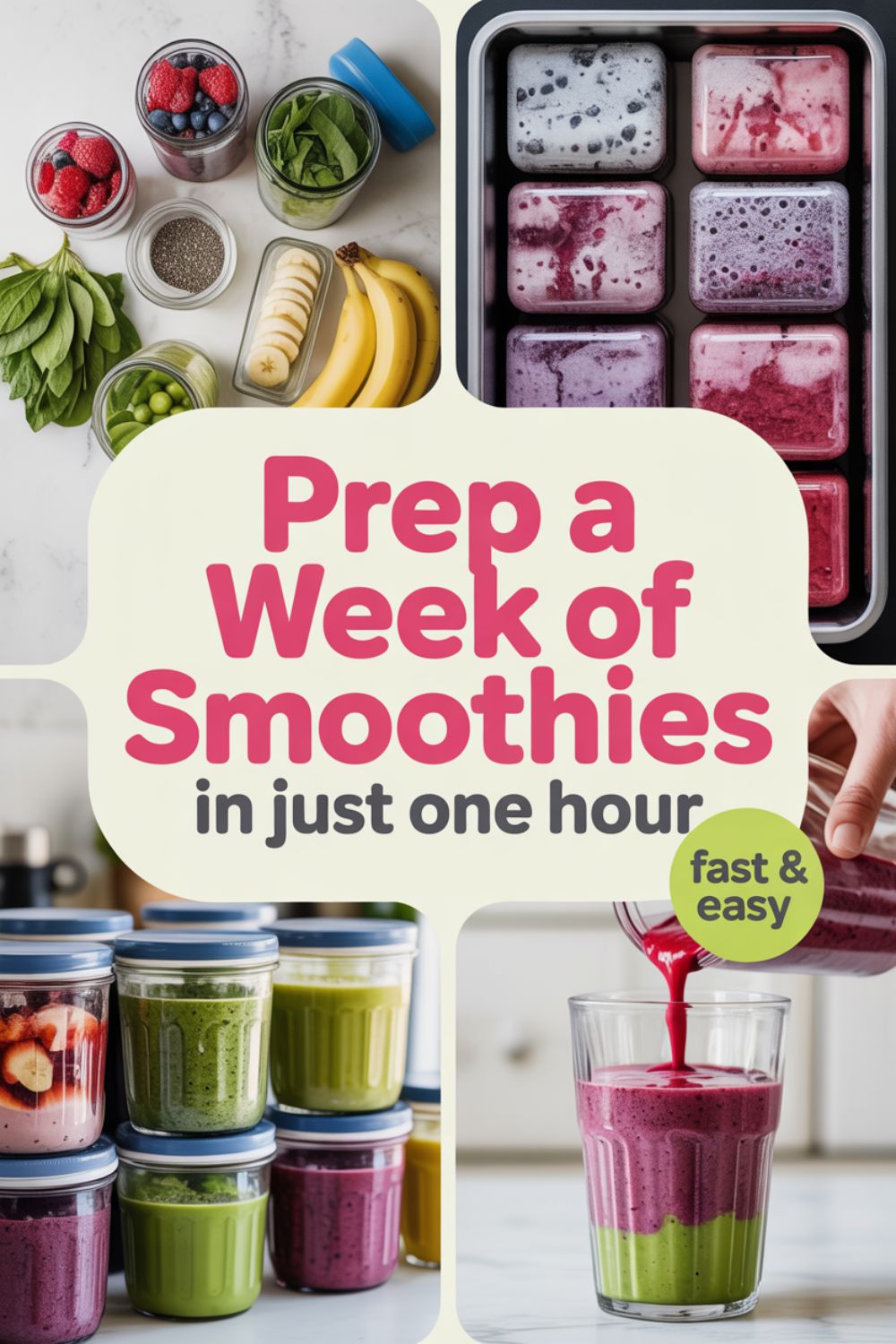
Here’s how I break down my Sunday smoothie prep session. This assumes you’re making seven smoothie packs—one for each day of the week.
Minutes 0-15: Shopping and Gathering
If you’ve already done your grocery shopping, skip ahead. But if not, here’s what you need. I keep a running list on my phone of smoothie staples, which makes shopping stupid simple.
Your basic shopping list should include frozen fruit (berries, mango, pineapple), fresh greens (spinach or kale), bananas, and your liquid base of choice. I usually grab unsweetened almond milk because it lasts forever and doesn’t add a bunch of extra calories.
For protein, I swap between Greek yogurt, protein powder, and nut butter depending on what I’m feeling that week. If you’re looking for more protein-packed breakfast options, you might want to check out these high-protein breakfast preps that pair really well with a smoothie routine.
Minutes 15-30: Washing and Chopping
This is where most of your time goes, but it’s honestly kind of meditative if you put on a good podcast. Wash all your greens and spin them dry. Seriously, dry them well—wet spinach turns into a clumpy mess in the freezer.
Chop any fresh fruit that needs it. I usually dice up a few apples and peel some bananas. For the bananas, break them into chunks so your blender doesn’t have to work so hard later. I use this ceramic knife set for all my fruit prep because it doesn’t brown the fruit as fast, and honestly, it just makes the whole process feel a bit fancier than it actually is.
If you’re working with fresh berries, rinse them and pat them dry. Or, as I mentioned earlier, just buy frozen and skip this entirely.
Minutes 30-50: Assembly Line Mode
This is where it gets fun. Set up all your containers or bags in a row. I use these reusable silicone freezer bags because they’re better for the environment and they don’t get weird and brittle like plastic bags do after a few uses.
Create different combinations for each day so you don’t get bored. Here’s my typical rotation:
- Monday: Mixed berries, spinach, half a banana, chia seeds
- Tuesday: Mango, pineapple, kale, flax seeds
- Wednesday: Blueberries, banana, spinach, hemp hearts
- Thursday: Strawberries, peaches, kale, almond butter scoop
- Friday: Mixed tropical fruit, spinach, coconut flakes
- Saturday: Cherry, banana, cocoa powder, spinach (tastes like dessert)
- Sunday: Whatever’s left over or a repeat of your favorite
The key here is balance. You want about 1.5-2 cups of fruit, a solid handful of greens, and your add-ins (seeds, nut butter, protein powder). Don’t add liquid—that goes in right before blending. According to research from UC Davis, certain fruit combinations can actually impact nutrient absorption, so mixing things up throughout the week is smart.
Minutes 50-60: Storage and Cleanup
Squeeze as much air out of the bags as possible before sealing. Air is the enemy here—it causes freezer burn and makes everything taste like your freezer smells (not great).
Stack everything flat in your freezer. They’ll freeze in flat rectangles, which makes them way easier to store than if you just toss them in haphazardly. I keep mine in this freezer bin so they’re all in one place and I’m not digging around every morning.
Clean up your workspace, and you’re done. Seriously, that’s it. You’ve just set yourself up for a week of actually decent breakfasts.
Speaking of meal prep strategies, if you’re into the whole clean girl aesthetic approach to eating, these clean girl meal prep ideas might inspire your other meals too.
The Morning Routine (It’s Ridiculously Easy)
Every morning, I grab a pack from the freezer, dump it into my blender, add about a cup of liquid (sometimes more if I want it thinner), and blend. The whole process takes maybe three minutes, and most of that is just the blender doing its thing.
I’ve tried a bunch of different blenders over the years, and honestly, you don’t need some $500 monster machine. I use this mid-range blender that’s powerful enough to handle frozen fruit but won’t make you feel like you need to take out a loan. That said, if your blender sounds like it’s actively suffering when you use it, it might be time for an upgrade.
Sometimes I’ll throw in extras based on how I’m feeling that day—a scoop of protein powder if I’m hitting the gym, a handful of ice if it’s hot out, or a splash of vanilla extract if I want it to taste a bit more indulgent.
Common Mistakes I Made So You Don’t Have To
Let me save you some trial and error here. These are the things I learned the hard way:
Don’t Add Liquid Before Freezing
This seems obvious now, but I tried it once thinking I could just grab a fully prepared smoothie from the freezer and let it thaw. Terrible idea. The liquid separates from everything else, and you end up with a weird, watery mess on the bottom and a frozen fruit brick on top.
Watch Out for Banana Overload
Bananas are great for making smoothies creamy, but they also have this enzyme that can actually destroy some of the beneficial compounds in berries and cocoa. WebMD notes that while bananas are nutritious, too much can spike blood sugar more than you’d want. I stick to half a banana per smoothie, max.
Greens Go in Last
When you’re packing your bags, put the greens on top. They’re lightweight and act as a protective layer over your fruit. Plus, when you dump everything into the blender, the greens go in first, which helps everything blend more smoothly.
Not Everything Freezes Well
Learned this with avocado. I thought I was being genius adding avocado to make my smoothies extra creamy, but frozen avocado gets weird and brown. If you want avocado in your smoothie, add it fresh in the morning. Same goes for fresh citrus juice—add it when blending, not in the freezer pack.
Customizing for Different Goals
The beauty of batch prepping is that you can tailor everything to what you’re trying to accomplish. I’ve done this for weight loss, muscle building, and just general “trying not to feel like garbage” maintenance.
For Weight Loss
Keep the fruit to about 1 cup per smoothie and load up on greens. Add protein powder or Greek yogurt to keep you full. Skip the juice as your liquid base—it’s just extra sugar you don’t need. Stick with unsweetened almond milk or even just water with a squeeze of lemon.
I’ve found that adding a tablespoon of chia seeds (which I buy in this bulk bag because it’s way cheaper) helps keep me satisfied until lunch. The fiber expands in your stomach and tricks your brain into thinking you ate more than you did.
If weight loss is your goal, you might also want to explore these weight loss meal prep bowls that actually taste good. Get Full Recipe for some of my favorite combinations that helped me drop 10 pounds without feeling miserable.
For Muscle Building
This is where you want to up your protein game. I typically add a full scoop of protein powder, some Greek yogurt, and maybe a tablespoon of nut butter. You can also throw in oats—they blend up surprisingly well and add extra calories and carbs for energy.
Don’t be afraid of healthy fats here. A tablespoon of hemp hearts or some sprouted pumpkin seeds adds protein and healthy fats without making your smoothie taste weird.
For more ideas on high-protein meal prep, check out these high-protein meal prep bowls that you can pair with your morning smoothie for an absolutely stacked nutrition day.
For General Health and Energy
Balance is key. Aim for a good mix of fruit, greens, protein, and healthy fats. I like to rotate my greens—spinach one week, kale the next—because they have slightly different nutrient profiles.
Add superfoods if you’re into that kind of thing. I’m not going to pretend that açaí powder is going to change your life, but it does add antioxidants and makes your smoothie look impressively purple, which is fun.
Smoothie Prep Essentials Used in This Plan
- High-Speed Blender (600-1000W) – The one tool you absolutely need. Don’t cheap out completely, but you also don’t need to spend $500.
- Reusable Silicone Freezer Bags – Better for the environment and they don’t crack in the freezer like plastic bags.
- Wide-Mouth Mason Jars (32oz) – Perfect if you prefer glass storage. They’re what I used before I discovered silicone bags.
- Printable Smoothie Prep Labels – Makes labeling way easier and honestly more fun. Includes cute designs and ingredient tracking.
- 30-Day Smoothie Recipe eBook – Takes the guesswork out of combinations. I use this when I get bored with my usual rotation.
- Meal Prep Master Course – Covers smoothies plus everything else. Worth it if you’re serious about getting your meal prep game together.
Dealing with Different Diets and Preferences
One of my friends is vegan, another is dairy-free, and my sister can’t have gluten (not that there’s gluten in smoothies, but you get the idea). The point is, smoothie prep is stupid flexible.
Vegan Options
Skip the Greek yogurt and use a plant-based protein powder instead. I’ve tried a bunch, and the pea protein powder mixes the best and doesn’t have that weird chalky taste some of them do.
For creaminess, add half an avocado when blending (remember, don’t freeze it), or use coconut milk as your liquid base. Nut butters also work great—almond, cashew, or even sunflower seed butter if you’re nut-free.
Low-Carb or Keto
This one’s trickier because fruit is basically nature’s candy, but you can make it work. Stick to lower-carb fruits like berries and avoid bananas and tropical fruits. Load up on greens, add MCT oil or coconut oil for healthy fats, and use unsweetened almond milk.
I won’t lie—keto smoothies aren’t as naturally sweet, so you might need to add a bit of stevia or monk fruit sweetener. If you’re following a keto meal plan, these keto meal prep ideas will round out your week nicely.
Dairy-Free
Easy. Just swap dairy milk for any plant-based alternative. My go-to is unsweetened almond milk, but oat milk makes things extra creamy if you don’t mind the extra carbs. Coconut milk works too, though it does add a coconut flavor (which I personally love, but not everyone does).
Speaking of Mediterranean-style eating, if you’re curious about more plant-forward meal prep ideas, check out these Mediterranean meal prep ideas that complement a smoothie-heavy breakfast routine.
What About Nutrients and All That Science Stuff?
Look, I’m not a nutritionist, but I do care about whether I’m actually getting something good out of my breakfast or just drinking expensive fruit juice.
The good news is that research from Utah State University confirms that smoothies can be genuinely nutritious when made properly. The key is keeping the whole fruit (fiber included) and not going overboard on sugar.
One thing I learned that surprised me: blending doesn’t destroy nutrients the way people think it does. You’re getting basically the same nutritional value from a blended smoothie as you would from eating the ingredients separately. The main difference is that liquids are less filling, so you might eat more overall if you’re not careful with portions.
I typically aim for about 300-400 calories per smoothie when I’m using it as a meal replacement. That usually breaks down to about 15-20 grams of protein, 40-50 grams of carbs (mostly from fruit), and 8-12 grams of fat (from seeds or nut butter).
Troubleshooting Common Issues
After two years of this, I’ve run into pretty much every smoothie prep problem there is. Here’s how to fix them:
My Smoothies Are Too Thick
Add more liquid, genius. But seriously, this usually happens when you’ve packed too much frozen fruit or if your fruit was extra frozen-solid. Start with less liquid than you think you need, blend, then add more until it reaches your desired consistency.
Everything Tastes the Same After a Few Days
You’re probably using too much of one ingredient (usually banana). Mix up your fruit combinations more drastically. One day berries, next day tropical, then maybe apple-based. Also, don’t be afraid to use different liquids—almond milk one day, coconut water the next, regular water with a squeeze of orange the day after.
My Blender Struggles with Frozen Stuff
Let your freezer pack sit on the counter for about 5 minutes before blending. You can also add your liquid first, let it sit for a minute to start thawing the fruit, then blend. If your blender still can’t handle it, you might need a more powerful one. I upgraded from a $30 blender to this 1000-watt beast and it was honestly life-changing.
The Texture is Grainy or Weird
This is usually because of insufficient blending or using seeds that don’t break down well. Chia seeds can get gelatinous if you let your smoothie sit too long, so either blend them really well or add them after blending. Flax seeds should always be ground—whole ones just pass through your system without getting digested.
For more smooth and aesthetic meal prep inspiration (because let’s be real, we eat with our eyes first), check out these aesthetic meal prep ideas that’ll make your Instagram game strong.
Maximizing Your Prep Session
Once you get good at this, you can start batching other stuff during your smoothie prep hour. I usually wash and chop veggies for the week while my fruit is chilling. Or I’ll boil eggs. Or prep overnight oats. Basically, if my kitchen is already a mess, I might as well maximize the chaos.
Some people like to do a full Sunday meal prep situation where they’re making multiple meals at once. If that’s you, smoothies fit perfectly into that workflow. While your chicken is roasting or your quinoa is cooking, you can knock out your smoothie prep in between.
For a more comprehensive approach, you might want to look at these minimalist meal prep ideas that pair well with the smoothie routine I’ve described here.
The Long-Term Benefits (Beyond Saving Time)
Here’s what happened after I started consistently prepping smoothies every week: I stopped buying breakfast on my way to work. That alone saved me probably $50-70 a month. I also started actually eating breakfast, which I’d been skipping for years because I “didn’t have time.”
My energy levels evened out. No more 10 AM crashes where I’d mainline coffee and wonder why I felt like garbage. Turns out, starting your day with actual nutrients instead of just caffeine makes a difference. Revolutionary, I know.
I also waste way less produce. Before I started prepping, I’d buy all these healthy ingredients with the best intentions, then watch them slowly decompose in my fridge while I felt guilty about it. Now everything gets used because it’s already portioned and ready to go.
And honestly? It’s just one less decision to make every morning. I have decision fatigue for breakfast, lunch, dinner, what to wear, what to work on first—having breakfast automated is a tiny bit of mental space I get back every single day.
Frequently Asked Questions
How long do smoothie packs last in the freezer?
Honestly, I’ve kept them for up to a month and they’ve been fine, though I usually go through them within two weeks. The texture and taste stay pretty consistent if you’ve sealed them properly and removed most of the air. That said, anything with banana might start to get a bit brown after 3-4 weeks, but it’s still totally safe to eat.
Can I blend the smoothies ahead of time instead of just prepping ingredients?
You can, but IMO it’s not as good. Pre-blended smoothies separate in the freezer and get kind of icy-weird when they thaw. If you really want to go this route, freeze them in individual portions and drink them slightly slushy—don’t let them fully thaw. I prefer the ingredient pack method because the texture is way better.
What’s the best ratio of fruit to greens?
I do about 2:1 fruit to greens by volume, maybe closer to 3:1 if I’m using something bitter like kale. Start with more fruit if you’re new to green smoothies and work your way up to more greens as you get used to the taste. You’d be surprised how much spinach you can hide behind a cup of mango and some pineapple.
Is it cheaper to meal prep smoothies than buying them?
Hell yes. A store-bought smoothie runs $7-12 depending on where you live. My homemade ones cost maybe $2-3 each, and that’s using decent quality ingredients. If you buy frozen fruit when it’s on sale and get your greens from somewhere like Costco, you can probably get that down to $1.50-2 per smoothie.
Do I need to thaw the packs before blending?
Nope, dump them straight in frozen. That’s the whole point—they’re your ice cubes. If your blender is struggling, let them sit out for 5 minutes or add your liquid first and let it sit for a minute before blending. A decent blender should handle fully frozen ingredients no problem.
Final Thoughts
Listen, smoothie prep isn’t going to solve all your problems. You’re still going to be tired on Monday mornings. Your inbox will still be overwhelming. But having one thing that’s handled—one healthy decision that’s already made—makes everything else feel a tiny bit more manageable.
The first time you do this, it might take you longer than an hour. That’s fine. You’re learning. By the third or fourth week, you’ll have it down to a system and you’ll wonder how you ever lived without it.
Start simple. Don’t try to make seven completely different fancy smoothies your first week. Make three or four combinations you know you like, and batch those. You can get fancy later.
And if you mess up—if you freeze something wrong or your smoothie tastes weird or you forget to label your bags and have no idea what’s what—it’s not the end of the world. You’re still eating fruit and vegetables, which is more than most people do before noon on a Tuesday.
Now go forth and prep. Your future morning self will thank you.