Keto For Beginners: What To Eat, Avoid & Expect
Keto For Beginners: What To Eat, Avoid & Expect
So you’ve heard about keto. Maybe your coworker dropped 15 pounds and won’t stop talking about it, or you stumbled across some before-and-after photos that made you do a double-take. Whatever brought you here, you’re curious — and honestly, keto is worth being curious about.
I’ll be real with you: starting keto felt a little overwhelming to me at first. Fat is good now? Bread is evil? What even IS a macronutrient? But once things clicked, it genuinely changed the way I eat and feel. This guide is everything I wish someone had handed me on day one — no fluff, no confusion, just the real stuff.
What Actually Is the Keto Diet?
Keto, short for ketogenic, is a high-fat, very low-carb eating style that flips your body’s default fuel source. Normally, your body runs on glucose (from carbs). On keto, you slash carbs so low that your body has no choice but to switch to burning fat for fuel instead — a metabolic state called ketosis.
Think of it like switching your car from gasoline to diesel. The engine still runs, often better, but you’re using a completely different fuel. Most people eat somewhere around 70% fat, 25% protein, and just 5% carbs on a standard keto diet.
That 5% carb limit usually works out to about 20–50 grams of net carbs per day. To put that in perspective, a single banana has around 24 grams of net carbs. So yeah — fruit isn’t exactly your best friend on keto. :/
How Does Ketosis Actually Work?
When you cut carbs that drastically, your liver starts converting fat into molecules called ketones. Your brain and body then use these ketones as their primary energy source. It’s actually a pretty elegant system — humans evolved this mechanism to survive periods without food.
Getting into ketosis typically takes 2–7 days of strict carb restriction. The speed depends on your metabolism, how active you are, and honestly, how disciplined you stay in those first few days. Some people get there faster by adding light exercise to burn through remaining glycogen stores.
Once you’re in ketosis, many people report clearer thinking, steadier energy, and reduced hunger. Sounds like a dream, right? Well, there’s a speed bump first — and we’ll get to that shortly.
What To Eat on Keto
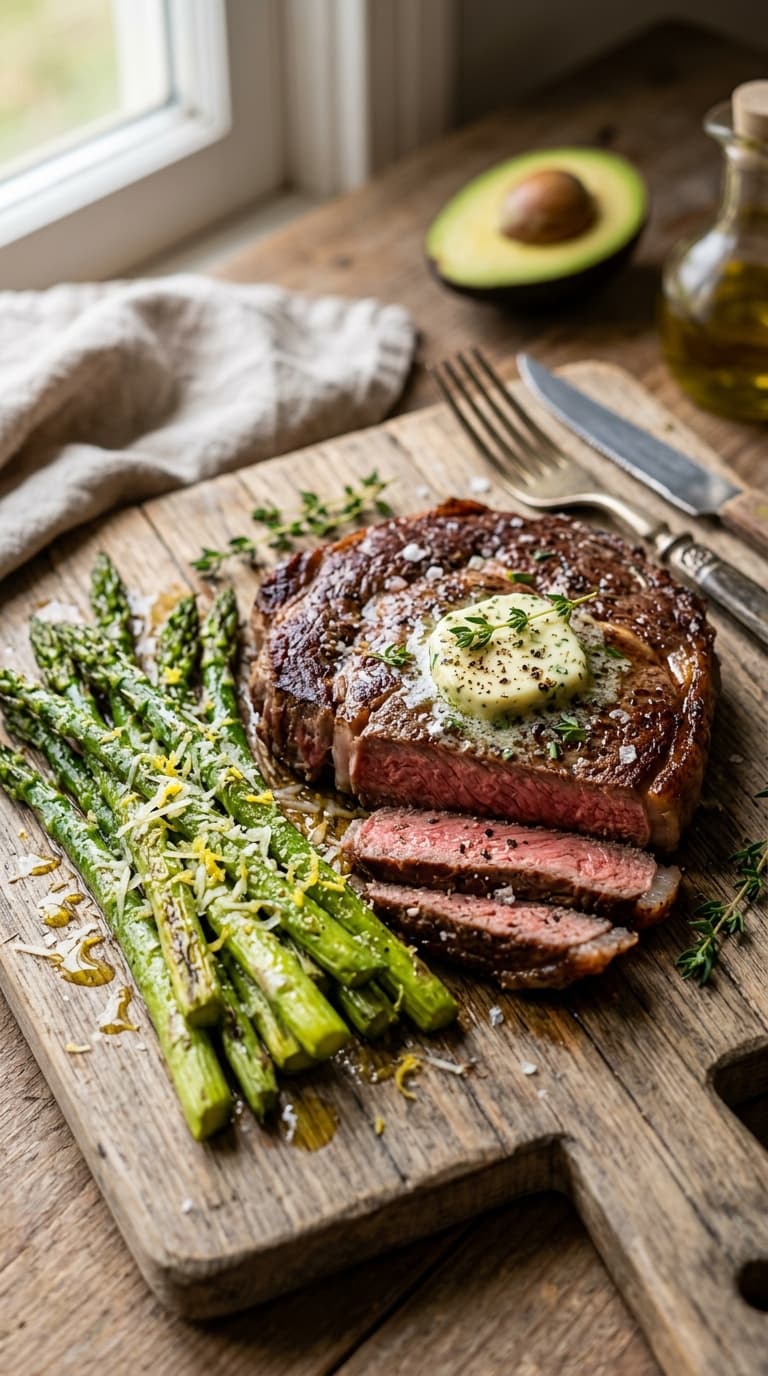
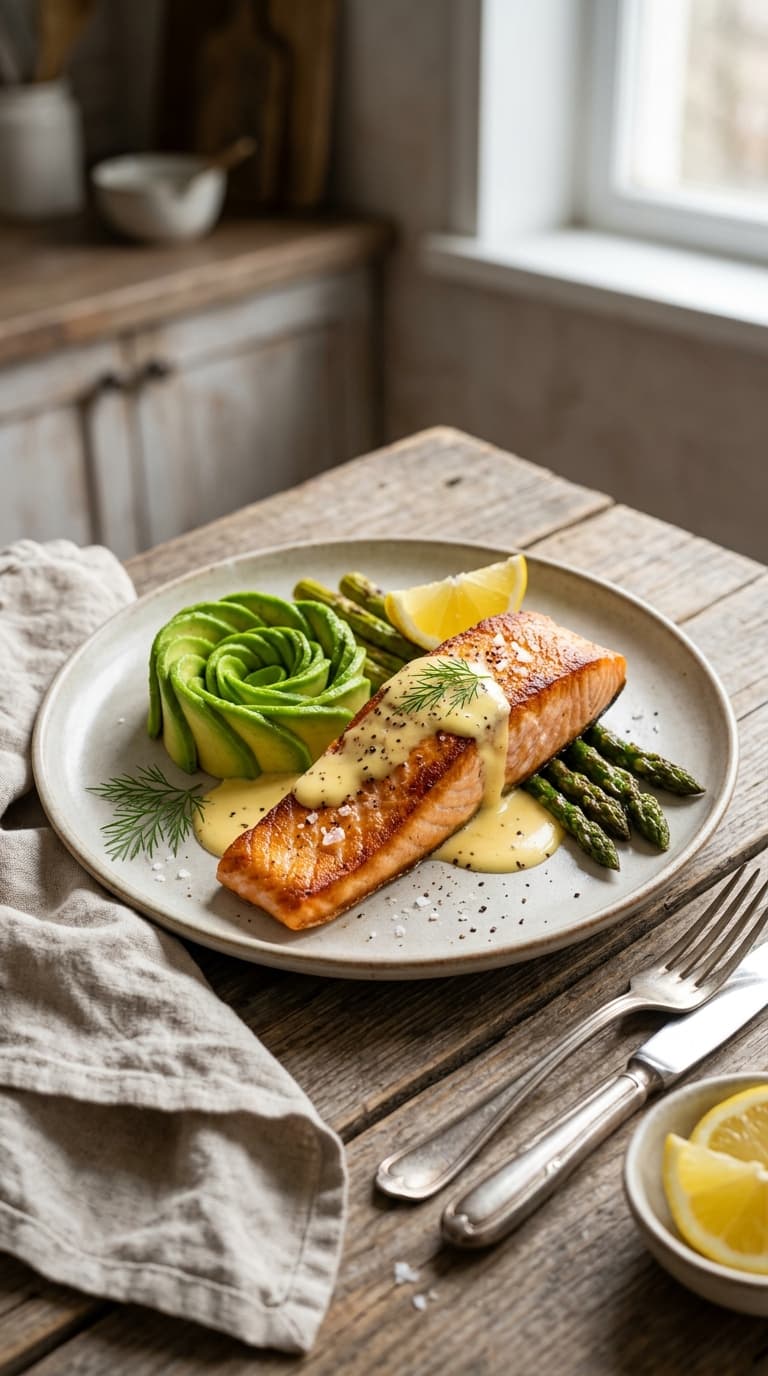
This is the fun part. Keto is one of the few “diets” where you genuinely get to eat rich, satisfying food. Here’s what should fill your plate:
Fats (Your New Best Friend)
- Avocados and avocado oil
- Olive oil (extra virgin is ideal)
- Butter and ghee
- Coconut oil
- Heavy cream and full-fat cheese
- Nuts and nut butters (macadamia, almonds, pecans — just watch portions)
Proteins
- Eggs (seriously, eggs are keto royalty)
- Fatty fish like salmon, sardines, and mackerel
- Beef, lamb, pork, and chicken (preferably fattier cuts)
- Bacon (yes, really — FYI, keto is not your typical diet)
- Shellfish like shrimp and crab
Low-Carb Vegetables
- Leafy greens — spinach, arugula, kale
- Broccoli, cauliflower, and zucchini
- Bell peppers (in moderation)
- Asparagus, mushrooms, cucumber
- Cabbage and Brussels sprouts
Dairy
- Full-fat Greek yogurt (small portions)
- Hard cheeses — cheddar, parmesan, gouda
- Cream cheese
- Sour cream
If you’re planning your meals ahead, you’ll love having a system. These 21 keto meal prep ideas are a great starting point for mapping out your week without the daily guesswork.
What To Avoid on Keto
Here’s where beginners get tripped up. Some of these will sting — I’m warning you now.
Foods That Will Kick You Out of Ketosis
- All grains — bread, pasta, rice, oats, quinoa
- Sugar in every form — white sugar, honey, maple syrup, agave
- Most fruit — bananas, mangoes, grapes, apples (berries in small amounts are okay)
- Starchy vegetables — potatoes, sweet potatoes, corn, peas
- Beans and legumes — chickpeas, black beans, lentils
- Most dairy alternatives — oat milk, rice milk (loaded with carbs)
- Processed “low-fat” foods — these almost always compensate with sugar
- Alcohol (most of it) — beer, cocktails, sweet wines
The hidden carbs in sauces, dressings, and condiments are sneaky little traps. Always check labels — ketchup, BBQ sauce, and teriyaki are basically sugar in disguise.
Want to keep lunches easy and on-track? These 25 low-carb lunch boxes are genuinely brilliant for work days when you can’t afford to wing it.
The Keto Flu: What Nobody Warns You About
Okay, real talk. The first 3–7 days of keto can feel rough. Like, “why did I do this to myself” rough. This is called the keto flu, and it’s completely normal.
When you drop carbs, your body flushes out water and electrolytes rapidly. You might experience:
- Headaches
- Fatigue and brain fog
- Irritability (warn your family, honestly)
- Nausea or dizziness
- Muscle cramps
The good news? This phase passes. And you can soften the blow significantly by staying aggressively hydrated and replenishing electrolytes — sodium, potassium, and magnesium especially. Add a pinch of salt to your water, eat avocados, and consider a magnesium supplement.
IMO, the keto flu is the #1 reason beginners quit too early. Push through it, and the other side genuinely feels amazing.
What To Expect in the First Month
Week 1: Carb Withdrawal is Real
Your energy might dip, cravings hit hard, and you’ll probably miss bread more than you thought possible. Stay strict. Your body is literally rewiring its fuel system — give it time.
Week 2: Things Start to Shift
Most people notice the brain fog lifting around days 10–14. Energy starts returning, often more stable than before. You might even notice your clothes fitting a bit differently — much of the initial weight loss is water, but it’s still motivating.
Week 3–4: Finding Your Groove
By week three, hunger usually decreases noticeably. Fat is incredibly satiating, which means you’re naturally eating less without forcing it. This is when keto starts feeling sustainable rather than like a punishment.
Weight loss tends to steady out after the initial water drop. Expect roughly 1–2 pounds per week of actual fat loss, depending on your calorie intake and activity level.
How To Track Your Macros Without Losing Your Mind
You don’t need to obsessively weigh every bite forever — but tracking matters a lot in the beginning. Apps like Cronometer or Carb Manager make this genuinely easy.
Your targets on a standard keto approach:
- Fat: 70–75% of daily calories
- Protein: 20–25% of daily calories
- Net carbs: 5–10% of daily calories (aim for under 25g net carbs to start)
Net carbs = total carbs minus fiber. Fiber doesn’t spike blood sugar, so it doesn’t count against your limit. This is why vegetables like broccoli and spinach are totally fine despite having some carbs.
If you want structured plans rather than building everything yourself, this 7-day keto meal prep plan takes all the guesswork out of the equation.
Common Keto Mistakes Beginners Make
Ever wondered why some people swear by keto while others say it didn’t work for them? Often, the difference comes down to a few avoidable errors.
1. Not eating enough fat
This is the big one. People fear fat after years of being told it’s the enemy. But on keto, fat is your fuel. If you’re not eating enough, you’ll feel tired and miserable and wonder what you’re doing wrong.
2. Eating too much protein
Excess protein can convert to glucose through a process called gluconeogenesis, potentially interfering with ketosis. Keto is not a high-protein diet — it’s a high-fat diet with moderate protein.
3. Ignoring hidden carbs
That “sugar-free” granola bar? Check the label. Many processed foods marketed as healthy are secretly carb bombs. Stick to whole, real foods especially in the beginning.
4. Skipping electrolytes
Most keto flu symptoms are electrolyte-related, not carb withdrawal. Salt your food generously, eat potassium-rich veggies, and supplement magnesium if needed.
5. Expecting overnight results
Keto works, but it takes time. Your metabolism needs weeks to fully adapt. Consistency beats perfection every single time.
Keto Meal Prep: Your Secret Weapon
Honestly, the biggest predictor of keto success isn’t willpower — it’s preparation. When you’re hungry and there’s nothing keto-friendly in sight, you’ll eat whatever’s available. That’s just human nature.
Spending a couple of hours on Sunday setting yourself up for the week makes everything easier. Batch-cook proteins, pre-chop vegetables, portion out snacks. If you want to see exactly how this looks in practice, learning how to prep a full week of keto meals in just 2 hours is genuinely a game-changer.
For mornings specifically, these 15 keto breakfast preps will keep you full and focused without the morning scramble — literally and figuratively.
Is Keto Right For You?
Keto works brilliantly for a lot of people — especially those dealing with insulin resistance, persistent weight struggles, or energy crashes throughout the day. The research on keto for type 2 diabetes management, epilepsy, and metabolic health is genuinely compelling.
That said, it’s not a magic solution for everyone, and it’s worth noting a few things:
- It requires consistency. Occasional keto doesn’t really work — you need to stay in ketosis to see the benefits.
- It’s restrictive socially. Eating out and social gatherings require more planning.
- Some people feel great; others don’t thrive on it. Bio-individuality is real.
If you have any underlying health conditions, particularly related to the kidneys, liver, or thyroid, talking to a doctor before starting is a smart move.
A Few Keto-Friendly Snack Ideas
Because hunger strikes at 3pm no matter what diet you’re on:
- Hard-boiled eggs
- Cheese and deli meat roll-ups
- Olives
- Celery with almond butter
- A small handful of macadamia nuts
- Pork rinds (oddly satisfying, zero carbs)
- Cucumber slices with cream cheese
If you want to build out a proper snack prep routine, these 30 keto snacks you can prep in advance will cover you for the whole week with zero daily effort.
Wrapping It Up
Keto is genuinely one of the most effective eating approaches for fat loss, mental clarity, and sustained energy — but only if you do it right. Eat your fats, respect the carb limits, prep your meals, and push through the keto flu. That’s really the whole framework.
The first week is the hardest. After that, it gets easier, more intuitive, and honestly pretty enjoyable. You start seeing food differently, cravings for sugar and bread lose their grip, and your energy evens out in a way that’s hard to describe until you experience it.
Start simple, stay consistent, and don’t overthink it. You’ve got this — and the results you’re looking for are closer than you think. 🙂