7-Day DASH Diet Plan For Beginners (Lower BP Naturally)
7-Day DASH Diet Plan For Beginners (Lower BP Naturally)
So your doctor just told you your blood pressure is creeping up, and now you’re staring at a pile of bland rice cakes wondering if this is your life now. Good news — it doesn’t have to be. The DASH diet (Dietary Approaches to Stop Hypertension) is one of the most research-backed eating plans out there, and honestly, it’s way less painful than it sounds. I started paying attention to it after my own “uh oh” moment at the doctor’s office, and I was genuinely surprised by how normal the food felt.
This isn’t a crash diet. It’s not a 3-day detox. It’s a practical, sustainable way to eat that helps bring blood pressure down naturally — without making you miserable at every meal. Let’s break it all down so you can actually start this week.
What Even Is the DASH Diet?
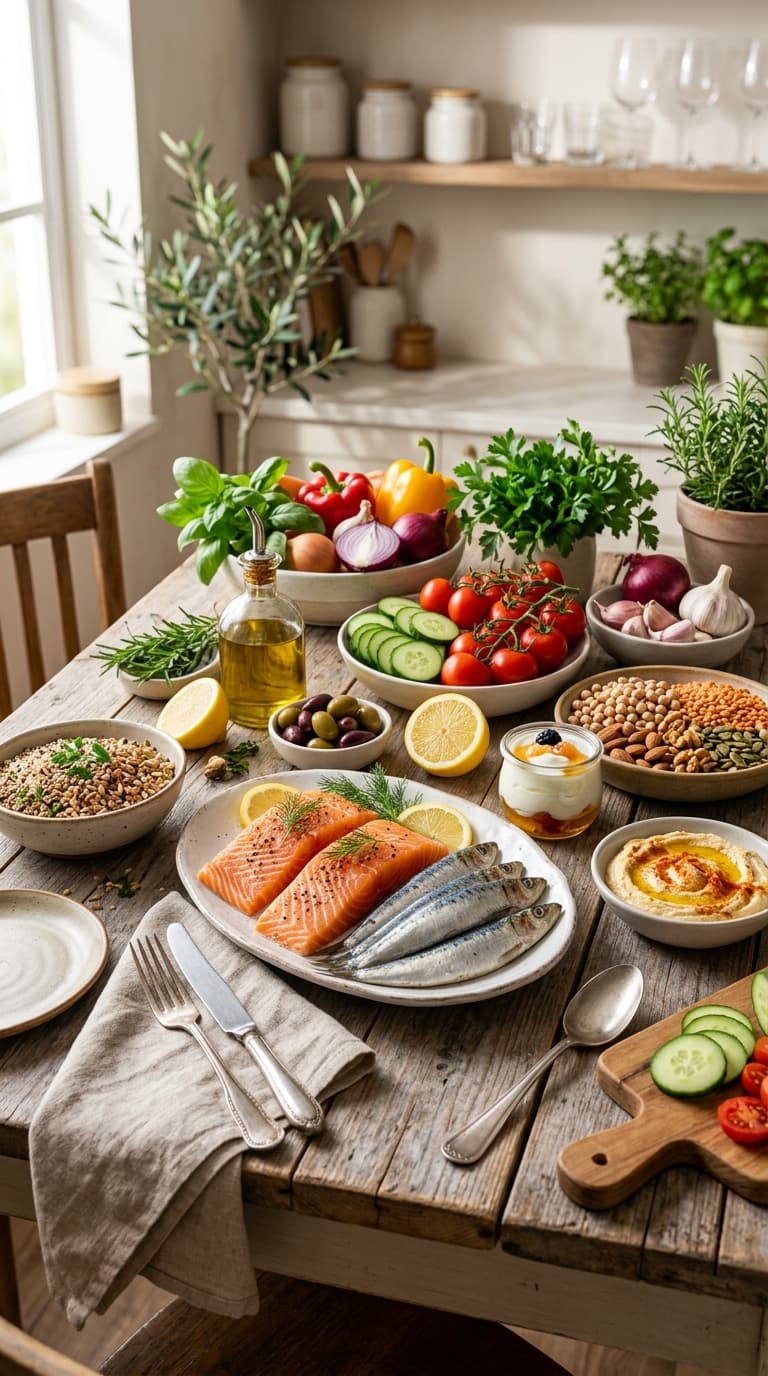
The DASH diet focuses on eating whole, nutrient-dense foods that support heart health — especially foods rich in potassium, magnesium, calcium, and fiber. These nutrients work together to relax blood vessels and reduce the strain on your heart.
Here’s what the DASH diet emphasizes:
- Fruits and vegetables (aim for 4–5 servings each, daily)
- Whole grains like oats, brown rice, and whole wheat bread
- Lean proteins — chicken, fish, legumes, and low-fat dairy
- Nuts, seeds, and legumes a few times a week
- Limited sodium — the target is under 2,300 mg per day (and ideally 1,500 mg if your BP is already elevated)
What it cuts back on:
- Red meat and processed meats
- Full-fat dairy
- Added sugars and sweets
- High-sodium packaged foods (yes, that includes your beloved instant noodles ☹)
The science is solid. Multiple clinical studies have shown that DASH can lower systolic blood pressure by 8–14 mmHg in just a few weeks. That’s meaningful — without a single prescription.
Why DASH Works Better Than Just “Eating Healthy”
Here’s the thing — most people say they eat healthy, but their sodium intake would make a cardiologist cry. The DASH diet is specific. It gives you actual targets, which removes the guesswork and keeps you on track.
IMO, the biggest win with DASH is that it doesn’t ban entire food groups. You’re not cutting carbs completely or going full carnivore. You’re just eating more of the right things and less of the stuff that spikes your blood pressure.
It also pairs beautifully with meal prepping. If you’re already into building your meals for the week, DASH fits right into that routine. Think of it like building balanced bowls with the right protein, carbs, and veggies — that’s basically DASH on a plate.
The 7-Day DASH Diet Plan
Before you start, here’s what you need to know: this plan keeps sodium in check at every meal, loads up on produce, and keeps protein lean. Each day follows a similar rhythm so it’s easy to batch cook and prep ahead.
Day 1 — Reset and Refresh
Breakfast: Oatmeal with sliced banana, a handful of walnuts, and a drizzle of honey. No added salt. Pair with black coffee or herbal tea.
Lunch: Grilled chicken salad with mixed greens, cherry tomatoes, cucumber, and a lemon-olive oil dressing. Skip the bottled dressings — they’re sodium bombs.
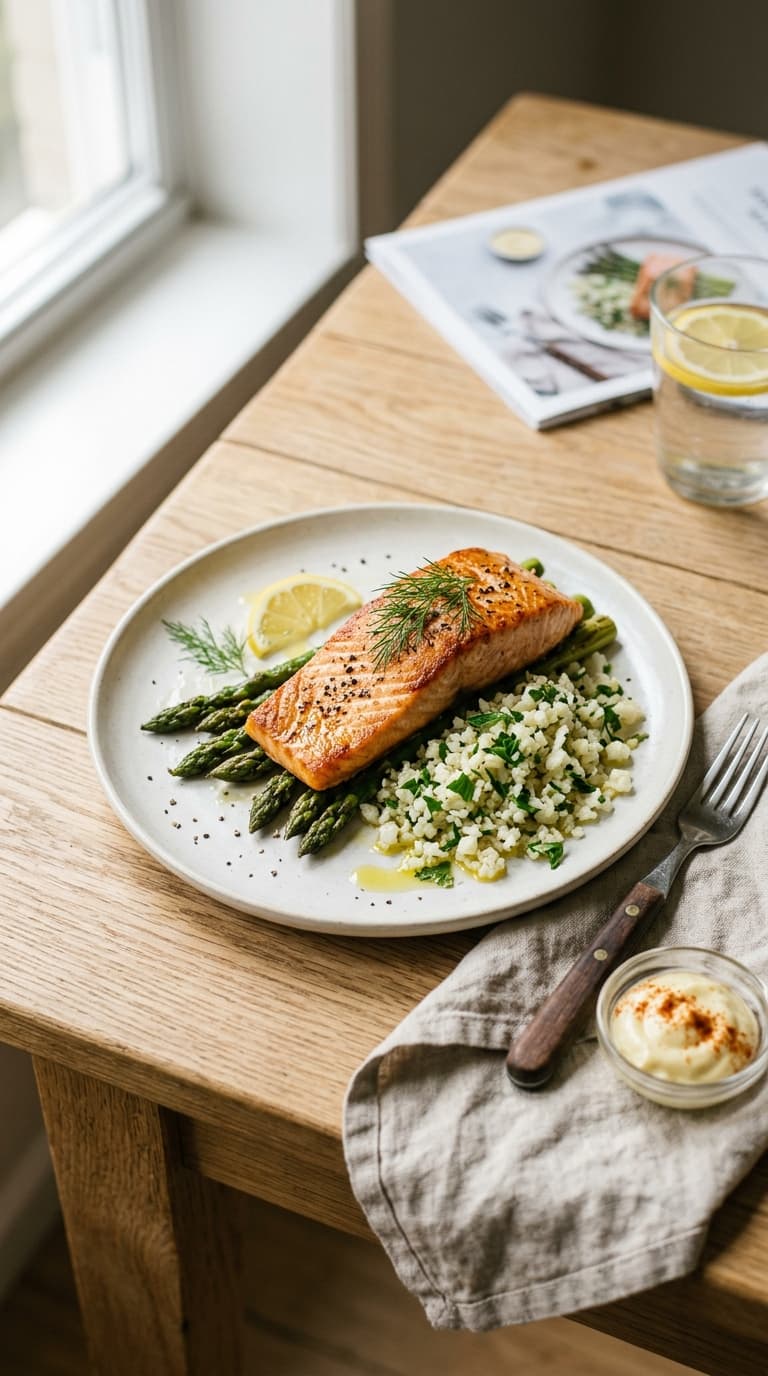
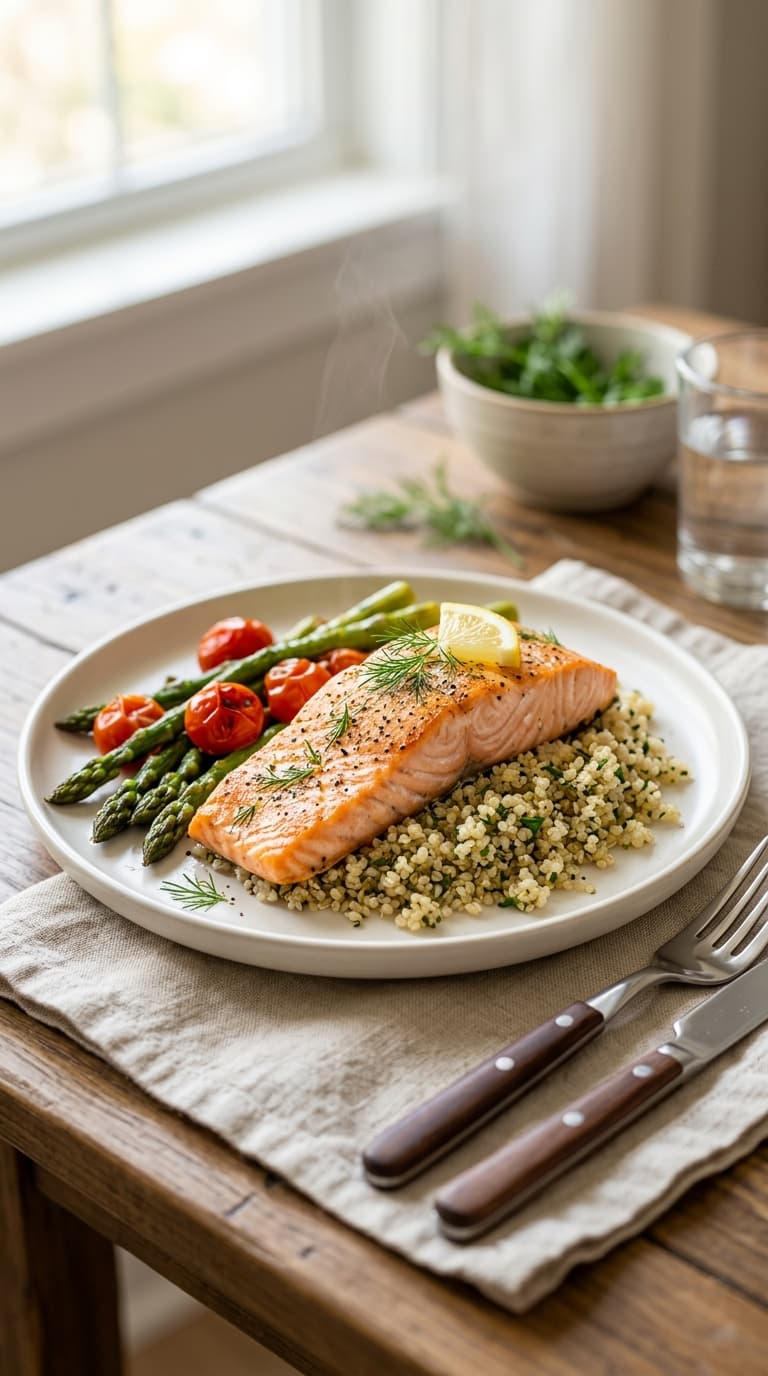
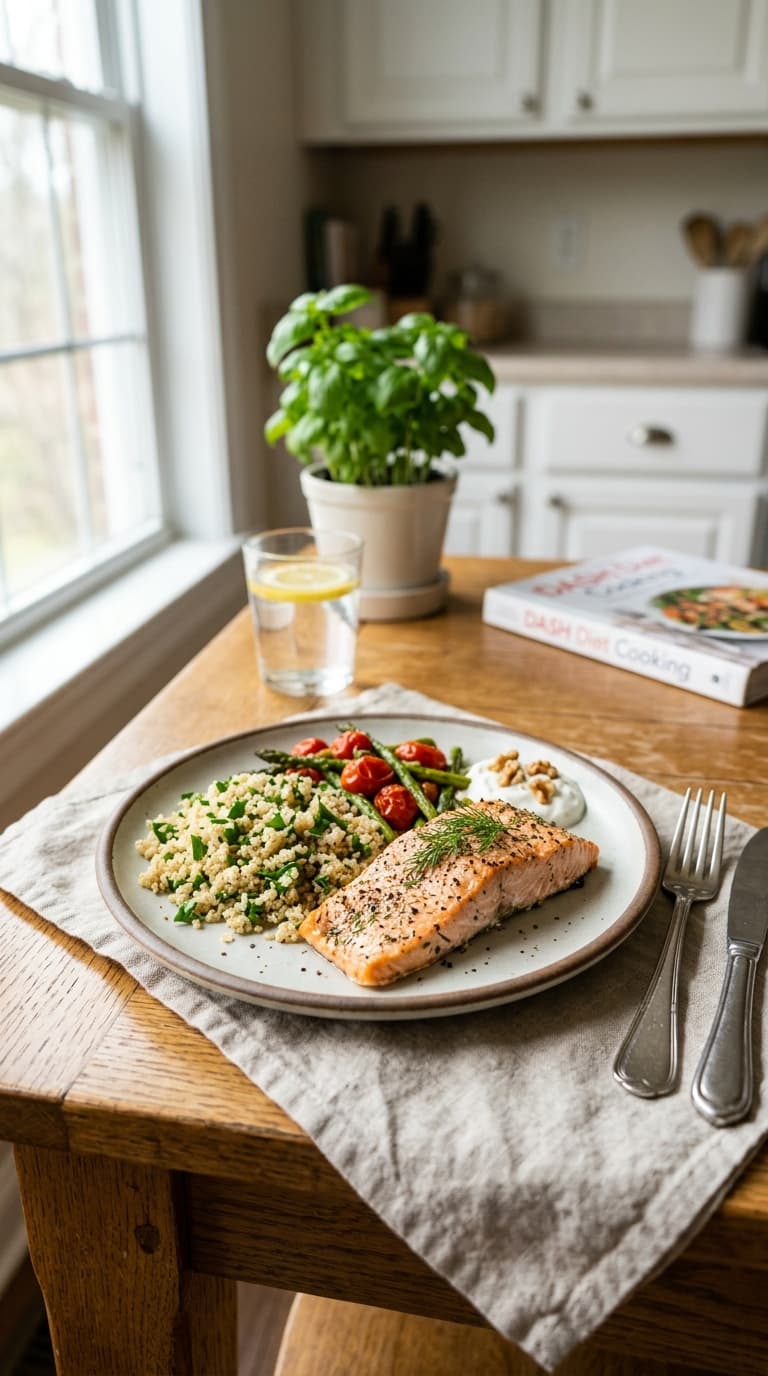
Dinner: Baked salmon with roasted sweet potato and steamed broccoli. Simple, filling, and incredibly satisfying.
Snack: A small apple and a tablespoon of unsalted almond butter.
Why this works: You’re hitting potassium (banana, sweet potato), omega-3s (salmon, walnuts), and fiber (oats, broccoli) all in one day. That’s a blood pressure triple threat right there.
Day 2 — Build Your Base
Breakfast: Greek yogurt (low-fat, unsweetened) with mixed berries and a sprinkle of chia seeds.
Lunch: A whole wheat wrap filled with turkey breast, avocado, spinach, and sliced tomato. Go easy on condiments — mustard over mayo.
Dinner: Lentil and vegetable soup made with low-sodium broth, carrots, celery, onion, and garlic. Make a big batch — you’ll thank yourself later in the week.
Snack: A small handful of unsalted mixed nuts.
Pro tip: If you’re into batch cooking, this is a great day to prep your lentil soup in bulk. It stores well and reheats beautifully. If you need inspo for meals that taste even better reheated, that’s a great resource to bookmark.
Day 3 — Midweek Power-Up
Breakfast: Whole grain toast with mashed avocado and two poached eggs. Add a pinch of black pepper — not salt.
Lunch: Brown rice bowl with roasted chickpeas, shredded kale, sliced beets, and tahini dressing (make it at home so you control the sodium).
Dinner: Stir-fried tofu with bok choy, snap peas, garlic, ginger, and low-sodium soy sauce over quinoa.
Snack: Carrot and celery sticks with hummus.
Day 3 is where most beginners get tired. The novelty wears off and the snack drawer calls your name. Push through — the results really do start showing up around the end of week one.
Day 4 — Halfway There
Breakfast: Smoothie bowl made with frozen berries, spinach, banana, and low-fat milk. Top with sliced kiwi and pumpkin seeds.
Lunch: Tuna salad (made with Greek yogurt instead of mayo) stuffed into whole wheat pita with lettuce and tomato.
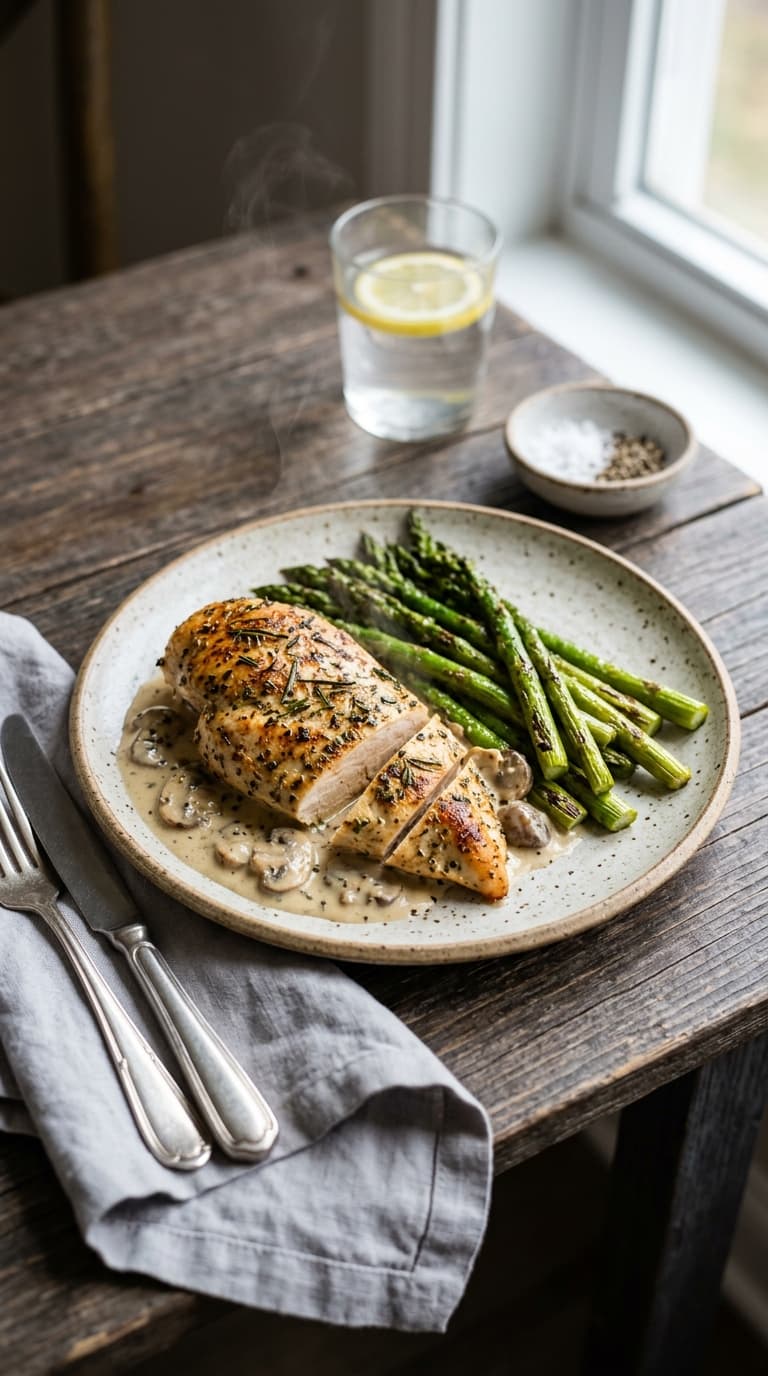
Dinner: Baked chicken breast with roasted asparagus and a side of wild rice. Season with herbs — rosemary, thyme, garlic powder — instead of relying on salt.
Snack: A pear and a small portion of low-fat cottage cheese.
Ever wondered why cottage cheese is such a DASH darling? It’s high in calcium and protein, and relatively low in sodium compared to most cheeses. Win-win.
Day 5 — Keep It Fresh
Breakfast: Overnight oats with almond milk, sliced strawberries, and a tablespoon of flaxseed. Prep it the night before — zero excuses in the morning.
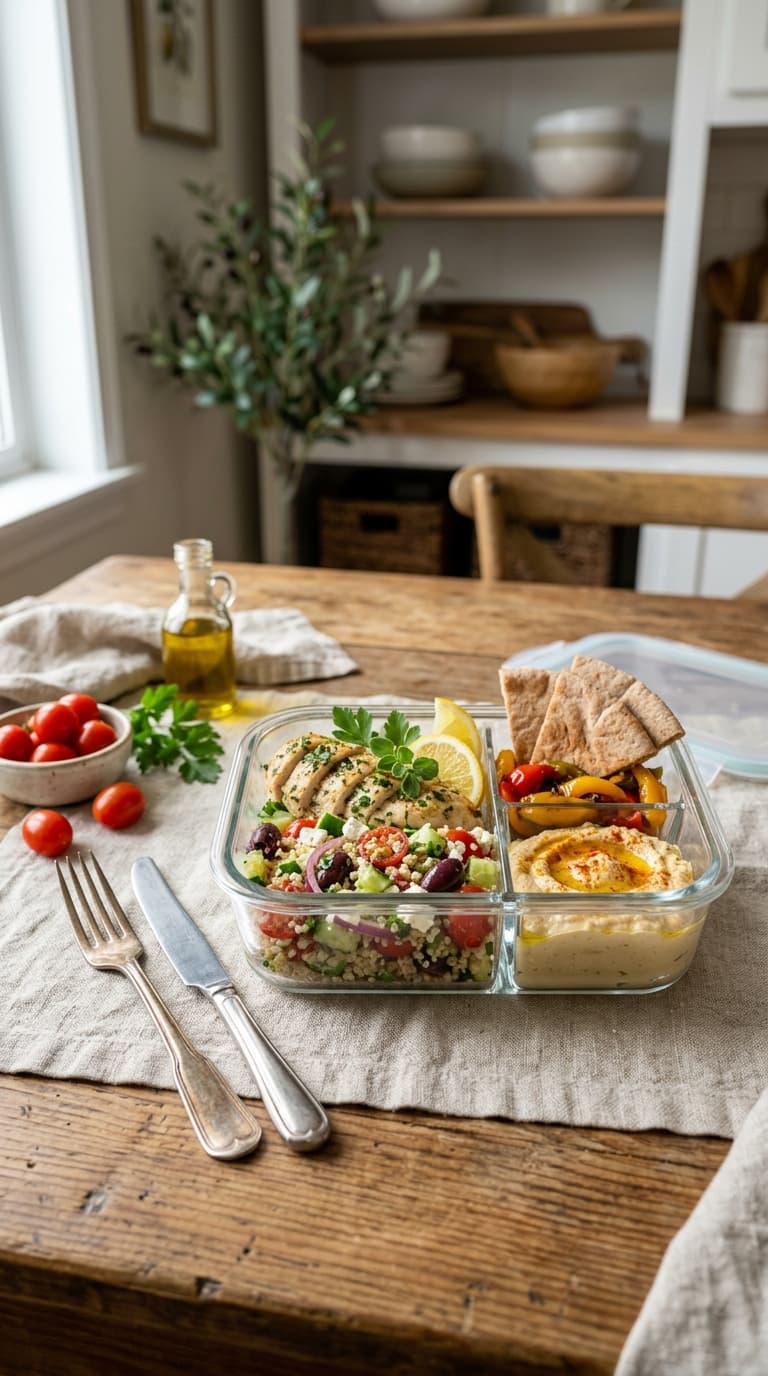
Lunch: Mediterranean-style grain bowl with farro, roasted red peppers, olives (go easy — they’re salty), cucumber, and grilled chicken.
Dinner: Turkey meatballs with zucchini noodles and homemade low-sodium marinara sauce.
Snack: A small banana and a few walnuts.
If you love Mediterranean flavors, you’ll want to explore quick Mediterranean meal prep ideas for busy weeks — the overlap with DASH is massive and the meals are genuinely delicious.
Day 6 — Weekend Wins
Breakfast: Veggie scramble — two eggs with diced bell peppers, onion, spinach, and mushrooms. Cooked in olive oil, not butter.
Lunch: Big mixed bean salad — kidney beans, black beans, chickpeas, corn, red onion, cilantro, lime juice, and a touch of olive oil.
Dinner: Herb-crusted baked cod with roasted Brussels sprouts and mashed cauliflower. Sounds fancy. Genuinely easy.
Snack: Sliced cucumber with a scoop of low-sodium tzatziki.
Weekends are when meal prep happens for most people. FYI — if you want to set yourself up for the whole week with minimal effort, check out these beginner-friendly meal prep ideas that need no special tools. No fancy gadgets required.
Day 7 — Finish Strong
Breakfast: Whole grain pancakes (made with oat flour and almond milk) topped with fresh blueberries and a drizzle of pure maple syrup. Small reward for making it a week. 🙂
Lunch: Shredded chicken and black bean burrito bowl with brown rice, salsa, avocado, and a squeeze of lime. Skip the sour cream or use a low-fat version.
Dinner: Hearty vegetable and white bean stew with whole wheat crusty bread (one slice — keep it reasonable).
Snack: A handful of grapes and a small portion of low-fat string cheese.
Congrats. You made it through seven days. How do you feel? Most people report feeling lighter, sleeping better, and noticing slightly less puffiness — all signs your body is responding to lower sodium and better nutrition.
DASH Diet Grocery Essentials
Before you start Week 1, stock your kitchen with these staples:
Grains:
- Rolled oats
- Brown rice and quinoa
- Whole wheat bread, pasta, and wraps
- Farro or barley (optional but great)
Proteins:
- Boneless chicken breast
- Canned tuna and salmon (low-sodium)
- Lentils and dried beans
- Tofu and eggs
- Low-fat Greek yogurt and cottage cheese
Produce:
- Bananas, apples, berries, pears, kiwi
- Broccoli, spinach, kale, asparagus, bell peppers
- Sweet potatoes, beets, zucchini, cucumbers
- Tomatoes, carrots, celery
Pantry:
- Olive oil
- Low-sodium vegetable and chicken broth
- Unsalted nuts and seeds
- Herbs and spices (your new best friends)
- Low-sodium soy sauce and canned tomatoes
What to ditch (or dramatically reduce):
- Table salt (seriously, hide the shaker)
- Processed deli meats
- Canned soups with high sodium
- Sugary drinks and flavored yogurts
Tips to Actually Stick With DASH
Here’s the honest truth — the first week is the hardest because your taste buds are addicted to salt. Give it 10–14 days and food starts tasting completely different. You’ll actually taste the natural flavors of ingredients you’ve been drowning in sodium for years.
A few practical tips:
- Read nutrition labels obsessively — aim for under 600 mg sodium per serving on packaged foods
- Cook in batches — DASH is infinitely easier when you’re not starting from scratch every day
- Season with acids — lemon juice, lime, and vinegar add brightness without sodium
- Don’t fear herbs — fresh or dried, they transform food without touching your blood pressure
- Drink more water — hydration supports kidney function, which directly affects BP
If you’re a meal prep person (and you should be), building your DASH week is a lot like putting together easy meal prep bowls for beginners — formula-based, flexible, and genuinely stress-free once you get the hang of it.
What About Sodium Specifically?
This deserves its own moment. Sodium reduction is the single most powerful lever in the DASH diet. Most people eat somewhere between 3,400–4,000 mg of sodium per day. The DASH goal is 1,500–2,300 mg. That’s a significant cut.
The sneaky sodium sources that trip people up:
- Bread and rolls (yes, really)
- Cheese
- Canned vegetables and beans (rinse them!)
- Restaurant meals
- Condiments like soy sauce, ketchup, and salad dressings
Rinsing canned beans cuts their sodium by up to 40%. That single habit is genuinely worth building immediately.
Can You Exercise Alongside DASH?
Absolutely — and you should. The combination of DASH eating and moderate exercise (30 minutes most days) creates a compound effect on blood pressure reduction. Even walking counts. You don’t need to suddenly become a marathon runner.
If you’re fueling workouts with your DASH meals, lean into higher-protein options like the salmon, chicken, and legume-heavy days. If you’re lifting or doing more intense training, check out these high protein meal prep bowls for the week — they slot right into a DASH-friendly approach with minimal adjustments.
Final Thoughts — Is DASH Actually Worth It?
Here’s my take: yes, unequivocally. It’s not the most glamorous diet name (let’s be honest, “DASH” sounds like something a personal finance app would suggest), but the results are real and the food is genuinely good. You’re not eating cardboard. You’re eating salmon, lentil soup, grain bowls, and smoothies.
The 7-day plan above gives you a real starting point — not a vague list of “eat more vegetables” advice. Follow it for a week, get comfortable with the rhythm, and then repeat or mix in new recipes as you go.
Your blood pressure didn’t spike overnight, and it won’t normalize overnight either. But give DASH a consistent 4–6 weeks and pair it with your doctor’s guidance, and you’ll likely see real movement on those numbers.
Start Sunday. Prep your first few meals. And give your heart something to actually celebrate.