Mediterranean Diet For Heart Health: What Cardiologists Say
Mediterranean Diet For Heart Health: What Cardiologists Say
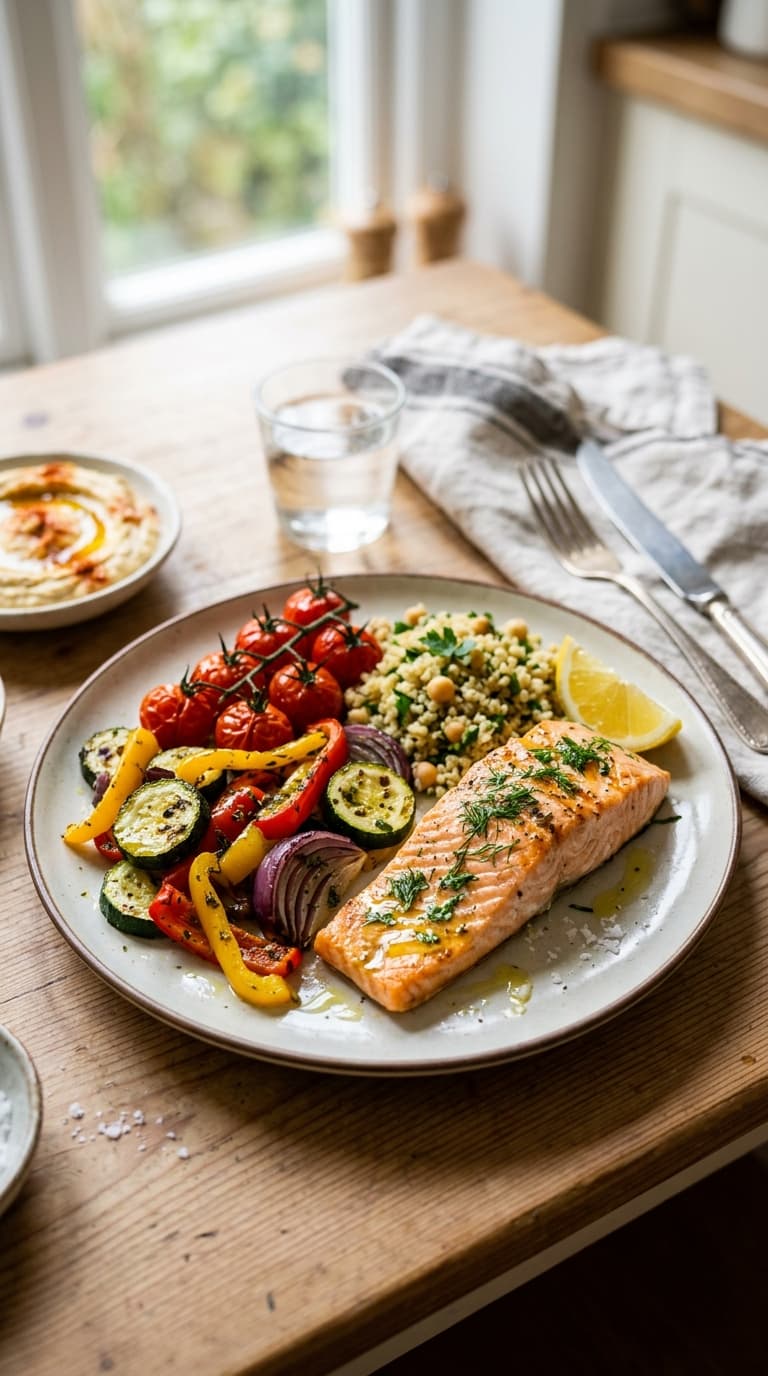
Your heart works 100,000 times a day without a single break. The least you can do is feed it something decent, right? And if you’ve been even remotely paying attention to nutrition headlines over the last decade, you’ve probably heard cardiologists practically singing praises for the Mediterranean diet. So let’s talk about what’s actually going on here — no fluff, no complicated science jargon, just a real conversation about food and your heart.
I’ll be honest — when I first heard “Mediterranean diet,” I pictured someone eating olives on a yacht in Greece. Charming, but not exactly practical for a regular Tuesday. Turns out, it’s way more accessible than that, and the heart health benefits are genuinely hard to ignore.
What Exactly Is the Mediterranean Diet?
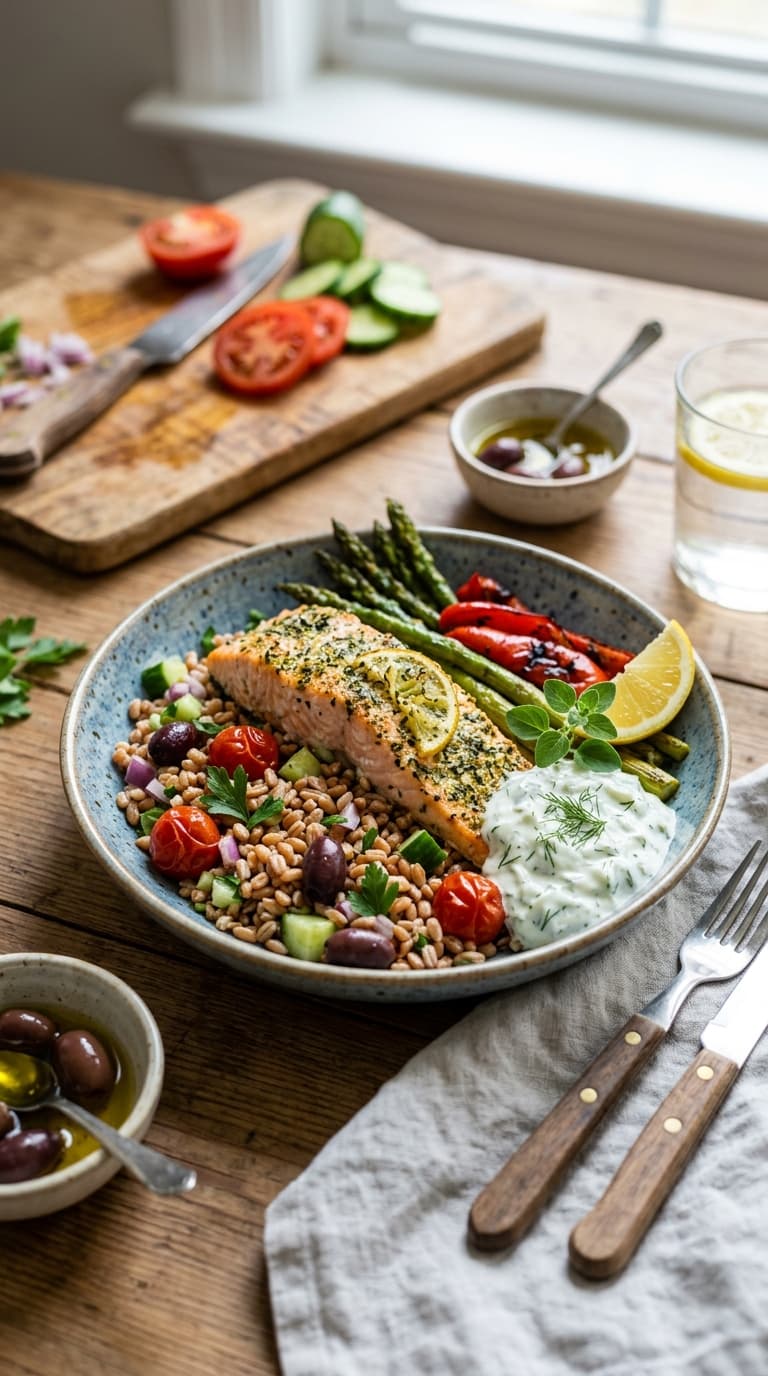
Before we get into the cardiology stuff, let’s get clear on what this diet actually includes. It’s not a strict meal plan — it’s more of an eating pattern, which is honestly kind of refreshing in a world full of rigid diet rules.
The core pillars of the Mediterranean diet include:
- Lots of vegetables, fruits, whole grains, and legumes
- Healthy fats — especially extra virgin olive oil as the primary fat source
- Fish and seafood at least twice a week
- Moderate amounts of poultry, eggs, and dairy
- Red meat only occasionally (like, a few times a month)
- A glass of red wine with meals, optionally
No calorie counting. No banned food groups. Just whole, real food eaten with intention. Honestly, where has this been all our lives? 🙂
If you want to make this more practical on a weekly basis, these quick Mediterranean meal prep ideas for busy weeks are a great starting point. Real food, real life, no stress.
What Cardiologists Actually Say
Here’s where it gets really interesting. Cardiologists aren’t usually the type to enthusiastically endorse one specific diet — they tend to be cautious, evidence-driven people (as they should be). So when the cardiology community broadly agrees that the Mediterranean diet is protective for heart health, that’s saying something.
Dr. Andrew Freeman, a cardiologist at National Jewish Health, has publicly stated that the Mediterranean diet is one of the most well-studied dietary patterns for cardiovascular protection. The American Heart Association also recognizes it as a heart-healthy eating approach.
The landmark PREDIMED study — one of the largest dietary intervention trials ever conducted — followed over 7,000 people at high cardiovascular risk. The results showed that those following a Mediterranean diet supplemented with olive oil or nuts had a roughly 30% lower risk of major cardiovascular events like heart attack and stroke compared to the control group. That’s not a minor finding. That’s massive.
Why Does It Work So Well for Your Heart?
Good question. Let’s break down the actual mechanisms, because understanding why something works makes it a lot easier to stick with.
The Olive Oil Effect
Extra virgin olive oil is probably the MVP of this whole dietary pattern. It’s rich in oleocanthal and oleic acid, compounds that have anti-inflammatory properties similar to ibuprofen — just gentler and without the side effects. Chronic inflammation is one of the main drivers of cardiovascular disease, so fighting it through food is a genuinely powerful strategy.
Cardiologists specifically point to olive oil’s ability to raise HDL cholesterol (the “good” kind) while lowering LDL oxidation. Oxidized LDL is the problematic stuff that sticks to artery walls and causes plaque buildup. Less oxidation = less plaque = happier arteries.
Omega-3 Fatty Acids From Fish
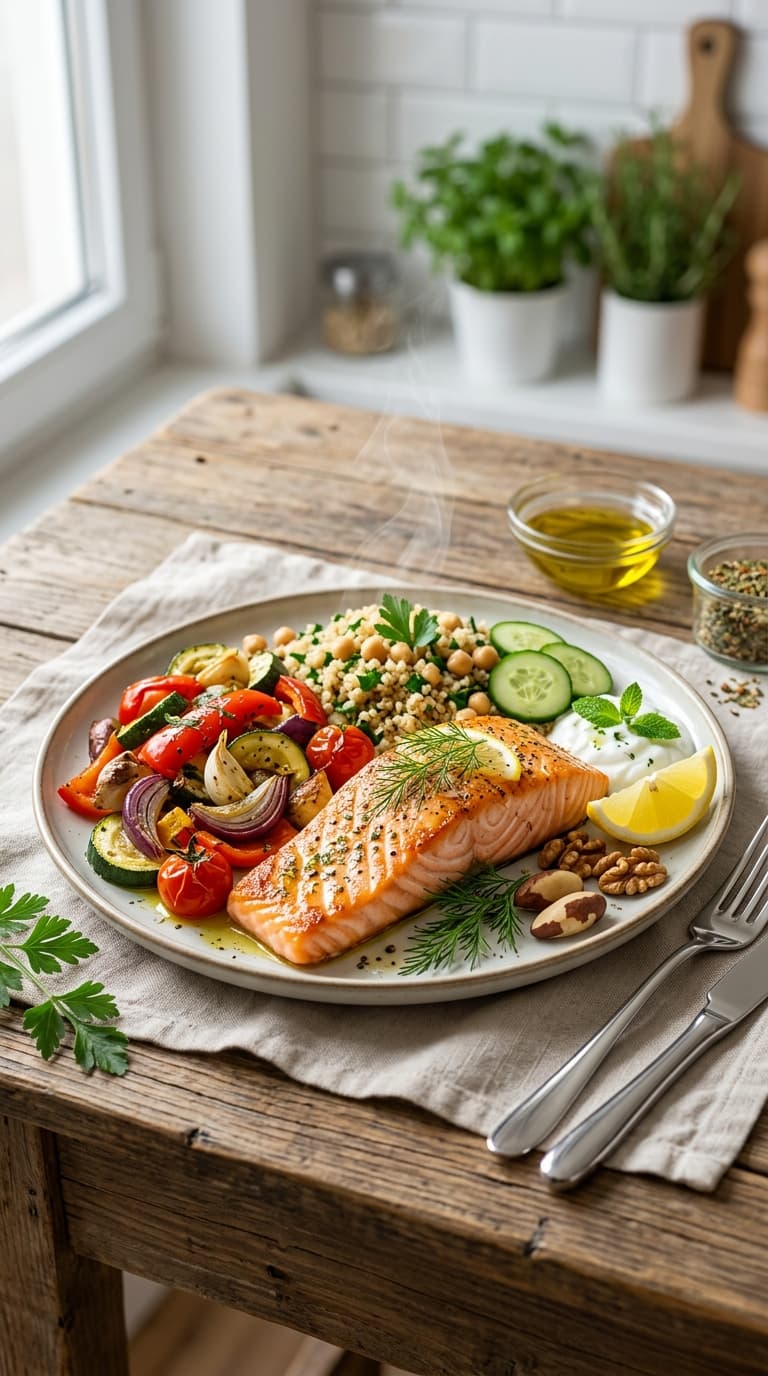
The Mediterranean diet emphasizes fatty fish like salmon, sardines, mackerel, and anchovies — all loaded with omega-3 fatty acids. Cardiologists love omega-3s because they reduce triglycerides, lower blood pressure, reduce blood clotting, and decrease the risk of arrhythmias (irregular heartbeat). FYI, most Americans are significantly under-consuming omega-3s, which is a problem.
Fiber and Plant Power
All those vegetables, legumes, and whole grains bring massive amounts of dietary fiber to the table. Fiber helps lower LDL cholesterol, stabilizes blood sugar, and feeds the beneficial bacteria in your gut — which, as research increasingly shows, has a direct connection to cardiovascular health. Your gut and your heart are basically pen pals.
Antioxidants Everywhere
Fruits, vegetables, nuts, and even that modest glass of red wine bring a steady stream of polyphenols and antioxidants into your system. These compounds fight oxidative stress, which damages blood vessels over time. Think of them as your internal maintenance crew, patching up the wear and tear.
The Mediterranean Diet vs. Other Heart-Healthy Diets
IMO, the Mediterranean diet wins the comparison game for one simple reason: sustainability. You can actually eat this way for life without feeling deprived.
Let’s be real for a second. The DASH diet is clinically excellent but can feel restrictive with its sodium focus. Low-fat diets from the ’90s? We all know how that turned out (hello, fat-free cookies that somehow contained 40 grams of sugar). Keto has its fans, but asking most people to eliminate entire food groups forever isn’t realistic for the majority.
The Mediterranean approach lets you eat pasta, bread, cheese, and the occasional glass of wine. Cardiologists appreciate this because adherence matters. A diet you actually follow beats a theoretically perfect diet you abandon after three weeks. Every time.
Heart Health Markers the Mediterranean Diet Improves
Cardiologists track specific numbers when assessing cardiovascular risk. Here’s what the research shows the Mediterranean diet actually moves in the right direction:
- Blood pressure — reduced, particularly systolic pressure
- LDL cholesterol — lowered, especially oxidized LDL
- HDL cholesterol — improved
- Triglycerides — reduced
- Blood sugar and insulin sensitivity — improved (reducing diabetes risk, which is a major cardiac risk factor)
- C-reactive protein (CRP) — reduced (a key marker of inflammation)
- Homocysteine levels — lowered (high homocysteine is linked to arterial damage)
That’s a pretty comprehensive list of wins. And these aren’t just theoretical — these are outcomes measured in clinical trials with real patients.
How to Actually Eat Mediterranean for Heart Health
Alright, so we’ve established that the science is solid and cardiologists are on board. Now let’s talk about making it practical, because knowing something is good for you and actually doing it are two very different things. :/
Build Your Plate Around Plants
Aim for half your plate to be vegetables at every meal. Not as a garnish — as the actual focus. Roasted, raw, sautéed in olive oil, blended into a sauce — it all counts. Mediterranean cuisine is genuinely creative with vegetables, which makes this easier than it sounds.
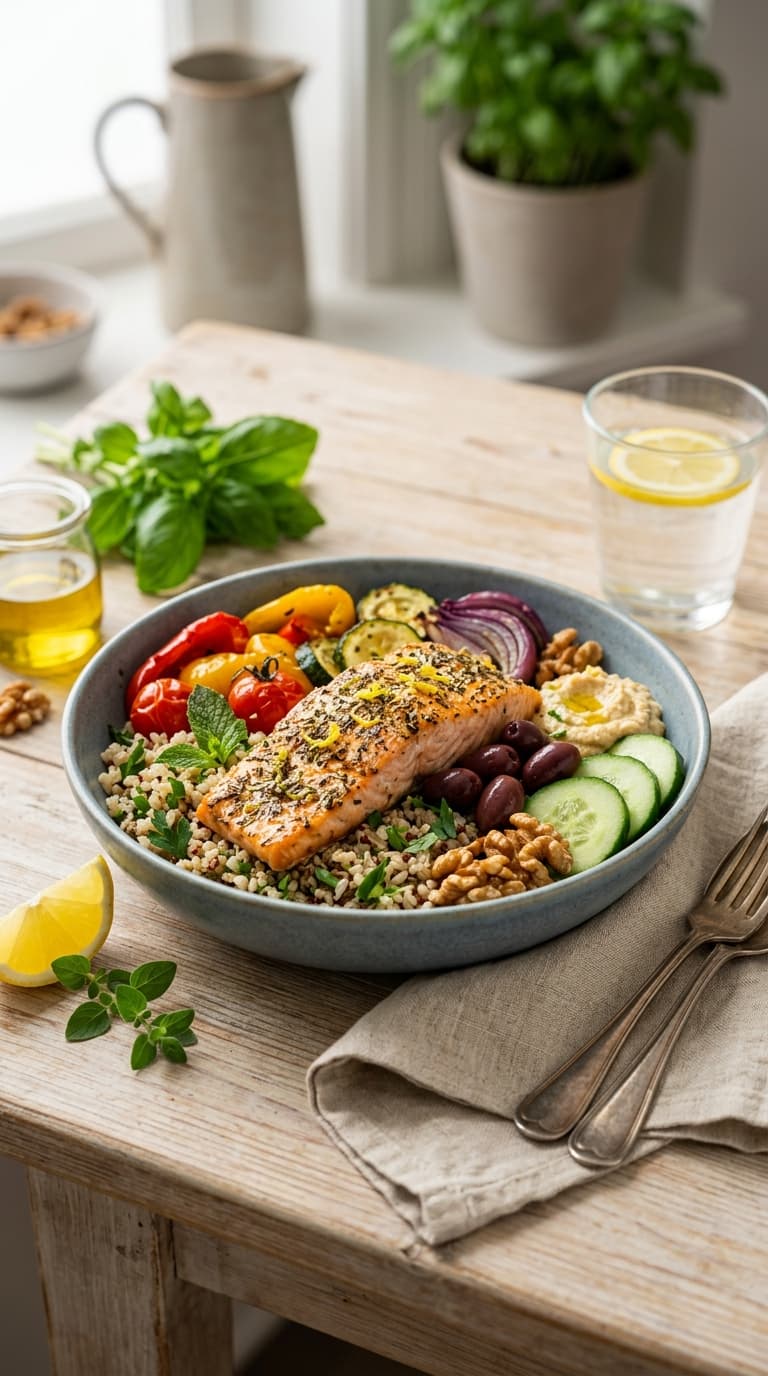
If you want structured ideas that make plant-heavy eating feel easy and achievable, check out these 25 Mediterranean bowls you can prep in advance — they’re a game changer for staying consistent without spending hours in the kitchen every day.
Swap Butter for Olive Oil
This is one of the simplest shifts you can make with immediate impact. Use extra virgin olive oil for cooking, dressings, and even drizzling over finished dishes. The quality matters — look for cold-pressed, dark-bottle varieties to ensure you’re getting maximum polyphenol content.
Eat Fish Twice a Week
Two servings of fatty fish per week is the sweet spot cardiologists recommend. If salmon feels expensive or intimidating, sardines and canned mackerel are affordable, incredibly nutritious options that the Mediterranean world has relied on for centuries. These 10 Mediterranean dinner preps that reheat beautifully include fish-forward options that are genuinely delicious even on day three.
Snack Smart
The Mediterranean diet doesn’t do weird processed snacks. Think a handful of walnuts, some hummus with cucumber, olives, or a piece of fruit with a small amount of cheese. Simple, whole, satisfying. For batch-prepped snack options that fit the pattern, these 10 Mediterranean snacks you can batch prep on Sunday are worth bookmarking.
Start Your Day the Mediterranean Way
Breakfast in the Mediterranean tradition might look different than what you’re used to — think Greek yogurt with fruit and walnuts, or whole grain bread with olive oil and a soft-boiled egg. These 14 Mediterranean breakfast meal prep recipes will honestly make you rethink your morning routine.
What About Sodium, Red Wine, and Other Gray Areas?
Let’s address a few things cardiologists get asked about constantly.
Red Wine — Friend or Foe?
The Mediterranean diet traditionally includes moderate red wine consumption — one glass per day for women, up to two for men. The resveratrol in red wine does have antioxidant properties. However, most cardiologists are careful to say that if you don’t currently drink, there’s no reason to start just for the heart benefits. You can get those antioxidants from grapes, blueberries, and dark chocolate just fine. The wine is a bonus for those who already enjoy it, not a prescription.
Salt Isn’t Banned
Unlike the DASH diet, the Mediterranean approach doesn’t obsess over sodium. It naturally tends to be lower in sodium because it’s lower in processed foods — where the real salt problem lives. If you have existing hypertension, your cardiologist may give you more specific sodium guidance on top of the dietary pattern.
What About Bread and Pasta?
Yes, they’re included — but the type and quantity matter. Whole grain or sourdough bread, pasta cooked al dente (which has a lower glycemic response than overcooked pasta — who knew?), and reasonable portions alongside plenty of vegetables and protein. It’s not a pasta-all-day free pass, but it’s far from a restriction either.
Who Benefits Most?
Cardiologists particularly recommend the Mediterranean diet for people who:
- Have existing cardiovascular disease or a family history of heart disease
- Struggle with high cholesterol or blood pressure
- Have metabolic syndrome or type 2 diabetes
- Are at risk for or have experienced stroke
- Simply want to maintain heart health long-term as a preventive strategy
That said, the evidence suggests that pretty much everyone benefits from this eating pattern — not just those with existing conditions. Heart disease is the leading cause of death worldwide, and diet is one of the most powerful levers we have to influence risk. Using that lever seems like a pretty reasonable idea.
Making It Work Week to Week
The biggest barrier most people face isn’t motivation — it’s logistics. Cooking fresh Mediterranean food every single day isn’t realistic for most busy lives. That’s where smart meal prepping becomes your best friend.
A solid 7-day Mediterranean meal prep plan takes the guesswork out of the week entirely. Pair that with a well-built Mediterranean grocery list and you’ve basically set yourself up for heart-healthy eating on autopilot.
If you’re also managing calorie goals alongside heart health, these 17 balanced meal prep bowls with protein, carbs, and veggies hit the Mediterranean sweet spot while keeping things structured and nourishing.
The Bigger Picture: Lifestyle, Not Just Diet
One thing cardiologists consistently emphasize is that the Mediterranean diet doesn’t exist in isolation. The people in Mediterranean cultures who show the best cardiovascular outcomes also tend to:
- Move regularly — not necessarily intense exercise, but daily walking and active living
- Eat slowly and socially — meals as an experience, not a transaction
- Manage stress through community, rest, and connection
- Sleep adequately
The diet is genuinely powerful on its own. But if you combine it with regular movement and reasonable stress management, you’re essentially running the full cardiovascular protection playbook. Cardiologists will tell you this directly — it’s the whole lifestyle that compounds the benefits.
Final Thoughts
Here’s the bottom line: the Mediterranean diet is not hype. It’s one of the most evidence-backed dietary patterns in nutritional science, and cardiologists across the world recommend it for good reason. It lowers blood pressure, improves cholesterol profiles, reduces inflammation, protects against stroke, and does all of this while letting you eat delicious, satisfying food.
You don’t need to move to Greece. You don’t need a yacht or a vineyard or a personal chef. You just need olive oil, plenty of vegetables, some good fish, a handful of nuts, and a willingness to let food actually be enjoyable again.
Your heart is doing its job faithfully every single day. Feeding it a Mediterranean diet is one of the best ways you can return the favor. Start small, be consistent, and let the food do the heavy lifting — your cardiologist will almost certainly approve.