Mediterranean Diet For Teens: Healthy Habits Early On
Mediterranean Diet For Teens: Healthy Habits Early On
Let’s be real — getting a teenager to eat well feels like negotiating a peace treaty with someone who runs entirely on energy drinks and vending machine snacks. But here’s the thing: the Mediterranean diet isn’t some sad, restrictive meal plan that kills the joy of eating. It’s actually one of the most delicious, flexible, and research-backed ways of eating on the planet. And starting it during the teen years? That’s where the real magic happens.
I genuinely believe that the habits you build as a teenager stick with you longer than almost anything else. So let’s talk about why the Mediterranean diet for teens is worth taking seriously — and how to actually make it work without turning every meal into a battle.
What Even Is the Mediterranean Diet?
Before we get into the teen-specific stuff, let’s clear this up quickly. The Mediterranean diet isn’t about eating pasta every night (although, honestly, that sounds great). It’s a way of eating inspired by the traditional food cultures of countries like Greece, Italy, Spain, and Turkey.
Here’s what it actually focuses on:
- Plenty of fruits and vegetables — the more colorful, the better
- Whole grains like farro, brown rice, whole wheat bread, and oats
- Healthy fats — mostly from olive oil, nuts, and avocado
- Legumes like lentils, chickpeas, and beans
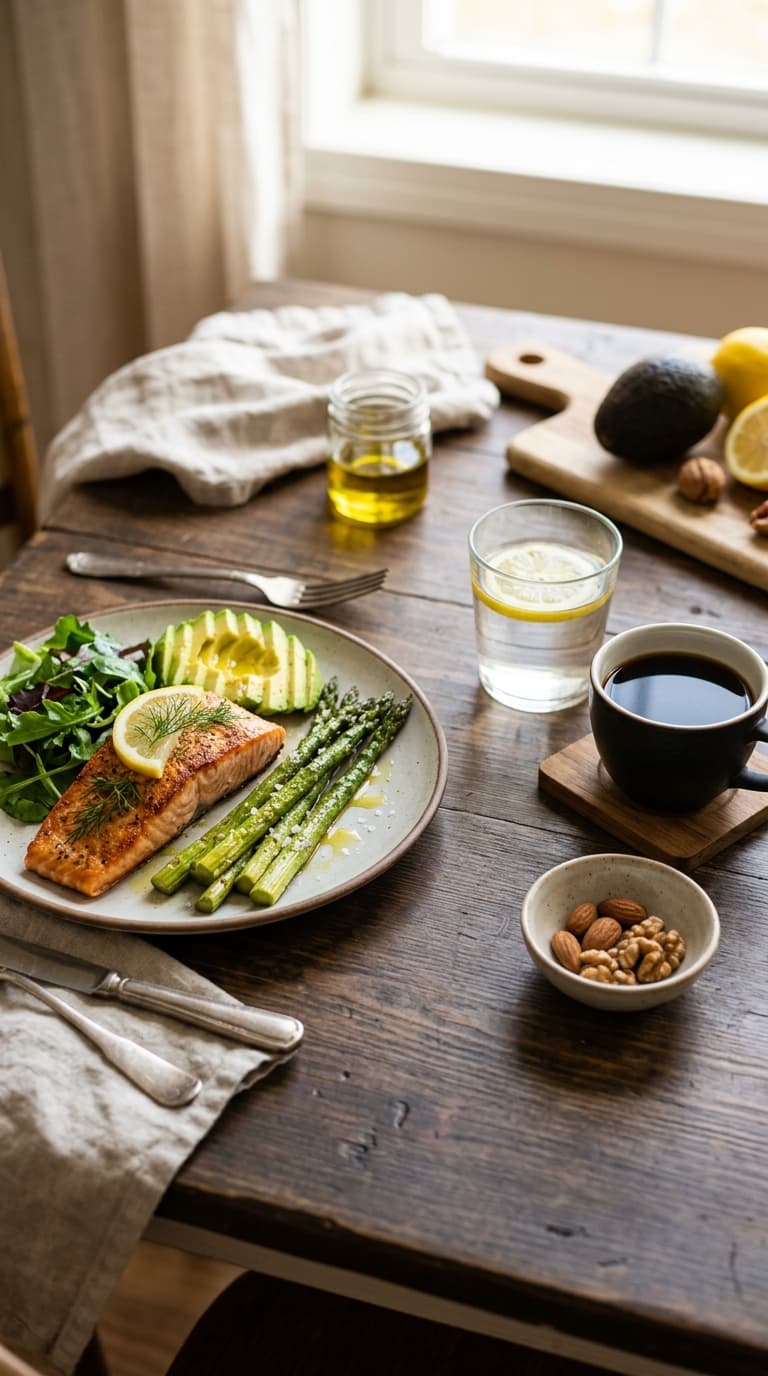
- Fish and seafood a couple of times a week
- Moderate amounts of dairy — think yogurt and cheese, not ice cream buckets
- Limited red meat and processed foods
See? Nothing weird. No powders, no weird supplements, no phases. Just real, whole food — most of which already tastes amazing.
Why Teens Specifically Need This
Here’s a question worth asking: why does it matter when someone starts eating better? The answer is that the teenage years are one of the most nutritionally demanding periods of a person’s life.
Teens are growing fast. Their brains are still developing. Their energy demands are high. And IMO, most standard teen diets — heavy on ultra-processed snacks, sugary drinks, and fast food — fall embarrassingly short of what the body actually needs during this window.
The Mediterranean diet delivers on almost every front:
- Brain health: Healthy fats from olive oil, nuts, and fish support cognitive development and focus — both kind of important when you’re studying for exams
- Bone strength: Calcium from dairy, leafy greens, and legumes supports the rapid bone development happening in teen years
- Mood regulation: There’s a growing body of research linking diet quality to mental health outcomes in adolescents
- Energy levels: Whole grains and fiber keep blood sugar stable, which means fewer energy crashes during the school day
- Weight management: Not through restriction, but through naturally satisfying, nutrient-dense foods
The teen years are literally when the body is building its foundation. Filling it with quality ingredients just makes sense.
The Brain-Diet Connection Teens Don’t Know About
This one doesn’t get talked about enough. Teens are dealing with stress, sleep disruption, academic pressure, and social complexity — all at once. What they eat directly affects how they handle all of that.
Omega-3 fatty acids, found abundantly in fatty fish like salmon, sardines, and mackerel, play a critical role in brain function and mood. Studies have linked higher omega-3 intake to reduced symptoms of anxiety and depression in young people. The Mediterranean diet builds these right into the weekly routine.
The antioxidants in fruits and vegetables also protect the brain from oxidative stress. And the gut-brain connection — which scientists are learning more about every year — responds really well to the fiber-rich, fermented-food-friendly style of Mediterranean eating.
So if a teen is struggling with focus, mood swings, or just feeling sluggish all the time, the food on their plate is absolutely worth looking at. This isn’t a miracle cure, but it’s a seriously underrated lever.
Making It Practical for Teenagers
Okay, so we’ve established that the Mediterranean diet is great for teens. But knowing that and actually getting a 15-year-old to eat grilled fish with roasted vegetables are two very different things. 🙂
Here’s where the conversation gets real. The key is making Mediterranean eating feel normal, flexible, and not like a punishment.
Start With What They Already Like
Teens already eat things that fit neatly into this pattern — they just don’t realize it. Pizza with a thin crust, fresh toppings, and real cheese? Mediterranean. Hummus with veggies or pita? Totally on plan. A yogurt parfait with fruit and granola? Yes. A pesto pasta with some chicken? Absolutely.
The goal isn’t to overhaul everything overnight. It’s to shift the ratio — more of the good stuff, less of the ultra-processed stuff.
Meal Prep Is Your Best Friend
One of the biggest barriers for teens (and honestly, everyone) is convenience. When a bag of chips is easier to grab than a balanced meal, the chips win. That’s just physics.
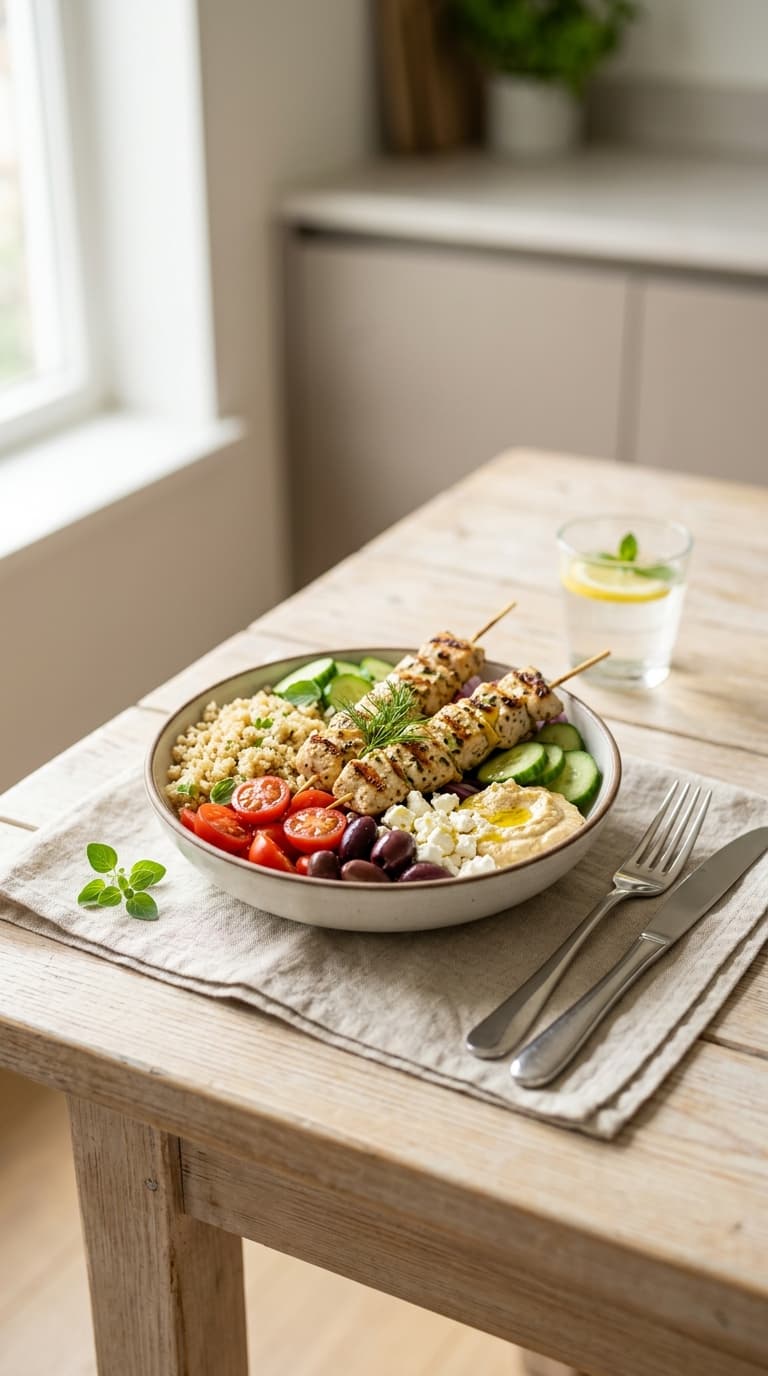
Teaching teens to think a little ahead changes everything. Something as simple as prepping a batch of quick Mediterranean bowls at the start of the week means there’s always something ready to grab. No thinking required, no excuses needed.
Even better — get them involved in the prep. Teens who help make food are dramatically more likely to actually eat it. FYI, that’s not just good parenting advice; it’s basic psychology.
Keep the Snack Game Strong
Teenagers snack. A lot. Instead of fighting it, redirect it. Mediterranean-friendly snacks are actually delicious:
- Hummus with cucumber slices or whole grain crackers
- A small handful of mixed nuts and dried fruit
- Greek yogurt with honey and a sprinkle of granola
- A piece of whole fruit with almond butter
- Olives and cheese on whole grain bread
You can even batch prep Mediterranean snacks on the weekend so they’re ready to grab all week. Pack them in small containers and suddenly the competition against the vending machine gets a lot more even.
Building a Mediterranean Plate for Teens: A Simple Formula
No need to overthink this. Here’s a formula that works for any meal:
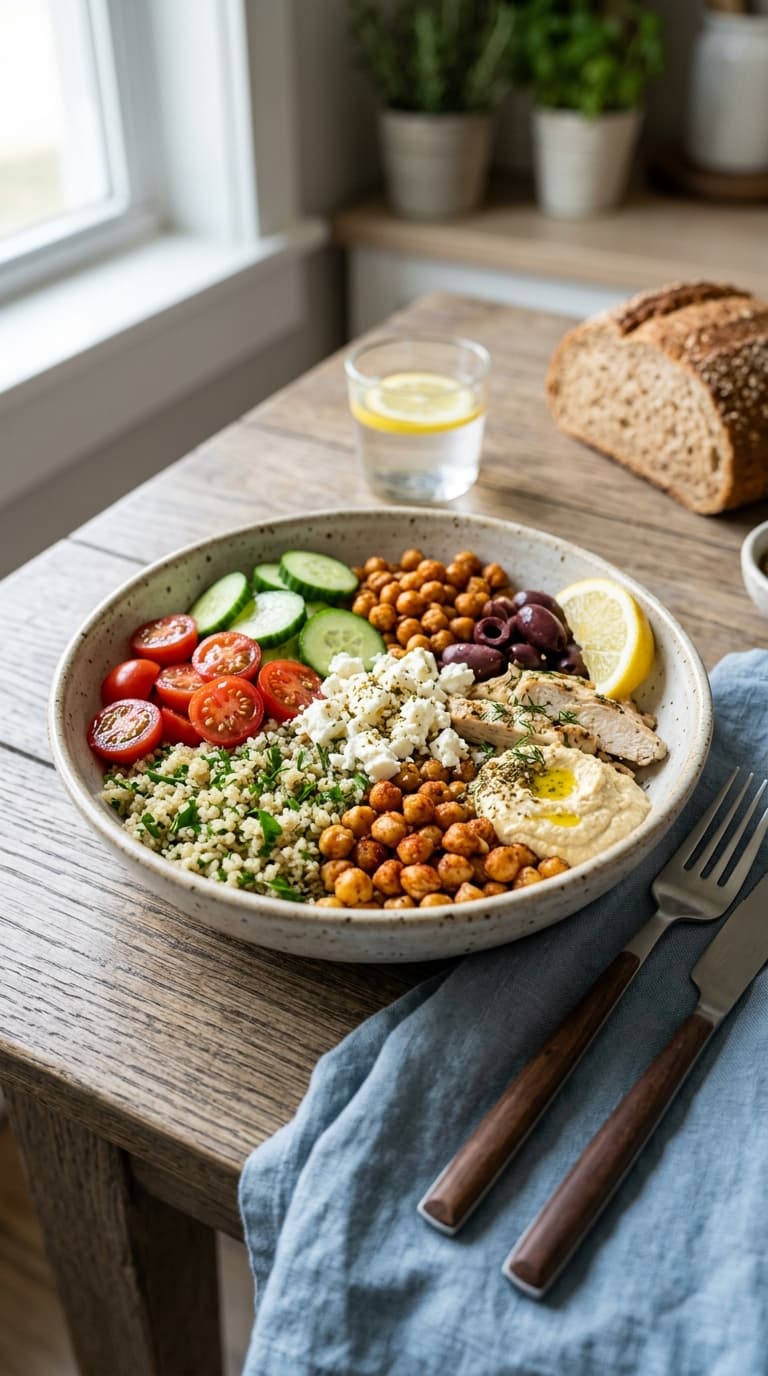
Half the plate: vegetables (roasted, fresh, or in a salad — doesn’t matter)
Quarter of the plate: whole grains (quinoa, brown rice, whole wheat pasta, farro)
Quarter of the plate: protein (grilled chicken, fish, legumes, eggs, or a mix)
Drizzle: good olive oil or a tahini/lemon dressing
Optional extras: olives, feta, fresh herbs, lemon
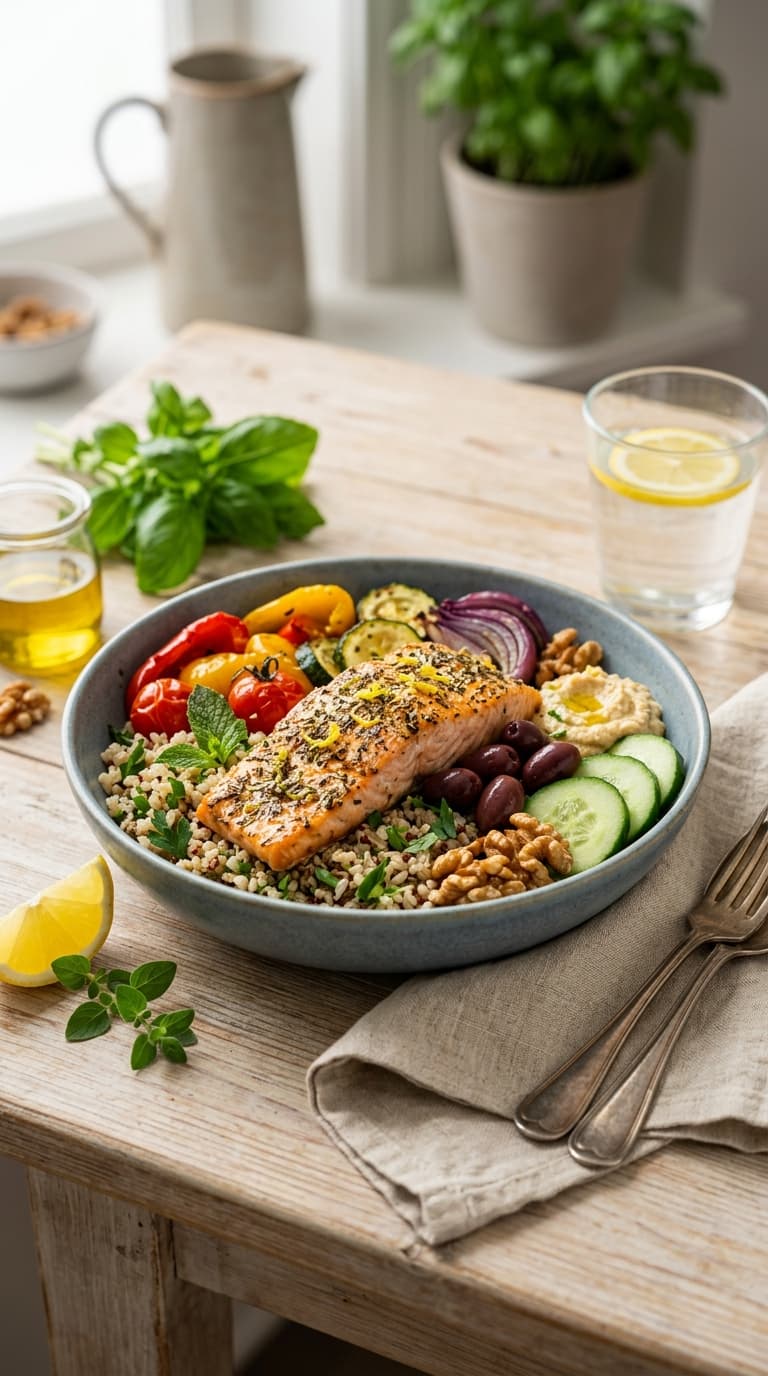
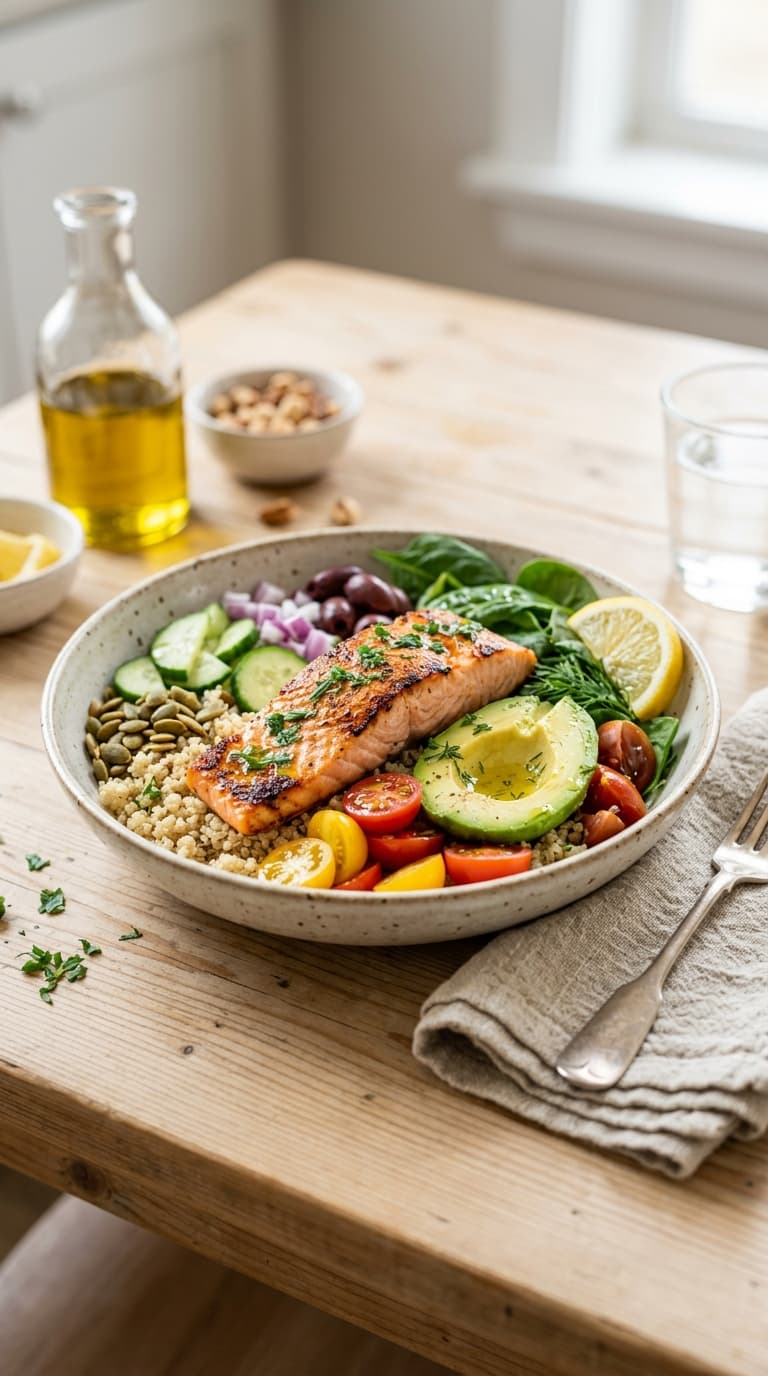
That’s it. That’s the whole formula. You can spin it a hundred different ways and never get bored — and if you need some inspiration, these 25 Mediterranean bowls you can prep in advance are a genuinely great starting point.
Breakfast: The Meal Teens Usually Skip
Skipping breakfast is practically a teen rite of passage, but it’s one of the worst things for concentration, mood, and energy levels through the school day. Mediterranean breakfasts are actually fast and good enough to eat — so there’s less excuse to skip them.
Some solid options:
- Greek yogurt with berries, a drizzle of honey, and walnuts (takes 2 minutes)
- Avocado on whole grain toast with a soft-boiled egg
- Overnight oats prepped the night before — grab and go
- A smoothie with spinach, banana, Greek yogurt, and almond butter
These aren’t complicated. If mornings are chaotic, these 14 Mediterranean breakfast meal prep recipes are worth bookmarking — some of them take less than five minutes to throw together the night before.
Lunch and Dinner: Where the Real Wins Happen
School lunches are honestly :/ — we all know it. Most cafeteria options are processed, heavy, and designed more for shelf life than nutrition. Packing a Mediterranean-style lunch changes the whole midday experience.
Think grain bowls, wraps, or bento-style boxes with a mix of protein, grains, and vegetables. They hold well, travel easily, and look way better than a sad sandwich. If you’re looking for ideas specifically for school or work days, these easy Mediterranean lunch boxes are packed with practical options.
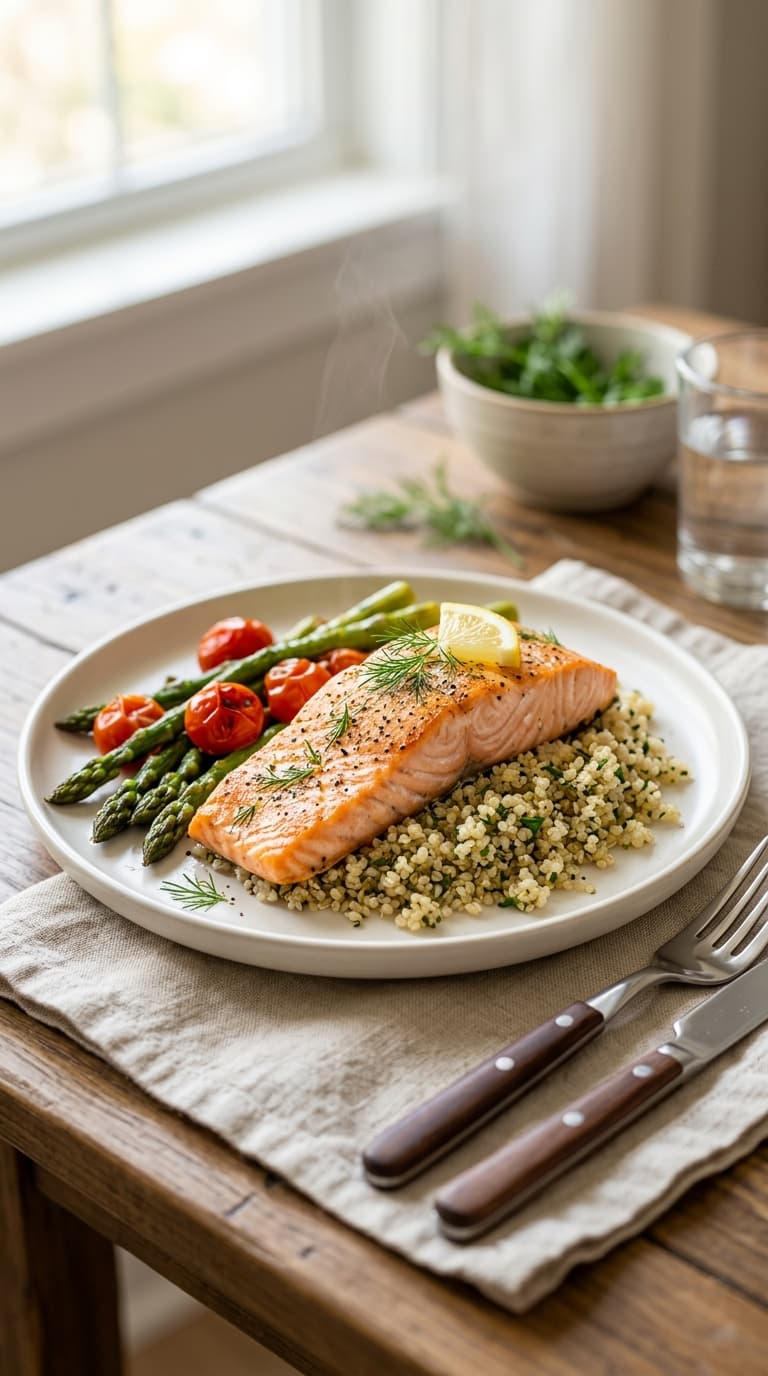
For dinners, the Mediterranean approach really shines because it’s family-friendly by nature. Dishes like roasted chicken with vegetables, fish tacos with a yogurt slaw, lentil soup, or pasta primavera with whole grain noodles work for the whole household — not just the teenager trying to eat better.
Building the week around a loose 7-day Mediterranean meal prep plan takes the daily decision fatigue out of the equation entirely.
What About Teen Athletes?
If the teenager in question is an athlete — which, statistically, a lot of them are — the Mediterranean diet is arguably even more relevant. It provides sustained energy through complex carbohydrates, supports muscle recovery through protein and anti-inflammatory foods, and keeps hydration and electrolytes balanced through naturally mineral-rich whole foods.
The emphasis on lean proteins, healthy fats, and fiber means teen athletes get consistent fuel without the blood sugar spikes and crashes that come from sports drinks and processed snacks. For a protein-forward version of this approach, these high-protein Mediterranean bowls are a great way to bridge the gap between performance nutrition and everyday eating.
Navigating Social Eating as a Teen
Here’s one that doesn’t get addressed enough: teens eat socially. A lot. Pizza nights, fast food after games, birthday parties, school events. Adopting a Mediterranean diet doesn’t mean sitting in the corner eating a sad salad while everyone else has fun.
The mindset shift that actually works is thinking about overall patterns, not individual meals. If the majority of what a teen eats during the week leans Mediterranean, one night of pizza or a fast food run doesn’t undo anything. Food shouldn’t be a source of stress or guilt — especially not during years when social connection around eating is genuinely important for development.
Teach flexible thinking: most meals, most of the time is the goal. Not perfection.
Tips for Parents Trying to Introduce This
If you’re a parent reading this, you already know that you can’t just announce “we’re doing the Mediterranean diet now” and expect cheers. Here’s what actually tends to work:
- Introduce one new food at a time — don’t overhaul the whole kitchen in a week
- Make it visual and colorful — teens respond to food that looks good, whether they admit it or not
- Involve them in grocery shopping — let them pick a new vegetable or grain to try each week
- Don’t make it a “health thing” — frame it around taste, energy, and how they feel, not restriction
- Cook together — this is probably the single most effective strategy there is
And honestly, if you build a solid Mediterranean grocery list and keep the kitchen stocked with the right ingredients, the whole family benefits — not just the teens.
The Long Game: Why Starting Early Matters
Here’s the real reason this conversation matters. Eating patterns established in adolescence are strong predictors of adult health outcomes. Teens who eat more fruits, vegetables, whole grains, and healthy fats are significantly less likely to develop cardiovascular disease, type 2 diabetes, and metabolic issues as adults.
The Mediterranean diet has decades of research behind it supporting its benefits for heart health, longevity, cognitive function, and inflammation reduction. Starting these habits at 14 or 16 instead of 40 gives the body an enormous head start.
And honestly? Teaching a teenager to cook a simple Mediterranean bowl or throw together a Greek salad is a life skill that will serve them for decades. That’s not nothing.
Wrapping It Up
The Mediterranean diet for teens isn’t about being strict, perfect, or turning food into a chore. It’s about building a foundation of eating that actually tastes good, fuels the body well, and holds up over time. The teen years are noisy and complicated enough — food should be one of the simpler things to get right.
Start small. Swap some snacks. Get a good grocery list going. Make one Mediterranean meal a week a family thing. Then build from there. The habits that stick are the ones that feel natural, not forced.
And if a teenager can get through high school genuinely enjoying hummus, roasted vegetables, and whole grain bowls? Honestly, that’s a win worth celebrating.